
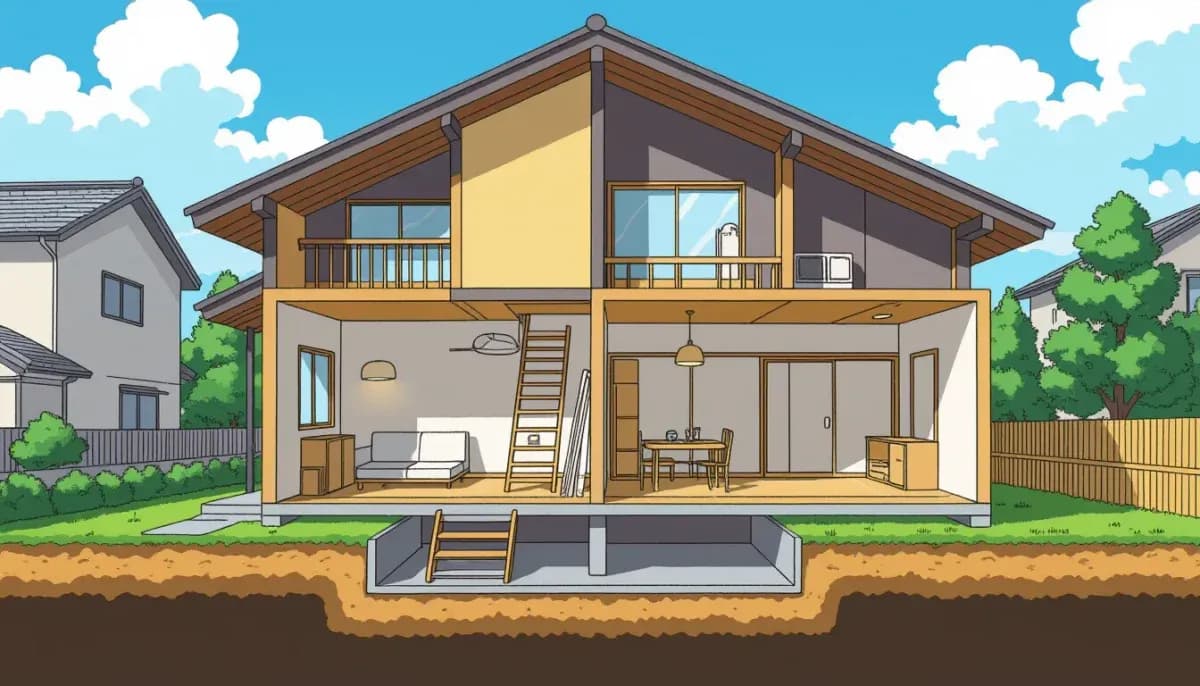
Privacy and Noise Insulation in Japanese Houses
A complete guide to privacy and noise insulation in Japanese houses for foreign buyers. Learn how RC, steel, and wood construction affects noise levels, plus practical soundproofing tips.
Read more →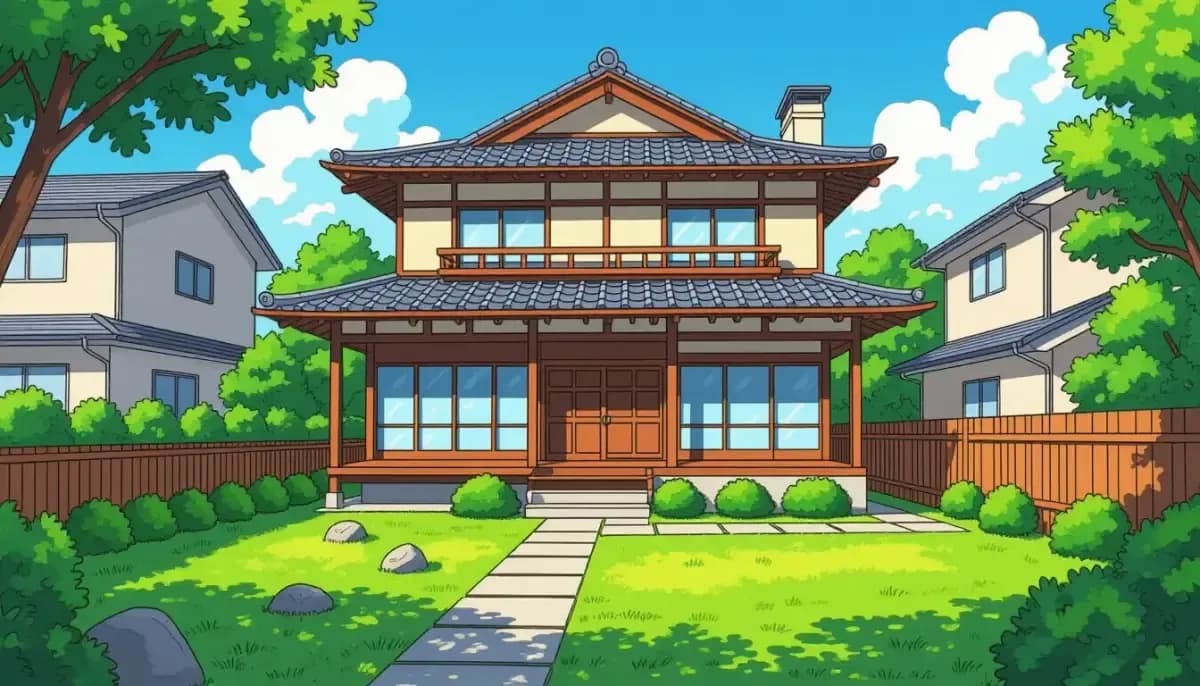
Complete guide to buying an ikkodate (detached house) in Japan as a foreigner: prices, costs, mortgage options, purchase process, inspections, and akiya opportunities explained.
Owning a standalone home in Japan — your own garden, your own land, your own walls — sounds like a dream. For many foreigners living in or moving to Japan, it is entirely achievable. Japan's property market is uniquely open: there are no nationality-based restrictions on purchasing real estate, and detached houses (一戸建て, ikkodate) are among the most rewarding properties a foreigner can buy. This guide walks you through everything you need to know — from what ikkodate means, to costs, financing, the purchase process, and long-term ownership considerations.
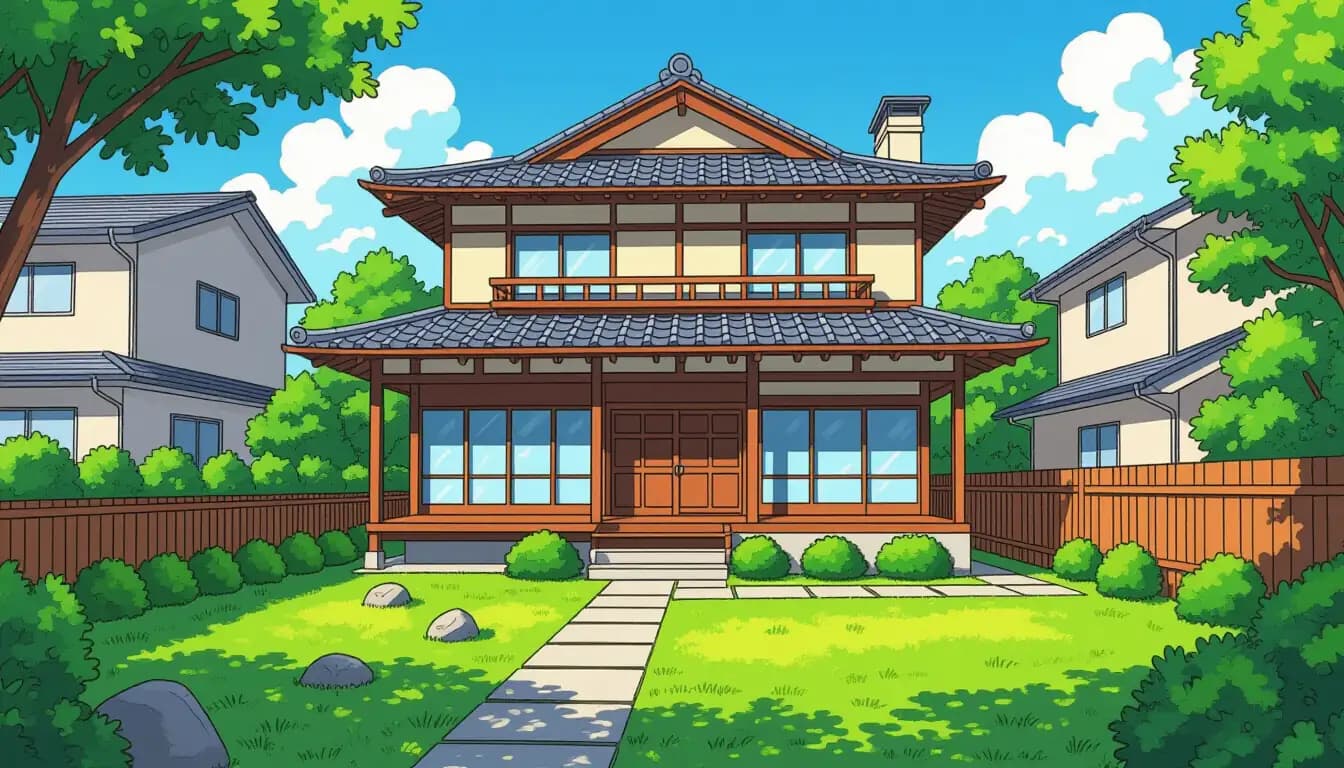
The word ikkodate (一戸建て) literally means "single building" and refers to a standalone, single-family home that sits on its own plot of land. Unlike condominiums (mansions) or apartment complexes, an ikkodate is entirely yours — no shared walls with neighbors (or just one), no homeowners' association mandatory fees, and full freedom to renovate, expand, or even demolish and rebuild.
Ikkodate come in two broad categories:
For foreigners, both categories are fully accessible. The decision largely comes down to budget, location preference, and tolerance for renovation work.
Many expats who have lived in Japan for several years find themselves drawn to ikkodate for practical and lifestyle reasons. Condominiums in urban centers are convenient but feel cramped over time, especially for families. An ikkodate gives you:
The trade-off is full personal responsibility for maintenance — roof, exterior, plumbing, and garden upkeep all fall squarely on you.
Yes — and with very few caveats. Japan imposes no nationality-based restrictions on property purchase. Whether you hold a tourist visa, work visa, spouse visa, or no visa at all (as a non-resident investor), you have the same legal right to purchase a detached house as any Japanese citizen.
For non-resident buyers, the only formal requirement under the Foreign Exchange and Foreign Trade Act is filing a notification with the Ministry of Finance within 20 days of signing the purchase contract. This is a straightforward administrative step, not a restrictive hurdle.
What buying property does NOT do: Property ownership in Japan does not grant you a visa or any form of residency status. Ownership and immigration status are entirely separate matters. For more on this, see our guide on Visa and Residency Considerations for Property Buyers in Japan.
For a deeper overview of the legal landscape, the comprehensive resource at Living in Nihon's Property & Mortgage Guide is an excellent starting point.
Prices vary enormously across Japan. A new detached home in central Tokyo can cost ¥70–100 million or more, while a spacious used house in a rural prefecture might be available for under ¥5 million — or even for free as an akiya.
| Location Type | Typical Price Range (Used) | Typical Price Range (New) |
|---|---|---|
| Central Tokyo (23 wards) | ¥50M–¥100M+ | ¥70M–¥120M+ |
| Greater Tokyo suburbs | ¥25M–¥60M | ¥35M–¥80M |
| Osaka/Nagoya metro areas | ¥20M–¥50M | ¥30M–¥60M |
| Regional cities (Sendai, Hiroshima, etc.) | ¥10M–¥30M | ¥20M–¥40M |
| Rural areas / countryside | ¥1M–¥15M | ¥15M–¥30M |
| Akiya (vacant homes) | Free–¥5M | N/A |
Note: ¥1 million ≈ USD $6,500–$7,000 at current rates. Japan has approximately 9 million vacant homes nationwide, creating exceptional opportunities for budget-conscious buyers willing to renovate.
For a broader look at property types and their relative values, see our Types of Properties Available in Japan Guide.
The purchase price is only part of what you'll pay. Budget an additional 6–10% of the purchase price for the following:
For a detailed breakdown of all fees, our article on Hidden Costs and Fees When Buying Property in Japan covers every line item.
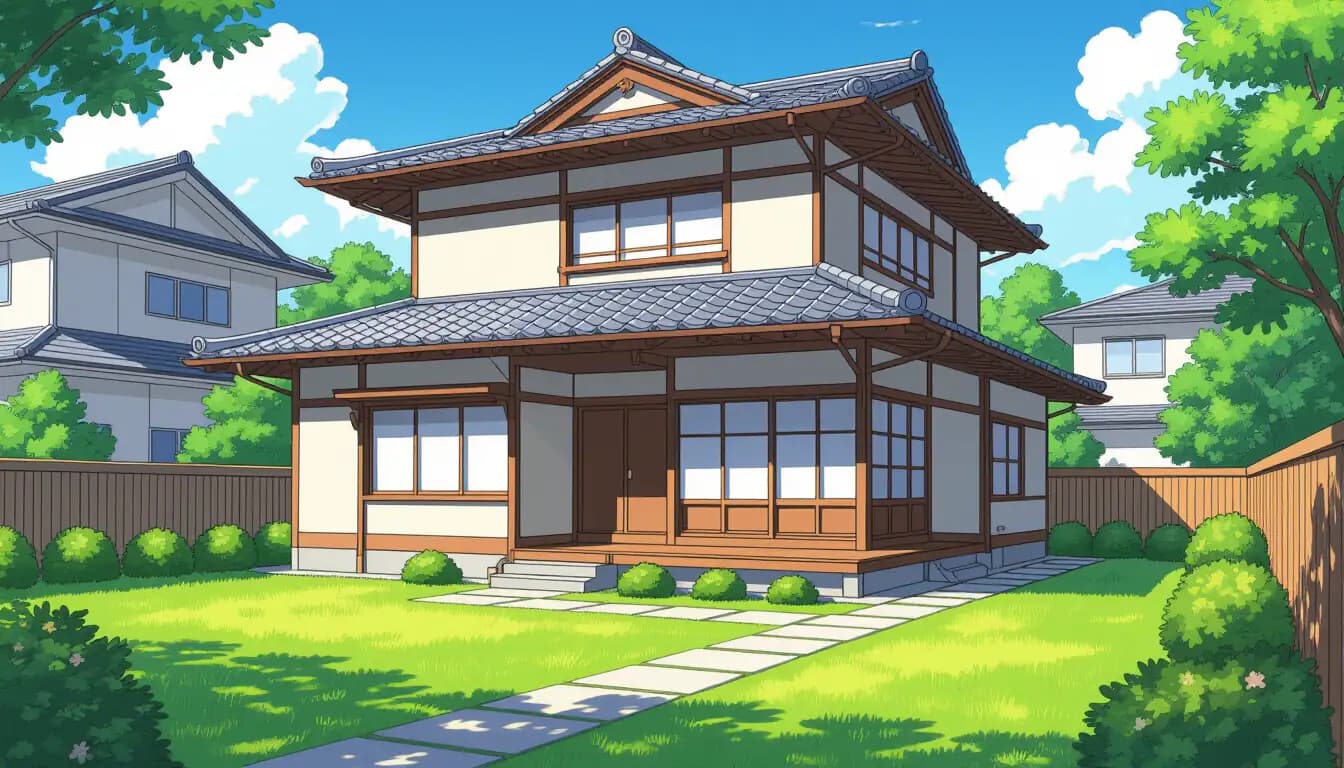
Getting a mortgage in Japan as a foreigner is possible but more restrictive than for Japanese citizens. Your options depend heavily on your residency status.
Permanent residents have nearly identical mortgage access to Japanese nationals. Major banks including Mitsubishi UFJ, Mizuho, and Sumitomo Mitsui are accessible, with loan-to-value ratios of 80–100% and competitive variable rates around 0.5–0.8%.
Options narrow significantly, but they exist:
General requirements for non-PR applicants:
Non-residents (living outside Japan) will typically find Japanese mortgage lending unavailable and must purchase with cash or through overseas financing.
For a complete breakdown of all mortgage options, see our Mortgages and Home Loans for Foreigners in Japan guide. You can also find expert guidance at Tokyo Portfolio's 2025 Housing Loans Guide.
Buying an ikkodate in Japan follows a structured process typically spanning 3–6 months:
For a full walkthrough of each stage, see our Step-by-Step Home Buying Process in Japan for Foreigners.
Used ikkodate require careful due diligence. Japan's older housing stock was often built before the 1981 earthquake resistance reforms, and wood-frame construction has specific vulnerabilities:
A professional home inspection (¥50,000–¥150,000) is money very well spent. For everything about due diligence and contracts, see Legal Procedures and Documentation for Japan Property Purchase.
You can also find detailed advice on the detached house buying process at Gaijin Buy House's Detached House Guide.
Unlike condominiums, ikkodate have no monthly management fees — but ownership still comes with annual financial obligations:
| Cost | Rate/Amount |
|---|---|
| Fixed asset tax (固定資産税) | 1.4% of official assessed value annually |
| City planning tax (都市計画税) | 0.3% of assessed value (urban zones only) |
| Home insurance | ¥50,000–¥150,000/year depending on coverage |
| Earthquake insurance | Roughly 50% of fire insurance premium |
| Exterior maintenance reserve | ¥100,000–¥300,000/year recommended |
The official "assessed value" used for tax purposes is typically 60–80% of market value for land and considerably lower for buildings, especially older structures. This makes annual property taxes on rural or older ikkodate surprisingly affordable.
For a complete breakdown, see Property Taxes and Annual Costs of Owning Property in Japan.
One of the most unique aspects of the Japanese ikkodate market for foreigners is the akiya phenomenon. Japan currently has approximately 9 million vacant homes due to rural depopulation and an aging society. Many municipalities actively list these properties through akiya banks (空き家バンク) at dramatically reduced prices — sometimes free.
The appeal is obvious: spacious land, authentic Japanese architecture, and ultra-low entry prices. The reality requires careful assessment:
For many foreign buyers, especially those with renovation experience or remote work flexibility, akiya represent extraordinary value. For more on rural property, see our Rural and Countryside Properties in Japan for Foreign Buyers guide.
Additional comprehensive guidance is available at Cheap Japan Homes' Buying Guide and E-Housing's Property Guide.
To summarize the unique characteristics of detached house ownership for foreigners in Japan:
Advantages:
Disadvantages:
Buying an ikkodate in Japan as a foreigner is a realistic and rewarding goal. The market is open, the legal framework is straightforward, and the property itself can offer a quality of life that urban apartment living rarely matches. With careful preparation, the right advisors, and a clear budget, your Japanese detached home is within reach.
For your complete overview of the home-buying journey, start with our Complete Guide to Buying Property in Japan as a Foreigner. For work and living context in Japan, the resources at For Work in Japan provide valuable guidance on establishing your life in the country.
A complete guide to privacy and noise insulation in Japanese houses for foreign buyers. Learn how RC, steel, and wood construction affects noise levels, plus practical soundproofing tips.
Read more →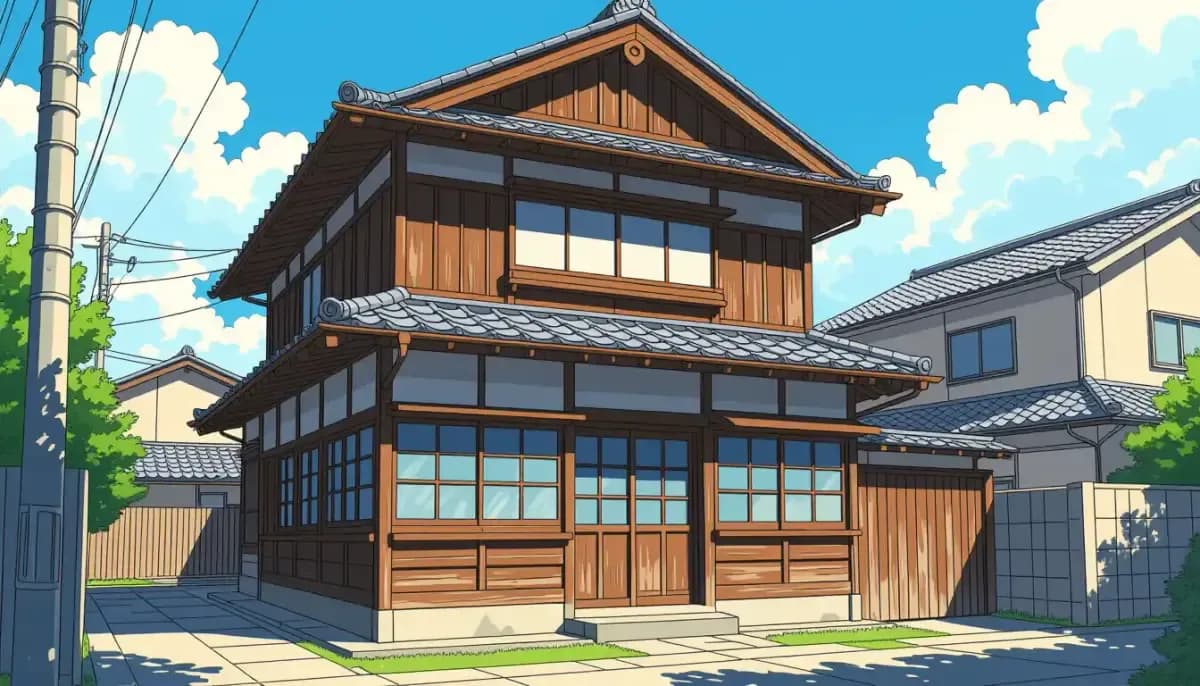
Learn how Japanese house depreciation works, statutory useful life by construction type, genka shoukyaku tax rules, and how to factor depreciation into buying property in Japan as a foreigner.
Read more →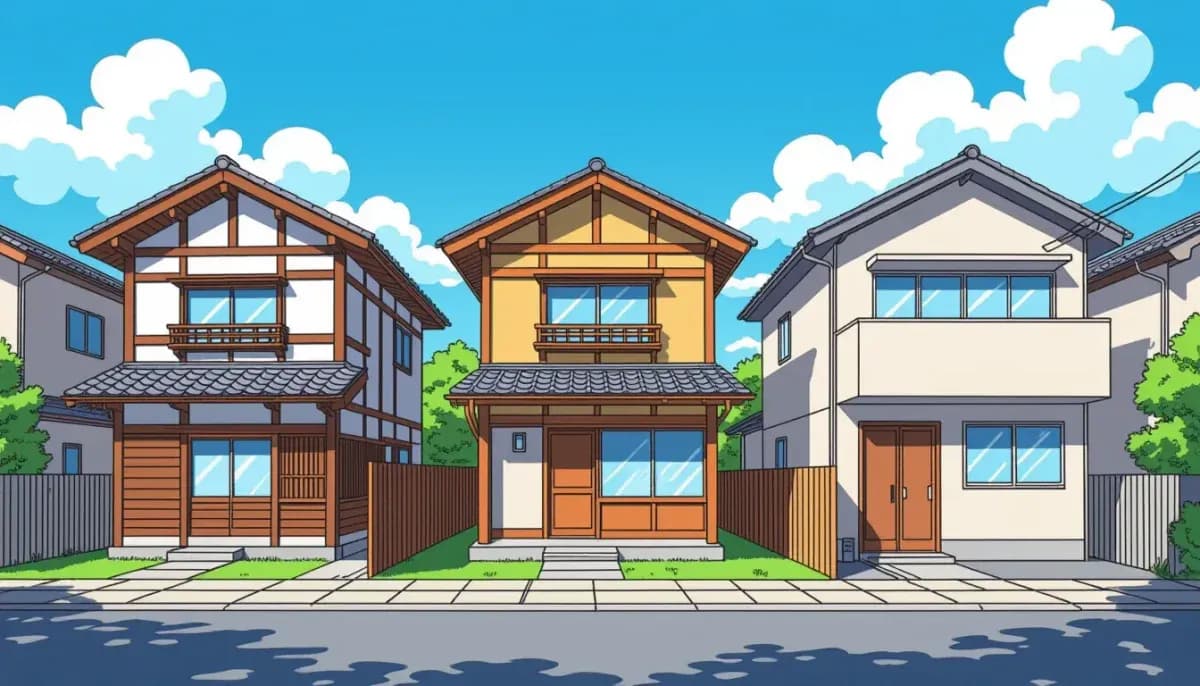
A complete guide to Japan house structure types for foreign buyers: wooden (木造), steel (鉄骨), and reinforced concrete (RC) construction — costs, earthquake safety, lifespan, and what to check when buying.
Read more →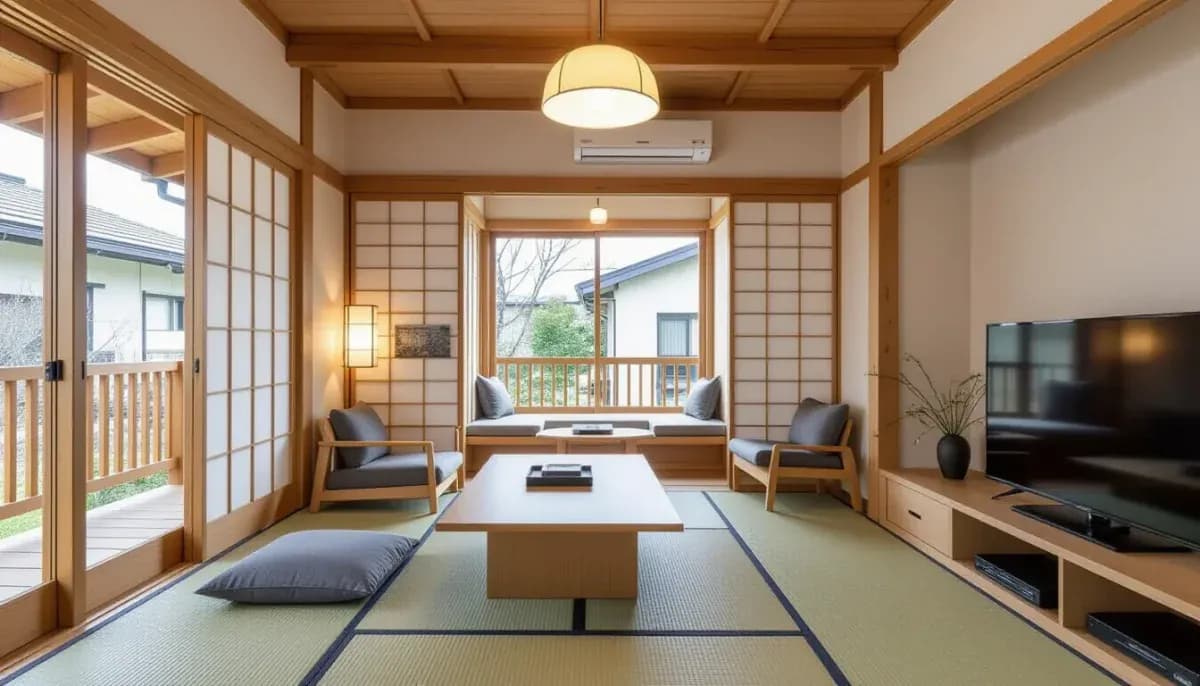
Discover the principles of Japanese small house design and compact living. Learn space-saving techniques, Japanese design philosophy, and practical tips for foreigners living in small homes in Japan.
Read more →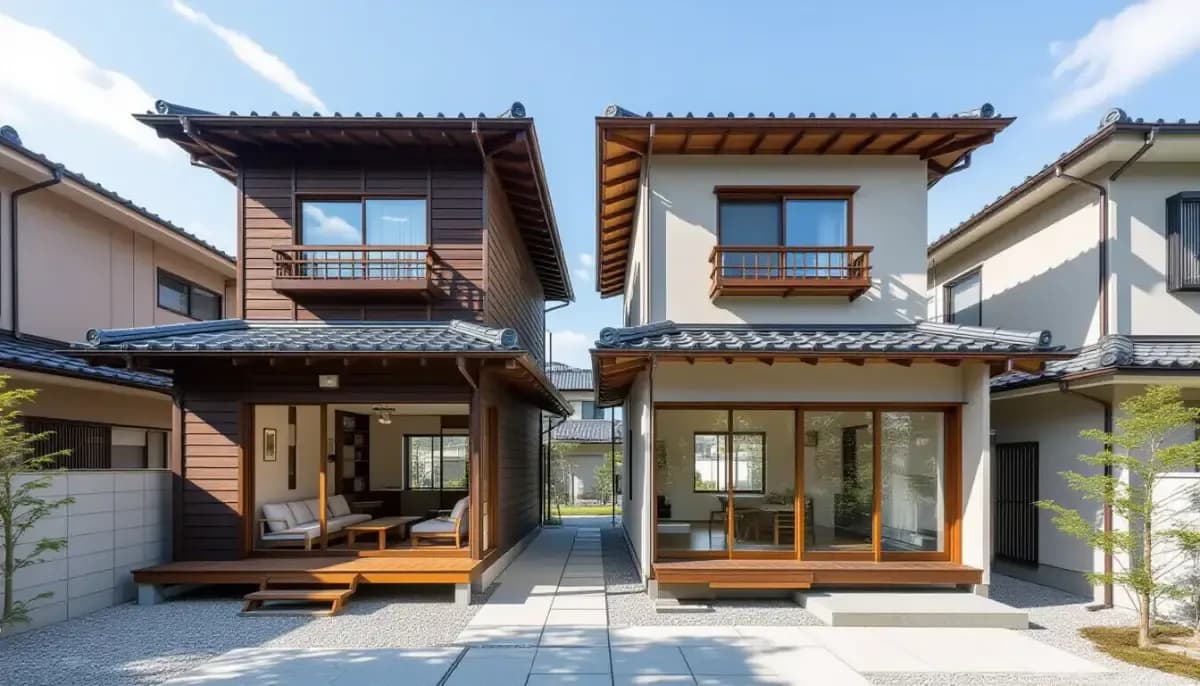
Everything foreigners need to know about buying a nisetai jutaku (two-family house) in Japan — types, tax benefits, costs, and legal considerations for foreign buyers.
Read more →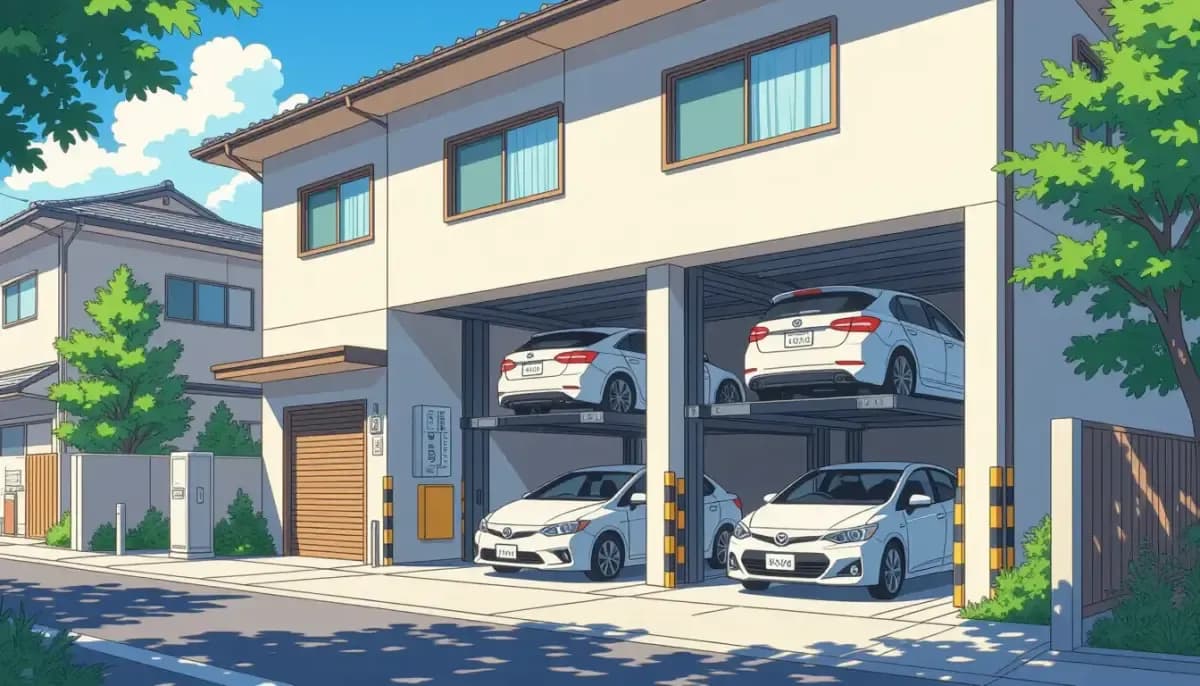
Learn Japan's parking and garage requirements for homeowners. Everything about the Shako Shomeisho certificate, types of residential parking, costs by region, and tips for foreigners buying property in Japan.
Read more →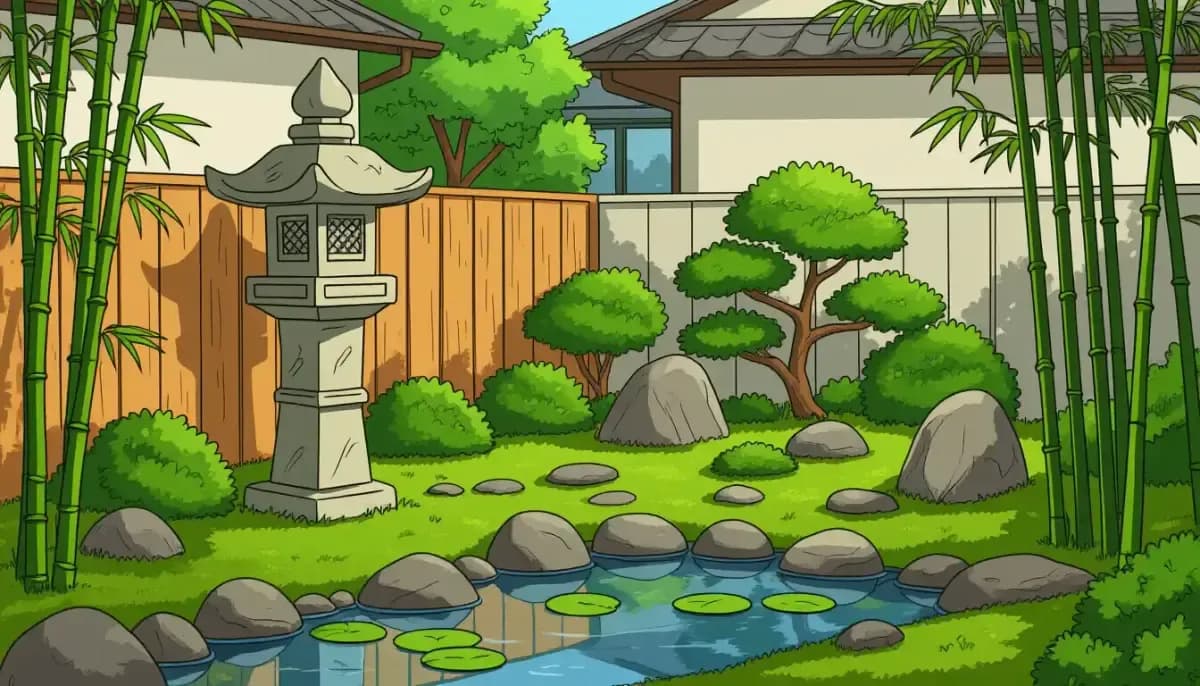
Complete guide to Japanese house gardens and outdoor spaces for foreigners. Learn garden types, design principles, seasonal plants, maintenance costs, and practical tips for creating your own Japanese garden.
Read more →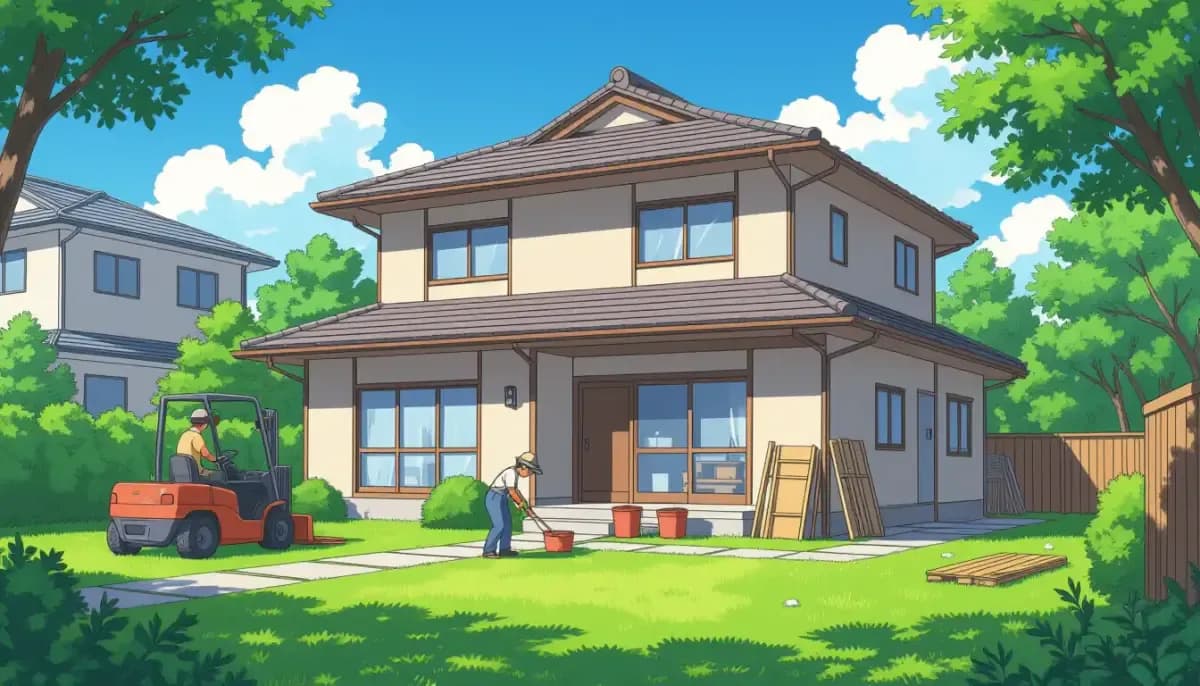
A complete guide to detached house maintenance costs and responsibilities in Japan for foreign owners. Learn annual budgets, major repair costs, insurance requirements, and practical tips for managing your Japanese property.
Read more →
Complete guide to buying a house and land package (建売住宅) in Japan as a foreigner. Learn the process, costs, financing options, earthquake standards, and key tips for a successful purchase.
Read more →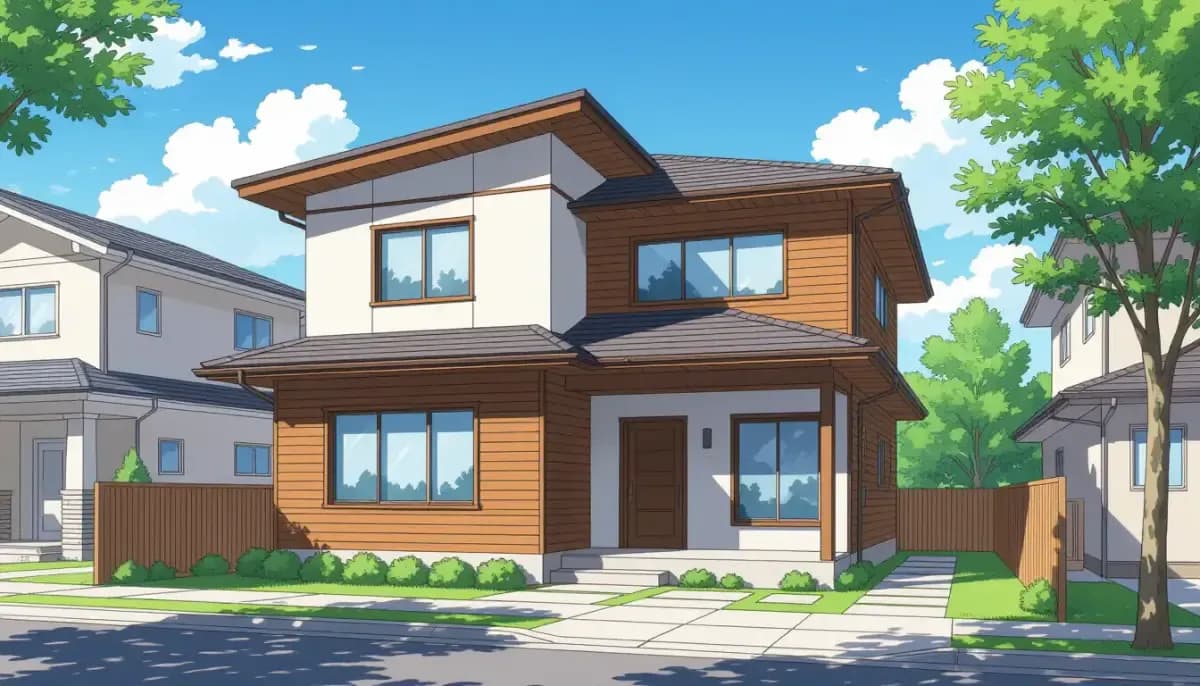
Everything foreigners need to know about tateuri (built-for-sale) homes in Japan: costs, buying process, mortgage options, pros and cons, and tips for expat buyers in 2025.
Read more →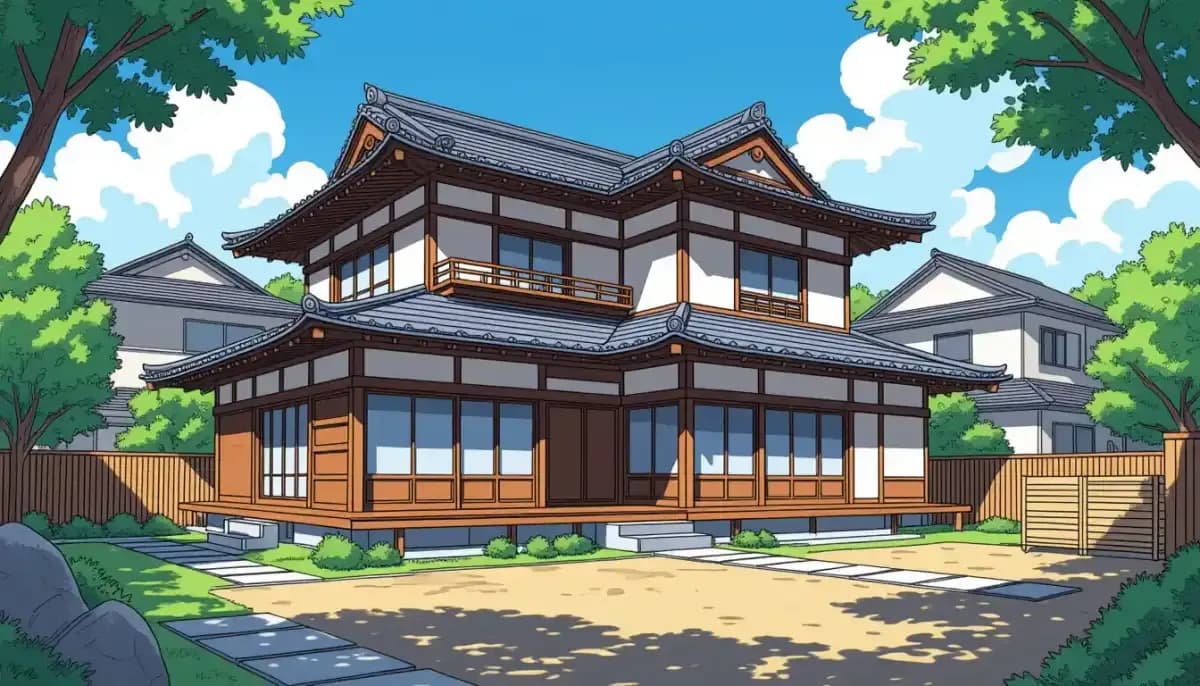
Everything foreigners need to know about building a custom home in Japan (chuumon jutaku): types, process timeline, costs, mortgage options, house-makers, and practical tips for expats.
Read more →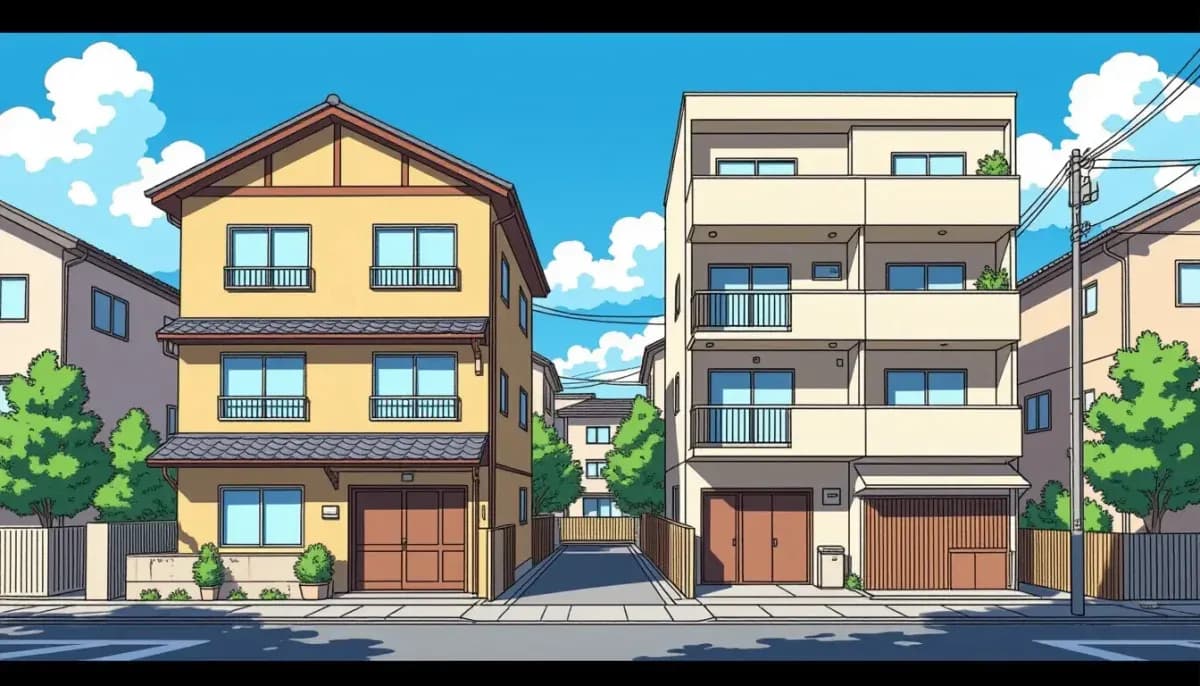
Compare buying a house vs condo in Japan as a foreigner. We break down costs, ownership rights, capital appreciation, maintenance, and which is right for your lifestyle and investment goals.
Read more →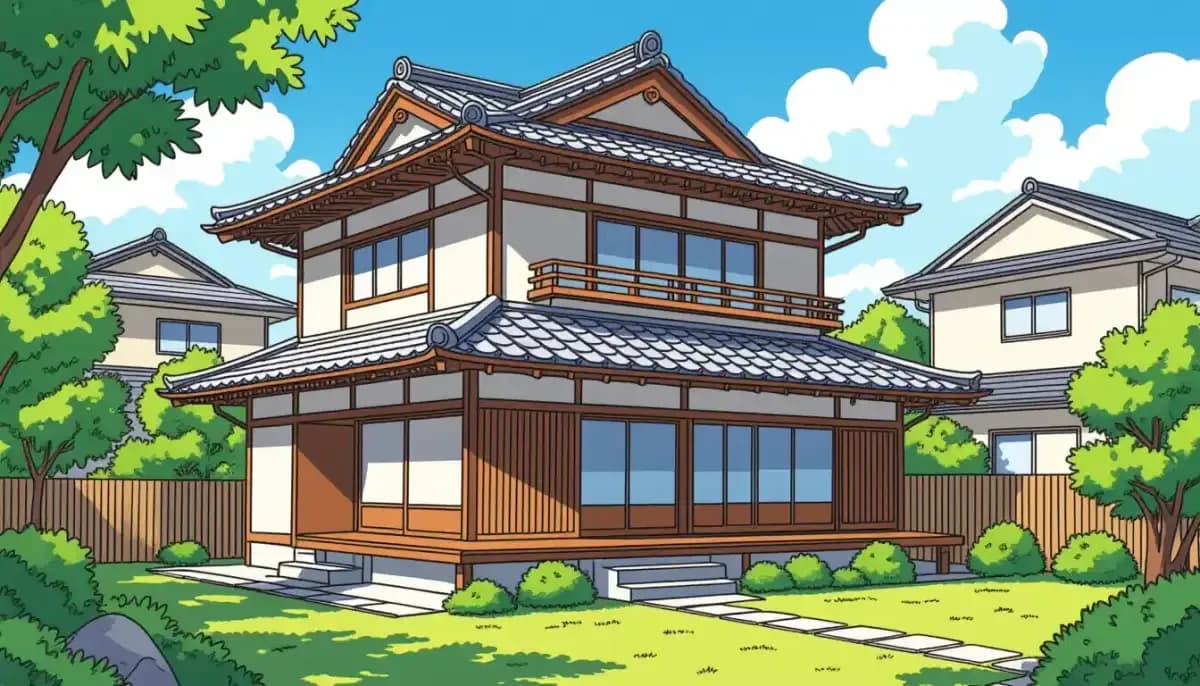
Complete guide to buying an ikkodate (detached house) in Japan as a foreigner. Covers prices, purchase process, financing options, key evaluation factors, and tips for international buyers.
Read more →