Rural and Countryside Properties in Japan for Foreign Buyers
Japan's countryside is experiencing a remarkable transformation. While millions of Japanese residents continue migrating to major cities, a growing wave of foreign buyers is discovering extraordinary opportunities in rural and regional areas. With approximately 9 million abandoned homes — representing 13% of all housing stock — Japan's inaka (countryside) offers some of the most affordable property prices in the developed world, often at a fraction of what similar homes cost in Western countries.
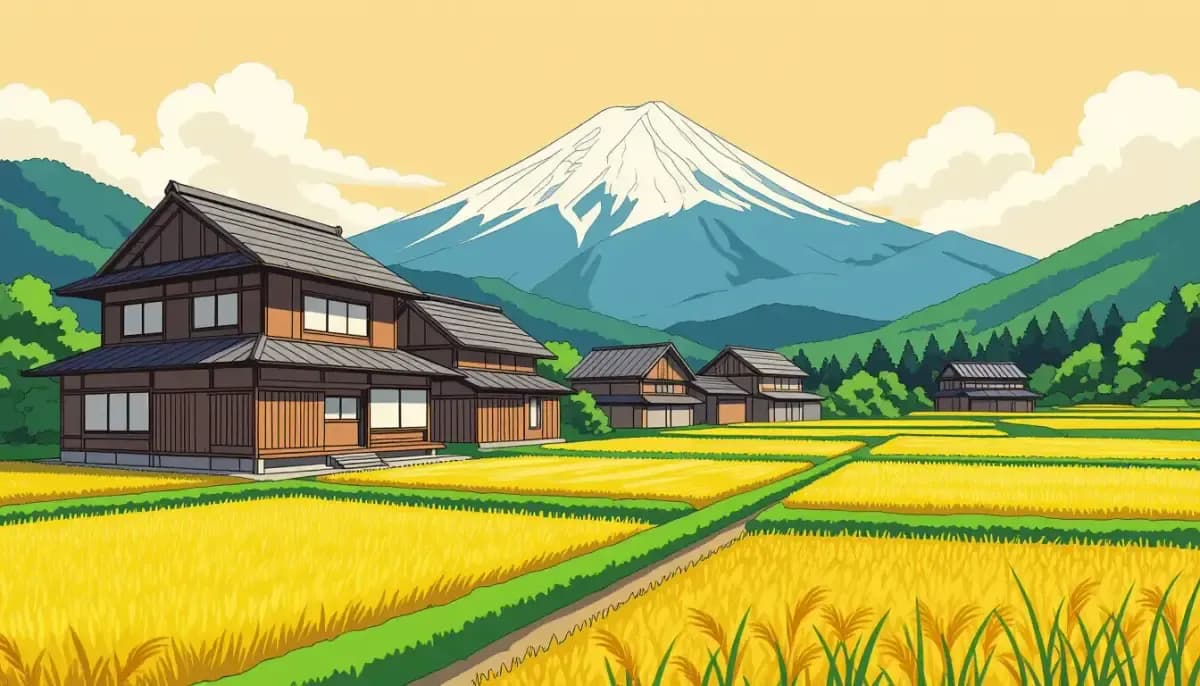
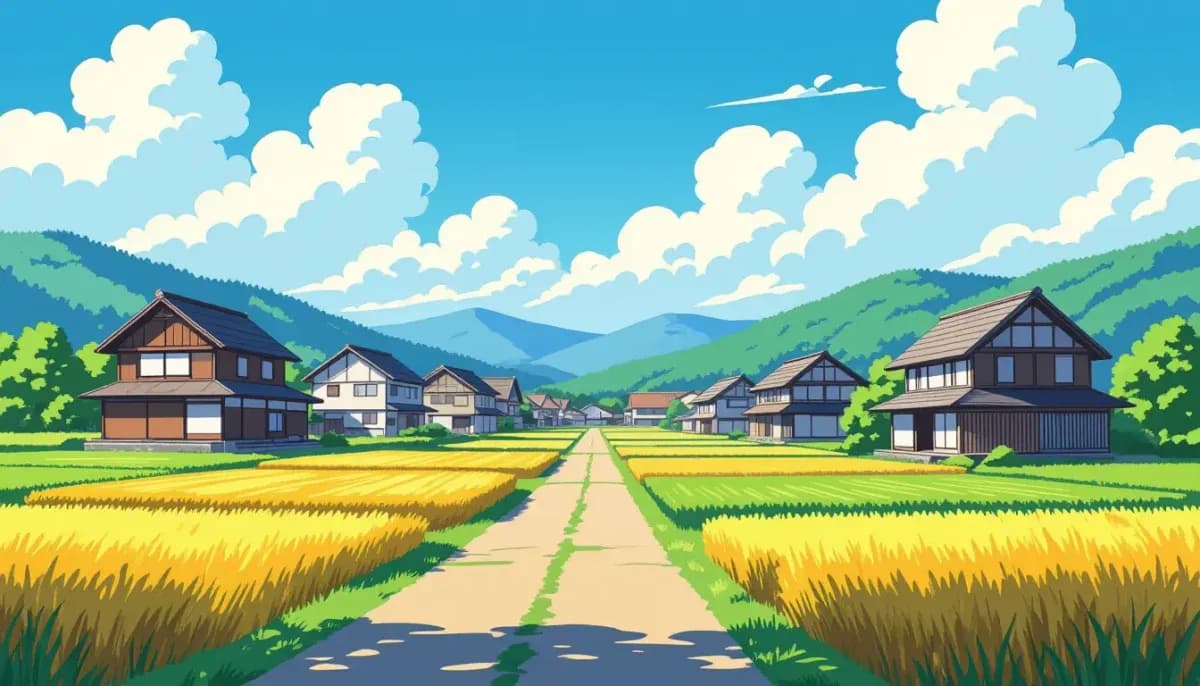
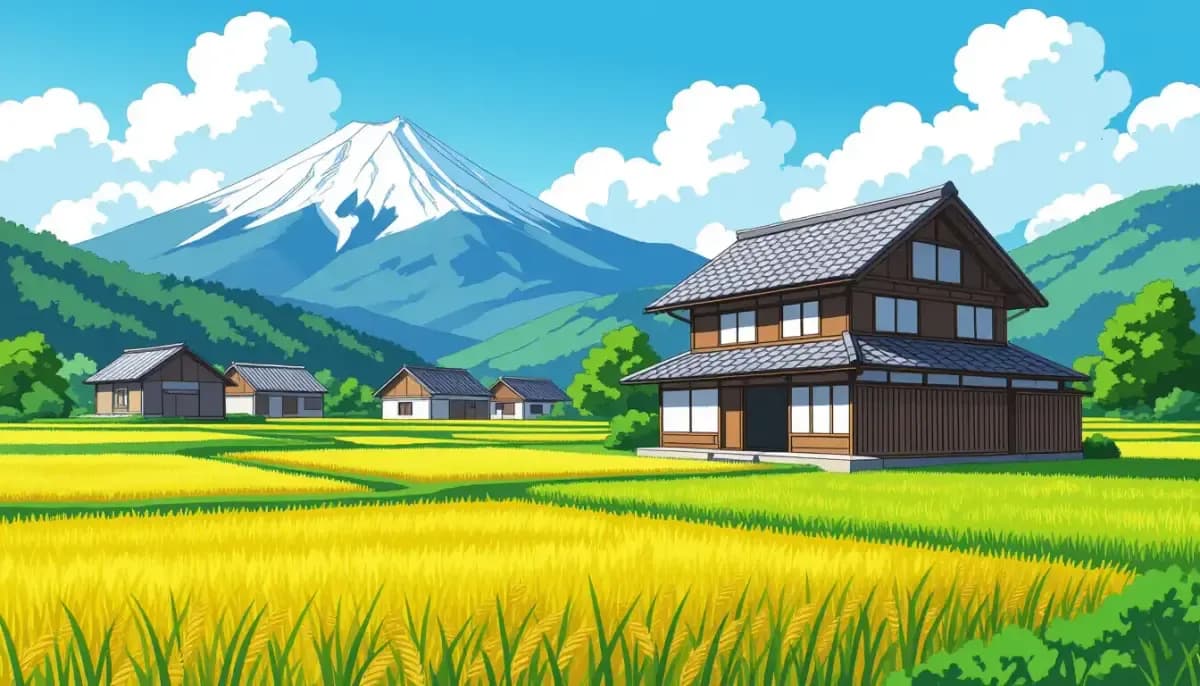
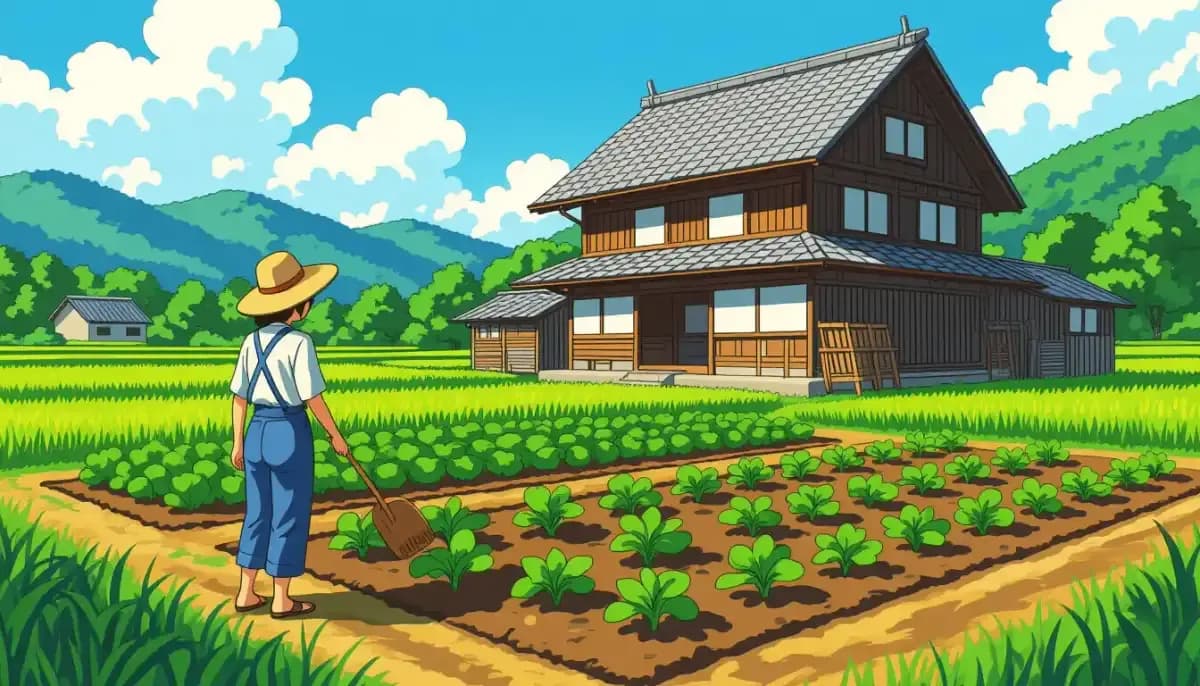
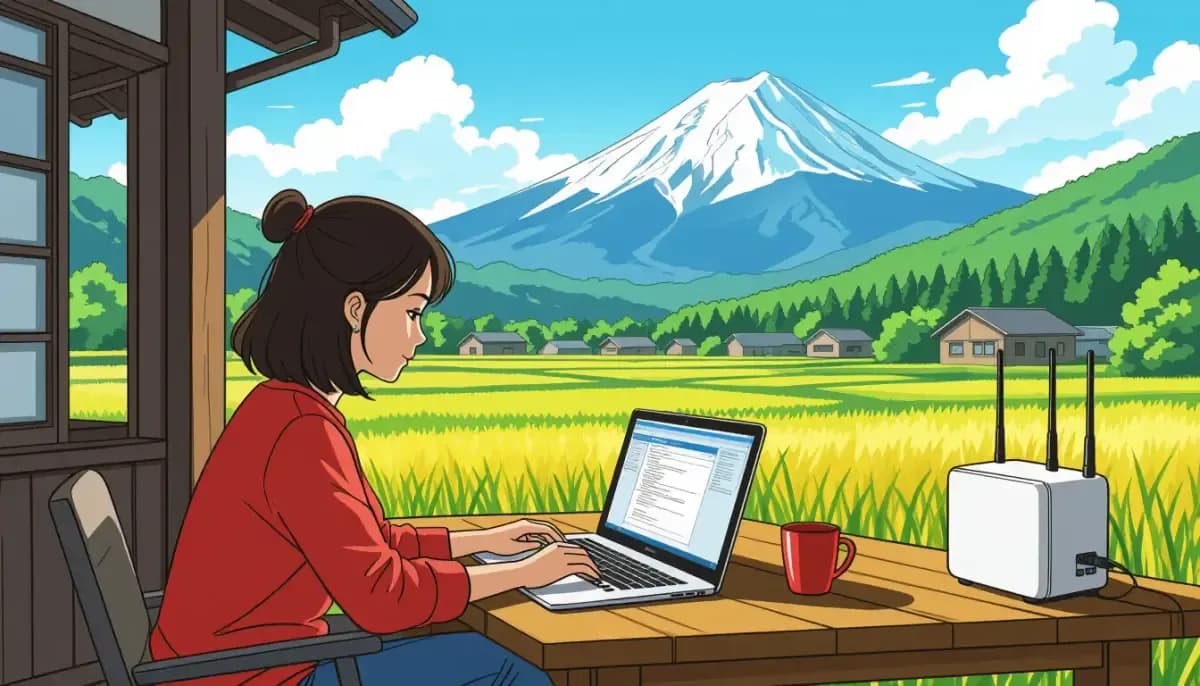
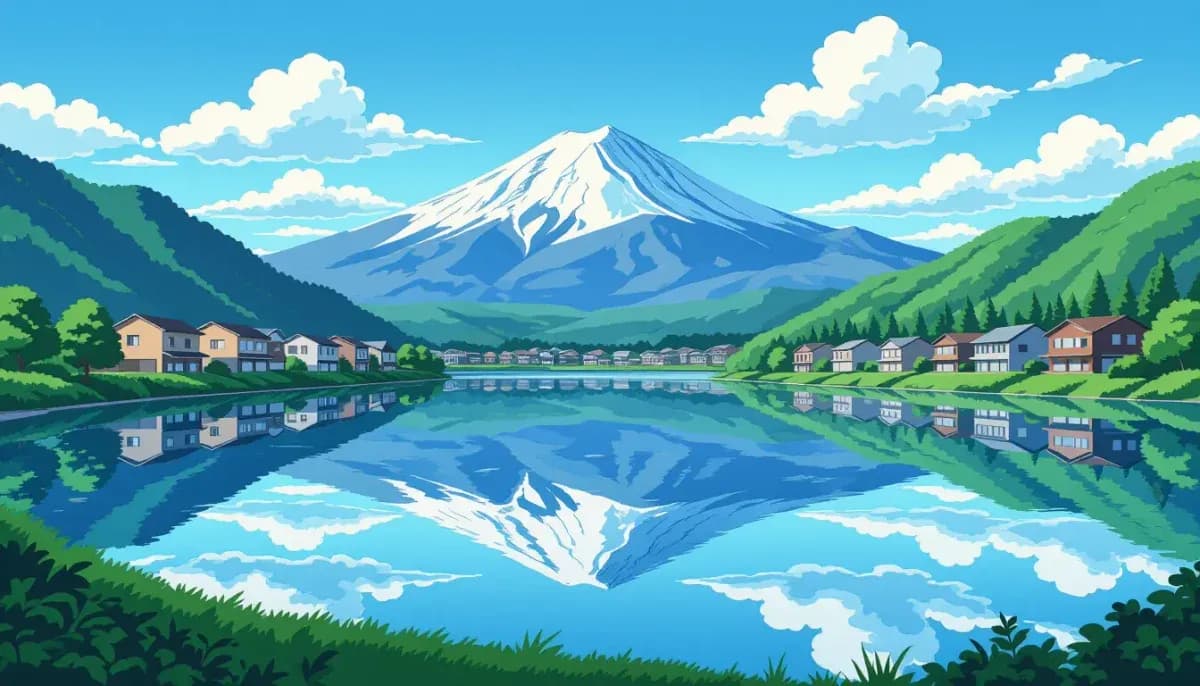
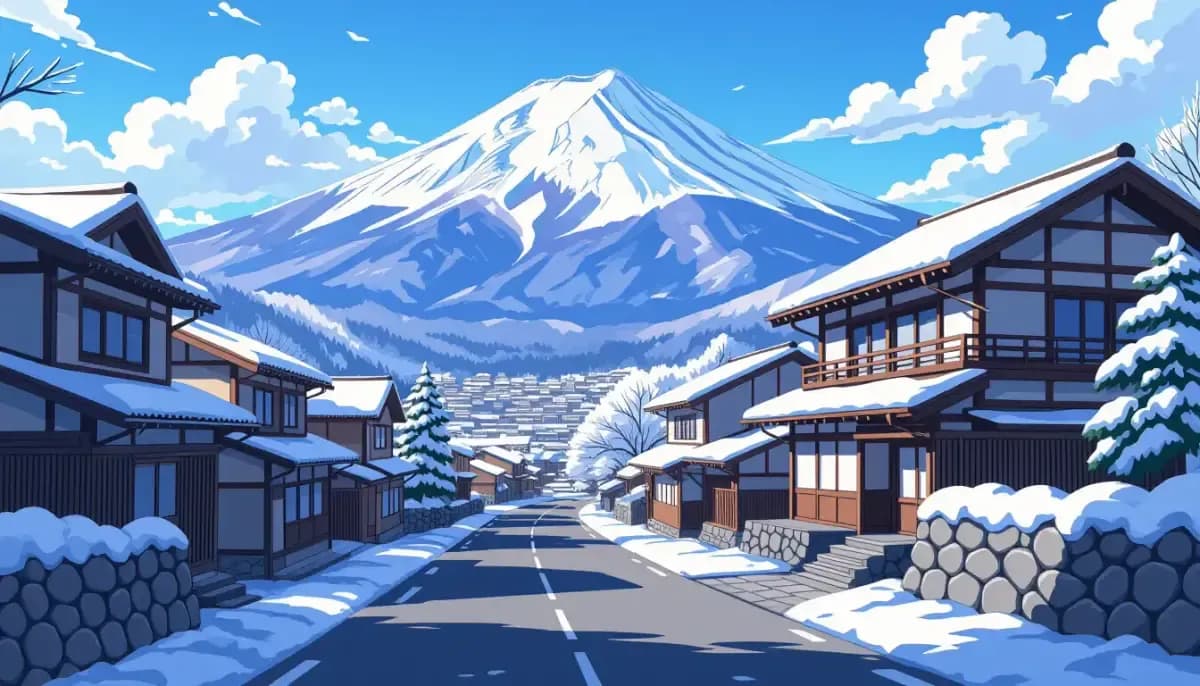
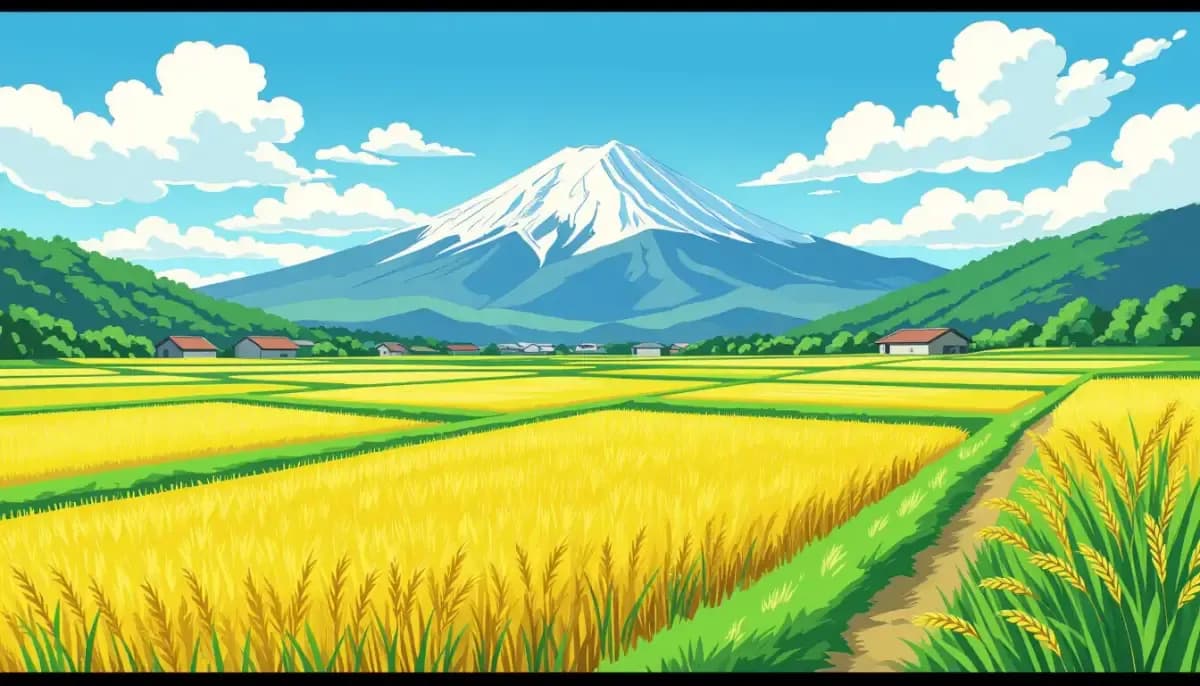
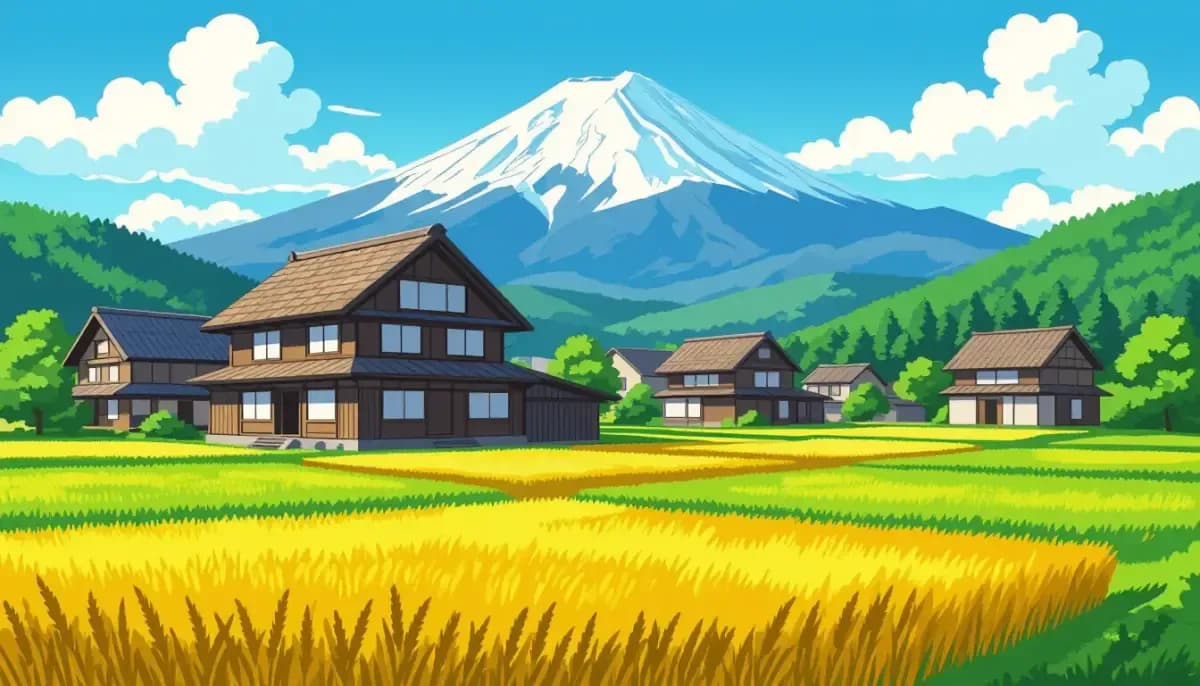
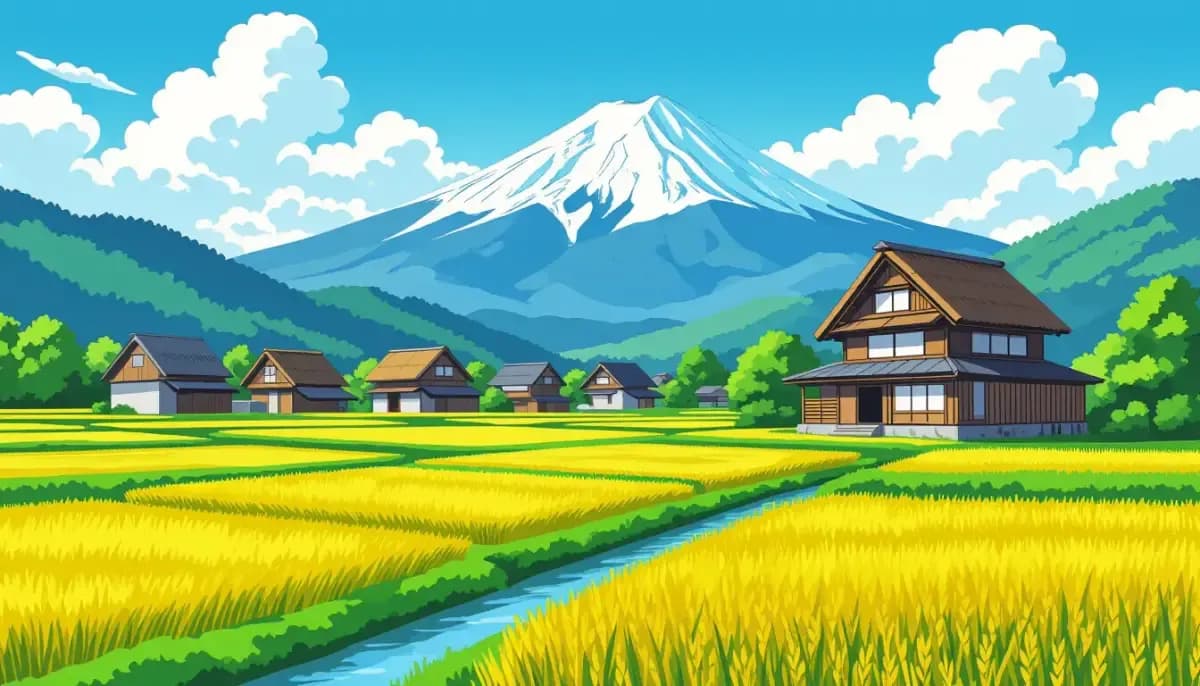
Whether you dream of a traditional farmhouse surrounded by rice fields, a mountain retreat near world-class ski slopes, or a quiet seaside village where you can work remotely, Japan's rural areas present compelling options. This guide covers everything foreign buyers need to know about purchasing countryside property in Japan, from legal considerations and pricing to the akiya system and regional highlights.
Can Foreigners Buy Rural Property in Japan?
The short answer is yes — and it's more straightforward than many people expect. Japan imposes no nationality-based restrictions on property purchases, whether you hold permanent residency, a work visa, or even a tourist visa. Foreign nationals can acquire rural land and buildings under the same terms as Japanese citizens, with no extra taxes or special requirements based on citizenship alone.
This open policy stands in stark contrast to many other countries that restrict foreign land ownership. In Japan, you can own both the building and the land (freehold ownership), which is the standard arrangement for houses outside major cities. The only ongoing requirement is that real estate transactions must be registered with the Legal Affairs Bureau, and agricultural land has additional restrictions under the Agricultural Land Act.
Important exception — farmland: Agricultural land (nōchi) is regulated separately and generally requires registration as a farmer to purchase. However, this typically doesn't affect residential rural properties, which are classified differently even if they sit on large plots with gardens.
For a complete overview of legal rights for foreign property buyers, see our guide on Can Foreigners Buy Property in Japan?.
Understanding the Akiya System
The word akiya (空き家) literally means "empty house," and Japan has millions of them. Decades of rural depopulation have left entire villages with high proportions of vacant, aging homes. Local governments, desperate to attract new residents and revitalize communities, have created the akiya bank system — online databases listing vacant properties for sale, sometimes at extraordinarily low prices or even for free.
How Akiya Banks Work
Municipal governments operate akiya banks as public services. Listings include properties in their jurisdiction that owners have registered as available for sale or rent. The goal is community revitalization, not profit, which means prices are often far below market rates.
Key features of akiya banks:
- Managed by local governments — typically through the municipal office (shiyakusho or yakuba)
- Subsidized prices — some properties listed for ¥500,000 or less; some are genuinely free
- Conditions attached — buyers often must commit to residence, renovation, or both
- Japanese language — most akiya banks operate only in Japanese, though prefectural portals increasingly offer English
The national akiya portal at Akiya & Inaka aggregates listings from across Japan and offers some English-language support, making it more accessible to foreign buyers. Platforms like Akiya Hub also provide verified, English-described listings with professional support for international purchasers.
For detailed guidance on the akiya system specifically, see our dedicated article on Akiya (Vacant and Abandoned Houses) in Japan for Foreign Buyers.
Price Guide: What Rural Property Costs in Japan
Rural property prices vary enormously depending on location, condition, and whether any government subsidies apply. The table below provides a realistic overview of what foreign buyers can expect.
| Property Type | Typical Price Range | Notes |
|---|
| Basic akiya (needs renovation) | ¥500,000 – ¥3,000,000 | Often requires ¥3-10M renovation |
| Move-in ready rural house | ¥2,000,000 – ¥8,000,000 | Limited availability |
| Renovated farmhouse | ¥8,000,000 – ¥20,000,000 | Good condition, modern amenities |
| Resort area property (Hakuba, Niseko) | ¥15,000,000 – ¥80,000,000+ | Premium locations, strong rental demand |
| Rural land (no building) | ¥50,000 – ¥500,000/tsubo | Varies widely by prefecture |
| Traditional kominka farmhouse | ¥3,000,000 – ¥20,000,000 | Renovation typically required |
To put these figures in context, a comparable rural property in the UK, USA, or Australia would typically cost 5-20x more. Even with renovation budgets factored in, total costs for a livable rural home in Japan often stay well under ¥20 million (~$130,000 USD).
Additional costs to budget:
- Property acquisition tax: 3-4% of assessed value
- Registration fees: 1-2%
- Real estate agent commission: 3% of purchase price + ¥60,000
- Basic renovation: ¥3-5 million minimum
- Full renovation: ¥5-15 million for older properties
For a full breakdown of purchase costs, see Hidden Costs and Fees When Buying Property in Japan.
Best Regions for Foreign Buyers in Rural Japan
Not all rural areas offer equal appeal or accessibility for international buyers. Some regions actively court foreign residents with English-language support and relocation incentives, while others remain almost entirely Japanese-speaking.
Nagano and the Japanese Alps
Nagano Prefecture offers some of Japan's most spectacular mountain scenery combined with excellent infrastructure for foreign residents. The Hakuba Valley is a particular standout — international skiing events and tourism have created a cosmopolitan community with English services, international schools, and strong short-term rental demand. Land prices in Hakuba increased 30% year-on-year in 2024, making it one of Japan's fastest-appreciating rural markets.
Other Nagano areas worth exploring include Karuizawa (popular resort town near Tokyo), Matsumoto (historic city with growing expat community), and the Kiso Valley (traditional post towns with preserved architecture).
Tohoku (Northern Honshu)
The Tohoku region — encompassing Miyagi, Iwate, Yamagata, Akita, Fukushima, and Aomori prefectures — offers some of Japan's lowest property prices and most dramatic natural landscapes. Properties here can be significantly cheaper than even other rural areas.
Sendai, the region's major city, sits just 90 minutes from Tokyo by shinkansen and serves as a hub for international residents exploring the wider Tohoku countryside. Government depopulation initiatives mean generous subsidies for those willing to relocate here.
Chugoku and Shikoku
The Chugoku region (including Hiroshima, Okayama, and Tottori) and Shikoku island offer exceptional value with surprisingly good infrastructure. Tokushima, Wakayama, and Yamanashi prefectures have among the highest ratios of abandoned homes in Japan, which translates to the most affordable acquisition prices.
Shimane and Tottori face significant depopulation and actively recruit foreign residents through generous subsidy programs — some municipalities offer up to ¥1 million in relocation subsidies plus renovation grants of ¥500,000-2,000,000.
Kyushu Countryside
Beyond Fukuoka's urban bustle, Kyushu's countryside offers hot spring culture, fertile farmland, and traditional crafts. Oita (Beppu and Yufuin), rural Kagoshima, and Nagasaki's island communities attract buyers seeking genuine Japanese rural life with relatively accessible major airports.
For buying in Fukuoka as a regional hub, see our Buying Property in Fukuoka and Kyushu as a Foreigner guide.
Government Incentives and Relocation Subsidies
One of Japan's best-kept property secrets is the extensive government support available for people willing to move to rural areas. Faced with critical rural depopulation, both national and local governments have created substantial incentive packages.
National programs:
- Chiiki Miryoku Hasshin Jigyō: Provides up to ¥1,000,000 per household for those relocating from Tokyo's 23 wards to regional areas
- Furusato Nōzei (hometown tax system): Allows you to direct tax contributions to your new municipality, often receiving local goods in return
Municipal programs (vary by location):
- Free or heavily subsidized land in exchange for building a new home
- Renovation grants of ¥500,000-¥2,000,000 for purchasing and restoring akiya
- Startup business grants for entrepreneurs relocating to rural areas
- Free Japanese lessons and community integration support
- Subsidized childcare and education for families
Many municipalities in rural Japan have dedicated "migration coordinators" (ijū coordinator) who can assist foreign applicants. Some cities like Kamiyama in Tokushima have become internationally known for attracting creative workers and remote workers through proactive programs.
The Rural Buying Process: Step by Step
Purchasing rural property in Japan follows the same basic process as urban purchases, but with some important differences related to local community expectations and potential property conditions.
Step 1: Research and Property Identification
Start by identifying target prefectures and municipalities. Consider:
- Proximity to the nearest major city and transportation links
- Local community demographics and English-language availability
- Municipal support programs for new residents
- Natural disaster risk (earthquake, typhoon, flood, landslide zones)
Use Japan's hazard map portal (国土交通省ハザードマップポータルサイト) to check disaster risks for any specific property before making offers.
Step 2: Property Viewing and Inspection
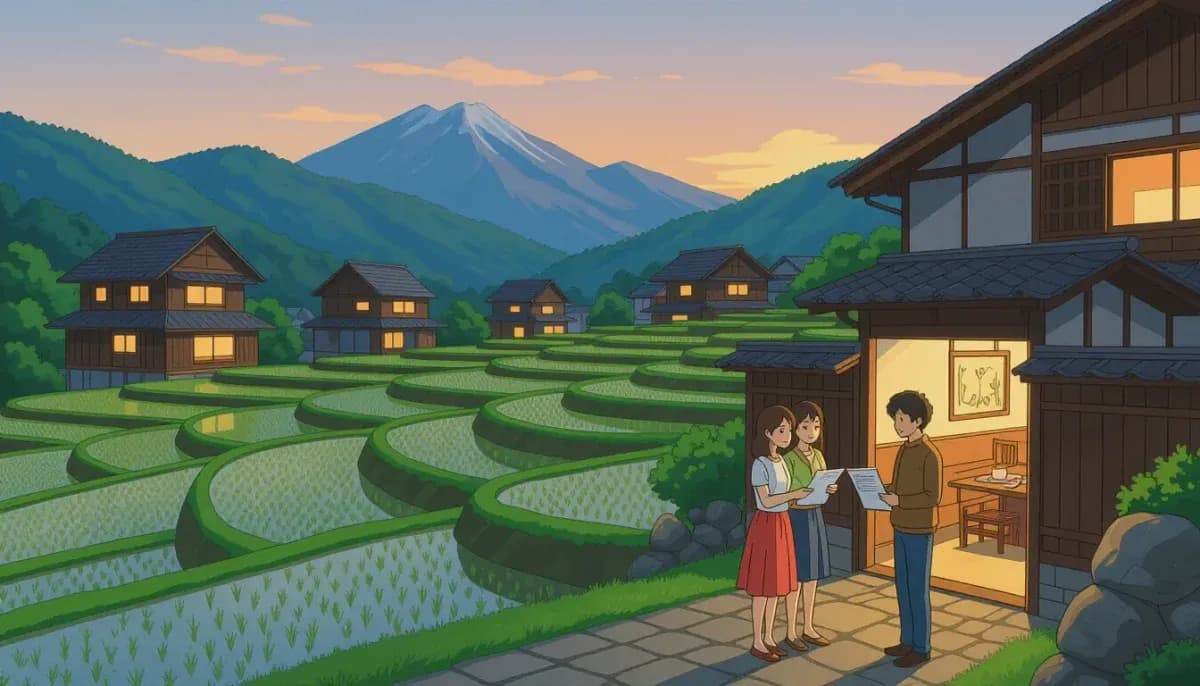
Rural property viewings in Japan often involve not just the house but the community. Local sellers and akiya bank coordinators may arrange meetings with neighborhood association (jichikai) representatives. This reflects Japan's strong community culture — being accepted by neighbors is considered important.
Always hire a qualified building inspector (home inspector) before purchasing older rural properties. Japanese houses built before 1981 may not meet current earthquake standards, and renovation costs can escalate dramatically if structural issues are found.
Step 3: Making an Offer and Signing Contracts
The process mirrors standard Japanese real estate transactions:
- Submit a purchase intent letter (kōnyū mōshikomi-sho)
- Receive the Important Matters Explanation (jūyō jikō setsumei-sho) from a licensed real estate agent
- Sign the sales contract with a deposit (typically 5-10% of purchase price)
- Complete final settlement and title registration
For complete documentation requirements, see our guide on Legal Procedures and Documentation for Japan Property Purchase.
Lifestyle Realities: What to Expect in Rural Japan
Rural Japan offers a genuinely different quality of life from urban living — with both significant advantages and real challenges that foreign buyers should understand honestly.
The Benefits
Space and affordability — Rural properties offer dramatically more space for the money. A budget that buys a studio apartment in Tokyo can purchase a house with land, garden, and potentially multiple outbuildings in the countryside.
Cost of living — Rent and utilities run approximately 50% lower than central Tokyo. Groceries are around 20% cheaper on average. Parking, often a major expense in Japanese cities, is typically free.
Nature and environment — Immediate access to mountains, forests, rice fields, or coastline without weekend travel. Clean air, lower noise levels, and a slower pace of life.
Cultural depth — Stronger connection to traditional Japanese culture through local festivals, agricultural traditions, and craftsmanship.
The Challenges
Transportation — Rural Japan requires a car for daily life. Public transportation is minimal in many areas, and driving in Japan requires a Japanese driver's license (or conversion of your home country license).
Language — While urban Japan has increasing English availability, rural areas remain largely Japanese-only. Local government offices, medical facilities, and community activities will typically operate entirely in Japanese.
Community expectations — Japanese rural communities often have strong expectations around participation in local activities — garbage collection schedules, neighborhood association meetings, festival contributions. These aren't legally required but are socially expected and can significantly affect your experience.
Infrastructure age — Many rural properties have aging infrastructure: septic systems rather than sewage connections, well water rather than municipal water, and older electrical systems.
For housing setup guidance after your purchase, see Moving to Japan and Setting Up Your New Home.
Working with Real Estate Agents for Rural Properties
Finding a real estate agent who can handle rural properties and communicate in English presents additional challenges compared to urban searches. Most rural real estate agents operate locally and may have limited experience with foreign buyers.
Finding the right agent:
- Look for agents registered with the Real Estate Transaction Association (宅建業者) who specifically advertise experience with foreign clients
- Services like GaijinPot, Housing Japan, and Japan Property Central can connect English-speaking buyers with appropriate agents
- Some prefectural governments maintain lists of agents familiar with foreign buyer needs
What to expect:
- Rural agents may require you to visit in person before seriously engaging with property viewings
- Building trust and demonstrating genuine commitment to the community is important
- Some agents charge consultation fees for English-language services
For comprehensive guidance on working with Japanese real estate professionals, see Working with Japanese Real Estate Agents as a Foreigner.
External Resources for Rural Property Research
Several excellent resources exist for foreign buyers researching rural Japanese property:
The team at Living in Nihon provides comprehensive guides covering the practical aspects of life in Japan for foreigners, including housing considerations that affect rural buyers.
For Work in Japan offers guidance on residency and visa matters that directly affect your ability to use a rural property as a primary residence.
For detailed, region-specific rural and countryside property guidance, Gaijin Buy House's Regional Cities and Rural Property Guide covers the specifics of non-metropolitan acquisition in detail.
The Akiya Hub provides comprehensive English-language guidance specifically for foreign buyers navigating the akiya system, including verified listings and professional support.
Housing Japan's Tokyo vs Rural comparison offers useful context on how rural markets compare to urban investment opportunities.
Is Rural Property in Japan Right for You?
Rural property in Japan isn't a one-size-fits-all solution, but for the right buyer it offers extraordinary value and a unique quality of life unavailable almost anywhere else in the developed world.
Rural Japan property suits you if:
- You prioritize space, nature, and lower cost of living over urban convenience
- You can work remotely or have flexible employment
- You have basic Japanese language skills or are committed to learning
- You have a realistic budget that includes renovation costs
- You appreciate traditional culture and community participation
Consider carefully if:
- You need easy access to international schools, hospitals, or English services
- You rely on public transportation
- You're primarily interested in short-term investment returns
- You cannot commit to regular visits or residence
For buyers focused on investment returns specifically, see our Japan Real Estate Investment Guide for Foreigners.
Conclusion
Japan's rural property market represents one of the most compelling opportunities for foreign buyers in the world. The combination of extraordinarily affordable prices, no foreign ownership restrictions, generous government incentives, and the chance to experience authentic Japanese culture makes countryside property acquisition worth serious consideration.
The challenges — language barriers, renovation costs, transportation limitations, and community integration — are real but manageable with proper preparation and realistic expectations. Thousands of foreign residents have successfully built fulfilling lives in Japan's inaka, and the infrastructure supporting international buyers continues to improve.
Start by identifying regions that match your lifestyle needs, research municipal support programs, budget honestly for renovation and total costs, and connect with experienced English-speaking real estate professionals. Japan's countryside is waiting — and it's more accessible to foreign buyers than most people realize.
For your next step, explore our complete Step-by-Step Home Buying Process in Japan for Foreigners to understand the full purchase timeline and requirements.