
Small House Design and Compact Living in Japan

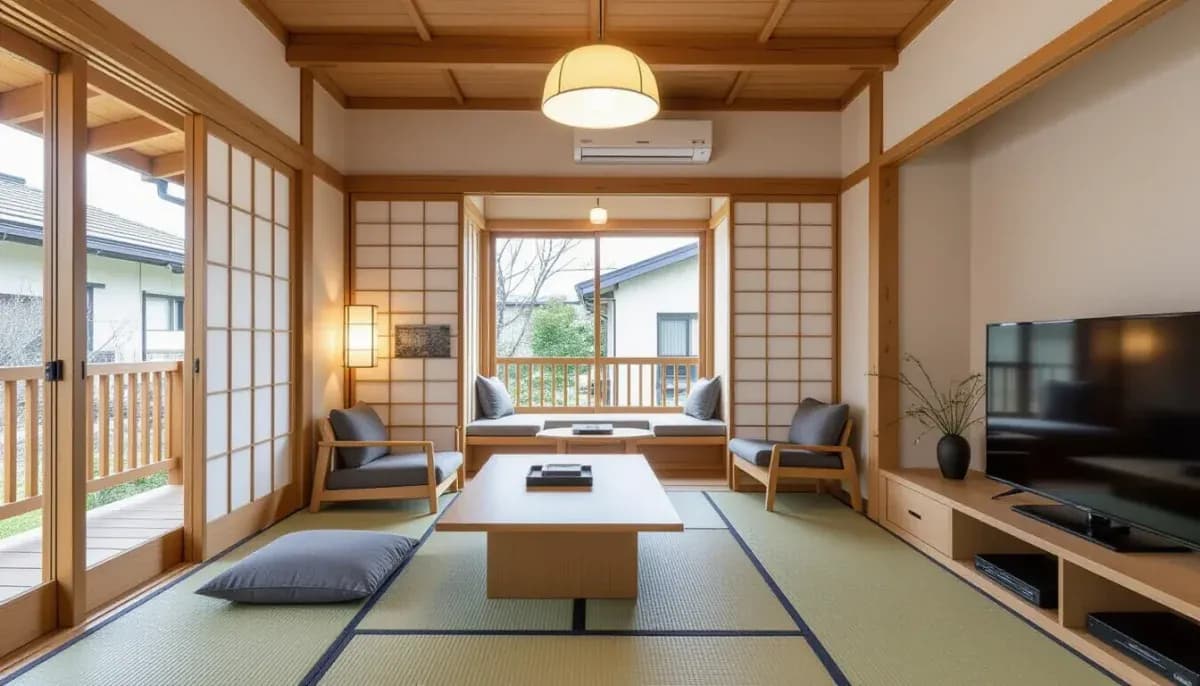
Discover the principles of Japanese small house design and compact living. Learn space-saving techniques, Japanese design philosophy, and practical tips for foreigners living in small homes in Japan.
Small House Design and Compact Living in Japan: A Complete Guide for Foreigners
Japan is world-renowned for turning space constraints into a design art form. Whether you are considering buying a compact property in Tokyo, renting a small apartment in Osaka, or simply want to make the most of a modest Japanese home, understanding the principles of Japanese small house design and compact living will transform how you experience your space. This guide covers everything foreigners need to know about living efficiently and beautifully in Japan's small homes.
Why Japanese Homes Are Small: The Context Behind Compact Living
Japan's compact housing culture did not happen by accident. Approximately 73% of Japan's land is mountainous, leaving only a narrow strip of flat, habitable land concentrated around major cities. This geographic reality, combined with high population density in urban centers like Tokyo and Osaka, means that land is extraordinarily expensive and space is always at a premium.
The average owned residence in Japan measures around 121.7 m² (about 1,310 sq ft) nationally, but in Tokyo this drops to just 91.0 m² (around 980 sq ft). Urban apartments are often considerably smaller — studio or 1K apartments can be as compact as 20–30 m². Understanding this reality before you buy or rent is essential.
Japanese building regulations also play a role. Building coverage ratio rules mean that even on a 40-tsubo (approx. 132 m²) plot, you may only be allowed to build on 20–30 tsubo of it, pushing designers to think creatively upward and inward rather than outward.
For a comprehensive overview of what types of properties are available in Japan and their typical sizes, see our Types of Properties Available in Japan: A Complete Guide.
Core Principles of Japanese Small House Design
What makes Japanese compact homes feel livable — and often beautiful — is a set of deeply ingrained design philosophies developed over centuries. Here are the key principles:
1. Horizontality and Low Furniture
Traditional Japanese interiors favor low-to-the-ground furniture: floor cushions (zabuton), low dining tables (chabudai), futon beds laid directly on tatami mats. This principle, known as horizontality, is not just cultural habit — it's a spatial trick. When you sit or lie at floor level, the ceiling appears farther away, making even a small room feel expansive.
2. Flexibility and Multipurpose Rooms
Traditional Japanese homes do not assign fixed functions to every room. A single room might serve as a bedroom at night, a living room in the morning, and a workspace in the afternoon. Furniture is folded or stored in oshiire closets (deep recessed storage units), allowing the room to be transformed as needed. Sliding doors called fusuma or shoji allow rooms to be merged or divided as circumstances demand.
3. Filtered Light and Visual Depth
Rather than relying on direct sunlight through large windows, Japanese design uses translucent screens, wooden grilles, and paper panels to diffuse light softly throughout a room. This creates a sense of depth and calm. Light-colored walls paired with slightly darker ceilings help walls appear to recede, subtly expanding the perceived size of a space.
4. Vertical Space and Multi-Level Design
Modern Japanese architects are masters of exploiting vertical space. A house that appears tiny from the outside may have two, three, or even four usable levels, with mezzanines, loft sleeping areas, and rooftop gardens. Varying floor heights — even subtle 30 cm differences — create functional zones within what would otherwise be a single open room.
5. The Art of Storage
In Japan, storage is not an afterthought — it is a design imperative. Homes feature underfloor storage compartments (yukashita shuuno), built-in wall cabinets, over-door shelving, and modular furniture with hidden compartments. The Japanese approach to storage is rooted in the philosophy that visible clutter shrinks a space psychologically, so everything must have a place and be put away when not in use.
For more on the types of compact homes available to foreign buyers, check out Buying a Detached House (Ikkodate) in Japan as a Foreigner and Buying a Condominium (Mansion) in Japan as a Foreigner.
Common Small House Types in Japan
Japan has several distinct property types commonly associated with compact living:
| Property Type | Typical Size | Key Features | Best For |
|---|---|---|---|
| 1K Apartment | 20–30 m² | Single room + kitchenette | Solo urban living |
| 1LDK Apartment | 35–50 m² | Living/dining/kitchen + bedroom | Couples |
| Terrace House (Nagaya) | 40–70 m² | Narrow multi-story | Urban families |
| Ikkodate (Detached) | 80–120 m² urban | Private, garden possible | Families |
| Machiya (Townhouse) | 60–100 m² | Traditional narrow townhouse | Those wanting character |
| Tiny House | 15–40 m² | Extreme minimalism | Minimalists |
The machiya — traditional wooden townhouses found in Kyoto and other historic cities — represent a centuries-old solution to urban density. These long, narrow homes maximize a small street frontage while extending deep into the block, with interior courtyards called tsuboniwa that bring light and air into otherwise dark interior rooms. Even without a traditional courtyard, adding a small inner garden to any compact home can dramatically change its atmosphere.
Practical Space-Saving Techniques for Foreign Residents
If you are moving into or designing a compact Japanese home, these practical strategies will help you maximize your space:
Furniture Selection
- Choose low-profile furniture: Sofas, beds, and tables that sit closer to the floor make ceilings feel higher.
- Invest in convertible pieces: Sofa beds, fold-down wall desks, and expandable dining tables serve multiple purposes.
- Use vertical storage: Tall bookshelves and floor-to-ceiling cabinets capture wall space that might otherwise go unused.
- Avoid visual clutter: Closed-door cabinets keep belongings out of sight, maintaining a sense of calm and space.
Layout Strategies
- Embrace open-plan living: Removing non-structural interior walls creates flowing spaces that feel larger than the sum of their parts.
- Use mirrors strategically: A well-placed mirror can double the visual depth of a small room.
- Keep pathways clear: In small homes, unobstructed sightlines and walking paths are essential for comfort.
- Exploit the entry area: The genkan (entryway) often has unused storage potential beneath the step and on the walls above.
Color and Light
- Stick to neutral or pale palettes: Whites, light grays, and natural wood tones prevent spaces from feeling enclosed.
- Layer your lighting: Avoid relying on a single overhead light. Use floor lamps, wall sconces, and under-cabinet lighting to create depth.
- Maximize natural light: Keep window areas clear of heavy furniture and use sheer curtains instead of thick drapes.
For insights on how compact homes fit into Japan's broader property market, see Japan Real Estate Market Overview and Trends for Foreign Investors.
Sustainability in Small Japanese Homes
Japan's compact housing sector has become a leader in energy efficiency. Around 33.5% of new custom-built single-family homes in Japan in fiscal year 2022 were certified net zero energy houses (ZEH), meaning they produce as much energy as they consume. Smaller homes are inherently more energy-efficient to heat and cool, and Japanese homebuilders are integrating solar panels, high-performance insulation, and heat pump systems as standard in new builds.
For foreign buyers interested in sustainability, a compact new-build Japanese home can offer excellent energy efficiency combined with modern design at a fraction of the cost of a larger property. The reduced maintenance burden of a small home is another practical advantage — there is simply less to maintain, clean, and repair.
Living Large in a Small Space: The Japanese Mindset
The most important lesson from Japanese compact living is philosophical: a home's quality is not defined by its size, but by how thoughtfully it is designed and lived in. Japanese interior culture encourages occupants to curate their possessions, choose quality over quantity, and find satisfaction in a space that is organized and purposeful.
This mindset, influenced by concepts like wabi-sabi (the beauty of imperfection and impermanence) and ma (the intentional use of negative space), stands in contrast to the Western tendency to fill every corner. Many foreigners who initially feel cramped in a Japanese apartment eventually find that they adapt to — and come to prefer — the simplicity and intentionality of compact Japanese living.
For a deeper dive into the cultural dimensions of Japanese housing, Read more on Living in Nihon's Complete Housing Guide.
Rural Small Homes: An Alternative Approach
Not all compact living in Japan happens in cities. Japan's countryside is dotted with akiya — abandoned houses often available for very low prices or even free. Many of these are older traditional homes with considerable floor space, sold cheaply due to rural depopulation. Buyers willing to renovate can acquire a spacious rural home for a fraction of urban costs.
Even among rural properties, Japanese design principles apply: traditional farmhouses (minka) demonstrate centuries of compact, multipurpose design adapted to cold climates and agricultural lifestyles. See Rural and Countryside Properties in Japan for Foreign Buyers for more on this option.
For practical advice on housing infrastructure and what to expect when setting up a home in Japan as a foreigner, See the Housing and Living Guide at For Work in Japan.
What Foreign Buyers Should Look for in Compact Japanese Properties
When viewing small properties in Japan, keep these points in mind:
- Storage count: Count built-in storage units — a well-designed small home should have abundant storage throughout.
- Natural light: Check light at different times of day if possible. East-facing rooms get morning light; south-facing rooms get the most sun year-round.
- Ceiling height: Higher ceilings dramatically improve the feel of small rooms. Aim for 2.4 m or above.
- Floor plan flexibility: Are there movable partitions? Can rooms be reconfigured? Flexibility adds long-term value.
- Ventilation: Small spaces can feel stuffy. Good cross-ventilation through windows on opposite walls is essential.
- Loft or vertical potential: Does the property make use of vertical space with lofts, mezzanines, or rooftop access?
For an in-depth understanding of Japanese housing culture and neighbor relations — both important for small, close-together properties — see Gaijin Buy House's Japanese Housing Culture Guide.
You can also explore inspiring examples of Japanese compact design at All About Japan's Small Spaces Guide and ArchDaily's Tiny Living in Japan.
Conclusion: Embracing Japan's Compact Living Culture
Small house design in Japan is not a compromise — it is a sophisticated, centuries-refined approach to living well with less. For foreigners, adapting to compact Japanese spaces requires an open mind and a willingness to rethink assumptions about what makes a home comfortable. With the right design principles, furniture choices, and mindset, even a 30 m² apartment can feel like a thoughtfully curated sanctuary.
Whether you are renting your first apartment in Tokyo, buying a machiya in Kyoto, or considering an akiya renovation in rural Japan, understanding small house design and compact living principles will make your Japanese home experience richer, more comfortable, and more rewarding.
For the complete picture of buying property in Japan as a foreigner, start with our Complete Guide to Buying Property in Japan as a Foreigner.

Originally from Vietnam, living in Japan for 16+ years. Graduated from Nagoya University, with 11 years of professional experience at Japanese and international companies. Sharing information about buying property in Japan for foreigners.
View Profile →Related Articles
Privacy and Noise Insulation in Japanese Houses
A complete guide to privacy and noise insulation in Japanese houses for foreign buyers. Learn how RC, steel, and wood construction affects noise levels, plus practical soundproofing tips.
Read more →
Japan House Lifespan and Depreciation Explained
Learn how Japanese house depreciation works, statutory useful life by construction type, genka shoukyaku tax rules, and how to factor depreciation into buying property in Japan as a foreigner.
Read more →
Japan House Structure Types: Wood, Steel, and Reinforced Concrete
A complete guide to Japan house structure types for foreign buyers: wooden (木造), steel (鉄骨), and reinforced concrete (RC) construction — costs, earthquake safety, lifespan, and what to check when buying.
Read more →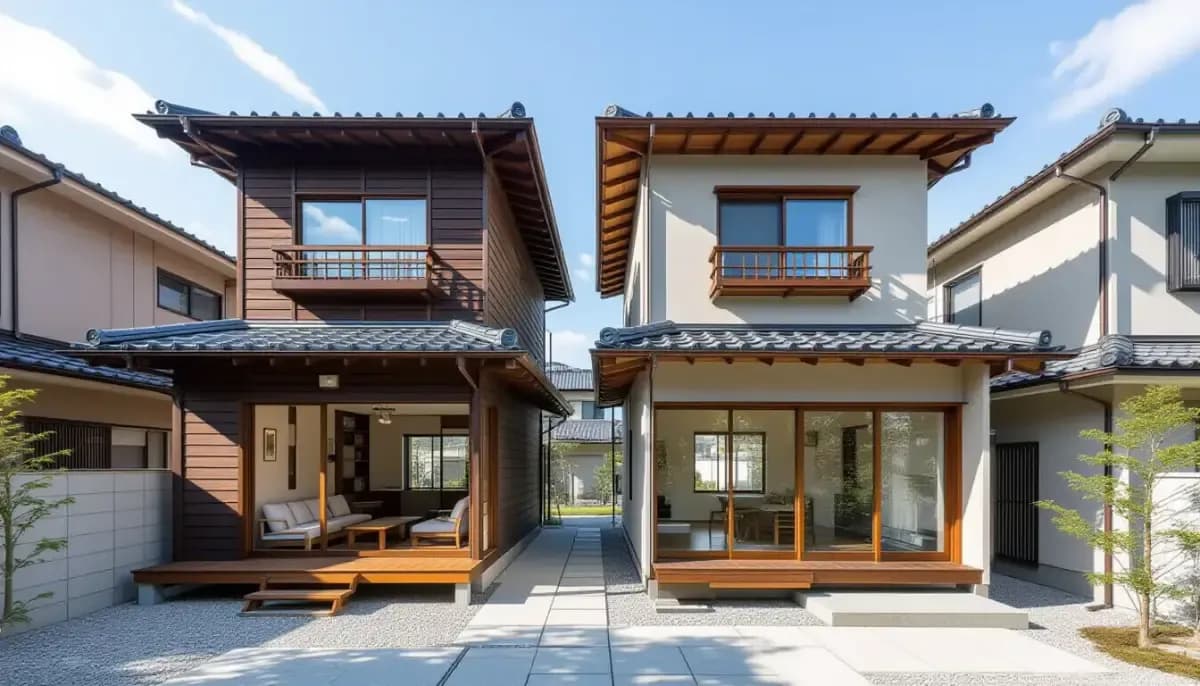
Two-Family House (Nisetai Jutaku) in Japan Explained
Everything foreigners need to know about buying a nisetai jutaku (two-family house) in Japan — types, tax benefits, costs, and legal considerations for foreign buyers.
Read more →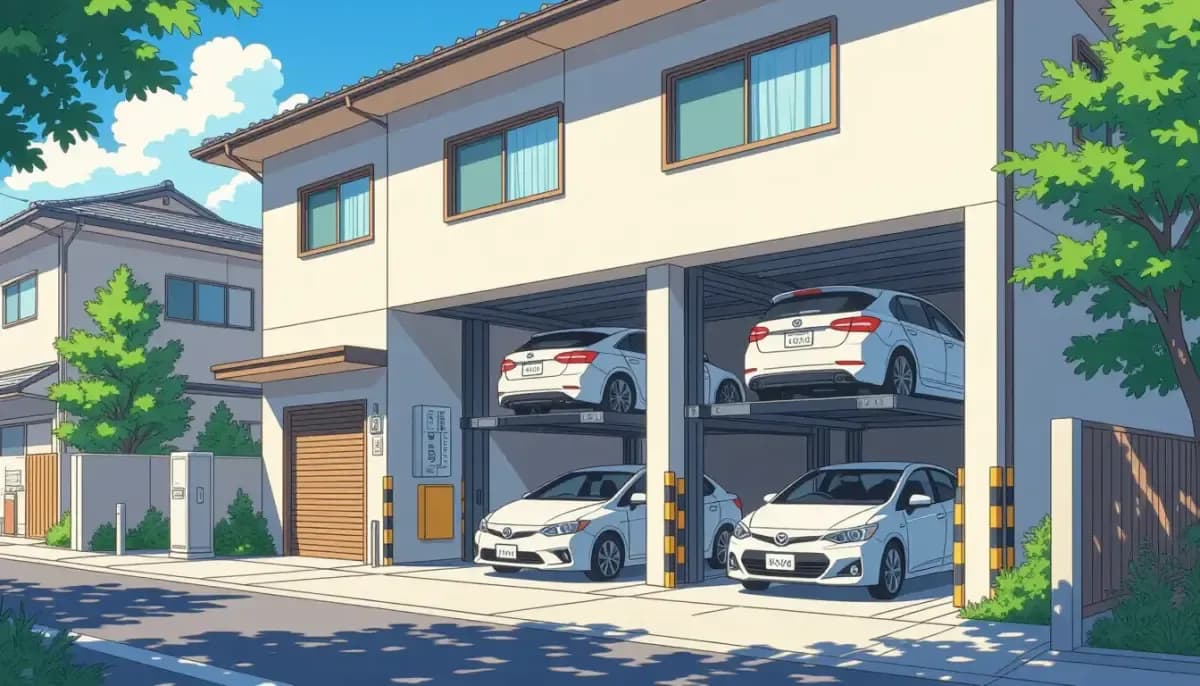
Parking and Garage Requirements for Japan Houses
Learn Japan's parking and garage requirements for homeowners. Everything about the Shako Shomeisho certificate, types of residential parking, costs by region, and tips for foreigners buying property in Japan.
Read more →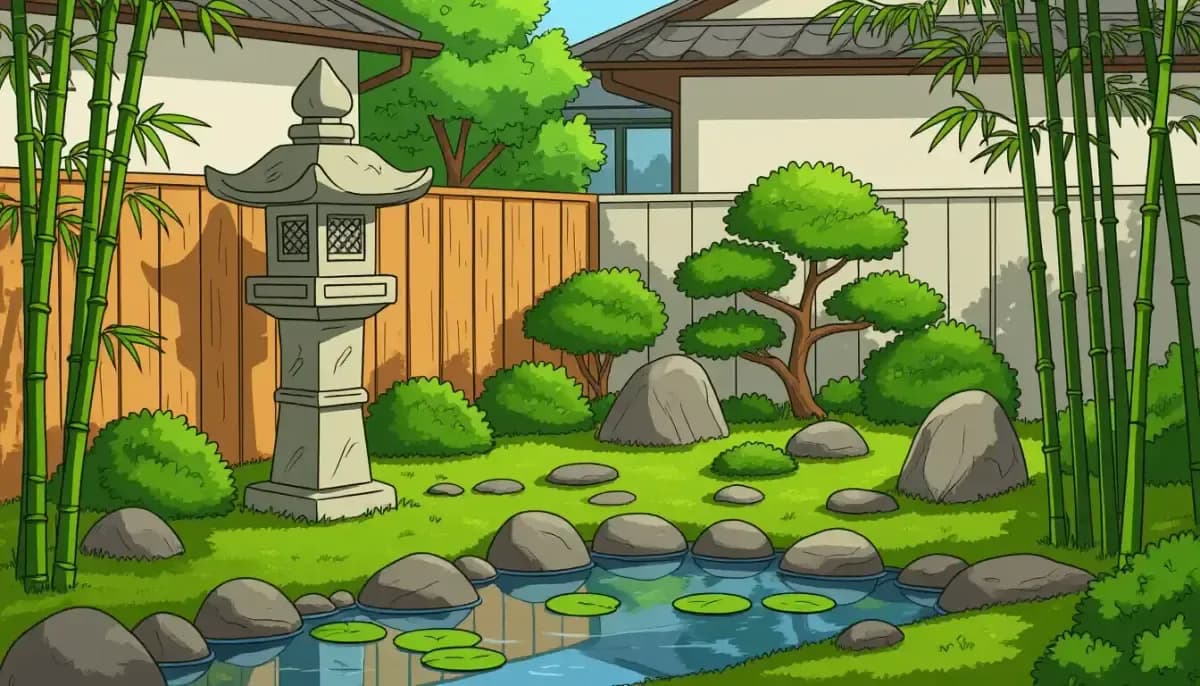
Japanese House Garden and Outdoor Space Guide
Complete guide to Japanese house gardens and outdoor spaces for foreigners. Learn garden types, design principles, seasonal plants, maintenance costs, and practical tips for creating your own Japanese garden.
Read more →