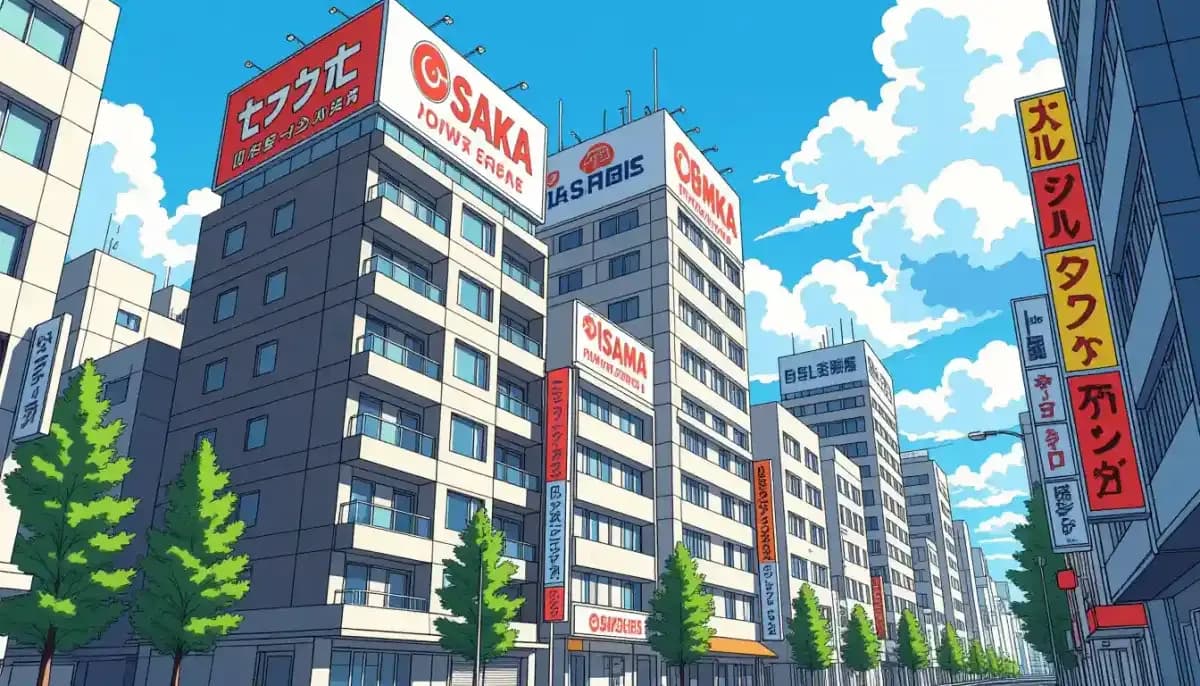
Buying Property in Osaka as a Foreigner: Complete Area Guide
Everything foreigners need to know about buying property in Osaka: best neighborhoods, market prices, rental yields, mortgage options, legal process, and costs. Updated 2025.
13 articles
Buying Property in Osaka as a Foreigner: Complete Area Guide
Osaka is Japan's second-largest metropolitan area and one of the most exciting real estate markets in the country. With property prices averaging 60–70% of Tokyo levels and rental yields consistently outperforming the capital, Osaka has become the go-to destination for foreign investors and expats looking to buy property in Japan. Whether you're drawn by the vibrant culture, the world-class food scene, or the investment fundamentals, this guide covers everything you need to know about buying property in Osaka as a foreigner.
The good news is that Japan imposes no restrictions on foreign property ownership. As a foreigner, you have exactly the same legal rights as Japanese citizens when buying land and buildings in Osaka — no ownership quotas, no residency requirement, and no special permits. However, navigating the process, understanding the neighborhoods, and securing financing as a non-resident requires careful preparation.
Can Foreigners Buy Property in Osaka?
Yes, foreigners can freely buy property in Osaka and anywhere in Japan. Japan is one of the most open countries in Asia for foreign real estate ownership. Here's what you need to know about the legal framework:
Full ownership rights: You can own both land and buildings outright. There are no nominee structure requirements, no caps on how much foreign nationals can buy, and no approval process from the government before purchase.
No residency requirement: You do not need to live in Japan or hold a Japanese visa to purchase property. Non-residents can buy as easily as residents, though financing options differ significantly.
Legal Affairs Bureau registration is essential: Signing a purchase contract is not enough to secure ownership. Your purchase is only legally protected after registration at the Legal Affairs Bureau (法務局, Hōmukyoku). This is a critical step that foreign buyers sometimes overlook.
Foreign Exchange reporting: Under Japan's Foreign Exchange and Foreign Trade Act, non-resident purchasers must submit a post-acquisition report within 20 days of purchase. A licensed real estate agent will typically handle this, but you should confirm it's done.
No golden visa: Unlike some countries, Japan does not offer residency or visa benefits tied to real estate purchases. Buying property in Osaka will not help you obtain permanent residence or a long-term visa.
Osaka's property market has delivered strong performance in recent years, driven by urban revitalization projects, robust tourism, and increasing international interest.
Metric
Osaka
Tokyo (for comparison)
Average new condo price
~JPY 58 million (~USD 390,000)
~JPY 90+ million (~USD 600,000+)
Average rental yield
4.47%
3.44%
Central ward land price growth (recent)
7.4–10%+ per year
5–8% per year
New condo supply growth (2024)
+15% YoY
+8% YoY
Short-term rental occupancy (central areas)
75–85%
70–80%
Typical closing costs (via broker)
6–10% of purchase price
6–10% of purchase price
Annual property tax
0.8–1.7% of market value
0.8–1.7% of market value
The most significant driver of Osaka's market is the ongoing Expo 2025 legacy development and the planned Integrated Resort (IR) on Yumeshima Island. Urban revitalization in Nakanoshima and Osaka's waterfront areas is bringing new high-rise residential developments and infrastructure improvements that are pushing prices upward in key corridors.
Best Areas to Buy Property in Osaka as a Foreigner
Osaka is a large city with distinct neighborhoods, each offering different price points, lifestyles, and investment profiles. Here are the key areas to consider:
Best Areas to Buy Property in Osaka as a Foreigner - illustration for Buying Property in Osaka as a Foreigner: Complete Area Guide
Umeda / Kita-ku (North Osaka)
Umeda is Osaka's primary business and commercial hub, home to the city's main railway interchange and major department stores. Kita-ku ward has consistently seen the strongest land price appreciation, with central areas recording 10%+ annual increases.
Best for: Business travelers, professionals who commute within Kansai, long-term capital appreciation Property types: High-rise condominiums, modern apartments Price range: JPY 60–120 million for a standard 2LDK condominium Investment profile: Strong appreciation, solid rental demand from corporate tenants
Namba / Shinsaibashi / Minami (South Central)
Namba is Osaka's entertainment and tourism core. The area draws massive foot traffic from both domestic and international tourists, creating strong demand for short-term rentals. However, short-term rental regulations apply — Japan caps Airbnb-style rentals at 180 nights per year nationally.
Best for: Short-term rental investors, lifestyle buyers who want to be in the heart of the action Property types: Compact studios and 1K/1LDK units, older mansions (condos) Price range: JPY 25–60 million depending on size and age Investment profile: High tourism-driven yield but requires careful management and regulatory compliance
Nakanoshima
Nakanoshima is the area undergoing the most dramatic transformation in Osaka. Sitting on an island between two rivers near Umeda, it is home to government buildings, the Museum of Oriental Ceramics, and upscale hotels. New residential and mixed-use developments are changing the character of this area significantly.
Best for: Early-stage investors looking for appreciation upside from ongoing development Price range: JPY 70–150 million for newer developments Investment profile: Higher risk, higher potential upside
Tennoji / Abeno
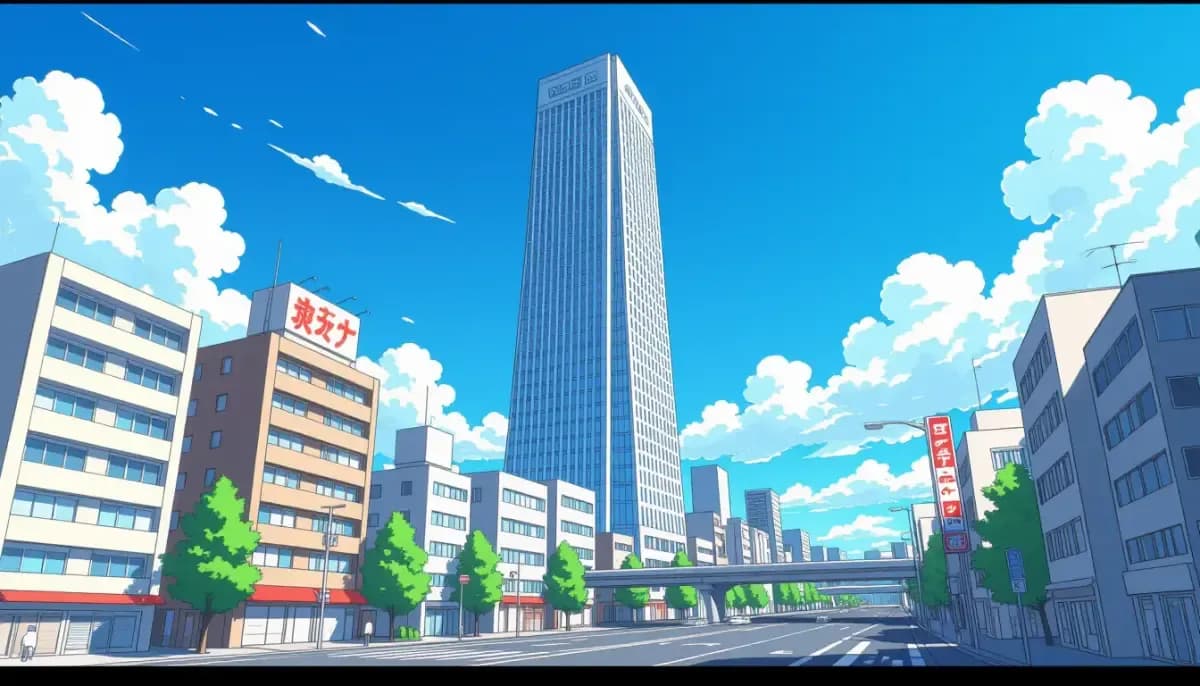
Located in the south, Tennoji and Abeno are gentrifying at a rapid pace. The Abeno Harukas skyscraper (the tallest building in Japan) anchors the area, and public investment in the Tennoji–Abeno corridor has generated 5–10% price appreciation over recent years. The area offers better value than Umeda or Namba with improving infrastructure.
Best for: Value-oriented buyers, families who want access to parks and a more residential feel Price range: JPY 35–70 million for a typical apartment Investment profile: Steady appreciation, good long-term outlook
Fukushima / Nishi-ku
These areas west of Umeda offer a more local, neighborhood feel with independent restaurants and cafes. Popular with young professionals and foreign residents who want urban access without the crowds of tourist areas.
Best for: Expat owner-occupiers, small buy-to-let investors targeting local tenants Price range: JPY 30–65 million Investment profile: Moderate yield, stable demand
Financing: Mortgages for Foreigners Buying in Osaka
Securing a mortgage as a foreign buyer is the most challenging part of the Osaka property purchase process. Cash purchases are easiest, but financing is available if you meet the right criteria.
Residents vs. Non-residents: If you hold a valid Japanese residency visa and have stable Japanese income, you can approach major Japanese banks. Resident foreigners with permanent residence status (PR) have the widest access to standard mortgage products at 70–90% LTV.
Non-resident options: Non-residents are typically limited to 50–60% LTV. Foreigner-friendly lenders include:
SMBC Trust Bank PRESTIA (specifically markets to foreigners)
Tokyo Star Bank
Shinsei Bank
ORIX (for investment properties)
Variable interest rates in early 2026 typically range from 0.6% to 1.5% for residents. Non-resident rates are higher, often 2–3%+.
What Japanese banks want to see: Proof of stable income (usually at least 3 years employment history), tax returns from your home country, proof of identity, and a clear repayment plan.
The Osaka property purchase process follows the standard Japanese real estate framework. A typical transaction takes 4–8 weeks.
Step-by-Step: The Purchase Process in Osaka - illustration for Buying Property in Osaka as a Foreigner: Complete Area Guide
Step 1 — Find a licensed real estate agent (不動産業者, fudōsan gyōsha) Work with an agent who has experience with foreign buyers. Some agents in Osaka specifically serve English-speaking clients. Confirm they hold a valid license (宅地建物取引業免許).
Step 2 — Property search and inspection Use major portals like SUUMO, AtHome, and HOME'S. Your agent can arrange viewings. For investment properties, also consider working with specialist agencies in the Shinsaibashi or Umeda areas.
Step 3 — Make an offer and negotiate Submit your offer through your agent. Negotiation on price is normal but less aggressive than in some Western markets. New properties from developers typically have fixed prices.
Step 4 — Sign the purchase contract (売買契約書, baibai keiyakusho) Pay a deposit of 5–10% of the purchase price at signing. Read the Explanation of Important Matters (重要事項説明書, jūyō jikō setsumeisho) carefully before signing — your agent must explain this document.
Step 5 — Due diligence and financing Complete your loan application if financing. Arrange a property inspection if desired (not always standard in Japan but recommended).
Step 6 — Transfer and settlement Pay the remaining balance. The deed transfers on settlement day.
Step 7 — Legal Affairs Bureau registration Register your ownership at the Legal Affairs Bureau. This is what legally protects your ownership. A judicial scrivener (司法書士, shihō shoshi) typically handles this.
Step 8 — Post-purchase reporting Non-residents must file the Foreign Exchange Act report within 20 days.
Beyond the investment fundamentals, Osaka is one of Japan's most liveable cities for foreigners.
Language: Osaka dialect (Kansai-ben) can take some getting used to, but English is increasingly common in central areas. The foreign resident community in Osaka is well-established.
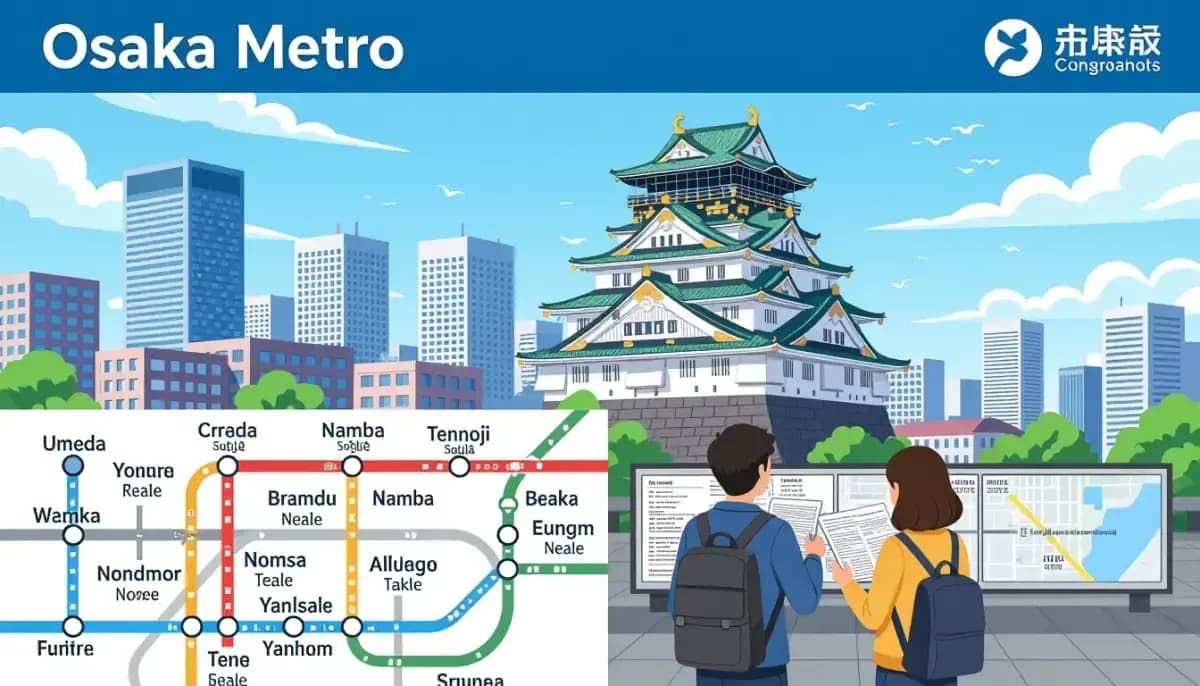
Transport: Osaka has an excellent public transport network with multiple subway lines and JR connections. Kansai International Airport (KIX) connects to central Osaka in approximately 60 minutes by express train.
Healthcare: Osaka has major hospitals and international medical facilities. Foreign residents are required to enroll in Japan's national health insurance system.
Education: International schools are available in the Osaka area for families with children. Schools include Osaka International School and YMCA Academy, among others.
Cost of living: Osaka is generally less expensive than Tokyo for day-to-day spending, though housing costs in central wards have converged somewhat in recent years.
For more detailed information on living in Japan as a foreign property owner, visit Living in Nihon for guides on daily life, and For Work in Japan for employment-related guidance if you're also planning to work.
Osaka vs. Other Japanese Cities for Foreign Buyers
Factor
Osaka
Tokyo
Kyoto
Fukuoka
Average condo price
JPY 58M
JPY 90M+
JPY 55M+
JPY 35M+
Rental yield
4.47%
3.44%
3.5–4%
4.5–5%
International airport
KIX (60 min)
NRT/HND
KIX (75 min)
FUK (30 min)
Foreign buyer activity
High
Very high
Moderate
Growing
Short-term rental market
Strong
Strong
Regulated
Moderate
Price growth outlook
Strong
Moderate-Strong
Moderate
Strong
Osaka offers the best combination of price, yield, and access for most foreign buyers. Tokyo has higher liquidity but lower yield. Kyoto has strong tourism but strict short-term rental regulations in many areas. Fukuoka offers excellent yield but a smaller market.
Work with a bilingual agent: Having an agent who speaks your language and understands both the Japanese legal system and foreign buyer needs is essential. Don't rely on machine translation for contracts.
Get a hanko (personal seal): Many transactions in Japan require a personal seal. Foreigners can register a hanko at their local ward office. Alternatively, some transactions accept signatures.
Open a Japanese bank account: You'll need one for the purchase and ongoing management. If you're a non-resident, this can be challenging — SMBC Trust Bank PRESTIA and some other international banks offer accounts for non-residents.
Understand the property age factor: Japanese properties depreciate to near-zero structural value after 25–30 years for wooden buildings and 47 years for reinforced concrete. This affects resale value and financing. Newer buildings generally command higher prices and are easier to finance.
Research disaster risk: Osaka sits in an area with earthquake and flooding risk. Review the city's hazard maps (ハザードマップ) for any property you are seriously considering. Your agent can help with this.
Use gaijinbuyhouse.com as a resource: Gaijin Buy House is a dedicated resource for foreigners buying property in Japan and provides practical guidance on the purchase process from a foreigner's perspective.
Osaka represents one of the best opportunities for foreign property buyers in Japan today. Lower prices than Tokyo, higher rental yields, strong infrastructure investment, and a welcoming attitude toward international buyers make Osaka a compelling market. The legal framework is favorable — foreigners have exactly the same ownership rights as Japanese citizens, and the purchase process, while paperwork-intensive, is well-established.
The key success factors are: working with experienced professionals who understand foreign buyer needs, understanding all costs upfront (including closing costs of 6–10%), securing financing early if you need a mortgage (cash buyers have a significant advantage), and choosing the right neighborhood for your goals — whether that's capital appreciation in Kita-ku, tourism-driven yield in Namba, or value growth in Tennoji.