Types of Properties Available in Japan: A Complete Guide for Foreigners
Japan's real estate market offers a remarkable variety of property types, each with distinct characteristics, advantages, and considerations for foreign buyers. Whether you are looking for a sleek urban condominium in Tokyo, a traditional wooden machiya townhouse in Kyoto, or an affordable akiya (vacant home) in the countryside, understanding the landscape of available properties is the essential first step in your Japan real estate journey.
Good news for international buyers: Japan imposes no restrictions on foreign property ownership. Foreigners can legally purchase land, condominiums, detached houses, resort properties, and investment buildings with the same rights as Japanese nationals, regardless of visa status or nationality. What matters is understanding which type of property best suits your lifestyle, budget, and long-term goals.
This comprehensive guide walks through every major property type available in Japan, explains the Japanese classification system, outlines ownership structures, and helps you decide which category makes the most sense for you.
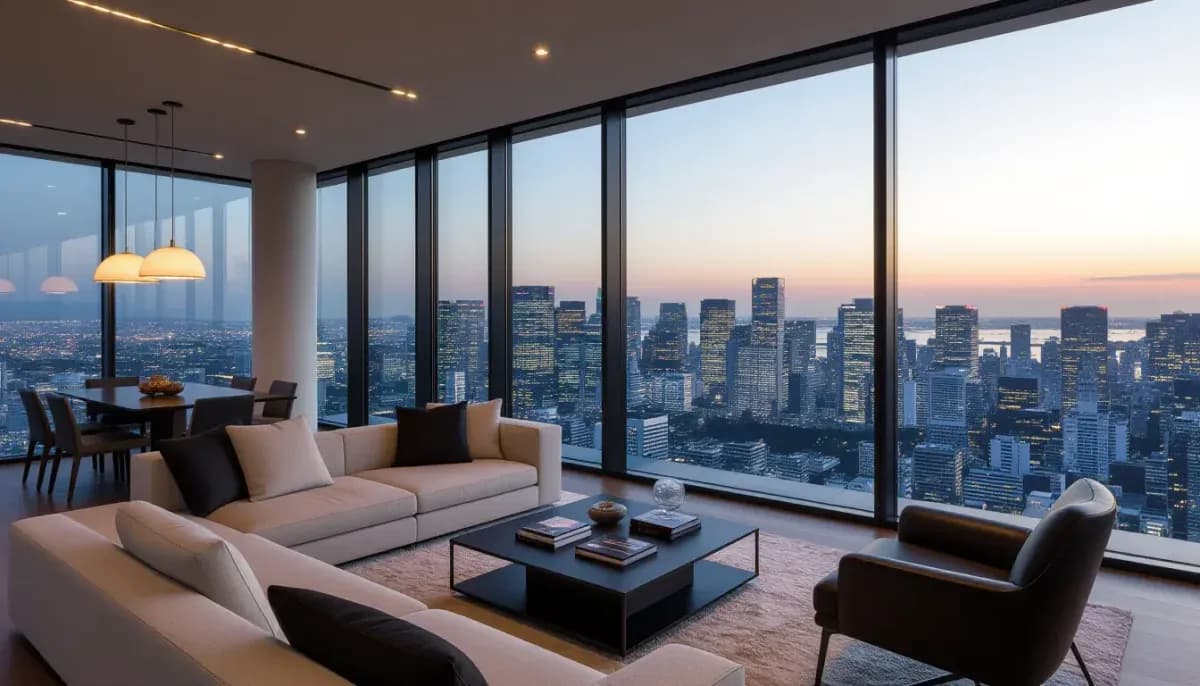
1. Condominiums (Mansion / マンション)
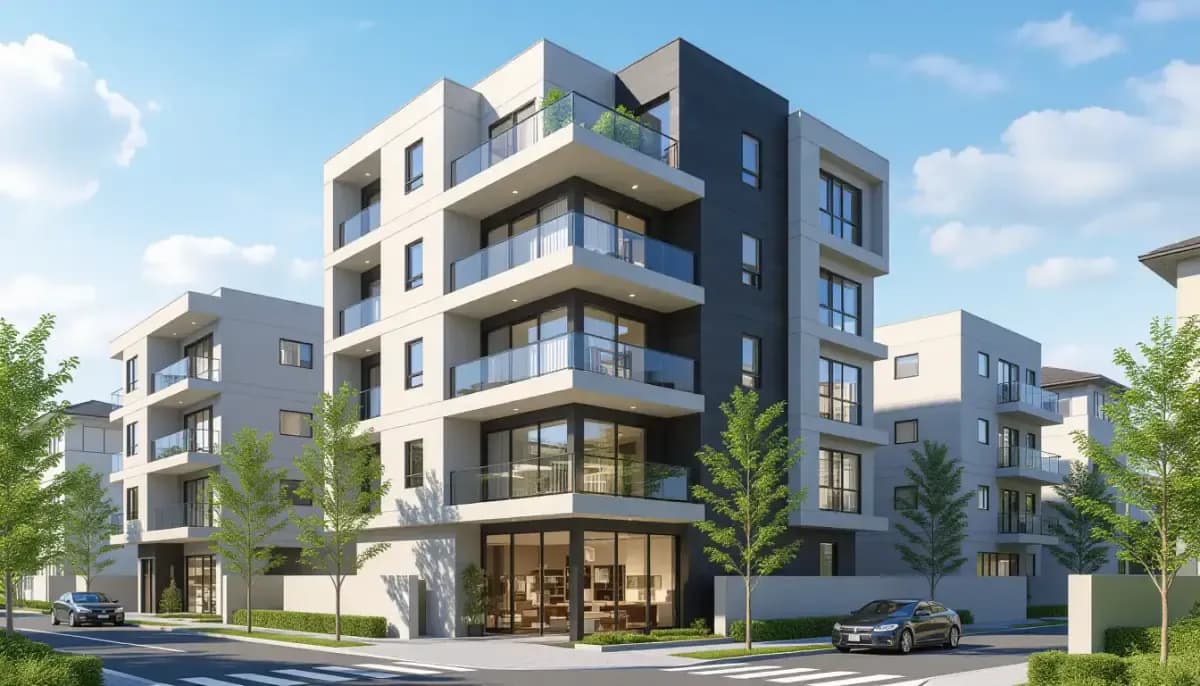
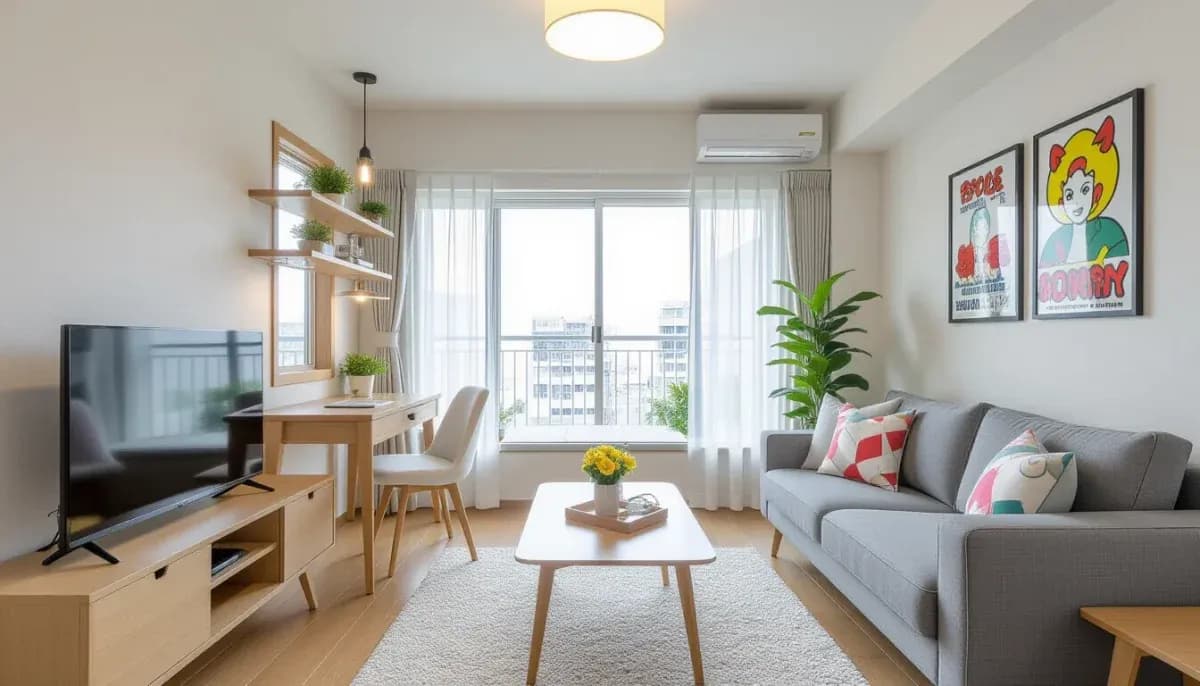
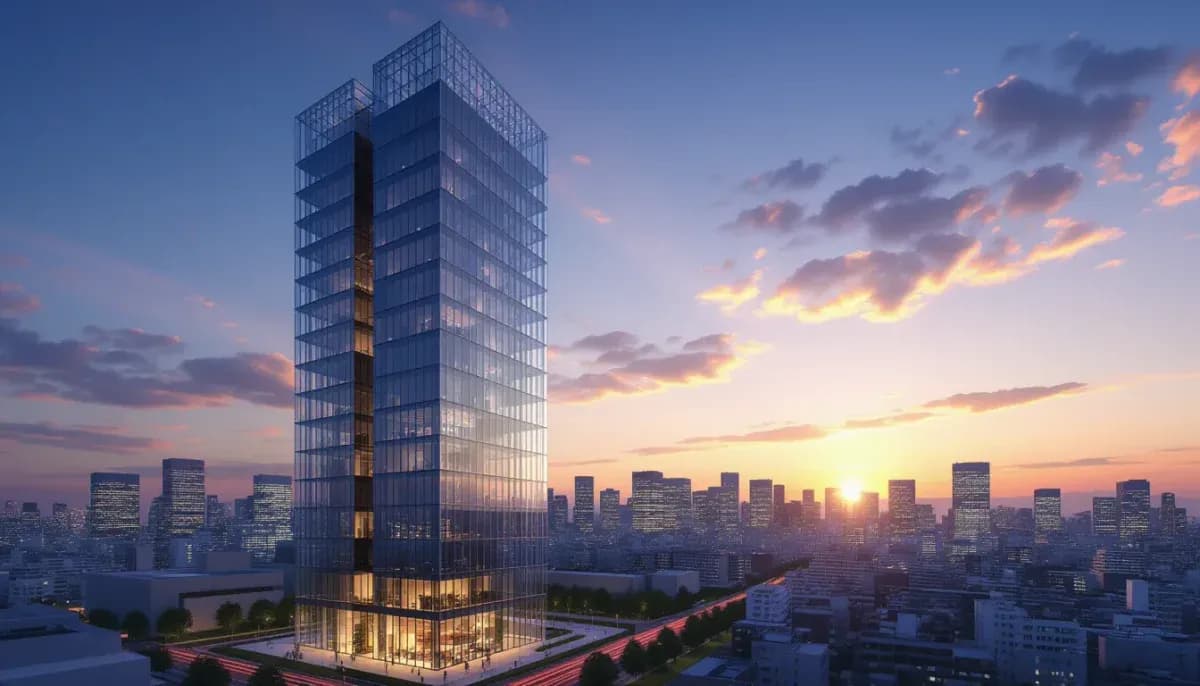
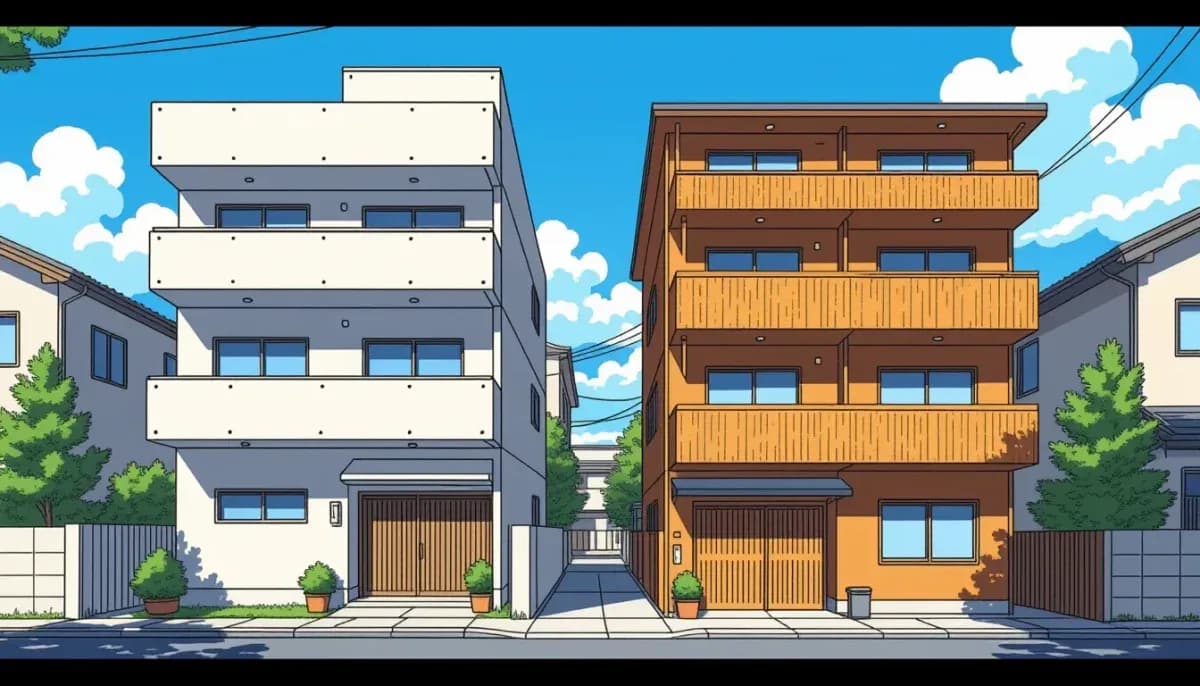
In Japan, the term mansion (マンション) does not mean a large luxury home — it refers to any reinforced concrete (RC) or steel-reinforced concrete (SRC) apartment building. Mansions are by far the most popular property type among foreign buyers, particularly in major cities.
Key Characteristics
- Reinforced concrete or steel-reinforced concrete construction
- Shared building facilities (lobby, elevator, parking, garbage area)
- Monthly maintenance fees and repair reserve fund contributions (管理費・修繕積立金)
- Managed by a homeowners association (管理組合)
- Buildings typically 3 to 50+ floors depending on location
- Units range from compact studios to large family-sized flats
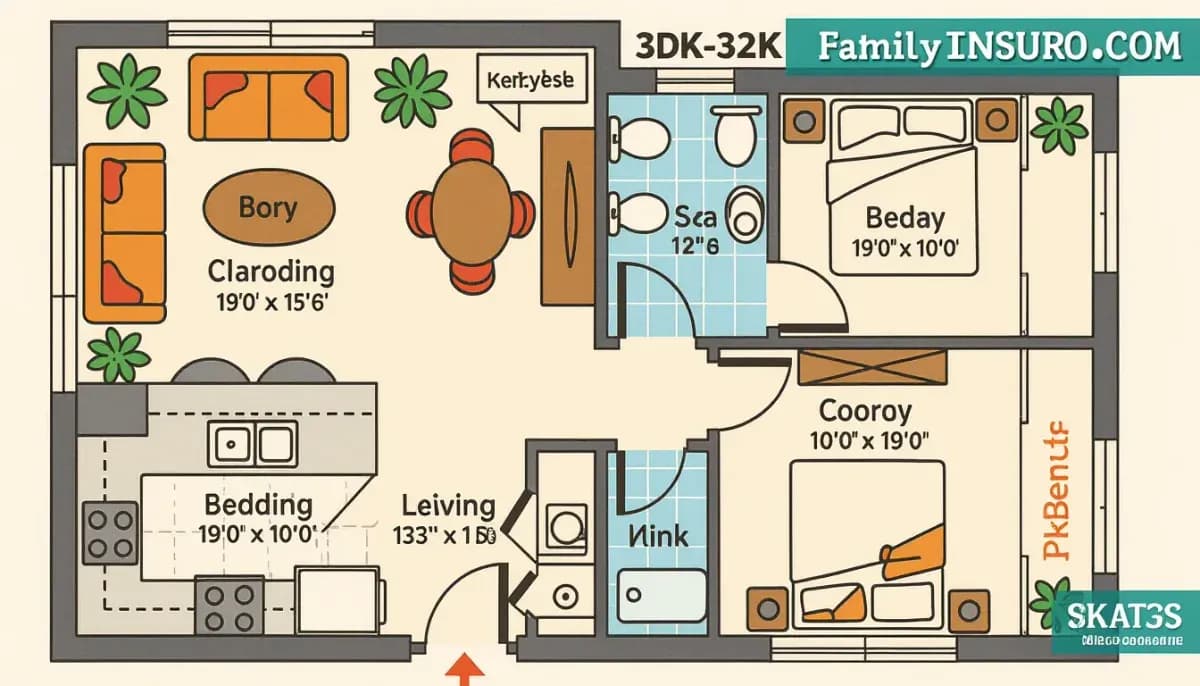
Room Layout Classification
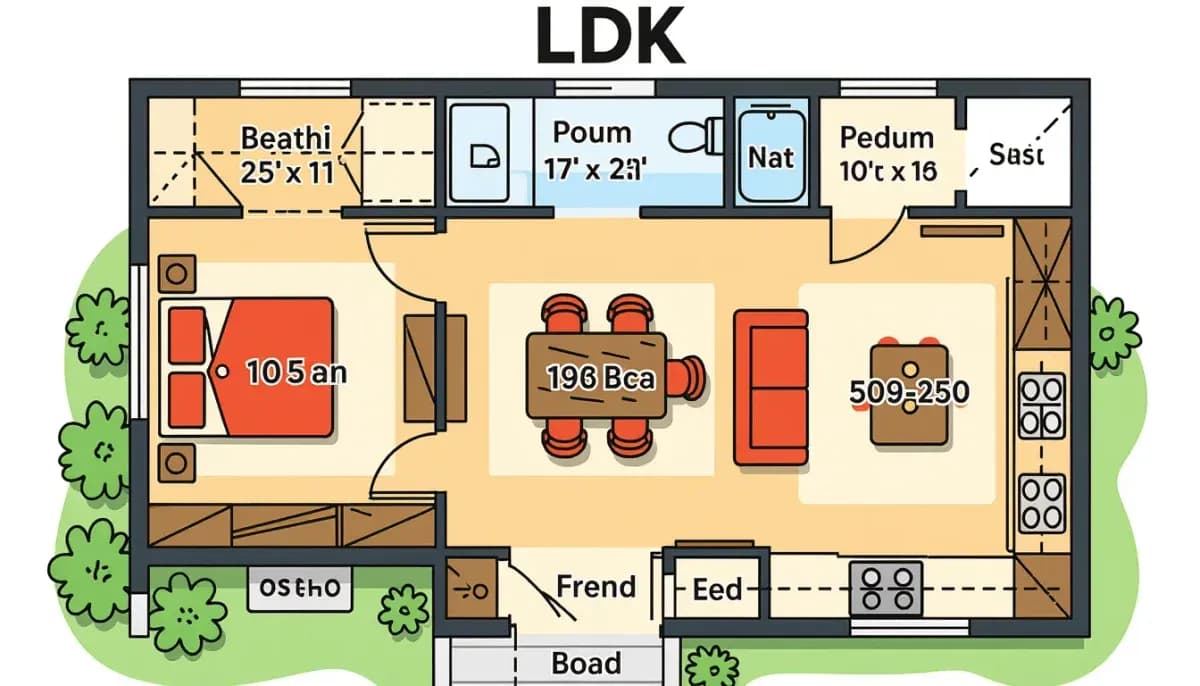
Japan uses a standardized notation for apartment layouts based on the number of rooms plus the presence of a living/dining/kitchen area:
| Layout | Description | Best For |
|---|
| 1R (One Room) | Single room, no separate kitchen | Students, short stays |
| 1K | One room + separate kitchen | Singles |
| 1DK | One room + dining/kitchen | Singles or couples |
| 1LDK | One room + living/dining/kitchen | Couples |
| 2LDK | Two rooms + LDK | Couples or small families |
| 3LDK | Three rooms + LDK | Families |
| 4LDK+ | Four or more rooms + LDK | Large families |
Pricing (2025)
Tokyo new-build condominiums averaged 116.3 million yen in the central 23 wards and 81.35 million yen for Greater Tokyo as of early 2025. Condo prices have climbed approximately 64% over the prior four years, reflecting strong demand from both domestic and international buyers.
Used condominiums (中古マンション) offer significantly better value, especially in buildings 10-20 years old that have been well maintained.
Advantages
- Low maintenance burden (building management handled by association)
- Security features (intercoms, key cards, CCTV)
- Easier to rent out as investment property
- Located in prime urban areas with good transport access
- Mortgage financing more accessible than for wooden houses
Considerations
- Monthly maintenance fees (typically 10,000-30,000 yen/month)
- Repair reserve fund contributions (increases over time)
- Strict rules from homeowners association (renovation limits, pet policies)
- Some buildings restrict short-term rental (Airbnb)
For a deeper dive into buying condominiums, see our guide on buying property in Japan as a foreigner.
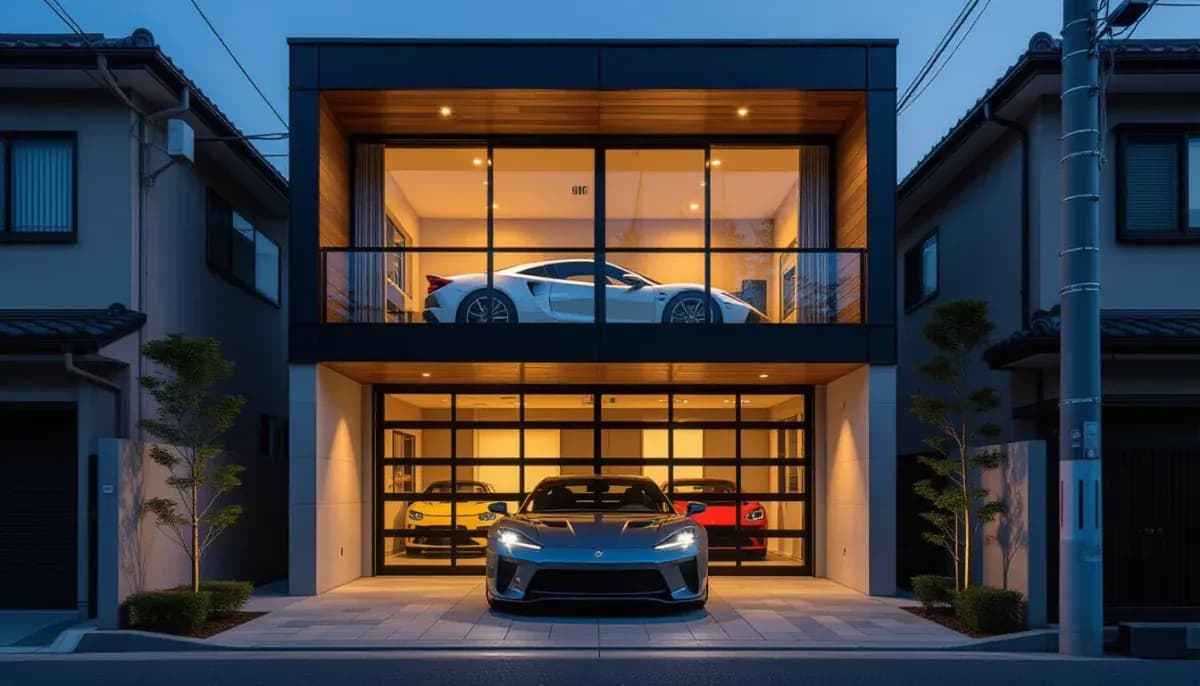
2. Detached Houses (Ikkodate / 一戸建て)
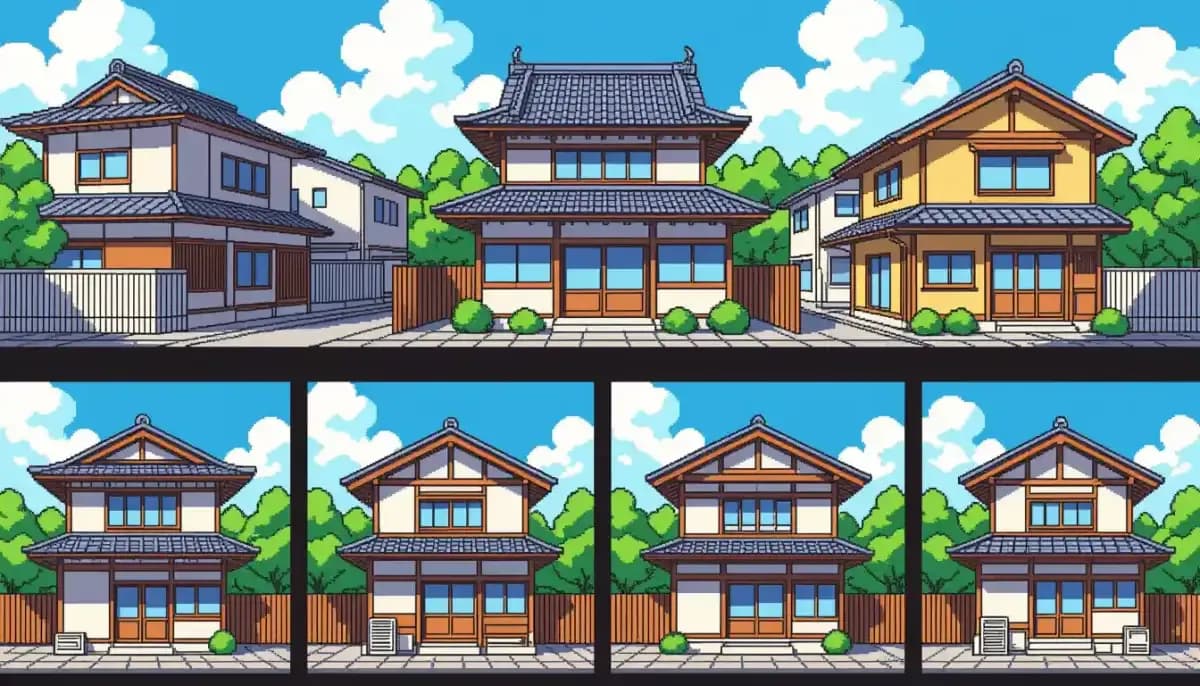
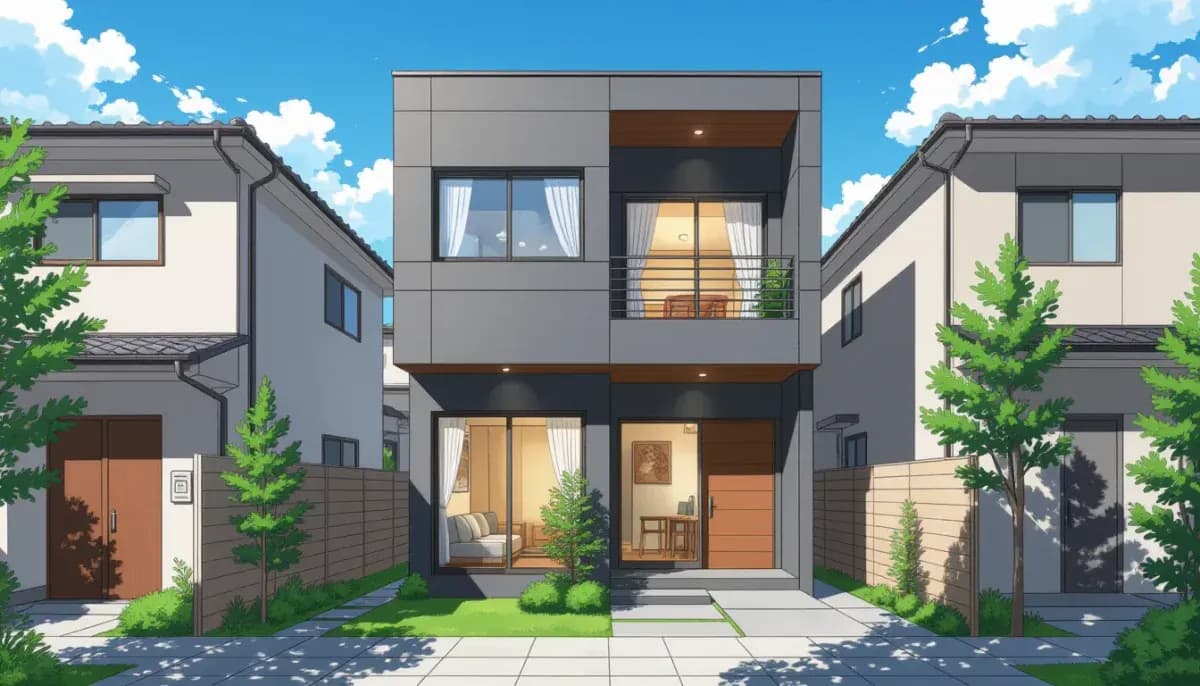
A detached house (一戸建て, ikkodate) is a standalone single-family home. You own both the building and the land beneath it (in a freehold arrangement), giving you maximum freedom and privacy.
Key Characteristics
- Standalone building on its own plot of land
- Traditional wooden construction (木造, mokuzo) is most common
- Modern builds may use light-gauge steel or reinforced concrete
- Full ownership of land and building
- No mandatory monthly management fees
- Complete renovation freedom (within local regulations)
Types of Detached Houses
Newly Built (新築, Shinchiku) Brand-new construction, either ordered custom-built or purchased from a developer as a ready-built home. New builds come with 10-year structural warranties under Japan's Housing Quality Assurance Act.
Pre-Owned / Used (中古, Chuko) Second-hand homes that offer significantly lower entry prices. Japan's residential real estate culture historically undervalued older homes, meaning used properties are often deeply discounted relative to their actual livability — an opportunity for value-conscious foreign buyers.
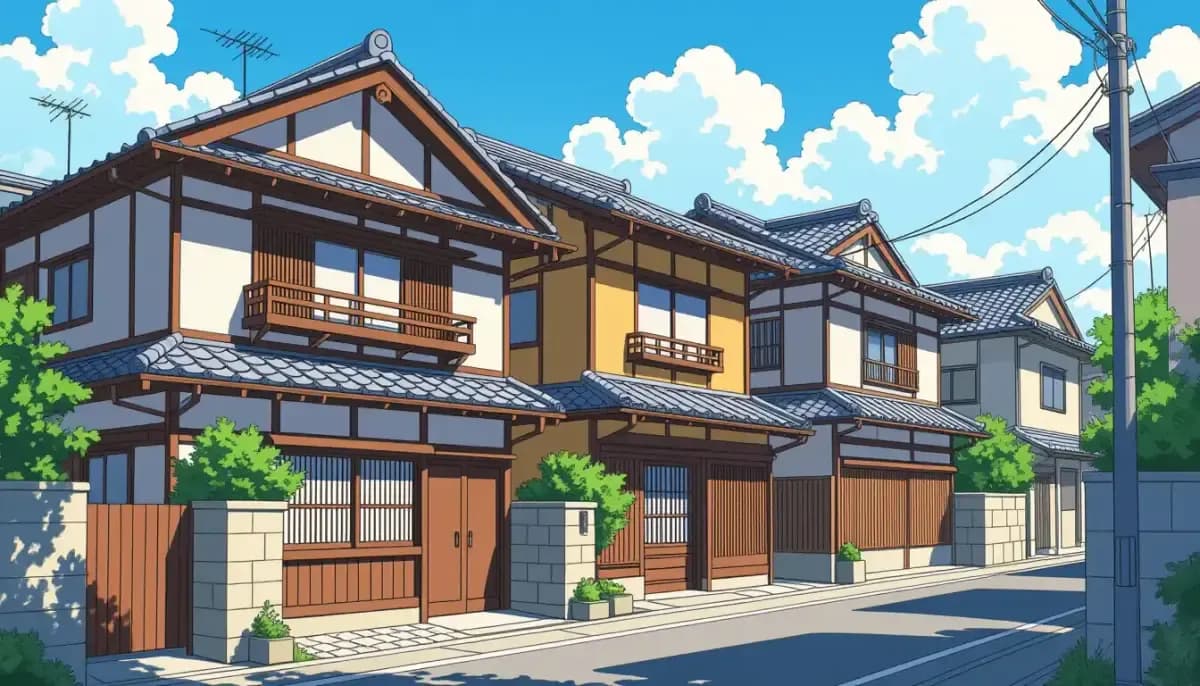
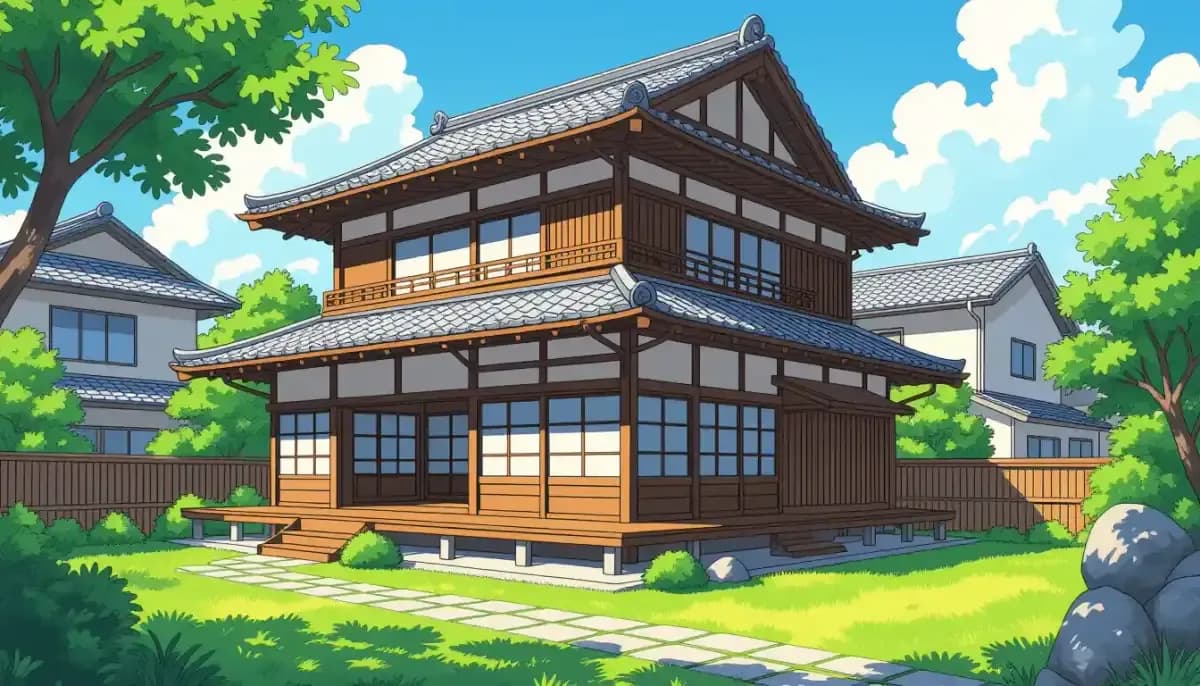
Traditional Kominka (古民家) Historic farmhouses or traditional-style rural homes, often over 50-100 years old. Kominka require extensive renovation but offer enormous character and cultural authenticity at very low purchase prices (sometimes under 1 million yen in rural areas).
Pricing Range
| Location | Approx. Price Range |
|---|
| Central Tokyo | 60M – 200M+ yen |
| Tokyo suburbs | 30M – 80M yen |
| Osaka city | 25M – 70M yen |
| Regional cities | 10M – 40M yen |
| Rural areas | 500K – 15M yen |
Advantages
- Full renovation and customization freedom
- No monthly management fees
- Land ownership (appreciating asset in prime areas)
- Privacy and space (garden, parking)
- Opportunity for significant rental income if well-located
Considerations
- Higher maintenance responsibility (roof, exterior, garden)
- Older wooden houses depreciate quickly on paper (buildings fully depreciated after 22 years under Japanese tax law)
- Harder to secure mortgage for very old or rural properties
- Seismic safety: pre-1981 buildings may not meet current earthquake standards
Learn more about the buying process in our step-by-step home buying guide for foreigners in Japan.
3. Akiya — Japan's Vacant Home Opportunity
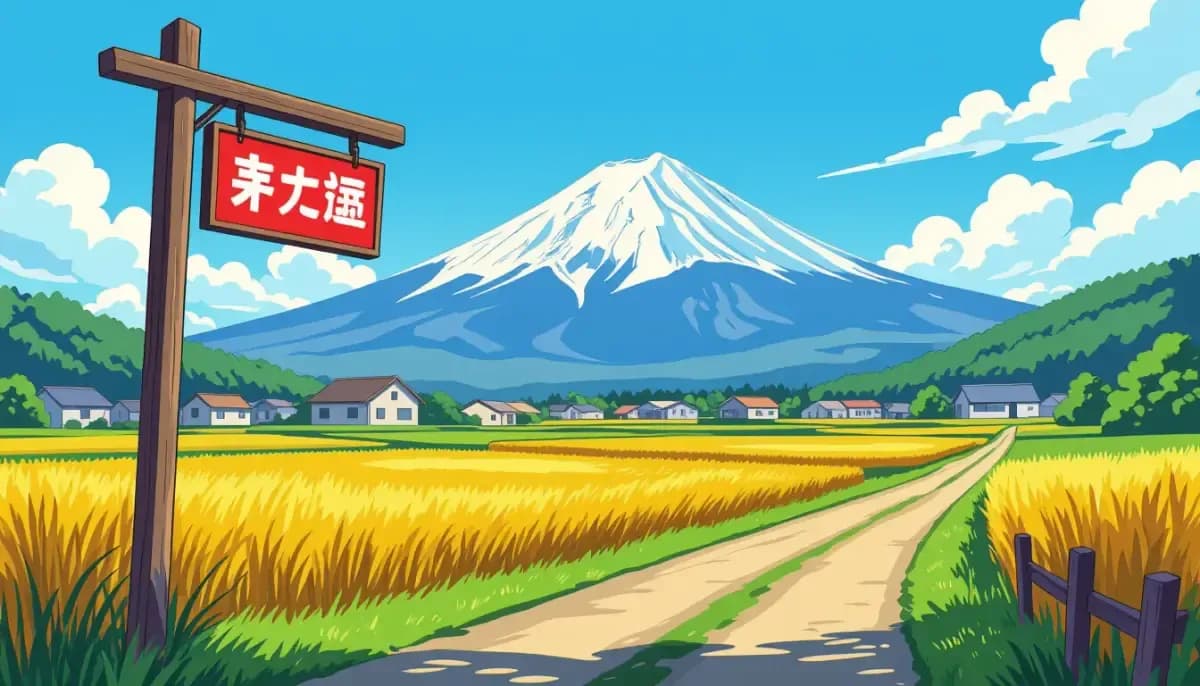
Japan's akiya (空き家, vacant homes) phenomenon has become internationally famous as an extraordinary opportunity for budget-conscious foreign buyers. As of October 2023, Japan has 8.99 million vacant homes, representing 13.8% of all housing stock nationwide.
Why So Many Vacant Homes?
Japan's declining and aging population, combined with cultural preferences for new construction over renovation, has left millions of properties abandoned — particularly in rural areas and regional towns. Many families inherit rural properties they do not want to live in and cannot sell easily.
Akiya Banks
Local governments and municipalities operate akiya banks — online registers of vacant homes available for sale or rent at extremely low prices. Some properties are listed for just 100,000-500,000 yen, and some municipalities even offer homes for free in exchange for renovation commitments.
| Akiya Type | Typical Price | Renovation Cost |
|---|
| Rural farmhouse | 500K – 3M yen | 2M – 10M yen |
| Small town house | 1M – 5M yen | 1M – 5M yen |
| Suburban used home | 3M – 15M yen | 500K – 3M yen |
Government Incentives
Many prefectures and municipalities offer renovation subsidies (up to 1-2 million yen) and low-interest loans for akiya buyers who commit to residing in the home. Some programs specifically target foreign residents to revitalize depopulating communities.
For more information about rural property options, see our guide on rural and countryside properties in Japan for foreigners.
4. Land for Custom Home Construction
Buying bare land (土地, tochi) and constructing a custom home is a popular option for buyers who want complete control over their home design and layout.
Key Characteristics
- Purchase land separately from construction
- Engage an architectural firm or house builder for design
- Timeline: typically 12-24 months from land purchase to move-in
- Requires careful due diligence on building restrictions (zoning laws, floor-area ratio, building coverage ratio)
Ownership Structures: Freehold vs. Leasehold
Japan has two primary land ownership structures:
| Structure | Japanese | What You Own | Monthly Cost |
|---|
| Freehold | 所有権 (Shoyuken) | Building + Land | None (land tax only) |
| Leasehold | 借地権 (Shakuchiken) | Building only | Land rent (地代) |
Freehold (Shoyuken) is the standard and most desirable arrangement — you own both the building and the underlying land outright. This is the typical arrangement for most detached houses and the preferred option for most buyers.
Leasehold (Shakuchiken) means you own the building but pay rent on the land to a landowner. Leasehold properties sell at a significant discount (typically 20-40% cheaper) but come with complexities: lease terms must be renewed, and the landowner's consent may be required for renovations or resale.
5. Investment Properties and Apartment Buildings
Japan's stable rental market and relatively high rental yields (3-7% gross in most cities) make investment properties attractive for foreign buyers seeking income-generating assets.
Types of Investment Properties
Whole Apartment Buildings (一棟アパート / 一棟マンション) Purchase an entire apartment building and collect rent from all units. Entry prices start around 20-50 million yen for small wooden apartment buildings in regional cities.
Individual Investment Condominiums Buying one or more individual units in a condominium building to rent out. Popular in Tokyo and Osaka with yields typically 3-5% in central areas and 5-7% in suburban or regional markets.
Commercial Properties Office buildings, retail spaces, and mixed-use developments. Higher complexity but potentially higher returns.
Important Rental Regulations
- National law caps short-term rentals (Minpaku) at 180 days per year
- Many condominium management rules prohibit short-term rental entirely
- Standard residential tenants in Japan enjoy strong protections (difficult to evict without legal process)
- Most Japanese banks require Japan residency and local income for mortgage eligibility on investment properties
For more on financing, see our guide on mortgages and home loans for foreigners in Japan.
6. Resort and Vacation Properties
Japan's ski resorts, coastal areas, and scenic rural regions have seen a surge of interest from international buyers seeking vacation homes or seasonal rental properties.
Popular Resort Destinations for Foreign Buyers
| Destination | Property Type | Price Range | Key Draw |
|---|
| Niseko, Hokkaido | Ski chalets, condos | 30M – 300M+ yen | World-class powder skiing |
| Hakuba, Nagano | Chalets, lodges | 20M – 150M yen | Olympic ski venue |
| Okinawa | Beachfront villas, condos | 15M – 100M yen | Tropical beaches |
| Kyoto area | Machiya townhouses | 20M – 80M yen | Cultural heritage |
| Atami, Shizuoka | Seafront condos | 5M – 40M yen | Hot springs, ocean views |
For regional property guides, see our articles on buying property in Hokkaido as a foreigner and buying property in Okinawa as a foreigner.
7. Understanding Japan's Property Classification System
Age and Construction Standards
Japan's building codes have evolved significantly over the decades. Understanding construction eras is critical for safety and financing:
| Era | Seismic Standard | Notes |
|---|
| Pre-1981 | Old Standard (旧耐震) | May not meet current quake standards; harder to finance |
| 1981-2000 | New Standard (新耐震) | Meets post-1978 Miyagi Earthquake standards |
| Post-2000 | Enhanced Standard | Meets post-2000 Hyogo-ken Nanbu standards |
Properties built before 1981 (old seismic standard) often face difficulties obtaining mortgage financing and may require seismic retrofitting (耐震補強) before purchase.
New vs. Used Property Market
Japan's real estate market has historically placed a premium on new construction, leading to rapid depreciation of older buildings on paper. However, cultural and market attitudes are shifting:
- Government policies now promote longer building lifespans and renovation
- The "renovated vintage condo" market is growing rapidly
- Used properties offer 20-50% discounts compared to new builds
- With proper inspection and renovation, used properties offer excellent value
Learn about the overall market dynamics in our Japan real estate market overview.
8. Choosing the Right Property Type: A Decision Framework
| If You Want... | Consider... |
|---|
| City convenience, low maintenance | Condominium (mansion) |
| Space, garden, renovation freedom | Detached house (ikkodate) |
| Maximum affordability | Akiya (vacant home) |
| Custom design from scratch | Land + custom build |
| Rental income | Investment property or apartment building |
| Ski/beach vacation use | Resort property |
| Cultural authenticity | Kominka (traditional farmhouse) |
Key Questions to Ask Yourself
- Where do you want to live? Urban areas favor condos; suburban and rural areas open up detached house and akiya options.
- What is your renovation tolerance? New builds and managed condos require minimal work; kominka and akiya demand significant investment.
- Are you buying to live or to invest? Different property types optimize for different goals.
- What is your long-term plan? Resale liquidity is highest for condominiums in major cities; rural properties may be very difficult to resell.
External Resources and Further Reading
For more guidance on finding and navigating housing options in Japan as a foreigner, these resources offer valuable perspectives:
Final Thoughts
Japan's property market is one of the most accessible and transparent in Asia for foreign buyers, with no legal restrictions on international ownership and a wide spectrum of property types spanning ultra-modern city towers to centuries-old farmhouses. Understanding the distinct characteristics of each property category — from condominiums and detached houses to akiya and resort properties — empowers you to make an informed decision that aligns with your budget, lifestyle, and long-term goals.
Whether you are drawn to the convenience of a well-managed Tokyo mansion, the character of a renovated Kyoto machiya, or the adventure of restoring an akiya in rural Japan, the Japanese real estate market offers something for every type of foreign buyer. Start by clarifying your priorities, then explore the specific property type that best fits your vision of life in Japan.
For next steps, explore our guides on can foreigners buy property in Japan, hidden costs and fees when buying property in Japan, and legal procedures and documentation for Japan property purchase.