
Built-for-Sale Homes (Tateuri) in Japan Explained

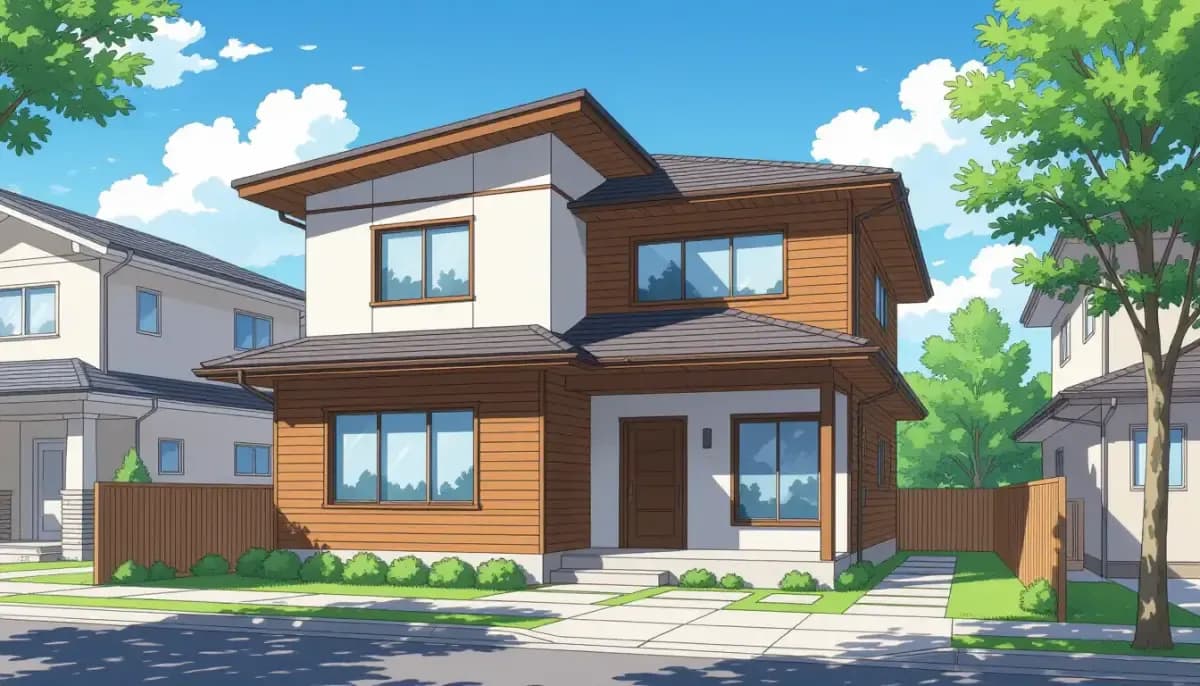
Everything foreigners need to know about tateuri (built-for-sale) homes in Japan: costs, buying process, mortgage options, pros and cons, and tips for expat buyers in 2025.
Built-for-Sale Homes (Tateuri) in Japan Explained: A Complete Guide for Foreign Buyers
If you're a foreigner considering buying a house in Japan, you've likely encountered the term tateuri (建売住宅). These "built-for-sale" homes represent one of the most popular property types for first-time buyers in Japan — and for good reason. They offer a compelling balance of affordability, speed, and convenience compared to custom-built homes or second-hand properties.
This guide explains everything you need to know about tateuri homes in Japan: what they are, how much they cost, what the buying process looks like for foreigners, and whether they're the right choice for your situation.
What Is a Tateuri Home (建売住宅)?
The term tateuri jūtaku (建売住宅) literally translates to "built-and-sold housing." In practice, it refers to homes where a real estate developer constructs a house — or a cluster of houses — and sells the land and building together as a single package.
Unlike chūmon jūtaku (注文住宅, custom-built homes), where buyers choose a plot, hire an architect, and oversee construction from scratch, tateuri homes come with pre-set floor plans, finishes, and layouts. The developer handles design and construction; you simply choose from what's available.
Tateuri sales can happen at three stages:
- Before construction begins — you buy off the plans, similar to buying a pre-construction condo
- During construction — you can see the structure but not the finished product
- After completion — you can walk through the finished home before signing
The third option is particularly popular with expat buyers since you can inspect exactly what you're getting. According to data from japanese-architects.com, tateuri homes account for approximately 56% of all new residential purchases in Japan — making it the dominant new-home product in the country.
For a broader overview of property types available in Japan, see our guide on Types of Properties Available in Japan.
Tateuri vs Other Property Types: Key Comparisons
Understanding how tateuri fits into the broader Japanese property market helps you make an informed decision. Here's how it compares to the main alternatives:
| Feature | Tateuri (Built-for-Sale) | Chūmon (Custom-Built) | Chūko (Second-Hand) |
|---|---|---|---|
| Average national price | ~¥35 million | ~¥44 million | Varies widely |
| Time to move in | 1–4 months | 10–14 months | 1–2 months |
| Customization | None (fixed floor plan) | Full | Possible with renovation |
| 10-year warranty | Yes (mandatory) | Yes (mandatory) | Rarely |
| Physical inspection | Possible if completed | No (build to spec) | Yes |
| Land + building | Bundled | Separate transactions | Bundled |
| Location | Mostly suburban | Flexible | Urban and suburban |
The price difference is significant: at an average of ¥35 million nationally, tateuri homes cost roughly 26% less than custom builds averaging ¥44 million. In the Tokyo metropolitan area, prices range from ¥35 million to ¥80 million depending on location and size.
For a detailed comparison between new and used options, see New Construction vs Used Properties in Japan: Buyer's Guide.
The Full Cost Breakdown for Foreign Buyers
The purchase price is just the beginning. Buying a tateuri home in Japan involves several additional costs that typically add up to 5–8% of the property price. Here's what to budget for:
| Cost Item | Amount | Notes |
|---|---|---|
| Agent commission | 3% + ¥60,000 + consumption tax | Standard regulated maximum |
| Stamp duty (印紙税) | ¥10,000–¥60,000 | Reduced rates apply through March 2027 |
| Registration tax — building (登録免許税) | ~0.3% | Reduced rate for new qualifying homes |
| Registration tax — land (登録免許税) | 1.5% | Reduced rate through March 2026 |
| Property acquisition tax (不動産取得税) | ~3% of assessed value | One-time; assessed value is lower than market price |
| Judicial scrivener fees | ¥50,000–¥100,000 | For registration work |
| Mortgage-related fees | Variable | Loan origination, mortgage insurance |
| Earnest money (手付金) | 5–10% of purchase price | Paid at contract signing, applied to purchase |
Annual ongoing costs include property tax (固定資産税) at approximately 1.4% of the government-assessed value, plus city planning tax (都市計画税) of up to 0.3% in urban areas.
For a complete breakdown of all fees, see our guide on Hidden Costs and Fees When Buying Property in Japan and Property Taxes and Annual Costs of Owning Property.
Can Foreigners Buy Tateuri Homes in Japan?
Yes — and on equal legal footing with Japanese citizens. Japan places no legal restrictions on foreign property ownership. The same purchase procedures, the same tax obligations, and the same legal protections apply regardless of nationality or visa status.
That said, there are practical considerations for expats:
Important caveats for foreign buyers:
- Buying property in Japan does not grant you a visa or residency status
- All contracts and documentation are in Japanese; you'll need professional translation support
- Many developers and agents primarily serve Japanese-speaking clients
Mortgage eligibility for foreigners is where things get more complex. Japanese lenders assess borrowers based on residency status, income, and employment stability:
- With permanent residency (PR): Access to most major Japanese banks and competitive rates. This is the most favorable position.
- Without PR (long-term visa holders): Stricter requirements apply. Typical criteria include 3+ years of Japan residence, stable employment (preferably at a large company), and annual income of ¥3–5 million or more.
- Specific lenders serving foreigners without PR: SMBC Trust Bank PRESTIA (minimum ¥5M income), Suruga Bank (minimum ¥4M income, 1+ year employment), Shinsei Investment & Finance (mid/long-term residence card required), and Flat 35 (government-backed fixed-rate loans).
- Down payment: Typically 10–28% of the purchase price depending on your profile.
For a full breakdown of financing options, see Mortgages and Home Loans for Foreigners in Japan.
The team at Living in Nihon also has an excellent overview of the mortgage landscape for foreign buyers in Japan.
The Tateuri Buying Process: Step by Step
The purchase process for a tateuri home follows a structured sequence, typically taking 60–90 days from offer to settlement. Here's what to expect:
Step 1: Property Search Start with major portals like Suumo, At Home, or LIFULL HOME'S. Filter by "新築一戸建て" (new detached house) to find tateuri listings. Working with a licensed real estate agent (宅地建物取引士) is strongly recommended, especially for foreign buyers.
Step 2: Property Inspection Visit the property — ideally when the construction is complete. Check room dimensions (Japanese rooms are often smaller than Western equivalents), ceiling heights (standard is 2.4m, which some expats find low), storage space, and sunlight.
Step 3: Offer and Negotiation Unlike custom builds, tateuri prices are often negotiable, especially if the property has been on the market for some time. Your agent handles the negotiation.
Step 4: Contract Signing (売買契約) You sign the purchase contract and pay the earnest money deposit (5–10% of the purchase price). Ensure you have a certified translator review the contract. The agent must provide you with the "Important Matters Explanation" (重要事項説明) before signing.
Step 5: Mortgage Application Apply for your home loan. For tateuri under construction, loan disbursement may be split between a construction-phase bridging loan and a final home loan.
Step 6: Final Inspection Walk through the completed home with the developer. Document any defects or unfinished items in writing before settlement.
Step 7: Settlement and Key Transfer Pay the remaining balance and fees. The judicial scrivener registers the property in your name. You receive the keys.
For the complete process, see our Step-by-Step Home Buying Process in Japan for Foreigners guide.
Pros and Cons of Tateuri for Foreign Buyers
Advantages:
- Lower cost: At ~¥35M average nationally, tateuri is significantly cheaper than custom builds
- Faster move-in: 1–4 months vs. 10+ months for a custom build
- Transparent package deal: Land + building sold together simplifies the transaction
- Mandatory warranty: All new construction in Japan carries a legally required 10-year structural warranty covering load-bearing elements and waterproofing
- See before you buy: If the home is completed, you can inspect it before committing
- Tax incentives: Reduced registration tax rates apply to qualifying new construction
Disadvantages:
- No customization: You get what the developer built. Floor plans, finishes, and layouts are fixed.
- Standard ceiling heights: Japanese new builds typically have 2.4m ceilings, which some expats from Europe, North America, or Australia find uncomfortably low
- Suburban locations: Most large tateuri developments are in suburban areas with longer commutes to city centers
- Maintenance is your responsibility: Unlike condominiums with management companies, single-family home owners handle all repairs and maintenance themselves
- All-Japanese process: Contracts, warranties, and communications are in Japanese
If you're weighing a standalone house against a condominium purchase, see our guide on Buying a Detached House (Ikkodate) in Japan as a Foreigner.
Working with Real Estate Agents and Developers
Most tateuri homes are sold through real estate agents (不動産会社) who represent the developer. In Japan, buyer and seller agents often come from the same company — this is legal and common.
Key tips for foreign buyers:
- Find a bilingual agent. Several agencies specialize in serving expat buyers, including English-speaking staff. This is essential for contract review and communication.
- Understand the agent's role. The agent is paid by commission from the transaction, not a retainer. Their fee is regulated by law (maximum 3% + ¥60,000 + tax).
- Check the developer's track record. Established developers (大手ハウスメーカー) like Sekisui House, Daiwa House, or Sumitomo Forestry offer more reliability than small local builders.
- Request the inspection certificate (検査済証). This confirms the completed building passed the mandatory construction inspection.
- Review the warranty documentation. Get the 10-year structural warranty (住宅瑕疵担保履行法) documentation in writing.
The Gaijin Buy House guide to new construction property in Japan offers detailed insight into working with developers and agents as a foreign buyer.
Additional Resources for Foreign Buyers
Whether you're just starting your property search or ready to make an offer, these resources can help:
- For Work in Japan covers the broader landscape of living and working in Japan, including financial considerations relevant to property purchases
- Tokyo Portfolio — Build or Buy in Tokyo? offers a Tokyo-specific analysis comparing tateuri with custom builds
- Housing Japan — Buying as an Expat in 2026 covers the full expat purchase process
For the big picture on property ownership in Japan, our Complete Guide to Buying Property in Japan as a Foreigner is the best starting point.
Key Takeaways
- Tateuri (建売住宅) are built-for-sale homes where a developer sells land and house as a package — no customization, but faster and cheaper than custom builds
- They account for ~56% of new residential purchases in Japan
- National average price: ~¥35 million; Tokyo range: ¥35–80 million
- Foreigners can buy on equal legal terms with Japanese citizens — no ownership restrictions
- Budget an extra 5–8% of the property price for taxes, fees, and agent commission
- Mortgage access depends heavily on residency status; PR holders have much broader options
- Mandatory 10-year structural warranty applies to all new construction in Japan
- Move-in timeline: 1 month (completed home) to 4 months (under construction)

Originally from Vietnam, living in Japan for 16+ years. Graduated from Nagoya University, with 11 years of professional experience at Japanese and international companies. Sharing information about buying property in Japan for foreigners.
View Profile →Related Articles
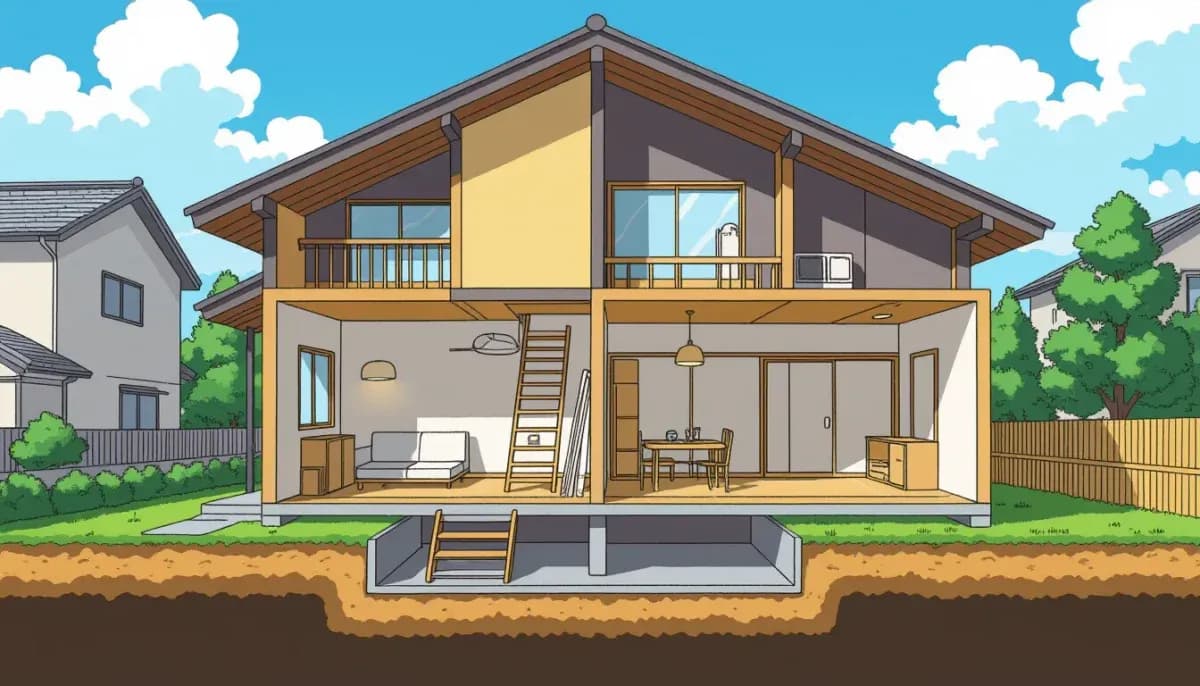
Privacy and Noise Insulation in Japanese Houses
A complete guide to privacy and noise insulation in Japanese houses for foreign buyers. Learn how RC, steel, and wood construction affects noise levels, plus practical soundproofing tips.
Read more →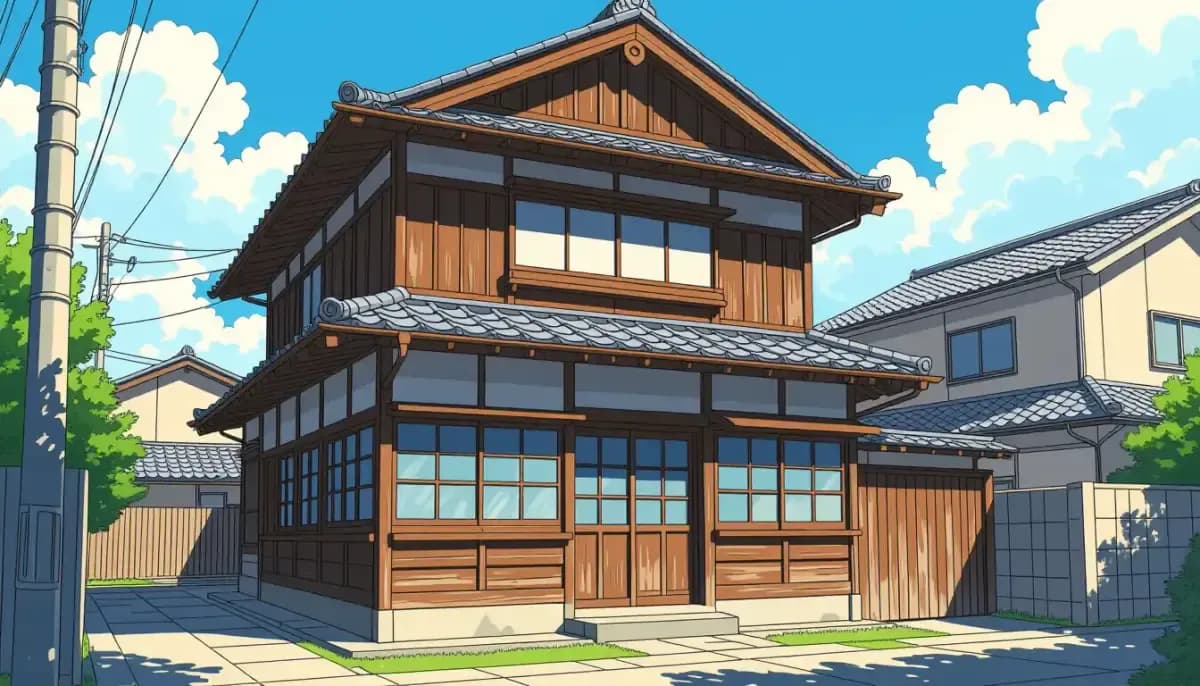
Japan House Lifespan and Depreciation Explained
Learn how Japanese house depreciation works, statutory useful life by construction type, genka shoukyaku tax rules, and how to factor depreciation into buying property in Japan as a foreigner.
Read more →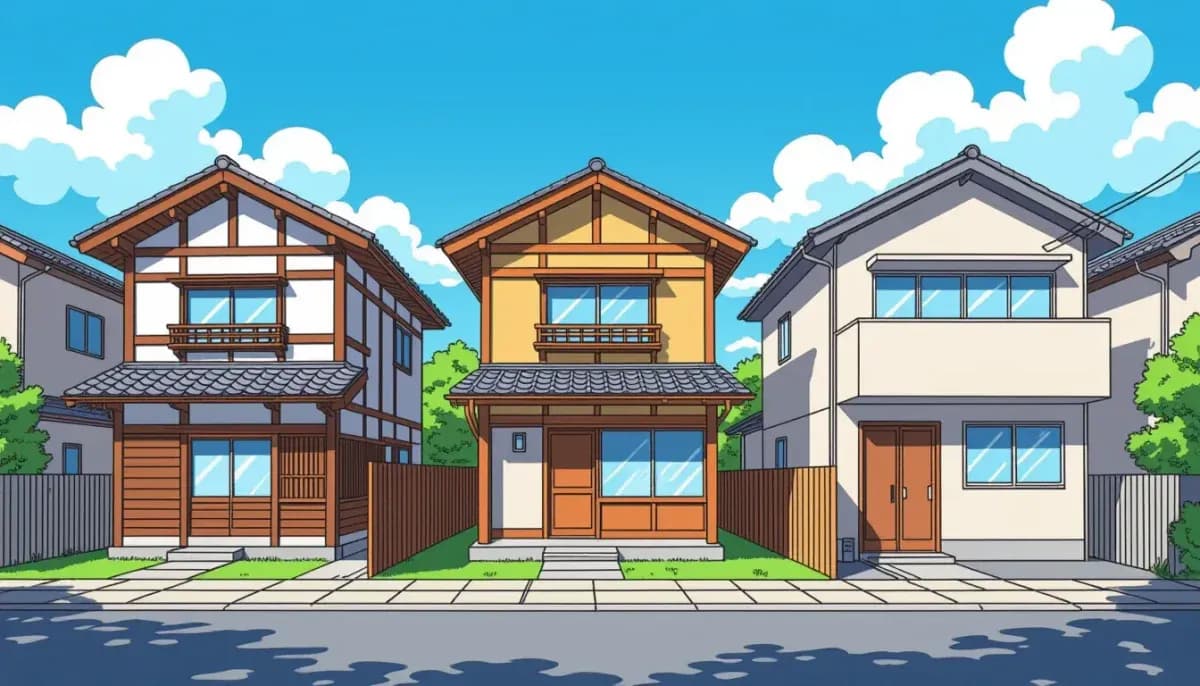
Japan House Structure Types: Wood, Steel, and Reinforced Concrete
A complete guide to Japan house structure types for foreign buyers: wooden (木造), steel (鉄骨), and reinforced concrete (RC) construction — costs, earthquake safety, lifespan, and what to check when buying.
Read more →
Small House Design and Compact Living in Japan
Discover the principles of Japanese small house design and compact living. Learn space-saving techniques, Japanese design philosophy, and practical tips for foreigners living in small homes in Japan.
Read more →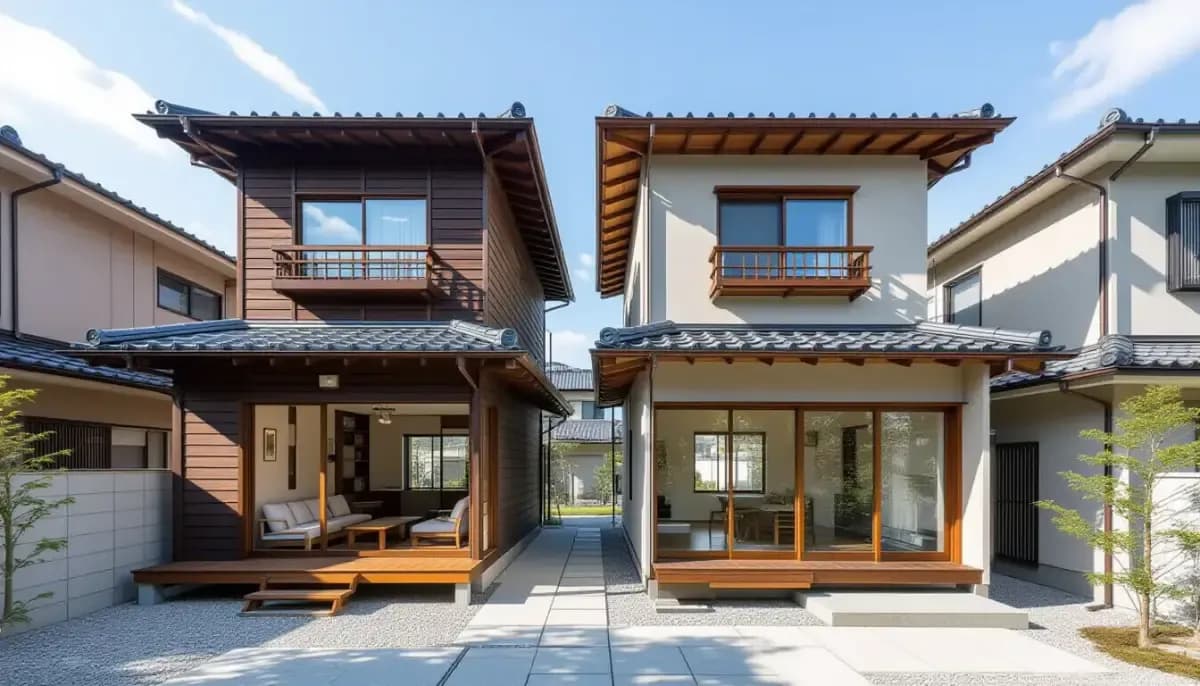
Two-Family House (Nisetai Jutaku) in Japan Explained
Everything foreigners need to know about buying a nisetai jutaku (two-family house) in Japan — types, tax benefits, costs, and legal considerations for foreign buyers.
Read more →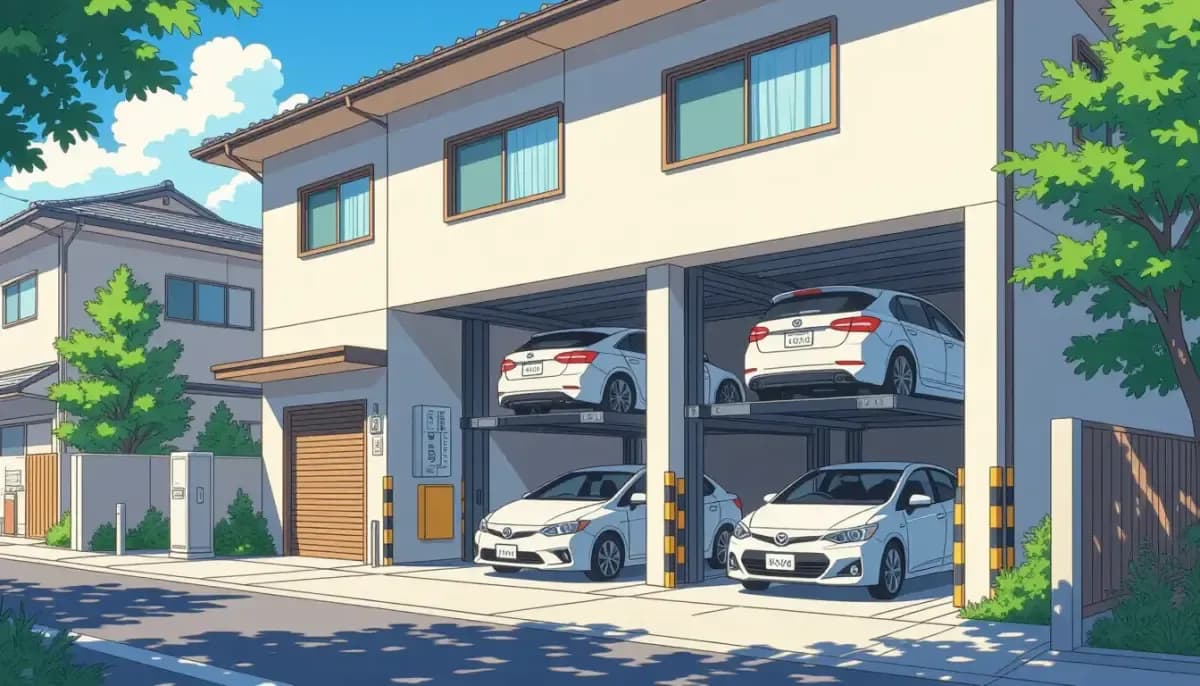
Parking and Garage Requirements for Japan Houses
Learn Japan's parking and garage requirements for homeowners. Everything about the Shako Shomeisho certificate, types of residential parking, costs by region, and tips for foreigners buying property in Japan.
Read more →