
Two-Family House (Nisetai Jutaku) in Japan Explained

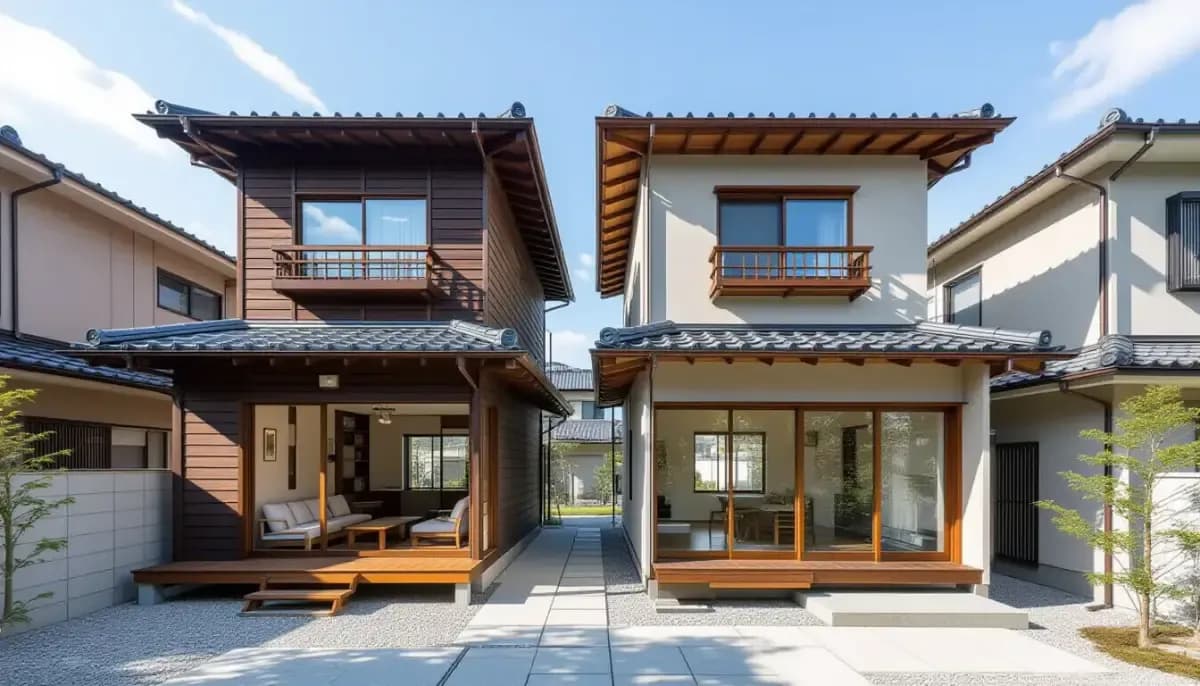
Everything foreigners need to know about buying a nisetai jutaku (two-family house) in Japan — types, tax benefits, costs, and legal considerations for foreign buyers.
Two-Family House (Nisetai Jutaku) in Japan Explained
If you have ever considered buying a home in Japan that allows two families — or multiple generations — to live together while maintaining separate private spaces, the nisetai jutaku (二世帯住宅) is worth understanding. This uniquely Japanese housing concept is gaining popularity even among foreign buyers who want to co-own with family members or rental income opportunities. This guide explains what nisetai jutaku is, the different types, legal and financial considerations, and what foreigners should know before purchasing one.
What Is a Nisetai Jutaku?
The term nisetai jutaku literally translates to "two-household residence." The concept was coined by Asahi Kasei Homes in 1975 and refers to a single building designed to accommodate two separate family units — typically parents and adult children — under one roof, each with their own private living space.
Despite the "two-generation" label, these homes often house three generations: grandparents, adult children, and grandchildren. The design balances togetherness with independence by providing:
- Separate entrances
- Separate kitchens and dining areas
- Separate bathrooms
- Separate sleeping quarters
- Optional shared spaces such as a garden or living room
This housing model evolved from Japan's traditional practice of the eldest son returning to his family home after marriage. Nisetai jutaku modernizes this tradition by adding architectural privacy between the two households.
For foreigners interested in buying property in Japan, nisetai jutaku presents a compelling option — whether you plan to live with Japanese in-laws, share costs with a sibling or friend, or use one unit as a rental while occupying the other. See our Buying a Detached House (Ikkodate) in Japan as a Foreigner guide for broader context on purchasing houses.
Types of Nisetai Jutaku
There are three main structural configurations of nisetai jutaku in Japan. Understanding the difference is critical before purchasing, as the type affects registration, taxes, and daily living.
1. Kanzen Bunkei (完全分離型) — Completely Separated
This is the most popular and flexible type. The two units are fully separated with no shared spaces at all — separate entrances from the street, fully independent kitchens, bathrooms, and living areas. The building is essentially a duplex.
Key advantages:
- Maximum privacy for both households
- Each unit can be rented independently
- Easier to register as two separate dwelling units for tax purposes
- Most appealing to foreign buyers who may rent one unit
2. Ichibu Kyoyo Gata (一部共用型) — Partially Shared
The two households share some spaces — typically the entrance hall, staircase, or garden — while maintaining separate living areas, kitchens, and bedrooms. This type requires negotiation on shared space maintenance and use.
3. Kanzen Kyoyo Gata (完全共用型) — Fully Shared
The two families share all common spaces including the living room, kitchen, and sometimes bathrooms, but maintain separate bedrooms. This is the most traditional style and the least common in modern construction.
| Type | Shared Spaces | Privacy Level | Rental Potential | Cost |
|---|---|---|---|---|
| Kanzen Bunkei (Fully Separated) | None | Highest | High (both units rentable) | Highest |
| Ichibu Kyoyo Gata (Partially Shared) | Entrance, garden | Medium | Limited | Medium |
| Kanzen Kyoyo Gata (Fully Shared) | Living room, kitchen | Lowest | Very limited | Lowest |
For foreign buyers, the kanzen bunkei type is generally most practical because it offers flexibility: you can occupy one unit and rent the other, or later sell the building more easily. Learn more about property types in Japan in our Types of Properties Available in Japan: A Complete Guide.
Financial and Tax Benefits of Nisetai Jutaku
One of the strongest reasons Japanese families build or buy nisetai jutaku is the significant tax advantages provided by the Japanese government.
Inheritance Tax Deduction (小規模宅地等の特例)
The Special Provision for Small-Scale Residential Land reduces the assessed land value for inheritance tax purposes by up to 80% for qualifying multigenerational homes. This is a massive benefit in a country where land values — particularly in Tokyo and other major cities — are extremely high.
To qualify, the home must be:
- Used as the principal residence of both households
- Not sold within a certain period after inheritance
- Occupied continuously by the inheriting party
Gift Tax Reductions
When parents gift money to adult children to fund the construction or purchase of a nisetai jutaku, special gift tax exemptions apply. The residential fund gift tax exemption allows up to ¥11 million (or more under special provisions) to be transferred tax-free.
Mortgage Interest Deduction (住宅ローン控除)
Both the parent and child household can independently claim the housing loan tax deduction (jūtaku rōn kōjo) if each unit is registered separately and each party has their own mortgage. This can double the tax benefit compared to a standard single-family home. See our Mortgages and Home Loans for Foreigners in Japan guide for details on qualifying for financing.
For a deeper look at ongoing ownership costs, our Property Taxes and Annual Costs of Owning Property in Japan article provides comprehensive details.
Can Foreigners Buy a Nisetai Jutaku in Japan?
Yes. Japan has no nationality-based restrictions on property ownership. Foreigners can purchase a nisetai jutaku on the same legal terms as Japanese citizens. The same rules and legal procedures apply regardless of nationality, visa status, or country of residence.
However, there are practical considerations specific to foreign buyers:
Financing Challenges
Obtaining a Japanese mortgage as a non-permanent resident is more difficult:
- Most Japanese banks prefer permanent residents or Japanese citizens
- Without PR, you may need a Japanese co-borrower, guarantor, or higher down payment
- Some international banks and specialized lenders offer mortgages to foreign nationals
- Paying cash is common among foreign buyers without PR
If both the foreign buyer and a Japanese family member (such as a Japanese spouse) plan to occupy the two units, a joint mortgage may be feasible and the tax benefits above may apply.
Documentation Is in Japanese
All contracts, registration documents, and legal agreements will be in Japanese. Reference translations are helpful but not legally binding. Working with a bilingual real estate agent and a judicial scrivener (shiho shoshi) experienced with foreign clients is essential.
Registration of Multiple Units
For a kanzen bunkei nisetai jutaku, you may be able to register the two units under the condominium unit ownership law (区分所有法), which allows separate legal ownership of each unit. This can be advantageous if two unrelated parties (such as business partners or siblings) want to co-purchase with separate title.
For general guidance on the purchase process, see Step-by-Step Home Buying Process in Japan for Foreigners and Legal Procedures and Documentation for Japan Property Purchase.
For broader advice on navigating Japanese property purchases, Living in Nihon's property buying guide covers mortgages and practical steps for foreigners in detail.
Costs of Buying a Nisetai Jutaku
Nisetai jutaku tend to be more expensive than standard single-family detached homes because they are larger in footprint and require duplicate installations (two kitchens, two sets of bathrooms, sometimes two utility connections).
Typical purchase costs in Japan (5–6% of purchase price):
| Cost Item | Typical Amount |
|---|---|
| Real estate agent fee | 3% of price + ¥60,000 + 10% tax |
| Judicial scrivener fee | ¥100,000–¥150,000 |
| Registration tax (登録免許税) | 2% of assessed value |
| Fixed asset acquisition tax (不動産取得税) | 1.5% (land) to 3% (building) |
| Stamp duty (印紙税) | ¥10,000–¥60,000 |
| Home inspection | ¥50,000–¥100,000 |
For a ¥50 million nisetai jutaku, expect to pay an additional ¥2.5–¥3 million in transaction costs. Ongoing costs include property tax (固定資産税), city planning tax, and maintenance. Our Hidden Costs and Fees When Buying Property in Japan article breaks down every expense in detail.
For an expat perspective on the full house buying journey, Housing Japan's guide for expats provides practical real-world advice on the process.
Practical Considerations for Living in a Nisetai Jutaku
Beyond legalities and finances, daily life in a nisetai jutaku requires thought — especially for foreign buyers with different cultural backgrounds.
Utility Connections
For fully separated units, having independent utility meters (electricity, gas, water) for each unit avoids disputes and simplifies cost-sharing. Many nisetai jutaku are built with this in mind, but it is worth confirming before purchase.
Noise and Soundproofing
Sound transmission between floors and walls is a common concern. Look for construction specifications mentioning heavy concrete floors or sound-insulating materials between units.
Resale Value
Kanzen bunkei nisetai jutaku have good resale potential because one unit can be rented while the other is occupied, or the building can be converted to a single-family home. Partially shared types are harder to sell on the open market.
Finding the Right Property
Nisetai jutaku are listed on major Japanese real estate portals including SUUMO and LIFULL HOME'S, typically under the 二世帯住宅 or 2世帯 category. Working with a real estate agent familiar with foreign buyers is recommended. For tips on working with agents, see Working with Japanese Real Estate Agents as a Foreigner.
For general information on what foreigners can and cannot buy in Japan, the Gaijin Buy House detached house guide provides useful context for the ikkodate category that nisetai jutaku falls under.
Is Nisetai Jutaku Right for You?
Nisetai jutaku is a strong option if:
- You plan to buy with a family member and want to share costs while maintaining independence
- You have Japanese in-laws or family who want to live nearby but not in the same shared space
- You want to occupy one unit and rent the other for income
- You want to benefit from Japan's generous inheritance and gift tax provisions for multigenerational homes
It may not be ideal if you want a simple single-family home, prefer maximum flexibility to sell quickly, or do not need the dual-living layout.
For a full overview of the types of properties available to foreign buyers in Japan, see our Complete Guide to Buying Property in Japan as a Foreigner. For those interested in renovating a nisetai jutaku, our Home Renovation and Remodeling in Japan for Foreign Owners guide is a useful starting point.
Additional information for foreigners buying Japanese residential property can be found at For Work in Japan's housing and living guide.
Conclusion
The nisetai jutaku is a uniquely Japanese solution to multigenerational living — and one that foreign buyers can fully participate in. Whether you want to live alongside family, generate rental income, or take advantage of Japan's tax incentives for co-living homes, understanding the three types and their respective advantages is the first step.
The key to a successful purchase is working with experienced professionals who understand both Japanese real estate law and the specific needs of foreign buyers. With the right team and the right property type, a nisetai jutaku can be both a practical home and a smart long-term investment in Japan's real estate market.

Originally from Vietnam, living in Japan for 16+ years. Graduated from Nagoya University, with 11 years of professional experience at Japanese and international companies. Sharing information about buying property in Japan for foreigners.
View Profile →Related Articles
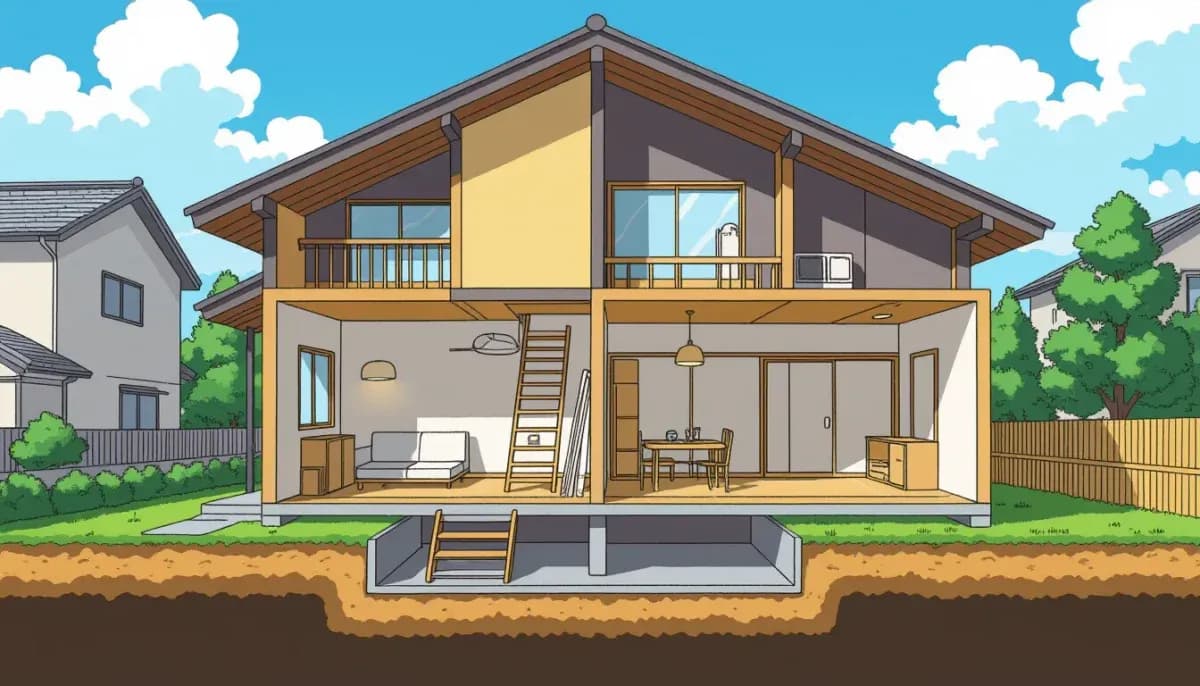
Privacy and Noise Insulation in Japanese Houses
A complete guide to privacy and noise insulation in Japanese houses for foreign buyers. Learn how RC, steel, and wood construction affects noise levels, plus practical soundproofing tips.
Read more →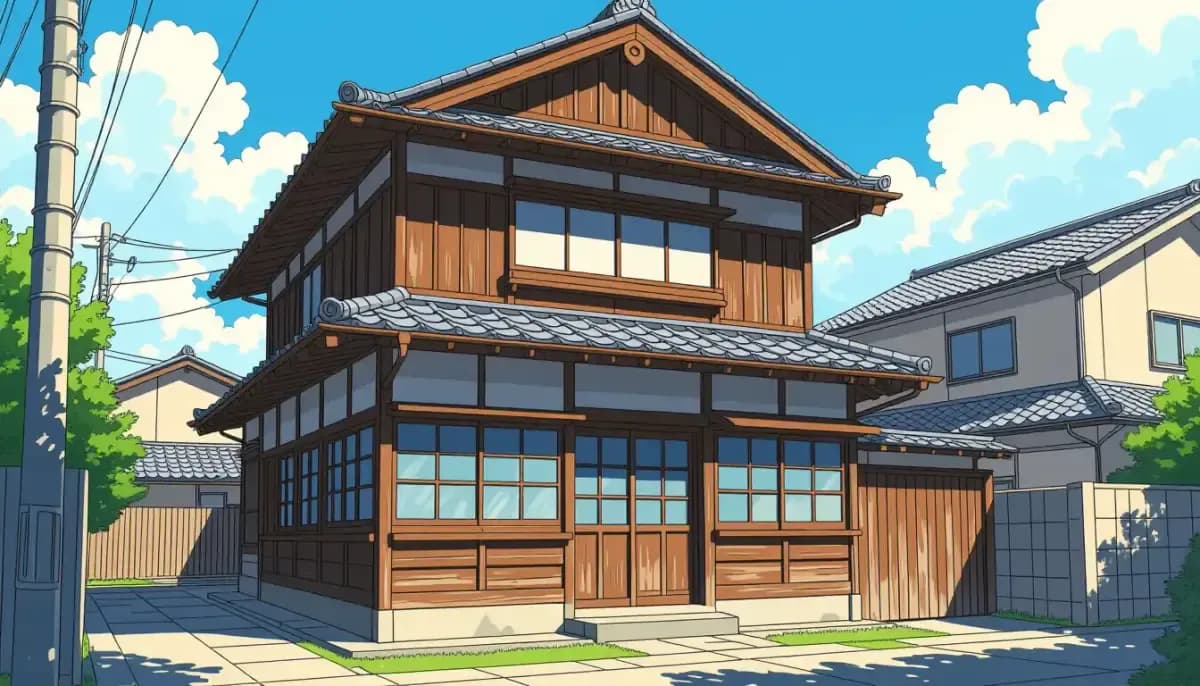
Japan House Lifespan and Depreciation Explained
Learn how Japanese house depreciation works, statutory useful life by construction type, genka shoukyaku tax rules, and how to factor depreciation into buying property in Japan as a foreigner.
Read more →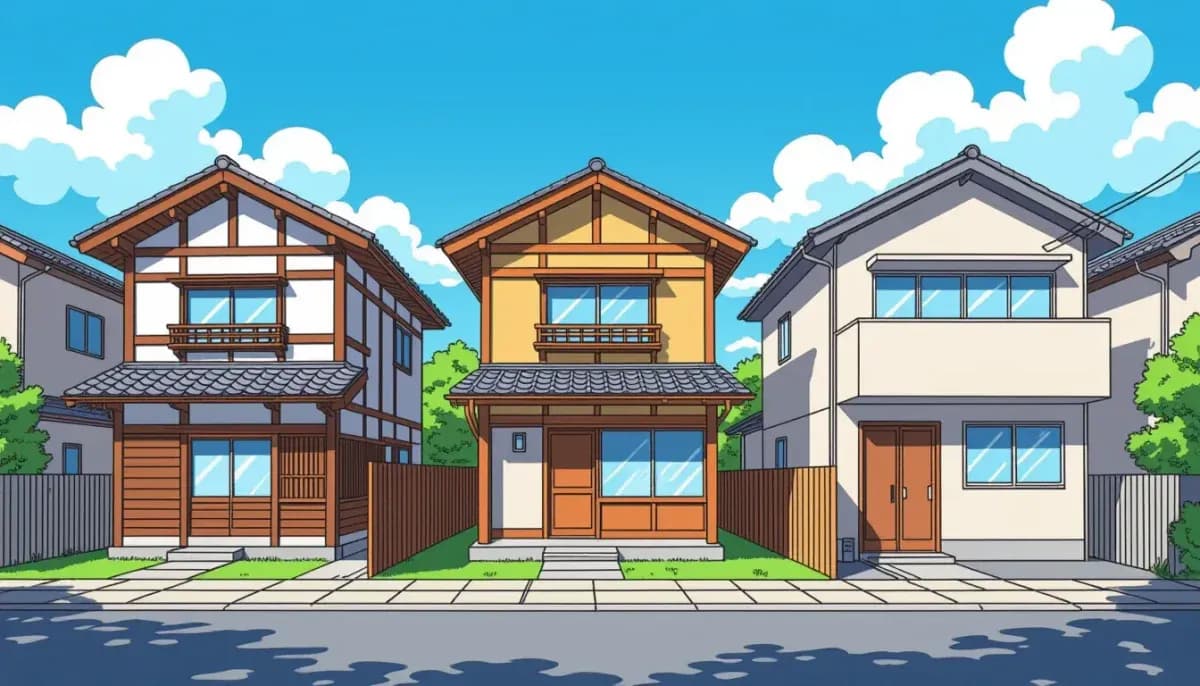
Japan House Structure Types: Wood, Steel, and Reinforced Concrete
A complete guide to Japan house structure types for foreign buyers: wooden (木造), steel (鉄骨), and reinforced concrete (RC) construction — costs, earthquake safety, lifespan, and what to check when buying.
Read more →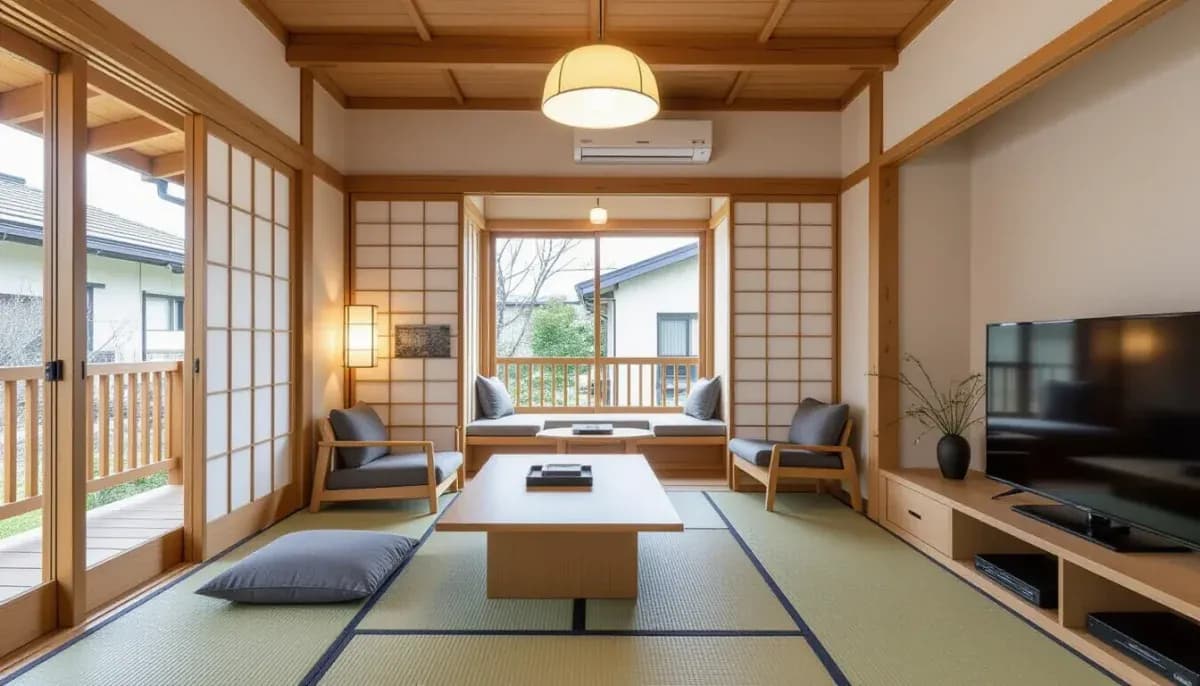
Small House Design and Compact Living in Japan
Discover the principles of Japanese small house design and compact living. Learn space-saving techniques, Japanese design philosophy, and practical tips for foreigners living in small homes in Japan.
Read more →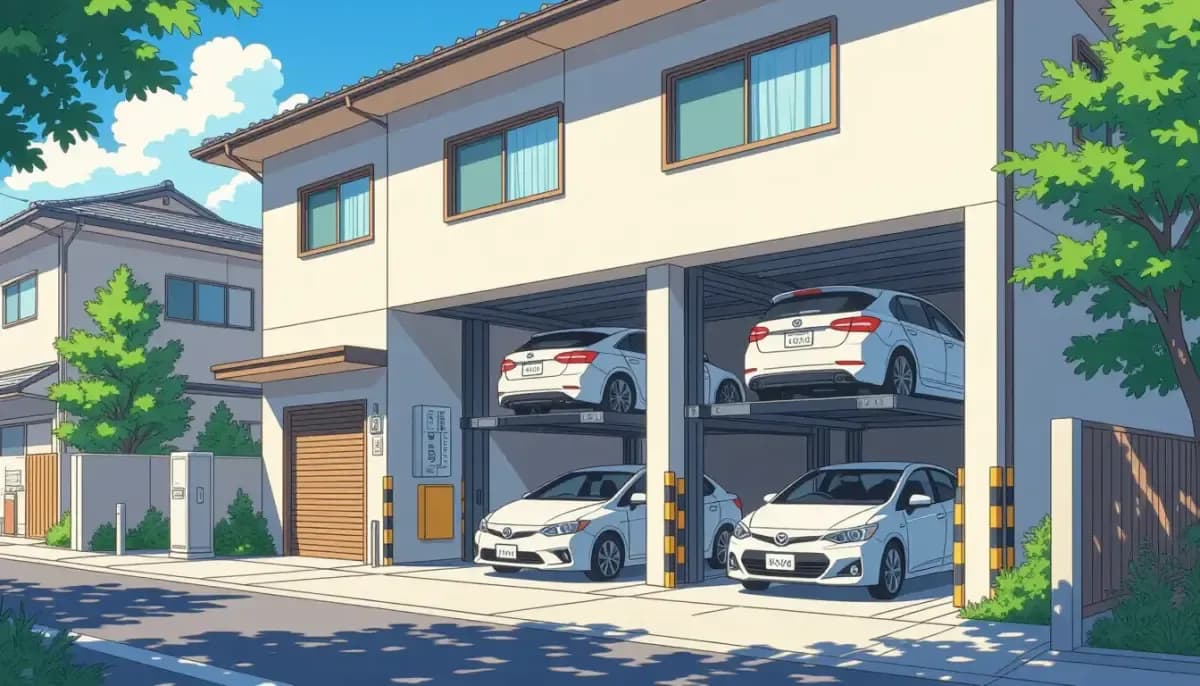
Parking and Garage Requirements for Japan Houses
Learn Japan's parking and garage requirements for homeowners. Everything about the Shako Shomeisho certificate, types of residential parking, costs by region, and tips for foreigners buying property in Japan.
Read more →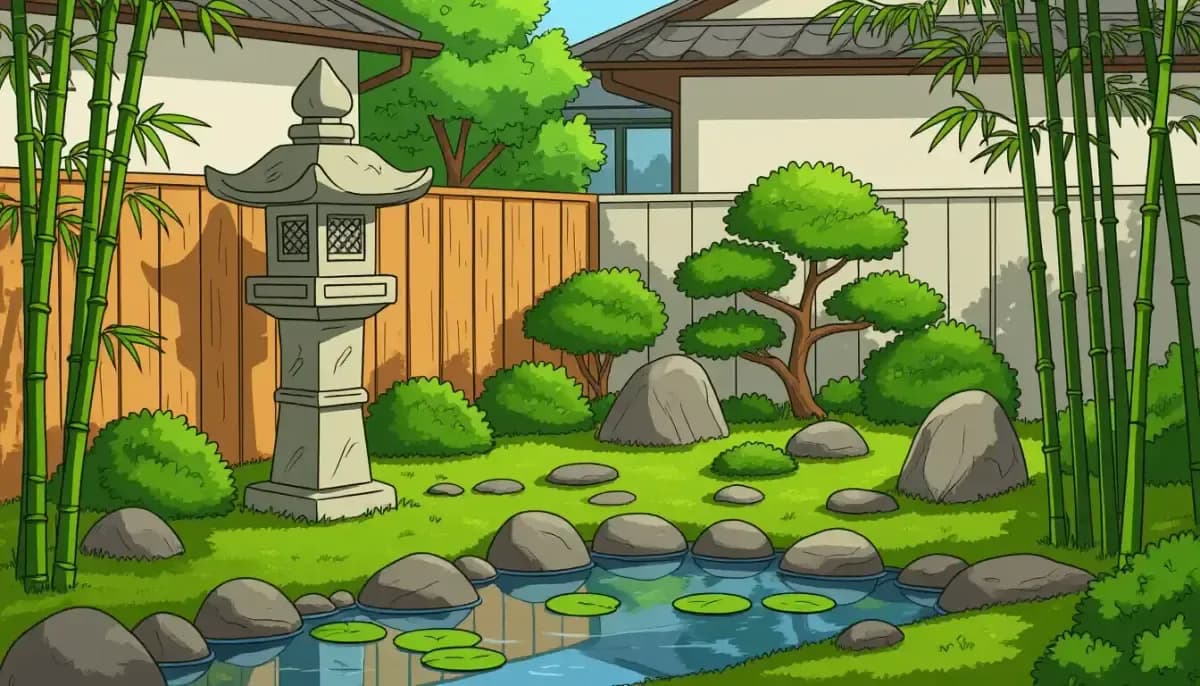
Japanese House Garden and Outdoor Space Guide
Complete guide to Japanese house gardens and outdoor spaces for foreigners. Learn garden types, design principles, seasonal plants, maintenance costs, and practical tips for creating your own Japanese garden.
Read more →