
Japan Detached House (Ikkodate) Buying Guide for Foreigners

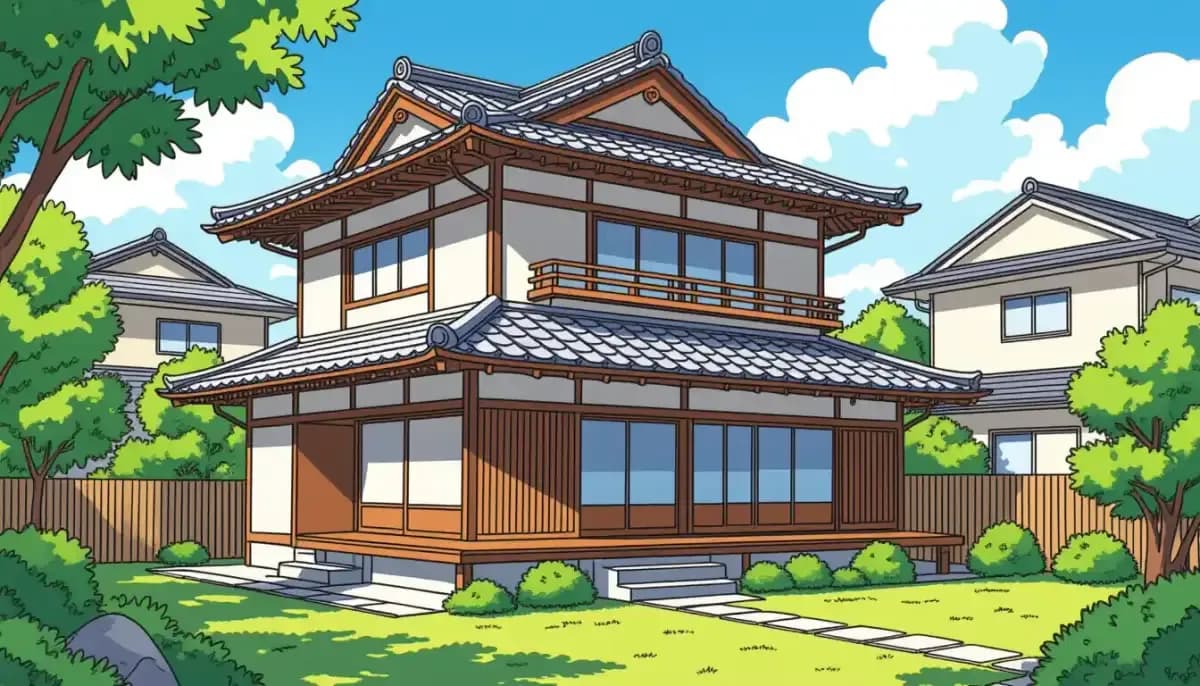
Complete guide to buying an ikkodate (detached house) in Japan as a foreigner. Covers prices, purchase process, financing options, key evaluation factors, and tips for international buyers.
Japan Detached House (Ikkodate) Buying Guide for Foreigners
Owning a detached house in Japan — known as ikkodate (一戸建て) — is a dream for many foreign residents and international investors. Unlike an apartment or condo, an ikkodate gives you a standalone home on your own land, complete with a yard, private parking, and the freedom to renovate as you please. Better yet, Japan places no legal restrictions on foreigners purchasing property, meaning you have the same ownership rights as any Japanese citizen.
This comprehensive guide walks you through everything you need to know about buying a detached house in Japan as a foreigner: what ikkodate means, how much it costs, the full purchase process, financing options, and the key factors to evaluate before signing on the dotted line.
What Is an Ikkodate? Understanding Japan's Detached Houses
The word ikkodate (一戸建て) literally means "one unit stand-alone building." It refers to a standalone residential structure built on its own parcel of land, sharing no walls with neighboring properties. When you purchase an ikkodate, you typically own both the building and the land it sits on — a concept known as freehold ownership.
This is a fundamental difference from a mansion (マンション), Japan's term for a condominium or apartment unit, where you own the unit but share the land rights with other owners.
Types of Ikkodate Properties
| Type | Description | Typical Condition |
|---|---|---|
| Shinchiku (新築) | Newly built house | Brand new, modern fixtures, post-2000 earthquake standards |
| Chuko (中古) | Used/pre-owned house | Previous owner, may need renovation |
| Akiya (空き家) | Vacant/abandoned house | Often very cheap, usually needs significant renovation |
| Mitatedate (建て売り) | Pre-built house for sale | Spec home built before a buyer is found |
| Chumon-jutaku (注文住宅) | Custom-built house | Built to your exact specifications |
For foreigners, chuko ikkodate (used detached houses) offer the best value — lower prices than new builds while still being structurally sound. The akiya phenomenon has also created incredible opportunities in rural areas, with some homes priced under ¥1 million.
Can Foreigners Buy an Ikkodate in Japan?
Yes, absolutely. Japan has no restrictions on foreign property ownership. Regardless of your nationality, visa status, or whether you live in Japan or overseas, you can legally purchase a detached house in Japan. This is relatively rare in Asia — many neighboring countries heavily restrict foreign land ownership.
Key points for foreign buyers:
- You do not need Japanese citizenship or permanent residency to buy property
- Purchasing a house does not grant you the right to live in Japan — you still need a valid visa for long-term stays
- Foreign buyers have exactly the same ownership rights as Japanese nationals
- You can sell the property at any time and repatriate the proceeds
For a detailed breakdown of your legal rights, see our guide on foreigner property ownership rights in Japan.
Ikkodate Prices in Japan: What to Expect
Property prices in Japan vary enormously by region. Here is a general price breakdown for detached houses:
| Location | Price Range (Used) | Price Range (New) |
|---|---|---|
| Tokyo 23 Wards | ¥40M – ¥80M | ¥60M – ¥120M+ |
| Tokyo Suburbs | ¥25M – ¥50M | ¥35M – ¥65M |
| Osaka / Kobe | ¥20M – ¥50M | ¥30M – ¥60M |
| Kyoto | ¥25M – ¥55M | ¥35M – ¥65M |
| Nagoya / Fukuoka | ¥15M – ¥40M | ¥25M – ¥50M |
| Rural / Regional Cities | ¥3M – ¥20M | ¥15M – ¥30M |
| Akiya / Vacant Homes | ¥100K – ¥5M | — |
Prices in Japanese Yen (¥). Exchange rate as of 2025: approximately ¥150 = $1 USD.
Additional Purchase Costs (Budget 5–10% Extra)
Beyond the sticker price, plan for the following closing costs:
- Real estate agent commission: approximately 3% of the purchase price + ¥60,000 + tax
- Registration taxes: 2% for land, 2% for used buildings (0.4% for new)
- Acquisition tax: 3–4% (one-time tax payable after purchase)
- Judicial scrivener fees: ¥100,000–¥200,000
- Loan arrangement fees (if financing): ¥100,000–¥300,000+
- Building inspection: ¥50,000–¥150,000
For a full breakdown, read our article on real estate agent commission in Japan and fixed asset tax in Japan for foreign owners.
Step-by-Step: The Ikkodate Buying Process for Foreigners
Buying a detached house in Japan typically takes 3 to 6 months from start to completion. Here is the full process:
Step 1: Set Your Budget and Get Pre-Qualified
Before searching for properties, calculate your total budget including purchase costs. If you plan to take a mortgage, speak with lenders early to understand how much you qualify for (see financing section below).
Step 2: Research Locations and Property Types
Japan's real estate market varies enormously by prefecture, city, and neighborhood. Use platforms like SUUMO, AtHome, and Homes.co.jp to browse listings. Consider factors like:
- Proximity to train stations (critical for resale value)
- School districts (if you have children)
- Local amenities and infrastructure
- Earthquake zone risk level
Our guide to best neighborhoods in Tokyo for foreign buyers can help with location selection.
Step 3: Find a Real Estate Agent
Engaging a licensed real estate agent (fudosan, 不動産) is essential. Look for agents with experience working with foreign buyers and, ideally, English-speaking staff. See our guide on how to find a real estate agent in Japan as a foreigner.
Step 4: Property Viewings and Offer
View multiple properties before committing. Once you find one you like, submit a written purchase offer (moshikomi). You may pay a small reservation fee (¥100,000–¥500,000) to take the property off the market.
Step 5: Review the Important Matters Explanation (Jyuyo Jikou)
Before signing the contract, your agent must provide a Jyuyo Jikou Setsumei Sho (重要事項説明書) — a legally required disclosure document explaining all material facts about the property: land use regulations, any liens, building restrictions, earthquake risk, etc. This is read aloud by a licensed agent. Make sure you understand everything.
Step 6: Sign the Purchase Contract and Pay Deposit
After the Jyuyo Jikou review, you sign the 売買契約書 (Baibai Keiyakusho) — the sales and purchase agreement. At this stage, you pay an earnest money deposit of approximately 10% of the purchase price.
Step 7: Secure Financing (if applicable)
Finalize your mortgage application and receive loan approval. This typically takes 2–4 weeks.
Step 8: Settlement and Registration
At the final settlement, you pay the remaining balance, sign all transfer documents, and officially become the owner. A judicial scrivener (shihoshoshi) registers the ownership transfer at the Legal Affairs Bureau. See our guide on Japan's property registration system.
Financing: Getting a Mortgage for an Ikkodate as a Foreigner
Securing a home loan in Japan as a foreigner is possible but involves some hurdles. Your eligibility depends significantly on your visa and residency status.
| Residency Status | Loan Availability | Typical Down Payment |
|---|---|---|
| Permanent Resident (PR) | Same terms as Japanese citizens | 10–20% |
| Long-term Visa (work/spouse) | Available at select banks | 20–30% |
| Short-term Visa / Non-Resident | Very limited; requires power of attorney | 30–50%+ or cash |
Foreigner-Friendly Lenders in Japan
- SMBC Prestia — explicitly open to non-PR foreign nationals on long-term visas
- Suruga Bank — known for flexible lending to foreign buyers
- SBI Shinsei Bank — offers competitive rates for foreign residents
- Japan Housing Finance Agency (JHF) — government-backed loans with fixed rates
Japanese mortgage rates remain among the lowest in the world, with 35-year fixed rates around 1.5–2.0% as of 2025. However, qualification criteria can be strict. Read our full guide on Japan mortgage requirements for foreigners.
For more expert advice on living and investing in Japan, Living in Nihon is a valuable resource for expats navigating daily life and property ownership in Japan.
Key Factors to Evaluate When Buying an Ikkodate
1. Earthquake Safety Standards
Japan sits on the Pacific Ring of Fire. Building codes changed significantly in 1981 (Shin-Taishin standards) and again in 2000. Always prioritize homes built after 1981, and ideally after 2000, for the best earthquake resistance. Pre-1981 homes ("kyu-taishin") may require costly seismic retrofitting.
2. Land Value vs. Building Value
Japanese wooden structures depreciate rapidly — a building may be considered worthless after 20–30 years. This means the land is where the long-term value lies. When evaluating an ikkodate, research the land price per square meter (路線価, rosen-ka) carefully.
3. Building Inspection (Homu Inspekushon)
A professional home inspection is strongly recommended before purchasing any used ikkodate. Inspectors check the foundation, roof, walls, plumbing, and electrical systems. Budget ¥50,000–¥150,000 for a thorough inspection.
4. Train Access and Commute Time
In Japan, a property's walking distance to the nearest train station is the single most important factor affecting its value. Properties within a 10-minute walk to a station command significant premiums — and hold their value better over time.
5. Neighborhood and Community
Japanese neighborhoods (cho-kai) often have active community associations. As a foreign buyer, understanding the local community norms can help you integrate smoothly. Check for noise ordinances, parking regulations, and any deed restrictions.
Advantages and Disadvantages of Buying an Ikkodate
Advantages
- Full land ownership — you own both the building and the land
- No monthly management or repair reserve fees (unlike condominiums)
- Freedom to renovate — change the layout, extend, or rebuild as you wish
- More privacy — no shared walls with neighbors
- Pet-friendly — most ikkodate allow pets without restrictions
- Private parking — usually comes with at least one parking space
- Potential for rental income — rent out part of the property
Disadvantages
- You handle all maintenance — no building management company to call
- Higher upfront cost (land + building) compared to apartments
- Often suburban location — may require longer commutes
- Buildings depreciate — the structure loses value over time
- Annual property taxes on both land and building
Compared to buying a condominium, an ikkodate offers more independence but also more responsibility. See our comparison guide: Japan mansion (condo) vs apartment: key differences.
Ikkodate vs. Other Property Types in Japan
| Factor | Ikkodate | Mansion (Condo) | Apartment (Apato) |
|---|---|---|---|
| Land ownership | Yes (freehold) | Shared | No |
| Privacy | High | Medium | Low |
| Monthly fees | None | ¥15,000–¥50,000 | Included in rent |
| Renovation freedom | Full | Limited | None (rental) |
| Resale value | Land-driven | Unit + common areas | N/A |
| Typical size | 80–200 m² | 40–100 m² | 20–60 m² |
| Urban availability | Limited | High | High |
Where to Find Ikkodate Listings in Japan
Several platforms list detached houses for sale in Japan:
- SUUMO (スーモ) — Japan's largest real estate portal; some English support
- AtHome — comprehensive listings with search filters
- Homes.co.jp — detailed property data including land size and age
- Real Estate Japan — English-language portal for foreign buyers
- Gaijin Buy House — dedicated resource for international buyers; see their ikkodate buying guide for more information
For those interested in affordable rural properties, For Work in Japan provides useful context on regional opportunities and lifestyle considerations for expats exploring life outside major cities.
Frequently Asked Questions
Can I buy an ikkodate without living in Japan? Yes. Non-residents can purchase Japanese property. However, you will need to appoint a local representative (power of attorney) to handle paperwork, and mortgage financing will be extremely limited. Most non-residents purchase with cash.
Do I need a Japanese visa to buy an ikkodate? No. There is no visa requirement to purchase property. However, buying property does not grant you residency rights — you still need a valid visa to live in Japan. See Japan visa types for property buyers.
How long does the buying process take? Typically 3–6 months from the time you begin searching to receiving the keys.
Is it better to buy new or used? New homes (shinchiku) have the latest safety standards and no maintenance issues but cost significantly more. Used homes (chuko) offer better value and are often in established neighborhoods. A good home inspection can identify any issues with a used property.
What happens to the house if I leave Japan? You can sell it, rent it out, or leave it vacant. Japan's property ownership laws place no residency requirements on owners.
Conclusion
Buying an ikkodate in Japan as a foreigner is entirely achievable with the right preparation and guidance. The process is well-structured, ownership rights are strong, and the market offers options across all budgets — from affordable rural akiya to premium Tokyo detached homes. The key is to research thoroughly, work with experienced professionals, and understand both the costs and long-term implications of land versus building value.
For the complete overview of buying property in Japan, start with our complete guide to buying property in Japan as a foreigner. If you're also exploring the Japanese housing market outlook, our Japan housing market forecast for 2026 provides valuable context for timing your purchase.
For detailed research on detached homes in Japan, e-housing.jp offers in-depth guides on the buying process, and Tokyo Relocation Guide covers the detached house market in Tokyo specifically.

Originally from Vietnam, living in Japan for 16+ years. Graduated from Nagoya University, with 11 years of professional experience at Japanese and international companies. Sharing information about buying property in Japan for foreigners.
View Profile →Related Articles
Privacy and Noise Insulation in Japanese Houses
A complete guide to privacy and noise insulation in Japanese houses for foreign buyers. Learn how RC, steel, and wood construction affects noise levels, plus practical soundproofing tips.
Read more →
Japan House Lifespan and Depreciation Explained
Learn how Japanese house depreciation works, statutory useful life by construction type, genka shoukyaku tax rules, and how to factor depreciation into buying property in Japan as a foreigner.
Read more →
Japan House Structure Types: Wood, Steel, and Reinforced Concrete
A complete guide to Japan house structure types for foreign buyers: wooden (木造), steel (鉄骨), and reinforced concrete (RC) construction — costs, earthquake safety, lifespan, and what to check when buying.
Read more →
Small House Design and Compact Living in Japan
Discover the principles of Japanese small house design and compact living. Learn space-saving techniques, Japanese design philosophy, and practical tips for foreigners living in small homes in Japan.
Read more →
Two-Family House (Nisetai Jutaku) in Japan Explained
Everything foreigners need to know about buying a nisetai jutaku (two-family house) in Japan — types, tax benefits, costs, and legal considerations for foreign buyers.
Read more →
Parking and Garage Requirements for Japan Houses
Learn Japan's parking and garage requirements for homeowners. Everything about the Shako Shomeisho certificate, types of residential parking, costs by region, and tips for foreigners buying property in Japan.
Read more →