
Privacy and Noise Insulation in Japanese Houses

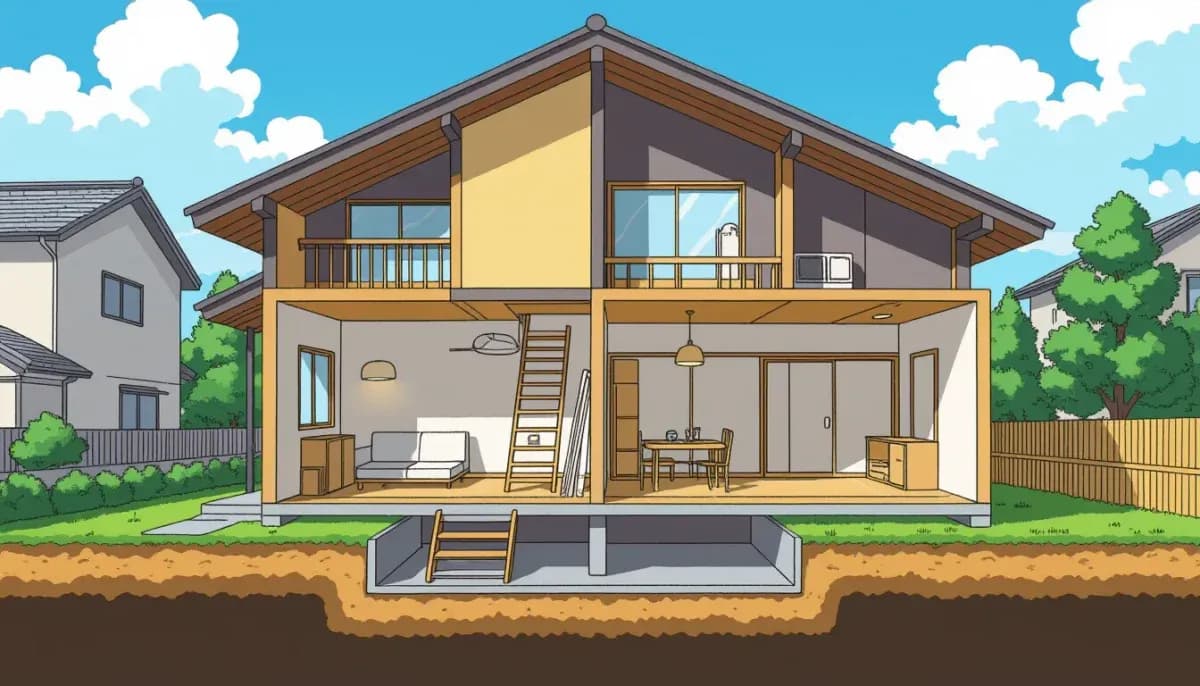
A complete guide to privacy and noise insulation in Japanese houses for foreign buyers. Learn how RC, steel, and wood construction affects noise levels, plus practical soundproofing tips.
Privacy and Noise Insulation in Japanese Houses: A Complete Guide for Foreign Buyers
If you are planning to buy or rent a property in Japan, understanding how Japanese homes handle privacy and noise insulation is essential. Unlike many Western countries where houses are designed with thick walls and double-pane windows as standard, Japanese residential construction has historically prioritized cost, speed, and earthquake resistance over acoustic performance. This guide explains everything foreign buyers and residents need to know about noise insulation in Japanese homes — from building structure types to practical DIY solutions.
Why Noise and Privacy Matter in Japanese Housing
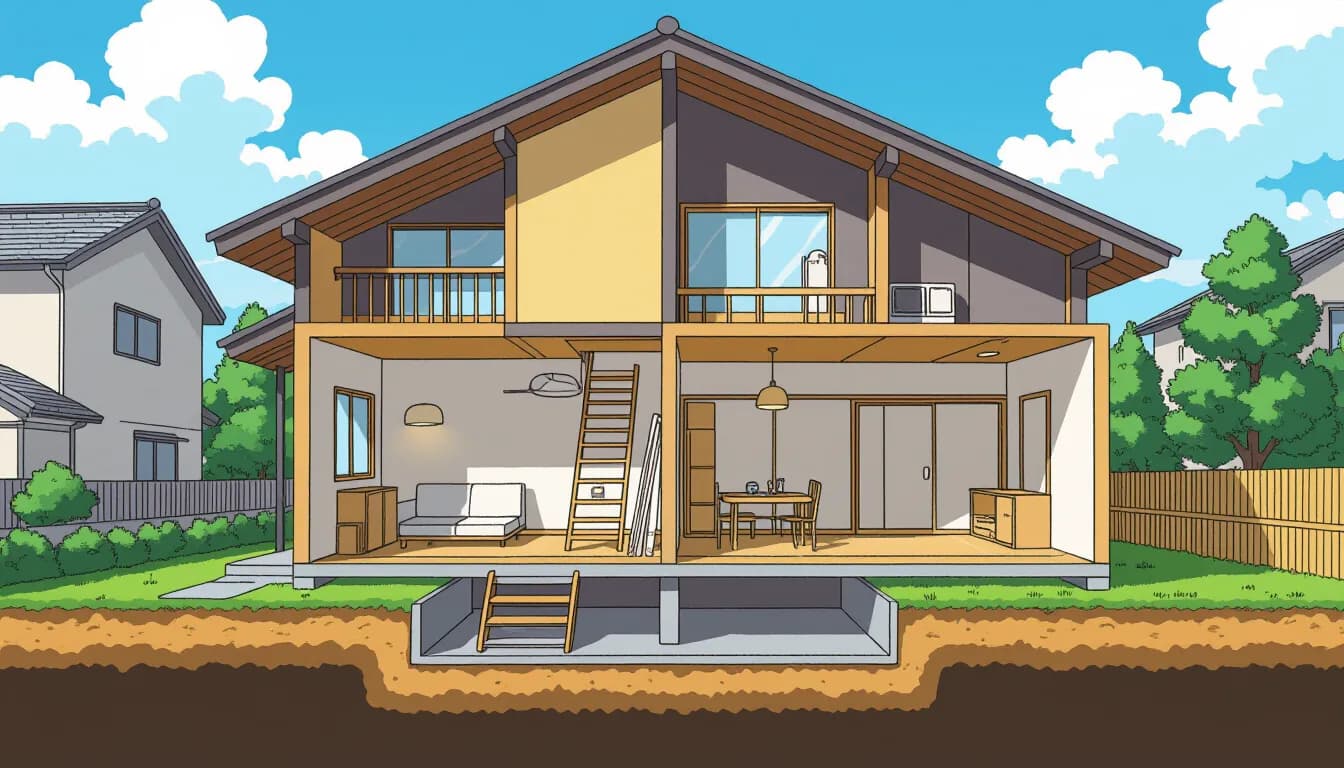
Japan's urban density means that in cities like Tokyo, Osaka, and Yokohama, you are almost always living in close proximity to neighbors. Walls between units are thin, floors transmit impact sounds easily, and the cultural expectation of quiet living is high.
Noise complaints are among the most common sources of neighbor conflict in Japan. Everyday activities — footsteps, conversations, washing machines running late at night, or even watching television — can easily be heard through thin walls. For foreigners accustomed to homes in countries where acoustic insulation is standard, the noise situation in many Japanese apartments and houses can come as a genuine shock.
Understanding the construction type of a property before you buy or rent is the single most important step you can take to ensure a comfortable, private living environment.
Construction Types and Their Noise Insulation Levels
The most important factor in determining how much noise you will hear (and how much your neighbors will hear from you) is the building's structural material. Japanese real estate listings always specify the construction type — learning to read these is critical.
| Structure Type | Japanese Term | Noise Insulation | Typical Use |
|---|---|---|---|
| Reinforced Concrete | RC造 (RC-zō) | Excellent | High-rise condos, modern apartments |
| Steel Reinforced Concrete | SRC造 (SRC-zō) | Excellent | Large high-rise buildings |
| Heavy Steel Frame | S造 重量鉄骨 | Good | Mid-rise apartments |
| Light Steel Frame | S造 軽量鉄骨 | Moderate | Budget apartments |
| Wood Frame | 木造 (Mokuzō) | Poor | Houses, older apartments |
Wooden Construction (木造 / Mokuzō)
Wooden buildings are the most common in Japan, especially for detached houses (一戸建て / ikkodate) and older apartment buildings. Wood transmits sound efficiently — this is the same acoustic property that makes wooden concert halls and music boxes sound rich and resonant. In a wooden apartment, you may clearly hear neighbors talking, laughing, or walking across the floor above you.
If you are considering a traditional Japanese house (kominka or machiya), be aware that the beautiful old wood construction comes with very little acoustic insulation by modern standards.
Light Steel Frame (軽量鉄骨 / Keiryo Tekkotsu)
Light-gauge steel frame construction (walls made with steel studs 6mm or thinner) offers modest improvement over wood. However, some builders cut costs by omitting insulation material inside the wall cavities. A practical inspection tip: knock on the wall during your property viewing. A hollow, high-pitched sound means the wall is poorly insulated. A dull, dense sound is a better sign.
Reinforced Concrete — RC and SRC (RC造・SRC造)
Reinforced concrete structures use thick concrete slabs — typically 150mm to 200mm — for walls, floors, and ceilings. This density is highly effective at blocking both airborne sounds (voices, music, TV) and impact sounds (footsteps from above). RC buildings consistently offer the best acoustic performance among standard Japanese residential construction types.
When searching listings on portals like SUUMO or HOMES, always look for RC造 or SRC造 if noise is a priority. You can learn more about types of properties available in Japan to understand how building type connects to property category.
Privacy in Traditional vs. Modern Japanese Homes
Traditional Japanese homes — built around sliding shoji screens and thin fusuma (paper divider panels) — were never designed with acoustic privacy in mind. The concept of the home in traditional Japanese architecture was one of shared family space, not private individual rooms. Even today, many older Japanese houses maintain these features, meaning sound travels freely between rooms within the house as well as to the outside.
Modern condominiums (mansions) in Japan are generally far better than older houses for privacy. A newer RC condominium in a large development will typically have:
- Concrete slab floors that absorb impact sound better than wooden subfloors
- Reinforced concrete party walls between units
- Double-pane or laminated glass windows in newer developments
For detached house (ikkodate) buyers, privacy from the street is another consideration. Japanese residential lots are often small, placing your house very close to the property boundary. Fences, hedges, and exterior walls are commonly used to establish visual privacy, but sound from the street — especially in urban neighborhoods — will still be present.
Japan's Noise Standards and Cultural Norms
Japan does not have a single nationwide civilian noise regulation with strict enforcement, but general guidelines suggest noise levels of approximately 50 decibels at night and 60 decibels during the day. To put that in perspective, a normal conversation is around 60 dB and a washing machine is around 70 dB.
More important than the legal standards are the cultural expectations. Japanese society places a high value on not disturbing neighbors. This means:
- Running washing machines or vacuums late at night is considered inconsiderate
- Wearing shoes indoors is rare precisely because footstep noise travels through floors
- Children running inside apartments is a common source of noise complaints
- Conversations at normal "Western" volume during evening hours may be heard and resented by neighbors
For foreigners adjusting to life in Japan, understanding these unwritten rules is as important as choosing the right building type. The Japan Living Guide's section on neighborhood noise provides excellent practical guidance on how to be a considerate neighbor.
How to Choose a Quieter Property: What to Check Before You Buy
When viewing a property, there are several concrete steps you can take to assess noise and privacy:
- Identify the construction type — Look for RC or SRC in the listing details. This single factor matters more than anything else.
- Knock on walls — A dull, solid sound indicates concrete or well-insulated construction. A hollow sound is a warning sign.
- Visit at different times — A property that seems quiet at 10am on a weekday may be very different on a Saturday evening.
- Check the floor plan for layout — Bedrooms positioned away from shared walls or stairwells are naturally quieter.
- Choose a top-floor unit — Eliminates noise from upstairs neighbors, which is typically the most disruptive type.
- Consider a corner unit — Fewer shared walls means fewer potential noise sources.
- Check window quality — Single-pane glass is common in older buildings and provides minimal sound or thermal insulation. Double-pane windows (ペアガラス / pea garasu) are significantly better.
The Aonissin real estate guide on soundproofing in Japanese rental apartments has additional tips for evaluating apartments during property viewings.
Practical Soundproofing Solutions for Your Japanese Home
Whether you are already living in a noisy Japanese home or want to improve an RC apartment further, there are many renter-friendly and buyer-friendly solutions available.
For Renters (No Permanent Modifications)
- Thick rugs and carpets — Essential for reducing impact sound transmission to neighbors below. Place them in high-traffic areas like corridors, living rooms, and under furniture.
- Heavy curtains (遮音カーテン / shaon kāten) — Noise-blocking curtains are widely available at home goods stores like Nitori and are inexpensive and effective for reducing sound from windows.
- Draught excluders and door seals — Gaps under and around doors are a major sound path. Simple foam or brush seals make a significant difference.
- Secondary windows (内窓 / uchimado or 二重サッシ / nijuu sash) — A secondary window frame installed inside your existing window frame dramatically reduces both traffic noise and heat/cold. These are available from manufacturers like Planwall and YKK AP.
- Furniture placement — Bookshelves filled with books placed against shared walls act as natural sound absorbers.
- White noise machines — Popular in Japanese urban apartments, they mask ambient noise rather than block it but are effective for sleeping.
For Property Owners
If you own your property, you have more options for permanent improvement:
- Wall insulation injection — Specialists can inject insulation material into existing wall cavities through small holes, significantly improving both thermal and acoustic performance.
- Double-pane window replacement — Upgrading from single-pane to double-pane glass is one of the highest-impact upgrades for both noise and energy efficiency.
- Floating floor systems — A floating floor (防振床 / bōshin yuka) installed over the existing subfloor dramatically reduces impact sound transmission downward.
- Acoustic ceiling panels — Used in home offices and bedrooms, these reduce reverberation and can help absorb sound.
For anyone planning home renovation or remodeling in Japan, it is worth consulting with a contractor who specializes in acoustic improvement. Japanese home improvement companies like Daiwa House Reform offer noise reduction renovation packages.
Noise Insulation in Akiya (Vacant Houses)
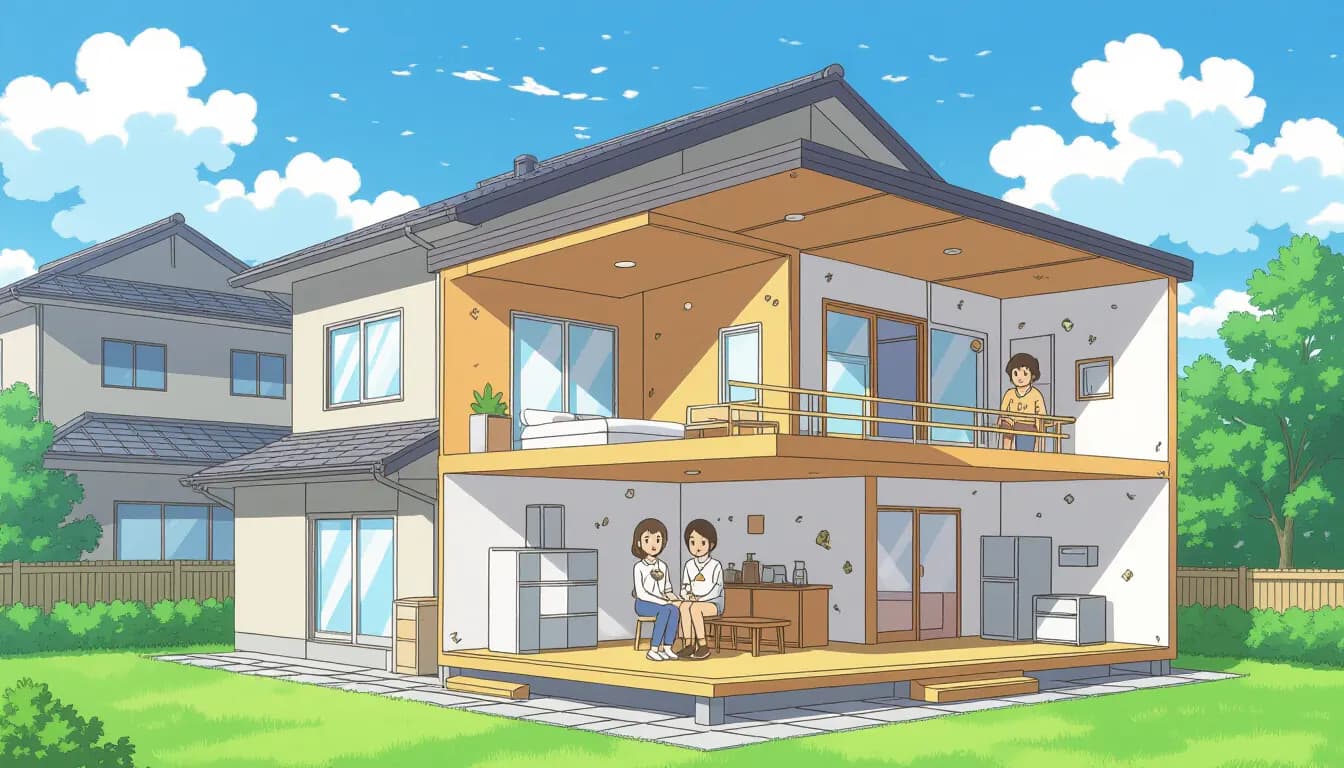
Akiya (vacant and abandoned houses) have become increasingly popular among foreign buyers seeking affordable rural properties. Most akiya are old wooden structures with essentially no noise or thermal insulation. If you are purchasing an akiya, budget for insulation upgrades as part of your renovation plan.
The good news is that rural akiya often have far fewer noise problems than urban apartments simply because neighbors are more distant. However, internal noise insulation — between rooms, and from the roof — is still important for comfort, especially in Japan's cold winters and hot summers.
Privacy and Noise in New Construction vs. Used Properties
When choosing between new construction and used properties in Japan, noise insulation is a key differentiator. New construction in Japan since around 2000 must meet updated building standards that include improved seismic performance, but acoustic standards have lagged. However, new construction condominiums from major developers (Mitsui, Sumitomo, Nomura) typically include better insulation than older buildings.
Used properties — particularly wooden frame apartments built before 1981 (pre-earthquake code reform) — are likely to have the worst acoustic performance. Be especially cautious about older wooden buildings from the rapid construction era of the 1960s and 70s.
Useful Resources for Foreign Buyers
For more guidance on navigating the Japanese property market as a foreigner, these resources provide in-depth information:
- Living in Nihon's Complete Guide to Finding Housing in Japan covers the full process of securing a home in Japan
- For Work in Japan's Housing and Living Infrastructure Guide is aimed at working foreigners setting up life in Japan
- Gaijin Buy House specializes in helping foreigners navigate the Japanese property purchase process
- E-Housing's Tokyo apartment soundproofing guide offers practical DIY tips
- Wagaya Japan's construction type noise comparison explains the differences between wood, steel, and RC in plain English
Conclusion
Privacy and noise insulation in Japanese houses depend primarily on the construction type, the age of the building, and the specific unit location. Reinforced concrete (RC) buildings offer the best acoustic performance and are the recommended choice for anyone who prioritizes quiet living. Wooden structures — while charming and traditionally Japanese — transmit sound far more easily.
Whichever property you choose, practical measures like heavy rugs, noise-blocking curtains, and secondary windows can meaningfully improve your daily comfort. Understanding Japanese cultural norms around noise is equally important — being a considerate neighbor goes a long way in maintaining good community relations.
For a deeper understanding of your options in the Japanese property market, explore our guides on buying a condominium in Japan, buying a detached house, and the complete home buying process for foreigners.

Originally from Vietnam, living in Japan for 16+ years. Graduated from Nagoya University, with 11 years of professional experience at Japanese and international companies. Sharing information about buying property in Japan for foreigners.
View Profile →Related Articles
Japan House Lifespan and Depreciation Explained
Learn how Japanese house depreciation works, statutory useful life by construction type, genka shoukyaku tax rules, and how to factor depreciation into buying property in Japan as a foreigner.
Read more →
Japan House Structure Types: Wood, Steel, and Reinforced Concrete
A complete guide to Japan house structure types for foreign buyers: wooden (木造), steel (鉄骨), and reinforced concrete (RC) construction — costs, earthquake safety, lifespan, and what to check when buying.
Read more →
Small House Design and Compact Living in Japan
Discover the principles of Japanese small house design and compact living. Learn space-saving techniques, Japanese design philosophy, and practical tips for foreigners living in small homes in Japan.
Read more →
Two-Family House (Nisetai Jutaku) in Japan Explained
Everything foreigners need to know about buying a nisetai jutaku (two-family house) in Japan — types, tax benefits, costs, and legal considerations for foreign buyers.
Read more →
Parking and Garage Requirements for Japan Houses
Learn Japan's parking and garage requirements for homeowners. Everything about the Shako Shomeisho certificate, types of residential parking, costs by region, and tips for foreigners buying property in Japan.
Read more →
Japanese House Garden and Outdoor Space Guide
Complete guide to Japanese house gardens and outdoor spaces for foreigners. Learn garden types, design principles, seasonal plants, maintenance costs, and practical tips for creating your own Japanese garden.
Read more →