Legal Procedures and Documentation for Japan Property Purchase
Complete guide to the legal procedures and documentation required for foreigners buying property in Japan. Covers contracts, registration, FEFTA notification, tax agents, and full document checklists for residents and non-residents.
13 articles
Legal Procedures and Documentation for Japan Property Purchase
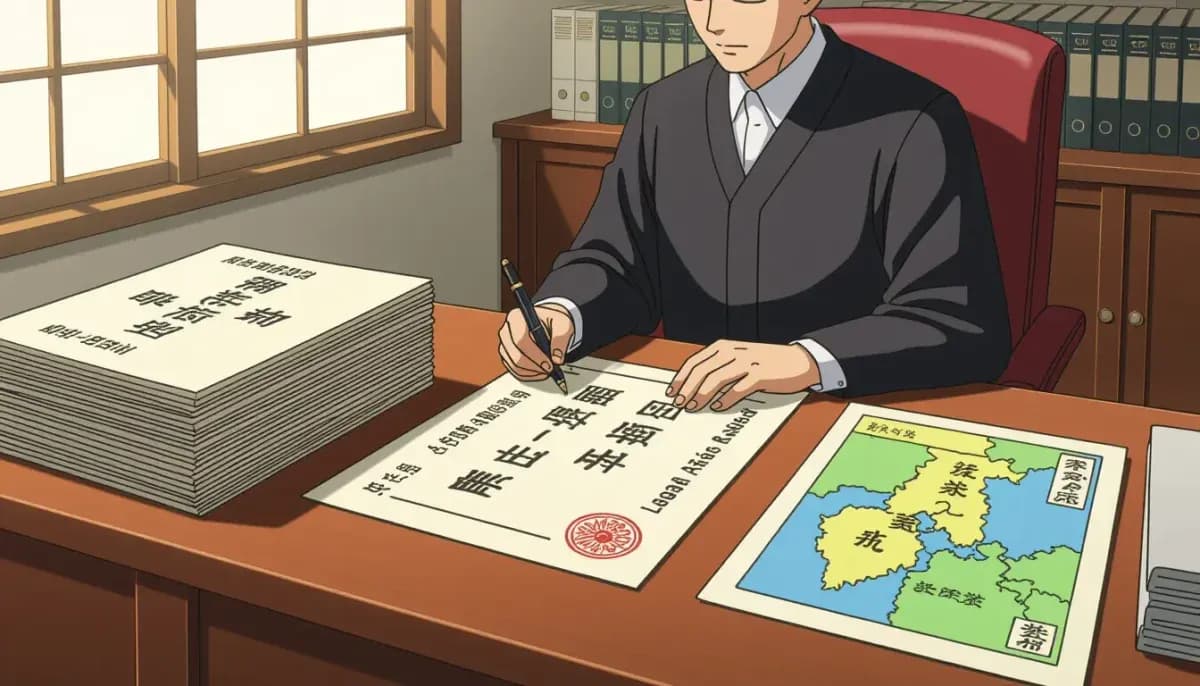
Buying property in Japan as a foreigner is more accessible than many people expect. Japan is one of the few advanced countries where foreign nationals—regardless of visa status or residency—can purchase land and buildings freely, with no legal restrictions on freehold ownership. However, the legal procedures and documentation requirements differ significantly from Western real estate systems, and navigating them successfully requires careful preparation.
This guide walks you through every stage of Japan's property purchase process, from the documents you need to gather before signing a contract, to the official registration requirements after closing. Whether you're a first-time buyer or an experienced investor, understanding the legal framework will help you avoid costly mistakes and complete your purchase with confidence.
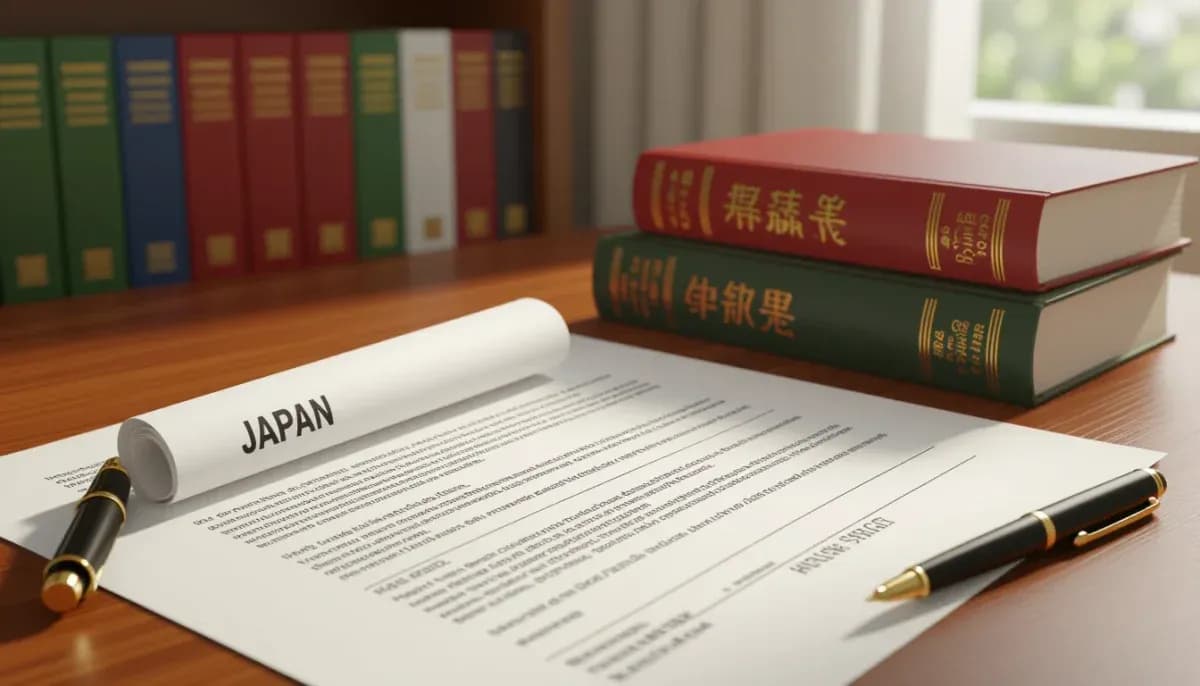
Legal documents and contracts for property purchase in Japan
Overview: How Japan's Property Legal System Works
Japan's real estate legal framework is built on precision and formality. Unlike many Western countries, Japan does not rely on title insurance companies to guarantee ownership. Instead, the system is anchored in two institutions:
Judicial Scriveners (司法書士 / Shiho-shoshi): These state-licensed legal professionals are legally required to handle all official property title registration. They verify documents, facilitate the transfer of ownership, and file records with the Legal Affairs Bureau (法務局 / Hōmukyoku).
Legal Affairs Bureau (法務局): The official government agency that maintains Japan's property registry. Every ownership change must be recorded here to be legally valid.
Errors in paperwork can trigger transaction delays, loan denials, registration failures, or even contract termination. This is why documentation is not a mere formality—it is the backbone of every Japanese real estate transaction.
The first formal legal step is submitting a Letter of Intent (買付証明書 / Kaitsuke Shōmeisho). This is a written document that signals your intention to purchase a property at a specified price and under specified conditions. While it is legally non-binding, submitting it formally opens negotiations and reserves your position in the process.
The letter typically includes:
Your desired purchase price
Proposed payment method (cash, mortgage, or combination)
Requested move-in or settlement date
Any conditions or contingencies
After the seller accepts your letter, the process moves to the mandatory legal explanation phase.
Step 2: Explanation of Important Matters (重要事項説明書)
Before any purchase contract is signed in Japan, a licensed real estate professional must provide you with the Explanation of Important Matters (重要事項説明書 / Jūyō Jikō Setsumeisho). This is a legally mandated document and verbal briefing that covers:
Property legal status and ownership history
Any existing encumbrances, liens, or mortgages
Land use restrictions and zoning classifications
Building code compliance and renovation history
Environmental or hazard risks (flood zones, earthquake risk, soil contamination)
Terms and conditions of the transaction
You are legally entitled to receive this explanation in full before signing anything. Foreign buyers should ensure they have a qualified interpreter or bilingual agent present, as all legal documents in Japan are written exclusively in Japanese—only the Japanese-language version has legal effect.
Document
Purpose
Who Provides It
重要事項説明書
Legal briefing on property conditions
Licensed real estate agent
売買契約書
Official purchase agreement
Real estate agent / Judicial scrivener
登記事項証明書
Property registry extract
Legal Affairs Bureau
固定資産税評価証明書
Property tax assessment certificate
Municipal office
公図
Official land map
Legal Affairs Bureau
Step 3: Signing the Sales Contract (売買契約書)
Once you've received and understood the Important Matters Explanation, you'll sign the Sales Contract (売買契約書 / Baibai Keiyakusho). At this stage, you'll also pay a deposit (手付金 / Tetsukekin), typically 5–10% of the purchase price.
Documents Required at Contract Signing
For Residents of Japan:
Valid passport (identity verification)
Residence Card (在留カード / Zairyū Kādo) — both sides
Certificate of Seal Impression (印鑑証明書 / Inkan Shōmeisho) — issued within 3 months
Registered personal seal (実印 / Jitsuin)
For Non-Residents Purchasing from Overseas:
Valid passport
Notarized affidavit verifying your address and signature (prepared at your home country's Japanese consulate or a local notary)
Power of Attorney (委任状) if using a representative in Japan
The contract must be signed and sealed precisely. Any discrepancy in names, addresses, or identification can invalidate the agreement.
The settlement (決済 / Kessai) is the final major transaction event. This is when the remaining balance is paid and the property officially changes hands. It typically takes place at the judicial scrivener's office or the bank.
Documents Required at Settlement
Document
Who Prepares
Notes
Sales contract (executed copy)
Agent / Buyer
Must match registration details exactly
Property registry extract (登記事項証明書)
Legal Affairs Bureau
Confirms seller's ownership
Seller's registered seal certificate
Seller
Issued within 3 months
Buyer's identification (passport/residence card)
Buyer
Must match all contract details
Property tax assessment certificate
Municipal office
Used for registration tax calculation
Power of Attorney (if applicable)
Buyer
Notarized if from overseas
Bank transfer confirmation
Buyer's bank
Proof of full payment
The judicial scrivener then prepares and submits the ownership transfer registration (所有権移転登記 / Shoyūken Iten Tōki) to the Legal Affairs Bureau. This must be completed within one month of settlement.
Property registration and official stamp process in Japan
Step 5: Post-Purchase Legal Requirements
Notification to the Minister of Finance (FEFTA)
Under Japan's Foreign Exchange and Foreign Trade Act (FEFTA / 外国為替及び外国貿易法), foreign nationals residing overseas who purchase real estate in Japan must submit a notification to the Minister of Finance within 20 days of acquiring the property. This applies to:
Non-residents purchasing any real estate in Japan
Residents purchasing property in designated sensitive areas (near military or defense facilities)
The required form (様式第十六号) must include the buyer's name, address, nationality, and purchase price. Failure to file within the deadline can result in penalties.
Appointing a Tax Representative
If you reside outside Japan, you are legally required to appoint a Tax Agent (税務代理人 / Zeimu Dairinin)—typically a certified tax accountant (税理士 / Zeirishi)—to handle your Japanese tax obligations. This includes:
Receiving and responding to tax notices
Paying annual fixed asset taxes (固定資産税)
Filing income tax returns if you earn rental income
Purchasing property in Japan does not grant you a visa or residency status. Your right to reside in Japan remains entirely governed by Japanese immigration law, separate from property ownership rights. For details on how property ownership interacts with visa planning, see our Visa and Residency Considerations for Property Buyers in Japan guide.
Complete Document Checklist for Foreign Buyers
Use this checklist to prepare your documents before each stage:
Stage
Document
Resident Buyer
Non-Resident Buyer
Contract Signing
Valid passport
✅ Required
✅ Required
Contract Signing
Residence Card (both sides)
✅ Required
❌ N/A
Contract Signing
Certificate of Seal Impression
✅ Required
❌ N/A
Contract Signing
Registered personal seal (Jitsuin)
✅ Required
❌ N/A
Contract Signing
Notarized affidavit
❌ N/A
✅ Required
Contract Signing
Power of Attorney
❌ Optional
✅ Recommended
Settlement
Property registry extract
✅ Required
✅ Required
Settlement
Property tax assessment certificate
✅ Required
✅ Required
Settlement
Bank transfer confirmation
✅ Required
✅ Required
Post-Purchase
FEFTA Notification
❌ N/A
✅ Required (20 days)
Post-Purchase
Tax Agent Appointment
❌ Optional
✅ Required
Timeline: What to Expect
The full Japan property purchase process typically takes 60–90 days from initial offer to final settlement, though complex transactions or financing can extend this timeline.
Phase
Typical Duration
Key Legal Action
Letter of Intent to Acceptance
1–3 days
Price negotiation
Important Matters Explanation
1–7 days
Mandatory legal briefing
Contract Signing
1–2 weeks after intent
Deposit payment (5–10%)
Mortgage Approval (if applicable)
2–4 weeks
Bank review
Settlement & Registration
4–8 weeks after contract
Full payment + title transfer
FEFTA Notification (non-residents)
Within 20 days of acquisition
Filing with Ministry of Finance
Registration Complete
1–2 weeks after settlement
Official title change recorded
Working with Key Professionals
Successfully navigating Japan's property legal system requires the right team:
Judicial Scrivener (司法書士 / Shiho-shoshi) Your most critical legal partner. They verify all documentation, ensure the ownership transfer is legally valid, and submit registration filings to the Legal Affairs Bureau. Always use a scrivener recommended by your agent or one who has experience with foreign buyers.
Licensed Real Estate Agent (宅地建物取引士 / Takken-shi) Legally required to provide the Explanation of Important Matters. Choose an agent with foreign-buyer experience and English-language capability. For more on finding the right property partner, see Living in Nihon's Property Purchase and Mortgage Guide.
Tax Accountant (税理士 / Zeirishi) Essential if you are a non-resident. They will manage your ongoing tax obligations and FEFTA notifications. For Work in Japan's Housing Guide also covers professional support services for foreigners settling in Japan.
Certified Real Estate Appraiser (不動産鑑定士) Useful if you need an independent property valuation for financing or dispute resolution purposes.
Using a non-registered seal: Your personal seal (hanko) used in daily life is not the same as your registered jitsuin. Only a registered seal with a valid certificate is legally accepted.
Ignoring the FEFTA deadline: Non-residents who miss the 20-day notification window face legal penalties. Set a reminder immediately after settlement.
Failing to appoint a tax agent: Operating without a Japanese tax representative as a non-resident can result in tax notices going unresolved and penalties accumulating.
Assuming English documents are sufficient: All binding legal agreements are in Japanese only. Have every document professionally translated and reviewed before signing.
Underestimating closing costs: Beyond the purchase price, expect an additional 5–8% in transaction costs including registration taxes, stamp duty, agent fees, and scrivener fees. See our Hidden Costs and Fees When Buying Property in Japan guide for a full breakdown.
Japan's property legal system prioritizes formality, precision, and official documentation. While the process may seem complex to foreign buyers initially, it is well-structured and protects all parties when followed correctly. The key principles to remember are:
Gather your identity and seal documents before beginning the process
Never skip the Important Matters Explanation—it is your legal right and protection
Engage a qualified judicial scrivener for the registration process
Non-residents must fulfill FEFTA notification and tax agent requirements after purchase
With the right professional team and this documentation checklist in hand, you can complete your Japan property purchase legally, efficiently, and with full confidence.