Buying Property in Kyoto as a Foreigner: Complete Area Guide
Kyoto is one of Japan's most iconic cities — a living tapestry of ancient temples, traditional townhouses, and world-class cuisine. For foreigners drawn to its unique blend of history and modern livability, buying property in Kyoto represents one of the most compelling real estate opportunities in all of Asia. The good news: Japan imposes no restrictions on foreign property ownership, meaning you can purchase a home in Kyoto with the same legal rights as any Japanese citizen, regardless of your visa status or country of origin.
This complete area guide breaks down everything you need to know — from the best neighborhoods for different budgets and goals, to property types, price data, legal steps, and practical tips for navigating Kyoto's distinctive real estate market. Whether you're seeking a traditional machiya townhouse, a central-city condominium, or an affordable suburban home, this guide will help you make an informed decision.
Why Buy Property in Kyoto?
Kyoto's property market has fundamentally different characteristics from other Japanese cities, and understanding these makes it both a unique opportunity and a market that demands careful research.
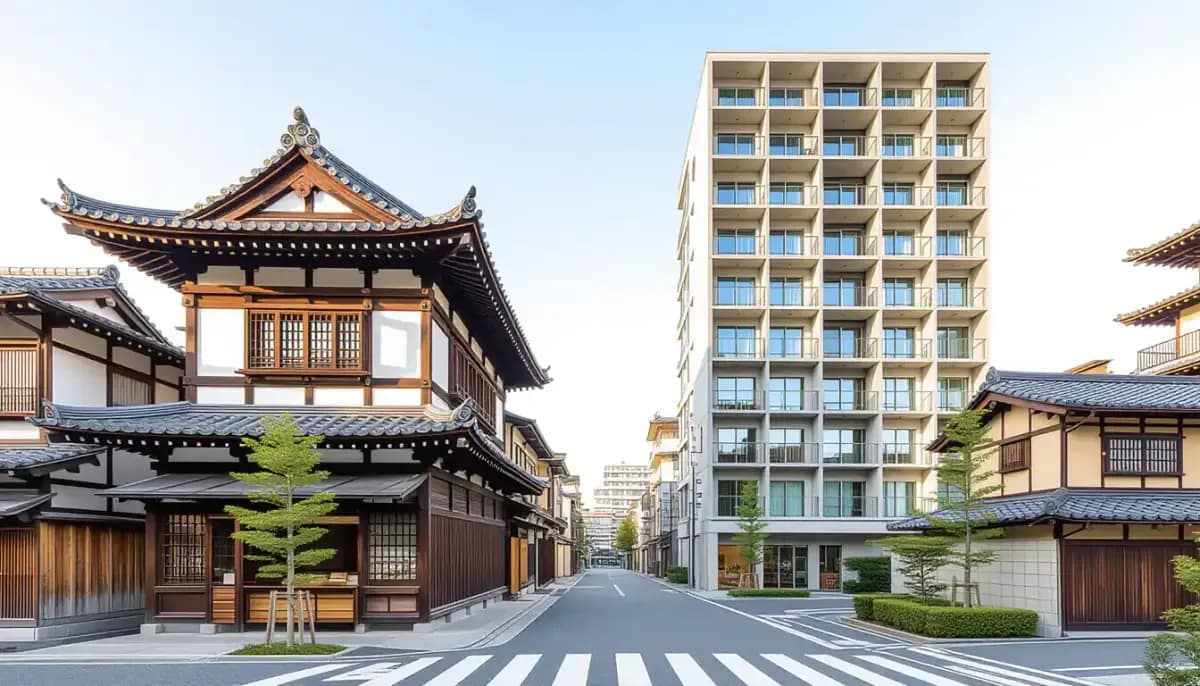
Cultural uniqueness and supply constraints. Kyoto's strict urban preservation policies limit new construction in historic districts. No new machiya (traditional wooden townhouses) can be built under Japan's 1950 Building Standard Act — existing stock becomes rarer each year. This supply constraint underpins long-term value. Kyoto property prices have increased 25–40% since 2020, driven by limited supply, rising foreign demand, and policies that protect historic neighborhoods.
Strong foreign buyer interest. A weak yen has made Japanese real estate highly attractive to international buyers. Kyoto, in particular, draws foreign investors seeking cultural heritage properties, tourism income, or a prestigious second home. This demand has intensified competition for machiya and centrally located condominiums.
Tourism income potential. Kyoto's short-term rental market shows 80% median occupancy rates — far exceeding most international vacation rental markets. However, regulations on short-term rentals (especially in residential zones) have tightened significantly, so always verify zoning rules before purchasing an investment property.
Stable long-term rental demand. Multiple universities anchor stable tenant demand in neighborhoods like Sakyo-ku. Central transit hubs and proximity to Kyoto Station also support consistent rental income from long-term residents.
For a broader overview of buying property throughout Japan, see our Complete Guide to Buying Property in Japan as a Foreigner.
Kyoto Neighborhoods: A Complete Area Overview
Kyoto is divided into 11 wards (ku), each with a distinct character. Here's a detailed breakdown of what each area offers foreign buyers.
Nakagyo-ku — Central Hub (Most Expensive Tier)
Character: Nakagyo-ku is the commercial and transit heart of Kyoto. The Karasuma-Oike and Shijo-Karasuma areas offer walkability to department stores, restaurants, subway access, and business districts. This is Kyoto's version of prime central real estate.
Price range: ¥850,000–¥1,250,000 per square meter for condominiums. Premium properties in this district can exceed ¥2,000,000/sqm.
Best for: Buyers who prioritize convenience, rental income from long-term tenants, and resale liquidity. Well-priced properties here rent within 2–4 weeks of listing.
Yield: Central core yields are typically 2.5–4% gross.
Higashiyama-ku — Historic Prestige (Premium Tier)
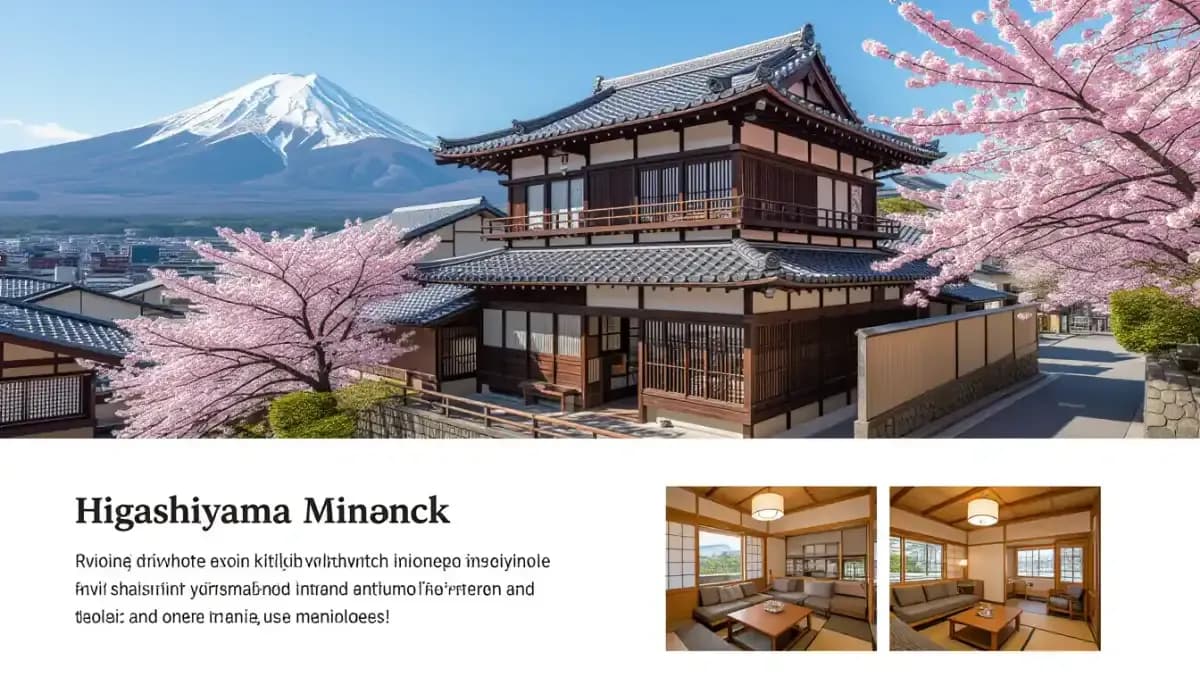
Character: Higashiyama is the postcard image of Kyoto — cobblestone lanes, red lanterns, ancient temples. The Gion-Shijo and Kiyomizudera areas attract significant tourist foot traffic. Machiya in this district command some of the highest prices in the city.
Price range: ¥900,000–¥1,250,000 per sqm; renovated machiya may sell for significantly more per sqm due to scarcity.
Important caveat: Short-term rental enforcement is intense here. The Gion district has seen strong neighborhood pressure and regulatory scrutiny on non-compliant STR operations. Verify zoning compliance thoroughly before purchasing for rental purposes.
Best for: Buyers seeking cultural prestige, long-term capital appreciation, or a personal residence with exceptional lifestyle quality.
Sakyo-ku — University Belt and Cultural Corridor (Mid–High Tier)
Character: Sakyo-ku stretches from the Demachiyanagi riverside area to Okazaki, home to the Heian Shrine and Kyoto Museum. The district's universities (Kyoto University is nearby) sustain strong rental demand year-round.
Price range: ¥700,000–¥900,000 per sqm in most areas.
Best for: Investors seeking reliable long-term rental income. Rental yields in this zone run 4–5.5% gross — among the highest in the city. Demachiyanagi properties rent quickly due to student and young professional demand.
Emerging opportunity: The Nijo and Kawaramachi-Sanjo fringe areas within the broader Nakagyo-Sakyo belt are showing 5–8% annual price appreciation over the past three years.
Kamigyo-ku — Quiet Traditional (Mid Tier)
Character: Kamigyo-ku (Upper Kyoto) is a primarily residential area with a calm, traditional atmosphere. The Nishijin weaving district — famous for traditional Kyoto textiles — is located here. Machiya density is high, and renovation opportunities exist.
Price range: ¥700,000–¥900,000 per sqm.
Best for: Buyers seeking traditional Kyoto ambiance with more moderate pricing than Higashiyama. Nishijin has seen gentrification-driven appreciation (5–10% above city average in some micro-zones).
Shimogyo-ku — Kyoto Station Gateway (Mid Tier)
Character: Shimogyo-ku surrounds Kyoto Station, Japan's major transport hub with Shinkansen (bullet train) access to Osaka, Tokyo, and Hiroshima. This area balances commuter convenience with tourist proximity.
Price range: ¥700,000–¥900,000 per sqm.
Best for: Long-term renters who commute or travel frequently. Station proximity provides stable rental demand and strong resale market.
Fushimi-ku — Affordable and Expanding (Budget Tier)
Character: Fushimi-ku, home to the famous Fushimi Inari Shrine, is one of Kyoto's most affordable central areas. The Rokujizo and Momoyama sub-areas offer detached houses at significantly lower prices. The Kintetsu and Kintetsu-Fushimi lines provide convenient transport.
Price range: ¥430,000–¥520,000 per sqm for detached houses. Condominiums are similarly affordable by Kyoto standards.
Best for: First-time buyers in Kyoto, families seeking more space, and investors prioritizing rental yield over prestige. Gross yields of 4–5.5% make this a strong income play.
Ukyo-ku and Nishikyo-ku — Suburban Value
Character: These western wards — home to Arashiyama, Uzumasa (Toei Movie Studio Village), and suburban communities — offer the most affordable entry points in the Kyoto city limits. Arashiyama itself is a tourist hotspot, but properties here come with seasonal demand fluctuations.
Price range: ¥430,000–¥520,000 per sqm for houses; lower than central wards.
Emerging zone: Uzumasa-Tenjingawa (near the Tozai Line terminus) is showing rising buyer interest with 5–8% annual appreciation.
Best for: Buyers seeking lifestyle quality (nature, quiet, traditional atmosphere) at lower price points. Families and remote workers are increasingly drawn to these areas.
Yamashina-ku — Commuter Suburb
Character: Tucked in a mountain valley, Yamashina-ku offers suburban Japanese living with quick access to both Kyoto Station and Osaka via the JR Biwako Line. Property prices are among the lowest in Kyoto city.
Best for: Buyers focused on affordability and commuter convenience rather than central Kyoto lifestyle.
Property Types in Kyoto
| Property Type | Price Range | Typical Size | Best For |
|---|
| Machiya (traditional townhouse) | ¥20M–¥150M+ | 60–200 sqm | Cultural investment, personal residence |
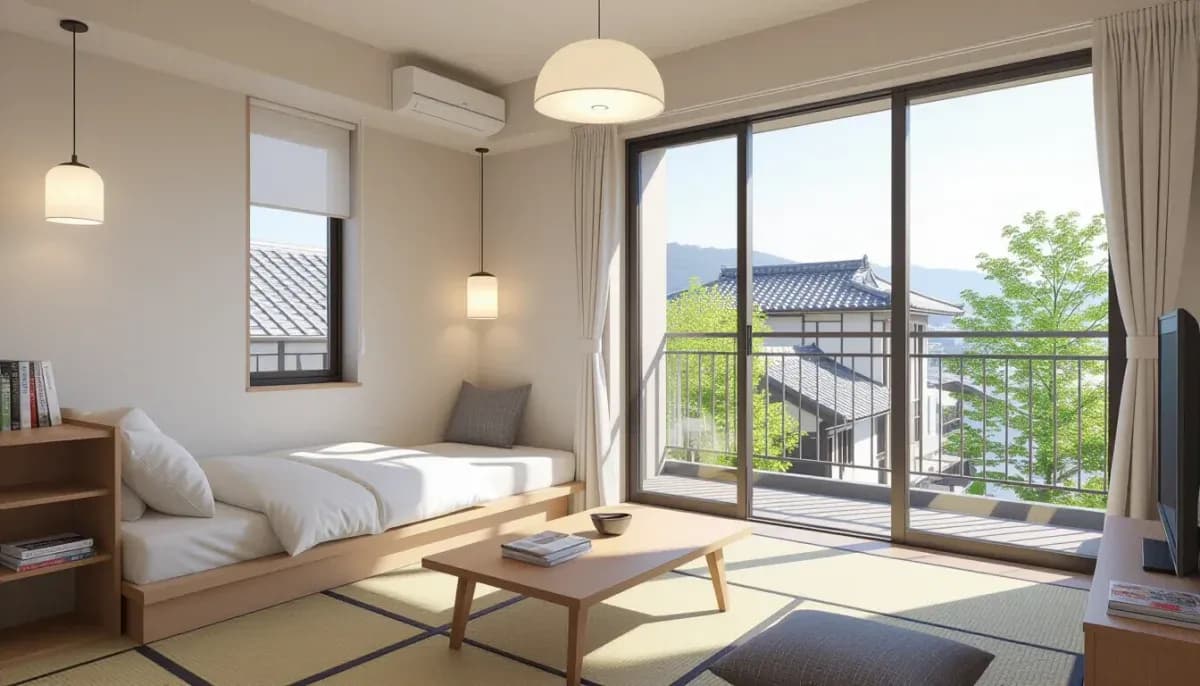
| Central condominium | ¥25M–¥120M | 30–90 sqm | Long-term rental, convenience |
| Detached house (suburb) | ¥15M–¥60M | 80–200 sqm | Families, lifestyle buyers |
| New-build condominium | ¥35M–¥100M | 40–80 sqm | Modern living, low maintenance |
| Renovation property (akiya) | ¥3M–¥30M | Varies | Budget buyers, DIY enthusiasts |
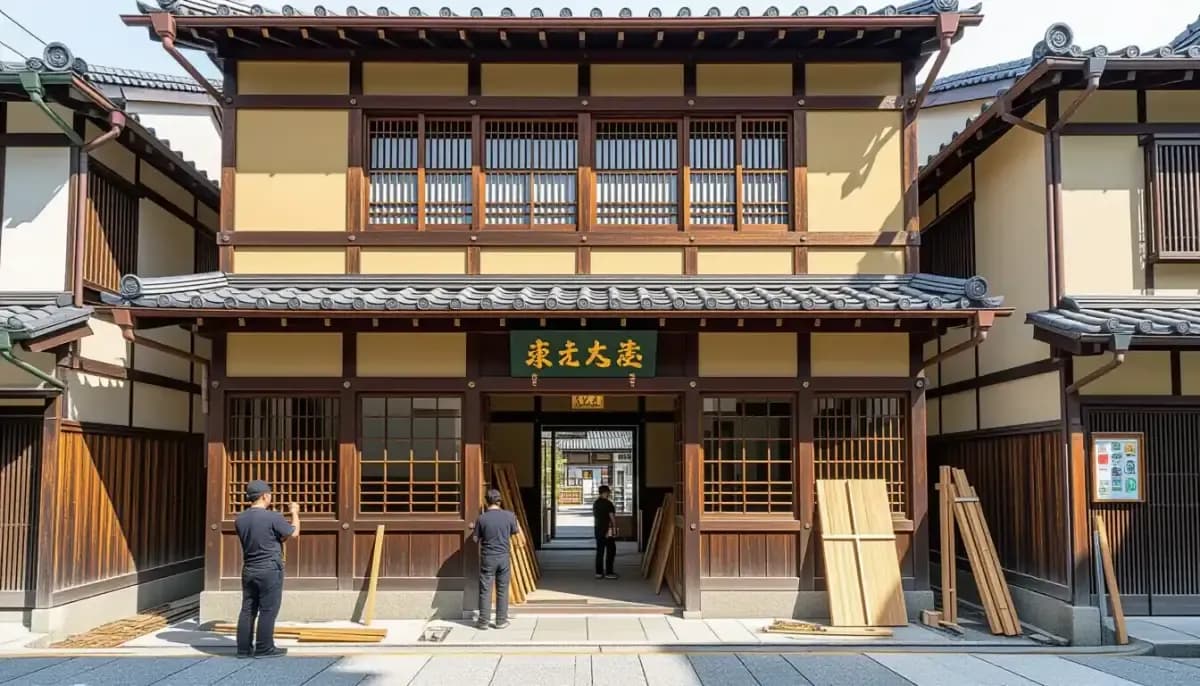
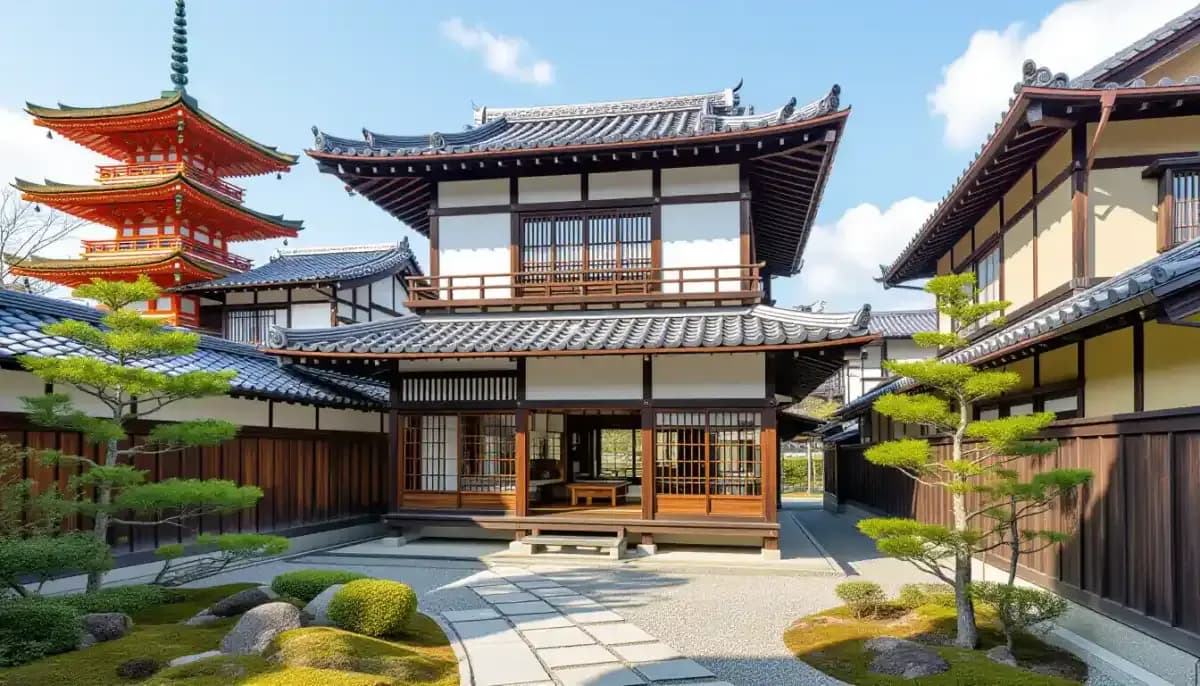
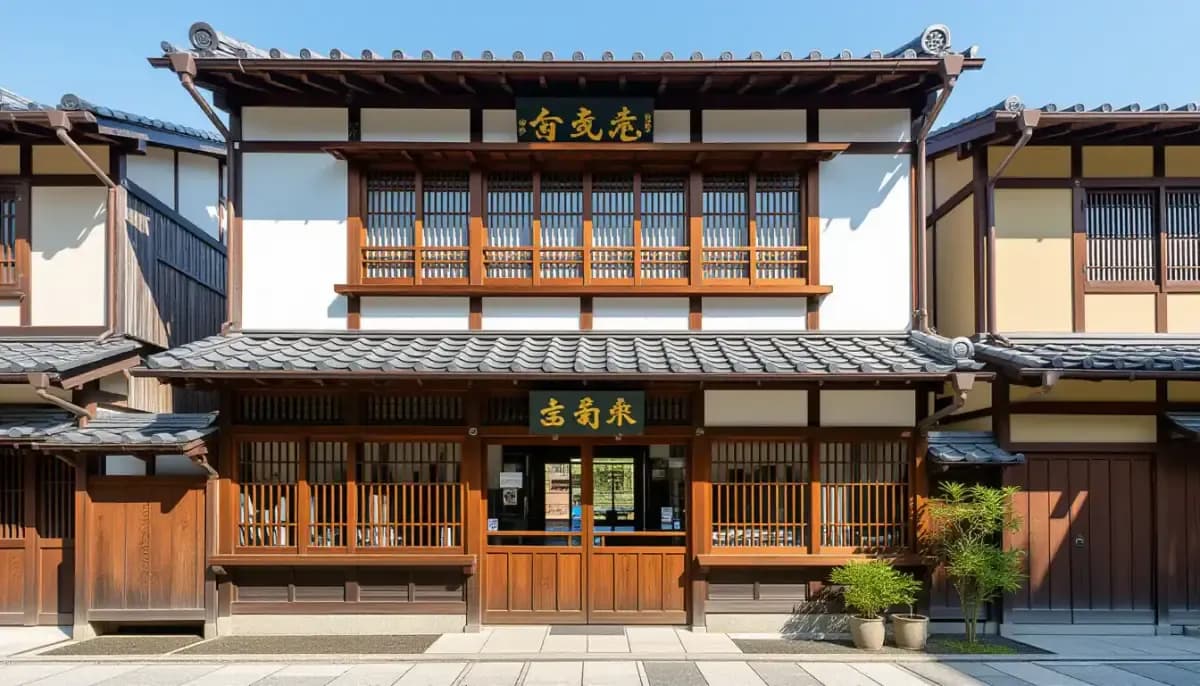
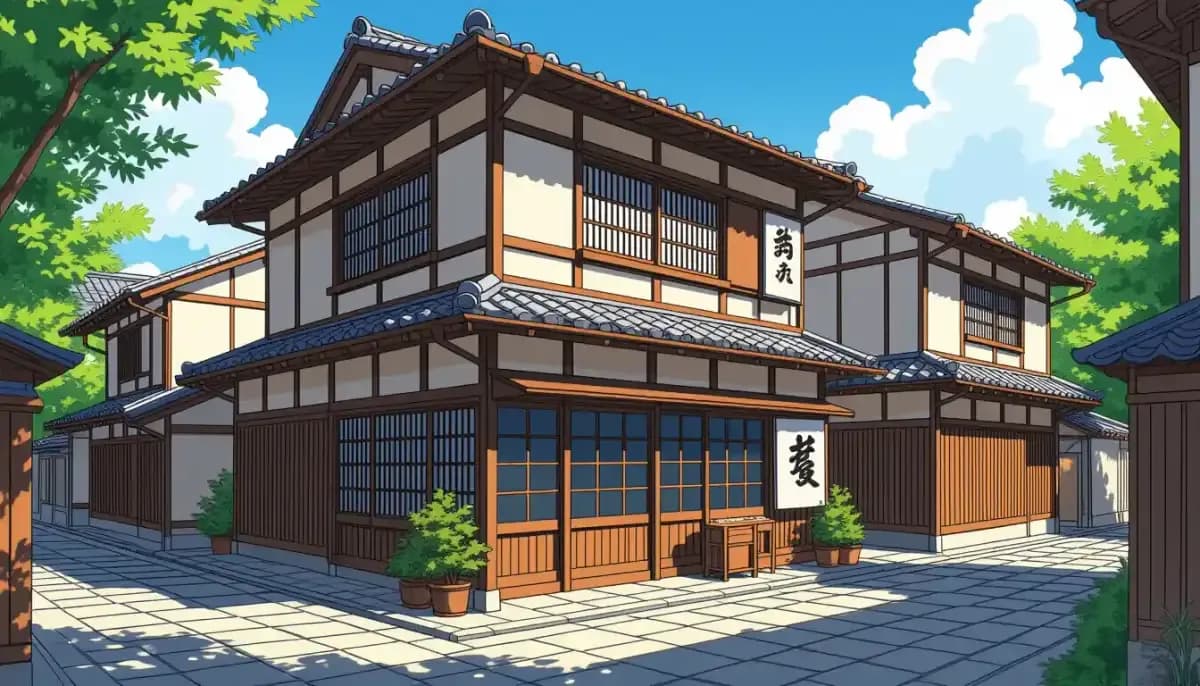
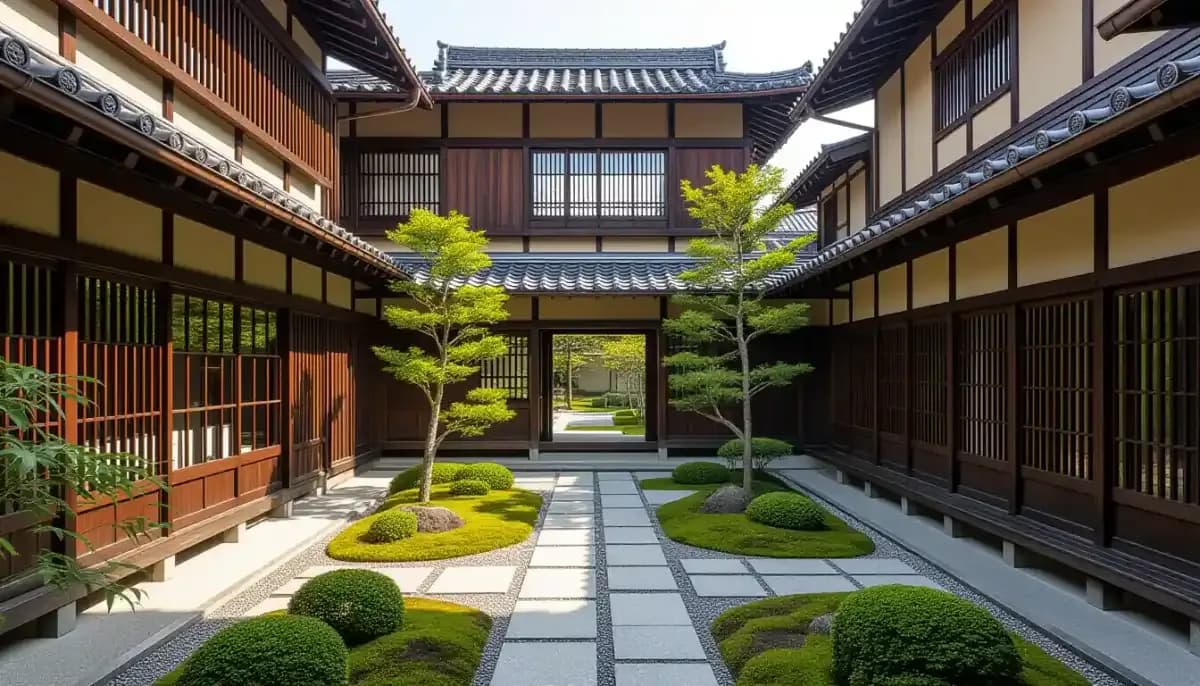
Machiya townhouses are Kyoto's most distinctive property type. These traditional wooden structures — typically narrow but deep, with an inner courtyard — represent Kyoto's architectural heritage. No new machiya can be constructed under current law, so existing stock grows more valuable over time. Foreign buyers are increasingly purchasing machiya for renovation into boutique guesthouses, galleries, or personal residences. Key considerations: machiya often sit on narrow roads (inaccessible to fire trucks), may have rebuild restrictions, and require notification before demolition. For more on property types available across Japan, see our Types of Properties in Japan: A Complete Guide.
The Buying Process for Foreigners in Kyoto
Buying property in Kyoto as a foreigner follows Japan's standard real estate purchase process. Here are the key steps:
Step 1: Find a bilingual real estate agent. Kyoto's transaction process — contracts, disclosure statements, condo management rules — is conducted almost entirely in Japanese. Working with an experienced bilingual agent is essential. Firms like Arrows International Realty, Hachise (machiya specialists), and Kyoto Property Net cater to international buyers.
Step 2: Property search and shortlisting. Use platforms like Real Estate Japan, GaijinPot Apartments, Japan-Property.jp, and Kyotoproperty.net to identify listings. Define your priorities: neighborhood, property type, budget, and investment goals.
Step 3: Letter of Intent (LOI). Once you've identified a target property, your agent will help you submit a Letter of Intent, signaling serious interest to the seller. In competitive situations (machiya, premium condos), moving quickly is essential.
Step 4: Due diligence. Conduct a thorough property inspection. For machiya, pay particular attention to: seismic compliance (pre-1981 buildings may not meet current standards), termite damage, roof condition, and road access restrictions. For condominiums, review the management association's financials and repair reserve fund.
Step 5: Purchase agreement and closing. A licensed real estate agent will prepare the explanation of important matters (jūyō jikō setsumei) — a detailed disclosure document. You'll sign the purchase contract and pay a deposit (typically 10% of purchase price). Closing follows within 1–2 months.
Step 6: Registration and ownership transfer. A judicial scrivener (shiho shoshi) handles property registration at the Legal Affairs Bureau. As a foreigner, you will need a valid passport, an Alien Registration Certificate or residence card (if resident in Japan), or a notarized affidavit of address if purchasing from overseas.
For a detailed walkthrough of every step, see our Step-by-Step Home Buying Process in Japan for Foreigners.
Costs and Budget Planning
Beyond the purchase price, budget an additional 7–10% in closing costs and taxes:
| Cost Item | Typical Amount |
|---|
| Real estate agent commission | 3% + ¥60,000 + consumption tax |
| Registration and license tax | ~2% of assessed value |
| Acquisition tax | ~3–4% of assessed value |
| Judicial scrivener fees | ¥100,000–¥200,000 |
| Property inspection | ¥50,000–¥100,000 |
| Stamp duty | ¥10,000–¥600,000 (sliding scale) |
| Fire insurance (first year) | ¥30,000–¥150,000 |
Annual holding costs include fixed asset tax (approximately 1.4% of assessed value), city planning tax (0.3%), and for condominiums, monthly management fees and repair reserve contributions. See our detailed guide to Property Taxes and Annual Costs in Japan.
There are also hidden costs and fees when buying property in Japan that many first-time buyers overlook — review these carefully before finalizing your budget.
Financing Options for Foreign Buyers
Obtaining a mortgage in Japan as a foreigner is possible but requires meeting additional criteria. Most major Japanese banks require permanent residency (eijuken) for standard mortgage eligibility. However, some financial institutions — including Japan Housing Finance Agency (Flat 35) and select regional banks — offer loans to non-PR holders under certain conditions.
Key points for foreign buyers seeking mortgages:
- Down payments for non-PR borrowers typically run 20–30% (vs. 5–10% for Japanese nationals)
- Loan terms of 25–35 years are standard
- Borrower must generally be employed and have at least 1–3 years of continuous residence in Japan
- Some lenders require a Japanese guarantor or co-borrower
Many foreign buyers, particularly international investors, purchase Kyoto property in cash to avoid financing hurdles entirely. For comprehensive guidance, see our Mortgages and Home Loans for Foreigners in Japan.
Kyoto-Specific Regulations You Must Know
Historic preservation rules. Kyoto's stringent urban design code governs exterior colors, building heights, signage, and renovation scope in historic districts. Before purchasing a machiya or property in a designated historic zone, confirm what renovations are permitted. Kyoto City offers renovation subsidies for compliant machiya restoration — a valuable benefit if you plan major works.
Short-term rental regulations. Kyoto was among Japan's strictest cities in implementing the 2018 Minpaku (private lodging) Law. In many residential zones, short-term rentals are prohibited entirely or restricted to 180 days per year. Tourist zones (Gion, Higashiyama) face intense neighborhood monitoring. Non-compliant STR operations face fines and forced closure. Always consult a local lawyer or specialist before purchasing with STR income in mind.
Narrow road access. Many traditional Kyoto properties — particularly machiya — sit on roads narrower than 4 meters. Under Japan's Building Standards Act, you may be required to set back from the road centerline before rebuilding, effectively reducing your building footprint. This is a critical issue to assess during due diligence.
Rebuild restrictions. Some properties in Kyoto are designated as "cannot rebuild" (saikenhu-ka) — meaning if the structure is demolished, a new building cannot be constructed on the same site due to road width or urban planning restrictions. These properties carry significant risk and trade at steep discounts.
Market Timing and Investment Outlook
Kyoto's real estate market has been on an extended appreciation cycle. The 12-month outlook for prime central condominiums shows 2–4% appreciation, with suburban houses flat to modest growth. Over a 3–5 year horizon, selective neighborhoods — particularly Nishijin, Umekoji, and Demachiyanagi — are projected to continue outperforming the city average.
Properties typically sell at 5–13% below the initial asking price, with 75–85% of listings closing at or below the list price. Average time on market runs 70–140 days (condominiums average 70–110 days; detached houses 90–140 days). This means patient buyers with solid research can negotiate meaningfully.
The foreign buyer's strategic edge: central Kyoto neighborhoods are sometimes priced at a "prestige premium" that local Japanese buyers don't value equally. Focus due diligence on fundamentals — rental yield, transit access, rebuild status, and road width — rather than aesthetic appeal alone.
For external resources on Kyoto real estate, the following sites provide excellent supplementary information:
FAQs: Buying Property in Kyoto as a Foreigner
Can I buy property in Kyoto without living in Japan? Yes. Japan does not require physical presence or residency to purchase property. The entire transaction — from property selection to contract signing — can be completed remotely with the appropriate power of attorney documentation.
Do I need a Japanese visa or residency to buy? No. Foreigners can purchase property regardless of visa status or whether they reside in Japan. Residency affects mortgage eligibility, not ownership rights.
Can I rent out my Kyoto property? Long-term rentals are unrestricted. Short-term rentals (under 30 days) require a minpaku license and are subject to strict local restrictions. In many Kyoto residential zones, STR is prohibited entirely.
Are there any restrictions on foreigners buying property in Kyoto? None specific to being a foreigner. The same legal restrictions that apply to all buyers — rebuild restrictions, road access rules, heritage designation — apply equally. See our guide on Legal Rights for Foreigners Buying Property in Japan.
What is a machiya and should I buy one? A machiya is a traditional Japanese wooden townhouse, concentrated in Kyoto's historic districts. They offer exceptional cultural character and long-term appreciation potential, but require significant renovation investment (¥5M–¥30M+ for major works), careful due diligence on condition, and compliance with preservation rules. They are ideal for buyers with sufficient capital and a long investment horizon.
Getting Started
Buying property in Kyoto is one of the most rewarding real estate decisions an internationally-minded buyer can make. The combination of cultural depth, supply-constrained appreciation, and Japan's foreigner-friendly ownership laws creates a compelling case for investment or personal use.
Your first steps: Define your goals (personal residence, long-term rental, or investment), set your budget including closing costs, identify your target ward based on the neighborhood guide above, and find a bilingual agent with Kyoto experience. Understanding Visa and Residency Considerations for Property Buyers in Japan will also help you plan your presence in the country.
Kyoto's real estate market moves deliberately — use that to your advantage. Thorough research, patient negotiation, and proper due diligence will position you for a successful purchase in one of the world's most extraordinary cities.