Can Foreigners Buy Property in Japan? Legal Rights and Restrictions
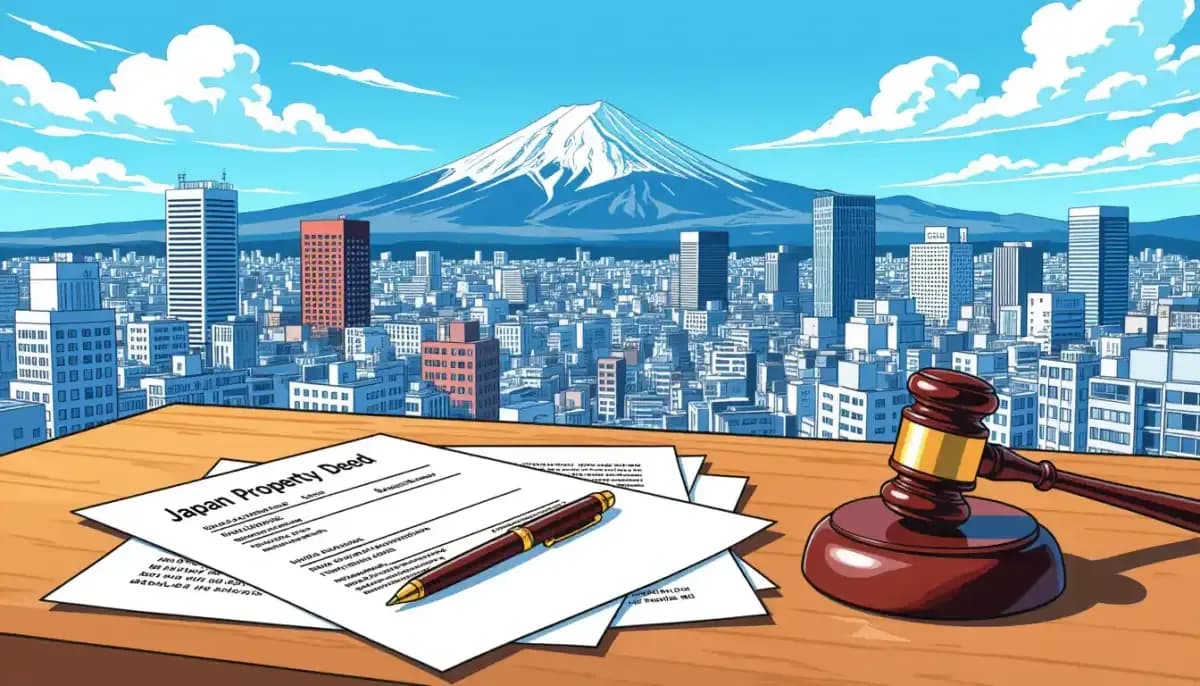
Japan stands out among developed nations for its remarkably open approach to foreign real estate ownership. Unlike many Asian countries — and even some Western ones — Japan places virtually no nationality-based restrictions on who can purchase property within its borders. Whether you're an expat living in Tokyo, an investor eyeing Osaka, or a retiree dreaming of a quiet home in the countryside, the answer to "can foreigners buy property in Japan?" is a clear and resounding yes.
That said, "no restrictions" doesn't mean "no complexity." There are legal frameworks, reporting requirements, and practical hurdles you'll need to understand before signing any contracts. This guide breaks down everything you need to know about your legal rights as a foreign buyer, the limited restrictions that do apply, and what the rapidly-changing regulatory landscape looks like in 2025 and beyond.
The Basic Legal Right: Foreigners Can Buy Property Freely
Japan's Civil Code and Real Property Registration Act treat foreign nationals the same as Japanese citizens when it comes to buying real estate. You can:
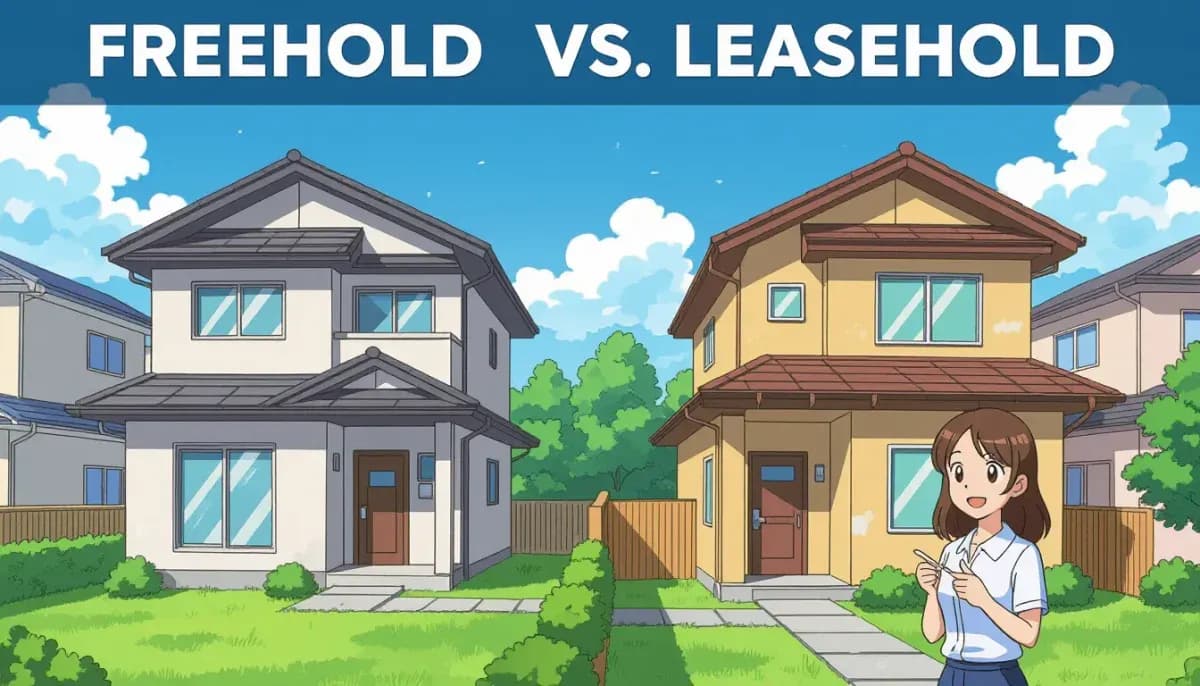
- Own land outright (freehold title, not leasehold as in some other countries)
- Own buildings including detached houses, condominiums, and apartments
- Buy as a non-resident — you don't need to live in Japan or hold any visa to purchase
- Inherit property and pass it to heirs regardless of nationality
- Sell the property at any time without special government approval
This openness is significant. In countries like Thailand or the Philippines, foreigners cannot own land at all. Japan's policy reflects a pragmatic approach: with a declining population and millions of vacant homes (akiya), foreign buyers are often welcomed — especially in rural areas.
For a comprehensive overview of the purchase process, see our Complete Guide to Buying Property in Japan as a Foreigner.
What Foreigners CANNOT Do: Key Restrictions Explained
While the general rule is open ownership, several important restrictions apply in specific contexts.
Agricultural and Forest Land
Purchasing land classified as agricultural (nochi) or forest (ringyo) under Japan's Agricultural Land Act requires approval from the relevant local Agricultural Committee. In practice, this approval is almost never granted to individuals without a demonstrated farming plan, appropriate agricultural knowledge, and sufficient capital. If you're hoping to buy a rural farm property, you will need to either:
- Obtain an agricultural permit (extremely difficult for foreigners)
- Find land that has already been converted out of agricultural classification
- Work through a designated farming corporation
Land Near Military Bases and Critical Infrastructure
Japan's Important Land Survey Act (重要土地等調査法), enacted in 2021 and expanded since, designates certain areas as Monitoring Zones or Special Monitoring Zones. These include areas within approximately 1 km of:
- Japan Self-Defense Force (JSDF) bases
- US military installations
- Nuclear power plants
- Critical infrastructure (airports, ports, water treatment facilities)
- Certain remote islands
Buying land in these zones doesn't necessarily prohibit purchase, but it requires:
- Notification to the Cabinet Office for transactions over 200 square meters
- Disclosure of intended land use
- Potential government review of the purchase
In 2024, a government survey found approximately 113,827 property transactions near designated critical facilities. About 3% — roughly 3,498 transactions — involved foreign buyers, with mainland Chinese buyers accounting for 1,674 of those purchases.
Some Condominiums with Informal "Gaijin Bans"
A small number of condominium buildings maintain informal policies discouraging or restricting sales to non-Japanese buyers. While these "gaijin bans" are not legally enforceable and are becoming increasingly rare, they can still surface — particularly in certain older buildings or exclusive residential complexes. Working with an experienced bilingual real estate agent helps you identify and avoid these situations early.
For more details on the legal documentation involved, see our guide to Legal Procedures and Documentation for Japan Property Purchase.
FEFTA Reporting: What Non-Residents Must Do
If you purchase property in Japan while residing outside Japan, you fall under the Foreign Exchange and Foreign Trade Act (FEFTA / 外為法). This law requires:
- Filing a notification with Japan's Ministry of Finance within 20 days of acquiring real estate
- Penalties for non-compliance can reach ¥5 million in fines or up to 6 months imprisonment
Important exemptions: If you're buying the property as your personal residence (or for a close family member's residence), you are generally exempt from FEFTA reporting. Most working expats buying a home to live in won't need to worry about this.
If you're investing from abroad or purchasing a second property while non-resident, consult a judicial scrivener (司法書士) or real estate lawyer before completing the transaction.
For residents of Japan with a valid residence card, there are no FEFTA requirements — your standard documentation process applies.
New 2025–2026 Legal Changes: What's Happening Now
Japan's regulatory approach to foreign property ownership is evolving. Key changes include:
| Change | Effective Date | What It Means |
|---|
| Nationality disclosure for large land transactions | July 2025 | Buyers must declare citizenship for sizable purchases |
| Property registration nationality declaration | April 2026 | All foreign nationals must declare citizenship and provide domestic contact info when registering |
| Expanded Important Land Survey Act monitoring zones | 2023–ongoing | More areas near infrastructure designated as monitored zones |
| Plans to study foreign ownership restrictions | Under review | Government studying models from Canada, Germany, South Korea, and Taiwan |
These changes reflect growing national security concerns, particularly around purchases near military installations and in remote island territories. However, despite political pressure, an outright ban on foreign property ownership remains extremely unlikely. Japan's aging population, rural depopulation, and the country's millions of vacant akiya properties mean the government has strong economic incentives to keep the market open to foreign buyers.
The Japan Times reported in December 2025 that Japan aims to implement the nationality declaration requirement in property registration databases from fiscal 2026 — primarily as a transparency measure, not a restriction.
For a detailed look at how visa status affects your buying ability, see our guide on Visa and Residency Considerations for Property Buyers in Japan.
Does Buying Property in Japan Give You a Visa?
No. This is one of the most common misconceptions about Japanese real estate.
Unlike countries such as Portugal (Golden Visa), Greece, or Spain, Japan does not offer a residency visa in exchange for property investment. Owning a home in Japan — regardless of value — does not:
- Grant you a visa
- Improve your visa application
- Lead to permanent residency
You'll still need a qualifying visa category (work visa, spouse visa, investor/business manager visa, etc.) if you want to live in Japan long-term. That said, holding property can sometimes support an Investor/Business Manager Visa application if the property is being used for business purposes.
If you already have permanent residency or a long-term visa, owning property has no negative effect on your status. Learn more in our article on Visa and Residency Considerations for Property Buyers in Japan.
Costs, Taxes, and Ongoing Obligations for Foreign Owners
Understanding the full financial picture is critical before committing. Here's a breakdown of typical costs:
Upfront Acquisition Costs
| Cost Item | Rate/Amount | When Due |
|---|
| Real estate agent commission | 3% + ¥60,000 + consumption tax | At contract signing and closing |
| Judicial scrivener fee | ¥50,000–¥150,000 | At closing |
| Registration & license tax (land) | 1.5% of registered value | At registration |
| Registration & license tax (building) | 2.0% of registered value | At registration |
| Property acquisition tax | ~3% of assessed value | 3–12 months after purchase |
| Stamp duty | ¥10,000–¥60,000 | At contract signing |
| Total additional costs | ~6–8% of purchase price | Various |
Annual Ownership Costs
Once you own property, expect ongoing taxes:
- Fixed Asset Tax (固定資産税): 1.4% of the property's assessed value annually
- City Planning Tax (都市計画税): Up to 0.3% in designated urban areas
Non-resident owners must appoint a tax agent (納税管理人) to handle tax payments and any income tax obligations if you rent out the property.
Capital Gains Tax When Selling
- Short-term (held under 5 years): 39.63% (income tax + resident tax)
- Long-term (held 5+ years): 20.315%
For a complete breakdown, see our Property Taxes and Annual Costs of Owning Property in Japan guide.
Mortgage Options for Foreign Buyers
Financing is where foreign buyers face the most practical hurdles. Most Japanese banks are cautious about lending to foreigners, particularly non-residents. However, options do exist:
Banks that offer mortgages to foreign nationals:
- SMBC Trust Bank PRESTIA — specifically targets expats and non-residents
- Suruga Bank — relatively foreigner-friendly with flexible criteria
- Shinsei Investment & Finance — works with non-Japanese borrowers
- Flat 35 (フラット35) — government-backed long-term fixed-rate mortgage; available to permanent residents
General requirements vary by lender, but commonly include:
- Permanent residency (for standard lending rates)
- Minimum annual income of ¥3 million (without PR)
- Stable employment history in Japan
- Down payment of 10–28% depending on profile
For a full breakdown of financing options, see our Mortgages and Home Loans for Foreigners in Japan guide.
You can also find practical insights on the mortgage process at Living in Nihon's Property Purchase and Mortgage Guide.
Documentation Requirements: Residents vs Non-Residents
The paperwork required depends on whether you're already living in Japan.
If you live in Japan (valid residence card):
- Residence certificate (住民票) — from your local ward office
- Residence card (在留カード) copy
- Seal registration or signature on documents
- Tax ID (My Number card)
If you're purchasing from overseas (non-resident):
- Valid passport (notarized copy)
- Affidavit confirming identity and address (often from home country notary or Japanese embassy)
- Signature certificate from Japanese embassy in your home country
- FEFTA filing forms (if applicable)
- Appointment of a tax agent in Japan
After April 2026, non-residents will also need to declare their nationality and provide a domestic contact address when registering the property.
For a step-by-step walkthrough of the buying process from search to registration, see our Step-by-Step Home Buying Process in Japan for Foreigners.
Practical Advice: Working With the Right Professionals
Navigating Japan's real estate market as a foreigner is manageable — but not without challenges. Language barriers, unfamiliar legal frameworks, and cultural differences in negotiation all require professional support.
Who you need on your team:
- Bilingual real estate agent — essential for property search, negotiation, and contract review. Look for agents experienced with foreign clients.
- Judicial scrivener (司法書士) — handles registration and legal paperwork. Some specialize in foreign-buyer transactions.
- Tax advisor — especially important for non-residents, US citizens (who must report Japanese assets on US returns), and investors.
For expert legal guidance on the full ownership framework, Gaijin Buy House's Japan Property Law Guide provides a detailed breakdown of the relevant laws.
Additional resources:
Also see our Hidden Costs and Fees When Buying Property in Japan to avoid surprises at closing.
Summary: Key Takeaways for Foreign Buyers
Japan offers one of the most foreigner-friendly property markets in Asia. Here's what to remember:
- Yes, foreigners can buy property — with the same legal rights as Japanese citizens
- No visa is required to purchase, and buying property doesn't grant residency
- Restrictions apply to agricultural land, forest land, and properties near military bases
- Non-residents must report purchases to the Ministry of Finance within 20 days (with exceptions for personal-use properties)
- New disclosure rules effective 2025–2026 require nationality declarations — but don't restrict ownership
- Additional costs total roughly 6–8% of purchase price
- Mortgages are available but more challenging without permanent residency
- Annual taxes include fixed asset tax (1.4%) and possibly city planning tax (0.3%)
For more information, visit For Work in Japan for guidance on working and living in Japan as a foreigner.
Ready to take the next step? Explore our Complete Guide to Buying Property in Japan as a Foreigner and our Japan Real Estate Market Overview to begin your property journey.