
Buying a House and Land Package in Japan

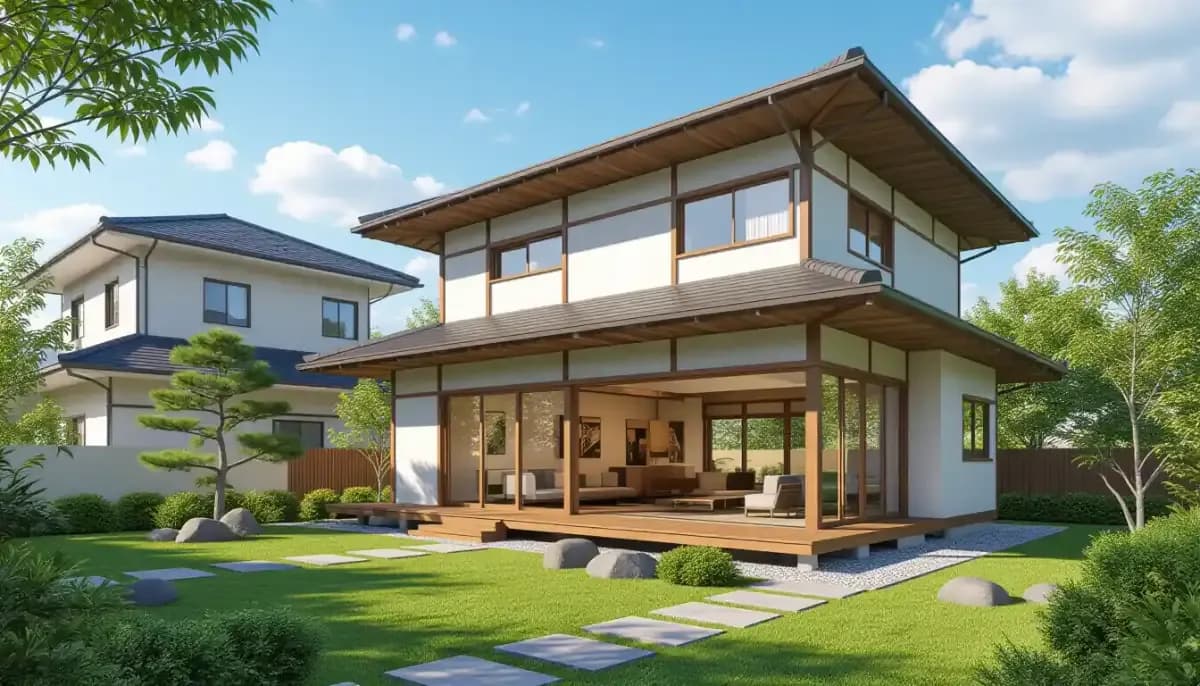
Complete guide to buying a house and land package (建売住宅) in Japan as a foreigner. Learn the process, costs, financing options, earthquake standards, and key tips for a successful purchase.
Buying a House and Land Package in Japan: A Complete Guide for Foreigners
Buying a house and land package in Japan — known as 建売住宅 (tatemono-tsuki jūtaku) or simply 建売 (tatemi) — is one of the most popular ways for both Japanese nationals and foreign residents to become homeowners. Unlike purchasing land and commissioning a custom build (注文住宅), a house and land package offers a pre-built home on a designated plot, bundling construction and land acquisition into one streamlined transaction. For foreigners navigating Japan's real estate market, this type of purchase can be particularly attractive thanks to its predictable pricing, faster move-in timelines, and reduced complexity.
This guide walks you through everything you need to know about purchasing a house and land package in Japan as a foreigner: what they are, the buying process, costs, financing options, and the key pitfalls to avoid.
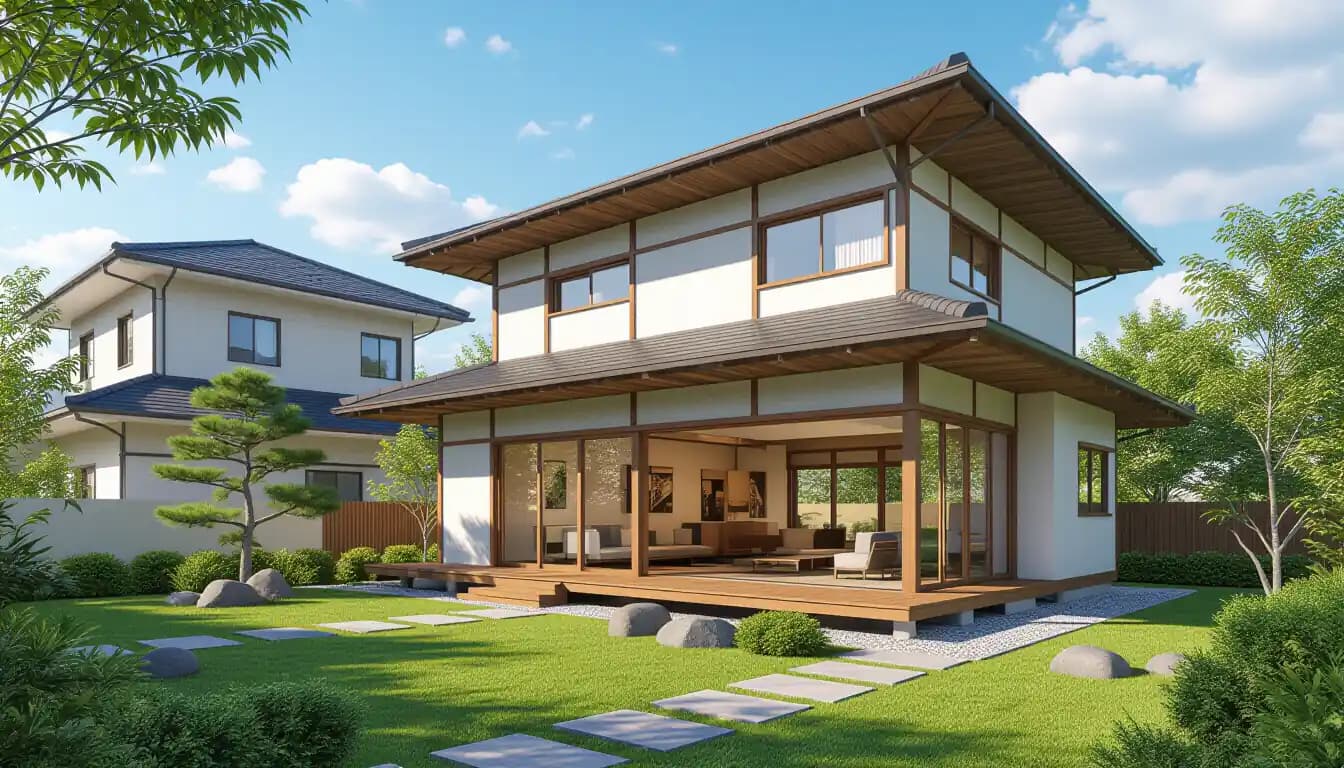
What Is a House and Land Package in Japan?
A house and land package (建売住宅) is a property where both the land (土地) and the building (建物) are sold together by a developer or real estate company. The house is typically already built — or nearing completion — when it goes on sale. This differs from a 注文住宅 (custom-built home), where you purchase land separately and contract a construction company to build a home to your specifications.
Key Types of House and Land Products
| Type | Japanese | Description | Timeline |
|---|---|---|---|
| Pre-built package | 建売住宅 (tatemi jūtaku) | House is already built or nearly done | Move in within weeks/months |
| Build-to-order on purchased land | 注文住宅 | Custom home on separately acquired land | 6–18 months to completion |
| New subdivision development | 分譲住宅 | Multiple pre-built homes in a developer-planned community | Usually move-in ready |
| Akiya (vacant home) | 空き家 | Existing older home with land, often affordable | Variable — may need renovation |
For foreigners who want a ready-to-live-in family home without the complexity of managing a custom construction project, the 建売住宅 is usually the most straightforward path.
Can Foreigners Buy a House and Land Package in Japan?
Yes — with no restrictions based on nationality. Japan places no legal barriers on foreign nationals purchasing real estate, including land. You do not need Japanese citizenship, a permanent residency visa, or even a Japanese residence card to purchase property. Foreigners enjoy essentially the same property ownership rights as Japanese citizens.
However, there are a few important considerations:
- Owning property does not grant visa status. Purchasing a home in Japan will not automatically give you the right to live there.
- Non-residents must report purchases to the Bank of Japan within 20 days under the Foreign Exchange and Foreign Trade Control Act (外国為替及び外国貿易法).
- Financing is harder without permanent residency (PR). While Japanese banks do offer mortgages to foreigners, those without PR face stricter requirements and higher down payments.
For a broader overview of your legal rights, see our guide: Can Foreigners Buy Property in Japan? Legal Rights and Restrictions.
Step-by-Step: How to Buy a House and Land Package in Japan
The purchasing process for a 建売住宅 follows the same general path as buying any property in Japan. Here's what to expect:
Step 1: Define Your Budget and Search Area
Start by determining how much you can spend — including the 8–12% in transaction costs that come on top of the listed price. Use online portals like SUUMO (スーモ), LIFULL HOME'S, or AtHome to search for listings. Filter by 建売 and your preferred region.
Step 2: Visit Properties and Make an Offer
Once you find a property, schedule a viewing with the real estate agent (不動産仲介業者). When you're ready to proceed, you'll submit an offer through the agent.
Step 3: Important Matters Explanation (重要事項説明)
Before signing, a licensed real estate agent (宅地建物取引士) must provide an Important Matters Disclosure (重要事項説明書) explaining legal restrictions, zoning, infrastructure connections, and building history. This is a legal requirement in Japan — don't skip reviewing it carefully (or having it translated).
Step 4: Sign the Sales Contract and Pay Deposit
Once you agree to proceed, you'll sign the 売買契約書 (purchase agreement) and pay a deposit of 5–10% of the purchase price directly to the seller. Note: unlike in many Western countries, this deposit is not held in escrow — it goes directly to the seller as earnest money.
Step 5: Secure Financing
If you need a mortgage, this is typically finalized after the contract is signed. Many buyers obtain pre-approval beforehand to strengthen their offer. See our dedicated guide: Mortgages and Home Loans for Foreigners in Japan.
Step 6: Settlement and Ownership Registration
At closing, you pay the remaining balance and the judicial scrivener (司法書士) registers the ownership transfer at the Legal Affairs Bureau (法務局). You'll receive the keys and official ownership documentation.
Costs of Buying a House and Land Package
Understanding the full cost picture is essential. Expect to pay 8–12% above the purchase price in transaction and setup costs.
Cost Breakdown
| Cost Item | Amount | Notes |
|---|---|---|
| Agent commission (仲介手数料) | Up to 3% of price + ¥60,000 + consumption tax | Paid if using a buyer's agent |
| Registration & License Tax (登録免許税) | 1.5% of land value (reduced rate through March 2026) | Applies at ownership transfer |
| Real Estate Acquisition Tax (不動産取得税) | 1.5% (land) / 2% (building) | One-time tax after purchase |
| Stamp duty (印紙税) | ¥10,000–¥60,000 | Based on contract value |
| Judicial scrivener fee (司法書士費用) | ¥50,000–¥150,000 | For registration services |
| Home inspection fee | ¥50,000–¥100,000 | Optional but strongly recommended |
| Consumption tax (消費税) | 10% on building portion | Applies to new builds from developers |
Annual ongoing costs include:
- Fixed Asset Tax (固定資産税): 1.4% of assessed value per year
- City Planning Tax (都市計画税): Up to 0.3% of assessed value per year
For a full breakdown, see: Property Taxes and Annual Costs of Owning Property in Japan and Hidden Costs and Fees When Buying Property in Japan.
Financing a House and Land Package as a Foreigner
Financing is the most challenging aspect for many foreign buyers. Here's what you need to know:
With Permanent Residency (永住権)
PR holders can apply for mortgages under nearly the same conditions as Japanese citizens. Most major banks will consider your application, and interest rates are at standard levels. Current rates (as of early 2025):
- Variable rate: approximately 0.7%
- 35-year fixed rate: approximately 1.9%
Without Permanent Residency
Without PR, your options are narrowed significantly. You'll typically need:
- A minimum of 2–3 years of stable employment in Japan
- A minimum annual income of ¥3 million or more
- A down payment of 30% or more
Banks that are known to offer mortgages to non-PR holders include Aeon Bank, Suruga Bank, Tokyo Star Bank, and Asuka Credit Union. Requirements vary, so it's worth consulting a mortgage broker who specializes in foreign clients.
For detailed mortgage guidance, visit the Gaijin Buy House mortgage guide for a comprehensive breakdown of required documents and approval strategies.
Earthquake Safety: Why Seismic Standards Matter
Japan is earthquake-prone, so seismic compliance is non-negotiable when buying a house. Always verify that the property meets the 1981 "New Seismic Standards" (新耐震基準) — homes built before 1981 (before June 1, 1981 to be precise) were built to older, weaker standards and may require costly earthquake retrofitting.
New 建売 developments must comply with the 2000 revised standards, which are even stronger. Ask the agent for the 建築確認済証 (building confirmation certificate) and 検査済証 (inspection completion certificate) to confirm compliance.
Japan's Real Estate Market: What Buyers Should Know in 2025
The Japanese housing market has seen notable shifts recently:
- Housing starts declined 3.35% in 2024 to 792,195 units — the first time in 15 years starts fell below 800,000
- Tokyo residential land prices rose 5.6% in 2025; commercial areas jumped 11%
- New condo prices in Greater Tokyo surged 20%+ year-on-year in mid-2025
- 9 million vacant homes (空き家) exist across Japan with a record-high 13.8% vacancy rate — creating affordable opportunities in suburban and rural areas
- The Japan residential construction market is valued at USD 170.57 billion in 2025
These trends mean that new 建売 developments in major urban areas are increasingly expensive, while suburban and rural areas offer much more accessible price points. For buyers open to renovation, the akiya (vacant home) market can offer remarkable value.
For more on current conditions, check Living in Nihon's property buying guide and our own Japan Real Estate Market Overview and Trends.
Finding the Right Property: Tips for Foreign Buyers
1. Work with a Bilingual Real Estate Agent
For foreigners, having an agent who speaks your language is invaluable. Many major agencies and specialist brokers (such as those focused on expat clients) offer English-language support. This is especially important during the 重要事項説明 step.
2. Check Infrastructure and Zoning
For house and land packages, confirm:
- Water and sewage connections (水道・下水道)
- Gas supply type (city gas vs. propane)
- Zoning classification (用途地域) — this affects what can be built nearby in the future
- Road access (接道義務) — Japanese law requires buildings to front on a road at least 4 meters wide
3. Get a Professional Home Inspection
Unlike condominiums with managed maintenance records, individual homes can hide structural or moisture problems. A home inspection (ホームインスペクション) typically costs ¥50,000–¥100,000 and is money well spent — especially for older properties or those with visible cosmetic repairs.
4. Consider the Neighborhood Carefully
Think about:
- Commute times (乗換案内 apps are invaluable)
- Proximity to schools if you have children
- Local shopping, medical facilities, and transport links
- Future development plans for the area (check local municipality websites)
For general guidance on working through the process end-to-end, the For Work in Japan housing guide covers practical considerations for foreigners settling in Japan. Also see our guide: Step-by-Step Home Buying Process in Japan for Foreigners.
Common Mistakes to Avoid
- Underestimating transaction costs. Many buyers budget only the sticker price and are surprised by the additional 8–12% in fees and taxes.
- Skipping the home inspection. New builds from reputable developers are usually reliable, but older resale 建売 properties deserve careful scrutiny.
- Ignoring the seismic history. Always check the property's construction date and confirm it meets modern earthquake standards.
- Overlooking annual running costs. Fixed Asset Tax and City Planning Tax will be charged every year — factor these into your long-term budget.
- Not understanding land registration. In Japan, land and building ownership are registered separately. Make sure both the land (土地) and building (建物) titles are correctly transferred to your name.
- Rushing through the Important Matters Disclosure. The 重要事項説明 document is dense and may run to 20+ pages. Take the time to review it thoroughly, ideally with a bilingual professional.
For more on avoiding costly mistakes, see: Legal Procedures and Documentation for Japan Property Purchase.
Conclusion
Buying a house and land package (建売住宅) in Japan is a viable and often cost-effective route for foreign residents looking to put down roots. The process is well-defined, ownership rights for foreigners are strong, and the combination of land ownership and a move-in-ready home offers real advantages over renting indefinitely or taking on the complexity of a custom build.
The key is preparation: understanding the true cost of ownership (including the 8–12% transaction overhead), navigating the financing landscape if you don't yet hold PR, and working with qualified professionals who can guide you through Japan's unique property documentation requirements.
For a comprehensive overview of your options, start with our Complete Guide to Buying Property in Japan as a Foreigner.
Sources:
- Living in Nihon: Buying Property & Mortgage Guide for Foreigners
- For Work in Japan: Housing & Living Infrastructure Guide
- Gaijin Buy House: Foreigner Mortgage Application Documents Japan
- Japan Handbook: Buying Property in Japan as a Foreigner
- Taxes for Expats: Can Foreigners Buy Property in Japan
- PLAZA HOMES: Japan Real Estate Market 2024-2025

Originally from Vietnam, living in Japan for 16+ years. Graduated from Nagoya University, with 11 years of professional experience at Japanese and international companies. Sharing information about buying property in Japan for foreigners.
View Profile →Related Articles
Privacy and Noise Insulation in Japanese Houses
A complete guide to privacy and noise insulation in Japanese houses for foreign buyers. Learn how RC, steel, and wood construction affects noise levels, plus practical soundproofing tips.
Read more →
Japan House Lifespan and Depreciation Explained
Learn how Japanese house depreciation works, statutory useful life by construction type, genka shoukyaku tax rules, and how to factor depreciation into buying property in Japan as a foreigner.
Read more →
Japan House Structure Types: Wood, Steel, and Reinforced Concrete
A complete guide to Japan house structure types for foreign buyers: wooden (木造), steel (鉄骨), and reinforced concrete (RC) construction — costs, earthquake safety, lifespan, and what to check when buying.
Read more →
Small House Design and Compact Living in Japan
Discover the principles of Japanese small house design and compact living. Learn space-saving techniques, Japanese design philosophy, and practical tips for foreigners living in small homes in Japan.
Read more →
Two-Family House (Nisetai Jutaku) in Japan Explained
Everything foreigners need to know about buying a nisetai jutaku (two-family house) in Japan — types, tax benefits, costs, and legal considerations for foreign buyers.
Read more →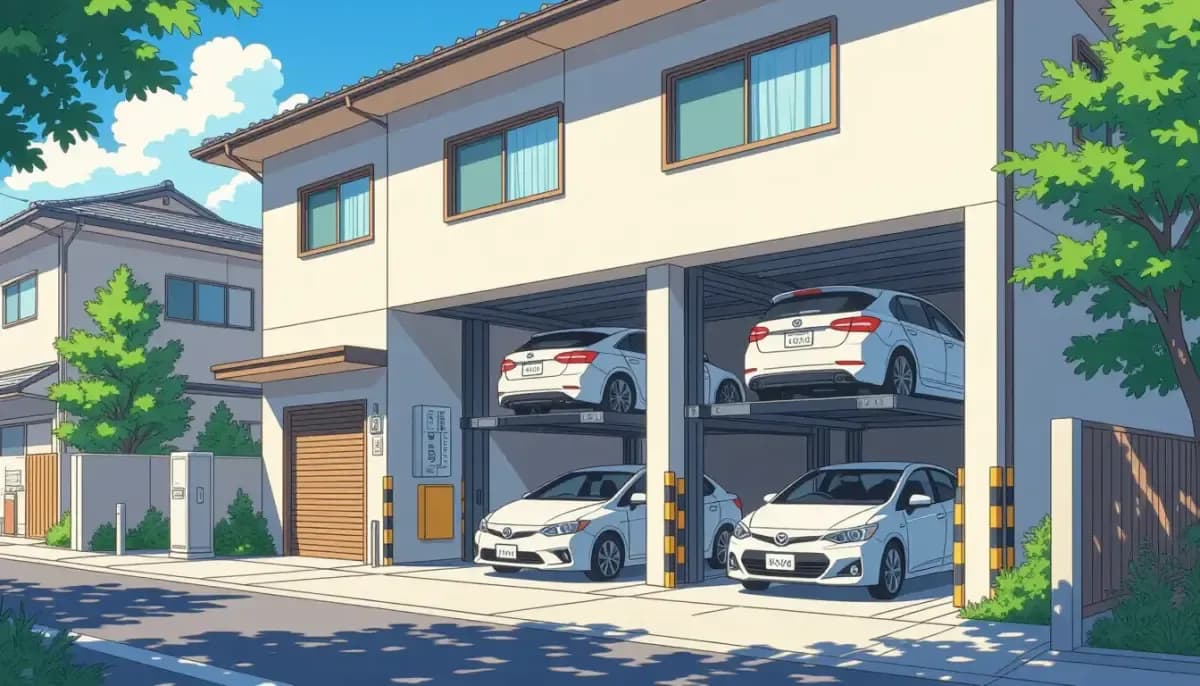
Parking and Garage Requirements for Japan Houses
Learn Japan's parking and garage requirements for homeowners. Everything about the Shako Shomeisho certificate, types of residential parking, costs by region, and tips for foreigners buying property in Japan.
Read more →