Step-by-Step Home Buying Process in Japan for Foreigners
Buying property in Japan as a foreigner is entirely possible — and more straightforward than most people expect. Japan imposes no nationality-based restrictions on property ownership, meaning foreigners enjoy the same legal rights as Japanese citizens when it comes to purchasing real estate. Whether you're planning to settle in Tokyo, invest in Osaka, or snap up an affordable akiya in rural Japan, understanding the step-by-step process is the key to making your purchase smooth and stress-free.
This comprehensive guide walks you through every stage of the home buying journey in Japan, from setting your budget and choosing a property type, to signing contracts, securing financing, and completing final registration. Along the way, you'll find practical tips on working with local agents, navigating Japanese-only legal documentation, and understanding the costs involved.
Step 1: Set Your Budget and Understand What You Can Afford
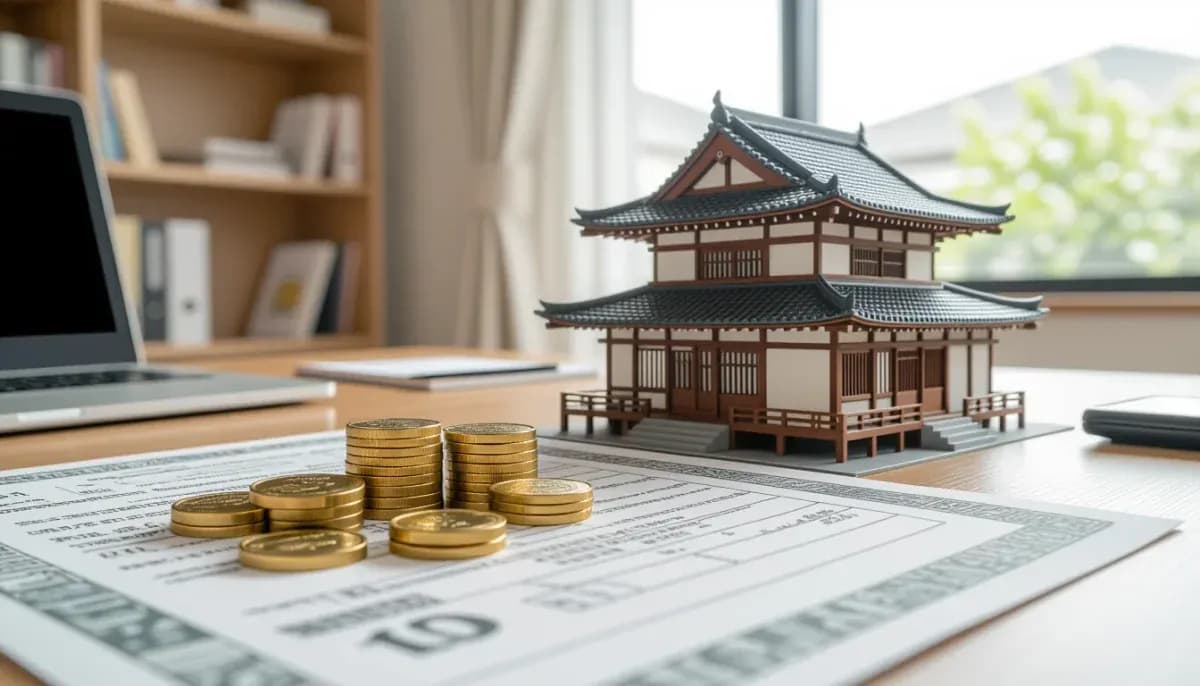
Before browsing listings, build a realistic picture of your total purchasing power — not just the property price, but all associated costs.
Key budget considerations:
- Purchase price: Property costs vary enormously. Central Tokyo condominiums can cost ¥50–100 million or more, while rural akiya (vacant homes) may be priced under ¥1 million or even available for free through municipal programs.
- Down payment: Without Permanent Residency (PR), most lenders require 30% or more down. With PR, you may qualify for 10–20% down, similar to Japanese nationals.
- Closing costs: Budget an additional 5–10% of the purchase price for taxes, fees, and legal costs. If using a mortgage, add another 1–2%.
- Annual ownership costs: Property tax (固定資産税, 1.4% of assessed value) and city planning tax (都市計画税, 0.3%) apply every year.
Japan has approximately 9 million akiya (empty/abandoned homes) as of 2023, creating remarkable opportunities for budget buyers. Tokyo condominium prices rose roughly 13% year-on-year in 2024, making timing and location research critical for investors.
For a deeper look at financing and affordability, see our guide to Mortgages and Home Loans for Foreigners in Japan.
Step 2: Research the Market and Choose Your Location
Location is the single most important factor in Japanese property purchases. Each city and region offers distinct advantages, price points, and lifestyle tradeoffs.
Popular areas for foreign buyers:
| Location | Property Type | Price Range (Approx.) | Best For |
|---|
| Tokyo (Central) | Condominium | ¥40M–150M+ | Investment, urban lifestyle |
| Tokyo (Suburban) | House | ¥30M–60M | Families, more space |
| Osaka | Condo / House | ¥20M–60M | Affordability, vibrant culture |
| Kyoto | Traditional house | ¥15M–50M | Cultural immersion |
| Hokkaido (Niseko) | Resort property | ¥20M–200M+ | Tourism investment |
| Rural / Akiya | Detached house | ¥500K–5M | Budget buyers, remote work |
Research extends beyond the listing price. Consider:
- Train access and commute times
- School districts (important for families)
- Flood zone and earthquake risk designations (available from municipal offices)
- Urban development plans and future infrastructure changes
Tip: Japan's Ministry of Land, Infrastructure, Transport and Tourism (MLIT) found that 60% of foreign investors rate real estate information in Japan as "bad" or "very bad." Use English-language resources and consider hiring a bilingual agent from the start.
Explore location-specific guides: Buying Property in Tokyo as a Foreigner, Buying Property in Osaka, or Buying Property in Hokkaido.
Step 3: Get Mortgage Pre-Approval (If Financing)
If you plan to use a mortgage, obtaining pre-approval before making an offer is strongly recommended — and in many cases, required by sellers or agents.
Eligibility requirements vary significantly by visa status:
With Permanent Residency (PR):
- Down payment: 10–20%
- Income minimum: ¥2,000,000+/year
- Employment tenure: 1+ year
- Access to major banks (MUFG, Mizuho, Japan Post Bank)
- Interest rates: ~0.7% variable, ~1.9% for 35-year fixed
Without Permanent Residency:
- Down payment: 30%+
- Income minimum: ¥3,000,000+/year
- Employment tenure: 2–3+ years documented
- Often requires a Japanese or PR-holding guarantor (Japanese spouse helps significantly)
- Fewer lender options; stricter debt-to-income ratio benchmarks (30–35%)
Foreigner-friendly lenders:
| Bank | Residency Requirement | Income Minimum | Notes |
|---|
| Aeon Bank | 3+ years | Varies | English support available |
| Suruga Bank | 1+ year | ¥2,000,000/yr | Flexible for non-PR |
| Tokyo Star Bank | 3+ years | ¥5,000,000/yr | Higher income bar |
| Asuka Shinkin Credit Union | 2+ years | Varies | Local credit union |
| Flat 35 (JHFA) | Permanent Residency required | Varies | Government-backed, lowest rates |
Life insurance (団信, danshin) is mandatory with most lenders — your mortgage is paid off if you die or become permanently disabled.
For full details on mortgage documents and applications, see Gaijin Buy House's guide to foreigner mortgage applications in Japan.
Step 4: Find a Property and Make an Offer
With budget and financing squared away, it's time to search. Most foreign buyers work with bilingual real estate agents, though major Japanese portals like SUUMO, HOMES, and AtHome are accessible in English or via browser translation.
The property search process:
- Select an agent: Choose a licensed agent (不動産業者, fudosan gyosha) registered with the Japan Real Estate Federation or its equivalent. Bilingual agents significantly ease the process. Agent fees are paid by the buyer: 3% of purchase price + ¥60,000 + 10% consumption tax.
- Attend viewings: Expect to view multiple properties. Japanese etiquette at viewings includes removing shoes at the entrance. Take photos and notes. Your agent can arrange second viewings.
- Submit a Letter of Intent (購入申込書, koryu moshikomisho): When you find your property, submit this non-binding document expressing intent to purchase at a specified price. This starts the negotiation.
- Negotiate terms: Price negotiation is common but less aggressive than in some Western countries. Your agent will negotiate on your behalf. Expect to reach an agreement within 1–2 weeks.
Note: Some condominium buildings historically had informal restrictions on sales to non-Japanese buyers. This practice is becoming less common but worth investigating before submitting an offer.
See also: Types of Properties Available in Japan: A Complete Guide.
Step 5: Sign the Purchase Agreement and Pay the Deposit
Once terms are agreed, you move to formal contract execution — one of the most legally significant steps in the process.
The contract process includes:
- Explanation of Important Matters (重要事項説明書, juyo jiko setsumei sho): Before signing, your agent's licensed real estate agent (宅地建物取引士) must verbally explain all important property details — legal status, land use, encumbrances, and any known defects. This is conducted in Japanese; request an interpreter or translated summary.
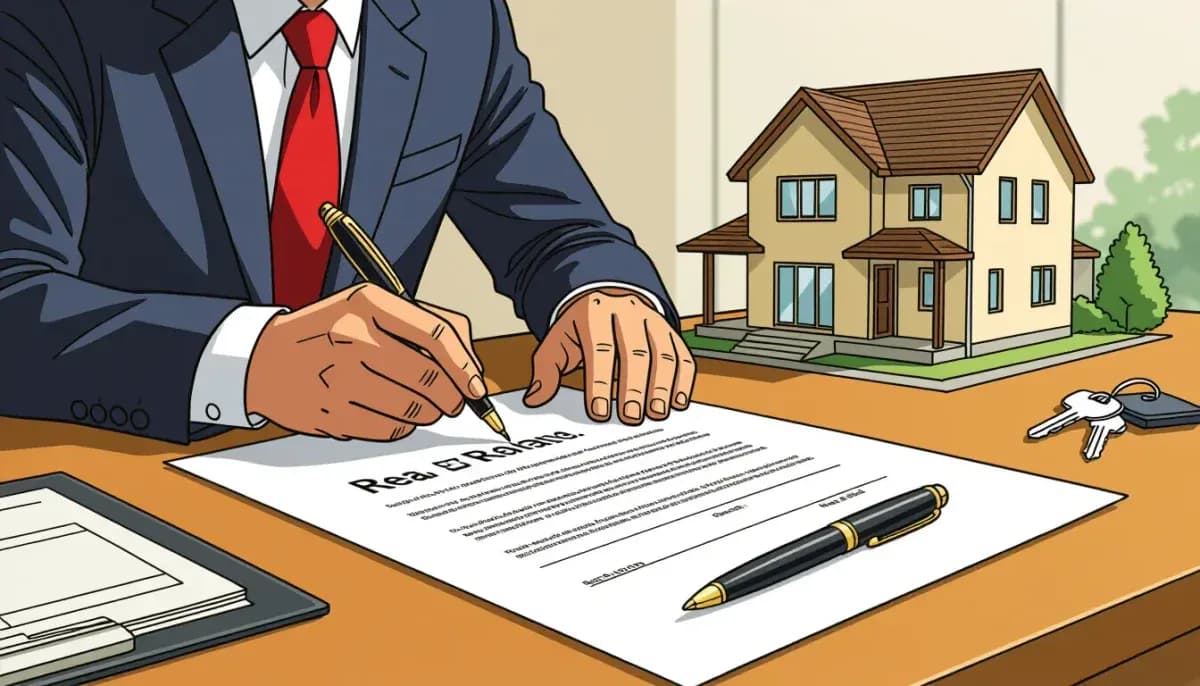
- Sales Contract (売買契約書, baibai keiyakusho): Both parties sign this binding contract. All legal documentation is in Japanese only — translations are provided for reference but hold no legal weight. Have a bilingual professional review the contract before signing.
- Earnest deposit (手付金, tetsukekin): Pay 5–10% of the purchase price directly to the seller (not an escrow account). This reflects Japan's trust-based transaction culture. If you withdraw after this point, you forfeit the deposit. If the seller withdraws, they must return double the deposit.
- Ministry of Finance Notification: For purchases involving foreign exchange (i.e., transferring money from overseas), you must file a notification with the Ministry of Finance within 20 days of contract signing. Your agent or judicial scrivener can assist with this. Non-compliance carries penalties.
New Rule (Effective July 1, 2025): Large land transactions now require disclosure of the buyer's nationality. Consult your agent for the latest requirements.
For a complete breakdown of documentation requirements, see Legal Procedures and Documentation for Japan Property Purchase.
Step 6: Final Mortgage Approval and Pre-Settlement Preparations
After contract signing, your lender will begin full mortgage underwriting (if applicable).
Mortgage timeline:
- Preliminary consultation: 1–2 weeks
- Pre-approval: 3–7 days
- Full underwriting: 1–3 weeks
- Loan execution: 1–2 weeks post-closing
During this period:
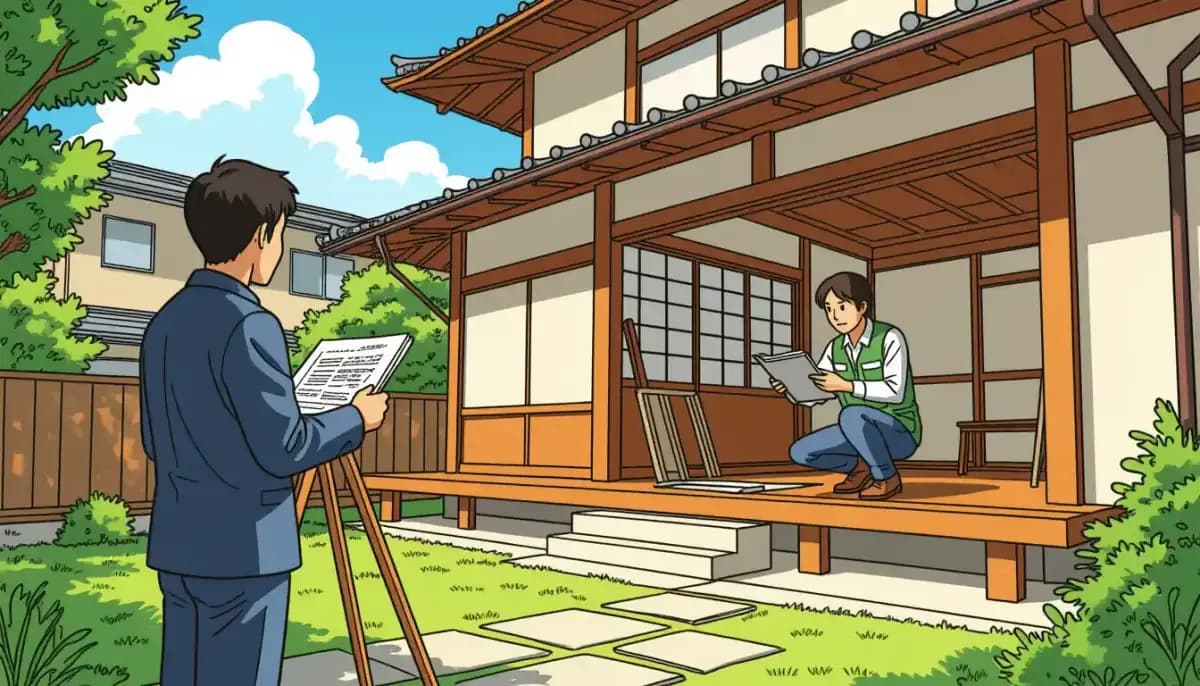
- Arrange a property inspection (建物状況調査, tatemono jokyo chosa). While not legally required, it's strongly recommended — especially for older homes. Inspectors check structural integrity, plumbing, electrical systems, and waterproofing.
- Confirm title verification through a judicial scrivener (司法書士, shiho shoshi). They will check the property registry (登記簿謄本) to ensure no hidden encumbrances, liens, or ownership disputes.
- Prepare funds for closing costs: registration fees, stamp duty, acquisition tax, and the judicial scrivener's fee (¥100,000–150,000).
For a full breakdown of costs, see Hidden Costs and Fees When Buying Property in Japan and Property Taxes and Annual Costs of Owning Property in Japan.
Step 7: Settlement, Registration, and Moving In
The final stage is settlement day — when ownership officially transfers and you receive the keys.
What happens on settlement day:
- Final payment: Wire the remaining purchase balance (minus the earnest deposit already paid) to the seller. Your mortgage lender also disburses the loan to the seller on this day.
- Ownership registration (所有権移転登記): The judicial scrivener files the ownership transfer at the local Legal Affairs Bureau (法務局, Homukyoku). This officially makes you the registered owner. Registration takes a few days to process.
- Key handover: Once payment is confirmed, the seller hands over all keys, parking stickers, building manuals, and any relevant warranties.
- Utility transfers: Arrange to transfer electricity, gas, water, and internet accounts into your name. Your agent or building management can assist.
- Address notification: Register your new address at your local Municipal Office (市区町村役所) within 14 days of moving. This is a legal requirement for all residents in Japan.
Total typical timeline: 60–90 days for a straightforward cash purchase; 6–12 months when factoring in a full mortgage application process.
For a complete overview of the buying journey, Living in Nihon's comprehensive property and mortgage guide for foreigners is an excellent resource.
Key Costs Summary
| Cost Item | Amount / Rate |
|---|
| Brokerage fee | 3% of price + ¥60,000 + 10% consumption tax |
| Registration tax | 2% of assessed property value |
| Acquisition tax | 3–4% of assessed value (due ~6 months post-purchase) |
| Stamp duty | ¥10,000–480,000 (based on price) |
| Judicial scrivener fee | ¥100,000–150,000 |
| Annual property tax | 1.4% of assessed value per year |
| City planning tax | 0.3% of assessed value per year |
| Mortgage arrangement fee | Varies by lender (0.5–2% typical) |
Tax benefits to note: Japan's mortgage deduction (住宅ローン控除) provides a 0.7% deduction on your year-end mortgage balance for up to 13 years. Depending on your income, purchase grants of up to ¥5 million may also be available for new construction.
Visa and Residency Considerations
Purchasing property in Japan does not grant any form of visa or residency status. Japan has no "golden visa" program linked to real estate investment. Your visa status remains unchanged.
However, your residency status significantly affects your mortgage eligibility. Buyers with Permanent Residency access the same financing options as Japanese nationals. Those on working or spouse visas face stricter requirements but can still secure mortgages with the right lender.
71 countries (including the USA, UK, Canada, and Australia) receive 90-day visa-free entry to Japan, technically allowing a foreigner to purchase property even without residency — though securing a mortgage in that scenario is not feasible.
See Visa and Residency Considerations for Property Buyers in Japan for a full breakdown.
Working with a Bilingual Real Estate Agent
Japan's real estate documentation is exclusively in Japanese, and while Google Translate has improved dramatically, nuanced legal language requires professional guidance. A bilingual agent provides:
- Access to both English and Japanese listing portals
- Interpretation during property explanation meetings
- Coordination with judicial scriveners and lenders
- Local knowledge on neighborhoods, schools, and transport
- Cultural bridging during negotiations
Agent fees in Japan are regulated by law and capped at 3% + ¥60,000 + consumption tax for properties over ¥4 million. The same fee applies regardless of whether you use one agent or two.
For housing and living infrastructure guides for expatriates in Japan, For Work in Japan provides useful context on what to expect as a foreigner navigating the property market.
Common Mistakes to Avoid
- Skipping the property inspection: Japan's older housing stock (pre-1981 earthquake standards) can have significant structural issues invisible at viewings.
- Ignoring flood and earthquake zone data: Japan experiences 1,500+ earthquakes annually. Always check hazard maps before committing.
- Underestimating closing costs: Many buyers budget only the purchase price and are surprised by the additional 5–10%.
- Missing the Ministry of Finance notification deadline: The 20-day post-contract window is strict. Late filings carry penalties.
- Not comparing lenders: Rates and eligibility criteria vary significantly. Apply to multiple lenders simultaneously for the best outcome.
- Assuming property purchase provides visa rights: It does not. Plan your visa pathway separately.
Frequently Asked Questions
Can any foreigner buy property in Japan? Yes. Japan imposes no nationality restrictions on property purchases. Any foreigner can buy, sell, and inherit property with full legal rights.
Do I need to be in Japan to complete the purchase? Not necessarily, though it is strongly recommended. Some steps — particularly the Important Matters Explanation — traditionally require in-person attendance, though remote arrangements have become more common post-COVID.
Is there a risk of losing money on Japanese property? New properties depreciate immediately and significantly. Used (previously owned) properties often provide better value and resale potential. Research location and market trends carefully.
Can I rent out my Japanese property? Yes, with some conditions. Short-term rental (民泊, minpaku) requires a license. Long-term rental to residents is straightforward.
What is an akiya and is it a good investment? Akiya are vacant or abandoned homes — Japan has around 9 million as of 2023. Some are priced under $10,000. They can offer exceptional value but may require significant renovation. Many municipalities offer subsidies to encourage purchase and renovation of akiya homes.
Buying property in Japan as a foreigner is a multi-step process that rewards preparation and patience. Start with a clear budget, secure your financing early, and work with a trusted bilingual agent who understands both the legal landscape and your personal circumstances. For a complete overview of all aspects of property ownership in Japan, see our Complete Guide to Buying Property in Japan as a Foreigner.
For additional insights into the mortgage application process, Real Estate Japan's buying guide and Old Houses Japan's step-by-step timeline are excellent supplementary resources.