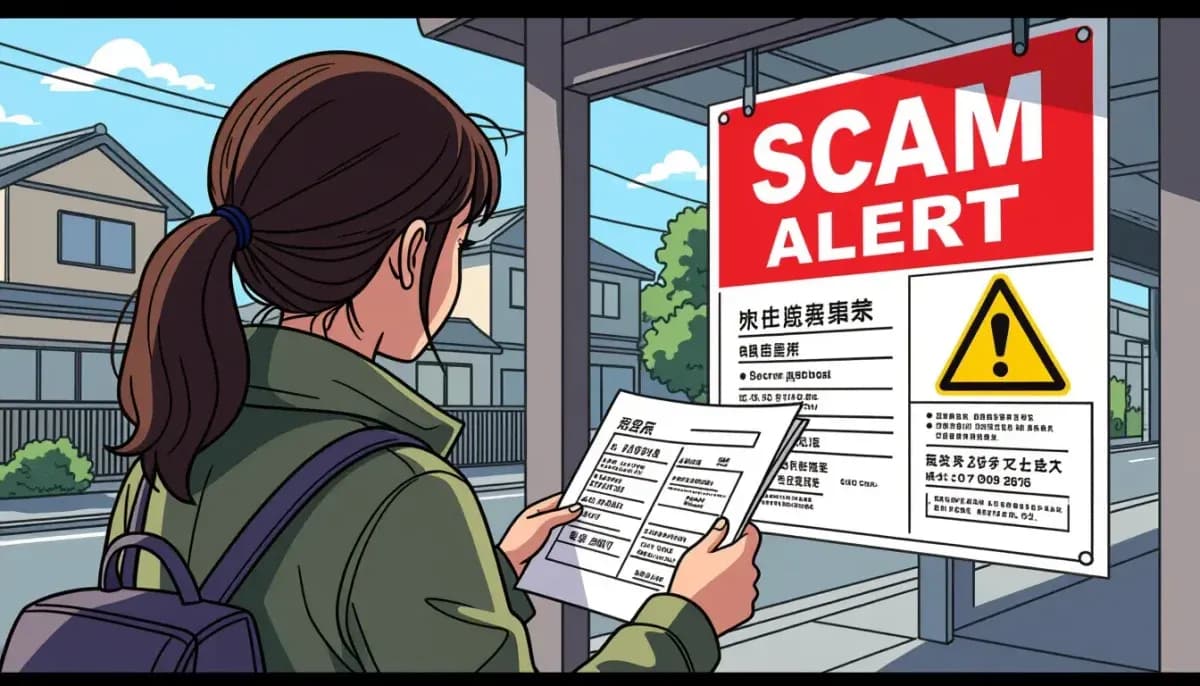
Common Mistakes and Scams to Avoid When Buying Property in Japan
Buying property in Japan as a foreigner is entirely legal and can be a rewarding investment — but the path is littered with pitfalls that catch even seasoned buyers off guard. From surprise tax bills arriving months after closing to outright fraud targeting foreign buyers who don't read Japanese, the risks are real. This guide covers the most common mistakes foreign buyers make and the specific scams you need to watch for, so you can complete your purchase confidently and securely.
The Top 5 Mistakes Foreign Buyers Make
Understanding where things typically go wrong is the first step to avoiding them. Based on real buyer experiences and expert advice, these are the five most common errors:
1. Skipping professional contract translation
All critical documents in a Japanese property transaction — the purchase agreement, the important matters explanation (重要事項説明書), and the registry extract — are in Japanese only. Relying on machine translation or a bilingual friend is not enough. Engage a professional interpreter with real estate experience, or use a bilingual real estate agent. A single misunderstood clause can cost you hundreds of thousands of yen or leave you with a property you cannot legally renovate.
2. Underestimating the total cost
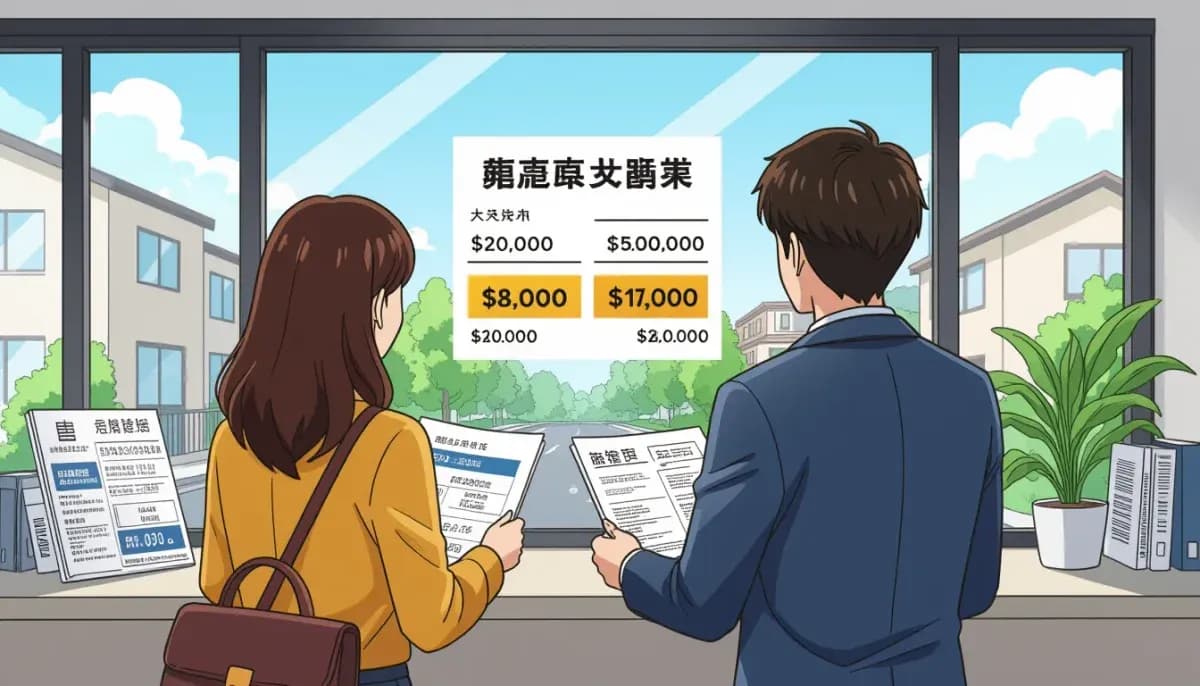
Many buyers budget for the listed property price and nothing else. In reality, additional fees add up to 6–8% of the purchase price. These include the agent's commission (capped at roughly 3% + ¥60,000 + consumption tax), registration and transfer tax (2%), real estate acquisition tax (3–4%), stamp duty (¥10,000–¥60,000 depending on contract amount), judicial scrivener (title specialist) fees of ¥100,000–¥150,000, and fire insurance premiums. For a ¥30,000,000 property, that's ¥1.8–2.4 million in fees on top of the purchase price.
3. Not securing mortgage pre-approval before searching
Japan's mortgage landscape for non-permanent residents is far more restrictive than in Western countries. Searching for months, falling in love with a property, and then discovering you don't qualify for financing is heartbreaking and wastes everyone's time. Get pre-approval (事前審査) from a bank before you start viewing properties seriously. See our guide on Mortgages and Home Loans for Foreigners in Japan for eligibility requirements.
4. Skipping the in-person property inspection
Japan has a large inventory of older buildings, many with earthquake damage records, moisture issues, or undisclosed renovation history. Buying remotely based on photos alone — especially for akiya (vacant houses) in rural areas — is extremely risky. Hire a licensed building inspector and visit the property yourself, ideally at different times of day.
5. Forgetting the Ministry of Finance notification requirement
This one surprises almost every foreign buyer: under the Foreign Exchange and Foreign Trade Act, non-residents must notify the Ministry of Finance within 20 days of signing the purchase contract. Missing this deadline can result in administrative penalties. This requirement applies regardless of property size or location. For more on legal obligations, see Legal Procedures and Documentation for Japan Property Purchase.
Property Scams Targeting Foreigners in Japan
Japan has a very low crime rate overall and ranks 14th globally for rule of law (World Justice Project, 2024). Outright property fraud is not common, but it does exist — and foreign buyers are disproportionately targeted because language barriers and unfamiliarity with Japanese legal procedures create exploitable gaps.
Unlicensed Middlemen and Upfront Fee Scams
The most common scam involves someone posing as a real estate agent or "Japan property consultant" who collects "reservation fees," "translation fees," or "introduction fees" for properties they have no authority to sell. In Japan, payment always happens after signing — never before. Any request for money before you have a signed purchase agreement and a verified title registry extract is a serious red flag.
Legitimate real estate agents in Japan must hold a 宅地建物取引業 (Takuchi Tatemono Torihiki Gyosha) license, issued by the Ministry of Land, Infrastructure, Transport and Tourism (MLIT). You can and should verify this license number in MLIT's official online database before engaging any agent.
Fake Listings and Duplicate Property Fraud
Scammers copy real listings from legitimate portals like SUUMO, HOME'S, and At Home, repost them at slightly lower prices on fake websites or social media groups, and collect deposits from multiple victims for the same property. If you find a deal that looks dramatically cheaper than comparable listings, treat it as a warning sign. Always verify the property's ownership status by requesting a certified registry extract (登記事項証明書) directly from the Legal Affairs Bureau, and match the registered owner's name to the seller's ID.
The Akiya (Vacant House) Trap
As of 2023, Japan has approximately 9 million vacant homes — a vacancy rate of 13.8% — and akiya bargains have attracted enormous international media attention. But what the headlines often omit: many cheap rural properties come with hidden demolition obligations (the old structure must be torn down before you can rebuild), road access issues that prevent rebuilding permits, repair costs that dwarf the purchase price, and negative assessed values where the land is worth less than the cost of clearing it.
Always request an architect's or structural engineer's assessment before purchasing any akiya. Also check whether the property fronts on a legally recognized road at least 4 meters wide — a requirement for new construction permits under Japanese building law.
Title and Authorization Fraud
In some cases, sellers claim ownership of properties they are not fully authorized to sell — for example, properties held jointly with other heirs following an estate, or properties with unresolved liens. Obtain the 全部事項証明書 (all matters certificate) from the Legal Affairs Bureau, which shows the complete history of ownership, mortgages, and encumbrances. Have a qualified judicial scrivener review it before signing anything.
For a complete overview of what to verify, visit Gaijin Buy House's guide for foreigners buying property in Japan.
Hidden Ongoing Costs That Surprise Foreign Owners
Many buyers focus entirely on the purchase transaction and overlook the recurring costs that start the moment they own the property.
| Cost Item | Typical Amount | Notes |
|---|
| Annual property tax (固定資産税) | ~1.4% of assessed value | Assessed value is lower than market value |
| Urban planning tax (都市計画税) | ~0.3% of assessed value | Applies in urban zones only |
| Condo management fee | ¥10,000–¥30,000/month | Mandatory; covers shared space upkeep |
| Condo repair reserve fund | ¥5,000–¥20,000/month | Builds reserve for major repairs |
| Special repair assessment | ¥500,000–¥2,000,000 | Levied when reserves are insufficient |
| Real estate acquisition tax | 3–4% of assessed value | Arrives as a surprise bill months after purchase |
| Non-resident tax representative | ¥30,000–¥60,000/year | Required if you live outside Japan |
The real estate acquisition tax is particularly notorious for catching buyers off guard — it arrives as a bill several months after your purchase closes, and many first-time buyers mistake it for a mistake or a scam.
Non-residents living outside Japan are also required to appoint a tax representative in Japan to handle property tax filings on their behalf. This is a legal requirement, not optional.
For a detailed breakdown of all costs, see Hidden Costs and Fees When Buying Property in Japan and Property Taxes and Annual Costs of Owning Property in Japan.
Red Flags: Warning Signs to Watch For
Before you sign anything or hand over any money, review this checklist of warning signs:
- Agent refuses to show their license number — Every licensed real estate agent must display their 宅建士 (takken-shi) certification number. Refusal is a disqualifying red flag.
- Pressure to skip the property inspection — Legitimate sellers welcome inspections. Pressure to bypass them suggests something to hide.
- Request for money before a signed contract and verified title — Japan's standard practice is payment after contract execution. Pre-contract fees are a hallmark of fraud.
- Vague or changing transfer timelines — A legitimate transaction proceeds on a clear, documented schedule.
- Agent unfamiliar with foreign buyer requirements — Not all Japanese agents have experience with the specific requirements for non-resident foreign buyers, including the Ministry of Finance notification and foreign fund transfer documentation.
- Dramatically below-market pricing — Japan's property market is transparent and well-documented. Unusually low prices almost always signal a hidden problem.
For more on the full buying process and how to verify each step, Living in Nihon's property buying guide for foreigners is an excellent resource.
Special Considerations for Non-Permanent Residents
Your visa status significantly affects what you can do as a property buyer in Japan:
Financing limitations: Permanent residents typically qualify for 80–100% loan-to-value financing with Japanese banks, on nearly equal terms to Japanese nationals. Non-permanent residents face much stricter terms: most banks require at least 3 years of continuous employment, a 30–50% down payment, and often a Japanese national or permanent resident spouse as co-borrower.
Overseas fund transfers: If you're bringing purchase funds from abroad, anti-money-laundering compliance checks by Japanese banks can delay wire transfers significantly. Plan to initiate international transfers 2–3 weeks before your closing date.
New 2025 disclosure rules: As of July 1, 2025, large land transactions in Japan require buyers to disclose their nationality — a new policy change that foreign buyers should be aware of when dealing with transactions above the specified thresholds.
Property does not confer residency: Purchasing property in Japan — regardless of price or location — does not grant you a visa, extend your existing visa, or provide any pathway to permanent residency. For information on visa options, see Visa and Residency Considerations for Property Buyers in Japan.
For a broader perspective on Japan's housing options for foreigners, including rental alternatives, For Work in Japan's housing and living guide provides useful context on the overall housing market.
How to Protect Yourself: A Practical Checklist
Follow these steps to significantly reduce your risk:
- Verify your agent's license in the MLIT database before signing any representation agreement.
- Obtain the certified registry extract (登記事項証明書) yourself directly from the Legal Affairs Bureau — do not rely solely on a copy provided by the seller.
- Request the all-matters certificate (全部事項証明書) to see the full ownership and encumbrance history.
- Hire a bilingual judicial scrivener (司法書士) to review all documents and handle registration.
- Commission a professional building inspection before exchanging contracts.
- Budget 8–10% above the listed price to cover all transaction fees and taxes.
- File your Ministry of Finance notification within 20 days of contract signing.
- Initiate overseas fund transfers at least 3 weeks before closing if purchasing with foreign currency.
- Never pay any fee before you have a verified title and a signed contract.
Buying property in Japan is a legally straightforward process with the right guidance. Japan's low crime rate and strong rule of law mean that with proper due diligence, the risks are manageable. The problems occur when buyers — often excited by low prices or the romance of an akiya — skip the verification steps that protect them.
For practical tips from foreign buyers who have completed purchases in Japan, Bamboo Routes' guide to avoiding real estate scams in Japan is worth reading before you start your search.
For a complete walkthrough of the entire buying process, start with Complete Guide to Buying Property in Japan as a Foreigner and the Step-by-Step Home Buying Process in Japan for Foreigners. For detailed scam avoidance research, Japan Property Central's Buyer Beware section is one of the most comprehensive English-language resources available.