

Fukuoka New Development Projects and City Growth
Discover Fukuoka's biggest urban development projects — Tenjin Big Bang, Hakata Connected, and more. What Japan's fastest-growing city means for foreign property buyers and investors.
Read more →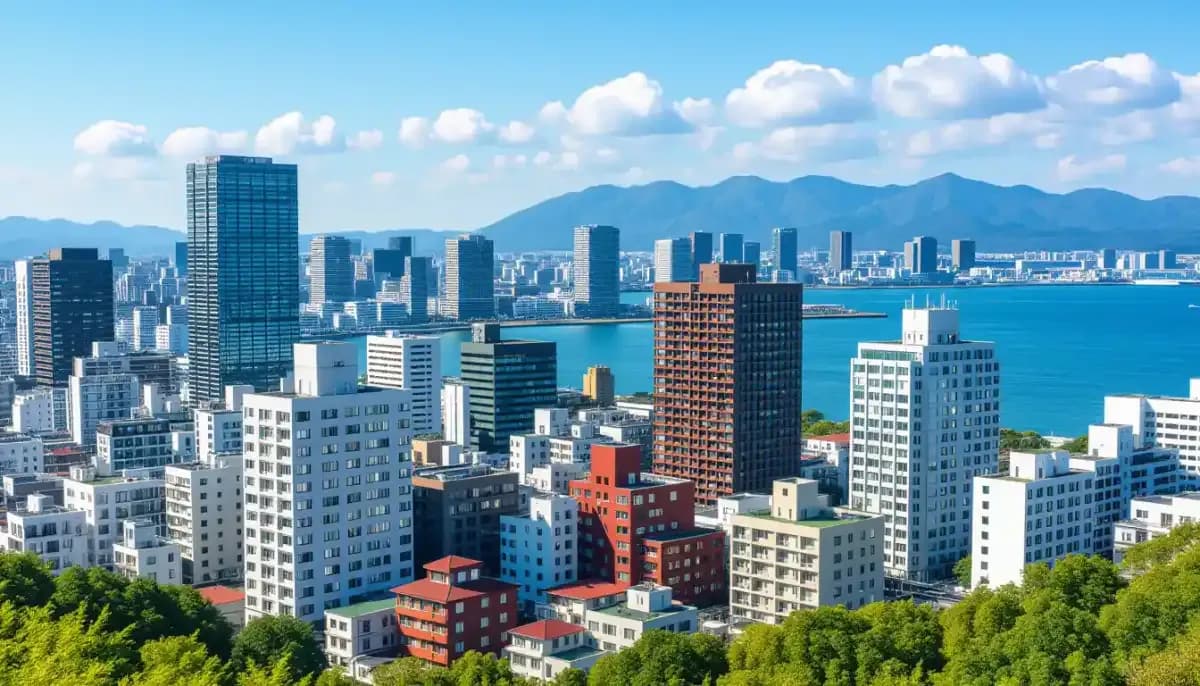
Complete guide to buying property in Fukuoka and Kyushu as a foreigner. Covers prices by area, mortgage options, the purchase process, investment tips, and hidden costs. Updated for 2025.
Fukuoka has emerged as one of Japan's hottest real estate markets — and for good reason. With property prices roughly 40% lower than Tokyo, a rapidly growing economy, and a lifestyle that consistently ranks among Japan's best, Fukuoka is drawing increasing attention from foreign buyers looking to purchase a home or investment property in Japan. Whether you're eyeing a modern condo in Hakata, a family home in the suburbs of Fukuoka City, or a peaceful rural retreat elsewhere in Kyushu, this guide covers everything you need to know as a foreign buyer.
Yes — foreigners can legally purchase property anywhere in Japan, including Fukuoka and throughout Kyushu, with no additional restrictions compared to Japanese nationals. Japan's property laws do not discriminate based on nationality, visa status, or country of residence. You can own land outright, purchase a condo in your own name, or buy investment property without being a resident of Japan.
There is one recent change worth noting: since July 1, 2025, large-scale land transactions require nationality disclosure under Japan's Land Use Planning Law. This is primarily a formality for security review purposes and does not restrict your ability to purchase — but make sure your agent or lawyer is aware of this requirement.
For a full overview of your legal rights as a foreign buyer in Japan, see our guide on Can Foreigners Buy Property in Japan? Legal Rights Explained.
Fukuoka is Japan's ninth-largest city and the undisputed economic hub of Kyushu. Positioned just 90 minutes from South Korea's Busan by high-speed ferry and with direct flights to major Asian cities, it genuinely functions as Japan's gateway to Asia. But beyond its strategic location, here's why foreign buyers are choosing Fukuoka:
Affordability compared to Tokyo and Osaka. A two-bedroom apartment in central Fukuoka typically costs around ¥30 million — compared to ¥50 million or more for the equivalent in Tokyo. The cost per square meter is ¥785,000 in Fukuoka versus ¥1,619,911 in Tokyo. For foreign buyers stretching budgets, this difference is significant.
Strong market growth. Fukuoka's residential land prices rose 9% year-on-year in 2025, the highest of any major Japanese city for the second consecutive year. This isn't a bubble — it's driven by real population growth, a thriving startup ecosystem, and sustained demand from young professionals and expats.
Attractive rental yields. For investors, central Fukuoka offers rental yields of 4.5–5.8%, outpacing most other major Japanese cities. Short-term rental occupancy rates run at 70–80% in popular areas.
Livability. Fukuoka is consistently ranked as one of Japan's most livable cities: mild winters, fewer earthquakes than most of Japan, an excellent food scene (Hakata ramen is legendary), and walkable, well-connected neighborhoods.
Foreign buyer community. Foreign buyers now account for approximately 20% of property purchases in Fukuoka — meaning there is established infrastructure, English-speaking agents, and a community of expat homeowners to tap into.
For tips on the general buying process, read our Step-by-Step Home Buying Process in Japan for Foreigners.
Fukuoka City is divided into seven wards (ku), each with its own character and price range. Here's what foreign buyers can expect:
| Area | Property Type | Average Price | Why Buy Here |
|---|---|---|---|
| Chuo-ku (Central) | 2BR condo | ¥40–60M | Premium location, Ohori Park, nightlife |
| Hakata-ku | 2BR condo | ¥30–45M | Business hub, Hakata Station, transport |
| Higashi-ku | Detached house | ¥25–40M | Residential, family-friendly, universities |
| Minami-ku | Detached house | ¥20–35M | Quieter suburbs, good value |
| Sawara-ku | 2BR condo/house | ¥22–38M | Mix of urban and suburban, growing |
| Nishi-ku | Detached house | ¥18–30M | Seaside, quieter, Itoshima border |
| Jonan-ku | Detached house | ¥20–32M | Residential, family area |
Properties in prime central areas like Daimyo and Yakuin (both in Chuo-ku) have seen 15–25% appreciation over the past 2–3 years. In 2024, resale condo prices in Chuo Ward rose 25.7% year-on-year — the strongest gains in the city.
For buyers comfortable venturing outside Fukuoka City, Itoshima (to the west) offers beautiful coastal properties at significantly lower prices, while Dazaifu and Chikushino to the south appeal to those wanting more space and a quieter lifestyle.
Fukuoka gets most of the attention, but Kyushu offers diverse real estate opportunities across its seven prefectures:
Kumamoto: Rebuilt and rejuvenated after the 2016 earthquake, Kumamoto is a mid-sized city with strong manufacturing ties (TSMC's semiconductor plant has supercharged local demand). Prices are considerably lower than Fukuoka, but appreciation has been strong in recent years.
Nagasaki: A uniquely atmospheric port city with historic Western-influenced architecture. Properties in the hilly central areas offer character that's hard to find elsewhere in Japan. Strong tourism means short-term rental potential.
Kagoshima: Japan's southernmost Shinkansen city, known for Sakurajima volcano. Very affordable property, warmer climate, and a relaxed pace of life. Popular with retirees.
Oita: Famous for onsen hot springs and Beppu. Strong domestic tourism; short-term rental opportunities around the spa towns are notable.
Miyazaki: Coastal prefectures with subtropical climate, surfing, and excellent golf. Very affordable land prices and growing interest from domestic remote workers.
Saga: The quietest of the seven prefectures, with extremely affordable property and easy access to both Fukuoka and Nagasaki.
For buyers interested in rural properties across Kyushu, Japan's akiya (vacant home) program can offer houses for as low as ¥2–6 million — sometimes free — though renovation costs of ¥3–15 million should be factored in. Read our guide on Rural and Countryside Properties in Japan for Foreigners.
Mortgage financing is the biggest practical hurdle for most foreign buyers. Here's what to realistically expect:
With Permanent Residency (PR): You have near-equivalent access to Japanese nationals. Variable rates start around 0.7%, with 35-year fixed options around 1.9%. Most major banks will consider your application.
Without Permanent Residency: The situation is more challenging but not impossible:
A significant number of foreign buyers in Fukuoka purchase with cash, especially those buying as investments or using overseas financing. If you can combine a home-country loan with a Japanese mortgage, this may give you more flexibility.
For detailed mortgage guidance, see Mortgages and Home Loans for Foreigners in Japan.
Learn more about housing in Japan for foreigners at Living in Nihon
Buying property in Fukuoka follows the same legal process as anywhere in Japan. Here's the typical timeline:
1. Property Search (2–8 weeks). Use a bilingual agent who specializes in working with foreign buyers. Major platforms like Suumo, At Home, and LIFULL HOME'S are in Japanese, but agents can filter and present options in English. Foreigners face no restrictions on what properties they can view or make offers on.
2. Making an Offer. Once you've identified a property, your agent submits an offer (申込書, moushikomisho). There's no formal bidding war system — the seller accepts or rejects, often with brief negotiation.
3. Important Matters Explanation (重要事項説明, Jūyō Jikō Setsumeisho). Before signing, a licensed real estate agent must explain all material facts about the property: legal status, zoning, easements, defects disclosure, building condition, and management rules for condos. This document is in Japanese — have it translated or bring a bilingual agent.
4. Sales Contract Signing. You'll pay earnest money (手付金, tetsukkin) at this stage — typically 5–10% of the purchase price. This is non-refundable if you withdraw, so be sure before signing.
5. Pre-Closing Preparations. International money transfers take 2–3 weeks. File your Foreign Exchange Law notification within 20 days of signing the contract if transferring ¥100M+ (unlikely for residential purchases, but check with your lawyer).
6. Closing (決済, Kessai). Final payment is made, keys are handed over, and ownership is registered at the local Legal Affairs Bureau. Your agent coordinates with a judicial scrivener (司法書士) for registration.
7. Post-Purchase Administration. Non-resident owners must appoint a Japanese tax administrator. Annual property tax (固定資産税) runs approximately 1.4% of assessed value, plus city planning tax of 0.3%.
For a complete walkthrough, see Legal Procedures and Documentation for Japan Property Purchase and Property Taxes and Annual Costs of Owning Property in Japan.
Get comprehensive housing infrastructure guidance at For Work in Japan
Beyond the purchase price, budget an additional 8–10% for transaction costs:
| Cost Item | Typical Amount |
|---|---|
| Agent commission (仲介手数料) | 3% of price + ¥60,000 + tax |
| Registration tax (登録免許税) | 0.1–2% of assessed value |
| Judicial scrivener fee | ¥50,000–150,000 |
| Stamp duty (印紙税) | ¥10,000–60,000 |
| Fire insurance (mandatory with loans) | ¥50,000–200,000/year |
| Translation/legal fees (if needed) | ¥100,000–300,000 |
| Moving costs | ¥50,000–200,000 |
| Renovation/repair (if older property) | Varies widely |
Annual ongoing costs include fixed asset tax (~1.4% of assessed value) and, for condos, monthly management fees (管理費) and repair reserve fund (修繕積立金) contributions — typically ¥20,000–60,000/month combined.
For a detailed breakdown, read Hidden Costs and Fees When Buying Property in Japan.
Fukuoka has become a serious destination for overseas property investors, and the numbers back it up. The Big Four regional cities — Fukuoka, Sapporo, Sendai, and Hiroshima — showed 5.8% combined year-over-year appreciation in 2025. Fukuoka led the group.
Rental yields in central Fukuoka average around 5%, with some properties in student-heavy areas or near the international airport exceeding this. The rental tenant pool is diverse: students from Kyushu University and other universities, young professionals drawn by the startup scene, Korean and Chinese business visitors, and international expats.
Short-term rentals can generate strong returns, especially near the airport (Fukuoka Airport is just 10 minutes from the city center by subway). However, Minpaku Law (the short-term rental law) requires registration and limits rental nights in some zones — check local regulations with your agent.
New-build vs. resale. New-build condos in Fukuoka account for 20–25% of available inventory, typically in the ¥40–70M range for good central locations. Resale condos offer better value per square meter and more established rental history if you're buying an investment unit.
Explore Japan's regional real estate opportunities at Gaijin Buy House
Find a bilingual agent. Yes! Fudousan is one of Fukuoka's most established agencies working with foreign buyers. Several others specialize in international clients. Don't rely on machine translation for legal documents.
Visit before you buy. Fukuoka is compact and easy to explore. Spend time in different wards to understand the lifestyle in each area before committing to a neighborhood.
Check building age and seismic standards. Japan updated its seismic construction codes in 1981. Properties built before this date (pre-1981 buildings) may not meet current earthquake standards and can affect both insurability and resale value. In Kyushu, which experienced the 2016 Kumamoto earthquakes, this is particularly worth verifying.
Understand management fees for condos. Monthly management and repair reserve fees can add ¥30,000–80,000/month to your cost of ownership. Ask for fee history and upcoming special assessments.
Visa status matters for mortgages. If financing is important, work on your residency status first. Permanent residency opens significantly better loan options. See our guide on Visa and Residency Considerations for Property Buyers in Japan.
Plan your international transfer early. Large transfers from overseas accounts take 2–3 weeks and may trigger reporting requirements. Coordinate with your bank well in advance of closing.
For detailed market price data, see the Bamboo Routes Fukuoka real estate statistics guide and Yes! Fudousan's buying and investing guide.
Fukuoka is arguably the most compelling city in Japan for foreign buyers who aren't tied to Tokyo or Osaka. The combination of affordability, market growth, lifestyle quality, and growing international community makes it exceptional. Properties here sell faster than they used to — 45–75 days on market in central areas — and 30–40% of prime properties now sell above asking price.
Outside Fukuoka City, the rest of Kyushu offers remarkable diversity: volcanic scenery, coastal living, historic towns, onsen resorts, and some of Japan's most affordable property prices. Whether you're buying a home to live in, an investment to rent out, or a vacation property for personal use, Kyushu has options at almost every budget level.
The key to success is the same everywhere in Japan: work with experienced, bilingual professionals; understand the total cost of ownership; and be realistic about financing if you don't have permanent residency.
Start with our comprehensive Complete Guide to Buying Property in Japan as a Foreigner for the full picture before diving into your Fukuoka or Kyushu property search.
Discover Fukuoka's biggest urban development projects — Tenjin Big Bang, Hakata Connected, and more. What Japan's fastest-growing city means for foreign property buyers and investors.
Read more →
Complete guide to buying resort and hot spring (onsen) property in Kyushu, Japan as a foreigner. Covers Beppu, Yufuin, costs, rental income, risks, and due diligence tips.
Read more →
Compare Fukuoka, Tokyo, Osaka, and other Japanese cities for property investment. Prices, rental yields, growth rates, and foreigner-specific guidance for 2025–2026.
Read more →
Complete analysis of Fukuoka rental property investment for foreigners: yields by neighborhood, financing options, tax implications, and practical strategy to maximize returns in Japan's fastest-growing city.
Read more →
Discover affordable rural property in Kyushu, Japan. Learn about akiya houses, government subsidies, best areas like Kumamoto and Oita, costs, and how foreigners can buy rural property in southern Japan.
Read more →
Complete guide to buying property in Beppu and Oita, Japan as a foreigner. Covers onsen property types, prices, legal process, investment potential, and best neighborhoods in this hot spring paradise.
Read more →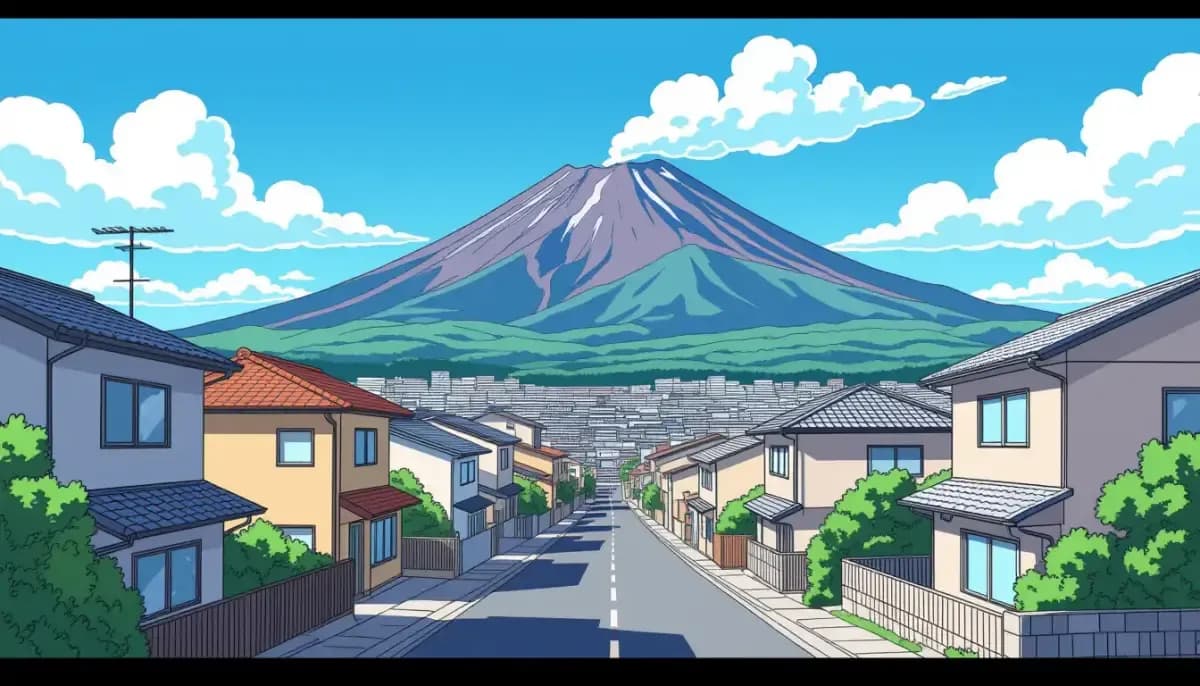
Complete guide to buying property in Kagoshima as a foreigner. Prices by area, akiya opportunities, mortgage options, legal requirements, and neighborhoods for international buyers.
Read more →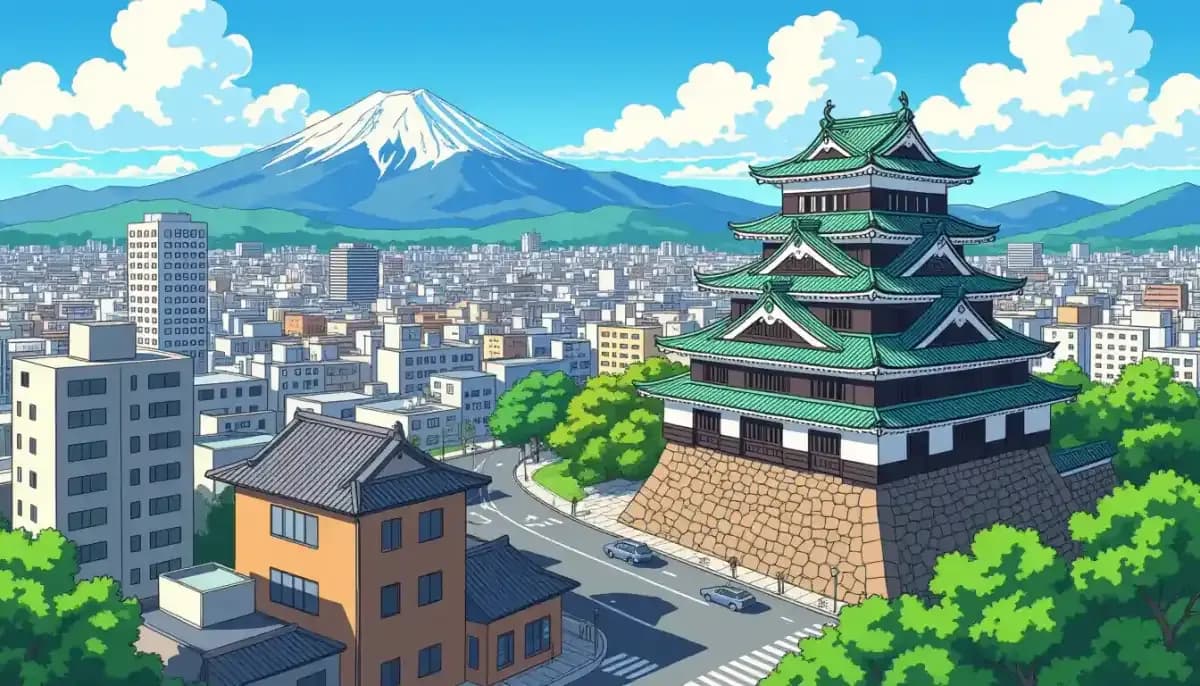
Complete guide to buying property in Kumamoto, Japan as a foreigner. Covers market prices, TSMC boom areas, legal rights, mortgages, costs, and best neighborhoods for expats.
Read more →
Complete guide to buying property in Nagasaki as a foreigner. Learn about prices, neighborhoods, legal requirements, akiya opportunities, and the step-by-step purchase process in this historic Kyushu city.
Read more →
Complete guide to buying property in Tenjin and Hakata, central Fukuoka. Covers prices, rental yields, investment outlook, and step-by-step buying process for foreigners in Japan.
Read more →
Discover why Fukuoka's startup ecosystem drives exceptional property investment returns. Rental yields 4.5–5.8%, 40% cheaper than Tokyo, plus Japan's only Startup Visa program for foreign entrepreneurs.
Read more →
Complete guide to Fukuoka property prices in 2025: average condo and house costs, ward-by-ward price breakdown, comparison with Tokyo and Osaka, rental yields, and tips for foreign buyers.
Read more →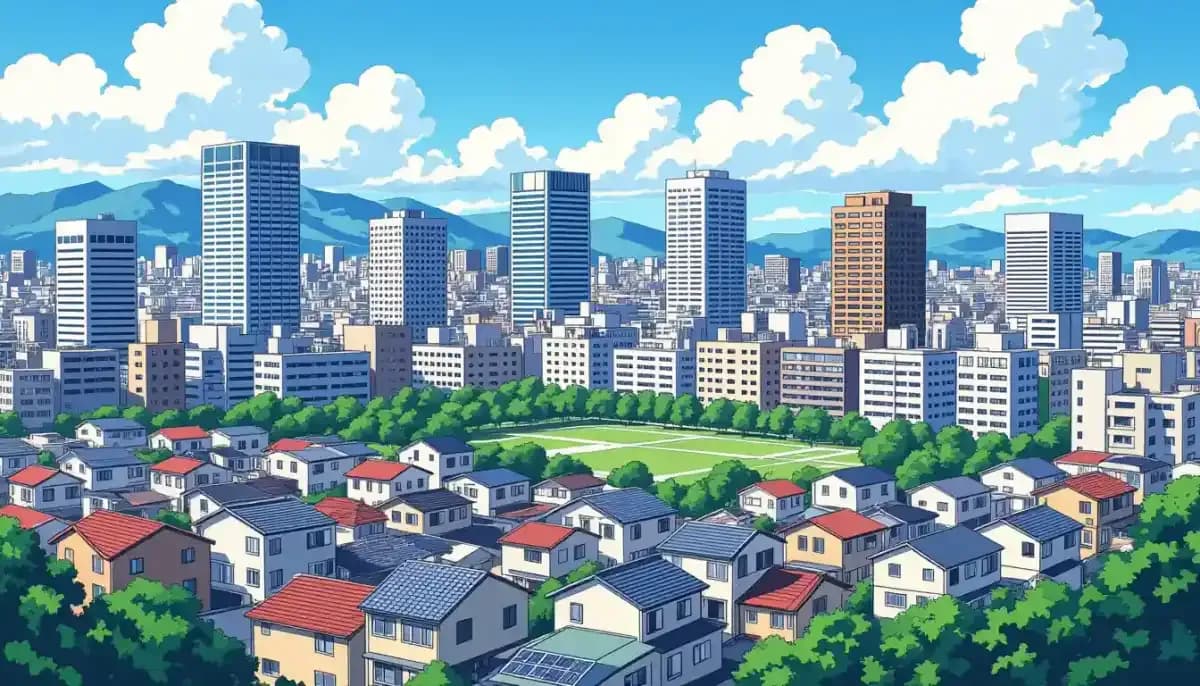
Discover the best neighborhoods in Fukuoka for foreign property buyers. Compare Tenjin, Hakata, Yakuin, Ohori Park and more — with prices, yields, and lifestyle insights for 2025.
Read more →