
Japan Depopulation Areas: Opportunity vs Risk for Property Buyers

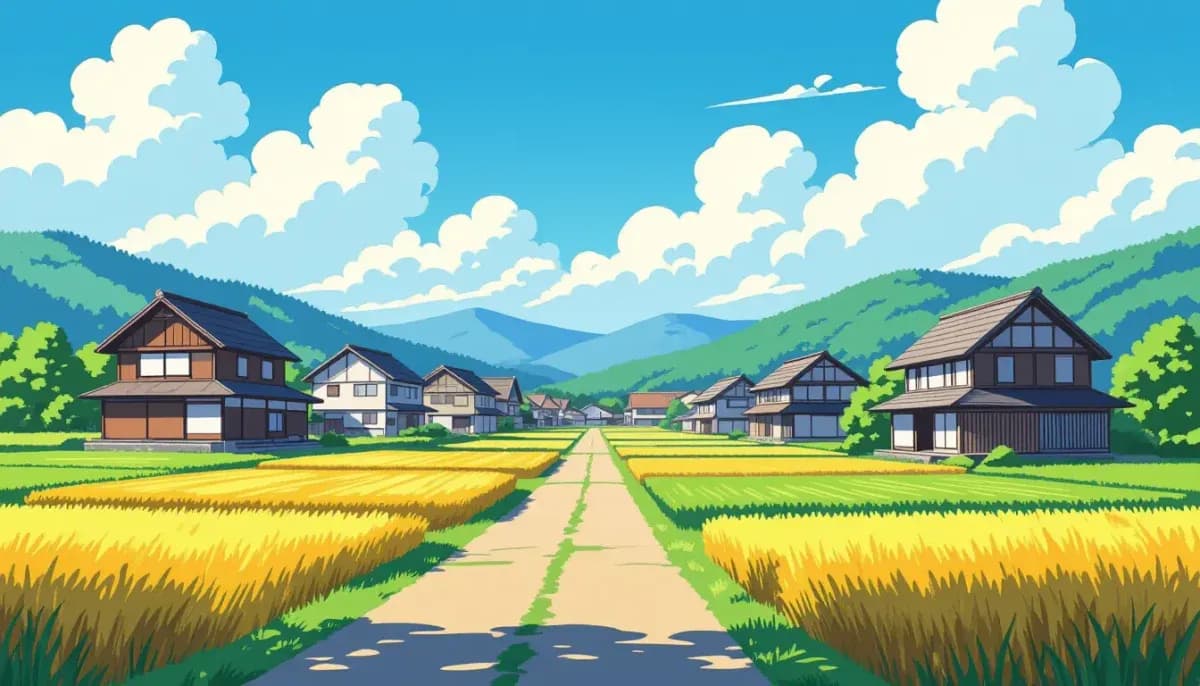
Explore the real opportunities and serious risks of buying property in Japan's depopulation zones. From ¥2M akiya prices to renovation costs, resale challenges, and which areas show genuine potential for foreign buyers.
Japan Depopulation Areas: Opportunity vs Risk for Property Buyers
Japan's countryside is quietly disappearing. With over 9 million vacant homes scattered across depopulating towns and villages, the country presents one of the most unusual real estate opportunities in the developed world — and one of its most complex traps. For foreign buyers eyeing cheap prices and a rural lifestyle, understanding the balance between opportunity and risk is essential before committing to a purchase in Japan's shrinking regions.
This guide examines the realities of buying property in Japan's depopulation zones, who benefits, who gets burned, and how to navigate this distinctive market intelligently.
Understanding Japan's Depopulation Crisis
Japan's population has been declining for 16 consecutive years. In 2025 alone, the country lost approximately 600,000 people. Younger generations continue migrating to major cities — Tokyo, Osaka, Nagoya — leaving behind aging populations in rural towns and smaller prefectures.
The consequences for real estate are dramatic. Japan now has approximately 9 million vacant homes, known as akiya (空き家), representing roughly 13.8% of the country's total housing stock. That figure has doubled since 1993. Government researchers project that Japan could lose up to 40% of its municipalities within the next century as rural communities simply run out of residents.
The highest concentrations of akiya are found in:
- Tokushima Prefecture — mountainous rural terrain, extreme aging demographics
- Wakayama Prefecture — historically low fertility rates, declining fishing communities
- Yamanashi Prefecture — rural valleys with limited urban employment
- Kochi and Shimane Prefectures — some of Japan's oldest average populations
These are not merely statistical abstractions. Entire villages have been emptied, and local governments are actively searching for anyone willing to inhabit — and maintain — abandoned properties.
For context on the full picture of Japan's real estate market, see our Japan Real Estate Market Overview and Trends guide.
The Opportunity Case: Why Buyers Are Interested
The appeal of depopulation zone properties is straightforward: prices that would be impossible anywhere else in the developed world.
Akiya Pricing Reality
Rural akiya homes are available at prices that shock most Western buyers:
| Property Type | Typical Price Range (JPY) | USD Equivalent |
|---|---|---|
| Basic rural akiya (as-is) | ¥500,000 – ¥2,000,000 | ~$3,300 – $13,000 |
| Mid-range rural akiya | ¥2,000,000 – ¥6,000,000 | ~$13,000 – $40,000 |
| Renovated regional home | ¥10,000,000 – ¥20,000,000 | ~$65,000 – $135,000 |
| Modernized near tourist hub | ¥20,000,000 – ¥30,000,000 | ~$130,000 – $200,000 |
By comparison, the median US home now costs over $400,000. Even accounting for renovation expenses, Japan's rural properties can represent extraordinary value for lifestyle buyers.
Government Incentive Programs
Local and national governments are actively incentivizing relocation to depopulating areas. Available support includes:
- Relocation subsidies: Up to ¥1,000,000 (~$6,600) for individuals moving from major cities
- Renovation grants: ¥500,000 – ¥2,000,000 (~$3,300 – $13,000) toward property restoration costs
- Business startup funding: Entrepreneurial relocators may access additional grants
- Akiya banks: Government-run registries matching vacant properties with prospective buyers, often at minimal cost
Some municipalities have gone further, offering free land or near-zero purchase prices in exchange for a commitment to inhabit the property.
Lifestyle and Cultural Value
Beyond investment calculations, many foreign buyers are drawn by the lifestyle opportunity: space, nature, slower pace, and the chance to restore beautiful traditional Japanese architecture. Kominka (古民家) — old farmhouses with distinctive wooden beams and thatched or clay-tile roofs — attract buyers who see cultural restoration as part of the appeal.
Short-term rental platforms have created a viable income stream for some buyers. Properties near ski resorts (Nagano, Hokkaido), cultural tourism hubs (Kyoto outskirts, Nara region), or coastal destinations can generate meaningful rental income. Note that Japan's minpaku law caps short-term rentals at 180 days per year without a full hotel license, though some rural municipalities offer exemptions.
For guidance on buying in specific regions, see our articles on Buying Property in Hokkaido as a Foreigner and Rural and Countryside Properties in Japan.
The Risk Case: What Can Go Wrong
The risks in depopulation zone properties are real, substantial, and often underestimated by first-time buyers.
Asset Depreciation
In Japan, unlike much of the West, buildings depreciate rather than appreciate. Wooden structures are typically depreciated to near-zero value within 20–30 years under Japanese accounting conventions. In depopulation zones, this problem is compounded: the land itself may also decline in value as demand evaporates. Properties in shrinking communities can become genuinely illiquid — worth less than the transaction costs required to sell them.
This is a fundamentally different mindset from real estate markets in the US, UK, or Australia, where land appreciation is the default assumption. In rural Japan, that assumption fails entirely in many areas.
Renovation Costs Can Dwarf Purchase Price
The headline prices on akiya are real — but they rarely tell the full story. A property purchased for ¥1,000,000 can easily require ¥5,000,000 – ¥15,000,000 in renovation costs to become habitable. Specific cost considerations include:
- Structural assessment: ¥100,000 – ¥300,000 just to evaluate safety
- Roof replacement: ¥1,000,000 – ¥3,000,000+ for traditional-style roofs
- Earthquake reinforcement: Required for buildings predating 1981 building code changes, potentially ¥3,000,000+
- Plumbing and electrical: Full modernization can add ¥2,000,000 – ¥5,000,000
- Tatami replacement: ¥100,000 – ¥200,000 per room
- Full modernization: Total costs of ¥7,500,000 – ¥15,000,000 ($50,000 – $100,000) are common
Buyers who calculate only the purchase price routinely find themselves in financial difficulty after the renovation reality becomes clear.
Infrastructure and Daily Life Challenges
Living in a depopulation zone means accepting infrastructure limitations that can be genuinely difficult:
- No public transport: Car ownership is mandatory in most rural areas
- Medical services: Hospitals and specialists may be 30–60+ minutes away
- Schools: International or English-language schooling options are essentially absent
- Language barriers: English proficiency among locals is extremely rare in rural Japan
- Utility setup: Establishing gas, water, and internet services requires navigating Japanese-language bureaucracy
- Community integration: Participation in neighborhood associations (jichikai) is expected and can be socially demanding for foreigners
For insight into legal and residency considerations, our Visa and Residency Considerations for Property Buyers in Japan guide is essential reading.
Resale Illiquidity
Perhaps the most underappreciated risk: you may not be able to sell. In areas with declining population, the pool of potential buyers shrinks every year. Real estate agents in rural Japan may have minimal interest in listing properties at all — their business models depend on commission, and a ¥1,000,000 rural property generates almost no commission. Some buyers have found themselves effectively unable to exit their investment, forced to continue paying annual property taxes on a home they cannot give away.
Which Depopulation Areas Show Real Potential?
Not all depopulation zones are equal. Certain areas combine affordable prices with characteristics that sustain demand.
Higher-Potential Locations
- Near ski resorts (Nagano, Niigata, Hokkaido): Foreign tourist demand for short-term rentals creates viable income models
- Within 2 hours of major cities: Day-trip accessibility from Tokyo or Osaka maintains demand from lifestyle buyers and second-home seekers
- Coastal areas with tourism appeal: Sea-access properties in Shonan, San'in Coast, or Okinawa periphery retain value
- University towns: Even small universities anchor local economic activity and rental demand
- Areas with active revitalization programs: Some municipalities (notably parts of Tokushima via the "Kamikatsu" model) have attracted significant inward investment and media attention
Lower-Potential Locations
- Deep mountain villages without road access
- Areas more than 3 hours from any major city
- Municipalities already below critical population thresholds (~5,000 people)
- Properties with unresolved inheritance issues (very common in Japan — always conduct full title search)
For a full breakdown of regional options including high-growth cities, the Buying Property in Fukuoka and Kyushu guide covers one of Japan's strongest regional markets, where property values rose 5.8% year-over-year.
Legal and Practical Considerations for Foreign Buyers
Foreigners can legally purchase property anywhere in Japan with no restrictions based on nationality. You do not need a visa, permanent residency, or even to live in Japan to own property. The legal framework treats foreign buyers identically to Japanese citizens.
Key practical considerations include:
- Property registration: Japan's registry system is reliable, but inheritance disputes can leave properties in legal limbo — a full title investigation (tokibo touhon) is essential
- Financing: Foreign non-residents face significant barriers to Japanese bank mortgages; most rural purchases happen in cash
- Property management: If you live abroad, engaging a local property management company is often essential; options are limited in rural areas
- Annual costs: Even "free" akiya incur annual fixed asset tax (kotei shisan zei), typically ¥30,000 – ¥100,000 per year for rural properties
For detailed guidance on costs, see our Hidden Costs and Fees When Buying Property in Japan guide.
More detailed information on the buying process is available from Living in Nihon's property purchase guide, which covers mortgage and ownership structures for foreigners. For housing infrastructure considerations in regional Japan, For Work in Japan's housing guide provides practical context. Gaijin Buy House offers an in-depth look at regional and rural property options for foreign buyers considering life outside major cities.
Additional resources:
- AkiyaHub's complete guide for foreign buyers breaks down akiya pricing and legal considerations in detail
- CNBC's analysis of Japan's empty house market examines foreign buyer trends and expert warnings
Who Should — and Shouldn't — Buy in Depopulation Areas
Good Candidates
- Lifestyle buyers seeking a rural retreat, creative space, or retirement base who have no expectation of capital appreciation
- Remote workers who can live anywhere and value low cost of living and space
- Tourism entrepreneurs with capital to renovate and a clear short-term rental business plan in a viable location
- Long-term Japan residents with Japanese language skills and deep community knowledge
Poor Candidates
- Buyers hoping for capital appreciation equivalent to Western real estate norms
- First-time Japan buyers unfamiliar with the legal, linguistic, and cultural landscape
- Those requiring resale flexibility within 5–10 years
- Buyers underestimating renovation costs or without access to renovation capital
Conclusion: Opportunity Is Real, But So Are the Risks
Japan's depopulation zones represent a genuine opportunity — but it is primarily a lifestyle opportunity, not an investment opportunity in the conventional sense. The buyers who succeed tend to be those who go in with clear eyes: they understand that properties may depreciate, that renovation costs are substantial, and that rural life in Japan presents real practical challenges for foreigners.
For those who fit the profile — language-equipped, community-minded, willing to invest in renovation, and genuinely drawn to rural Japanese life — the value on offer is extraordinary by any global standard. A beautiful traditional home with land, surrounded by mountains or rice fields, for a fraction of the cost of a studio apartment in any Western capital, is a real possibility.
The key is knowing which depopulation areas have sustainable demand, getting a thorough property inspection before purchase, and budgeting honestly for the full cost of habitation — not just the purchase price.
For a full overview of the property buying process in Japan, start with our Complete Guide to Buying Property in Japan as a Foreigner.

Originally from Vietnam, living in Japan for 16+ years. Graduated from Nagoya University, with 11 years of professional experience at Japanese and international companies. Sharing information about buying property in Japan for foreigners.
View Profile →Related Articles
Access and Transportation in Rural Japan: What Property Buyers Should Know
Everything foreign property buyers need to know about access and transportation in rural Japan — car dependency, train coverage, license requirements, and how transport affects property values.
Read more →
Best Rural Prefectures in Japan for Foreign Buyers
Discover the best rural prefectures in Japan for foreign property buyers. Compare Nagano, Niigata, Tohoku, Oita, and more — with prices, subsidies, and practical tips for buying countryside property in Japan.
Read more →
Self-Sufficient Living in Rural Japan: A Foreigner's Guide
Discover how foreigners can build a self-sufficient lifestyle in rural Japan — from akiya housing and farming to community integration, relocation subsidies up to ¥3M, and remote work strategies.
Read more →
Renovating Old Houses in the Japanese Countryside
Everything foreigners need to know about renovating old houses in rural Japan: akiya renovation costs, government subsidies, finding contractors, community integration, and common mistakes to avoid.
Read more →
Integrating into Rural Japanese Communities as a Foreign Buyer
A complete guide for foreign buyers on integrating into rural Japanese communities: chonaikai participation, moving-in etiquette, waste rules, government relocation incentives, and how to build genuine relationships in inaka Japan.
Read more →
Internet and Infrastructure in Rural Japan for Remote Workers
Complete guide to internet options in rural Japan for remote workers: fiber, Starlink, home routers, coverage maps, costs, and practical setup tips for foreigners.
Read more →