Complete guide to investing in Japan real estate as a foreigner. Learn about rental yields (4.34% average), legal rights, financing options, taxes, and the best cities to invest in Japan in 2025.
13 articles
Japan Real Estate Investment Guide for Foreigners
Japan has quietly become one of the world's most attractive real estate investment destinations for foreign buyers. With full freehold ownership rights, no restrictions on foreign purchases, and a weak yen making entry prices compelling, Japan's property market offers a combination of stability, yield, and long-term growth potential that few other Asian markets can match. Whether you're looking for a rental income property in Tokyo, a vacation home in Hokkaido, or a value-add opportunity in regional Japan, this guide covers everything you need to know to invest successfully.
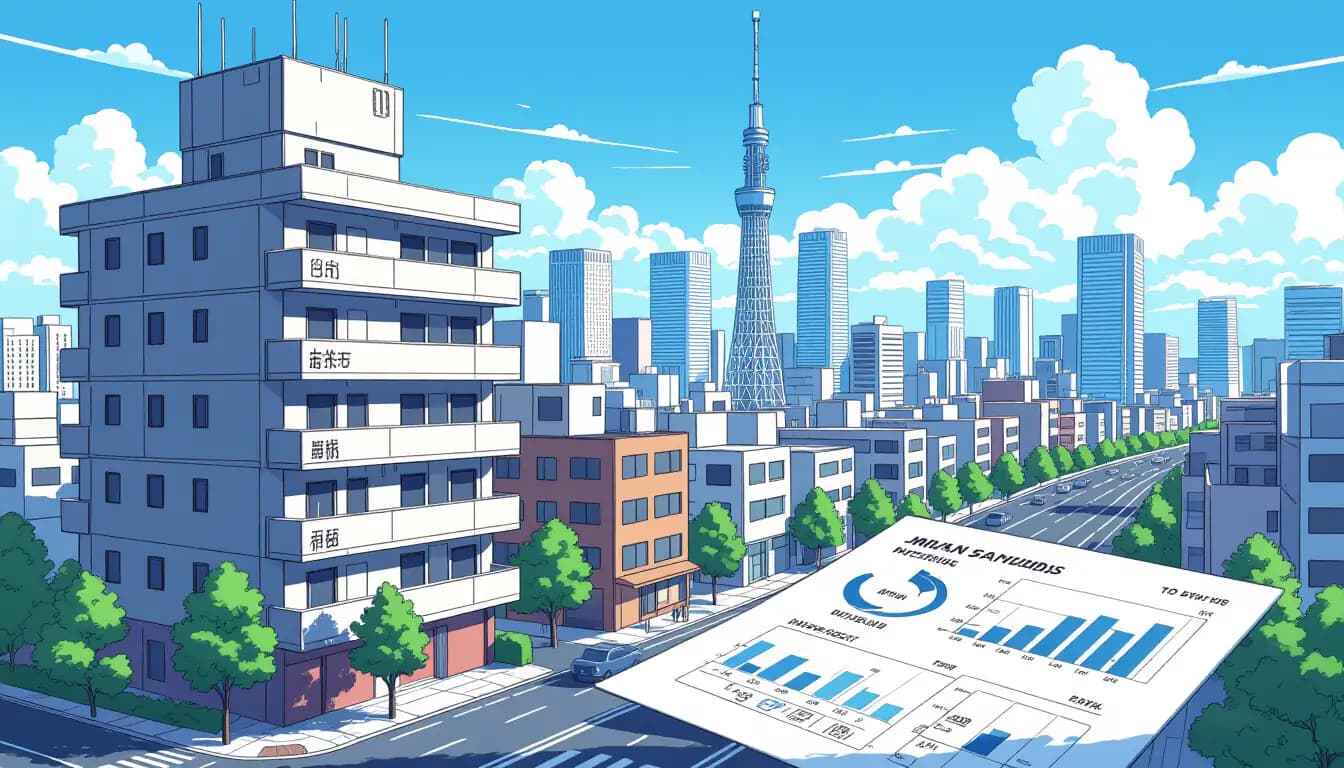
Japan real estate investment guide for foreigners
Why Foreigners Are Investing in Japan Real Estate
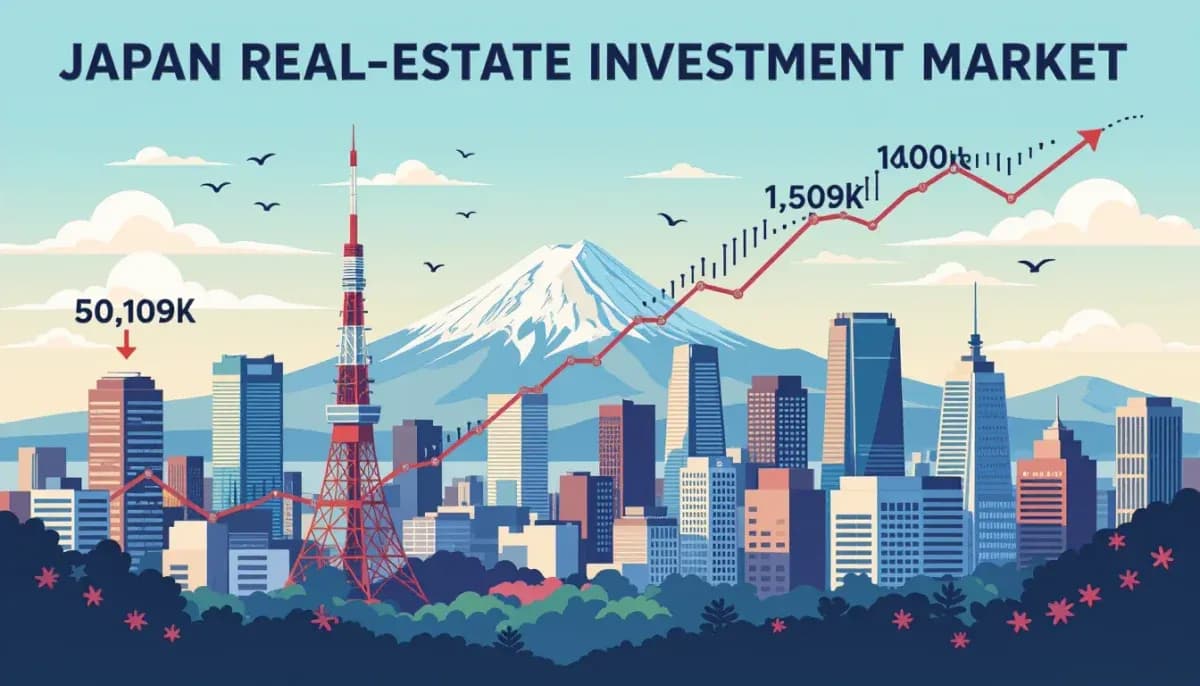
Foreign investment in Japan's real estate market has grown dramatically in recent years. In 2024, investment in Japanese residential assets by foreign entities rose 18% year-over-year to reach JPY 740 billion (approximately $5 billion USD). By 2025, over 27% of all property purchases in Japan were made by international investors, up from just 21% five years earlier.
Several factors are driving this surge:
Weak yen advantage: The prolonged depreciation of the Japanese yen has significantly increased purchasing power for USD, EUR, and AUD buyers. Properties that cost $500,000 USD a decade ago may now be accessible for considerably less.
Full foreign ownership rights: Japan grants foreigners the same property ownership rights as Japanese citizens. There is no requirement for permanent residency, a special visa, or citizenship to purchase land or buildings.
Market transparency: Japan's real estate contracts, taxes, and property rights framework is transparent and well-regulated, making non-resident investment far more secure than in many emerging Asian markets.
Attractive yields: Average gross rental yields across Japan stand at 4.34% (Q3 2025), with regional cities like Fukuoka and Sapporo reaching 4.98%.
Strong demand fundamentals: Urban centers like Tokyo and Osaka continue to attract domestic and international migrants, sustaining long-term rental demand.
Japan's real estate market is not uniform. Investment opportunities, yields, and price points vary significantly depending on location.
City
Average Gross Yield
Entry Price (1BR)
Best For
Tokyo
3.59%
¥30M–¥80M
Capital growth, stability
Osaka
4.47%
¥15M–¥40M
Yield, tourism rentals
Fukuoka
4.98%
¥10M–¥25M
High yield, growing market
Sapporo
4.98%
¥8M–¥20M
Ski resort, seasonal rentals
Kyoto
3.5%–4.5%
¥20M–¥60M
Tourism, cultural appeal
Niseko (Hokkaido)
5%–8% (seasonal)
¥30M–¥150M
Ski resort investment
Rural / Akiya
Varies
¥500K–¥5M
Ultra-low entry, renovation
Tokyo remains the flagship investment destination, with in Chiyoda, Shibuya, and Minato wards seeing 20–40% of new apartments purchased by foreign buyers. Prices in greater Tokyo averaged ¥104.85 million for new apartments in March 2025 — a 37.5% year-over-year increase — though the secondary market offers more accessible entry points.
Osaka provides a vibrant rental market with a lower entry point than Tokyo, driven by a strong student population, a thriving tourism sector, and upcoming infrastructure investments including the 2025 Expo legacy development.
Fukuoka and Sapporo are increasingly popular with yield-focused investors, offering near-5% gross returns in growing cities with solid fundamentals.
Niseko, Hokkaido is a world-class ski resort destination attracting premium international buyers. Seasonal rental yields can be exceptional, though properties are highly seasonal and management-intensive.
There are several distinct approaches to investing in Japanese real estate as a foreigner, each with different risk profiles, management demands, and return potential.
1. Long-Term Residential Rental
The most common strategy. You purchase a residential apartment or house and rent it out on a standard 2-year lease to a Japanese or foreign tenant. This generates steady monthly income with relatively low management intensity (especially with a property management company).
Best for: First-time foreign investors, those seeking passive income
Typical yield: 3–5% gross in major cities
Management: Property management companies charge 5–10% of monthly rent
2. Short-Term Rental / Minpaku
Japan's minpaku law (2018) allows short-term rentals of up to 180 days per year nationwide. Some municipalities allow more or less. This strategy works best for properties in high-tourist areas like Kyoto, Osaka, Namba, or ski resort towns.
Important: Many condominium buildings ban minpaku entirely in their building rules. Always verify before purchasing for this purpose.
Best for: Properties in tourist hotspots
Potential yield: Higher than long-term rental, but more variable and management-intensive
Restrictions: 180-day national cap; condo association rules may prohibit
3. Value-Add / Renovation
Japan has over 8 million vacant homes (akiya). Many are available at extremely low prices — sometimes under ¥1 million — particularly in rural areas. Investors buy, renovate, and either sell at a profit or rent. The Japanese government actively encourages this through akiya bank programs.
Best for: Hands-on investors comfortable with Japanese renovation processes
Entry cost: Can be very low (¥500K–¥5M for the property)
Risk: Renovation costs can be significant; rural rental demand is limited
Japan has a well-developed J-REIT market offering foreign investors exposure to Japanese commercial real estate without the complexities of direct property ownership. J-REITs are listed on the Tokyo Stock Exchange and can be purchased through most international brokerages.
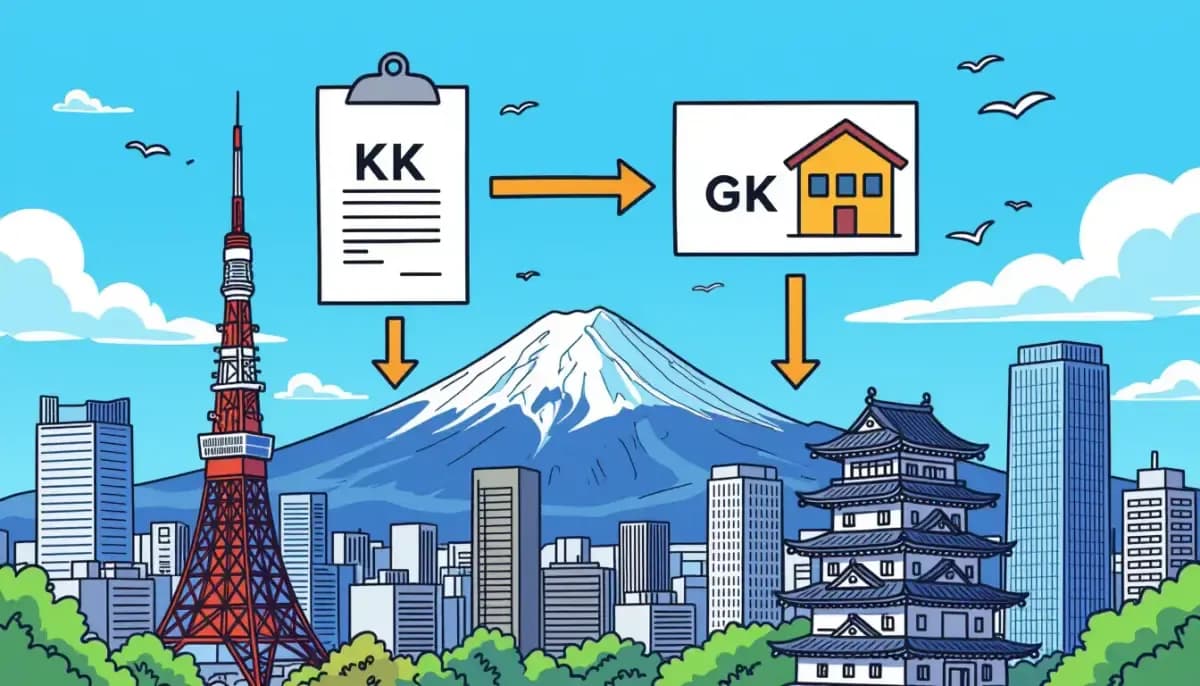
For direct commercial investment, establishing a Japanese GK (Godo Kaisha — similar to an LLC) can facilitate financing and provide structural benefits for larger portfolios.
Financing Options for Foreign Real Estate Investors
Financing is one of the most significant hurdles for non-resident foreign investors in Japan. Most major Japanese banks restrict lending to residents with Japanese income. However, options exist:
Banks that serve foreign buyers:
SMBC Trust Bank PRESTIA: Explicitly designed to serve foreign borrowers; offers mortgages to non-residents with overseas income
Tokyo Star Bank: Another option for foreign residents and non-residents
Overseas banks: Some international banks with Japan operations (Citibank, HSBC) may lend against Japanese property
Mortgage conditions for well-qualified foreign residents:
Interest rates: 0.6%–1.5% (variable), some fixed-rate options available
Loan-to-value: Typically 70–80% for residents; lower or unavailable for non-residents
Income requirements: Usually Japanese income or provable overseas income
For non-residents, cash purchase is the most common route. The weak yen has made this increasingly viable for buyers with strong home currencies.
For more guidance on the housing infrastructure for foreign buyers, Living in Nihon's property and mortgage guide provides a thorough overview of the purchase and financing process.
Understanding Investment Costs and Taxes
Buying costs and ongoing taxes are an important part of the investment calculation.
Acquisition Costs
Brokerage fee: ~3.3–3.5% of purchase price (if using an agent)
Total closing costs: 6–10% through a broker, or 4–8% buying from a developer directly
Registration / judicial scrivener fees: ~1–2%
Real estate acquisition tax: One-time tax at ~3–4% of assessed value
Stamp duty: ¥10,000–¥600,000 depending on contract value
Annual Holding Costs
Fixed asset tax: ~1.4% of assessed value (lower than market value)
City planning tax: ~0.3% of assessed value
Total annual property taxes: Approximately 0.8–1.7% of market value
Property management fees: 5–10% of monthly rent if outsourced
Building maintenance fees (kanrihi): Monthly fee for shared building facilities
Tax on Rental Income
Residents in Japan: Rental income taxed as ordinary income (5–45% progressive rate) plus 10% inhabitant tax
Non-residents: Subject to 20.42% withholding tax on rental income paid by Japanese companies; non-residents must typically appoint a Japanese tax agent
Capital Gains Tax
Short-term gains (property held < 5 years): 39.63% (30% national + 9% local + 0.63% special recovery)
Long-term gains (property held 5+ years): 20.315% (15% + 5% local + 0.315% special recovery)
You can also reference For Work in Japan's housing guide for an overview of housing costs and infrastructure for foreigners living in Japan.
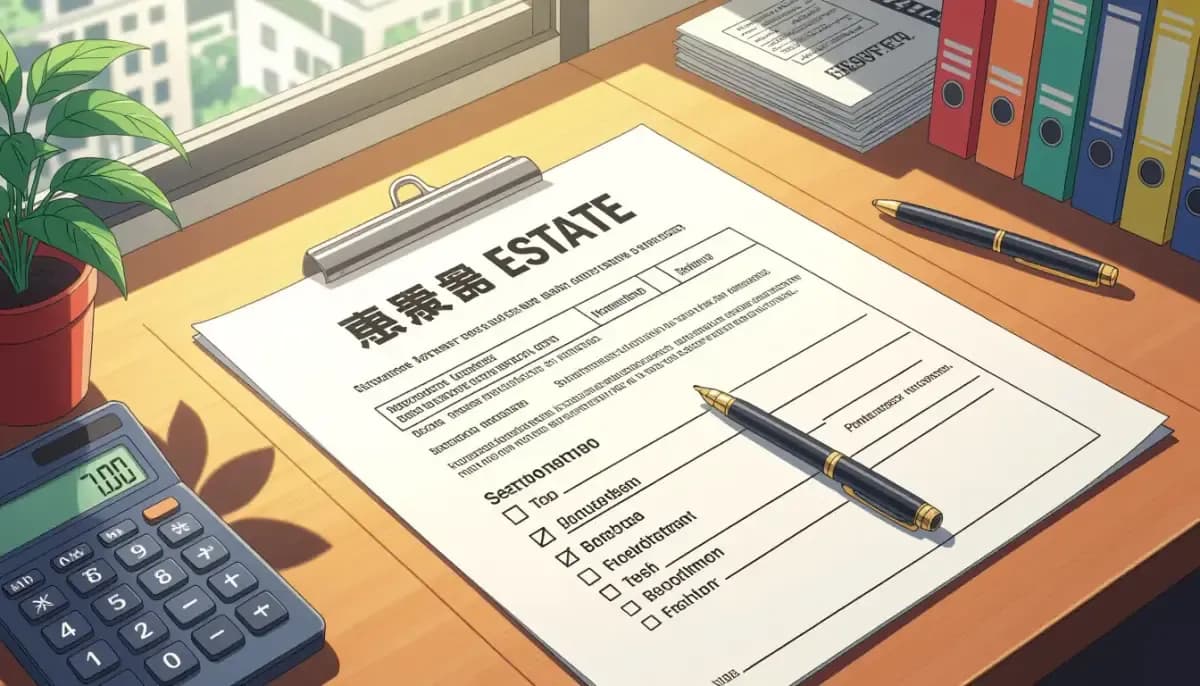
Japan property investment costs and returns
The Investment Purchase Process
The process of purchasing an investment property in Japan follows the same steps as buying a residential property. Key stages include:
Property search: Use platforms like AtHome, SUUMO, LIFULL HOME'S, or specialist foreign-buyer agencies
Offer and negotiation: Submit a purchase offer (kaitsuke moshikomi); negotiate price if needed
Important Explanation (Jyuyo Jiko Setsumeisho): A licensed real estate agent explains all material facts about the property
Sales contract signing: Sign the purchase agreement and pay deposit (typically 10%)
Closing and registration: Final payment, title transfer, and registration at the Legal Affairs Bureau
Critical point: Your name must appear in the official property register (touki) at the Legal Affairs Bureau before ownership is truly secure. Signing a contract alone is not sufficient.
For additional expert perspectives on navigating the investment purchase process, Gaijin Buy House provides resources specifically focused on helping foreign buyers navigate Japan's property market.
Due Diligence Checklist for Investment Properties
Before committing to a Japanese investment property, verify the following:
Title: Obtain the registry certificate (toukibo tohon) from the Legal Affairs Bureau and confirm no mortgages, liens, or easements are registered
Building age and condition: Properties built before 1981 may predate Japan's modern earthquake-resistant building codes (the 1981 "New Seismic Standard")
Building inspection report: Japan does not require seller disclosure; hire an independent inspector
Minpaku eligibility: If planning short-term rental, verify building rules allow it and check local municipal restrictions
Rental history: For income properties, request documented tenancy history and current lease terms
Management company: Assess the quality and cost of existing property management
Renovation costs: For older properties, budget for likely plumbing, electrical, and waterproofing updates
Common Mistakes Foreign Investors Make
Understanding pitfalls helps avoid costly errors:
Buying without a Japanese bank account: Open a Japanese bank account before purchasing; it's needed to wire purchase funds
Ignoring building age: Properties built pre-1981 carry higher seismic risk and lower valuations
Overestimating Airbnb income: The 180-day cap and building restrictions often make short-term rental less lucrative than expected
Underestimating renovation costs: Japanese renovation standards are high and can be expensive
No tax agent for non-residents: Non-resident landlords must appoint a Japanese tax agent (zeirishi) or face penalties
Forgetting currency risk: Rental income in yen may lose value if the yen strengthens against your home currency
Is Japan Real Estate Investment Right for You?
Japan real estate offers a compelling combination of legal security, attractive yields, and upside from currency dynamics. The market is particularly well-suited to investors who value:
Transparency and rule of law
Long-term stability over short-term speculation
Diversification away from home-country markets
Access to a top-tier global city (Tokyo) at yields that comparable cities like Sydney or London cannot match
That said, the market rewards preparation. Language barriers, complex bureaucracy, and distance create friction for non-resident investors. Working with reputable local professionals — a bilingual real estate agent, a judicial scrivener, and a tax accountant — is essential.
Japan's real estate investment market is open, transparent, and increasingly attractive to foreign investors. With average yields of 3.5–5% in major cities, no foreign ownership restrictions, and the ongoing advantage of a weak yen, the fundamentals have rarely been more compelling. Whether you're investing in a Tokyo studio apartment for ¥15 million or a Niseko ski chalet for ¥100 million, the key is preparation: understand the costs, the tax implications, the management requirements, and the legal process before you commit.
Start with the area that matches your investment goals, assemble a team of bilingual professionals, and take the time to visit properties in person. Japan rewards patient, well-prepared investors with stable returns and a world-class property ownership experience.