
Renovating Old Houses in the Japanese Countryside

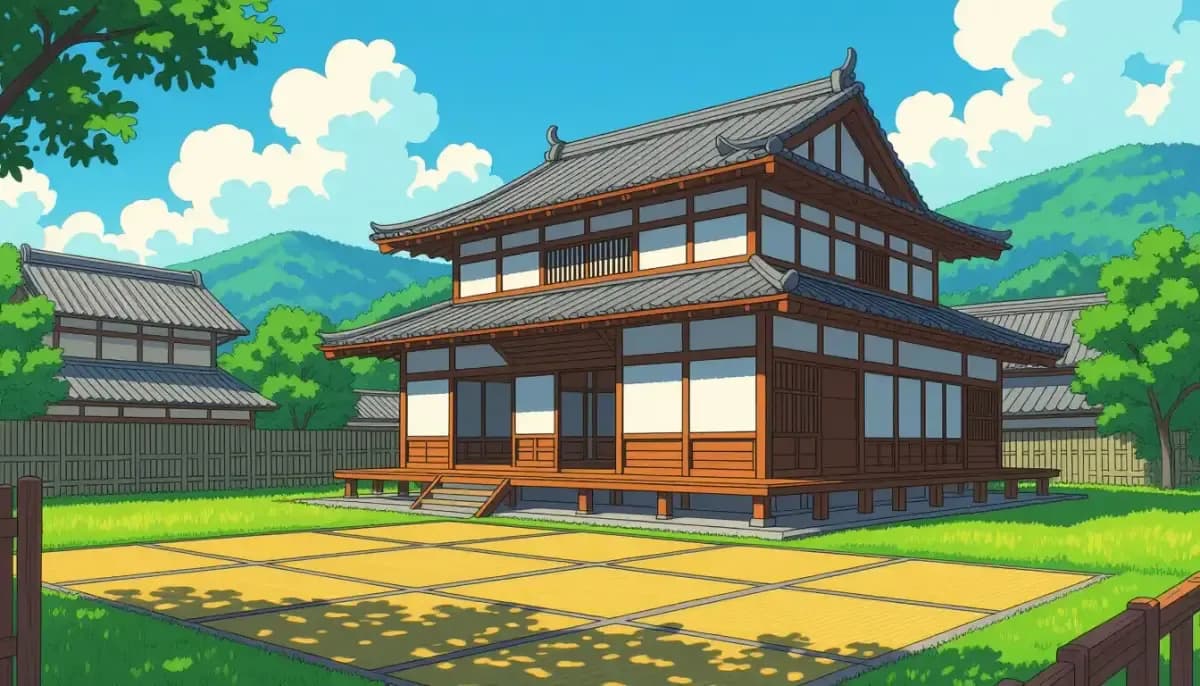
Everything foreigners need to know about renovating old houses in rural Japan: akiya renovation costs, government subsidies, finding contractors, community integration, and common mistakes to avoid.
Renovating Old Houses in the Japanese Countryside: A Complete Guide for Foreigners
There is something deeply compelling about the idea of buying and renovating an old house in the Japanese countryside. Whether it is a crumbling kominka farmhouse with century-old timber beams, a forgotten machiya townhouse in a mountain village, or a simple post-war home left vacant for decades, these properties offer foreigners a rare chance to put down roots in rural Japan at a fraction of urban real estate prices. But the reality of countryside renovation is far more complex than the Instagram-worthy images suggest. This guide walks you through everything you need to know — from pre-purchase inspections and true renovation costs to government subsidies and community integration — so you can approach your project with clear eyes and a realistic budget.
What Is an Akiya and Why Does It Matter for Renovation?
Japan has a well-documented surplus of vacant homes, known as akiya (空き家). As of recent government surveys, more than 8 million properties across Japan sit empty, with the highest concentrations in rural and depopulating prefectures. Many of these homes are structurally sound but cosmetically neglected; others have serious issues with mold, termites, or outdated infrastructure. Understanding the akiya landscape is the first step toward a successful renovation project.
Countryside akiya typically fall into several categories:
- Kominka (古民家): Traditional farmhouses with large thatched or tile roofs, exposed wooden beams, earthen floors, and multiple rooms suited for extended family living. These are the most visually dramatic renovation candidates but often require the most investment.
- Post-war wooden homes (木造住宅): Built in the 1950s–1970s, these are more straightforward to renovate but may not have seismic reinforcement meeting modern standards.
- Reinforced concrete or prefab homes: Less common in rural areas but occasionally available and usually easier to bring up to modern comfort levels.
The key distinction for renovation planning is whether the home was built before or after 1981, when Japan updated its seismic building codes (新耐震基準). Pre-1981 structures may require seismic retrofitting, which adds significant cost but is often subsidized by local governments.
For a broader overview of buying rural property in Japan, see our guide on Rural and Countryside Properties in Japan for Foreigners.
Step-by-Step: The Renovation Process for Foreigners
Renovating an old house in the Japanese countryside involves distinct phases. Rushing any of them — especially the pre-purchase inspection — is one of the most common and costly mistakes foreign buyers make.
Phase 1: Pre-Purchase Assessment
Before you sign anything, invest in a thorough professional inspection. In rural Japan, the following issues are common and can dramatically affect your renovation budget:
- Termite damage (シロアリ被害): Japan's climate is ideal for termites. Infested structural beams may need complete replacement.
- Mold and moisture: Poor insulation and ventilation in older homes leads to pervasive mold, especially in Tohoku, Hokuriku, and other high-precipitation regions.
- Foundation problems: Settling, cracking, or sinking foundations in clay-rich soils.
- Outdated electrical wiring: Pre-1970s homes often have aluminum or cloth-insulated wiring that poses fire risks.
- Septic and water systems: Many rural properties use older septic tanks (浄化槽) that may need upgrading to meet current standards.
Hire a licensed home inspector (建築士 or ホームインスペクター) who can provide a written report. If you cannot read Japanese, engage a bilingual real estate agent or judicial scrivener (司法書士) to help interpret findings and negotiate the purchase price accordingly.
Phase 2: Obtain Permits and Register with the Akiya Bank
Most rural municipalities operate an Akiya Bank (空き家バンク), a registry of vacant properties available for purchase or rent. Registering with the local akiya bank connects you with properties that come with renovation support and sometimes direct municipal subsidies. It also signals to the local community that you are a serious, long-term resident — which matters enormously in rural Japan.
Some municipalities require that buyers commit to living in the property full-time (not using it as a vacation home) to qualify for financial assistance. Confirm these conditions before purchase.
Phase 3: Plan and Budget Your Renovation
Renovation planning for old Japanese houses must prioritize in this order:
- Structural safety — roof, beams, foundation
- Utilities — electrical, plumbing, septic
- Weatherproofing and insulation — especially critical in cold or humid regions
- Living areas — kitchen, bathroom, bedroom
- Cosmetic finishes — flooring, walls, landscaping
Electrical, gas, and septic work must be completed by licensed professionals in Japan. Do not attempt these yourself even if you are a competent DIY renovator in your home country — unpermitted work can invalidate insurance coverage and create legal issues when you sell.
For more on the legal procedures involved in Japanese property transactions, read our article on Legal Procedures and Documentation for Japan Property Purchase.
Renovation Costs: What to Realistically Budget
Cost is where many first-time buyers get a rude awakening. The purchase price of a rural akiya might be ¥1,000,000 or even ¥100,000, but renovation costs will almost always be several times higher. Here is a realistic breakdown:
| Renovation Scope | Typical Cost Range | What's Included |
|---|---|---|
| Minor updates | ¥500,000 – ¥3,000,000 | New wallpaper, flooring, lighting, basic bathroom refresh |
| Mid-level renovation | ¥3,000,000 – ¥5,000,000 | New kitchen, bathroom overhaul, carpentry work |
| Major renovation | ¥5,000,000 – ¥10,000,000 | Full interior remodel, insulation, seismic work |
| Structural overhaul | ¥10,000,000 – ¥25,000,000 | Foundation repair, beam replacement, full skeleton renovation |
| Seismic retrofitting | ¥250,000 – ¥2,000,000 | Structural reinforcement to meet post-1981 standards |
| Insulation upgrade | ¥200,000 – ¥1,200,000 | Modern insulation in walls, floor, ceiling |
| Septic system upgrade | ¥500,000 – ¥1,500,000 | Replacement or upgrade of water treatment system |
A realistic budget for a livable 2–3 bedroom countryside home is ¥6,000,000 – ¥10,000,000 in renovation costs alone, assuming no catastrophic structural surprises. Always budget an additional 20–30% contingency on top of your contractor estimates — hidden problems are virtually guaranteed in homes older than 30 years.
For a complete breakdown of property ownership costs in Japan, see our guide on Property Taxes and Annual Costs of Owning Property.
Government Subsidies and Grants: How to Access Free Money
One of the most compelling reasons to renovate a countryside akiya is the generous financial assistance available from Japanese municipalities eager to attract new residents to depopulating areas. These subsidies can cover 10% to 80% of eligible renovation expenses. The key is knowing what is available and applying before you start work — retroactive claims are almost never accepted.
Key Subsidy Programs
Regional Revitalization Subsidies (地方移住支援補助金) For individuals and families relocating from urban areas to declining population municipalities. Grants range from ¥500,000 to ¥2,000,000. Nagano, Shimane, Tokushima, and Akita are among the most active prefectures. Some programs also offer bonus payments for families with children.
Akiya Bank Purchase and Renovation Support Direct grants of up to ¥2,000,000 for buying and renovating a property registered in the municipal akiya bank. Some municipalities add reduced property tax rates or discounted land.
Energy Efficiency Grants (省エネ改修補助金) Cover 30–50% of costs for installing solar panels, double-glazing, improved insulation, and energy-efficient appliances. Maximum grants typically range from ¥500,000 to ¥1,000,000.
Cultural Property Preservation Grants Available for registered historical homes (including many kominkas). Can cover roof repairs, structural reinforcement, and traditional material restoration. Contact the prefectural Board of Education (教育委員会) or the Agency for Cultural Affairs (文化庁).
Earthquake Retrofitting Subsidies (耐震改修補助金) Cover up to 50% of seismic retrofitting costs, with municipal maximums ranging from ¥1,000,000 to ¥3,000,000.
Some programs allow you to stack multiple grants, significantly reducing out-of-pocket costs. However, each program has different eligibility criteria, documentation requirements, and approved contractor lists. Work with a local bilingual real estate agent or municipal consultant (市町村の移住担当者) to identify all programs you qualify for.
For more information on financing your property purchase, see our guide on Mortgages and Home Loans for Foreigners in Japan.
You can find comprehensive guides for foreigners living in Japan at Living in Nihon, covering practical topics for expats making Japan their home.
Hiring Contractors: Finding Reliable Workers in Rural Japan
Finding good contractors is often harder than finding the property itself. In rural areas, the pool of licensed tradespeople is small and skilled craftsmen are often booked months in advance. Here are strategies that work:
Ask the akiya bank or local city hall. Municipalities that actively promote akiya renovation often maintain lists of approved local contractors familiar with renovation subsidy paperwork.
Use a renovation coordinator (リノベーションコーディネーター). These specialists manage contractor relationships, interpret plans, and handle subsidy applications on your behalf. Their fees are typically 5–10% of total project cost but can save enormous headaches for foreigners unfamiliar with Japanese business practices.
Work directly with local craftspeople. For kominka renovation especially, traditional Japanese carpenters (宮大工 or 大工) have skills that general contractors lack. Direct relationships with craftspeople often produce better results than using large general contractors as intermediaries, though communication requires Japanese language ability or a trusted interpreter.
Visit the work site frequently. Language barriers are reduced when you can physically point to what you want. Regular site visits also catch errors before they become expensive fixes.
Be wary of contractors who offer extremely low bids — in rural Japan, this often means they plan to subcontract the work to less experienced teams or cut corners on materials. For practical guidance on settling into Japan as a foreign worker or resident, For Work in Japan offers useful resources.
Integrating into Rural Japanese Community Life
The renovation project is only half the challenge. Rural Japanese communities are tight-knit, and your relationship with neighbors will determine whether your country life is fulfilling or isolating. Getting this right from the start makes a profound difference.
Introduce yourself with a gift (挨拶回り). Before or shortly after moving in, visit your immediate neighbors with a small wrapped gift (temiyage). A brief self-introduction in simple Japanese — even if imperfect — is enormously appreciated and sets the right tone.
Join the neighborhood association (自治会 or 町内会). This is how rural communities coordinate garbage collection schedules, local festivals, disaster preparedness, and road maintenance. Participating shows genuine commitment to the community and opens doors to practical help with your renovation.
Learn the local rhythms. Countryside life follows seasonal patterns — rice planting in spring, harvests in autumn, snow clearance in winter. Participating in communal activities builds goodwill faster than anything else.
Expect a car. Rural Japan has minimal public transport. You will need a car (and possibly snow tires if in northern or mountainous regions) to handle daily errands, hardware store runs during renovation, and emergencies.
Consider renting nearby first. Living in the area for 3–6 months before committing to a purchase and renovation lets you experience all four seasons, understand which neighborhoods suit you, and build initial community relationships before you are tied to a specific property.
Common Mistakes to Avoid
Many foreigners who attempt countryside renovation projects encounter the same avoidable pitfalls:
- Underestimating costs. The low purchase price of an akiya creates false confidence. Always get three contractor quotes and assume you will spend more.
- Skipping pre-purchase inspection. Termite damage and foundation issues discovered after purchase become your problem. Spend ¥50,000–¥100,000 on a proper inspection before signing.
- Applying for subsidies after starting work. Most programs require prior approval. Once you start without approval, you lose eligibility.
- Ignoring building regulations. Demolishing walls, adding rooms, or changing the use of a structure often requires building permits. Unpermitted renovations complicate future sales and can incur fines.
- Choosing isolation over community. Foreigners who treat their rural property as a retreat disconnected from the community often find the experience lonely and logistically difficult. Engage genuinely with your neighbors from day one.
To understand your full rights and options as a foreign property buyer, see our comprehensive guide on Can Foreigners Buy Property in Japan? Legal Rights and Restrictions.
For more detailed renovation cost data and case studies, Gaijin Buy House offers practical guides specifically for foreign buyers navigating the Japanese real estate market.
Is Renovating a Countryside House Worth It?
For the right person, absolutely. A carefully planned akiya renovation in rural Japan can yield:
- A beautiful, spacious home at a fraction of urban prices
- A genuine connection to traditional Japanese architecture and culture
- A sustainable, lower-cost lifestyle with strong community ties
- Access to government subsidies that significantly reduce renovation expenses
- Long-term property value in areas increasingly attractive to remote workers and international buyers
The ideal candidate is someone with patience, a realistic budget, basic Japanese language skills or a strong local support network, and genuine interest in rural community life. If you approach the project as an adventure with clear-eyed expectations about costs and challenges, renovating an old house in the Japanese countryside can be one of the most rewarding experiences Japan has to offer.
For more resources on buying and renovating rural property in Japan, explore the guides at Old Houses Japan and Akiya & Inaka, two of the best English-language resources for foreigners pursuing countryside living.
See also our related guide: Step-by-Step Home Buying Process in Japan for Foreigners.

Originally from Vietnam, living in Japan for 16+ years. Graduated from Nagoya University, with 11 years of professional experience at Japanese and international companies. Sharing information about buying property in Japan for foreigners.
View Profile →Related Articles
Japan Depopulation Areas: Opportunity vs Risk for Property Buyers
Explore the real opportunities and serious risks of buying property in Japan's depopulation zones. From ¥2M akiya prices to renovation costs, resale challenges, and which areas show genuine potential for foreign buyers.
Read more →
Access and Transportation in Rural Japan: What Property Buyers Should Know
Everything foreign property buyers need to know about access and transportation in rural Japan — car dependency, train coverage, license requirements, and how transport affects property values.
Read more →
Best Rural Prefectures in Japan for Foreign Buyers
Discover the best rural prefectures in Japan for foreign property buyers. Compare Nagano, Niigata, Tohoku, Oita, and more — with prices, subsidies, and practical tips for buying countryside property in Japan.
Read more →
Self-Sufficient Living in Rural Japan: A Foreigner's Guide
Discover how foreigners can build a self-sufficient lifestyle in rural Japan — from akiya housing and farming to community integration, relocation subsidies up to ¥3M, and remote work strategies.
Read more →
Integrating into Rural Japanese Communities as a Foreign Buyer
A complete guide for foreign buyers on integrating into rural Japanese communities: chonaikai participation, moving-in etiquette, waste rules, government relocation incentives, and how to build genuine relationships in inaka Japan.
Read more →
Internet and Infrastructure in Rural Japan for Remote Workers
Complete guide to internet options in rural Japan for remote workers: fiber, Starlink, home routers, coverage maps, costs, and practical setup tips for foreigners.
Read more →