
Riverside and Lakeside Properties in Japan for Foreigners

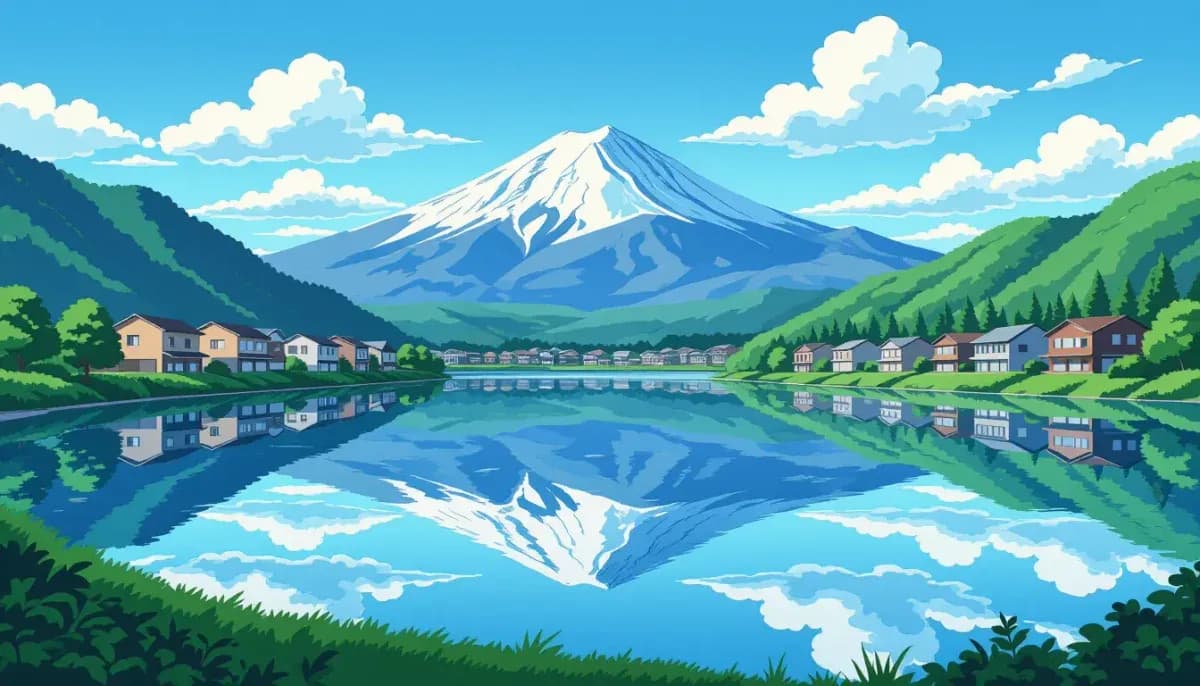
A complete guide to buying riverside and lakeside properties in Japan as a foreigner. Discover the best locations, pricing, flood risks, financing options, and step-by-step purchase process for waterfront real estate.
Riverside and Lakeside Properties in Japan for Foreigners
Japan's natural landscapes — winding rivers, tranquil lakes, and misty mountain valleys — offer some of the most scenic real estate opportunities in Asia. For foreign buyers seeking a peaceful retreat, an investment property, or a permanent home away from the urban bustle, riverside and lakeside properties in Japan present a compelling option. Whether you dream of waking up to the gentle sound of the Shimanto River or gazing at Mount Fuji's reflection in a Yamanashi lake, this guide covers everything you need to know about finding and buying waterfront property in Japan as a foreigner.
Can Foreigners Buy Riverside and Lakeside Property in Japan?
Yes — Japan is one of the most foreigner-friendly countries in Asia when it comes to real estate ownership. Foreign nationals can buy land and buildings outright, including waterfront and riverside properties, without any special visa, residency, or citizenship requirement. The purchase process for foreigners is essentially identical to that for Japanese citizens.
This open policy makes Japan particularly attractive compared to neighboring countries that impose strict restrictions on foreign land ownership. Whether you are an expat living in Japan, a non-resident investor, or someone looking for a holiday home, you have the same legal rights as a Japanese buyer.
For a comprehensive overview of property ownership rights, see our complete guide to buying property in Japan as a foreigner and the detailed page on legal rights for foreigners in Japanese real estate.
Best Locations for Riverside and Lakeside Properties
Japan's diverse geography means there are excellent waterfront options across the country, from alpine lakes to rural rivers.
Lake Biwa (Shiga Prefecture)
Lake Biwa is Japan's largest freshwater lake and one of the most desirable lakeside property destinations in the country. Located in Shiga Prefecture just east of Kyoto, towns like Takashima and Nagahama offer genuine lakeside living with the significant advantage of proximity to Osaka, Kyoto, and Nagoya. Commuter rail links make it possible to live by the lake while working in a major city — a rare combination in Japan.
Shimanto River (Kochi Prefecture, Shikoku)
The Shimanto River in Kochi is famous for being one of Japan's last free-flowing rivers without a large dam. The river valley towns of Shimanto, Kuroshio, and the surrounding rural areas attract buyers seeking a deeply rural, off-grid-adjacent lifestyle. Property prices here are among the most affordable in Japan, and akiya (vacant homes) along the river are available for as little as a few hundred thousand yen.
Nagara River (Gifu Prefecture)
The Nagara River cuts through central Japan's Chubu region, flowing through Gifu City and Mino. This area is famous for traditional cormorant fishing (ukai) and beautiful riverbank scenery. Property here tends to be more affordable than in major cities, and the region is well-connected by highway and rail to Nagoya.
Okuhida Area (Gifu Prefecture)
The Okuhida area in the Japanese Alps offers riverside mountain properties with stunning highland scenery. The Hida region's rivers attract buyers who want four-season alpine living, with skiing in winter and hiking, fly-fishing, and river activities in summer.
Yamanashi Lakes (Fuji Five Lakes)
The Fuji Five Lakes — Kawaguchiko, Yamanakako, Saiko, Shojiko, and Motosuko — offer lakeside properties with iconic views of Mount Fuji. Kawaguchi Lake in particular has seen strong demand from foreign investors and holiday-home buyers. However, prices here are significantly higher than rural alternatives due to tourism demand and proximity to Tokyo (about 90 minutes by highway bus).
Lake Toya and Lake Shikotsu (Hokkaido)
Hokkaido's caldera lakes offer dramatic scenery and a cooler climate. Lake Toya and Lake Shikotsu are surrounded by national park land, limiting construction but creating pristine environments for properties on the lakeside edges. See our dedicated guide to buying property in Hokkaido as a foreigner for more details.
Key Risks and Considerations for Waterfront Properties
Buying near water in Japan requires extra due diligence compared to urban or inland properties. Here are the critical factors to evaluate:
Flood Zone and Tsunami Risk Maps
Japan's municipalities publish detailed hazard maps (ハザードマップ, hazard mappu) showing flood risk, tsunami inundation zones, landslide risk, and more. Before purchasing any riverside or lakeside property, you must review the hazard map for that specific parcel. These maps are available from local municipal offices and increasingly online.
Riverside properties are particularly vulnerable to flooding during typhoon season (June–October) and the spring snowmelt period. Areas near mountain rivers can experience flash floods even without heavy local rain.
Insurance Costs
Insurance for water-adjacent properties is generally higher than for inland properties. Flood insurance in Japan is typically a separate add-on to basic fire insurance and is not always available for high-risk parcels. Confirm insurance availability and cost before finalizing a purchase.
Structural Condition and Salt/Moisture Damage
Properties that have sat vacant near rivers or lakes often suffer from moisture penetration, mold, and in coastal-adjacent areas, salt damage. Always commission a professional property inspection (インスペクション) before purchase. Renovation costs for waterfront properties in poor condition can reach ¥2–10 million or more.
Accessibility in Winter
Remote riverside and lakeside properties in mountainous regions can become difficult or even impossible to access during heavy snowfall. Northern Honshu and Hokkaido properties may require snow removal equipment and year-round road maintenance planning.
For a broader look at rural property considerations, see our guide to rural and countryside properties in Japan for foreigners.
Pricing Overview: What to Expect
The price range for riverside and lakeside properties in Japan varies enormously by location, condition, and proximity to major cities.
| Location | Property Type | Price Range (JPY) | Notes |
|---|---|---|---|
| Lake Biwa (Shiga) | Lakeside house | ¥15M – ¥50M | Near Osaka/Kyoto commuter belt |
| Fuji Five Lakes (Yamanashi) | Holiday home | ¥20M – ¥80M+ | High demand, tourist area |
| Shimanto River (Kochi) | Rural house / akiya | ¥500K – ¥5M | Very affordable, remote |
| Nagara River (Gifu) | Traditional house | ¥3M – ¥20M | Mid-range, good transport |
| Okuhida Alps (Gifu) | Mountain riverside | ¥5M – ¥25M | Alpine setting, seasonal access |
| Lake Toya (Hokkaido) | Lakeside property | ¥8M – ¥40M | Cold winters, limited supply |
Transaction fees (registration taxes, agent fees, stamp duty) typically add ¥300,000–¥700,000 on top of the purchase price. Budget an additional 5–10% of purchase price for total closing costs.
For a full breakdown of costs, see our guide to hidden costs and fees when buying property in Japan.
Financing Options for Foreign Buyers
Getting a mortgage as a non-Japanese resident for a rural or waterfront property can be challenging. Most major Japanese banks require permanent residency (PR) for standard home loans. Lenders who do offer mortgages to non-PR holders typically require a 20–30% down payment, compared to the 5–10% common for Japanese citizens.
Many foreign buyers of rural riverside and lakeside properties purchase with cash or arrange financing in their home country. This is particularly common for lower-priced akiya purchases where the purchase price itself is manageable.
Key financing considerations:
- With Permanent Residency: Standard home loan options available from major banks
- Without PR (work/spouse visa): Some regional banks and foreign-friendly lenders offer loans at higher down payments
- Non-resident buyers: Cash purchase or overseas financing typically required
For a comprehensive look at your options, see our dedicated guide to mortgages and home loans for foreigners in Japan.
The Buying Process: Step by Step
Purchasing a riverside or lakeside property in Japan follows the same general process as any Japanese property transaction, with some additional due diligence steps.
- Define your requirements — location, river vs. lake, budget, intended use (primary residence, holiday home, investment)
- Review hazard maps — flood, landslide, tsunami risk for any shortlisted properties
- Engage a bilingual agent — essential for navigating Japanese-language documents and local agent negotiations
- Property inspection — especially important for older, potentially water-damaged waterfront homes
- Negotiate and sign purchase agreement — includes explanation of important matters (重要事項説明) by a registered judicial scrivener
- Secure financing or prepare funds — arrange cash transfer or mortgage approval
- Complete registration — land transaction registration and transfer of title
- Post-purchase setup — insurance, utilities, any necessary renovation
For the complete step-by-step walkthrough, see our guide on the step-by-step home buying process in Japan for foreigners.
Finding Riverside and Lakeside Properties: Resources
Finding waterfront akiya and rural properties requires going beyond standard real estate portals:
- Local municipal akiya banks — many towns with riverside and lakeside properties maintain their own lists of vacant homes available at low prices or even for free
- Old Houses Japan (oldhousesjapan.com) — a specialist platform for waterfront akiya with hazard map analysis: Where to Find Waterfront Akiya in Japan
- SUUMO and At Home — Japan's major property portals, available in Japanese; bilingual agents can help search these
- Regional real estate agents — local agents near Lake Biwa, Shimanto River, and other popular areas often have unlisted properties
For broader context on housing and living in Japan as a foreigner, the resources at Living in Nihon's property and mortgage guide and For Work in Japan's housing infrastructure guide are excellent starting points.
Tips for Foreign Buyers of Waterfront Properties
- Always check the hazard map first — do this before falling in love with a property. Municipal hazard maps are authoritative and freely available.
- Budget for renovation — virtually all affordable riverside/lakeside properties in Japan need work. The cheapest properties often need ¥5–10M in renovation.
- Visit in multiple seasons — a riverside property that is idyllic in autumn may flood in July or be cut off by snow in February.
- Confirm road access and utilities — some rural waterfront properties have limited road access and may not be connected to municipal sewage.
- Understand the riparian rules — in Japan, rivers and lakes are public land managed by national or prefectural authorities. Riverbank access and dock construction require permits.
- Work with bilingual specialists — legal and municipal documentation is in Japanese. A bilingual agent or licensed real estate professional is not optional for most foreign buyers.
For more tips tailored to expat buyers, see 17 tips for foreigners buying real estate in Japan and the comprehensive foreigner property guide at Gaijin Buy House.
Property Taxes and Ongoing Costs
Owning a riverside or lakeside property in Japan involves ongoing annual costs beyond the mortgage or purchase price:
- Fixed Asset Tax (固定資産税): Approximately 1.4% of assessed value annually
- City Planning Tax (都市計画税): Up to 0.3% in designated urban planning areas (many rural areas exempt)
- Insurance: Fire insurance required for mortgaged properties; flood insurance recommended for waterfront
- Maintenance: Water-adjacent properties require more frequent upkeep — roof, exterior walls, drainage
For a full breakdown, see our guide to property taxes and annual costs of owning property in Japan.
Is a Riverside or Lakeside Property in Japan Right for You?
Waterfront properties in Japan offer a lifestyle that is genuinely difficult to find elsewhere — affordable access to pristine natural environments, in a safe and culturally rich country with excellent infrastructure. However, they require more research, more patience, and often more renovation budget than urban properties.
The sweet spot for most foreign buyers is a mid-range property (¥3–15 million) in a semi-rural location with good regional transport links, a reviewable hazard map showing manageable flood risk, and a renovation scope that doesn't exceed your budget and timeline.
Japan's real estate market rose 7.2% nationally in 2025, and rural waterfront properties remain some of the best value-for-money opportunities available — especially compared to coastal and lakeside real estate in Europe, Australia, or North America.
If you are exploring property types beyond waterfront, our complete guide to types of properties in Japan covers everything from machiya townhouses to modern condominiums.

Originally from Vietnam, living in Japan for 16+ years. Graduated from Nagoya University, with 11 years of professional experience at Japanese and international companies. Sharing information about buying property in Japan for foreigners.
View Profile →Related Articles
Japan Depopulation Areas: Opportunity vs Risk for Property Buyers
Explore the real opportunities and serious risks of buying property in Japan's depopulation zones. From ¥2M akiya prices to renovation costs, resale challenges, and which areas show genuine potential for foreign buyers.
Read more →
Access and Transportation in Rural Japan: What Property Buyers Should Know
Everything foreign property buyers need to know about access and transportation in rural Japan — car dependency, train coverage, license requirements, and how transport affects property values.
Read more →
Best Rural Prefectures in Japan for Foreign Buyers
Discover the best rural prefectures in Japan for foreign property buyers. Compare Nagano, Niigata, Tohoku, Oita, and more — with prices, subsidies, and practical tips for buying countryside property in Japan.
Read more →
Self-Sufficient Living in Rural Japan: A Foreigner's Guide
Discover how foreigners can build a self-sufficient lifestyle in rural Japan — from akiya housing and farming to community integration, relocation subsidies up to ¥3M, and remote work strategies.
Read more →
Renovating Old Houses in the Japanese Countryside
Everything foreigners need to know about renovating old houses in rural Japan: akiya renovation costs, government subsidies, finding contractors, community integration, and common mistakes to avoid.
Read more →
Integrating into Rural Japanese Communities as a Foreign Buyer
A complete guide for foreign buyers on integrating into rural Japanese communities: chonaikai participation, moving-in etiquette, waste rules, government relocation incentives, and how to build genuine relationships in inaka Japan.
Read more →