
Mountain Properties in Japan: A Guide for Foreign Buyers

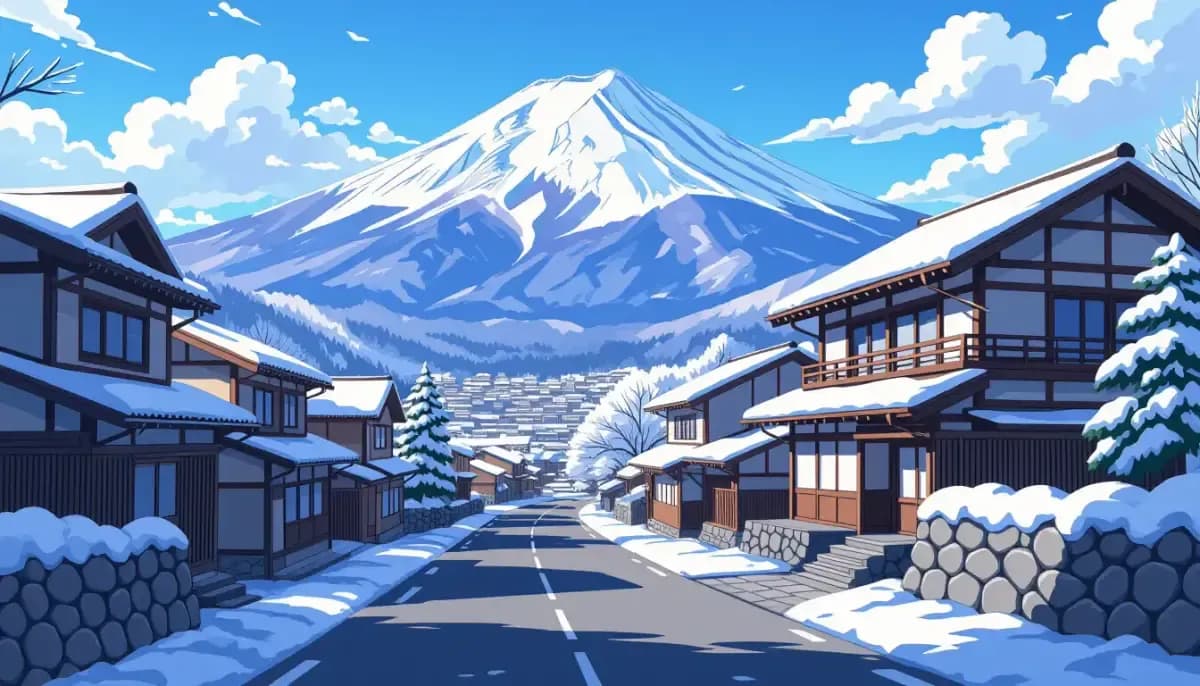
Complete guide to buying mountain property in Japan as a foreigner. Covers Niseko, Hakuba, financing, costs, rental rules, and the step-by-step purchase process.
Mountain Properties in Japan: A Guide for Foreign Buyers
Japan's mountain regions offer some of the most breathtaking real estate opportunities in Asia. From world-class ski resorts in Hokkaido to tranquil highland retreats in Nagano, buying mountain property in Japan as a foreigner is not only legal but increasingly accessible. With the Japan Mountain and Ski Resort Market valued at USD 863 million in 2024 and projected to reach USD 2.4 billion by 2035 (CAGR of 9.8%), now is an exceptional time to explore mountain property ownership in Japan.
Whether you dream of a ski chalet in Niseko, a traditional farmhouse in the Japanese Alps, or a rural retreat surrounded by cedar forests, this guide walks you through everything you need to know about buying mountain property in Japan as a foreigner.
Can Foreigners Buy Mountain Property in Japan?
The short answer is yes — and with very few restrictions. Japan grants foreigners the same legal rights to purchase and own property, including land, as Japanese nationals. There is no visa requirement, no residency prerequisite, and no ownership quota. Even tourists can legally purchase property in Japan.
However, mountain and rural properties introduce a few additional considerations:
- Agricultural or forest land classified under Japan's Farmland Act or Forest Act requires special permission under the Foreign Exchange and Foreign Trade Act (FEFTA). Most mountain resort properties — condominiums, chalets, and residential plots — are not affected by this rule, but raw forested land may require additional approval.
- As of July 1, 2025, large land transactions require disclosure of the buyer's nationality for national security screening. Routine residential and resort purchases are largely unaffected by this new rule.
- Finance Ministry notification must be filed within 20 days of contract signing for most property purchases by non-residents.
For a comprehensive overview of the legal framework, see our complete guide to buying property in Japan as a foreigner and the specific article on legal rights and restrictions for foreign buyers.
Top Mountain Property Markets for Foreign Buyers
Japan has 466 operating ski resorts, concentrated primarily in Hokkaido, Nagano, and Niigata. Among these, three destinations dominate foreign buyer interest:
Niseko, Hokkaido
Niseko is Japan's most internationally recognized ski resort and the top destination for foreign mountain property buyers. Located on Hokkaido's southwestern coast, Niseko receives some of the world's best powder snow and has attracted significant investment from Australian, Hong Kong, Singaporean, and Chinese buyers over the past two decades.
Key facts about Niseko:
- Premium property prices: condominiums range from ¥30 million to over ¥200 million for luxury ski-in/ski-out units
- Strong short-term rental demand during ski season (December–March) and summer green season
- Local governments are tightening zoning regulations to preserve regional character
- Hokkaido is described as "much less English-friendly than even Tokyo" — bilingual agents are essential
Hakuba, Nagano
Hakuba Valley in Nagano Prefecture is home to 10–11 interconnected ski resorts and hosted alpine events during the 1998 Winter Olympics. It offers a blend of traditional Japanese village atmosphere and international resort amenities.
- More affordable than Niseko, with entry-level chalets from ¥10–30 million
- Growing Australian expat community with established English-language services
- Year-round appeal: hiking, mountain biking, and cultural tourism in non-ski months
- Strong connectivity to Tokyo via the Hokuriku Shinkansen (approximately 1.5–2 hours)
Nozawa Onsen, Niigata
Nozawa Onsen is a traditional onsen (hot spring) village with a well-preserved historic atmosphere. Less developed than Niseko or Hakuba, it appeals to buyers seeking authentic Japanese mountain culture.
- Significantly lower property prices than Niseko or Hakuba
- Traditional machiya (townhouse) and kominka (old farmhouse) properties available
- Strong community character with active neighborhood associations (a factor buyers should be prepared for)
- One of Japan's most famous onsen towns, attracting domestic and international tourists year-round
Pricing Guide: Mountain Properties in Japan
| Property Type | Location | Price Range | Annual Holding Cost |
|---|---|---|---|
| Studio/1BR ski condo | Niseko | ¥15M–¥50M | ¥300K–¥800K |
| 2–3BR chalet | Niseko | ¥50M–¥150M | ¥800K–¥2M |
| 2BR ski apartment | Hakuba | ¥8M–¥30M | ¥150K–¥500K |
| Traditional farmhouse (akiya) | Rural mountain | ¥2M–¥10M | ¥100K–¥300K |
| Mountain plot (land only) | Various | ¥5M–¥40M | ¥70K–¥200K |
| Luxury resort villa | Niseko/Hakuba | ¥100M–¥500M+ | ¥2M–¥10M+ |
Annual holding costs include property tax (approx. 1.4% of assessed value), city planning tax (0.3%), and basic maintenance. Mountain properties often have higher snow removal and maintenance costs.
Approximately 9 million vacant properties (akiya) exist across Japan, many concentrated in mountain and rural areas. Some akiya are available for as little as ¥2–6 million, with a handful offered at no cost by municipalities seeking to revitalize depopulated villages. However, renovation costs for these older properties typically run ¥5–15 million for a full renovation, with seismic reinforcement alone costing ¥1–3 million.
For more on rural and discounted properties, see our guide to rural and countryside properties in Japan for foreign buyers.
Financing Mountain Property: What Foreigners Need to Know
Financing is one of the biggest challenges for foreign buyers of mountain property in Japan. Most major Japanese banks will not extend mortgages to non-permanent residents. In practice, this means:
- Cash purchases are the most common route for foreign buyers
- Exceptions exist: SMBC Trust Bank PRESTIA and Tokyo Star Bank explicitly offer mortgage products to foreign residents
- Some smaller regional banks may lend to foreigners with long-term employment in Japan
- International wire transfers typically require 2–3 weeks for anti-money laundering verification — plan ahead
If you are a permanent resident or have a Japanese spouse, your financing options improve significantly. Our dedicated guide on mortgages and home loans for foreigners in Japan covers all financing pathways in detail.
For those who do qualify for a mortgage, current rates are approximately 0.7% (variable) to 1.9% (fixed 35-year) — among the lowest in the developed world.
Transaction Costs and Taxes
Buying mountain property in Japan involves the same transaction costs as any other Japanese real estate purchase. Budget for:
| Cost Item | Amount |
|---|---|
| Agent commission | 3% of purchase price + ¥60,000 + tax |
| Registration tax | 2% of assessed value |
| Acquisition tax | 3–4% of assessed value |
| Stamp duty | ¥10,000–¥60,000 (sliding scale) |
| Legal/scrivener fees | ¥100,000–¥150,000 |
| Total transaction costs | Approximately 6–10% of purchase price |
Annual holding costs:
- Property tax: 1.4% of assessed value
- City planning tax: 0.3% of assessed value (in designated urban areas)
- Mountain properties add: snow removal, building maintenance, homeowner association fees
Capital gains tax on sale:
- Held under 5 years: approximately 39% of gain
- Held over 5 years: approximately 20% of gain
For a complete breakdown of all fees and taxes, see our guides on hidden costs and fees when buying property in Japan and property taxes and annual costs of owning property in Japan.
Short-Term Rentals: Key Considerations for Mountain Property Investors
Many foreign buyers of mountain property plan to generate rental income during ski season or summer tourism periods. Before purchasing with investment intent, understand these critical rules:
- National cap: Japan limits short-term rentals (Airbnb-style) to 180 days per year under the Minpaku Law (Private Lodging Business Act)
- Condo building rules: Many resort condominium buildings have stricter rules than national law, with some banning short-term rentals entirely. Always verify the building's management rules (kanri kisoku) before purchasing.
- Local municipal restrictions: Some municipalities, particularly in Niseko and Kyoto-adjacent areas, have imposed additional restrictions on short-term rentals
- Tax implications: Rental income from Japanese property is taxable in Japan; non-resident landlords face a flat 20.42% withholding tax on gross rental income unless they appoint a Japanese tax representative
If rental income is a primary motivation for your purchase, work with an agent and tax professional who specialize in foreign investor transactions.
The Buying Process: Step by Step
The mountain property buying process follows the same general framework as all Japanese real estate purchases, with some additional steps for rural and remote locations:
- Find a bilingual agent — Essential for mountain properties, where local government offices and sellers rarely operate in English
- Obtain pre-purchase documentation — Non-residents need a sworn affidavit (from your home country embassy) and passport
- Property due diligence — Especially important for mountain properties: verify zoning (forest/agricultural designations), snow load ratings, seismic risk, and access road maintenance responsibilities
- Sign the purchase contract (jūyō jikō setsumeisho) — Japanese-language document; ensure you have a licensed interpreter or translator
- Pay deposit — Typically 10% of purchase price
- Register ownership — Legal ownership is secured only upon registration in Japan's official property register (fudōsan tōki)
- File Finance Ministry notification — Required within 20 days of contract signing for non-resident buyers
Our step-by-step home buying process guide for foreigners in Japan provides detailed guidance on each stage.
Practical Considerations for Mountain Property Owners
Owning mountain property in Japan comes with unique practical realities:
Transportation: Public transport is severely limited or nonexistent in most mountain areas outside major ski resorts. A vehicle — ideally a 4WD with winter tires — is essential for year-round access.
Snow load: Mountain properties, especially older structures, must be assessed for snow load capacity. Heavy snowfall areas in Niigata, Hokkaido, and the Japanese Alps receive 3–10 meters of snow annually. Professional snow removal services are a recurring operational cost.
Natural disaster risks: Mountain areas face elevated risks of earthquakes, landslides, and flooding. Verify the property's hazard map status (hazard maps are publicly available from municipal governments) and factor in appropriate insurance.
Community obligations: Rural and mountain communities often have active neighborhood associations (chōnaikai) with participation expectations for snow removal, road maintenance, and local festivals. These obligations are part of the social contract of rural property ownership in Japan.
Language barriers: Outside of internationally developed resorts like Niseko, English support is limited. Budget for translation services, a bilingual agent, and professional property management if you plan to be an absentee owner.
Resources and Further Reading
For additional guidance on buying mountain and regional property in Japan, the following resources are highly recommended:
- Living in Nihon — Complete Buyer's Guide for Foreigners: Comprehensive overview of the entire property purchase process, mortgage options, and legal framework for foreigners
- For Work in Japan: Resources for foreigners building a life in Japan, including visa and residency guidance relevant to property buyers
- Gaijin Buy House — Regional and Rural Property Guide: In-depth coverage of regional and rural real estate markets across Japan, with pricing data and government incentive programs
- Nisade Real Estate — Alpine Property Rules in Hokkaido: Specialist guide on legal and practical rules for buying in Hokkaido's ski resort areas
- Find Hokkaido Agents — Buying Property in Hokkaido as a Foreigner: Practical guidance for navigating Hokkaido's real estate market as a foreign buyer
- Bamboo Routes — Tips for Foreigners Buying Property in Japan: Practical tips covering the full purchase journey
Is Mountain Property in Japan Right for You?
Mountain property in Japan offers a compelling combination of natural beauty, world-class outdoor recreation, cultural authenticity, and — in select markets — strong investment potential. The legal framework is foreigner-friendly, and a growing ecosystem of bilingual agents, property managers, and legal professionals has developed to serve international buyers.
That said, success requires careful planning: understanding financing constraints, rental regulations, seasonal access challenges, and the realities of rural community life. Buyers who engage experienced local professionals, conduct thorough due diligence, and approach the market with realistic expectations consistently report high satisfaction with their Japanese mountain property investments.
For a broader view of Japan's real estate landscape, explore our Japan real estate market overview and trends and our guides to specific regions, including buying property in Hokkaido and rural and countryside properties.

Originally from Vietnam, living in Japan for 16+ years. Graduated from Nagoya University, with 11 years of professional experience at Japanese and international companies. Sharing information about buying property in Japan for foreigners.
View Profile →Related Articles
Japan Depopulation Areas: Opportunity vs Risk for Property Buyers
Explore the real opportunities and serious risks of buying property in Japan's depopulation zones. From ¥2M akiya prices to renovation costs, resale challenges, and which areas show genuine potential for foreign buyers.
Read more →
Access and Transportation in Rural Japan: What Property Buyers Should Know
Everything foreign property buyers need to know about access and transportation in rural Japan — car dependency, train coverage, license requirements, and how transport affects property values.
Read more →
Best Rural Prefectures in Japan for Foreign Buyers
Discover the best rural prefectures in Japan for foreign property buyers. Compare Nagano, Niigata, Tohoku, Oita, and more — with prices, subsidies, and practical tips for buying countryside property in Japan.
Read more →
Self-Sufficient Living in Rural Japan: A Foreigner's Guide
Discover how foreigners can build a self-sufficient lifestyle in rural Japan — from akiya housing and farming to community integration, relocation subsidies up to ¥3M, and remote work strategies.
Read more →
Renovating Old Houses in the Japanese Countryside
Everything foreigners need to know about renovating old houses in rural Japan: akiya renovation costs, government subsidies, finding contractors, community integration, and common mistakes to avoid.
Read more →
Integrating into Rural Japanese Communities as a Foreign Buyer
A complete guide for foreign buyers on integrating into rural Japanese communities: chonaikai participation, moving-in etiquette, waste rules, government relocation incentives, and how to build genuine relationships in inaka Japan.
Read more →