
Best Rural Prefectures in Japan for Foreign Buyers

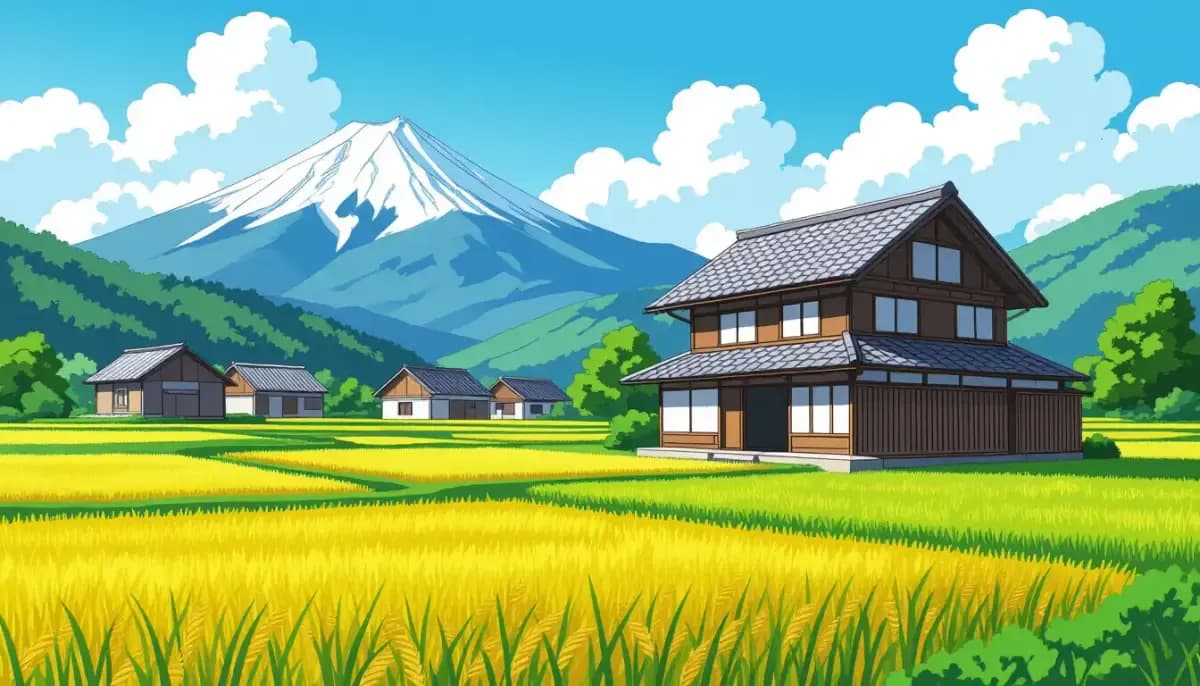
Discover the best rural prefectures in Japan for foreign property buyers. Compare Nagano, Niigata, Tohoku, Oita, and more — with prices, subsidies, and practical tips for buying countryside property in Japan.
Best Rural Prefectures in Japan for Foreign Buyers
Japan's countryside is experiencing a quiet revolution. As millions of vacant homes — known as akiya — sit empty across rural prefectures, foreign buyers are discovering extraordinary opportunities to own a piece of authentic Japan at prices that would be unthinkable in major cities. Whether you dream of a traditional kominka farmhouse surrounded by rice fields, a mountain retreat in the Japanese Alps, or a coastal property on a tranquil peninsula, Japan's rural prefectures offer a remarkable range of options for international buyers.
This guide breaks down the best rural prefectures in Japan for foreign buyers, what makes each one unique, typical price ranges, and the key factors to consider before making your move.
Why Rural Japan Is Attracting Foreign Buyers
Japan currently has approximately 9 million akiya (vacant homes), representing about 13.8% of all residential properties nationwide. Some rural prefectures face vacancy rates exceeding 21%. This staggering number is the result of decades of urbanization, a declining and aging population, and inheritance laws that make it difficult to demolish or sell inherited properties.
For foreign buyers, this creates a once-in-a-generation opportunity. Japan imposes no restrictions on foreign property ownership — no visa, no residency, no citizenship required. You can legally purchase property anywhere in Japan as a foreign national. Combined with aggressive municipal subsidy programs offering purchase grants of ¥500,000–¥2,000,000 and renovation coverage up to 75% of costs, rural Japan has become one of the most accessible real estate markets in Asia for international buyers.
Research institutes project that akiya could exceed 30% of all homes in Japan by 2033, meaning the supply of affordable rural properties is only likely to grow.
For a complete overview of the buying process, see our guide on buying property in Japan as a foreigner.
Top Rural Prefectures for Foreign Buyers
1. Nagano Prefecture — Mountain Living with City Access
Nagano is consistently ranked as the top rural destination for foreign buyers seeking a balance between natural beauty and urban connectivity. The prefecture is home to the Japanese Alps, ski resorts like Niseko-comparable Hakuba, and charming towns like Matsumoto and Karuizawa.
Key advantages:
- Shinkansen access to Tokyo in approximately 90 minutes
- World-class outdoor activities: skiing, hiking, cycling, onsen
- Active akiya subsidy programs from local municipalities
- Towns like Karuizawa attract a large international community
Typical price range: ¥1,000,000–¥10,000,000 for older homes; ¥3,000,000–¥20,000,000 for renovated properties near ski resorts
Municipalities in Nagano actively promote the sale and renovation of akiya through subsidies and newcomer support programs. The combination of four seasons, cultural richness, and proximity to Tokyo makes Nagano the most popular rural prefecture among foreign buyers.
2. Niigata Prefecture — Affordable Countryside with Shinkansen Access
Niigata is the standout choice for buyers who want rural affordability without sacrificing connectivity. The Joetsu Shinkansen puts Niigata City just 2 hours from Tokyo Station, and the ski resort town of Yuzawa is only 70 minutes away.
Key advantages:
- Highly competitive property prices: ¥500,000–¥5,000,000 across the prefecture
- Abundant traditional kominka farmhouses
- Well-established newcomer support programs
- Active akiya bank listings with municipality assistance
Typical price range: ¥500,000–¥5,000,000; some akiya available for ¥100,000 or less
Niigata is known for exceptional rice and sake production, and its rural communities are increasingly welcoming to foreign residents and buyers.
3. Akita and Yamagata Prefectures — Maximum Affordability in Tohoku
For buyers prioritizing affordability above all else, the Tohoku region — particularly Akita and Yamagata — offers Japan's most aggressive combination of low prices and municipal incentives.
Key advantages:
- Properties under ¥500,000 are routine; ¥0 listings appear on municipal akiya banks regularly
- Purchase grants of ¥500,000–¥2,000,000 from local municipalities
- Renovation cost coverage up to 75%
- Family relocation bonuses on top of standard subsidies
- Rich cultural heritage, traditional festivals, and onsen culture
Typical price range: ¥0–¥3,000,000 for basic akiya; ¥500,000–¥8,000,000 for renovated properties
The trade-off is distance from major cities and harsh winters — Akita in particular is famous for heavy snowfall. However, for buyers seeking total immersion in traditional Japanese rural life at minimal cost, the Tohoku region is unrivaled. Learn more about the akiya purchasing process for foreigners.
4. Oita Prefecture (Kyushu) — Warm Climate and High Quality of Life
Oita Prefecture, located in Kyushu, consistently ranks among the top rural destinations for quality of life. Yufu City and Bungotakada City appeared in the top 5 of Japan's 2025 rural town rankings across 587 responding municipalities.
Key advantages:
- Warm climate year-round (significantly milder than Tohoku)
- World-famous hot spring (onsen) culture — Beppu and Yufuin are nearby
- Strong community infrastructure and medical services
- Growing international community in the region
Typical price range: ¥1,000,000–¥15,000,000 depending on proximity to resort areas
Kyushu's combination of affordability, warm weather, and well-developed infrastructure makes it particularly attractive for foreign buyers planning to retire or work remotely in Japan.
5. Shimane and Tottori Prefectures — Deep Rural Tranquility
Located on the San'in Coast of western Honshu, Shimane and Tottori are Japan's least populated prefectures — and among the most affordable for property buyers. Shimane is home to Izumo Taisha, one of Japan's most sacred shrines, while Tottori features dramatic sand dunes and a rugged coastline.
Key advantages:
- Among Japan's lowest property prices
- Generous grants for restoring traditional homes
- Quiet, authentic rural lifestyle with strong community bonds
- UNESCO and culturally significant landscapes
Typical price range: ¥200,000–¥5,000,000; traditional homes available at very low prices
These prefectures are ideal for buyers seeking complete immersion in rural Japan away from tourist crowds. The local governments actively promote foreign migration and offer strong support networks.
6. Wakayama Prefecture — Coastal Properties and Nature
Wakayama, located on the Kii Peninsula south of Osaka, offers a unique combination of coastal properties, deep mountain forests, and UNESCO World Heritage pilgrimage routes (the Kumano Kodo).
Key advantages:
- Proximity to Osaka and Kansai region (1–2 hours by train)
- Coastal and mountain properties available
- Strong municipal incentives for families and entrepreneurs
- Growing popularity as a remote work destination
Typical price range: ¥500,000–¥12,000,000 depending on coastal access and condition
Wakayama is a strong choice for buyers who want rural Japanese life with easy access to one of Japan's major metropolitan areas.
Rural Prefecture Comparison Table
| Prefecture | Region | Min. Price | Tokyo Access | Climate | Best For |
|---|---|---|---|---|---|
| Nagano | Chubu | ¥1,000,000 | ~90 min (Shinkansen) | 4 seasons, snowy winters | Ski/mountain lifestyle |
| Niigata | Chubu | ¥500,000 | ~2 hrs (Shinkansen) | 4 seasons, heavy snow | Affordable + accessible |
| Akita | Tohoku | ¥0–¥500,000 | ~4 hrs (Shinkansen) | Very cold winters | Maximum affordability |
| Yamagata | Tohoku | ¥200,000 | ~2.5 hrs (Shinkansen) | Cold winters | Affordable + culture |
| Oita | Kyushu | ¥1,000,000 | ~5–6 hrs (flight or Shinkansen) | Warm, mild | Quality of life, onsen |
| Shimane | San'in | ¥200,000 | ~7 hrs (train) | Mild, some snow | Deep rural living |
| Wakayama | Kansai | ¥500,000 | ~2–3 hrs (train) | Warm, coastal | Coastal + Osaka access |
| Hokkaido | Hokkaido | ¥500,000 | ~1.5 hrs (flight) | Very cold, heavy snow | Ski resort investment |
Key Factors to Consider When Choosing a Rural Prefecture
1. Transportation and Connectivity
Before purchasing in a rural area, carefully evaluate transportation links. Japan's Shinkansen network provides excellent connectivity from many rural regions to major cities, but areas without bullet train access can feel genuinely remote. Check if the property requires a car for daily errands — many rural areas have minimal public transportation.
2. Municipal Subsidy Programs
Japan's municipal subsidy programs vary significantly by prefecture and city. Always check the local akiya bank and municipal website for:
- Purchase grants (typically ¥500,000–¥2,000,000)
- Renovation subsidies (often covering 50–75% of costs up to a ceiling)
- Child-raising bonuses for families with children
- Business establishment grants for remote workers or entrepreneurs
3. Renovation Requirements
Most affordable rural properties in Japan require significant renovation. Traditional kominka farmhouses can have beautiful architectural details but may need new foundations, updated electrical and plumbing, and insulation upgrades. Budget realistically: renovation costs for a major kominka can range from ¥3,000,000 to ¥20,000,000 or more.
Read our detailed guide on home renovation and remodeling in Japan for foreign owners before budgeting.
4. Community and Language
The further you go from major cities, the less English is typically spoken. Rural communities in Japan tend to be tight-knit and may initially be cautious about foreign newcomers. However, many rural municipalities are now actively welcoming foreign residents and provide support services. Joining local community activities (jichikai neighborhood associations) can help with integration.
5. Natural Disaster Considerations
Japan is one of the world's most seismically active countries. Rural properties — especially older wood-frame homes — may not meet current earthquake safety standards. Check the property's seismic compliance (whether it meets shinsei-taishin standards introduced in 1981) and consider insurance for property owners in Japan carefully.
Getting Started: Practical Steps for Rural Property Buyers
- Identify your target region based on priorities: affordability, climate, access, lifestyle
- Register with local akiya banks — most prefectures and municipalities maintain online databases of available properties
- Contact the municipal office to ask about current subsidy programs for new residents (many require you to establish residency)
- Visit the area before committing — spend at least a week experiencing the local community and infrastructure
- Engage a local real estate agent familiar with foreign buyers and akiya transactions
- Inspect properties thoroughly or hire a building inspector — older rural homes often have hidden issues
For more details on navigating the paperwork and legal process, see our guide on legal procedures and documentation for Japan property purchase.
Additional Resources for Rural Japan Property Buyers
For comprehensive guides to rural property research and purchasing in Japan, the following resources provide valuable information:
- Living in Nihon offers expat-focused guides to life across Japan's regions, including insights on rural living as a foreigner.
- For Work in Japan provides information on working remotely and building a livelihood in Japan's countryside.
- Gaijin Buy House — Regional Cities & Rural Property Guide covers rural and regional property markets specifically for foreign buyers.
- Old Houses Japan publishes detailed prefecture-by-prefecture analysis of affordable old homes.
- Akiya Japan provides a realistic guide to buying cheap countryside homes.
Conclusion
Japan's rural real estate market offers foreign buyers a genuinely unique opportunity: properties at extraordinary prices in some of the world's most beautiful and culturally rich landscapes. Whether you're drawn to Nagano's mountain scenery, Oita's hot spring culture, the deep affordability of Tohoku, or Wakayama's coastal charm, there is a rural prefecture in Japan that matches your vision.
The key is to do your homework — understand the local subsidy programs, transportation links, renovation requirements, and community dynamics before committing. With careful research and the right local support, buying in rural Japan can be one of the most rewarding property decisions of your life.
Ready to explore your options? Start with our complete guide to buying property in Japan as a foreigner and our dedicated guide to rural and countryside properties in Japan.

Originally from Vietnam, living in Japan for 16+ years. Graduated from Nagoya University, with 11 years of professional experience at Japanese and international companies. Sharing information about buying property in Japan for foreigners.
View Profile →Related Articles
Japan Depopulation Areas: Opportunity vs Risk for Property Buyers
Explore the real opportunities and serious risks of buying property in Japan's depopulation zones. From ¥2M akiya prices to renovation costs, resale challenges, and which areas show genuine potential for foreign buyers.
Read more →
Access and Transportation in Rural Japan: What Property Buyers Should Know
Everything foreign property buyers need to know about access and transportation in rural Japan — car dependency, train coverage, license requirements, and how transport affects property values.
Read more →
Self-Sufficient Living in Rural Japan: A Foreigner's Guide
Discover how foreigners can build a self-sufficient lifestyle in rural Japan — from akiya housing and farming to community integration, relocation subsidies up to ¥3M, and remote work strategies.
Read more →
Renovating Old Houses in the Japanese Countryside
Everything foreigners need to know about renovating old houses in rural Japan: akiya renovation costs, government subsidies, finding contractors, community integration, and common mistakes to avoid.
Read more →
Integrating into Rural Japanese Communities as a Foreign Buyer
A complete guide for foreign buyers on integrating into rural Japanese communities: chonaikai participation, moving-in etiquette, waste rules, government relocation incentives, and how to build genuine relationships in inaka Japan.
Read more →
Internet and Infrastructure in Rural Japan for Remote Workers
Complete guide to internet options in rural Japan for remote workers: fiber, Starlink, home routers, coverage maps, costs, and practical setup tips for foreigners.
Read more →