
Japan Inaka (Rural) Living Guide for Foreigners

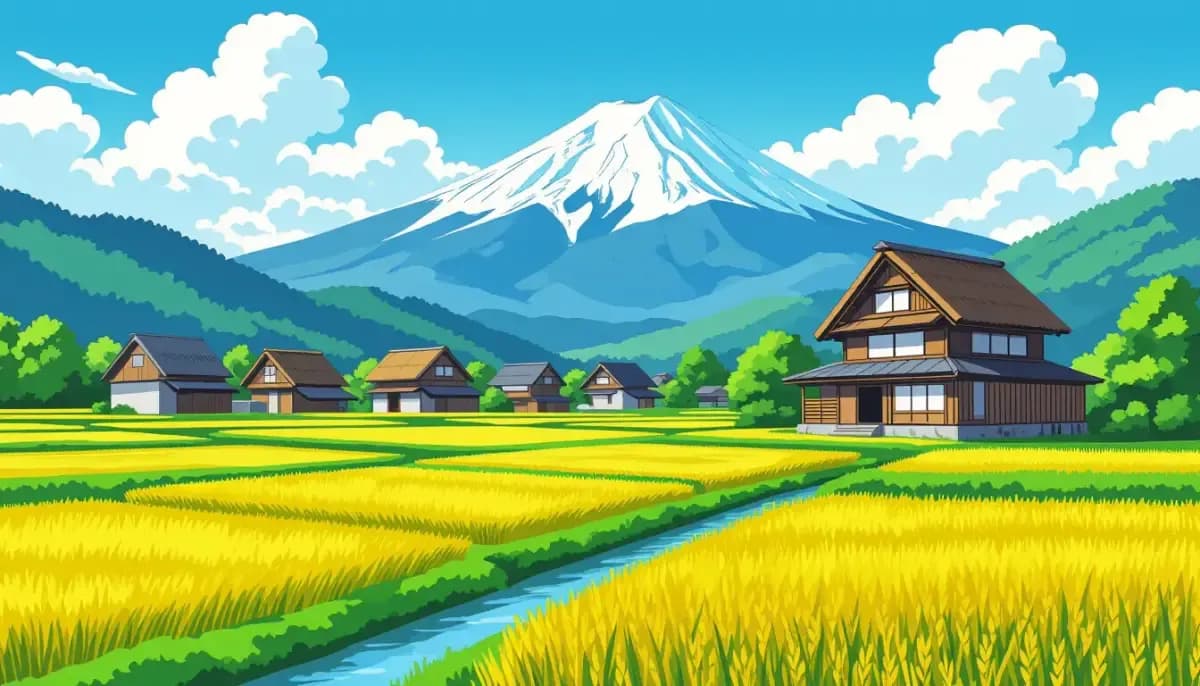
Complete guide to living in rural Japan (inaka) as a foreigner. Covers housing costs, akiya homes, community integration, employment, transportation, and real daily life in the Japanese countryside.
Japan Inaka (Rural) Living Guide for Foreigners
Moving to rural Japan — the "inaka" (田舎) — is one of the most rewarding and challenging decisions a foreigner can make. Away from the neon lights of Tokyo and the bustling streets of Osaka, Japan's countryside offers a completely different way of life: slower, quieter, deeply traditional, and breathtakingly beautiful. Rice paddies stretch to mountain horizons, ancient temples stand in cedar forests, and tight-knit communities preserve centuries-old customs. But rural Japan also demands patience, cultural adaptability, and a willingness to integrate into a social structure unlike anything most Westerners have experienced.
This comprehensive guide covers everything foreigners need to know about inaka living — from finding housing and navigating daily life to understanding community dynamics, employment options, and the real costs involved.
What Is the Inaka? Understanding Rural Japan
The word "inaka" (田舎) literally means "countryside" or "rural area." It broadly describes any place outside Japan's major metropolitan centers — small farming villages, mountain hamlets, fishing towns, and regional cities with populations under 100,000.
Japan's geography shapes inaka life profoundly. About 73% of Japan's land area is mountainous, and rural communities are often nestled in narrow valleys, coastal plains, or highland plateaus. Regions like Tohoku (northern Honshu), Shikoku island, the San-in coast (Shimane and Tottori), and the Kii Peninsula (Wakayama) are quintessential inaka territory. These areas feature spectacular natural beauty but face significant demographic decline.
Japan's Rural Depopulation Crisis
Japan's rural regions are shrinking rapidly. The country had over 9 million vacant homes (akiya/空き家) as of 2023, representing 14% of all residential properties nationwide, according to the Ministry of Internal Affairs and Communications. Wakayama and Tokushima prefectures have the highest vacancy rates, reaching 21.2% in 2023.
This depopulation has created a paradox: rural Japan desperately needs new residents, yet social integration for foreigners remains complex. Many municipalities are actively welcoming foreigners as part of revitalization efforts, offering financial incentives, subsidized housing, and community support programs.
Housing in Rural Japan: Akiya and Beyond
One of the biggest draws of inaka living is housing affordability. Rural properties are dramatically cheaper than urban counterparts:
| Housing Type | Rural Japan | Tokyo Comparison |
|---|---|---|
| Akiya (vacant old home) | ¥200,000 – ¥2,000,000 | N/A |
| Standard rural house purchase | ¥2,000,000 – ¥6,000,000 | ¥40,000,000+ |
| Monthly rent (2LDK) | ¥30,000 – ¥70,000 | ¥150,000 – ¥300,000 |
| Monthly rent (farm house) | ¥15,000 – ¥40,000 | N/A |
| Renovation cost (basic) | ¥3,000,000 – ¥5,000,000 | Similar |
| Full renovation | ¥5,000,000 – ¥15,000,000 | Similar |
Akiya banks (空き家バンク) are municipal databases listing vacant properties available for purchase or rent. Many towns list properties for symbolic prices — even free — in exchange for commitment to renovate and reside permanently.
Renovation Realities
Most inaka properties, especially older farmhouses (古民家/kominka), require significant renovation. Budget carefully:
- Earthquake resistance upgrades: ¥1,000,000 – ¥3,000,000 for pre-1981 structures not meeting modern seismic codes
- Roof repairs: ¥1,000,000 – ¥2,000,000 for traditional tile roofs
- Insulation: Traditional Japanese homes have almost no insulation — add ¥500,000 – ¥2,000,000
- Plumbing and electrical: ¥500,000 – ¥1,500,000 depending on condition
Many municipalities offer renovation subsidies ranging from ¥500,000 to ¥2,000,000, plus relocation incentives up to ¥1,000,000 for families moving to depopulating areas. Some prefectures offer additional child-rearing subsidies and free land for building new homes.
For more on buying rural property including the legal process and financing options, see our guide on Rural and Countryside Properties in Japan for Foreign Buyers.
Daily Life in Rural Japan: What to Expect
Living in the inaka means adjusting to a fundamentally different pace and rhythm of life. Here is what foreigners consistently report:
Transportation
A car is not optional — it is essential. Rural areas have minimal public transportation. In many villages, buses run only a few times per day, and the nearest train station may be 30-60 minutes away. Expect to:
- Purchase a car within months of arrival (¥500,000 – ¥2,000,000 for a reliable used kei-car)
- Obtain a Japanese driver's license (convert your foreign license or take full test)
- Factor in gasoline, insurance, and maintenance (¥3,000 – ¥8,000/month average)
Shopping and Services
Larger supermarkets (スーパー) may be 20-40 minutes drive away. Many inaka residents do weekly bulk shopping trips. A few practical points:
- Cash is king: Rural areas rely heavily on cash — many local shops, restaurants, and services do not accept credit cards
- JA (農協): Agricultural cooperatives serve as community hubs, often providing grocery stores, gas stations, and banking services
- Convenience stores: Even 7-Eleven and FamilyMart have reduced hours or may not exist in remote areas
- Medical care: Local clinics handle basic needs; specialists require travel to larger cities
Internet and Connectivity
Connectivity has dramatically improved in rural Japan. Many previously isolated areas now have fiber optic internet (光回線/hikari kaisen) available through providers like NTT, SoftBank, or au. Check coverage for your specific address before committing to a location — coverage maps can be misleading in mountainous terrain.
Community Integration: The Real Challenge
Housing and logistics are solvable problems. Community integration is where many foreigners find themselves genuinely challenged — and where the difference between a fulfilling inaka life and an isolating struggle is determined.
Understanding Rural Social Structure
Rural Japanese communities operate on deeply ingrained hierarchies and mutual obligations:
- Age hierarchy: Elders (長老) hold significant social authority. Their preferences and requests carry weight that may surprise foreigners
- Gender roles: Traditional gender expectations are more pronounced than in cities
- Newcomer status (新参者): Even Japanese people moving from cities face a period of being considered outsiders — this process may take years for foreigners
- Community obligations (義務/gimu): Participation in neighborhood association (自治会/jichikai) activities, disaster drills, seasonal clean-ups, and local festivals is expected, not optional
The concept of murahachibu (村八分) — village ostracism — is rarely invoked today, but the underlying principle remains: communities that function collectively do not easily accommodate individuals who consistently opt out.
Practical Integration Tips
Start with the neighborhood association. The jichikai (自治会) is your entry point into community life. Introduce yourself formally with a small gift (菓子折り/kashiori) shortly after moving in. Attend meetings even if you cannot follow all the Japanese.
Learn Japanese seriously. In rural areas, English competency among residents is minimal. Basic conversational Japanese is the floor; intermediate level will transform your experience. Use local dialect words when you learn them — locals deeply appreciate this effort.
Participate in local events. Seasonal festivals (お祭り/omatsuri), harvest celebrations, and temple/shrine activities are central to inaka social life. Show up, help with preparation and cleanup, and do not leave early.
Be patient with the pace of acceptance. Rural communities move slowly on trust. Some foreigners report being warmly welcomed immediately; others describe a two-to-three-year process of gradual acceptance. Both experiences are normal.
For additional context on visa and residency status that affects your community standing, see our comprehensive resource on Visa and Residency Considerations for Property Buyers.
Employment Options for Foreigners in Rural Japan
Many prospective inaka residents ask: can I actually find work here? The answer is yes, though options differ significantly from urban areas.
| Job Type | Monthly Income | Japanese Required? | Notes |
|---|---|---|---|
| ALT (Assistant Language Teacher) | ¥200,000 – ¥300,000 | Basic | Via JET Program or dispatch companies |
| Eikaiwa (English conversation school) | ¥200,000 – ¥280,000 | Minimal | Declining demand in rural areas |
| Remote/freelance work | Varies | Depends on client | Growing viability with fiber internet |
| Agricultural work | ¥150,000 – ¥250,000 | Intermediate | Seasonal; may include housing |
| Regional revitalization volunteer | ¥2,700,000 – ¥4,700,000/year | Intermediate-Advanced | 1-3 year commitment via government programs |
| Tourism/hospitality | ¥180,000 – ¥250,000 | Intermediate | Inbound tourism is growing |
| Craft/artisan work | Variable | Minimal | Pottery, woodworking, traditional arts |
The JET Program and Regional Revitalization
Japan's Ministry of Internal Affairs and Communications runs a Regional Revitalization Volunteer Program (地域おこし協力隊) that recruits people to relocate to depopulating areas. Participants receive a guaranteed annual income of ¥2,700,000 – ¥4,700,000 for 1-3 years, with the expectation of contributing to community development. This program is open to foreigners with appropriate visa status and offers a structured pathway into inaka life with financial support.
Remote work has become increasingly viable as rural broadband improves. Foreigners working for overseas companies or running online businesses find that inaka living dramatically reduces expenses while maintaining income.
For regional employment guidance, check out For Work in Japan's Regional Job Market Guide.
Which Regions Are Best for Foreign Inaka Residents?
Not all rural areas are equally welcoming or practical for foreigners. Some regions have established foreigner communities and international-facing resources; others remain quite isolated.
| Region | Notable Towns | Foreign Resident Community | Key Draw |
|---|---|---|---|
| Tokushima (Shikoku) | Kamiyama, Kamikatsu | Growing (digital nomad scene) | Zero-waste movement, creative industries |
| Nagano | Hakuba, Matsumoto area | Established (ski/outdoor) | Mountain sports, clean air |
| Oita (Kyushu) | Beppu, rural towns | Small but growing | Hot springs, affordable property |
| Nara | Yoshino, Ikaruga | Small | Historical culture, nature |
| Hokkaido | Furano, Biei, rural areas | Small | Farming, outdoor lifestyle |
| Yamaguchi | Hagi, Iwakuni | Very small | Samurai history, coastline |
| Mie | Kumano Kodo area | Small | Pilgrimage culture, seafood |
Tokushima's Kamiyama town deserves special mention. This small mountain town has become internationally known for attracting digital workers and artists through proactive immigration of creative professionals. It has satellite offices of major companies and a functioning English-speaking expat community — rare in inaka Japan.
Financial Planning for Inaka Life
Moving to rural Japan requires careful financial preparation. Here is a realistic monthly budget framework:
| Expense Category | Budget Range | Notes |
|---|---|---|
| Housing (rent or mortgage) | ¥30,000 – ¥80,000 | Lower if purchase completed |
| Car expenses | ¥30,000 – ¥80,000 | Fuel, insurance, maintenance |
| Groceries | ¥40,000 – ¥70,000 | Includes local farmers' markets |
| Utilities (water/gas/electric) | ¥15,000 – ¥35,000 | Higher in winter for heating |
| Internet | ¥5,000 – ¥6,000 | Fiber available in many areas |
| Health insurance (NHI) | ¥10,000 – ¥30,000 | Based on income |
| Entertainment/miscellaneous | ¥20,000 – ¥50,000 | Lower in rural areas |
| Total estimated | ¥150,000 – ¥350,000 | Varies significantly by location |
Rural living can be extremely affordable once housing is secured. Many inaka residents find their cost of living 40-60% lower than comparable Tokyo living standards, with significantly higher quality of life if they have adapted well.
For comprehensive guidance on property taxes and ownership costs, see our Property Taxes and Annual Costs guide.
Pros and Cons: Honest Assessment
The Real Advantages
Profound connection to traditional Japan: Inaka life preserves customs, seasonal rhythms, and community practices that have disappeared from cities. You will witness rice planting and harvesting, participate in centuries-old festivals, and experience Japan as it existed for generations.
Space and nature: Spacious homes, gardens, access to forests, rivers, and mountains — at a fraction of urban cost. Mental health benefits of nature immersion are well-documented.
Community belonging: When integration succeeds, the sense of belonging to a genuine community is powerful. Rural neighbors help each other in ways that urban apartment dwellers rarely experience.
Lower cost of living: Housing, food (especially local produce), and lifestyle costs are dramatically lower.
The Genuine Challenges
Language barrier: Unlike Tokyo or Osaka, rural Japan has very few English speakers. Functional Japanese is a necessity, not a luxury.
Social isolation: The "foreigner bubble" of expat friends and cultural peers is absent. Mental health support requires proactive effort.
Limited services: Medical specialists, international food products, cultural events, and entertainment require travel to larger cities.
Community pressure: Expectations of participation and conformity are real. Personal freedom of choice is balanced against community obligations.
Resources and Getting Started
Ready to explore inaka living? Start with these practical resources:
- Akiya banks: Search your target prefecture's official government website (XXX.lg.jp) for 空き家バンク listings
- SMOUT (スマウト): Japan's official platform connecting relocators with rural municipalities offering incentives
- Support from Living in Nihon: Living in Nihon provides practical guides for foreigners navigating life in Japan
- Property research for foreigners: Gaijin Buy House's Rural Property Guide covers the complete process of buying rural property
- Inaka Lifestyle: Inaka Lifestyle blog shares first-hand experiences of living in rural Japan
- Akiya buyers guide: Akiya Hub's guide for foreign buyers covers the complete akiya purchase process for foreigners
- Local government consultation: Most rural municipalities have a 移住相談窓口 (relocation consultation desk) — contact them early
Also see our related guides:
- Complete Guide to Buying Property in Japan as a Foreigner
- Can Foreigners Buy Property in Japan?
- Mortgages and Home Loans for Foreigners
Japan's inaka is not for everyone — but for those who find their footing, it offers a life of extraordinary depth, beauty, and meaning. The challenges are real, but so are the rewards. With preparation, language study, cultural humility, and genuine commitment to community, a foreigner can not only survive but thrive in rural Japan.

Originally from Vietnam, living in Japan for 16+ years. Graduated from Nagoya University, with 11 years of professional experience at Japanese and international companies. Sharing information about buying property in Japan for foreigners.
View Profile →Related Articles
Japan Depopulation Areas: Opportunity vs Risk for Property Buyers
Explore the real opportunities and serious risks of buying property in Japan's depopulation zones. From ¥2M akiya prices to renovation costs, resale challenges, and which areas show genuine potential for foreign buyers.
Read more →
Access and Transportation in Rural Japan: What Property Buyers Should Know
Everything foreign property buyers need to know about access and transportation in rural Japan — car dependency, train coverage, license requirements, and how transport affects property values.
Read more →
Best Rural Prefectures in Japan for Foreign Buyers
Discover the best rural prefectures in Japan for foreign property buyers. Compare Nagano, Niigata, Tohoku, Oita, and more — with prices, subsidies, and practical tips for buying countryside property in Japan.
Read more →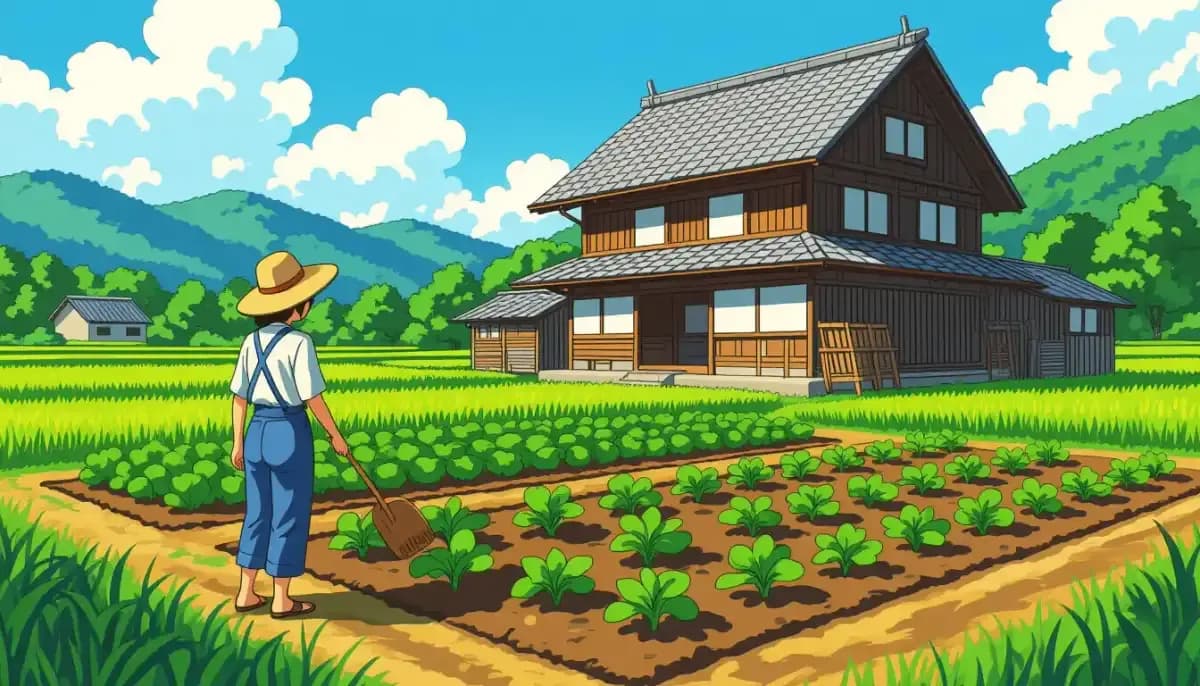
Self-Sufficient Living in Rural Japan: A Foreigner's Guide
Discover how foreigners can build a self-sufficient lifestyle in rural Japan — from akiya housing and farming to community integration, relocation subsidies up to ¥3M, and remote work strategies.
Read more →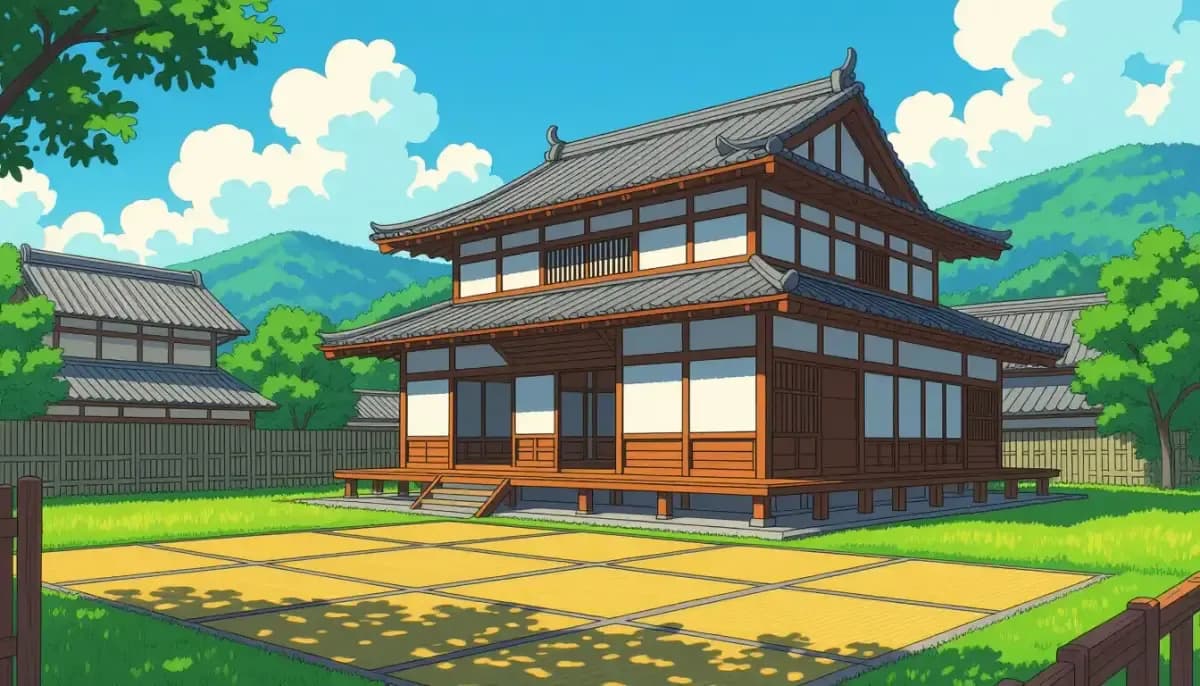
Renovating Old Houses in the Japanese Countryside
Everything foreigners need to know about renovating old houses in rural Japan: akiya renovation costs, government subsidies, finding contractors, community integration, and common mistakes to avoid.
Read more →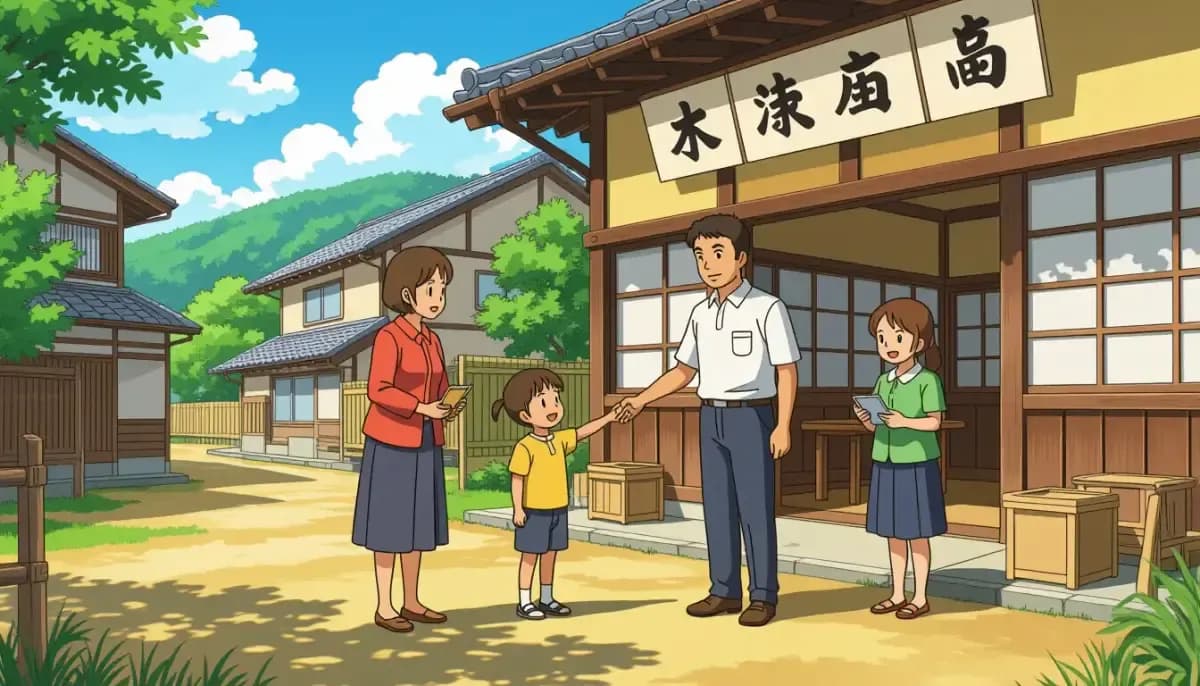
Integrating into Rural Japanese Communities as a Foreign Buyer
A complete guide for foreign buyers on integrating into rural Japanese communities: chonaikai participation, moving-in etiquette, waste rules, government relocation incentives, and how to build genuine relationships in inaka Japan.
Read more →