
Self-Sufficient Living in Rural Japan: A Foreigner's Guide

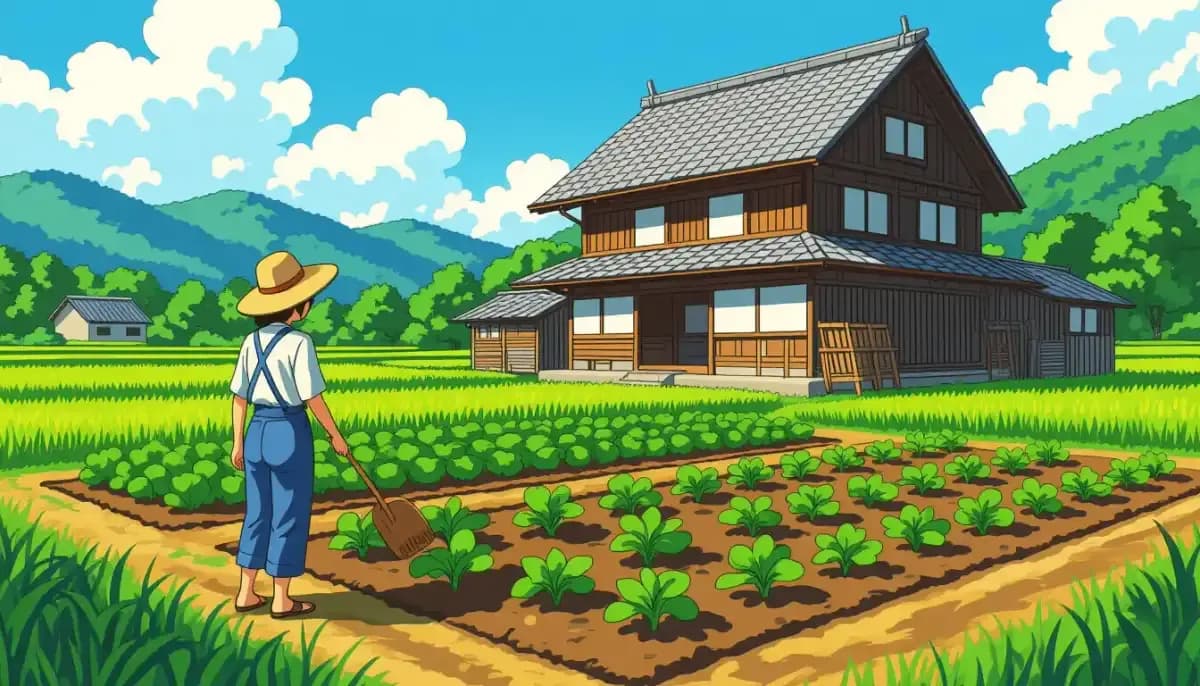
Discover how foreigners can build a self-sufficient lifestyle in rural Japan — from akiya housing and farming to community integration, relocation subsidies up to ¥3M, and remote work strategies.
Self-Sufficient Living in Rural Japan: A Foreigner's Guide
Japan's countryside is undergoing a quiet revolution. As urban populations cluster in Tokyo, Osaka, and other major cities, thousands of rural towns face depopulation, aging communities, and abandoned homes. For foreigners dreaming of a simpler, more self-reliant lifestyle, this demographic shift presents a rare opportunity: affordable land, government relocation incentives, and welcoming communities actively seeking new residents.
This guide covers everything you need to know about pursuing self-sufficient living in rural Japan as a foreigner — from finding land and housing to growing your own food, integrating into local communities, and generating income off the beaten path.
What Does Self-Sufficient Living in Rural Japan Look Like?
Self-sufficiency in rural Japan doesn't mean complete isolation. Most foreigners who pursue inaka (countryside) life strike a balance: growing a significant portion of their own vegetables, reducing living expenses dramatically, and supplementing income through remote work, freelancing, or small local businesses.
A typical self-sufficient lifestyle in rural Japan might include:
- Vegetable gardening — most rural properties come with adjacent farmland or plots you can cultivate
- Rice farming — some foreigners participate in community rice cultivation cooperatives
- Foraging and fishing — Japan's mountains and coastlines offer abundant wild food sources
- Solar and rainwater systems — increasingly affordable and common in rural areas
- Reduced consumption — lower cost of living means less need for high income
Japan's national food self-sufficiency rate has declined from ~80% in the 1960s to around 38–40% today. However, at the household level in rural areas, personal near-self-sufficiency is realistic: rice self-sufficiency nationally stands at 98%, vegetables at 76%, and motivated homesteaders report sourcing 60–80% of their food locally within a few years.
Housing: Akiya, Kominka, and Affordable Rural Property
Housing is where rural Japan's value proposition becomes undeniable. Two categories dominate the landscape for budget-conscious foreigners:
Akiya (空き家) — Vacant and Abandoned Homes
Japan has over 8 million akiya nationwide — vacant homes left behind by aging owners or heirs who have no use for them. Many municipalities list these properties on akiya banks (websites aggregating available properties), often priced between ¥0 and ¥5,000,000 (~$0–$35,000). Some are offered free in exchange for a commitment to renovate and inhabit them.
The catch: many akiya require significant renovation work. Structural issues, outdated plumbing, and lack of insulation are common. Budget ¥2–10 million for renovation on a fixer-upper, though municipal renovation subsidies can offset 10–50% of costs depending on the prefecture.
For a deep dive on acquiring abandoned properties, see our guide on Akiya and Vacant Houses in Japan for Foreign Buyers.
Kominka (古民家) — Traditional Farmhouses
Kominka are old-style Japanese farmhouses, often over 100 years old, featuring high ceilings, exposed timber beams, and large plots of land. Rental prices typically range from ¥20,000–¥50,000/month (~$130–$350), making them among the most affordable rural living options available anywhere in the developed world.
| Property Type | Typical Cost | Land Included | Condition |
|---|---|---|---|
| Akiya (purchase) | ¥0–¥5,000,000 | Usually yes | Needs renovation |
| Kominka (rental) | ¥20,000–¥50,000/mo | Often yes | Varies |
| Rural detached house | ¥3–¥15 million | Yes | Move-in ready |
| Rural condominium | ¥2–¥8 million | No | Good |
| Agricultural land | ¥100–¥500/m² | N/A | Raw land |
See our guide on Rural and Countryside Properties in Japan for Foreigners for more on finding and purchasing rural real estate.
Japan's Relocation Incentive Programs for Foreigners
One of the most significant recent developments for foreigners considering rural Japan is the expansion of relocation subsidy programs to non-Japanese nationals. Japan's Regional Revitalization Program now covers approximately 1,300 municipalities across 44 prefectures.
Eligible foreigners (permanent residents, long-term residents, or spouses/children of Japanese nationals) can receive:
- Up to ¥600,000 as a single individual relocating from a large urban area
- Up to ¥1,000,000 per child for families — a family with two children could receive ¥3,000,000 total
- Rent reductions of up to 75% in participating municipalities
- Free Japanese language classes
- Business startup grants for those establishing local enterprises
Requirements typically include committing to at least 5 years of residency and either securing employment or establishing a business in the area.
Beyond national programs, individual municipalities run their own incentives. Kamiyama in Tokushima Prefecture, Nishiawa in Shikoku, and numerous towns in Akita and Shimane prefectures have well-established programs actively recruiting foreign residents.
For more on visa and residency considerations when relocating, see our Visa and Residency Guide for Property Buyers in Japan.
Growing Your Own Food: Agriculture for Foreigners
Japan's agricultural workforce is aging rapidly — from 11.8 million farmers in 1960 to just 1.9 million in 2009, with 61% of remaining farmers now over age 65. This demographic reality creates genuine opportunity: land is available, communities want productive residents, and local knowledge-sharing is often generous.
What Foreigners Can Legally Grow and Farm
Foreigners can legally cultivate land in Japan. The key distinction is between growing food for personal use (which has no significant restrictions) and starting a commercial farming operation, which requires agricultural land registration and, in some cases, a specific agricultural visa category.
For self-sufficient living focused on personal food production:
- Vegetable gardens — no restrictions; many rural properties include existing cultivated plots
- Rice paddy farming — permitted on owned or leased agricultural land; community cooperatives often welcome participants
- Chickens, goats, and small livestock — permitted on private property in most rural zones
- Fruit trees — long-term investment but common on rural properties
Seasonal Farming Calendar
| Season | Key Activities |
|---|---|
| March–April | Prepare soil, plant seedlings indoors, transplant early vegetables |
| May–June | Transplant rice seedlings (taue), plant summer vegetables |
| July–August | Maintain crops, harvest early summer produce |
| September–October | Rice harvest (inekari), store root vegetables |
| November–December | Winter preparations, plant cover crops |
| January–February | Rest period, plan next season, maintain tools |
Community involvement in local agricultural cooperatives (農業協同組合, JA) is highly recommended. Even if language is a barrier initially, physical participation in seasonal tasks — rice planting festivals, harvest festivals — is one of the fastest routes to community integration.
Community Integration: The Most Critical Factor
Housing and farming are logistical challenges — community integration is the deeper test of rural Japan life for foreigners. Rural Japanese communities operate on social norms that can feel opaque to outsiders but follow consistent principles.
Surveys suggest that 54.5% of rural Japanese residents prefer lower concentrations of foreign neighbors, citing concerns about social norms and community cohesion. This isn't insurmountable, but it demands genuine effort and sustained commitment.
Keys to Successful Integration
- Show up physically — attend community events, participate in seasonal maintenance (road clearing, irrigation ditch cleaning, shrine festivals)
- Communicate early and often — introduce yourself to neighbors promptly after arrival; bring small gifts
- Learn the local social hierarchy — identify the key community figures (chonaikai/neighborhood association leaders) and show appropriate deference
- Never be late — punctuality is a social signal of reliability in rural Japan
- Apologize quickly — in conflicts or misunderstandings, early apologies defuse tension dramatically
Language ability dramatically affects integration speed. N3–N4 Japanese is a functional threshold for rural daily life; N2 opens doors to meaningful community participation. Most relocation programs offer free language classes as part of their incentive packages.
For broader context on regional living options, Living in Nihon's regional Japan guide covers cultural and practical differences across Japan's diverse regions.
Income and Remote Work in Rural Japan
Traditional local employment opportunities in rural Japan are limited for foreigners, particularly those without strong Japanese language skills. The practical income paths fall into several categories:
Remote Work
The fastest-growing category. Japan's post-pandemic shift toward remote work has made rural living viable for professionals in tech, design, writing, marketing, and finance. Fiber internet has reached many rural areas, though coverage varies — always verify connectivity before committing to a property.
Programs like TADAIMA SHIMODA in Shizuoka offer structured "nomad experience" trials — one-month residencies testing 10 different remote work setups in a rural community before long-term commitment.
Local Business Opportunities
Foreign entrepreneurs have found success in rural Japan in niches including:
- Guesthouses and minshuku (traditional B&Bs) — particularly appealing to international visitors
- Organic farming and direct sales — a growing market with foreign buyers willing to pay premium prices
- Translation and English education — perpetual demand in any Japanese community
- Craft and artisan businesses — ceramics, woodworking, textiles thrive in areas with existing craft traditions
For work options related to rural Japan, For Work in Japan's regional job market guide covers employment pathways by region.
Practical Challenges and How to Address Them
Transportation
A car is non-negotiable in rural Japan. Public transit is sparse or nonexistent outside major transit corridors. A compact kei car is the standard choice — fuel-efficient, easy to maneuver on narrow rural roads, and inexpensive to maintain. Budget ¥300,000–¥800,000 for a reliable used kei car.
Healthcare
Rural areas have fewer medical facilities, and English-speaking doctors are rare. Research the nearest hospital before selecting a location. Japan's universal health insurance (国民健康保険) covers foreigners with valid residence status — register at your municipal office immediately upon arrival.
Bureaucracy
Municipal paperwork — residence registration, utility setup, agricultural land transfers — is conducted primarily in Japanese. Consider hiring a bilingual administrative scrivener (行政書士) for complex transactions, or connect with local expat communities who can assist with navigation.
Winter
Northern and mountain regions experience severe winters. Traditional Japanese farmhouses are notoriously cold — old kominka can be difficult to heat efficiently. Factor heating costs and renovation (insulation, double-pane windows) into your budget planning.
For comprehensive guidance on property ownership costs in Japan, see our Property Taxes and Annual Costs Guide.
Is Rural Self-Sufficient Living Right for You?
Rural Japan rewards patience, physical capability, cultural curiosity, and genuine community orientation. It is not a good fit for those expecting conveniences comparable to urban life, who are unwilling to learn Japanese, or who view rural communities primarily as affordable real estate rather than living communities.
For those with the right mindset, it offers something increasingly rare: affordable land, meaningful work, genuine community belonging, and a lifestyle rhythm anchored to seasons rather than screens.
The Gaijin Buy House rural property guide provides detailed information on rural property pricing and regional characteristics across Japan.
For additional context on Japan's rural lifestyle realities, Japan Cheapo's countryside moving guide and Inaka Lifestyle's firsthand account offer valuable on-the-ground perspectives.
To explore traditional rural property options further, see our guides on Traditional Japanese Houses (Kominka and Machiya) and our Complete Guide to Buying Property in Japan as a Foreigner.

Originally from Vietnam, living in Japan for 16+ years. Graduated from Nagoya University, with 11 years of professional experience at Japanese and international companies. Sharing information about buying property in Japan for foreigners.
View Profile →Related Articles
Japan Depopulation Areas: Opportunity vs Risk for Property Buyers
Explore the real opportunities and serious risks of buying property in Japan's depopulation zones. From ¥2M akiya prices to renovation costs, resale challenges, and which areas show genuine potential for foreign buyers.
Read more →
Access and Transportation in Rural Japan: What Property Buyers Should Know
Everything foreign property buyers need to know about access and transportation in rural Japan — car dependency, train coverage, license requirements, and how transport affects property values.
Read more →
Best Rural Prefectures in Japan for Foreign Buyers
Discover the best rural prefectures in Japan for foreign property buyers. Compare Nagano, Niigata, Tohoku, Oita, and more — with prices, subsidies, and practical tips for buying countryside property in Japan.
Read more →
Renovating Old Houses in the Japanese Countryside
Everything foreigners need to know about renovating old houses in rural Japan: akiya renovation costs, government subsidies, finding contractors, community integration, and common mistakes to avoid.
Read more →
Integrating into Rural Japanese Communities as a Foreign Buyer
A complete guide for foreign buyers on integrating into rural Japanese communities: chonaikai participation, moving-in etiquette, waste rules, government relocation incentives, and how to build genuine relationships in inaka Japan.
Read more →
Internet and Infrastructure in Rural Japan for Remote Workers
Complete guide to internet options in rural Japan for remote workers: fiber, Starlink, home routers, coverage maps, costs, and practical setup tips for foreigners.
Read more →