Buying Property in Hokkaido as a Foreigner: Sapporo, Niseko and Beyond
Complete guide to buying property in Hokkaido as a foreigner. Covers Sapporo, Niseko, legal rights, financing, costs, and the step-by-step purchase process for international buyers.
13 articles
Buying Property in Hokkaido as a Foreigner: Sapporo, Niseko and Beyond
Hokkaido has emerged as one of the most exciting real estate destinations in Japan for foreign buyers. Whether you're drawn to Sapporo's cosmopolitan lifestyle, Niseko's world-class ski slopes, or the untouched natural beauty of rural Hokkaido, Japan's northernmost island offers remarkable opportunities for international investors and lifestyle buyers alike. The good news: foreigners can buy property in Hokkaido on a fully freehold basis with the same legal rights as Japanese citizens — no local partnership, joint venture, or special visa required.
This comprehensive guide walks you through everything you need to know about buying property in Hokkaido as a foreigner: from understanding the legal framework and financing options to exploring the best locations and navigating the purchase process step by step.
Why Hokkaido? The Case for Japan's Northern Island
Hokkaido stands apart from the rest of Japan in ways that make it uniquely appealing to foreign buyers. With roughly 5.5 million people spread across an area roughly the size of Austria, the island offers space, clean air, and a quality of life that crowded Tokyo simply cannot match.
The real estate market tells a compelling story. Sapporo's property prices have risen for 12 consecutive years, driven by domestic migration from expensive cities and growing international interest. Meanwhile, the Niseko/Kutchan area registered the most dramatic land price increase in all of Japan — up 25% in a single year (2020–2021) — even as national land prices fell 0.5% during the same period.
Beyond investment returns, Hokkaido offers:
World-class powder snow at Niseko, Rusutsu, Furano, and Tomamu ski resorts
Mild summers with average temperatures of 20–25°C — a respite from Japan's sweltering mainland heat
Fresh seafood and dairy that define Hokkaido's renowned culinary culture
Lower property prices compared to Tokyo or Osaka for equivalent quality
Strong rental demand from domestic and international tourists year-round
Akiya (vacant home) opportunities at very low entry prices in rural areas
According to a 2024 survey of over 450 foreign real estate transactions in Hokkaido, 48% of foreign buyers target Sapporo and 13% target Niseko, with the remainder spread across Furano, Hakodate, Asahikawa, and other areas.
Legal Rights: Can Foreigners Buy Property in Hokkaido?
Yes — absolutely. Japan imposes no restrictions on foreign property ownership. As a foreigner, you have the right to:
Own land and buildings outright on a permanent, freehold basis
Buy, sell, and inherit property freely
Rent out your property as a short-term vacation rental or long-term lease
Purchase as a non-resident without a Japanese visa
This is a significant advantage compared to many other countries where foreign land ownership is restricted or requires government approval. Japan's property rights framework gives you the same legal protections as any Japanese citizen.
Important caveat: Owning property does not grant you the right to live in Japan long-term. Property ownership alone does not qualify you for a Japanese visa or residence permit. If you plan to spend extended time in Japan, you will need to obtain an appropriate visa (such as a business manager visa or highly skilled professional visa) separately from your property purchase.
While the legal right to buy is clear, foreign buyers in Hokkaido consistently face three significant hurdles:
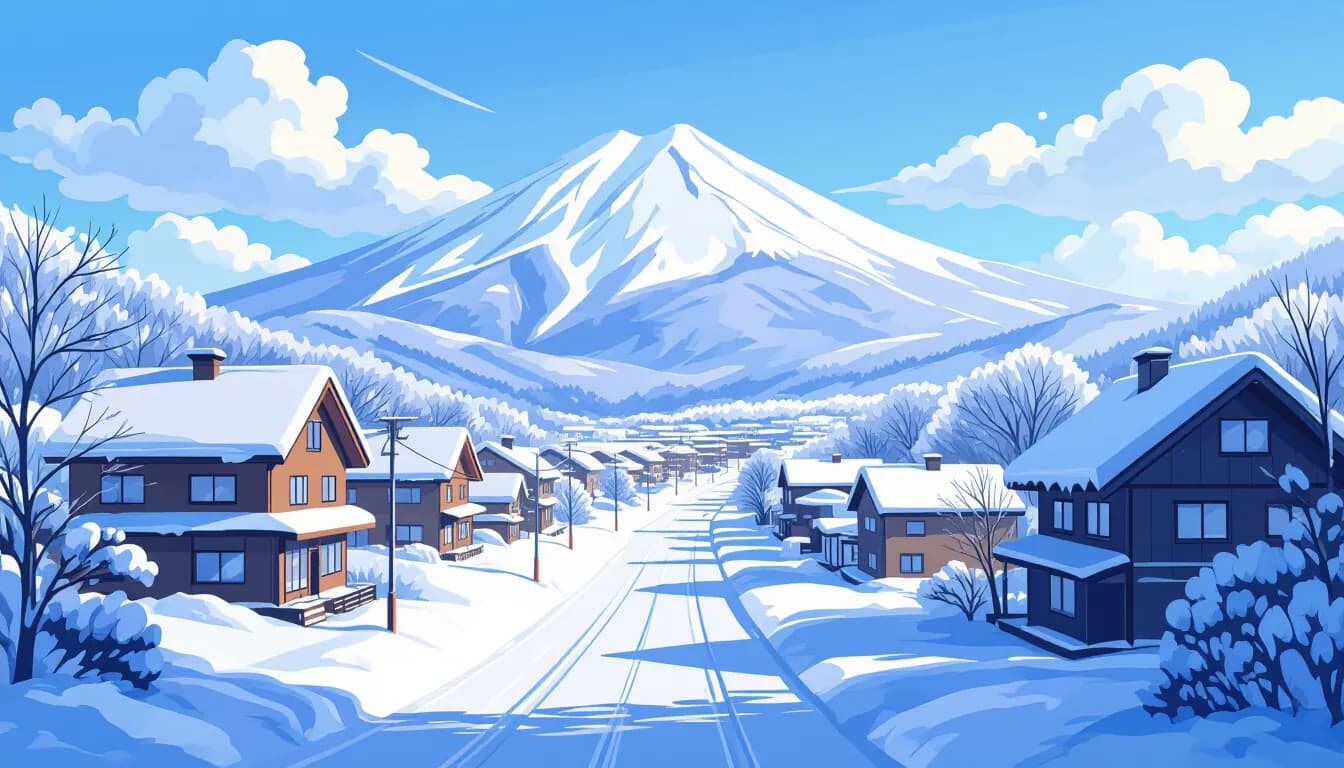
The Three Major Challenges for Foreign Buyers - illustration for Buying Property in Hokkaido as a Foreigner: Sapporo, Niseko and Beyond
1. Language Barriers
Japanese is classified as a Category 4 language — one of the most difficult for English speakers to learn. All legal contracts, property registration documents, and official correspondence are in Japanese. Hokkaido, outside of Niseko and parts of Sapporo, is significantly less English-friendly than Tokyo.
Solution: Work with a bilingual real estate agent experienced with foreign clients. In Niseko and Sapporo, several agencies specialize in international buyers. Outside these areas, finding English-language support requires more effort — expect to budget for professional translation and interpretation services.
2. Financing Limitations
This is the most significant practical obstacle. Japanese banks are highly reluctant to extend mortgages to non-residents, regardless of financial strength. Even many permanent residents face difficulties. As a practical rule:
Non-residents: Plan to purchase with cash. Mortgage approval is unlikely.
Permanent residents: Access to standard bank mortgages; current rates range from 0.5–2% for qualified borrowers. A 20–30% down payment is typically required.
Long-term visa holders (not permanent residents): Limited options; some specialized lenders may work with you but terms will be less favorable.
For non-resident cash buyers, budget for the full purchase price plus 5–10% in transaction costs (see below). For international wire transfers, work with major banks — Mizuho, MUFG, or Sumitomo Mitsui — as smaller institutions create significant complications.
Property ownership does not grant residency. Foreign buyers planning to use their Hokkaido property for extended stays should research visa options carefully before purchasing. A business manager visa is one pathway that property-related business activities may support, but this requires genuine business operations and investment.
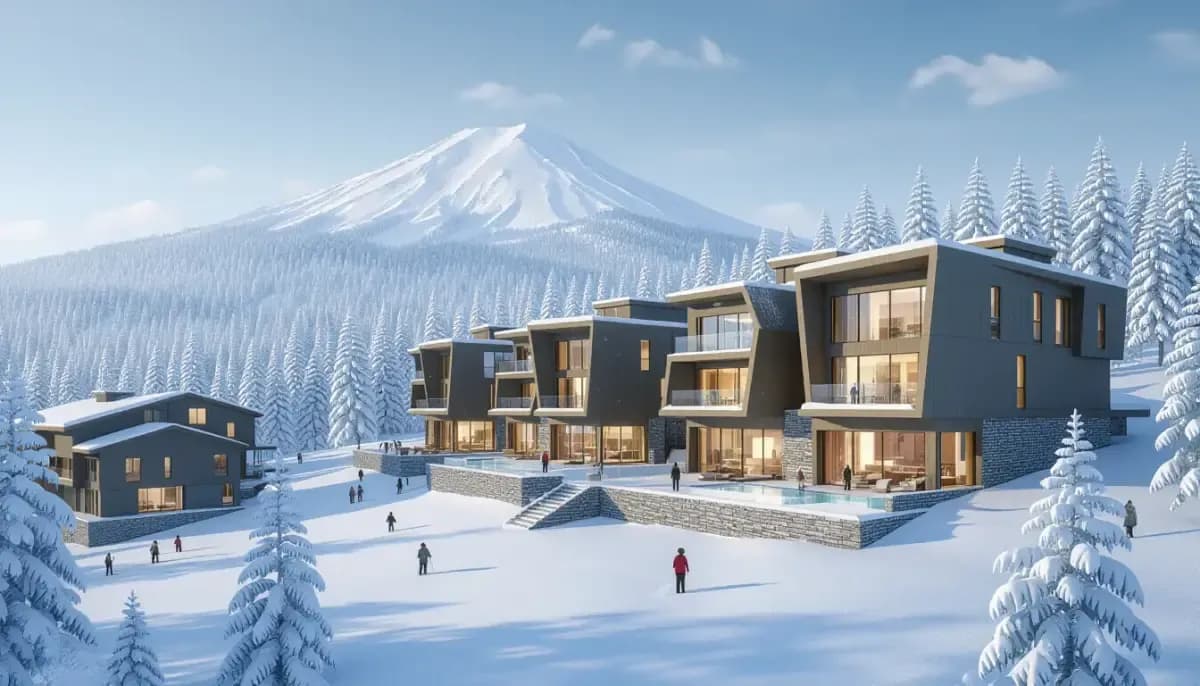
Hokkaido's Key Property Markets - illustration for Buying Property in Hokkaido as a Foreigner: Sapporo, Niseko and Beyond
Sapporo: The Urban Anchor
Sapporo is Japan's fifth-largest city and the commercial, cultural, and transportation hub of Hokkaido. For foreign buyers, it offers the best combination of:
Infrastructure: International airport (New Chitose), Shinkansen connection planned for 2030 (extending from Hakodate), subway system, major hospitals
English-language support: Multiple real estate agencies with English-speaking staff
Year-round rental demand: University population, domestic tourism, business travel
Price appreciation: Consistent 12-year upward trend; prices below Tokyo and Osaka but rising
A quality condominium in central Sapporo typically starts around ¥15–25 million ($100,000–170,000) for a 40–60 sqm unit. Detached houses in suburban areas start around ¥20–30 million. The 2030 Shinkansen extension is expected to further boost values.
Niseko: The Premium Ski Investment Market
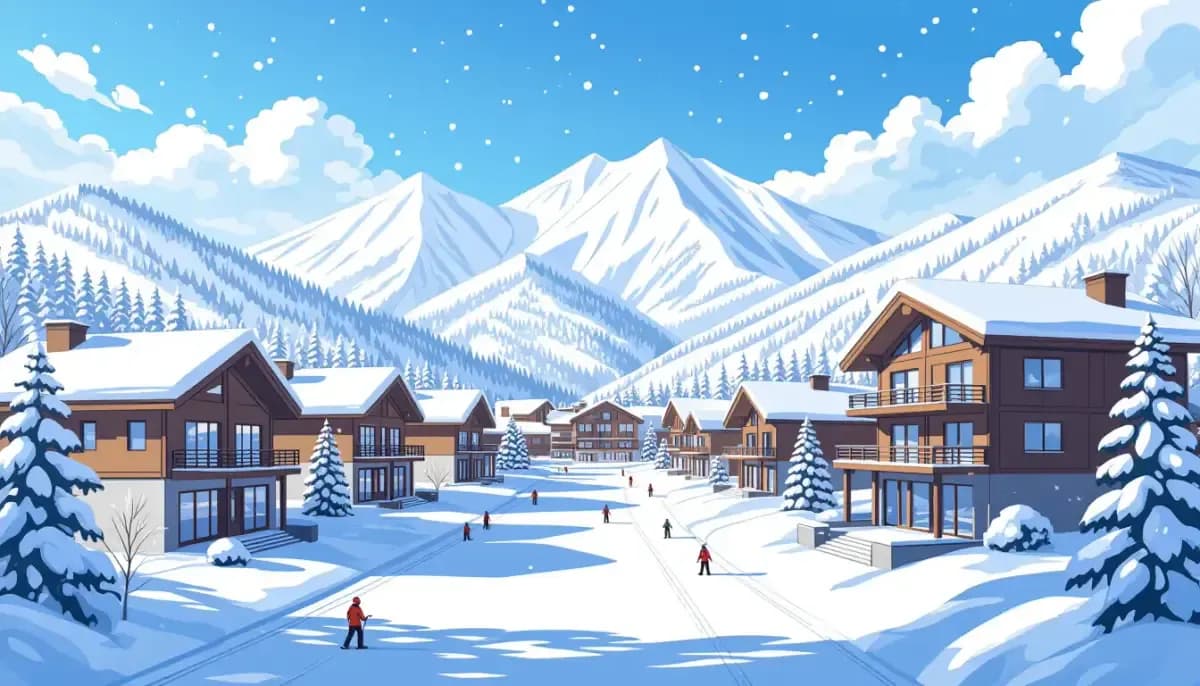
Niseko is the crown jewel of Hokkaido real estate for international investors. The area around Niseko Annupuri, Hirafu, and Hanazono ski resorts has attracted buyers from Australia, Hong Kong, Singapore, and across Asia since the early 2000s. Today it is one of the most internationally active real estate markets in Japan.
Key characteristics:
Strong short-term rental yields: 4–8% annually for well-managed properties
Seasonal pattern: Peak income Dec–March (ski season), secondary peak in summer (hiking, cycling)
Infrastructure: English-speaking community, international schools, bilingual medical services
Price growth: Among Japan's fastest-appreciating markets over the past decade
Niseko's main risk is extreme seasonality — properties generate most of their rental income in a 3–4 month winter window. Buyers should model cash flows conservatively and ensure robust property management is in place.
For guidance on alpine property regulations specific to ski resort areas, the team at Nisade Real Estate provides detailed insights on zoning and development rules that apply in Hokkaido's resort zones.
Furano and Central Hokkaido
Furano offers a more affordable entry point to Hokkaido's ski market. Known for its lavender fields and the Furano ski resort (venue for multiple FIS World Cup events), it attracts both winter and summer tourists. Property prices here are 40–60% lower than comparable Niseko product.
Smaller cities like Asahikawa (Hokkaido's second-largest city), Obihiro, and Kushiro offer functional urban amenities at very accessible price points — typically ¥5–15 million for a detached house. These markets lack the international investor base of Sapporo or Niseko but can offer strong rental yields relative to purchase price.
Hakodate: Historic Port City
At Hokkaido's southern tip, Hakodate is one of Japan's most distinctive cities. Its 19th-century Western-style architecture, morning fish market, and tram network draw significant tourism. With Shinkansen already connecting Hakodate to Tokyo (about 4 hours), accessibility is better than most of Hokkaido.
Properties here tend to be older and require renovation, but the character of historic Western-style buildings and machiya (traditional townhouses) appeals strongly to buyers seeking something unique.
The Purchase Process: Step by Step
Buying property in Hokkaido follows the standard Japanese real estate purchase process. Here is what to expect:
Step 1: Property Search Work with a bilingual agent to identify suitable properties. For Sapporo and Niseko, several agencies specialize in foreign clients. SUUMO, At Home, and Homes.co.jp are Japan's major property portals, though most listings are in Japanese.
Step 2: Explanation of Important Matters (重要事項説明) Before signing any contract, a licensed real estate agent must provide a formal explanation of all material facts about the property — legal status, any encumbrances, building code compliance, etc. If you don't read Japanese, you must have this explained by a bilingual agent or interpreter.
Step 3: Sales Contract and Deposit Sign the purchase agreement and pay a deposit (typically 10% of purchase price). Stamp duty (印紙税) is paid at this stage based on the contract value.
Step 4: Settlement and Registration Pay the balance and register the transfer of ownership at the Legal Affairs Bureau (法務局). Registration tax (登録免許税) is paid at this stage.
Step 5: Property Handover Receive the keys and take possession. Final adjustments for property tax, management fees, and other pro-rated costs are settled.
Japan's akiya (空き家) problem — over 9 million vacant homes nationwide — is particularly pronounced in Hokkaido's rural areas. As younger residents move to Sapporo and beyond, older homes are left unoccupied, often available for prices as low as ¥500,000–¥3,000,000 ($3,000–$20,000).
The catch: most akiya require significant renovation costs that often exceed the purchase price. Rural locations may lack reliable public transport, English-speaking services, or the amenities that make long-term living practical for foreigners.
That said, for buyers with the right skills, renovation budget, and vision, Hokkaido akiya offer extraordinary opportunities — large plots, traditional architecture, and connection to an authentic rural lifestyle.
Hokkaido municipalities including Kushiro, Obihiro, and various rural towns maintain akiya banks (空き家バンク) that list available properties. See our guide on Rural and Countryside Properties in Japan for Foreigners for more on this opportunity.
Property Management for Overseas Owners
Most foreign buyers of Hokkaido property — particularly in Niseko and other resort areas — are overseas-based and rely on professional property management companies. Here is what to expect:
Management fees: 5–10% of annual rental income
Vacation rental setup: Requires a minpaku license (民泊許可) under Japan's Minpaku Law (2018), which allows short-term rentals subject to local regulations and a maximum of 180 nights per year in most areas
Platform fees: Airbnb, Booking.com, and other platforms add 15–20% commission
Operational costs: Cleaning, linen, guest communication, and maintenance are typically managed by local operators
Niseko has a well-developed ecosystem of English-speaking property managers with years of experience handling foreign-owned vacation rentals. Sapporo also has professional management options for long-term residential rentals.
Finding the Right Agent
Finding a trustworthy, bilingual agent is the most important first step for any foreign buyer. Outside of Niseko and Sapporo, English-language services are scarce. The Living in Nihon resource network provides helpful guidance on navigating life and property in Japan as a foreigner.
For Hokkaido specifically, agencies like Find Hokkaido Agents claim networks of 1,500+ local agents and over 250 foreign clients served. For Work in Japan also offers guidance on the financial and tax implications of owning property as a foreign resident — see their tax treaty guide for relevant information on how Japanese property income is treated under international tax arrangements.
The Gaijin Buy House platform also provides resources specifically for foreign buyers navigating the Japanese property market.
When evaluating an agent, look for:
Experience with foreign clients (ask for references)
Ability to communicate in your language throughout the entire process
Knowledge of your target area's specific market conditions
Transparency about all fees and costs upfront
Key Takeaways
Hokkaido offers foreign buyers a rare combination: a stable legal framework for foreign ownership, a diverse range of markets from world-class ski resorts to affordable urban apartments, and genuine investment potential in one of Asia's most dynamic emerging property markets.
The key factors for success:
Budget realistically — plan for 5–10% transaction costs plus full cash purchase if non-resident
Choose location carefully — Sapporo for urban stability, Niseko for premium ski investment, rural areas for lifestyle value
Work with specialists — bilingual agents and lawyers are essential; don't cut corners on professional support
Understand the rental market — seasonal demand patterns in ski areas require careful cash flow planning
Consider management from day one — if you're overseas-based, secure professional management before you buy