
Japan Penthouse and Luxury Apartment Guide

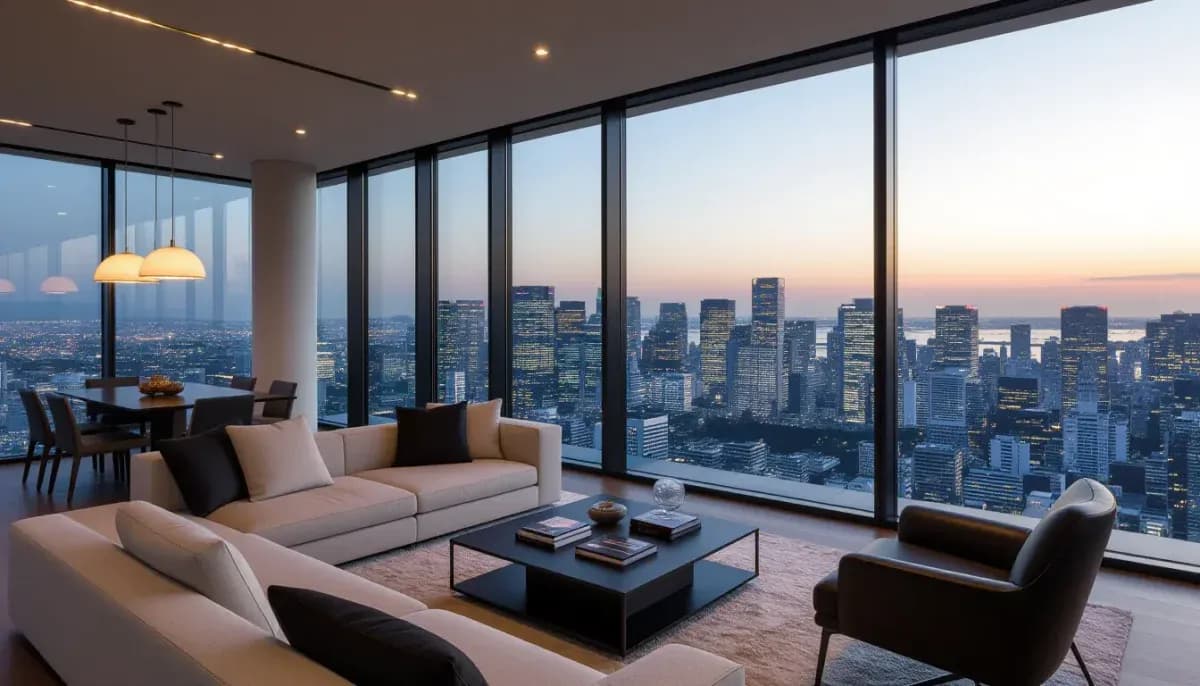
Complete guide to buying or renting a penthouse or luxury apartment in Japan as a foreigner. Covers prices, locations, legal rules, guarantor requirements, and top buildings in Tokyo and beyond.
Japan Penthouse and Luxury Apartment Guide for Foreigners
Japan's luxury residential market has entered a golden era. Driven by the yen's dramatic depreciation, growing international investment appetite, and a wave of iconic ultra-high-rise developments, penthouses and luxury apartments across Tokyo and beyond are attracting affluent buyers and renters from around the world. Whether you are searching for a sky-high Tokyo penthouse with panoramic city views or a spacious luxury condominium in a world-class serviced building, this guide covers everything a foreign buyer or renter needs to know.
Why Japan's Luxury Market Attracts Foreign Buyers
Japan has long been considered a safe, stable destination for real estate investment, but the past few years have turbocharged foreign interest. The yen's roughly 30% depreciation against the US dollar and other major currencies since 2022 means that international buyers effectively receive a significant discount on property that was already competitive by global standards.
At the same time, Japan imposes no legal restrictions on foreign property ownership. Unlike many other Asian markets, there are no special permits, caps, or nationality-based rules preventing a foreigner from purchasing a Tokyo penthouse outright. This open policy, combined with attractive yields and relative price stability, makes Japan uniquely appealing. For a full overview of the legal framework, see our Complete Guide to Buying Property in Japan as a Foreigner.
Japan's luxury residential real estate market was valued at USD 38.81 billion in 2026 and is projected to reach USD 52.59 billion by 2031, growing at a compound annual rate of 6.27%. Apartments and condominiums dominate this segment, accounting for approximately 77.4% of total luxury residential market share. For broader market context, check our Japan Real Estate Market Overview and Trends.
Prime Luxury Locations: Where to Buy or Rent
Tokyo accounts for approximately 50% of Japan's luxury residential market, and within Tokyo the premium addresses are highly concentrated.
Minato-ku (Roppongi, Akasaka, Azabu, Toranomon)
Minato-ku is the undisputed heart of Tokyo's luxury residential scene. The neighborhoods of Roppongi Hills, Azabudai Hills, Akasaka, and Hiroo house the highest concentration of prestige high-rises in the country. Azabudai Hills, completed in 2023, is anchored by the 330-meter Aman Residences tower — Japan's tallest residential building — where the three top-floor penthouse units are the most expensive ever listed in the country.
Shibuya-ku (Hiroo, Omotesando, Daikanyama)
Hiroo is historically the address of choice for senior expatriates and diplomats. Monthly rents here frequently reach JPY 1.4–1.85 million (~$10,000–$13,500) for full-floor luxury apartments. Omotesando, the so-called "Champs-Élysées of Tokyo," hosts Marq Omotesando One, a boutique tower of just 14 residences priced from JPY 999 million to over JPY 5 billion.
Shinjuku, Ginza/Chuo, and Meguro
Park Court Shinjuku The Tower and similar projects in Shinjuku offer luxury living with unmatched transport connectivity. Ginza caters to buyers who prize cultural cachet alongside proximity to high-end retail. Meguro and Daikanyama offer a quieter, more residential luxury feel popular with creative professionals.
Beyond Tokyo: Osaka, Kyoto, and Niseko
Osaka's Namba and Umeda districts have seen rapid luxury condo development, offering lower entry prices than Tokyo with strong rental yields. Kyoto appeals to those seeking a blend of heritage and modern luxury, while Niseko in Hokkaido has become Asia's premier ski resort real estate market, attracting Australian and Southeast Asian buyers. See our dedicated guide to Buying Property in Hokkaido for more on the Niseko market.
Price Guide: What Does Luxury Cost in Japan?
The table below summarizes typical price ranges across key luxury categories and locations.
| Property Type | Location | Purchase Price (JPY) | Monthly Rent (JPY) |
|---|---|---|---|
| Luxury 2LDK Apartment | Minato-ku / Shibuya | 80M – 200M | 500,000 – 900,000 |
| Full-Floor Penthouse | Central Tokyo | 500M – 5B+ | 1,000,000 – 3,000,000 |
| Ultra-Luxury Penthouse | Azabudai / Roppongi | 1B – 20B | 3,000,000+ |
| Boutique Luxury Condo | Osaka Umeda/Namba | 30M – 120M | 200,000 – 600,000 |
| Ski Resort Condo | Niseko, Hokkaido | 50M – 300M | Seasonal / 300,000+ |
| Luxury Villa-Style Apt | Kyoto / Kobe | 40M – 150M | 250,000 – 700,000 |
Notable landmark properties include:
- Azabudai Hills Aman Residences — penthouse listed at JPY 20 billion (~$133M), spanning ~1,500 m² across the top of a 330-meter tower. All three penthouse units sold out quickly after launch.
- Toranomon Hills Residential Tower — 54 floors, 547 units ranging from JPY 200M to JPY 10B (~$75M). Amenities include a 25-meter pool, spa, and an on-site medical clinic.
- Marq Omotesando One — 14 residences only, priced JPY 999M–2.02B with the penthouse reported above JPY 5 billion.
- Park Mansion Hinokicho Koen (Roppongi/Akasaka) — a 580 m² penthouse listed at JPY 5.5 billion in 2017 was once Japan's most expensive residential unit.
Standard luxury apartments (2LDK to 3LDK) in Minato-ku or Shibuya without penthouse features typically start from around JPY 100 million for purchase, and JPY 500,000/month for rental.
How to Buy a Luxury Apartment in Japan as a Foreigner
Purchasing luxury real estate in Japan as a foreigner is legally straightforward but administratively involved. Here is the standard process:
1. Choose a Bilingual Real Estate Agent Luxury transactions require navigating contracts, due diligence reports, and settlement procedures largely in Japanese. Engage a bilingual agent or international property firm with a track record in high-value sales.
2. Obtain a Registered Seal (Hanko) and Bank Account Major purchases require a registered seal (jitsuin) and a Japanese bank account. Setting these up early prevents delays. See our guide on Legal Procedures and Documentation for Japan Property Purchase.
3. Conduct Due Diligence Review the Important Matters Explanation (重要事項説明書, jūyō jikō setsumeisho) provided by the licensed agent. For high-rise condos, scrutinize management fees, reserve funds, building age, and major repair schedules.
4. Financing Some Japanese banks offer mortgages to foreign residents; non-resident foreigners generally must purchase in cash or via offshore financing. Review our Mortgages and Home Loans for Foreigners in Japan guide for current lender options.
5. Pay All Associated Costs Budget for acquisition taxes, registration fees, agent commissions, and stamp duties — typically 6–9% of purchase price on top of the property cost. Our Hidden Costs and Fees When Buying Property in Japan guide details every line item.
For a step-by-step walkthrough of the full purchasing process, see Step-by-Step Home Buying Process in Japan for Foreigners.
How to Rent a Luxury Apartment in Japan as a Foreigner
Renting at the luxury tier is generally more accessible than purchasing, but foreigners still face a few structural hurdles.
The Guarantor Requirement (Hoshounin System) Traditional Japanese landlords require a guarantor (hoshounin) — typically a Japanese national. At the luxury end, most buildings accept a professional guarantee company (hoshō gaisha) enrollment instead, which costs roughly 0.5–1 month's rent upfront plus an annual fee. Some buildings in premium expat areas (Hiroo, Minami-Azabu) waive the guarantor requirement entirely for high-income tenants.
Upfront Costs Expect to pay 5–6 months' worth of rent as a lump sum at signing, broken down as follows:
- Security deposit (shikikin): 1–2 months
- Key money (reikin): 1–2 months (non-refundable gift to landlord)
- Agent fee: 1 month + 10% consumption tax
- First month's rent
On a JPY 1 million/month penthouse, that means an upfront payment of JPY 5–6 million before you move in.
Recommended Platforms and Agents For luxury rentals, dedicated platforms and international-oriented agencies far outperform general portals. Specialist firms such as Plaza Homes, Mori Living (Roppongi Hills), and Tokyo Luxury Towers curate premium listings and provide English-language support throughout the process.
For general foreigner rental advice, Living in Nihon offers practical guidance on navigating Japan's rental market as a non-Japanese resident.
Key Amenities and Features of Japan's Luxury High-Rises
Japan's top-tier residential towers compete on amenities as much as location. Common features at the ultra-luxury tier include:
- Concierge and Front-Desk Services: 24/7 multilingual concierge, valet parking, parcel handling
- Private Sky Lounges and Club Rooms: Residents-only lounges on upper floors with city panoramas, available for private events
- Fitness and Wellness Facilities: 25-meter indoor pools, full gyms, yoga studios, and saunas — Toranomon Hills Residential Tower even includes an on-site medical clinic
- Sky Gardens and Observation Terraces: Rooftop or high-floor garden spaces for outdoor relaxation
- Smart Home Systems: Automated lighting, climate, and security controllable via smartphone, standard in post-2020 luxury builds
- Seismic Isolation Technology (Menshin): Japan's strict building codes mandate earthquake-resistant engineering; premium buildings use advanced base-isolation systems that visibly reduce shaking during tremors — a critical safety feature and selling point
Taxes and Ongoing Costs for Luxury Property Owners
Owning luxury property in Japan involves several recurring annual costs:
- Fixed Asset Tax (固定資産税): Approximately 1.4% of assessed value per year. For a JPY 200M condo, expect roughly JPY 1–2M/year
- City Planning Tax: An additional 0.3% in designated urban areas
- Condominium Management Fee: JPY 30,000–150,000/month depending on the building's size and amenity level
- Building Repair Reserve Fund: JPY 20,000–80,000/month, used for long-term maintenance and major repairs
- Acquisition Tax: One-time tax paid shortly after purchase, typically 3% of assessed value
For a comprehensive breakdown, see Property Taxes and Annual Costs of Owning Property in Japan.
For expats interested in how property ownership interacts with visa status, our Visa and Residency Considerations for Property Buyers in Japan guide explains the relationship between real estate investment and immigration status.
Working with International Real Estate Specialists
Given the complexity of Japan's luxury market, working with the right advisors is crucial:
- For Work in Japan provides practical guides for foreigners navigating life and work in Japan, including housing market insights useful for incoming expats considering high-end rentals.
- Gaijin Buy House specializes in helping foreigners understand the Japanese property buying process, with guides covering everything from initial searches to final registration.
- International property firms such as JLL, Savills Japan, and Cushman & Wakefield have dedicated residential luxury divisions and publish annual market reports tracking Tokyo's premium segment.
- For direct listings, Tokyo Portfolio maintains a curated database of the city's most notable luxury condominium buildings.
Conclusion: Is a Japan Luxury Apartment Right for You?
Japan's luxury apartment market offers an exceptional combination of safety, quality construction, world-class urban amenities, and — currently — significant currency-driven value for foreign buyers. The absence of foreign ownership restrictions removes a major barrier that exists in many competing markets across Asia.
That said, the market rewards informed buyers. Navigating Japanese-language contracts, understanding the nuances of the guarantor and key money system, and accurately projecting ongoing management costs all require preparation and the right professional support. Whether you are targeting a penthouse atop Azabudai Hills or a spacious luxury 3LDK in Hiroo, building a reliable bilingual team is the single most important step you can take before committing.
For foundational knowledge before beginning your search, revisit our Complete Guide to Buying Property in Japan as a Foreigner and our Types of Properties Available in Japan guide to ensure you have the full picture before making one of the most significant investments of your life.

Originally from Vietnam, living in Japan for 16+ years. Graduated from Nagoya University, with 11 years of professional experience at Japanese and international companies. Sharing information about buying property in Japan for foreigners.
View Profile →Related Articles
Japan Property Grading: How Mansions and Buildings Are Evaluated
Understand Japan's property grading systems including seismic resistance grades (1-3), Housing Performance Indication (10 indicators), CASBEE, BELS, and building structure types RC/SRC — essential knowledge for foreign buyers of mansions and houses.
Read more →
Japan Building Age Categories: New Build vs Used Property Standards
Understand Japan's building age categories — kyu-taishin, shin-taishin, post-2000, and new build standards. Essential guide for foreigners buying property in Japan, covering seismic standards, depreciation, and what to check before buying.
Read more →
How to Read Japan Property Floor Plans: A Visual Guide
Learn to read Japanese property floor plans with confidence. Understand LDK notation, tatami measurements, floor plan symbols, and common room labels used in Japan real estate listings.
Read more →
Japan Mixed-Use Properties: Residential and Commercial Combined
Complete guide to buying mixed-use residential and commercial property in Japan as a foreigner. Covers zoning laws, financing, investment returns, and the step-by-step buying process.
Read more →
Japan Garage Houses: Properties for Car Enthusiasts
Everything foreign car enthusiasts need to know about buying a garage house in Japan — built-in garage types, tax benefits, costs, design features, and how foreigners can purchase property with full ownership rights.
Read more →
Japan Family Apartment Size Guide: Understanding 2LDK, 3LDK Layouts
Confused by 2LDK and 3LDK in Japanese apartment listings? Our complete guide explains apartment sizes, tatami measurements, rent costs, and tips for foreigners renting a family apartment in Japan.
Read more →