
Japan Mixed-Use Properties: Residential and Commercial Combined

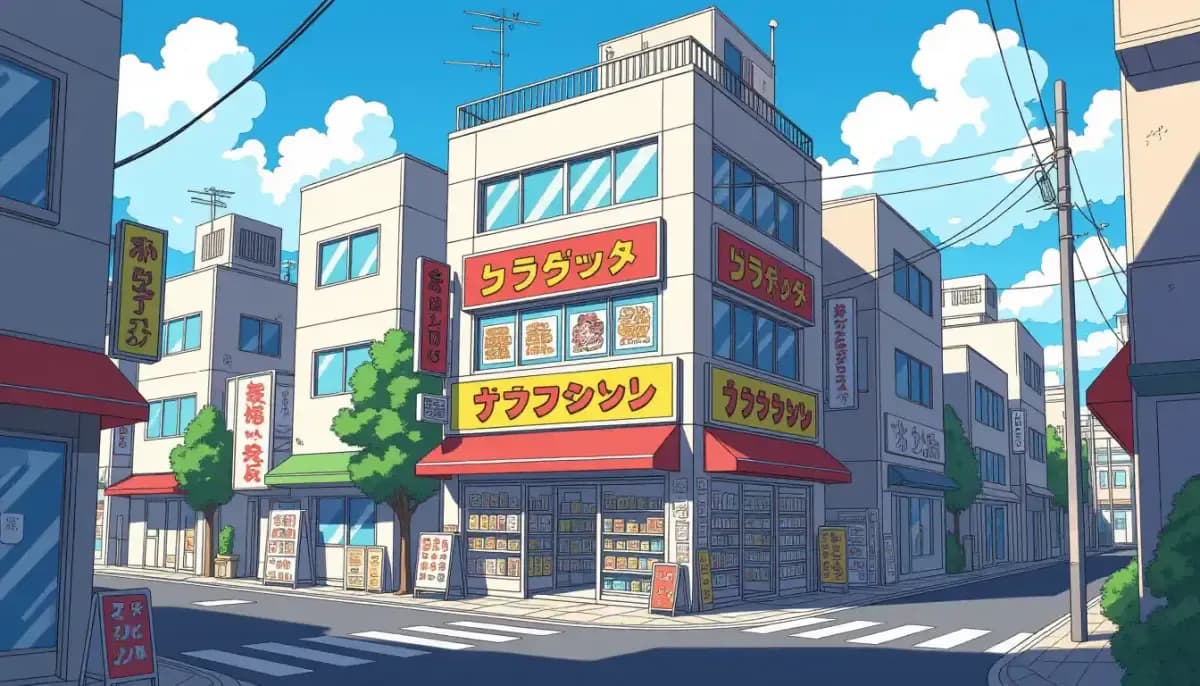
Complete guide to buying mixed-use residential and commercial property in Japan as a foreigner. Covers zoning laws, financing, investment returns, and the step-by-step buying process.
Japan Mixed-Use Properties: Residential and Commercial Combined
Japan's property market offers a unique type of investment that is rare in much of the Western world: the mixed-use building, where residential and commercial spaces coexist under one roof. Whether it's a traditional shop-front with a family apartment above or a modern urban complex combining offices, retail, and condominiums, mixed-use properties in Japan are legal, accessible to foreigners, and increasingly sought-after by savvy investors. This guide explains everything you need to know about buying and owning mixed-use property in Japan as a foreigner.
What Is a Mixed-Use Property in Japan?
A mixed-use property (複合用途物件, fukugou yōto bukken) is a building or development that combines two or more distinct functions — typically residential living with some form of commercial activity such as retail, office, medical, or hospitality use.
The most traditional form is the mise-tsuki jutaku (店付き住宅), literally "shop-attached house." These buildings, common along older shopping streets (shōtengai) throughout Japan, feature a ground-floor shop space with a residence on the upper floors. The owner might live above their own business or rent out one or both sections independently.
At the larger end of the spectrum, Japan's major cities are home to landmark mega mixed-use developments like Azabudai Hills, Tokyo Midtown Yaesu, and the upcoming TOKYO TORCH/Torch Tower. These projects integrate luxury residences, premium offices, high-end retail, hotels, and cultural facilities into single super-blocks.
For foreign buyers, both ends of this spectrum are accessible. Japan places no nationality restrictions on purchasing real estate, including mixed-use properties.
Japan's Zoning System: Built for Mixed Use
One of the most important things to understand before buying a mixed-use property in Japan is how the country's zoning laws work — because Japan's system is fundamentally different from the strict single-use zoning common in North America and parts of Europe.
Japan's City Planning Law establishes 13 land use zone categories, ranging from the most restrictive (Category 1 Low-Rise Exclusively Residential) to Exclusively Industrial. The system operates on a cumulative cascade principle: each higher zone category permits all uses from lower categories plus additional ones.
The practical result is striking: housing is permitted in almost every zone type, including commercial and most industrial zones. Even in Category 1 Exclusively Residential zones, small shops, clinics, hair salons, and day cares are permitted up to certain floor area limits. Home-based businesses occupying less than 50m² and less than half the total floor space are allowed in residential zones throughout Japan.
This zoning philosophy has shaped Japan's uniquely walkable, mixed-use urban fabric. When you see a dentist's clinic next to a convenience store next to a row of townhouses on an otherwise quiet residential street, that's not an accident — it's the system working as intended.
| Zone Type | Residential? | Small Commercial? | Large Commercial? | Industrial? |
|---|---|---|---|---|
| Cat. 1 Low-Rise Residential | ✅ | Limited | ❌ | ❌ |
| Cat. 2 Low-Rise Residential | ✅ | ✅ (small) | ❌ | ❌ |
| Cat. 1 Mid-/High-Rise Residential | ✅ | ✅ | ❌ | ❌ |
| Cat. 2 Mid-/High-Rise Residential | ✅ | ✅ | Limited | ❌ |
| Cat. 1 Residential | ✅ | ✅ | Limited | ❌ |
| Cat. 2 Residential | ✅ | ✅ | ✅ (mid) | ❌ |
| Quasi-Residential | ✅ | ✅ | ✅ | Limited |
| Neighborhood Commercial | ✅ | ✅ | ✅ | ❌ |
| Commercial | ✅ | ✅ | ✅ | Limited |
| Quasi-Industrial | ✅ | ✅ | ✅ | ✅ |
| Industrial | Limited | ✅ | ✅ | ✅ |
| Exclusively Industrial | ❌ | ✅ | ✅ | ✅ |
Note: Exact permitted uses and floor area ratios (FAR) vary. Always confirm the specific zone with the local municipal office before purchase.
Before buying any mixed-use property, you should verify the zone designation with the municipality and check whether a District Plan (chiku keikaku) imposes stricter local rules on top of the national framework. For more on property types in Japan, see our complete guide to types of properties available in Japan.
Types of Mixed-Use Properties Foreign Buyers Can Purchase
1. Mise-Tsuki Jutaku (Shop + House)
These small-scale mixed-use buildings are the most accessible entry point for individual buyers. A typical mise-tsuki jutaku features:
- Ground floor: retail shop, restaurant, clinic, or office (typically 30–80m²)
- Upper floors: 2–4 levels of residential apartments or a single owner-occupied dwelling
Prices vary dramatically by location. In Tokyo's older shōtengai neighborhoods, you can find aging examples starting around ¥20–40 million, while renovated versions in prime Osaka or Kyoto commercial strips can exceed ¥100 million.
These properties are popular with buyers who want to operate a small business, rent to a commercial tenant for income, or simply own a building with diversified use. Foreign buyers who plan to run a business from the premises will need the appropriate visa, but ownership itself requires no residency status.
2. Apartment Building with Ground-Floor Commercial
A step up from the simple shop-house, these buildings (typically 3–6 floors) combine ground-floor commercial space — often a restaurant, pharmacy, or convenience store — with multiple residential apartments above. The owner collects both commercial and residential rent streams, which often results in lower vacancy risk than a purely residential or purely commercial building.
These buildings are common in second-tier cities like Fukuoka, Sendai, and Nagoya, where acquisition prices are lower but rental yields remain attractive. For a guide to Fukuoka's property market, see buying property in Fukuoka and Kyushu as a foreigner.
3. Large-Scale Mixed-Use Developments
Japan's major cities have seen a wave of landmark mixed-use mega-projects in the past five years:
- Azabudai Hills (2023, Minato-ku, Tokyo): wellness-focused development with 24,000+ m² of green space, luxury residences, international school, hotel, and retail
- Tokyo Midtown Yaesu (2023): offices, retail, hotel, and an elementary school in a single complex next to Tokyo Station
- TOKYO TORCH / Torch Tower (expected 2027): Japan's future tallest building at 390m, combining coworking, residential, cultural hall, and observation facilities
Individual residential units in these developments sell as standard condominiums (mansion units), and foreign buyers can purchase them with the same rights as Japanese nationals. Prices in landmark projects command significant premiums.
Can Foreigners Buy Mixed-Use Property in Japan?
Yes — with the same rights as Japanese citizens. Japan has no nationality-based restrictions on purchasing real estate, including mixed-use buildings. You do not need a visa, residency, or any special government permission to buy a mixed-use property (the only exceptions are agricultural land and forest land, and properties near certain Self-Defense Force or US military facilities).
Foreign investment in Japanese real estate reached a record JPY 2.3 trillion (approximately USD 15.7 billion) in 2024, up 12% year-on-year. Foreign buyers now account for approximately 27% of all real estate transactions, up from 21% five years prior. A growing share of that investment flows into mixed-use assets in Tokyo and Osaka. For a full overview of what foreign buyers can and cannot do, see our article can foreigners buy property in Japan.
Financing Mixed-Use Property as a Foreign Buyer
Mortgage financing is the main practical hurdle for foreign buyers, and mixed-use properties add an additional layer of complexity.
Standard Japanese home loan products from major banks are designed for purely residential use. If your property has significant commercial floor area, lenders may classify it as a commercial property and require:
- Higher down payments (often 30–40% rather than 10–20%)
- Shorter loan terms (15–25 years rather than 35)
- A Japanese corporation or holding structure in some cases
Some regional banks and credit unions (shinkin banks) are more flexible when the commercial portion is small (for example, a ground-floor shop of under 30m² in an otherwise residential building). Shinkin banks with local knowledge can sometimes lend to foreign buyers on small mixed-use properties on reasonable terms.
Non-permanent residents without a long Japanese credit history will generally face a minimum 20–30% down payment on any property. Permanent residents and those with long-term visas are treated more favorably. For a complete guide to mortgage options, see mortgages and home loans for foreigners in Japan.
For additional perspectives on expat property buying in Japan, Housing Japan's buying guide provides useful practical context.
Investment Returns and Market Data
Mixed-use properties in Japan offer several potential income streams:
- Commercial rent: typically higher per m² than residential but more volatile and with longer vacancy periods between tenants
- Residential rent: more stable, with Japan's relatively low vacancy rates in urban areas
- Capital appreciation: research from the Japan Real Estate Institute indicates that mixed-use developments are associated with an average 20% increase in surrounding property values, making adjacency to mixed-use zones a positive valuation signal
Tokyo Grade A office space (common in the commercial floors of premium mixed-use buildings) carried a vacancy rate of approximately 3.4% as of 2024–2025, with rents of around JPY 32,400 per square meter per month — figures that indicate strong underlying demand.
Secondary cities often offer more attractive gross yields (8–12% is achievable in Fukuoka, Sendai, or Sapporo for well-located mixed-use buildings) compared to Tokyo (often 4–6% gross for comparable assets). For context on the broader market, see our Japan real estate market overview.
The Japan zoning framework's inherent support for mixed-use development is also well-documented as a driver of walkability and urban vitality, as analyzed in the Strong Towns Langley case study on Japan's zoning system.
The Buying Process for Mixed-Use Property
The purchase process for a mixed-use property follows the same basic steps as any Japanese real estate transaction, with a few additional due diligence points:
- Verify the zone designation: confirm the property falls in a zone where both your intended residential and commercial uses are permitted
- Check the building permit and use approval: older buildings may have permits that specify a particular approved use; changing use may require a new permit application
- Review tenancy agreements: if the commercial or residential spaces are occupied by existing tenants, Japan's tenant-protection laws (shakuya hō) are strict — it can be very difficult and costly to evict commercial tenants who have long-term leases
- Engage a bilingual real estate agent: all legal documents, contracts, and municipal records are in Japanese
- Hire a judicial scrivener (shihō shoshi): this professional (not a lawyer) handles title registration at settlement
- Budget for transaction costs: approximately 5–6% of purchase price (agent commission ~3% + ¥60,000 + consumption tax; registration tax 2%; real estate acquisition tax 1.5–3%)
For a step-by-step walkthrough of the full purchase process, see step-by-step home buying process in Japan for foreigners. For a deeper look at all fees involved, see our article on hidden costs and fees when buying property in Japan.
You can also find helpful resources for expats navigating Japanese property from Living in Nihon and practical work-related housing guidance at For Work in Japan. The team at Gaijin Buy House specializes in helping foreign buyers navigate the Japanese real estate process.
Key Risks and Considerations
Aging buildings: Many smaller mise-tsuki jutaku are old — built before Japan's revised seismic code (1981). Buildings constructed before June 1, 1981 are subject to the "old" seismic standards (kyū taishin). Budget for seismic reinforcement (taishin hōji) if purchasing an older building.
Commercial tenant risk: Commercial tenants in Japan have strong legal protections. Carefully review existing leases before purchase, and factor in the possibility that a sitting commercial tenant cannot be easily removed.
Changing use restrictions: Converting an existing building to a different use requires confirmation that the new use is permitted in the zone. This is especially important for buyers who want to convert former commercial space to residential or vice versa.
Liquidity: Mixed-use properties have a narrower buyer pool than purely residential properties, which can make resale slower and may affect achievable prices.
Conclusion
Japan's mixed-use property market is one of the most accessible and legally straightforward for foreign buyers anywhere in Asia. The national zoning framework inherently supports mixed residential-commercial use, and there are no nationality restrictions on ownership. From affordable traditional shop-houses in provincial cities to landmark luxury developments in central Tokyo, the range of options is wide.
The main practical challenges — financing without permanent residency, navigating Japanese-language documentation, understanding existing tenant rights — are manageable with the right professional support. With foreign investment in Japanese real estate at record levels and mixed-use developments driving property value appreciation in urban neighborhoods, the investment case for well-located mixed-use assets in Japan remains compelling.
For more guidance on the broader property buying process, explore our complete guide to buying property in Japan as a foreigner and our article on legal procedures and documentation for Japan property purchase.
For further reading on Tokyo's mixed-use development landscape, E-Housing's overview of Tokyo mixed-use developments provides detailed analysis, and PLAZA HOMES covers Japan's land use zoning system in practical detail.

Originally from Vietnam, living in Japan for 16+ years. Graduated from Nagoya University, with 11 years of professional experience at Japanese and international companies. Sharing information about buying property in Japan for foreigners.
View Profile →Related Articles
Japan Property Grading: How Mansions and Buildings Are Evaluated
Understand Japan's property grading systems including seismic resistance grades (1-3), Housing Performance Indication (10 indicators), CASBEE, BELS, and building structure types RC/SRC — essential knowledge for foreign buyers of mansions and houses.
Read more →
Japan Building Age Categories: New Build vs Used Property Standards
Understand Japan's building age categories — kyu-taishin, shin-taishin, post-2000, and new build standards. Essential guide for foreigners buying property in Japan, covering seismic standards, depreciation, and what to check before buying.
Read more →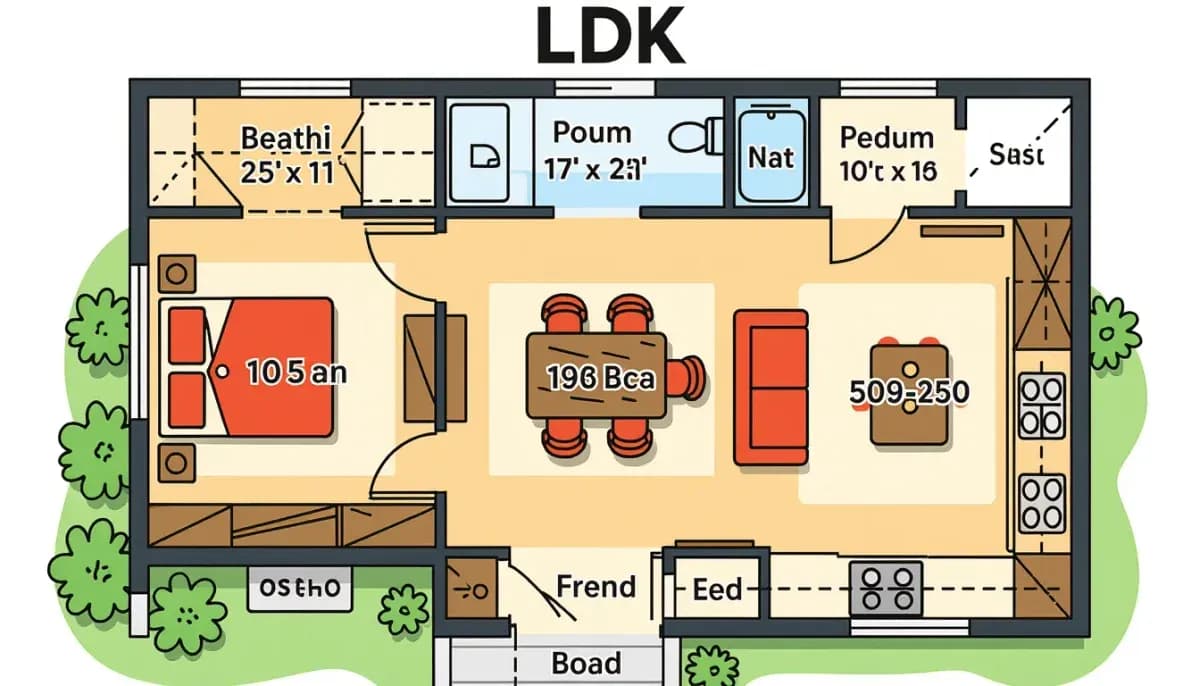
How to Read Japan Property Floor Plans: A Visual Guide
Learn to read Japanese property floor plans with confidence. Understand LDK notation, tatami measurements, floor plan symbols, and common room labels used in Japan real estate listings.
Read more →
Japan Garage Houses: Properties for Car Enthusiasts
Everything foreign car enthusiasts need to know about buying a garage house in Japan — built-in garage types, tax benefits, costs, design features, and how foreigners can purchase property with full ownership rights.
Read more →
Japan Penthouse and Luxury Apartment Guide
Complete guide to buying or renting a penthouse or luxury apartment in Japan as a foreigner. Covers prices, locations, legal rules, guarantor requirements, and top buildings in Tokyo and beyond.
Read more →
Japan Family Apartment Size Guide: Understanding 2LDK, 3LDK Layouts
Confused by 2LDK and 3LDK in Japanese apartment listings? Our complete guide explains apartment sizes, tatami measurements, rent costs, and tips for foreigners renting a family apartment in Japan.
Read more →