
Japan Family Apartment Size Guide: Understanding 2LDK, 3LDK Layouts

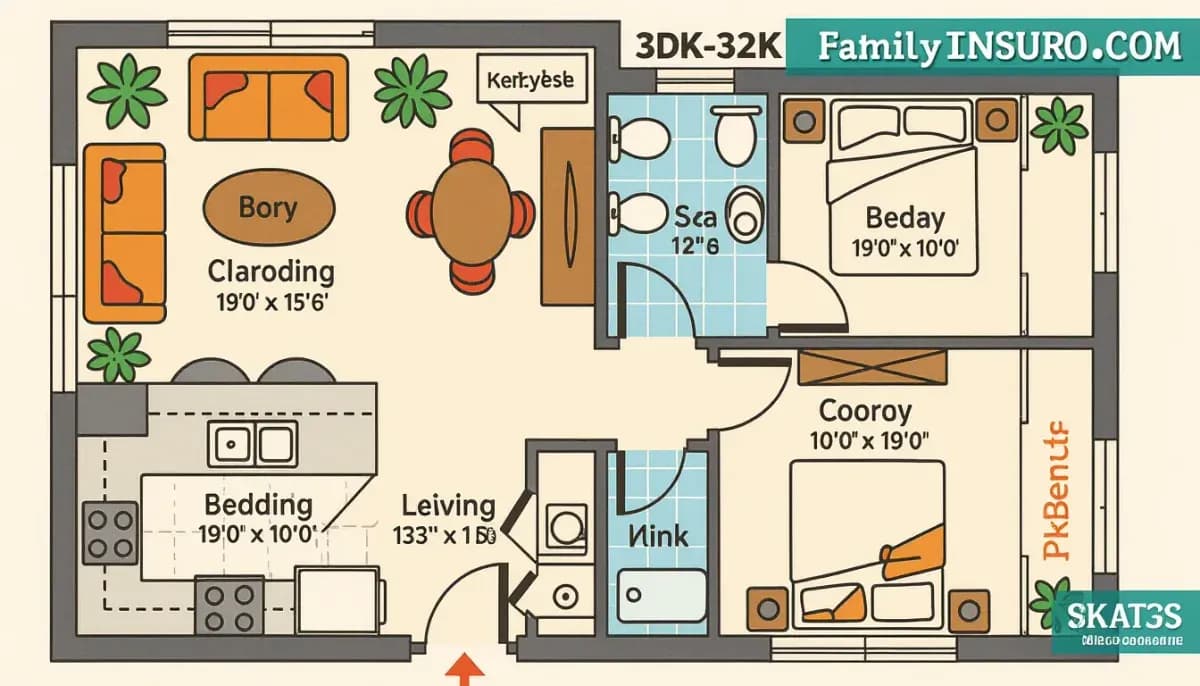
Confused by 2LDK and 3LDK in Japanese apartment listings? Our complete guide explains apartment sizes, tatami measurements, rent costs, and tips for foreigners renting a family apartment in Japan.
Japan Family Apartment Size Guide: Understanding 2LDK, 3LDK Layouts
Finding the right apartment in Japan as a foreigner can feel overwhelming, especially when every listing is filled with cryptic codes like "2LDK," "3DK," or "1SLDK." Once you crack the code, however, you'll be able to quickly assess whether a property suits your family's needs. This guide walks you through the entire Japanese apartment size system — from tatami mat measurements to which layout is ideal for your household size — so you can confidently navigate the rental and buying markets.
What Do Japanese Apartment Layout Codes Mean?
Japanese apartments are described using a shorthand notation that tells you the number of rooms and the types of shared living spaces included. Understanding this system is your first step toward finding the perfect family home.
The Basic Formula: [Number of Bedrooms] + [Living Space Type]
- R (Room) – A single room with no separate kitchen. Usually a small studio.
- K (Kitchen) – A kitchen area separated from the main room.
- DK (Dining Kitchen) – A combined dining and kitchen area.
- LDK (Living, Dining, Kitchen) – A combined living room, dining area, and kitchen — the most common type in modern apartments.
So a 2LDK means: 2 private bedrooms + a combined living/dining/kitchen space. And a 3LDK means: 3 private bedrooms + a combined living/dining/kitchen space.
The S prefix (e.g., 1SLDK or 2SLDK) indicates a service room — a small additional room (typically under 4.5 tatami mats) that lacks proper ventilation or sunlight and thus cannot legally be labeled a bedroom. Many families use service rooms as children's study areas, home offices, or storage.
For a broader overview of Japanese property types, see our Complete Guide to Buying Property in Japan as a Foreigner.
How Japanese Apartments Are Measured: Tatami Mats and Square Meters
Unlike Western countries where rooms are measured purely in square meters or square feet, Japan uses two measurement systems side by side:
Tatami Mats (畳 / jō)
A tatami mat (1 jō) measures approximately 1.8m × 0.9m = 1.62 sqm, though this varies by region. Tokyo tatami mats are slightly smaller (around 1.54 sqm each). Room sizes are expressed in terms of how many mats fit:
- 4.5 jō ≈ 7.3 sqm — very small room
- 6 jō ≈ 9.7 sqm — standard Japanese bedroom
- 8 jō ≈ 13 sqm — larger bedroom or dining room
- 10 jō ≈ 16 sqm — spacious living room
Square Meters (㎡)
All modern listings also show total floor space in square meters (㎡). According to Japan's Ministry of Land, Infrastructure, Transport and Tourism:
- Minimum standard for 4 people: 50 sqm
- Comfortable urban living target: 95 sqm
For foreigners used to larger Western homes, Japanese apartments can feel compact — but smart design, efficient storage, and clever furniture placement make even a modest 2LDK surprisingly livable.
Learn more about the types of properties available in Japan in our Types of Properties Available in Japan: A Complete Guide.
2LDK Apartments: The Sweet Spot for Small Families
The 2LDK is the most popular apartment type for young families and expat couples in Japan. It strikes a balance between affordability and livable space.
Typical 2LDK Sizes
| Location Type | Size Range | Monthly Rent (approx.) |
|---|---|---|
| Central Tokyo (Minato, Shinjuku) | 50–70 sqm | ¥200,000–¥350,000 |
| Inner Suburban Tokyo (Setagaya, Nerima) | 60–80 sqm | ¥150,000–¥200,000 |
| Outer Suburban Tokyo | 65–90 sqm | ¥120,000–¥160,000 |
| Osaka City Center | 55–75 sqm | ¥130,000–¥200,000 |
| Nagoya / Fukuoka | 60–85 sqm | ¥90,000–¥140,000 |
| Sapporo / Regional Cities | 65–90 sqm | ¥70,000–¥110,000 |
A representative example: a 59.68 sqm 2LDK in Chuo-ku, Tokyo, rents for approximately ¥300,000/month. Initial move-in costs for this unit would total around ¥1,393,100, including deposit, key money, agency fee, and guarantee fee.
Who Is a 2LDK Best For?
- Couples without children
- Small families with one infant or toddler
- Expats who work from home and need a dedicated office room
- Two adults who want separate sleeping and working spaces
Room Allocation Tips for 2LDK Families
Young children: Use Bedroom 1 as the parents' room and Bedroom 2 as a combined playroom/nursery.
School-age kids: Children share Bedroom 2 (bunk beds work great); parents use Bedroom 1.
Teenagers: Each teen gets their own bedroom; parents sleep in the LDK on a sofa bed or futon, or consider upgrading to a 3LDK.
For more details specifically about living with a small family, check out A-Realty's 2LDK Small Family Guide.
3LDK Apartments: Space for Growing Families
Once you have two or more children — or need a home office — the 3LDK becomes the ideal choice. These apartments are more common in suburban neighborhoods and family-oriented residential areas.
Typical 3LDK Sizes and Prices
| Location Type | Size Range | Monthly Rent (approx.) |
|---|---|---|
| Central Tokyo | 70–90 sqm | ¥250,000–¥450,000 |
| Suburban Tokyo | 75–100 sqm | ¥170,000–¥250,000 |
| Osaka / Nagoya | 75–100 sqm | ¥130,000–¥200,000 |
| Regional Cities | 80–110 sqm | ¥80,000–¥140,000 |
3LDK apartments are significantly less common in central Tokyo — landlords and developers know that families with that level of space requirement often prefer suburban locations with parks, good schools, and larger floor plans.
Who Is a 3LDK Best For?
- Families with 2+ children
- Multi-generational households (grandparent in third room)
- Professionals who need a dedicated home office
- Families who frequently host guests
For buyers considering a long-term purchase, our guide on Step-by-Step Home Buying Process in Japan for Foreigners explains how to navigate the purchase process.
Understanding Initial Costs: What to Budget for a Family Apartment
Japan's rental system includes substantial upfront costs. Here's what to expect when signing a lease for a 2LDK or 3LDK:
| Cost Item | Typical Amount | Notes |
|---|---|---|
| Shikikin (保証金 / Deposit) | 1–2 months' rent | Partially refundable |
| Reikin (礼金 / Key Money) | 0–2 months' rent | Non-refundable gift to landlord |
| Agency Fee (仲介手数料) | 1 month's rent | Paid to real estate agent |
| Guarantee Company Fee | 0.5–1 month's rent | Required for most foreigners |
| Advance Rent | 1 month | First month upfront |
| Fire Insurance | ¥15,000–¥30,000 | 2-year policy |
| Total Initial Budget | 4–6 months' rent | Prepare this before searching |
For a ¥150,000/month 2LDK, expect to pay ¥600,000–¥900,000 upfront.
Important tip for foreigners: Japan's UR (Urban Renaissance Agency) public housing eliminates guarantors, key money, and agency fees — making it a popular option for foreign residents who have difficulty meeting the standard landlord requirements. You only need a valid residence card (在留カード) to apply.
For a comprehensive breakdown of all costs involved, see our guide on Hidden Costs and Fees When Buying Property in Japan.
For more rental tips tailored to foreigners, Living in Nihon's complete housing guide covers everything from layout terminology to signing your lease.
Tips for Foreigners Renting a Family Apartment in Japan
Renting as a foreigner in Japan comes with additional hurdles. Here's how to navigate them:
Match Your Household Size to the Layout
Japanese landlords have strict expectations about household-to-apartment size ratios. A single person applying for a 3LDK will likely be rejected — landlords worry about subletting or improper use. The general rule:
- 1 person → 1K or 1LDK
- 2 people (couple) → 1LDK or 2LDK
- Family with 1 child → 2LDK
- Family with 2+ children → 3LDK
Ensure Your Documents Are Ready
Most landlords require: residence card (在留カード), passport, proof of income (pay stubs or employment contract), and a Japanese guarantor or guarantee company.
Earthquake Safety: Choose Post-1981 Buildings
Japan updated its seismic resistance standards (新耐震基準, shinsai-taisei) in 1981. Buildings constructed after this date offer significantly better earthquake protection. Always check the construction year — especially for older properties.
Consider the Building Type
- Mansion (マンション) – Reinforced concrete construction. Better soundproofing, higher rent.
- Apartment (アパート) – Wood or light steel frame. More affordable, but less soundproofing.
For workers moving to Japan, For Work in Japan's housing guide offers additional practical advice on setting up your new home, from utilities to resident registration.
Best Neighborhoods for Family Apartments in Japan
Location is everything. Here are some top picks by city:
| City | Family-Friendly Areas | Why |
|---|---|---|
| Tokyo | Setagaya, Nerima, Edogawa | Parks, good schools, affordable |
| Tokyo (central) | Minato, Shibuya | International schools, amenities |
| Osaka | Namba, Suita, Toyonaka | Access to transit, international schools |
| Fukuoka | Chuo, Higashi | Family-friendly, cheaper than Tokyo |
| Kyoto | Fushimi, Yamashina | Quieter, green spaces |
| Sapporo | Kita, Minami | Large units, affordable, good schools |
For city-specific guidance, explore our dedicated area guides:
- Buying Property in Tokyo as a Foreigner
- Buying Property in Osaka as a Foreigner
- Buying Property in Fukuoka and Kyushu
Buying vs. Renting: Is a 2LDK or 3LDK Worth Purchasing?
For many expat families who plan to stay in Japan long-term, buying a 2LDK or 3LDK apartment (known as a manshon, 分譲マンション) can be more cost-effective than renting indefinitely.
Key considerations when buying:
- Down payment: Non-permanent residents typically need 20–30% of the property price
- Transaction costs: Approximately 6–10% of the purchase price in taxes and fees
- Monthly costs: Property taxes + maintenance fees (管理費) ¥10,000–¥30,000 + reserve fund (修繕積立金)
- Earthquake resistance: Prioritize post-1981 buildings
For more on the financial side of property ownership, see our Property Taxes and Annual Costs of Owning Property in Japan guide.
Gaijin Buy House's apartment purchase guide is an excellent resource for foreign buyers considering a condo purchase in Japan.
Also check E-Housing's breakdown of apartment sizes in Japan for additional size comparisons and regional data.
Final Thoughts: Choosing the Right Layout for Your Family
Understanding the Japanese apartment notation system is one of the most practical skills you can develop as a foreign resident. Here's a quick summary:
- 2LDK → ideal for couples and small families (1 child), typically 50–80 sqm
- 3LDK → ideal for families with 2+ children or work-from-home needs, typically 70–100+ sqm
- Budget 4–6 months' rent for upfront costs
- UR housing is the friendliest option for foreigners (no key money, no guarantor)
- Post-1981 buildings offer better earthquake safety — always check construction year
- Match your household size to the layout size to maximize approval chances
Japan's apartment market rewards those who come prepared. With this guide in hand, you're ready to confidently search for and secure the perfect family home in Japan.

Originally from Vietnam, living in Japan for 16+ years. Graduated from Nagoya University, with 11 years of professional experience at Japanese and international companies. Sharing information about buying property in Japan for foreigners.
View Profile →Related Articles
Japan Property Grading: How Mansions and Buildings Are Evaluated
Understand Japan's property grading systems including seismic resistance grades (1-3), Housing Performance Indication (10 indicators), CASBEE, BELS, and building structure types RC/SRC — essential knowledge for foreign buyers of mansions and houses.
Read more →
Japan Building Age Categories: New Build vs Used Property Standards
Understand Japan's building age categories — kyu-taishin, shin-taishin, post-2000, and new build standards. Essential guide for foreigners buying property in Japan, covering seismic standards, depreciation, and what to check before buying.
Read more →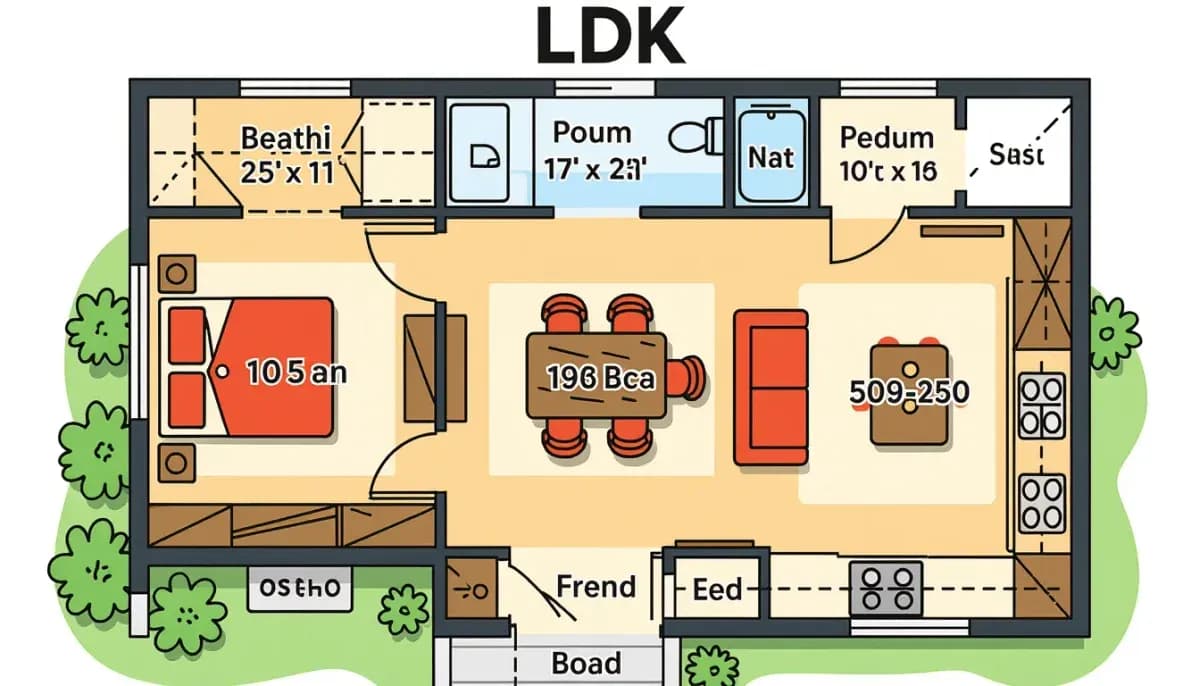
How to Read Japan Property Floor Plans: A Visual Guide
Learn to read Japanese property floor plans with confidence. Understand LDK notation, tatami measurements, floor plan symbols, and common room labels used in Japan real estate listings.
Read more →
Japan Mixed-Use Properties: Residential and Commercial Combined
Complete guide to buying mixed-use residential and commercial property in Japan as a foreigner. Covers zoning laws, financing, investment returns, and the step-by-step buying process.
Read more →
Japan Garage Houses: Properties for Car Enthusiasts
Everything foreign car enthusiasts need to know about buying a garage house in Japan — built-in garage types, tax benefits, costs, design features, and how foreigners can purchase property with full ownership rights.
Read more →
Japan Penthouse and Luxury Apartment Guide
Complete guide to buying or renting a penthouse or luxury apartment in Japan as a foreigner. Covers prices, locations, legal rules, guarantor requirements, and top buildings in Tokyo and beyond.
Read more →