
Japan Property Grading: How Mansions and Buildings Are Evaluated

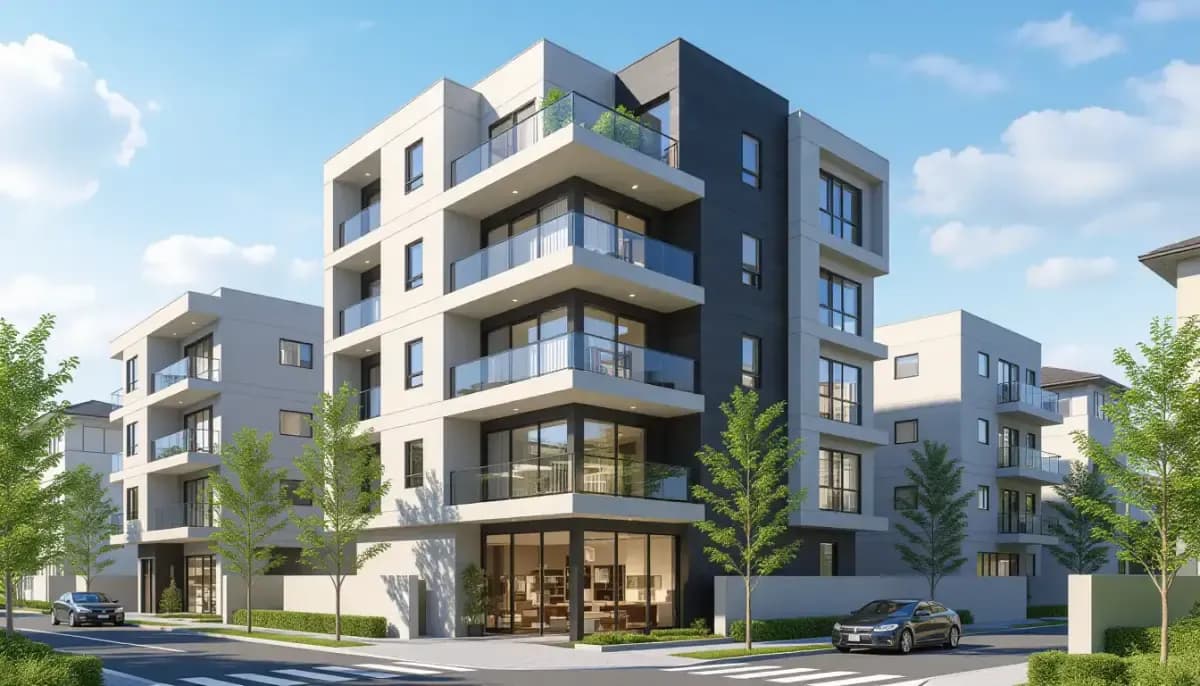
Understand Japan's property grading systems including seismic resistance grades (1-3), Housing Performance Indication (10 indicators), CASBEE, BELS, and building structure types RC/SRC — essential knowledge for foreign buyers of mansions and houses.
Japan Property Grading: How Mansions and Buildings Are Evaluated
When buying property in Japan, you will encounter a range of grading and evaluation systems that can seem confusing at first glance. Unlike many Western countries where a single credit-style grade might summarize a property, Japan uses multiple parallel systems — each measuring a different aspect of quality. Understanding these systems is essential for any foreigner evaluating a mansion (condominium) or other building in Japan, because they directly affect safety, long-term value, insurance eligibility, and resale potential.
This guide explains Japan's main property grading frameworks, what the grades mean in practice, and how to use this information when making a purchase decision.
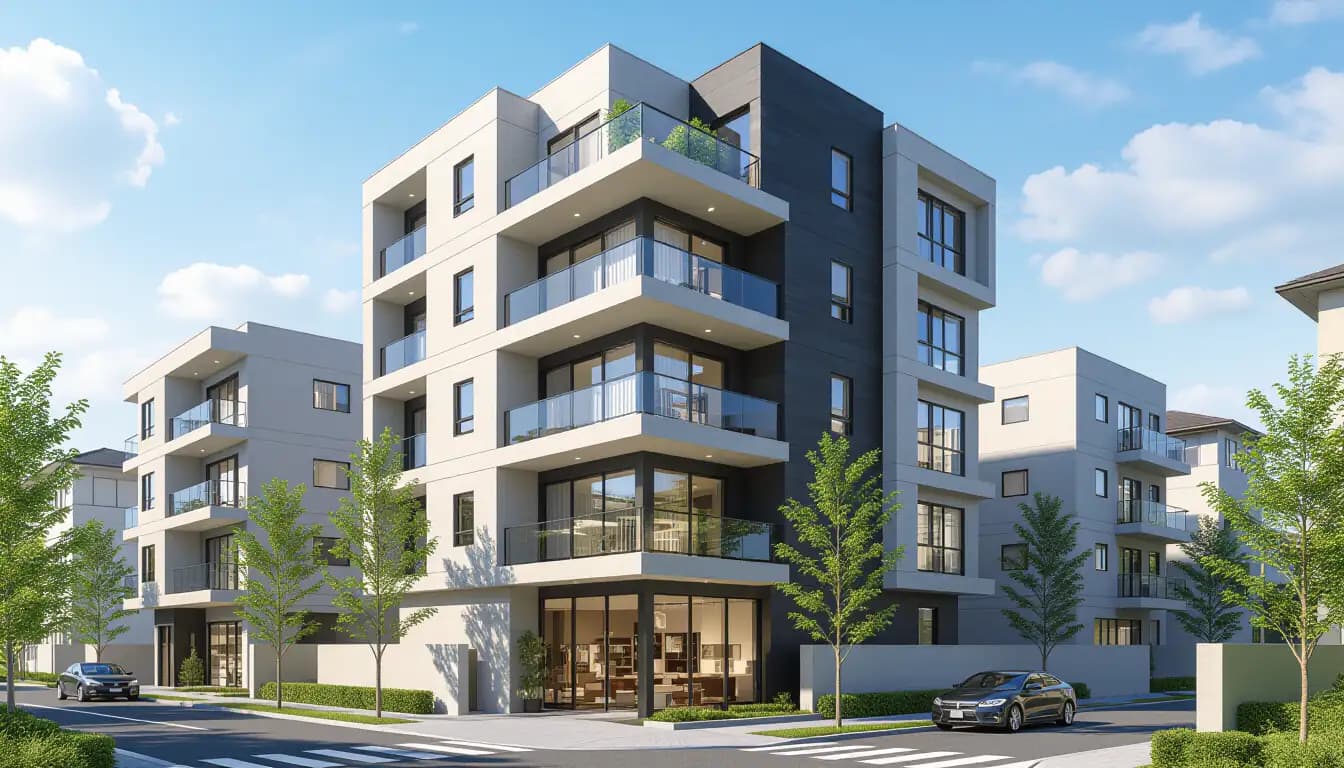
Why Japan Has Multiple Property Grading Systems
Japan's approach to property evaluation reflects the country's priorities: seismic safety, energy efficiency, long-term durability, and environmental performance are all treated as distinct concerns requiring separate frameworks.
There is no single national letter grade (like A, B, C) that summarizes a residential property's overall quality. Instead, buyers and investors work with several systems simultaneously:
- Seismic Resistance Grades (耐震等級) — the most important for residential buyers
- Housing Performance Indication System (住宅性能表示制度) — a comprehensive 10-indicator evaluation
- Building Structure Classifications — structural type codes used in all property listings
- Seismic Standard Eras — construction date-based classifications that affect insurability and financing
- CASBEE Environmental Certification — primarily for commercial properties and investment-grade real estate
- BELS Energy Rating — 5-star system for energy efficiency, increasingly required
Each system tells you something different, and experienced buyers use multiple data points together to form a complete picture.
Seismic Resistance Grades: The Most Critical Evaluation for Buyers
Japan's seismic resistance grading system is established under the Act on Promotion of Housing Quality Assurance (品確法) and is the single most important grading system for residential property buyers.
There are three grades:
| Seismic Grade | Resistance Level | Practical Meaning |
|---|---|---|
| Grade 1 (耐震等級1) | Baseline minimum | Meets Building Standards Act requirements; designed not to collapse at JMA intensity 6–7 |
| Grade 2 (耐震等級2) | 1.25x Grade 1 | Required for designated evacuation centers; damage "generally repairable" after major quakes |
| Grade 3 (耐震等級3) | 1.5x Grade 1 | Required for fire stations and police buildings; highest residential classification |
Grade 2 and above qualify for designation as Long-Life Quality Housing (長期優良住宅), which comes with significant tax incentives and preferential mortgage rates. Many lenders also apply more favorable terms for properties certified at Grade 2+.
For buyers, the seismic grade is not just a safety consideration — it affects your insurance premiums, financing options, and the property's resale value. Grade 3 properties command a visible premium in listings.
Beyond the grades, there are three structural technologies that work together with the grade system:
- Earthquake-Resistant Structure (耐震構造): The standard approach. The building itself is reinforced to absorb and resist earthquake forces. This is found in most RC mansions.
- Damping Structure (制震構造): Absorbers (typically oil-filled or rubber dampers) are installed within the structure to reduce the energy transmitted to the building by 70–80%.
- Seismic Isolation Structure (免震構造): A base isolation layer is placed between the foundation and the building, reducing transmitted seismic intensity to approximately one-third to one-fifth of a conventional structure. This is the most effective technology and is commonly found in premium high-rise tower mansions, though it significantly increases construction cost.
The Housing Performance Indication System: 10 Indicators Explained
Established in 2000, the Housing Performance Indication System (住宅性能表示制度) is Japan's most comprehensive residential evaluation framework. Buildings are assessed by accredited third-party evaluators at two stages: Design Performance Evaluation (before construction) and Construction Performance Evaluation (during and after building).
Grades run from 1 to 5 for most indicators (not S/A/B/C), with higher numbers representing better performance.
| Indicator | What It Measures | Grade Range |
|---|---|---|
| 1. Structural Stability | Earthquake, wind, snow resistance | 1–3 |
| 2. Fire Safety | Fire resistance, early detection | 1–4 |
| 3. Degradation Reduction | Long-term material durability | 1–3 |
| 4. Maintenance & Management | Access to water, gas, drainage for repairs | 1–3 |
| 5. Thermal Environment & Energy | Insulation quality, energy consumption | 1–5 |
| 6. Air Environment | Formaldehyde control, ventilation | A/B/C |
| 7. Light/Visual Environment | Natural lighting, window orientation | Pass/Fail |
| 8. Sound Environment (optional) | Soundproofing against external noise | 1–4 |
| 9. Accessibility | Barrier-free design for elderly/disabled | 1–5 |
| 10. Crime Prevention | Entry security, intrusion prevention | Pass/Fail |
One critical fact: only approximately 30% of Japanese properties have received this evaluation. This means that if a property listing includes a Housing Performance Evaluation certificate, it is already in a minority of buildings that have gone through formal quality certification. The absence of such a certificate does not necessarily mean the building is low quality, but its presence is a meaningful differentiator.
For foreigners buying in Japan, asking your agent specifically about indicator scores — especially for Structural Stability and Degradation Reduction — gives you objective, third-party data to compare properties.
For more on how these evaluations fit into the broader purchase process, see our guide on Step-by-Step Home Buying Process in Japan for Foreigners.
Building Structure Classifications: What RC, SRC, S, and W Mean
Every property listing in Japan includes a structure type code, and understanding these codes is essential for evaluating a building's quality, expected lifespan, and seismic performance.
| Code | Japanese Term | Structure | Typical Application |
|---|---|---|---|
| W (木造) | Mokuzo | Wooden frame | Detached houses (ikkodate), low-rise |
| S (鉄骨造) | Tekkotsuzo | Steel frame | Mid-size commercial buildings, some apartments |
| RC (鉄筋コンクリート造) | Tekkin concrete | Reinforced concrete | Standard mansions (condominiums) |
| SRC (鉄骨鉄筋コンクリート造) | Steel reinforced concrete | Steel + reinforced concrete | High-rise tower mansions |
RC vs SRC in Practice:
RC (reinforced concrete) is the standard construction method for most Japanese condominiums. It offers excellent mass, good airborne sound insulation between floors, and strong fire resistance. Most mid-rise mansions of 5–15 floors use RC construction.
SRC (steel reinforced concrete) combines a steel frame with reinforced concrete, offering superior seismic performance for high-rise applications. Most tower mansions above 20 stories use SRC or steel-hybrid construction. SRC buildings generally command higher prices and have longer estimated lifespans.
Estimated Useful Life by Structure Type (Japanese Tax Standards):
| Structure | Estimated Useful Life |
|---|---|
| Wood (W) | 22 years |
| Steel (S) | 34 years |
| Reinforced Concrete (RC) | 47 years |
| Steel Reinforced Concrete (SRC) | 47 years |
Note: These are the legally defined depreciation periods for tax purposes, not the actual physical lifespan. Well-maintained RC/SRC mansions in Japan regularly exceed 60+ years. However, these figures affect how the building value is assessed for loan purposes and annual taxation.
For a deeper look at condominium types, see our guide on Buying a Condominium (Mansion) in Japan as a Foreigner.
Seismic Standard Eras: A Critical Date-Based Classification
Beyond formal grades, Japanese property is classified by the era of the building code applied during construction. This date-based classification is one of the first things buyers and lenders check, because it determines whether a building meets modern safety standards.
The Three Seismic Standard Eras:
1. Old Seismic Standard / 旧耐震基準 (pre-June 1, 1981) Buildings constructed before this date were designed to a standard that may not prevent collapse in a major earthquake. Properties from this era face significant challenges: many lenders will not provide mortgages for them, earthquake insurance is more expensive or unavailable, and sellers may face difficulty finding buyers. The 1995 Kobe earthquake demonstrated the vulnerability of many pre-1981 buildings.
2. New Seismic Standard / 新耐震基準 (June 1, 1981 – May 31, 2000) A major revision to Japan's Building Standards Act introduced in 1981. Buildings must be designed to sustain minimal damage at JMA intensity 5 and not collapse at intensity 6–7. Most Japanese properties marketed to foreign buyers fall into this category. Post-1981 buildings are generally mortgageable and insurable.
3. Enhanced Seismic Standard (June 2000 onward) A further revision added stricter requirements for wall placement balance and foundation tie requirements. Buildings from June 2000 onward represent the current minimum standard and are the most straightforward to finance and insure.
2025 Building Code Update: The "Category 4 Special Exception" was abolished in 2025, ending a provision that previously allowed small wooden homes to bypass certain building review requirements. All new construction is now subject to the full building review process, raising the baseline quality floor for new builds.
For buyers of used properties, verifying the construction date against these thresholds is a non-negotiable step. Your real estate agent can pull the building registration (建物登記) to confirm the exact construction date.
CASBEE and Green Building Certifications
For buyers looking at investment-grade properties or high-end mansions, several voluntary environmental certification systems exist that use a letter-grade format similar to Western systems.
CASBEE (Comprehensive Assessment System for Built Environment Efficiency)
CASBEE is Japan's primary environmental performance certification for buildings. It rates buildings on a 5-level scale:
| CASBEE Grade | Rating | BEE Score |
|---|---|---|
| S (Superior) | Excellent | 3.0 or above |
| A (Very Good) | High performance | 1.5–3.0 |
| B+ (Good) | Above average | 1.0–1.5 |
| B- (Slightly Poor) | Below average | 0.5–1.0 |
| C (Poor) | Low performance | Below 0.5 |
The grade is based on Building Environmental Efficiency (BEE) = Environmental Quality ÷ Environmental Load, assessing energy use, indoor environment quality, resource efficiency, and local environmental impact.
Important caveat: CASBEE is primarily used for commercial buildings, office towers, and J-REIT portfolio assets — not standard residential mansion listings. When you see CASBEE certification in a property listing, it typically signals a high-end, institutional-quality building.
BELS (Building-Housing Energy-Efficiency Labeling System)
BELS is a 5-star energy rating (★★★★★ being highest) that applies to all building types, including residential. After the 2025 building code updates that increased energy performance disclosure requirements, BELS ratings are becoming more standard in new condominium listings.
DBJ Green Building Certification (Development Bank of Japan) offers a 5-star rating for environmental and stakeholder responsiveness, primarily used in the commercial investment market.
For those considering investment properties in Japan, see our guide on Japan Real Estate Investment Guide for Foreigners for how these certifications affect investment returns.
Property Valuation Methods Used in Japan
Understanding how properties are valued helps you interpret price differences between similarly graded buildings.
Japanese licensed appraisers (不動産鑑定士) use three standard methods:
1. Cost Approach (原価法) The replacement cost of new construction is calculated and then depreciated based on building age, structural type, and physical condition. Each structure type (RC, S, W) has a different benchmark replacement cost per square meter. This is typically used for land valuation and houses.
2. Market Comparison Approach (取引事例比較法) Recent comparable sales are identified, then adjusted for location, building age, floor, orientation, and condition. This is the primary method for residential condominium valuation and what drives asking prices in established markets.
3. Income Approach (収益還元法) The present value of estimated future rental income is calculated. This is standard for investment property and commercial real estate valuation.
For most mansion buyers, the market comparison approach is most relevant. When a property is priced significantly above comparable sales, the seller may be factoring in rare certifications (Seismic Grade 3, Housing Performance Evaluation, BELS 5-star) or premium structural technology (seismic isolation). Understanding the grading framework helps you assess whether the premium is justified.
Practical Checklist: Using These Systems When Buying
When evaluating a specific property, here is how to apply the grading knowledge above:
| Check | What to Ask | Why It Matters |
|---|---|---|
| Construction date | Before/after June 1981? Before/after June 2000? | Determines seismic standard era; affects financing and insurance |
| Structure type | RC, SRC, S, or W? | Affects durability, sound, seismic performance |
| Seismic grade certification | Grade 1, 2, or 3? | Tax benefits, insurance, resale value |
| Seismic technology | Earthquake-resistant, damping, or isolation? | Safety performance in major quakes |
| Housing Performance Evaluation | Has certificate? Which indicators scored? | Third-party quality verification |
| BELS energy rating | Star rating? | Energy costs, future compliance |
| Repair fund (修繕積立金) | Amount per month? Reserve fund balance? | Indicates management quality and future costs |
| Long-Life Quality Housing designation | 長期優良住宅 certified? | Signals Grade 2+ seismic + other quality standards met |
For deeper guidance on the buying process and working with agents in Japan, see our complete article on Working with Japanese Real Estate Agents as a Foreigner.
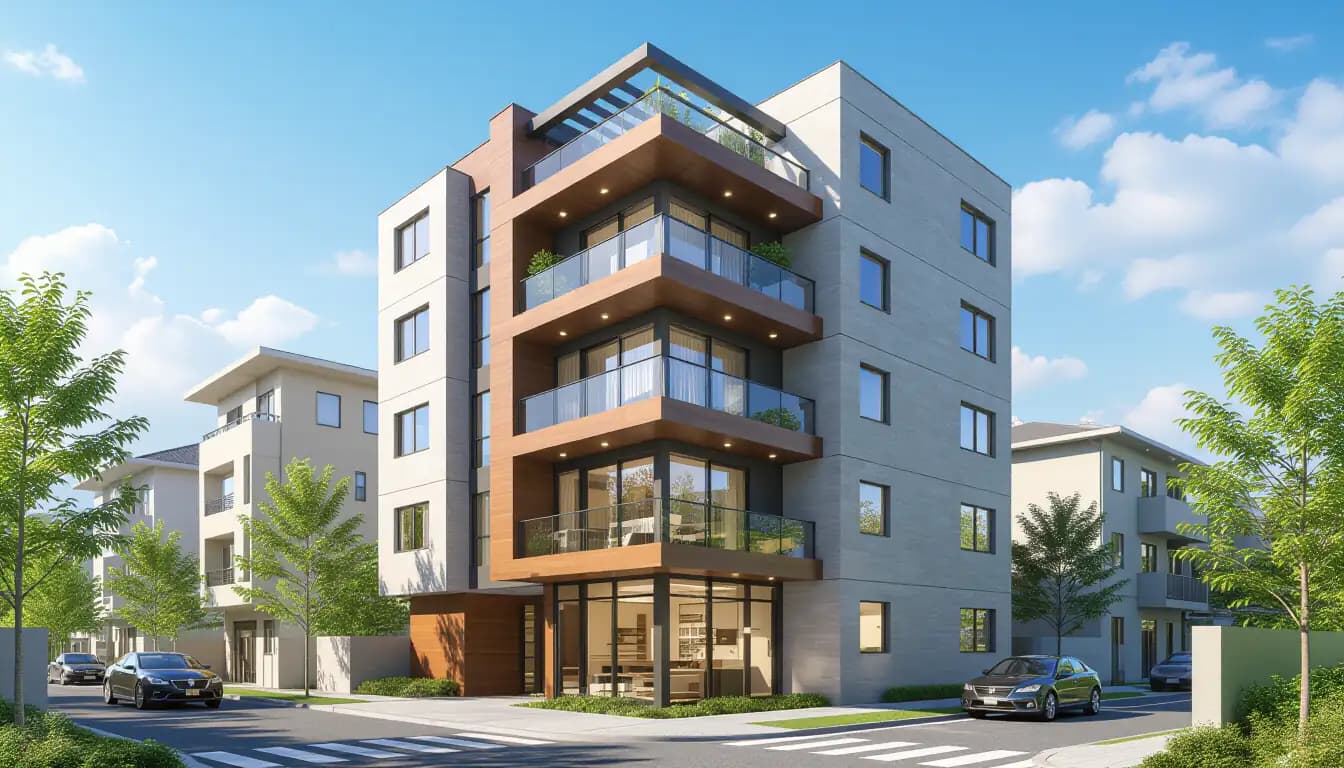
Common Questions About Japan Property Grading
Does every building in Japan have a seismic grade certificate? No. Seismic grade certification is voluntary. Older buildings may have been built before the grading system existed. You can request that a building be evaluated, but the cost and time involved mean many sellers of older properties have not obtained certification. If no certificate exists for an older building, check the construction date relative to seismic standard eras as the baseline assessment.
Is a Grade 1 building safe? Yes, Grade 1 buildings meet Japan's legal minimum for earthquake resistance, which is one of the strictest in the world. However, Grade 1 buildings are designed to prevent collapse — they may sustain significant structural damage in a major earthquake and may not be easily repaired. Grade 2 and 3 buildings are designed with greater margins.
Should foreigners prioritize CASBEE certification? For residential use, CASBEE is less relevant than seismic grading and the Housing Performance Evaluation. CASBEE is more meaningful if you are buying commercial property or an investment-grade building. Focus on seismic standards first, then energy efficiency (BELS), for residential purchases.
How does building grade affect mortgage approval? Pre-1981 (old seismic standard) buildings are often refused mortgages entirely by major Japanese banks. Post-1981 buildings are generally eligible, with better grades sometimes qualifying for preferential rates. Long-Life Quality Housing (Grade 2+ seismic with other quality standards) qualifies for specific loan programs such as Flat 35S from JHFA with reduced interest rates.
For complete details on financing, see our guide on Mortgages and Home Loans for Foreigners in Japan.
Further Reading and Expert Resources
For additional research on property evaluation and buying in Japan:
- Living in Nihon: Buying Property and Mortgage Guide for Foreigners — comprehensive overview of the buying process for foreigners
- Gaijin Buy House: Buying an Apartment (Condo/Mansion) in Japan — detailed guide on condominium purchase including seismic considerations
- Plaza Homes: Earthquake Resistance of Buildings in Japan — technical explanation of seismic grades and construction standards
- Tokyo Portfolio: Understanding Real Estate Appraisals in Japan — valuation methods explained in English
- Japan-COR: External Evaluation and Green Building Certifications — CASBEE, DBJ, and BELS systems explained
- Solid Real Estate Japan: Property Valuation Approaches — the three appraisal methods for Japanese real estate
- For Work in Japan — resource for foreigners working and living in Japan
Understanding Japan's property grading systems takes some initial effort, but it gives you a significant advantage as a buyer. Rather than relying solely on asking price or a listing description, you can ask targeted questions, request documentation, and compare properties objectively using the same frameworks that Japanese buyers and lenders use.
See our overview of all property types in our guide to Types of Properties Available in Japan: A Complete Guide.

Originally from Vietnam, living in Japan for 16+ years. Graduated from Nagoya University, with 11 years of professional experience at Japanese and international companies. Sharing information about buying property in Japan for foreigners.
View Profile →Related Articles
Japan Building Age Categories: New Build vs Used Property Standards
Understand Japan's building age categories — kyu-taishin, shin-taishin, post-2000, and new build standards. Essential guide for foreigners buying property in Japan, covering seismic standards, depreciation, and what to check before buying.
Read more →
How to Read Japan Property Floor Plans: A Visual Guide
Learn to read Japanese property floor plans with confidence. Understand LDK notation, tatami measurements, floor plan symbols, and common room labels used in Japan real estate listings.
Read more →
Japan Mixed-Use Properties: Residential and Commercial Combined
Complete guide to buying mixed-use residential and commercial property in Japan as a foreigner. Covers zoning laws, financing, investment returns, and the step-by-step buying process.
Read more →
Japan Garage Houses: Properties for Car Enthusiasts
Everything foreign car enthusiasts need to know about buying a garage house in Japan — built-in garage types, tax benefits, costs, design features, and how foreigners can purchase property with full ownership rights.
Read more →
Japan Penthouse and Luxury Apartment Guide
Complete guide to buying or renting a penthouse or luxury apartment in Japan as a foreigner. Covers prices, locations, legal rules, guarantor requirements, and top buildings in Tokyo and beyond.
Read more →
Japan Family Apartment Size Guide: Understanding 2LDK, 3LDK Layouts
Confused by 2LDK and 3LDK in Japanese apartment listings? Our complete guide explains apartment sizes, tatami measurements, rent costs, and tips for foreigners renting a family apartment in Japan.
Read more →