Buying Property in Okinawa as a Foreigner: Island Living Guide
Complete guide to buying property in Okinawa as a foreigner. Covers legal rights, property prices by area, resort vs residential options, typhoon risks, financing, and step-by-step purchase process.
13 articles
Buying Property in Okinawa as a Foreigner: Island Living Guide
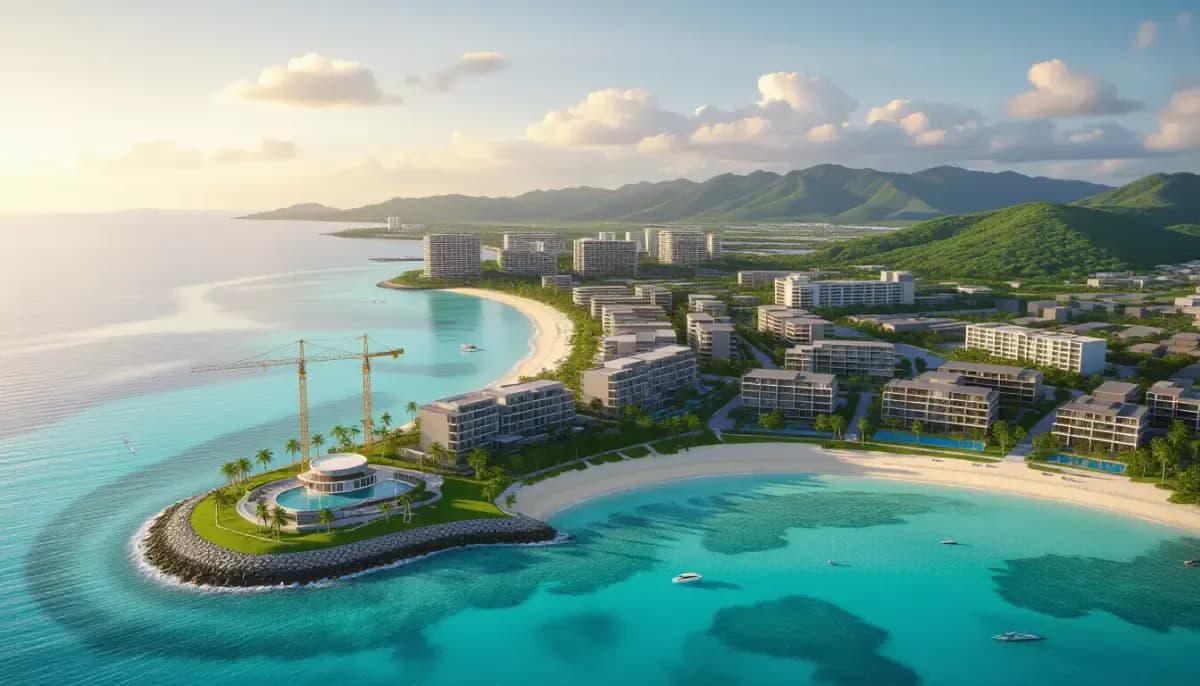
Okinawa — Japan's southernmost tropical archipelago — has long captured the hearts of expats, retirees, and investors from around the world. With its turquoise waters, laid-back lifestyle, and year-round warm climate, it's often called "the Hawaii of Japan." But beyond the beautiful scenery, Okinawa's real estate market is booming: residential land prices rose +7.3% in 2025, the highest rate in all of Japan and the 12th consecutive year of growth. For foreigners looking to buy property here, the opportunities are real — and this guide will walk you through everything you need to know.
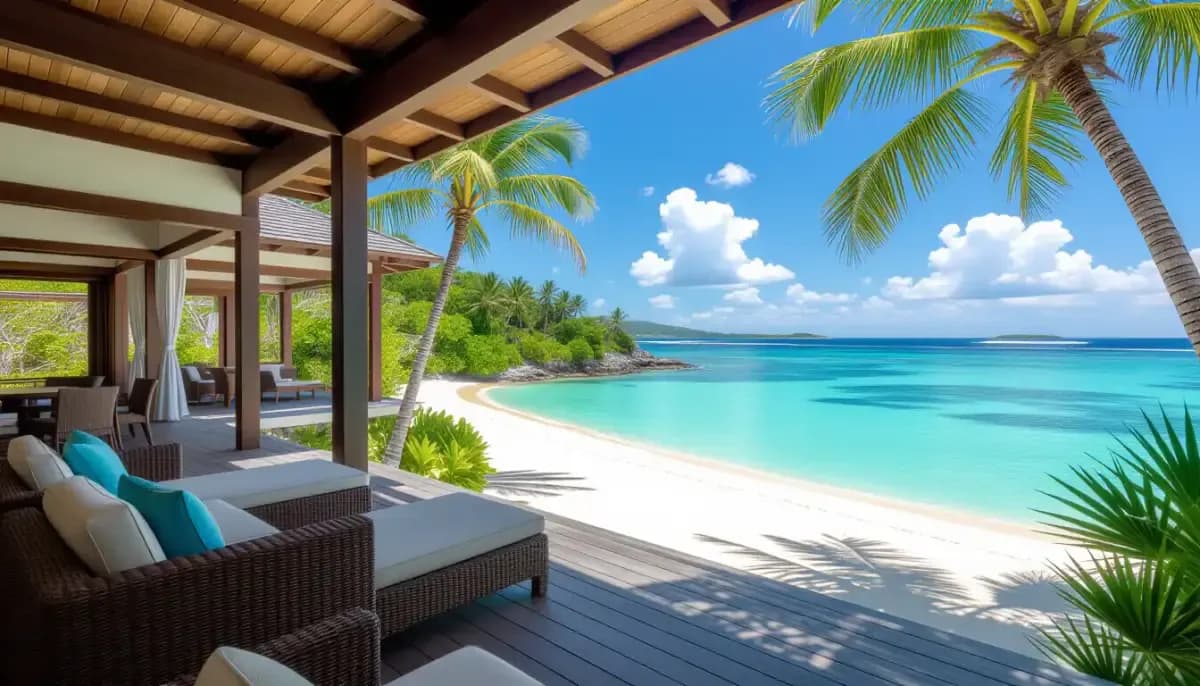
Okinawa tropical coastline with beautiful turquoise water and beach
Can Foreigners Buy Property in Okinawa?
The short answer is yes — and with very few restrictions. Foreign nationals can legally purchase land and buildings anywhere in Japan, including Okinawa, regardless of their nationality or residency status. There are no special permits or approval processes required for most residential or investment properties.
However, there are a few caveats to be aware of:
Agricultural land has strict restrictions and is generally not available to foreign buyers
Properties near sensitive facilities (military bases, government buildings) may be subject to new reporting requirements under Japan's 2023 Land Use Regulations Act
Non-resident buyers must appoint a Tax Payment Agent (納税管理人) in Japan to receive tax notices and make payments on their behalf
With 50,000 to 80,000 Americans living in Okinawa — many of them civilians who chose to stay after military service — the island has a well-established international community and real estate agents experienced in working with foreign buyers.
Okinawa's Real Estate Market: Prices and Trends in 2025
Okinawa's property market has been on a remarkable upward trajectory. Here's what you can expect to pay as of 2025:
Property Type
Location
Price Range (JPY)
Price Range (USD approx.)
New Condominium
Naha City
¥35M – ¥50M
$230K – $330K
Detached House
Chatan / Ginowan
¥28M – ¥45M
$185K – $295K
Rural Home
Northern Okinawa
¥10M – ¥25M
$66K – $165K
Resort Property
Onna / Motobu
¥30M – ¥100M+
$200K – $660K+
Akiya (Abandoned Home)
Various
From ¥5M
From $33K
Rental (1LDK)
Naha
¥55K – ¥80K/mo
$360 – $525/mo
Rental (1LDK)
Chatan / Okinawa City
¥45K – ¥70K/mo
$295 – $460/mo
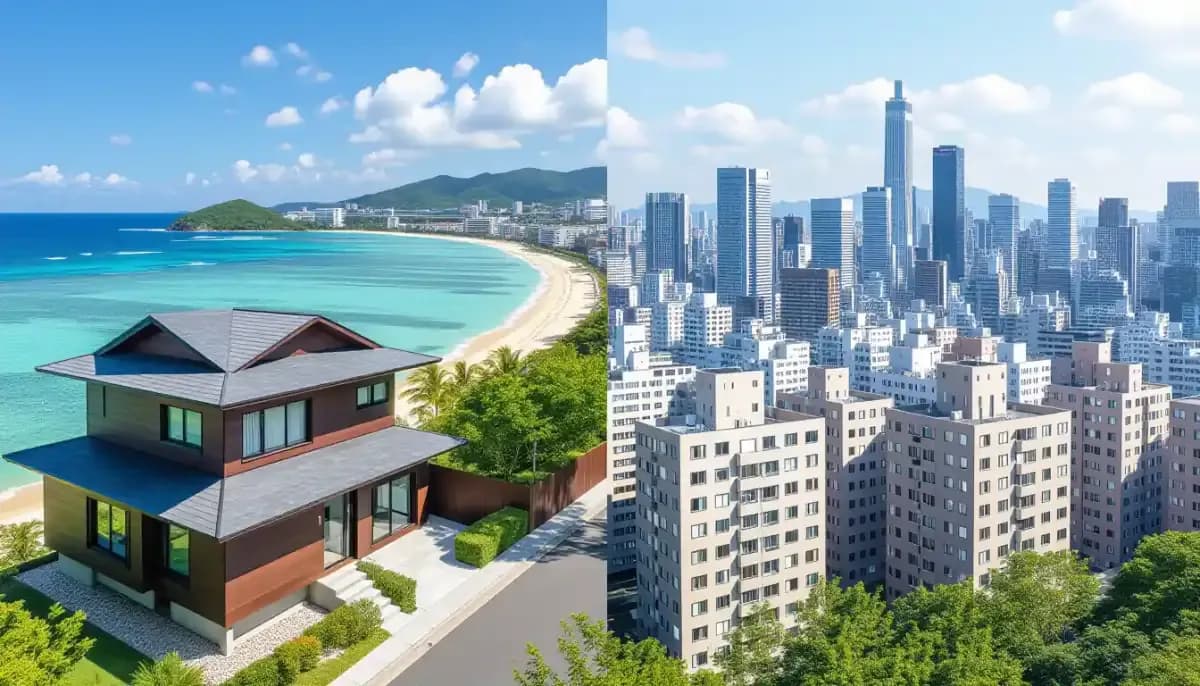
Even Okinawa's highest prices are a bargain compared to Tokyo, where central condominiums routinely exceed ¥75–100 million. Key money (礼金) is often waived in Okinawa, further reducing upfront costs for renters testing the market before buying.
A major catalyst for northern Okinawa prices is the JUNGLIA eco-theme park opening in Nago in July 2025, which is expected to significantly boost hospitality demand and surrounding property values.
Resort vs. Residential Properties: Which Is Right for You?
One of the biggest decisions for Okinawa property buyers is whether to purchase a resort property or a residential property. Each comes with distinct financial and lifestyle implications:
Aspect
Resort Property
Residential Property
Price Range
¥30M – ¥100M+
¥15M – ¥50M
Loan Type
Second-home loans (higher interest)
Standard housing loans (low interest)
Monthly Management Fees
¥20,000 – ¥50,000
¥10,000 – ¥30,000
Income Potential
Short-term rentals (Airbnb, hotel condo)
Long-term rentals
Best For
Investors, vacation home buyers
Families, long-term residents
Resort properties — particularly hotel condominiums — allow management companies to operate the unit and share revenue with owners. This passive income model appeals to overseas investors, though financing is more complex and running costs are higher.
Okinawa is not just one island — it's a prefecture of more than 160 islands. The main island (Okinawa-honto) has several distinct zones with very different characters:
South: Naha and Surrounding Cities
Naha is Okinawa's capital and commercial hub, home to roughly 320,000 people. It's the best choice for those wanting urban infrastructure, public transport (the Yui Rail monorail), and easy access to international flights. New condominiums here now often exceed ¥1.5M per square meter, reflecting the area's desirability. Nearby Tomigusuku and Itoman offer slightly more affordable options with strong residential demand.
Central: Chatan, Ginowan, and Okinawa City
This zone is the heartland of Okinawa's expat community. Chatan (home to American Village) is consistently rated the top neighborhood for foreigners — it's walkable, full of international restaurants, and has a beach boardwalk. Sunabe within Chatan is particularly popular with divers and water sports enthusiasts. Ginowan and Okinawa City (Koza) are more budget-friendly while remaining well-connected.
North: Motobu, Onna Village, and Nago
The Onna-Motobu coastline is Okinawa's premier resort corridor, home to high-end hotels and the famous Churaumi Aquarium. Land appreciation is accelerating here due to the upcoming JUNGLIA theme park. This is the go-to area for resort investment property and eco-retreat buyers.
Outlying Islands: Miyako and Ishigaki
Miyakojima and Ishigaki have become hot markets in their own right, with gorgeous beaches and international appeal. However, limited land supply, infrastructure constraints, and strong domestic and foreign investor competition mean prices are high and inventory is scarce.
Okinawa American Village area popular with expats and foreigners
The Step-by-Step Purchase Process for Foreign Buyers
Buying property in Okinawa as a foreigner follows the standard Japanese real estate process, though with a few extra considerations. Here's how it typically works:
Property Search — Work with a brokerage experienced in foreign transactions. Firms like VILLA Realty, Tokyu Resort, and My Housing Okinawa specialize in English-language service for international buyers.
Submit a Purchase Application — This is a non-binding Letter of Intent stating your proposed price, conditions, and closing date. It forms the basis for negotiation.
Price Negotiation — Your broker handles discussions with the seller, typically taking a few days to one week.
Explanation of Important Matters (重要事項説明) — Before signing, you receive a legally required disclosure document covering ownership, legal restrictions, utilities, building conditions, and risks. An English summary is usually available.
Sign the Sale and Purchase Agreement — At this stage, you pay a deposit of 5–10% of the purchase price. Cancellation after signing is generally not permitted without financial penalty.
Closing and Settlement — Ownership transfers on the same day as payment. Prorated taxes and utilities are settled.
Registration — A judicial scrivener (司法書士) handles the ownership registration. Fees typically run ¥80,000–¥150,000.
Real Estate Acquisition Tax — Imposed after purchase, typically 3% of the assessed value (which is usually 60–70% of market price).
Living and owning property in Okinawa comes with some unique challenges that mainland Japan buyers never face:
Typhoons
Okinawa sits directly in the Pacific typhoon corridor. Before buying any property, verify it is RC (reinforced concrete) construction — wooden structures face serious typhoon and termite risk. Check that windows have impact-resistant film or shutters, and that the roof and exterior walls have certified wind-resistance ratings. Insurance is essential and premiums are higher than on the mainland.
Salt Damage
The combination of ocean air and strong winds means coastal properties experience significant salt corrosion over time. Exterior walls, metal fixtures, air conditioning units, and even structural steel can deteriorate faster than inland properties. Always inspect the building's maintenance history and check the reserve fund status of any condominium you consider buying.
U.S. Military Base Proximity
American military bases cover a substantial portion of Okinawa's land. Proximity can be a double-edged sword: properties near bases often command strong rental demand from military personnel and their families, but noise from flight operations can be a significant quality-of-life issue. Research the base's operational status and flight patterns before buying.
Land Transaction Reporting
Under Japan's updated Land Use Regulations Act, certain land purchases near sensitive facilities may require government reporting. Consult a local attorney or judicial scrivener to ensure compliance.
Financing is often the most challenging aspect for non-resident foreign buyers. Here's what you need to know:
Local banks with foreigner-friendly mortgage products include Okinawa Bank (沖縄銀行) and Ryukyu Bank (琉球銀行), which have experience working with international buyers. Major national banks may also offer options, especially for permanent residents.
Non-residents typically cannot access standard housing loans and must either buy in cash or use international financing. Some resort developers offer seller financing arrangements for hotel condominium units.
Fund remittance: If you're transferring money from overseas, international remittance services like Wise can be used. Source of funds documentation is standard practice and you should be prepared to provide it.
Tax agent requirement: Non-resident property owners must appoint a Japan-based Tax Payment Agent to receive notices for Fixed Asset Tax (固定資産税) and City Planning Tax (都市計画税) and ensure timely payment.
Okinawa particularly appeals to retirees seeking a relaxed lifestyle, remote workers attracted by its scenery and community, and investors drawn by its strong tourism-driven rental market and consistent price appreciation.
Getting Started: Practical Steps for Foreign Buyers
Ready to take the plunge? Here's how to begin your Okinawa property journey:
Visit first — Spend time in different areas to understand which neighborhood suits your lifestyle. Chatan and Naha feel very different from Onna Village or Miyakojima.
Engage a specialist agent — Look for English-speaking agencies with a track record of working with foreign buyers. Ask for references and verify their registration.
Sort your finances — Get clarity on your budget, whether you're paying cash or pursuing financing. If seeking a mortgage, start bank conversations early.
Research the building — For condominiums, review the management association's financial statements and reserve fund balance. For standalone houses, commission a building inspection.
Assemble your team — You'll need at minimum a real estate agent and a judicial scrivener. A bilingual attorney can add valuable protection.