
Japan Garage Houses: Properties for Car Enthusiasts

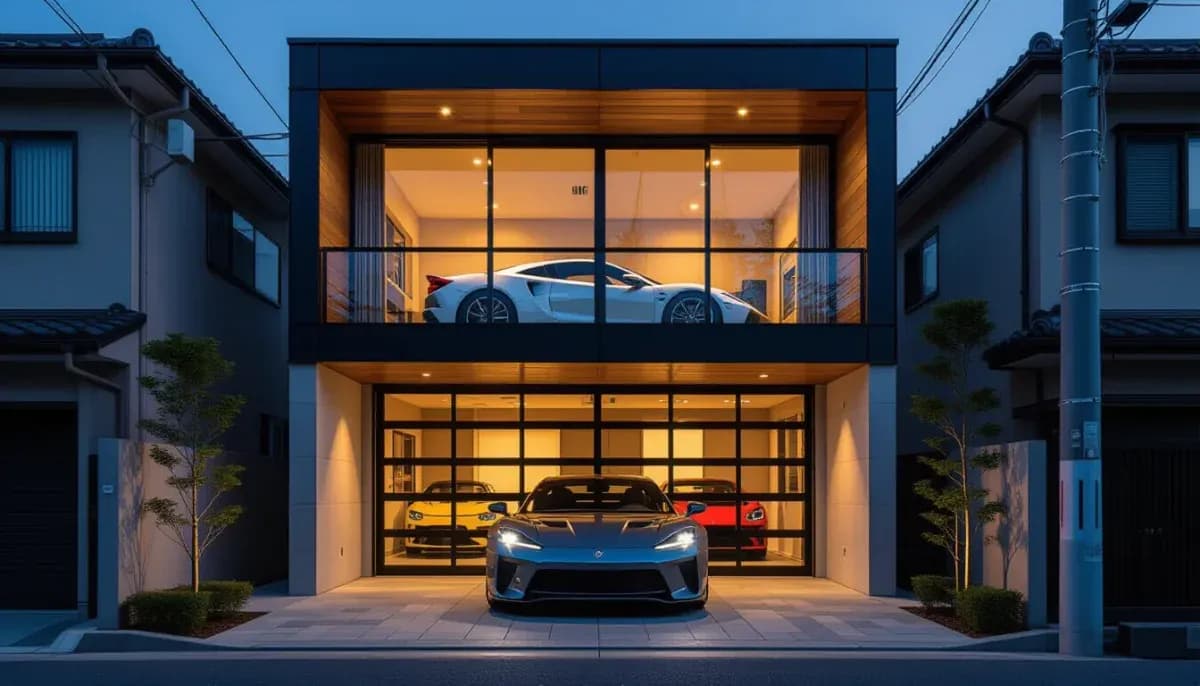
Everything foreign car enthusiasts need to know about buying a garage house in Japan — built-in garage types, tax benefits, costs, design features, and how foreigners can purchase property with full ownership rights.
Japan Garage Houses: The Ultimate Guide for Car Enthusiasts Buying Property
For car lovers, a house is not just a place to live — it is also a sanctuary for your prized vehicles. Japan has quietly developed one of the most sophisticated garage house (ガレージハウス) cultures in the world, where architects and homeowners design residences that integrate the garage as a central feature of daily life. Whether you dream of watching your classic sports car from your bedroom window or want to perform weekend maintenance in the comfort of your own space, Japan's garage house market offers remarkable options for foreign buyers.
This guide explains everything you need to know about finding, buying, and living in a garage house in Japan as a foreigner.
What Is a Garage House in Japan?
A Japanese garage house (ガレージハウス, garēji hausu) — also called a built-in garage house (ビルトインガレージ, birutin garēji) — is a residential property where the garage is fully integrated into the building structure, typically occupying part of the ground floor. Unlike a detached standalone garage or an outdoor carport, the garage is enclosed within the home itself, sharing walls, ceilings, and sometimes glass partitions with the living space.
This style has grown enormously popular in Japan for several reasons:
- Urban land scarcity: Tokyo and other Japanese cities have extremely limited land. Integrating the garage eliminates the need for a separate structure.
- Weather protection: Japanese summers are humid, winters cold, and typhoon season severe. An enclosed garage protects valuable vehicles year-round.
- Lifestyle integration: Japanese car culture treats vehicles as objects of beauty. A glass wall between the garage and the living room transforms the car into a visual centerpiece.
- Mandatory parking requirements: Japanese vehicle registration legally requires a provable parking space (the shako shōmei, or garage certificate), making a built-in garage particularly convenient.
Architect Iwao Ouchi has designed over 700 garage houses across Japan and regularly holds seminars for homeowners interested in the concept, illustrating how mainstream this property type has become.
For more on the general landscape of Japanese property types, see our guide to Types of Properties Available in Japan.
Types of Garage Houses Available in Japan
Not all garage houses are the same. Understanding the main categories helps you identify the right property for your needs.
| Type | Description | Best For |
|---|---|---|
| Single built-in garage (1台用) | One-car garage integrated into the ground floor | Singles, couples, 1-car households |
| Double built-in garage (2台用) | Two-car or car + motorcycle setup | Multi-vehicle enthusiasts |
| Tandem garage | Two vehicles parked nose-to-tail | Narrow urban plots |
| Lift garage (リフトガレージ) | Hydraulic car lift enabling 2 cars to stack vertically | Maximum efficiency, sports car display |
| Hobby garage (趣味のガレージ) | Oversized space with workspace, tools, and sink | Mechanics, restorers, collectors |
| Motorcycle garage (バイクガレージ) | Compact built-in space designed for motorcycles and scooters | Riders, moped owners |
| Showroom-style garage | Glass wall between garage and living room | Display-focused enthusiasts |
The showroom-style design — with floor-to-ceiling glass separating the garage from the living room or even the bedroom — is one of Japan's most iconic contributions to car enthusiast architecture. Architect Yoshihiko Oshima of Blue Studio has built an entire design practice around this concept in Tokyo, including a Setagaya building where a freight elevator carries motorcycles directly to upper-floor living spaces.
Key Design Features to Look For
When evaluating a garage house in Japan, pay attention to these practical features beyond the basic dimensions:
Garage Dimensions
A minimum comfortable space per vehicle is approximately:
- Length: 5.5–6.0 m
- Width: 2.5–3.0 m
- Height: 2.3 m minimum (2.5–2.7 m preferred for SUVs and tall vehicles)
Many Japanese garage houses are designed for kei cars and compact vehicles. If you own a large foreign car, confirm clearances carefully before purchase.
Shutter and Door Type
| Shutter Type | Cost Range | Pros | Cons |
|---|---|---|---|
| Manual roll-up | ¥300,000–600,000 | Low cost, durable | Inconvenient in rain |
| Electric roll-up | ¥500,000–900,000 | Convenient, remote control | Higher maintenance cost |
| Electric sectional | ¥800,000–1,500,000+ | Quiet, good insulation | Most expensive |
| Tilt-up | ¥400,000–700,000 | Simple mechanism | Requires clearance overhead |
Electric shutters are increasingly standard in new builds and significantly improve daily usability.
Utilities and Workshop Features
Experienced garage house owners consistently identify these as the most-regretted omissions:
- Electrical outlets: Multiple 100V and ideally 200V outlets for tools and EV charging
- Water supply: A sink for washing hands and rinsing vehicles
- Ventilation: Exhaust fan or louver ventilation to remove fumes when running engines
- Lighting: Bright overhead work lights, not just decorative fixtures
- Drainage: Floor drain for washing and maintenance
If you are buying an older garage house, assess whether these features exist or can be retrofitted.
Tax Benefits of Garage Houses in Japan
One of the most valuable and under-appreciated advantages of a built-in garage is the property tax benefit. Under Japanese tax law, when the garage area comprises less than one-fifth (20%) of the total floor area, the garage space is excluded from the floor area used to calculate property taxes and floor area ratio (容積率).
This means a well-designed garage house can offer:
- Lower annual property taxes compared to the true footprint
- The ability to build a larger home on a restricted-size urban plot
- Compliance with zoning rules while still maximizing usable space
For full details on Japanese property taxes, read our guide to Property Taxes and Annual Costs of Owning Property in Japan.
The Financial Case for Owning vs. Renting Parking in Japan
In Japan's major cities, renting a parking space is a significant recurring expense. Understanding the financial comparison helps justify the premium price of a garage house:
| Location | Monthly Parking Rental | Annual Cost |
|---|---|---|
| Tokyo 23 wards (central) | ¥30,000–50,000 | ¥360,000–600,000 |
| Tokyo 23 wards (outer) | ¥20,000–35,000 | ¥240,000–420,000 |
| Osaka city | ¥15,000–30,000 | ¥180,000–360,000 |
| Nagoya city | ¥10,000–20,000 | ¥120,000–240,000 |
| Regional cities | ¥3,000–10,000 | ¥36,000–120,000 |
| Rural areas | ¥0–5,000 | ¥0–60,000 |
Over a 20-year ownership period, a Tokyo car owner paying ¥40,000/month in parking spends ¥9.6 million on parking alone — enough to justify a substantial premium for a property with an integrated garage. For more on the full cost breakdown of owning property in Japan, see Hidden Costs and Fees When Buying Property in Japan.
How Foreigners Can Buy a Garage House in Japan
The good news for international car enthusiasts is that Japan places no legal restrictions on foreign property ownership. You do not need Japanese citizenship, permanent residency, or any special visa to purchase a garage house. Ownership rights are identical to those of Japanese citizens.
The main practical hurdles are financial and administrative:
Financing
- With permanent residency (PR): Most major Japanese banks will offer mortgages with 0–10% down payment, similar to Japanese nationals
- Without PR: Financing options are more limited; expect requirements of 20–30% down payment, and some banks may require a co-signer
- Foreign bank loans: Some foreign buyers use home equity from their home country to fund Japanese purchases
See our complete guide to Mortgages and Home Loans for Foreigners in Japan for step-by-step financing information.
The Garage Certificate (車庫証明)
One often-overlooked benefit of owning a garage house is the shako shōmei (車庫証明), the garage certificate required to register a vehicle in Japan. This document proves that you have a legal parking space within 2 km of your registered home address. Owning a built-in garage eliminates the need to separately rent and prove a parking space — simplifying both vehicle ownership and registration paperwork considerably.
For a full overview of the car ownership process in Japan, Gaijin Buy House's guide to buying a car and driving in Japan covers the parking certificate process in detail.
Finding Garage Houses for Sale
Several platforms list garage house properties in Japan:
- Suumo (スーモ) and At Home (アットホーム): Japan's two largest real estate portals, searchable with filter "ビルトインガレージ"
- Properstar Japan: English-language portal with garage filters for Japan
- Housing Japan and international real estate agents: Recommended for non-Japanese speakers navigating the buying process
For broader guidance on working with agents and the purchase process, read our complete Step-by-Step Home Buying Process in Japan for Foreigners.
Japan's Car Culture: Why Garage Houses Thrive
Japan's car enthusiasm runs extraordinarily deep. Weekly car meets at Daikoku PA in Yokohama draw hundreds of vehicles on Friday and Saturday nights. The local JDM (Japanese Domestic Market) scene — Skylines, NSXs, AE86s, vintage Porsche and VW restorations — has a worldwide following. Garages in Japan are not just storage; they are workshops, display spaces, social hubs, and lifestyle statements.
Garage house culture even attracted international media coverage through outlets like Speedhunters, which documented Tokyo garage houses designed to put sports cars on permanent visual display within the home. Architecture publication ArchDaily's coverage of the Kawagoe Garage House by Horibe Associates illustrates the sophisticated design principles at work. The Horibe Associates Kawagoe Garage House, for example, was built for a client whose explicit brief was: "As a true car and bike enthusiast, I want the ability to see my favorite car from the comfort of my bedroom."
For expats relocating to Japan, this culture means there is a genuine and growing market for garage house properties, with dedicated architects, real estate agents, and online communities to support your search.
Living in Japan as a foreigner involves far more than just property — from daily life tips to visa guidance, Living in Nihon offers practical resources for expats settling into Japanese life. For career and relocation advice, For Work in Japan provides guidance on building your professional life alongside your property search.
Practical Checklist Before Buying a Garage House
Before making an offer on a garage house in Japan, verify the following:
- [ ] Garage dimensions accommodate your specific vehicle(s) with room to open doors
- [ ] Shutter type, condition, and remote control system are operational
- [ ] Ventilation system is present and functional
- [ ] Electrical outlets (number, voltage) meet your needs
- [ ] Water supply and drainage are installed or can be added
- [ ] Floor is sealed or epoxy-coated for easy cleaning
- [ ] Noise insulation between garage and living areas is adequate
- [ ] Building age and earthquake resistance standard (pre- or post-1981 New Seismic Code)
- [ ] Property tax records confirm garage is excluded from taxable floor area
- [ ] Garage certificate (車庫証明) can be issued for the address and your vehicle
Conclusion: Is a Garage House Right for You?
For foreign car enthusiasts living in Japan, a garage house is one of the most rewarding property choices available. It solves the practical challenges of urban vehicle ownership, reduces long-term parking costs, and — when designed well — turns your daily relationship with your car into something genuinely special.
Japan's garage house market is mature, architecturally sophisticated, and accessible to foreign buyers. With the right preparation — understanding financing options, verifying design specifications, and working with experienced agents — finding your dream garage house in Japan is an achievable goal.
For more on buying property in Japan as a foreigner, start with our Complete Guide to Buying Property in Japan as a Foreigner.

Originally from Vietnam, living in Japan for 16+ years. Graduated from Nagoya University, with 11 years of professional experience at Japanese and international companies. Sharing information about buying property in Japan for foreigners.
View Profile →Related Articles
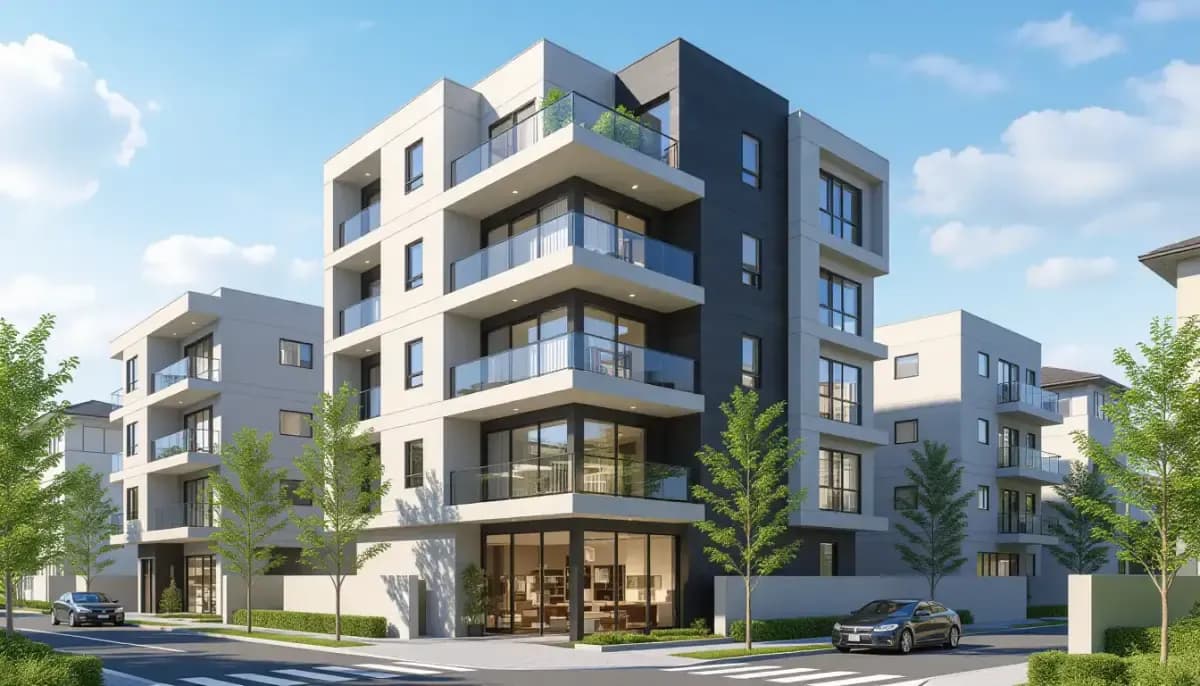
Japan Property Grading: How Mansions and Buildings Are Evaluated
Understand Japan's property grading systems including seismic resistance grades (1-3), Housing Performance Indication (10 indicators), CASBEE, BELS, and building structure types RC/SRC — essential knowledge for foreign buyers of mansions and houses.
Read more →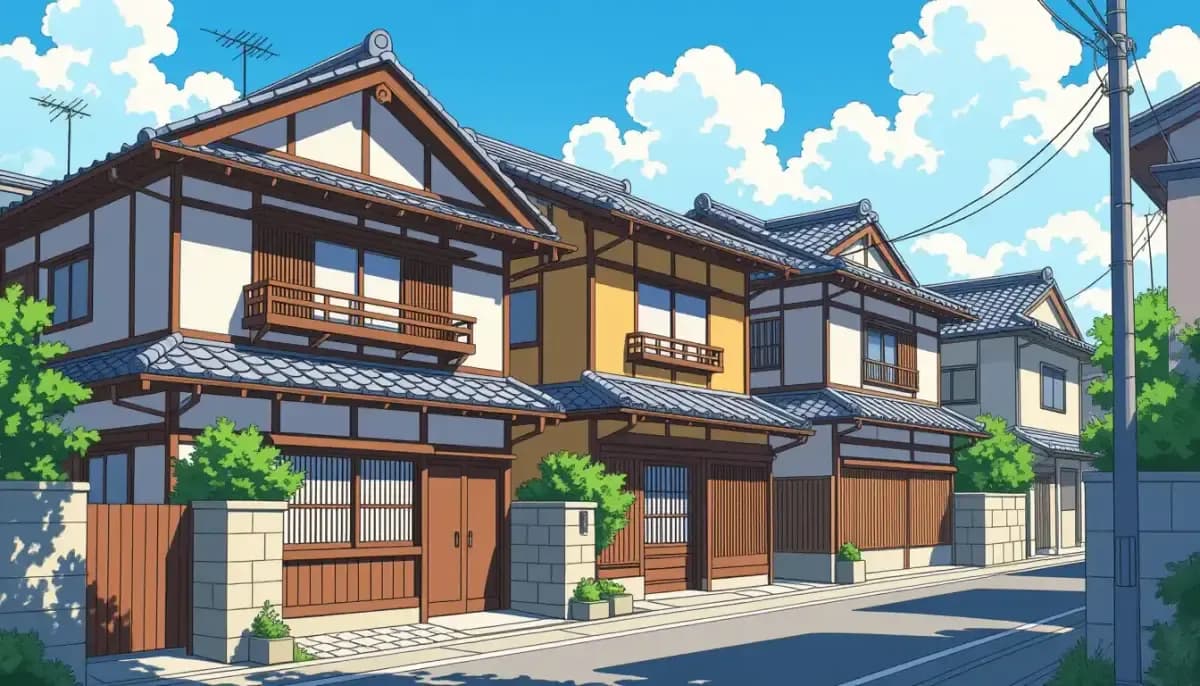
Japan Building Age Categories: New Build vs Used Property Standards
Understand Japan's building age categories — kyu-taishin, shin-taishin, post-2000, and new build standards. Essential guide for foreigners buying property in Japan, covering seismic standards, depreciation, and what to check before buying.
Read more →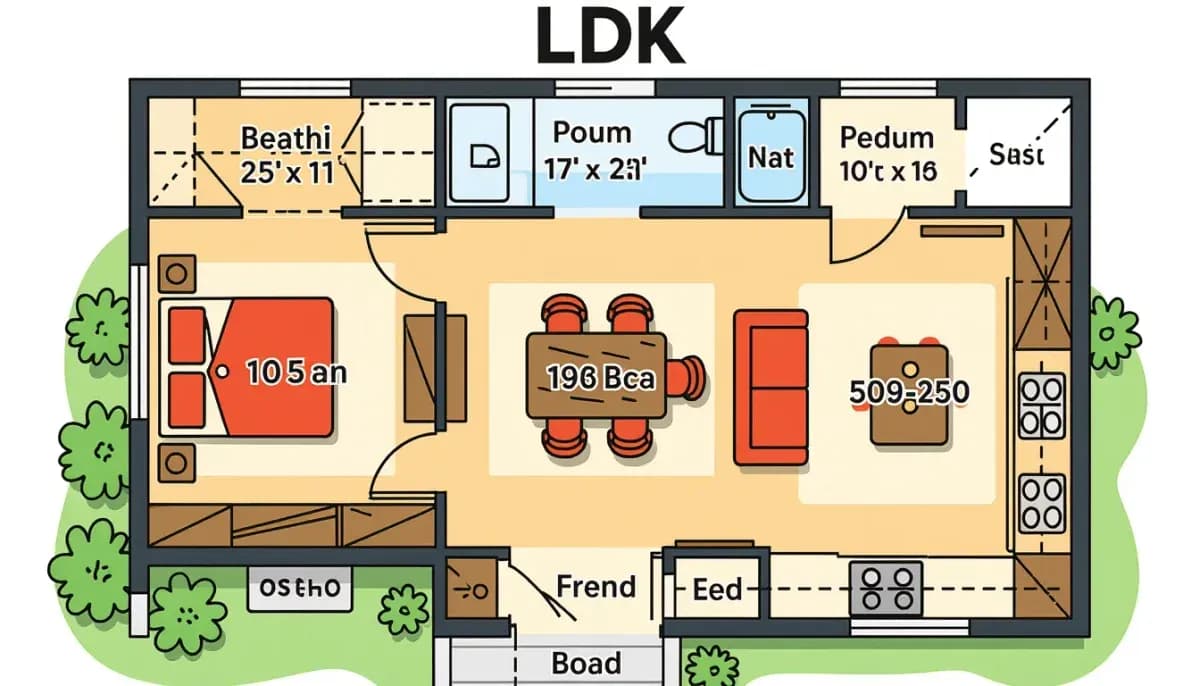
How to Read Japan Property Floor Plans: A Visual Guide
Learn to read Japanese property floor plans with confidence. Understand LDK notation, tatami measurements, floor plan symbols, and common room labels used in Japan real estate listings.
Read more →
Japan Mixed-Use Properties: Residential and Commercial Combined
Complete guide to buying mixed-use residential and commercial property in Japan as a foreigner. Covers zoning laws, financing, investment returns, and the step-by-step buying process.
Read more →
Japan Penthouse and Luxury Apartment Guide
Complete guide to buying or renting a penthouse or luxury apartment in Japan as a foreigner. Covers prices, locations, legal rules, guarantor requirements, and top buildings in Tokyo and beyond.
Read more →
Japan Family Apartment Size Guide: Understanding 2LDK, 3LDK Layouts
Confused by 2LDK and 3LDK in Japanese apartment listings? Our complete guide explains apartment sizes, tatami measurements, rent costs, and tips for foreigners renting a family apartment in Japan.
Read more →