
Building a Japan Property Investment Portfolio


Learn how to build a diversified Japan property investment portfolio as a foreigner. Covers geographic diversification, property types, yields, tax strategy, and step-by-step portfolio roadmap.
Building a Japan Property Investment Portfolio: A Complete Guide for Foreigners
Japan's real estate market has emerged as one of the most compelling investment destinations in Asia. With a market valued at USD 436 billion in 2024 and projected to reach USD 557 billion by 2033, the opportunities for foreign investors are substantial. Whether you're looking to generate rental income, build long-term wealth, or diversify your global holdings, building a Japan property investment portfolio can be a highly rewarding strategy — if approached correctly.
This guide walks you through everything you need to know about constructing, diversifying, and managing a Japan property portfolio as a foreigner, from property type selection and geographic diversification to tax strategy and portfolio management.
Why Foreign Investors Are Flocking to Japan Real Estate
Foreign investment in Japanese real estate surged 45% in the first half of 2024, reaching over $10 billion for the year. Foreign buyers now account for 27% of all national transactions and a remarkable 40% of new apartment sales in central Tokyo. This isn't a speculative bubble — it's a structural shift driven by several key factors:
- Legal openness: Japan imposes zero restrictions on foreign property ownership. Every investor from all 190+ UN member nations has identical purchase rights to Japanese nationals. No visa, residency, or special approval is required to buy property.
- Favorable currency: The yen has depreciated significantly against major currencies in recent years, making Japanese assets far more affordable for USD, EUR, and GBP investors.
- Market stability: Japan is ranked 11th globally and #1 in Asia on JLL's 2024 Global Real Estate Transparency Index, offering a highly regulated, predictable investment environment.
- Rising prices with room to grow: Nationwide land prices rose 2.7% in January 2025 — the fourth consecutive annual increase and the strongest growth since 1991.
For more on whether you can legally buy property in Japan, see our guide: Can Foreigners Buy Property in Japan? Legal Rights and Restrictions.
Portfolio Building Strategy: Start with the Right Foundation
Before investing in your first or fifth Japan property, you need a clear portfolio framework. The most successful foreign investors treat Japan real estate as a structured asset class, not a collection of individual purchases.
Define Your Investment Goals
Your portfolio structure depends heavily on your objectives:
| Goal | Recommended Strategy |
|---|---|
| Passive income / cash flow | Rental condos in Osaka or Sapporo (5–7% gross yields) |
| Capital appreciation | Tokyo 23-ward properties near major stations |
| Balanced growth + income | Mix of Tokyo condos + regional rental units |
| Low-entry diversification | J-REITs + akiya renovation projects |
| Residency / visa pathway | ¥5M+ investment in property management business |
| Long-term wealth transfer | Tokyo CBD property held 10+ years |
The 5-Year Rule: Tax-Optimized Holding Strategy
One of the most important strategic factors in building a Japan portfolio is the 5-year capital gains tax threshold:
- Under 5 years ownership: Capital gains taxed at ~39.63%
- Over 5 years ownership: Capital gains taxed at ~20.315%
This near-halving of capital gains tax creates a strong incentive to hold properties for the long term. Plan your portfolio around this threshold from the start — don't buy properties you might need to sell within 5 years.
Geographic Diversification: Where to Invest Across Japan
A well-built Japan portfolio shouldn't concentrate all assets in a single city. Each major market offers different risk/return profiles.
| City | Gross Rental Yield | Price Growth (2025) | Best For |
|---|---|---|---|
| Tokyo (23 wards) | 4–6% | +8.14% YoY | Stability, liquidity, appreciation |
| Osaka | 5–10% | Strong growth | Higher yields, tourism exposure |
| Fukuoka | 4.72% | +9.0% (13th year rising) | Growth market, lower entry prices |
| Sapporo | 5.56% | Solid | Winter tourism, ski resort proximity |
| Hokkaido (rural) | 6–9% | +20–50%+ (semiconductor hubs) | High growth emerging markets |
| Kumamoto | 8%+ | +20%+ | Semiconductor industry boom |
| Kyoto | 6–8% (short-term) | Steady | Tourism rental premium |
Recommended geographic split for a balanced portfolio:
- 40-50% Tokyo: Core stability and liquidity anchor
- 25-30% Osaka/Fukuoka: Higher yield markets with strong growth
- 20-30% Emerging/niche: Hokkaido, ski resorts, akiya, or REITs for diversification
For detailed city-specific guidance, see Buying Property in Tokyo as a Foreigner, Buying Property in Osaka, and Buying Property in Hokkaido.
Property Type Diversification: Building a Multi-Asset Portfolio
Just as geographic diversification reduces concentration risk, diversifying across property types creates a more resilient portfolio.
One-Room Condominiums (Wanrumu Mansions)
Entry price: ¥5M–¥20M (~$33K–$135K) Gross yield: 4–6% in Tokyo; 5–7% in Osaka/Sapporo
These are the most accessible entry point for foreign investors. Small studios and one-room units near train stations offer high occupancy rates (Tokyo 23-ward vacancy rate is just 3–4%) and are easily managed remotely. They're ideal as the foundation of a portfolio.
See our guide on Buying a Condominium (Mansion) in Japan as a Foreigner.
Small Multi-Unit Apartment Buildings
Entry price: ¥30M–¥100M+ Gross yield: 5–8%
Investing in small apartment buildings (typically 4–10 units) provides economies of scale in management and higher total returns. These are the workhorses of a mature Japan real estate portfolio. Construction costs have risen significantly, making well-maintained existing buildings increasingly attractive.
Short-Term Rentals (Minpaku / Airbnb)
Entry price: ¥10M–¥50M+ Gross yield: 8–12% (Kyoto, Osaka, Hokkaido ski areas)
Japan's government legalized short-term rentals under the Minpaku Law (2018). Properties in high-tourism areas — particularly Osaka, Kyoto, Hakuba, and Niseko — can generate significantly higher income than long-term rentals. However, these require active management or a local property manager.
Learn more: Short-Term Rentals and Airbnb (Minpaku) in Japan for Foreigners.
Akiya (Vacant Homes)
Entry price: $10K–$100K Renovation costs: Typically 2–3× purchase price
Japan has millions of vacant homes (akiya), particularly in rural and semi-rural areas. The government actively incentivizes their purchase and renovation through low-cost akiya banks, grants, and tax breaks. These properties can be excellent for budget-minded investors or those seeking a base in Japan combined with investment income.
See: Akiya (Vacant and Abandoned Houses) in Japan for Foreign Buyers.
J-REITs (Japan Real Estate Investment Trusts)
Entry price: Low (exchange-traded) Dividend yield: 3–5%
J-REITs provide exposure to Japan real estate without property ownership responsibilities. They're fully accessible to foreign investors, liquid, and diversified across commercial, residential, and logistics properties. They're an excellent way to gain Japan real estate exposure while building toward direct property acquisitions.
For details: J-REITs and Indirect Real Estate Investment in Japan for Foreigners.
Financing Your Portfolio: Mortgage Options for Foreigners
Understanding your financing options is critical to portfolio scaling. Without leverage, your portfolio growth will be slow; with the right financing, you can accelerate significantly.
| Profile | Down Payment | Interest Rate | Notes |
|---|---|---|---|
| Permanent resident | 10–20% | 0.7–1.0% variable | Standard bank mortgage access |
| Non-resident (Japan-employed) | 30%+ | ~1.5–2.0% | 3+ years continuous employment required |
| Non-resident (no Japan ties) | Cash only or 50%+ | Higher rates | Limited lender options |
Key financing considerations:
- Variable rates (currently 0.7–1.0%) offer the lowest monthly costs but carry future rate risk
- Fixed 10-year rates at ~2.2% provide stability for long-term holds
- SMBC Prestia is noted as a specialist lender for foreign clients without permanent residency
- Non-residents must report acquisitions to the Bank of Japan within 20 days of purchase
For a deep dive into financing: Mortgages and Home Loans for Foreigners in Japan.
Understanding the True Cost of Building a Portfolio
Many investors underestimate Japan's total acquisition and ongoing costs. Here's a full breakdown:
Acquisition Costs (Per Property)
| Cost Item | Amount |
|---|---|
| Broker commission | 3% + ¥60,000 + tax |
| Registration tax | 1.5–2% of assessed value |
| Acquisition tax | 3–4% of assessed value |
| Stamp duty | ¥10,000–¥480,000 |
| Attorney/notary fees | ¥100,000–¥150,000 |
| Total acquisition costs | 6–10% of purchase price |
Annual Ownership Costs
| Cost Item | Rate |
|---|---|
| Fixed asset tax | 1.4% of assessed value |
| City planning tax | 0.3% of assessed value |
| Property management (if outsourced) | 5–10% of rental income |
| Building maintenance/repairs | Variable |
| Total annual holding costs | ~1.7% + management |
For a complete breakdown: Property Taxes and Annual Costs of Owning Property in Japan and Hidden Costs and Fees When Buying Property in Japan.
Rental Income and Portfolio Cash Flow
Japan's rental market fundamentals are exceptionally strong for landlords:
- Tokyo 23-ward occupancy: 96.6–97.2% (near capacity)
- Tokyo rents: Up 6.4% year-over-year in Q4 2024
- Prime area vacancy: Only 4–5%
- National average gross yield (Q1 2025): 4.2%
To maximize rental income in your portfolio:
- Proximity to train stations — Properties within 5 minutes walk consistently command premium rents and lowest vacancy
- Building age — Units under 10 years old have highest occupancy; pre-1981 buildings may require seismic retrofitting
- Property management — For overseas investors, professional management is essential; costs 5–10% of rent but worth it for hassle-free income
Learn more about rental investment strategy: Rental Property Investment in Japan for Foreign Landlords.
Tax Planning for Your Japan Portfolio
Rental income tax in Japan is progressive (5–45% for residents), so portfolio structure matters. Key considerations:
- Non-resident withholding: Non-residents face a 20.42% withholding tax on rental income, but this can be credited against final tax liability
- Expense deductions: Depreciation, management fees, mortgage interest, maintenance, and travel to Japan for property inspection are all deductible
- Capital gains strategy: Hold 5+ years to qualify for the lower ~20.315% rate vs. ~39.63% for short-term holdings
- Corporate structure: Some investors use a Japanese GK (Godo Kaisha) company structure for larger portfolios to optimize tax treatment
Portfolio Management: Scaling and Maintaining Your Investments
Once you have your first property, scaling requires systematic management.
Overseas Property Management
For investors not based in Japan, professional property management is non-negotiable. A good management company handles tenant sourcing, rent collection, maintenance coordination, and regulatory compliance — all critical for a smoothly running portfolio.
See: Property Management for Overseas Owners in Japan.
Renovation and Value-Add Strategy
Japan's rising construction costs are pushing investors toward renovation of existing properties. The government actively supports this with grants and tax incentives, particularly for vacant homes. A well-executed renovation can significantly increase both rental yield and resale value.
Read more: Home Renovation and Remodeling in Japan for Foreign Owners.
Insurance and Risk Management
Japan's seismic risk makes property insurance essential. Earthquake insurance, fire insurance, and liability coverage should be standard components of every property in your portfolio.
Learn about coverage options: Insurance for Property Owners in Japan: Complete Guide.
External Resources for Japan Property Portfolio Investors
For comprehensive guidance on the legal and mortgage aspects of buying in Japan, Living in Nihon's property buying guide is an excellent resource covering the mortgage process, legal requirements, and step-by-step procedures for foreign buyers.
For detailed investment-focused analysis and market data, Gaijin Buy House's Japan Real Estate Investment Guide provides a thorough overview of investment strategies specifically tailored for foreign investors.
Additional research resources:
- Japan Real Estate Investment Complete Guide 2026 — Nippon Tradings: Detailed breakdown of yields, taxes, and location analysis
- Japan Real Estate Market Trends 2025 — Tokyo Portfolio: Statistical analysis of market performance
- How to Invest in Japanese Real Estate: Options for Foreigners — Old Houses Japan: Overview of REITs, akiya, and short-term rental strategies
- For Work in Japan — Resources for expats working and investing in Japan
Getting Started: Your Japan Portfolio Roadmap
Building a Japan property investment portfolio is a journey, not a single transaction. Here's a practical roadmap:
Year 1: Foundation
- Research and visit target cities
- Establish financing eligibility and down payment capacity
- Purchase first one-room condo in Tokyo or Osaka as a learning property
- Engage a reputable property management company
Years 2-3: Diversification
- Add a second property in a different city (Fukuoka, Sapporo, or Osaka)
- Consider a J-REIT allocation for liquid exposure to commercial real estate
- Optimize tax structure; consult a Japan tax specialist
Years 4-5: Scaling
- Refinance if equity permits to fund third acquisition
- Consider a small multi-unit building for higher total returns
- Review portfolio performance vs. initial goals
Years 5+: Optimization
- Properties now past 5-year capital gains threshold — reassess sell vs. hold
- Consider akiya or renovation projects for value-add returns
- Explore commercial property or short-term rental conversion
For complete step-by-step guidance on the buying process, see Step-by-Step Home Buying Process in Japan for Foreigners and our Japan Real Estate Investment Guide for Foreigners.
Conclusion
Japan offers a rare combination of market transparency, legal accessibility, strong rental fundamentals, and attractive long-term growth prospects. Building a well-diversified portfolio across property types and geographies — anchored by Tokyo for stability and extended into higher-yield regional markets — gives foreign investors a compelling risk-adjusted return profile.
The key success factors are simple: invest near train stations, hold for 5+ years to maximize tax efficiency, use professional property management, and approach each acquisition as part of a coherent portfolio strategy rather than a standalone transaction.
Japan's real estate market is open, accessible, and increasingly appreciated by global investors. With the right strategy, your Japan property portfolio can deliver both income and long-term wealth for decades to come.

Originally from Vietnam, living in Japan for 16+ years. Graduated from Nagoya University, with 11 years of professional experience at Japanese and international companies. Sharing information about buying property in Japan for foreigners.
View Profile →Related Articles
Japan Property Crowdfunding Platforms Guide for Foreign Investors
Complete guide to Japan real estate crowdfunding for foreigners: top platforms (CREAL, OwnersBook, Rimawari-kun), returns, regulations, and how to invest from Japan or abroad.
Read more →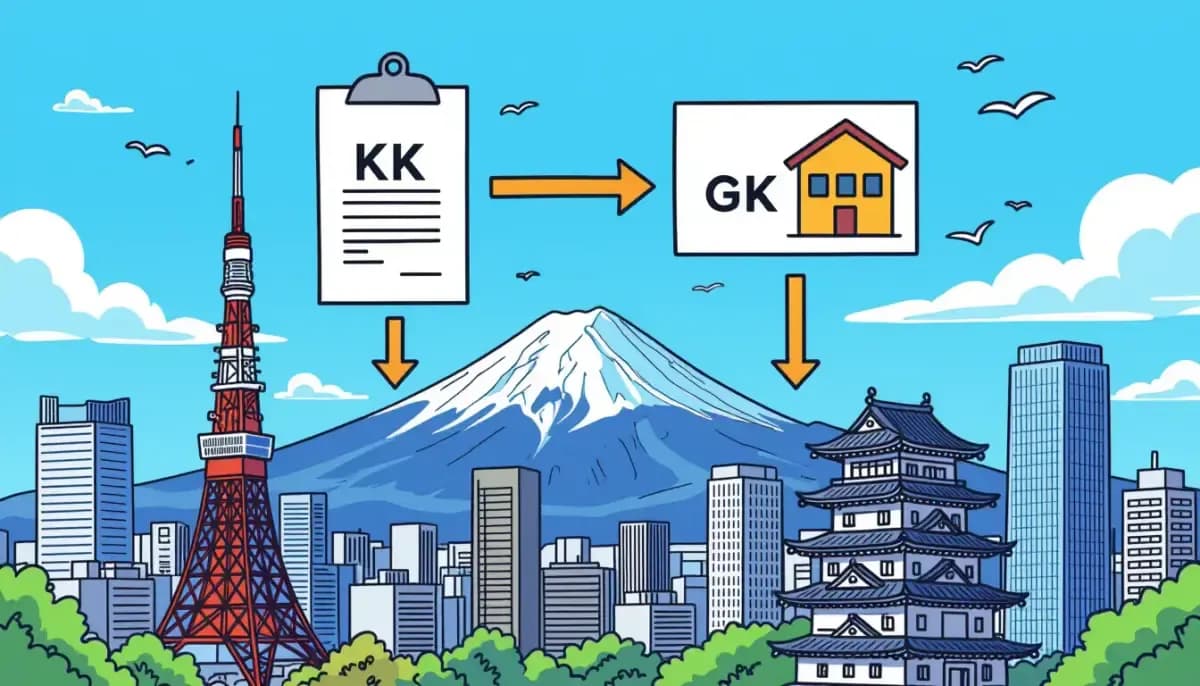
Setting Up a Company to Buy Property in Japan
Learn how to set up a KK or GK company in Japan to buy property as a foreign investor. Covers tax benefits, registration steps, GK-TK structures, and key practical tips for 2025.
Read more →
Japan Property Due Diligence Checklist for Investors
Complete due diligence checklist for foreigners buying property in Japan. Covers title verification, seismic compliance, Article 35 disclosure, zoning, taxes, and disaster risk assessment with expert tips for 2025.
Read more →
Japan Property Investment Exit Strategy Guide
Complete guide to exiting your Japan property investment: capital gains tax rates, sell vs rent comparison, timing strategy, and step-by-step selling process for foreign investors.
Read more →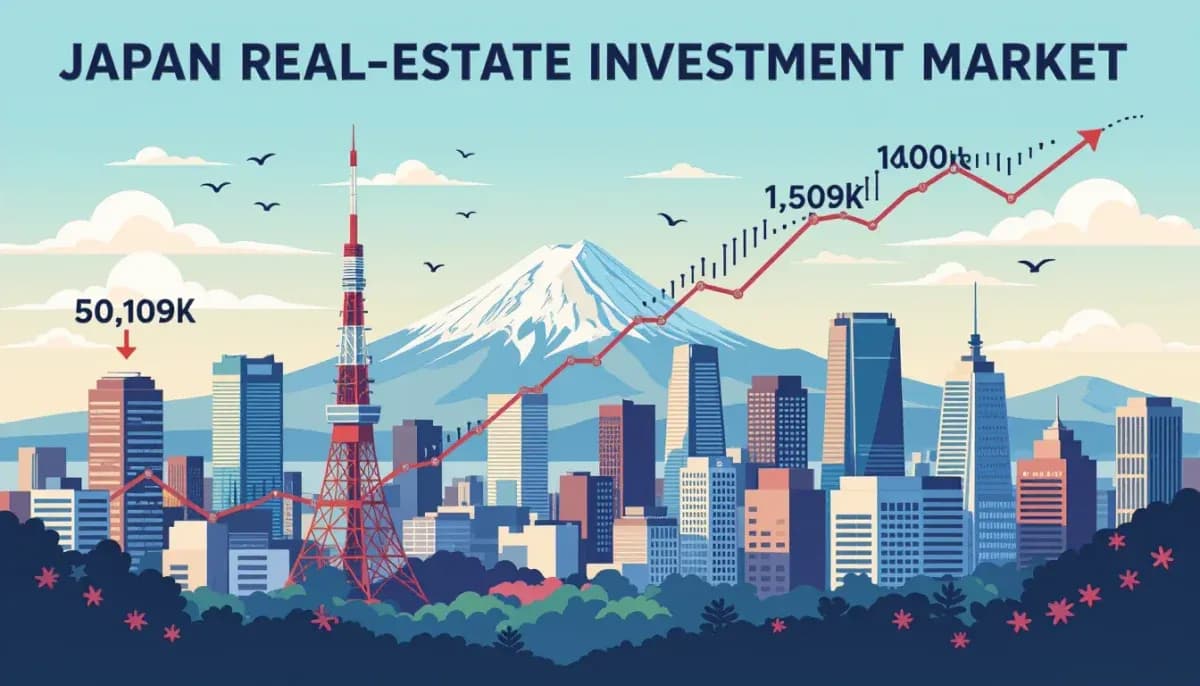
Japan Property Market Cycles: When to Buy and Sell
Master Japan property market cycles with this complete guide for foreign investors. Learn the best seasons to buy, when to sell for maximum returns, and how regional markets diverge in 2025-2026.
Read more →
How to Invest in Japan Property from Overseas
Complete guide to investing in Japan property from overseas. Legal requirements, tax obligations, financing options, property management, and step-by-step process for non-resident foreign investors.
Read more →