
Best Property Types for Investment in Japan for Foreigners

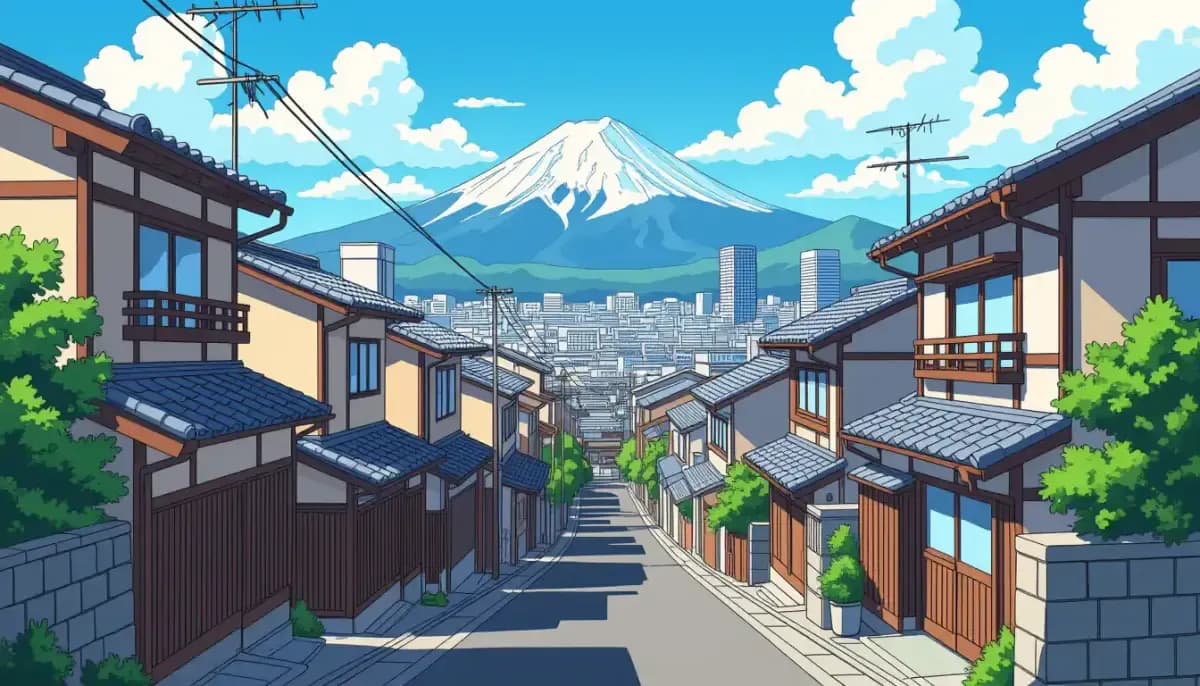
Discover the best property types for investment in Japan as a foreigner — from urban condominiums with 4-5% yields to akiya, short-term rentals, J-REITs, and resort properties. Includes yield comparisons, costs, and expert tips.
Best Property Types for Investment in Japan for Foreigners
Japan's real estate market has become one of the most attractive destinations for foreign investors worldwide. With foreign investment surging 45% in the first half of 2023 and residential investment reaching JPY 740 billion (~$5 billion USD) in 2024, the country is experiencing unprecedented international interest. Whether you are looking for stable rental income, capital appreciation, or a lifestyle investment, Japan offers a diverse range of property types — each with distinct risk profiles, return potential, and ownership requirements.
This guide breaks down the best property types for foreign investors in Japan, comparing their pros, cons, yields, and ideal investor profiles so you can make an informed decision.
!Best property types for investment in Japan - Tokyo skyline and residential neighborhoods
Why Japan Attracts Foreign Property Investors
Japan stands out for several compelling reasons. Unlike many Asian countries, Japan allows foreigners to purchase land and buildings with the exact same rights as Japanese nationals — no restrictions, no local partnerships required. Owning property does not automatically grant a visa, but the country's stability, low interest rates (around 1%), and strong rental demand create a favorable investment environment.
Key figures that tell the story:
- Foreign share of total Japanese real estate transactions has risen to 27%, up from 21% five years ago
- Record 3,410,992 foreign residents in Japan at end of 2023, up 10.9% year-on-year, driving rental demand
- 8 major Japanese cities averaged a gross rental yield of 4.36% in Q1 2024
- Tokyo property prices of $8,700–$13,800 per square meter remain affordable vs. Hong Kong and Singapore
For an overview of the legal rights that make this possible, read our guide on can foreigners buy property in Japan. For a complete picture of acquisition costs and taxes, see our hidden costs guide.
Residential Apartments and Condominiums (Mansion)
Best for: Beginners, steady income, urban markets
Condominiums — known as manshon in Japanese — are the most popular entry point for foreign investors. Individual units in Tokyo's major residential districts can be purchased for ¥30–¥80 million, while smaller studio apartments in regional cities start much lower.
Rental yields by market:
| Market | Gross Rental Yield | Notes |
|---|---|---|
| Tokyo (studio/1LDK) | 4.5–5.4% | Higher yield on smaller units |
| Tokyo (2LDK and larger) | 3.4–4.5% | Blue-chip locations, stable |
| Osaka | 4.5–6.0% | Lower prices, growing demand |
| Fukuoka | 5.0–6.5% | Fast-growing city, young demographic |
| Sapporo | 4.0–5.5% | Stable, lower entry price |
| Regional cities | 6.0–8.0% | High yield, higher vacancy risk |
Smaller apartments (under 40m²) consistently offer higher yields due to strong demand from single-person households, which make up over 38% of Tokyo's population.
Pros: Liquid market, easy to rent out, professional property managers available, lower entry price than houses. Cons: Monthly management and maintenance fees, building age affects value, depreciation reduces tax efficiency.
Learn more about buying a condominium in Japan as a foreigner.
Akiya — Vacant and Abandoned Houses
Best for: Budget investors, rural lifestyle, renovation enthusiasts
Japan has more than 8 million vacant properties — akiya — scattered across the country. Many rural municipalities actively encourage foreign buyers, listing properties for symbolic prices or even giving them away in exchange for renovation commitments.
This is one of the most discussed investment categories internationally, and for good reason: purchase prices can be extraordinarily low. However, renovation costs are the critical factor. A structurally compromised akiya could require ¥5–¥20 million in work before it becomes habitable or rentable.
The investment case for akiya:
- Entry price: Sometimes under ¥1 million (or free)
- Tourism conversion: Rural properties near ski resorts, hot springs, or scenic areas can be converted to short-term rentals
- Government support: Some municipalities provide renovation subsidies of ¥500,000–¥2,000,000
- Lifestyle option: Purchase a second home in the Japanese countryside at minimal cost
Risk factors: Remoteness limits resale market, renovation complexity, required compliance with earthquake retrofitting standards (kōzō keisan), and ongoing maintenance with limited local contractor availability.
Read our complete guide to akiya and vacant houses in Japan for foreigners. For older traditional properties, also see kominka and machiya traditional houses.
!Renovation of traditional Japanese akiya property in rural Japan
Short-Term Rentals and Minpaku (Airbnb-Style)
Best for: Tourism-focused investors, high ROI seekers, Kyoto/Osaka/Niseko markets
Japan's short-term rental sector is governed by the Minpaku Law (2018), which requires all vacation rental operators to obtain a license and limits operations to 180 days per year in most residential zones. This regulation reduced the supply of legal short-term rentals significantly, which has actually pushed up per-night rates for compliant operators.
The most lucrative markets for short-term rentals are:
- Kyoto: Traditional machiya townhouses attract premium bookings
- Osaka: High tourist density, flexible zoning in entertainment districts
- Niseko, Hokkaido: Ski season demand drives extraordinary nightly rates
- Okinawa: Beach tourism, peak summer demand
Gross yields on short-term rental properties in prime tourist areas can reach 8–12% in peak seasons, though occupancy seasonality must be carefully modeled.
Key requirement: A hotel license (ryokan gyō kyoka) or minpaku notification is required. Operating without compliance risks fines and forced closure.
For detailed guidance, see short-term rentals and Airbnb in Japan for foreigners. Additional tips for expats navigating these regulations can be found at Living in Nihon.
Commercial Real Estate
Best for: Experienced investors, long-term income stability, high-capital portfolios
Commercial property in Japan encompasses office buildings, retail spaces, warehouses, and mixed-use developments. Multi-year commercial leases with institutional tenants provide some of the most stable income streams in the market.
Prime commercial zones:
- Office: Marunouchi, Shinjuku, Roppongi, Minato-ku (Tokyo)
- Retail: Ginza, Harajuku, Shinsaibashi (Osaka)
- Logistics/Warehouse: Greater Tokyo and Osaka Bay areas
Gross yields on commercial property typically run 4–6% in prime Tokyo districts. Logistics and industrial assets, fueled by e-commerce growth, offer some of the most in-demand opportunities with stable long-term tenants.
Considerations:
- High entry costs (¥100M+ for quality assets)
- Complex regulatory environment including fire safety and building code compliance
- Commercial leases in Japan are tenant-friendly; evictions can take years
- Building depreciation (47 years for reinforced concrete) can be advantageous for tax purposes
See our guide on commercial property investment in Japan for foreigners.
J-REITs and Indirect Real Estate Investment
Best for: First-timers, diversified exposure, low capital start
Japan Real Estate Investment Trusts (J-REITs) are listed on the Tokyo Stock Exchange and allow investors to gain exposure to Japanese real estate without direct ownership. J-REITs cover all major property categories: residential, office, retail, logistics, hospitality, and healthcare.
Advantages over direct ownership:
- Purchase through any international brokerage with Japan market access
- No property management responsibilities
- High liquidity — buy and sell like stocks
- Dividend yields typically 3.5–5.5%
- Exposure to institutional-quality assets unavailable to individual buyers
Limitations:
- No leverage on your investment (unlike a mortgage-financed property)
- Subject to stock market volatility
- No physical asset ownership or residency-related benefits
J-REITs are ideal for investors who want Japan real estate exposure without the complexity of direct acquisition, legal procedures, and property management. Learn more at J-REITs and indirect real estate investment in Japan.
For job and income considerations in Japan that affect your financing options, For Work in Japan provides practical resources for foreign residents and workers.
Detached Houses (Ikkodate)
Best for: Long-term residents, families, freehold land ownership
Freehold detached houses — ikkodate — give you full ownership of both the land and the building. This is the property type most comparable to Western homeownership. Prices vary enormously: a suburban Tokyo house might cost ¥50–¥150 million, while equivalent properties in regional cities start around ¥20 million.
Why foreigners choose ikkodate:
- No monthly building management fees
- Full control over renovations and modifications
- Land value is retained (building depreciates, but land does not)
- Larger living space for families
Investment consideration: Detached houses are less liquid than condominiums. Rental demand exists but is narrower — families and longer-term tenants, rather than the high-turnover single-person market that drives condo yields.
Read our detailed guide to buying a detached house in Japan as a foreigner.
Resort and Alpine Properties
Best for: Lifestyle-driven investors, tourism markets, high nightly rate locations
Niseko in Hokkaido has become Japan's premier alpine investment destination, attracting buyers from Australia, Singapore, Hong Kong, and beyond. International demand, world-class powder snow, and a growing four-season tourism model make it one of the most resilient investment asset classes in Japan.
Beyond Niseko, Hakuba (Nagano), Rusutsu (Hokkaido), and Nozawaonsen offer entry at lower price points with strong ski tourism demand.
Ryokans — traditional Japanese inns — represent another niche within this category. A well-run ryokan with onsen (hot spring) facilities in Kyoto, Hakone, or the Tohoku region can generate exceptional returns from the growing inbound tourism market.
For those exploring Hokkaido opportunities specifically, see buying property in Hokkaido as a foreigner.
Comparing Property Types: Key Metrics
| Property Type | Entry Cost | Gross Yield | Liquidity | Management Complexity |
|---|---|---|---|---|
| Urban Condo (Tokyo) | Medium (¥20–80M) | 3.5–5.4% | High | Low (manager available) |
| Urban Condo (Regional) | Low-Medium (¥8–30M) | 5.0–8.0% | Medium | Low |
| Akiya (Rural) | Very Low (<¥5M) | Variable | Low | High |
| Short-Term Rental | Medium-High | 8–12% peak | Medium | High |
| Commercial Property | High (¥100M+) | 4–6% | Medium | High |
| J-REIT | Very Low (any amount) | 3.5–5.5% | Very High | None |
| Detached House | Medium-High | 3–5% | Medium | Medium |
| Alpine/Resort | High | 6–10% peak | Low-Medium | High |
Financing and Getting Started
Foreign investors face slightly stricter mortgage conditions than Japanese nationals. Expect to put down 20–35% for most property purchases, versus 10–20% for local buyers. Non-residents may find direct financing difficult; those with permanent residency, a Japanese spouse, or income sourced in Japan will access significantly better terms.
Interest rates remain near historic lows at approximately 1% for Japanese mortgages, one of the most favorable financing environments globally.
For full guidance on mortgage options, see mortgages and home loans for foreigners in Japan. For the complete buying process, visit our step-by-step home buying process guide.
A valuable resource for foreigners navigating Japan's real estate market is Gaijin Buy House, which provides community-driven insights from fellow foreign buyers and investors across Japan.
Tax Efficiency and Depreciation
One underappreciated advantage of Japan real estate for foreign investors is the building depreciation deduction. Depreciation periods are:
- Reinforced concrete (RC) buildings: 47 years
- Wood-frame (timber) structures: 22 years
- Steel-frame structures: 34 years
Older buildings depreciate more quickly in accounting terms, which can be advantageous for investors seeking to offset rental income with depreciation deductions. A used wooden structure near end of its depreciation period can generate large paper losses in year one, reducing taxable income.
For a comprehensive look at ongoing ownership costs, see property taxes and annual costs in Japan.
Final Thoughts: Matching Property Type to Your Goals
The best property type for you depends on your capital, risk tolerance, geographic flexibility, and investment timeline:
- Passive income with low hassle: Urban condominiums or J-REITs
- Maximum yield potential: Short-term rentals in tourist areas or regional high-yield condos
- Low entry cost adventure: Akiya renovation projects
- Lifestyle + investment: Alpine/resort properties or traditional houses in Kyoto
- Stability and size: Detached houses in suburban areas
- Professional portfolio: Commercial real estate
Japan's openness to foreign ownership combined with its economic stability, low interest rates, and growing inbound tourism make it one of the world's most compelling real estate markets. For a complete investment strategy, read our Japan real estate investment guide for foreigners.
For additional market data and investment research, PropertyAccess, HayInsights, and Housing Japan provide regularly updated analysis from specialists in the Japan market.

Originally from Vietnam, living in Japan for 16+ years. Graduated from Nagoya University, with 11 years of professional experience at Japanese and international companies. Sharing information about buying property in Japan for foreigners.
View Profile →Related Articles
Japan Property Crowdfunding Platforms Guide for Foreign Investors
Complete guide to Japan real estate crowdfunding for foreigners: top platforms (CREAL, OwnersBook, Rimawari-kun), returns, regulations, and how to invest from Japan or abroad.
Read more →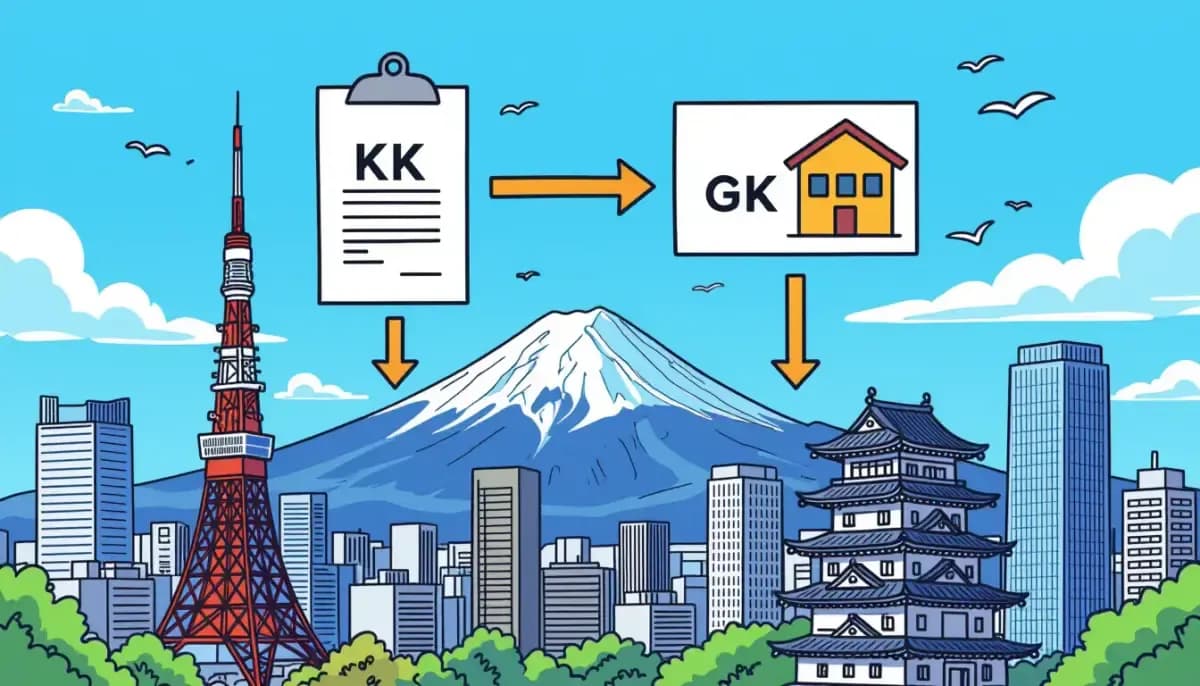
Setting Up a Company to Buy Property in Japan
Learn how to set up a KK or GK company in Japan to buy property as a foreign investor. Covers tax benefits, registration steps, GK-TK structures, and key practical tips for 2025.
Read more →
Japan Property Due Diligence Checklist for Investors
Complete due diligence checklist for foreigners buying property in Japan. Covers title verification, seismic compliance, Article 35 disclosure, zoning, taxes, and disaster risk assessment with expert tips for 2025.
Read more →
Japan Property Investment Exit Strategy Guide
Complete guide to exiting your Japan property investment: capital gains tax rates, sell vs rent comparison, timing strategy, and step-by-step selling process for foreign investors.
Read more →
Japan Property Market Cycles: When to Buy and Sell
Master Japan property market cycles with this complete guide for foreign investors. Learn the best seasons to buy, when to sell for maximum returns, and how regional markets diverge in 2025-2026.
Read more →
How to Invest in Japan Property from Overseas
Complete guide to investing in Japan property from overseas. Legal requirements, tax obligations, financing options, property management, and step-by-step process for non-resident foreign investors.
Read more →