
Japan Property Investment ROI Analysis: What Returns to Expect

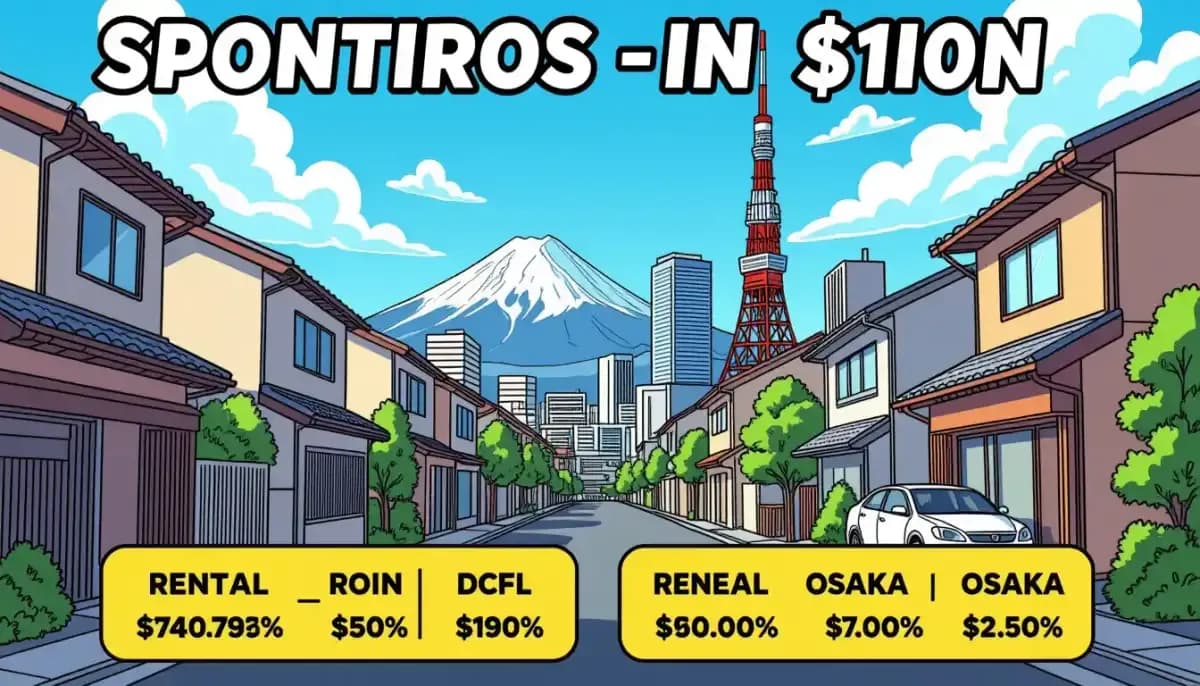
Comprehensive analysis of Japan property investment ROI for foreign investors. Compare rental yields by city and property type, understand capital gains tax, and calculate real net returns in 2025.
Japan Property Investment ROI Analysis: What Returns to Expect
Investing in Japanese real estate has become one of the most talked-about strategies for foreign investors in recent years. With a weakening yen, rising property prices, and stable rental demand, Japan offers a compelling case for those seeking to diversify their portfolios internationally. But what kind of returns can you actually expect? This guide breaks down the real numbers — rental yields, capital appreciation, net returns, and the factors that drive ROI for foreign property investors in Japan.
Whether you are considering a single-room condo in Tokyo, an apartment building in Osaka, or a ski chalet in Niseko, understanding the ROI landscape is essential before committing capital to the market.
Understanding Gross vs. Net Rental Yield in Japan
Before diving into specific numbers, it is critical to distinguish between gross and net yield — a distinction that trips up many first-time investors in Japan.
Gross rental yield is the annual rental income divided by the purchase price, expressed as a percentage. This is the headline figure most agents will quote you.
Net rental yield is the gross yield minus all costs: property management fees (typically 5-10% of rent), property taxes (1.7% annually), building maintenance fees, vacancy periods, and occasional repair costs. Net yield is typically 1.5–2.0 percentage points lower than gross yield.
As of Q3 2025, the national average gross rental yield in Japan stands at 4.34%. However, the net yield for most investors lands between 2.5% and 3.5% depending on property type and location.
| City | Gross Rental Yield (Q3 2025) | Notes |
|---|---|---|
| Tokyo | 3.59% | Premium location, low vacancy |
| Osaka | 4.26% | Better cash flow, lower entry cost |
| Fukuoka | 4.98% | High yield, growing tech hub |
| Sapporo | 4.98% | High yield, winter tourism upside |
| Nagoya | ~4.5% | Industrial base, stable demand |
| National Average | 4.34% | Per Global Property Guide data |
For context, Tokyo's lower gross yield is offset by extremely low vacancy rates — 96.6% occupancy as of 2025, with top wards like Shinjuku, Shibuya, and Minato maintaining near-full occupancy year-round. Osaka delivers better immediate cash flow due to property prices running 30-40% below Tokyo levels for comparable properties.
For a detailed look at city-specific opportunities, see our guides on buying property in Tokyo and buying property in Osaka.
ROI by Property Type: Which Asset Class Performs Best?
Not all Japanese real estate is created equal when it comes to investment returns. The type of property you buy significantly affects your yield range, management complexity, and exit strategy.
One-Room Condominiums (ワンルームマンション)
One-room condos are the entry-level investment for most foreign buyers. Prices typically start at ¥5–15 million in secondary cities and ¥15–30 million in central Tokyo. These units target young professionals and students, with:
- Gross yield: 4–6%
- Pros: Easy to manage, high tenant demand, liquid resale market
- Cons: Limited capital appreciation potential, management fees reduce net yield
Family Apartments (ファミリーマンション)
Two- to three-bedroom units targeting families offer more stable, long-term tenancies but at lower gross yields:
- Gross yield: 3–5%
- Pros: Longer lease terms, lower turnover costs
- Cons: Higher purchase price, renovations between tenants
Apartment Buildings (一棟アパート)
Owning an entire building — common in regional cities — is where yields become more attractive:
- Gross yield: 5–8%
- Pros: Economies of scale, higher total income
- Cons: Higher upfront capital (¥30–100 million+), management intensive
Single-Family Rentals (一戸建て)
Standalone houses, including the popular akiya (abandoned homes), can offer the highest yields but require careful due diligence:
- Gross yield: 5–10%
- Pros: Land ownership retains value, renovation potential
- Cons: Older buildings depreciate rapidly, rural locations harder to rent
For a full overview of property categories available to foreign buyers, read our guide on types of properties available in Japan.
Capital Appreciation: The Other Component of Total Return
Beyond rental income, capital appreciation is the second key driver of investment ROI. Japan's property market has surprised many observers with its recent strength.
Tokyo residential prices rose 12.62% year-over-year in 2024, with used apartments in Tokyo's 23 wards recording a 28.3% year-over-year increase — the highest growth since data collection began. For 2025, analysts at Mitsubishi UFJ Trust and Banking forecast continued growth of 5–6% annually, a moderation from the extraordinary 2024 pace.
Osaka is also experiencing a revival. Commercial land values rose 7.6% and residential land values climbed 2.3%, fueled by the World Expo 2025 and continued inbound investment.
Niseko and Hokkaido ski resort properties remain one of Japan's most resilient asset classes, with high nightly rates and a global investor base supporting values even as yen fluctuations create additional upside for foreign buyers.
Total return calculation example:
- Purchase price: ¥30,000,000 (¥30M apartment in Osaka)
- Annual gross rental income: ¥1,278,000 (4.26% yield)
- Net rental income after costs: ~¥900,000 (~3% net)
- Capital appreciation at 5%: ¥1,500,000
- Total estimated annual return: ~¥2,400,000 (~8% total)
This combined return profile — cash flow plus appreciation — is what makes Japan attractive relative to other developed markets.
For market context, read our Japan real estate market overview and trends.
Key Costs That Affect Your Real Returns
Understanding the full cost structure is essential to calculating realistic net ROI. Japan has several layers of costs that foreign investors must plan for.
One-Time Purchase Costs (approximately 10% of purchase price)
- Brokerage fee: 3% of price + ¥60,000 + consumption tax
- Registration/transfer taxes: 2% of assessed value
- Property acquisition tax: 3–4% of assessed value
- Judicial scrivener fee: ¥50,000–¥200,000
- Loan arrangement fees (if using mortgage): ~1% of loan amount
Annual Holding Costs
- Fixed asset tax: 1.4% of assessed value
- City planning tax: 0.3% of assessed value
- Building management fees: varies by building, typically ¥10,000–¥30,000/month
- Property management (for landlords): 5–10% of monthly rent
- Building repair fund contributions: varies
Tax on Rental Income
Rental income is subject to Japanese income tax. For non-residents, a flat 20.42% withholding tax applies. Residents are taxed under progressive rates. Japan has tax treaties with many countries to avoid double taxation — consult a local tax advisor.
Capital Gains Tax
This is the critical factor for exit planning:
- Properties held under 5 years: ~39.63% (short-term)
- Properties held over 5 years: ~20.315% (long-term)
The clear implication: plan to hold for at least 5 years to maximize after-tax returns. This aligns well with the general recommendation to treat Japanese property as a medium-to-long-term investment.
For a full breakdown, see our article on property taxes and annual costs in Japan and hidden costs and fees when buying property in Japan.
Financing Impact on ROI: Cash vs. Mortgage
How you finance your purchase significantly affects your return on equity. Japan currently offers exceptionally low mortgage rates:
- Variable rate mortgage: ~0.7% (2024-2025)
- 35-year fixed rate: ~1.9% (2024-2025)
For foreign buyers, mortgage access depends on your status:
- Permanent residents: Same loan terms as Japanese citizens
- Without permanent residency: Typically requires 30%+ down payment, 3+ years employment in Japan, or a Japanese spouse
The leverage effect can dramatically improve return on equity when gross yields significantly exceed borrowing costs — Japan's current spread between yields (4-5%) and fixed rates (~1.9%) is unusually favorable by global standards.
Leverage example:
- Property price: ¥30,000,000
- Down payment (30%): ¥9,000,000
- Loan: ¥21,000,000 at 1.9% fixed over 35 years
- Annual mortgage payment: ~¥800,000
- Annual net rental income: ~¥900,000
- Net cash flow after mortgage: ~¥100,000/year
- Plus capital appreciation benefit on full property value
While the cash-on-cash return is modest, the equity build-up and appreciation on the full asset value make leveraged investment compelling for long-term wealth building.
Read our full guide on mortgages and home loans for foreigners in Japan for detailed eligibility requirements and lender options.
Regional Investment Hotspots Beyond Tokyo and Osaka
While Tokyo and Osaka dominate headlines, several regional markets offer superior yields with reasonable liquidity.
Fukuoka has emerged as one of Japan's most dynamic investment markets. A growing tech startup ecosystem, relatively young population, and major infrastructure investment have pushed gross yields to approximately 4.98% while keeping entry prices accessible. Our guide on buying property in Fukuoka covers the specifics.
Sapporo similarly offers ~4.98% gross yields with additional upside from Hokkaido's booming tourism sector. See our Hokkaido property guide for investor insights.
Niseko deserves special mention for short-term rental investors. Alpine resort properties — while capital-intensive at entry — can generate significantly higher gross yields through vacation rental platforms. The combination of global investor demand and limited developable land has supported strong capital preservation.
For investors considering rural Japan with its ultra-low entry prices (sometimes below ¥1 million for akiya), read our rural and countryside properties guide for an honest assessment of yield potential and challenges.
Foreign Investment Trends: Why Japan Is Attracting Global Capital
The scale of foreign investment in Japan's property market has become a significant market driver. Foreign investor purchases exceeded $10 billion in a recent 12-month period, with a 45% year-over-year increase in the first half of that period. In central Tokyo, foreign investors now account for up to 40% of new condominium sales.
This surge is driven by several converging factors:
- Yen weakness: A weaker yen makes Japan property significantly cheaper for USD, EUR, and AUD-denominated investors
- Stable legal framework: Japan offers complete foreign ownership rights with no nationality-based restrictions
- Transparent markets: Compared to other Asian markets, Japan's transaction data and legal protections are exceptionally strong
- Diversification appeal: Low correlation with Western property markets provides portfolio diversification benefits
For more on legal rights and ownership structure, see our article on can foreigners buy property in Japan.
For practical guidance from experienced investors, Living in Nihon's property purchase guide provides a thorough walkthrough of the buying process including mortgage considerations. The Gaijin Buy House investment guide specifically addresses investment strategy for foreign buyers with detailed coverage of expected returns by asset class. For those combining work and investment goals, For Work in Japan's housing guide covers the residential landscape for working expats considering property ownership.
Additional detailed yield data by city can be found at Tokyo Portfolio's market trends analysis and the Nippon Tradings Tokyo vs Osaka yield comparison.
Practical Steps to Maximize Your Investment ROI
Getting the numbers right on paper is only part of the equation. Here are the key steps to optimize your real-world returns:
1. Choose the right property type for your goals. If you prioritize cash flow, focus on apartment buildings in regional cities. If you prioritize liquidity and capital appreciation, one-room condos in central Tokyo are more appropriate.
2. Use a buyer's agent who specializes in foreign investor clients. General real estate agents in Japan often lack the English-language skills and foreign investor experience needed to navigate tax structuring, financing, and management setup.
3. Build your management team before you buy. A reliable property management company (kanrikai) is non-negotiable for foreign-based investors. Expect to pay 5-10% of monthly rent for full management services.
4. Plan your hold period around the tax cliff. The difference between paying 39% and 20% capital gains tax by holding 5+ years is enormous. Build this into your investment thesis from day one.
5. Understand the depreciation schedule. Japanese buildings depreciate on a fixed schedule (steel-reinforced concrete: 47 years; wood-frame: 22 years). Depreciation offsets rental income for tax purposes, which can significantly improve net after-tax returns in early ownership years.
6. Account for renovation costs in older buildings. Pre-bubble construction (pre-1981) may require seismic retrofitting. Factor these costs into your acquisition price negotiations.
See our step-by-step home buying process guide for a complete walkthrough from property search to closing.
Summary: Is Japan Property Investment Right for You?
Japan offers a genuinely compelling investment profile: gross yields of 3.6–10% depending on location and asset class, stable vacancy rates, transparent legal systems, complete foreign ownership rights, and historically low borrowing costs. Total returns combining rental income and capital appreciation can realistically reach 6-10% annually in the current market environment.
The key risks to monitor include: rising interest rates (the Bank of Japan has begun rate normalization), demographic headwinds in secondary cities, high capital gains tax for short holding periods, and the management complexity of operating across time zones.
For foreign investors with a 5–10 year horizon, Japan remains one of the most attractive developed-market property investment opportunities globally. The math works, the legal framework is supportive, and the current yen environment creates a potential double benefit: strong rental yields now, plus potential currency gain when repatriating returns if the yen strengthens over your holding period.
Start your research with our complete guide to buying property in Japan as a foreigner for the full picture on legal requirements, financing, and the purchase process.

Originally from Vietnam, living in Japan for 16+ years. Graduated from Nagoya University, with 11 years of professional experience at Japanese and international companies. Sharing information about buying property in Japan for foreigners.
View Profile →Related Articles
Japan Property Crowdfunding Platforms Guide for Foreign Investors
Complete guide to Japan real estate crowdfunding for foreigners: top platforms (CREAL, OwnersBook, Rimawari-kun), returns, regulations, and how to invest from Japan or abroad.
Read more →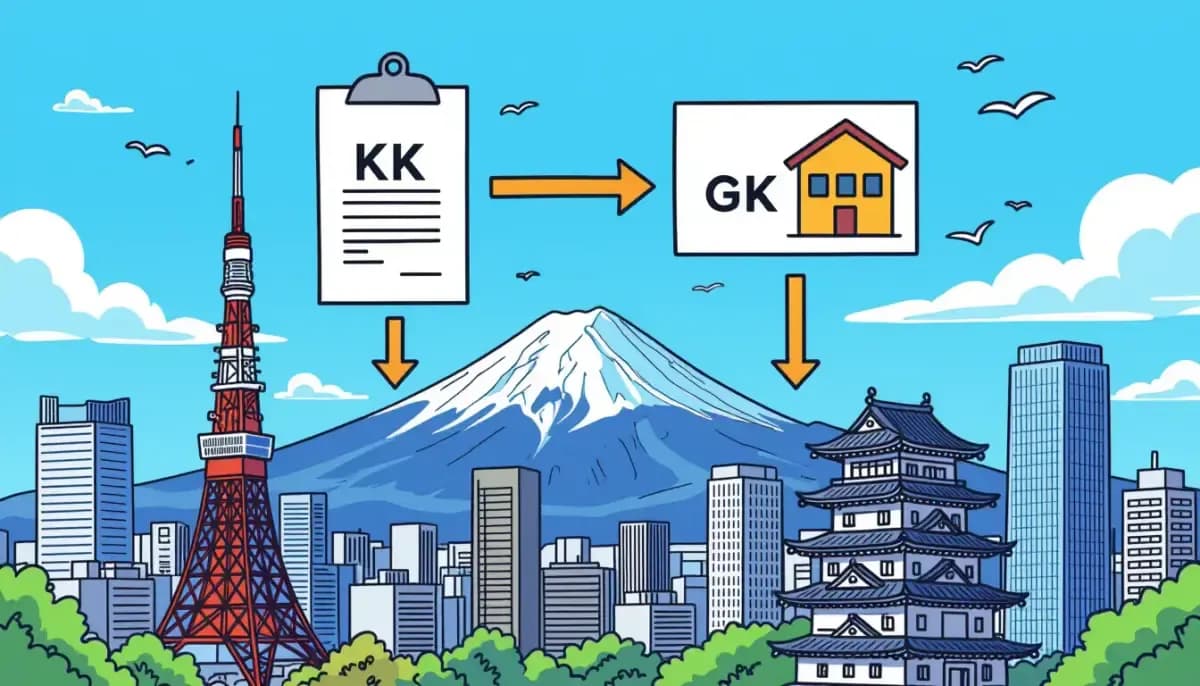
Setting Up a Company to Buy Property in Japan
Learn how to set up a KK or GK company in Japan to buy property as a foreign investor. Covers tax benefits, registration steps, GK-TK structures, and key practical tips for 2025.
Read more →
Japan Property Due Diligence Checklist for Investors
Complete due diligence checklist for foreigners buying property in Japan. Covers title verification, seismic compliance, Article 35 disclosure, zoning, taxes, and disaster risk assessment with expert tips for 2025.
Read more →
Japan Property Investment Exit Strategy Guide
Complete guide to exiting your Japan property investment: capital gains tax rates, sell vs rent comparison, timing strategy, and step-by-step selling process for foreign investors.
Read more →
Japan Property Market Cycles: When to Buy and Sell
Master Japan property market cycles with this complete guide for foreign investors. Learn the best seasons to buy, when to sell for maximum returns, and how regional markets diverge in 2025-2026.
Read more →
How to Invest in Japan Property from Overseas
Complete guide to investing in Japan property from overseas. Legal requirements, tax obligations, financing options, property management, and step-by-step process for non-resident foreign investors.
Read more →