
Japan Property Investment Exit Strategy Guide


Complete guide to exiting your Japan property investment: capital gains tax rates, sell vs rent comparison, timing strategy, and step-by-step selling process for foreign investors.
Japan Property Investment Exit Strategy Guide for Foreign Investors
Buying property in Japan is a major financial commitment — but knowing how and when to exit is equally critical. Whether you are a foreign investor planning to sell, rent out, or simply transition your portfolio, a well-crafted exit strategy can mean the difference between significant profit and costly mistakes. Japan's unique real estate rules, tax structure, and property depreciation patterns create specific challenges for non-resident sellers that require careful planning from day one.
This guide covers everything you need to know about exiting your Japan property investment: timing your sale, understanding the tax implications, comparing sell vs. rent options, and navigating the process as a foreigner.
Why Exit Strategy Planning Matters in Japan
Unlike many Western real estate markets, Japan's property market has characteristics that strongly influence when and how you should exit:
Building depreciation is rapid and structured. Under Japanese tax law, wooden structures have a statutory useful life of just 22 years, while reinforced concrete (RC) buildings are rated at 47 years. Once a building passes its useful life, it has zero assessed value for tax purposes — meaning the land may appreciate, but the structure contributes nothing to resale value. This makes timing your exit before maximum depreciation a critical strategic decision.
Capital gains tax rates are holding-period dependent. Japan imposes dramatically different tax rates depending on whether you held the property for over or under 5 years. Short-term sellers face a combined tax rate of 39.63%, while long-term holders pay just 20.315%. This 5-year threshold is a major exit timing anchor for foreign investors.
Non-residents face unique withholding obligations. Once you leave Japan, you become a non-resident and the sale of your property triggers withholding tax procedures that require a Japanese tax representative. Understanding these obligations before departure is essential.
For a broader perspective on the Japan property ownership journey, see our Complete Guide to Buying Property in Japan as a Foreigner.
Understanding Capital Gains Tax on Japan Property Sales
The tax you pay when selling Japanese real estate depends primarily on how long you owned it. The ownership period is measured as of January 1 of the year of sale — not the actual transaction date.
| Holding Period | Income Tax Rate | Residential Tax | Total Tax Rate |
|---|---|---|---|
| Under 5 years (Short-term) | 30.63% | 9% | 39.63% |
| Over 5 years (Long-term) | 15.315% | 5% | 20.315% |
How capital gains are calculated:
Capital gain = Sale price − (Original purchase price + Acquisition costs + Capital improvements) − Selling costs
Allowable deductions include real estate agent commissions, stamp duty, transfer registration fees, and other documented transaction costs.
Withholding tax for non-resident sellers:
If you are a non-resident of Japan when you sell, the buyer is required to withhold 10.21% of the total sale proceeds (not just the gain) and remit it to Japanese tax authorities. This withholding is a prepayment — you file a Japanese tax return the following year (deadline: March 15) and receive a refund if the withheld amount exceeds your actual tax liability.
Important exemption: No withholding is required if the sale price is under JPY 100 million AND the buyer is an individual purchasing the property for residential use.
You must appoint a tax filing representative (納税管理人) who is a resident of Japan to file your annual return on your behalf. See our guide on Property Taxes and Annual Costs of Owning Property in Japan for more on ongoing tax obligations.
Sell vs. Rent: Choosing the Right Exit Path
For foreigners leaving Japan, the most common decision is whether to sell the property outright or retain it as a rental investment. Both options have distinct advantages and risks.
Selling Your Property
Advantages:
- Immediate access to capital (lump sum)
- Eliminates ongoing maintenance, management, and vacancy risk
- Clean break — no further Japan-based obligations
- Best option if you have no plans to return to Japan
Costs and considerations:
- Real estate agent commission: up to 3% of sale price + ¥60,000 (legally capped)
- Transfer taxes and registration cancellation fees
- Typical sale timeline: 3–6 months from listing to closing
- Potentially high capital gains tax if sold within 5 years
Renting Out the Property (Remote Landlord)
Advantages:
- Ongoing passive income stream
- Preserves the asset for potential future use or appreciation
- Option to return and reclaim the property (with proper lease terms)
Challenges:
- Property management fees: 5–10% of monthly rent
- Vacancy risk: income stops but expenses continue
- Remote landlord relationship difficulties: tenant disputes, repairs, and emergencies are hard to manage from abroad
- Rental income withholding: 20.42% withheld monthly from rent for non-residents
Financial comparison (illustrative example — Tokyo apartment, ¥55M sale price):
| Scenario | Outcome (5-Year Period) |
|---|---|
| Sell immediately | ~¥2.52M net after fees and taxes |
| Rent at ¥150,000/month | ~¥5.2M net (assuming low vacancy, 7% management fee) |
Renting appears financially superior in the above example — but only if vacancy remains low and no major repairs are needed. For aging properties in less desirable locations, selling is often the safer choice.
For a detailed comparison, Gaijin Buy House's guide on Sell vs. Rent When Leaving Japan provides a thorough decision framework including non-resident tax scenarios.
When Is the Best Time to Exit? Strategic Timing
Several factors determine the optimal time to sell your Japan property investment:
The 5-Year Tax Threshold
The single most impactful timing factor is the 5-year long-term capital gains threshold. Selling just before this mark triggers a 39.63% tax rate versus 20.315% after. Unless you have an urgent reason to sell, waiting until year 5 passes (calculated from January 1 of the sale year) can save hundreds of thousands of yen.
Building Age and Depreciation Curve
Properties roughly 20 years old often reach an inflection point where depreciation benefits begin diminishing while maintenance costs rise. Investors who purchased older properties (especially wooden homes) for their accelerated depreciation tax deductions should recalculate their break-even point carefully:
- Years 1–10: Depreciation deductions reduce taxable rental income significantly
- Years 10–20: Depreciation slows; tax advantage shrinks
- 20+ years: Minimal remaining depreciation; rising repair costs often exceed benefits — often a signal to exit
Market Timing Considerations
Japan's major urban real estate markets — especially central Tokyo — have shown consistent price appreciation driven by land value rather than building value. The Asia Pacific real estate market entered a stabilization and early-growth phase in 2025–2026, with increasing transaction volume signaling investor confidence. This environment may favor sellers who have been waiting for improved liquidity.
Rural properties present a different picture: building depreciation without offsetting land appreciation means delayed exits carry increasing risk of declining total asset value.
For more context on current conditions, see our Japan Real Estate Market Overview and Trends.
The Selling Process: Step-by-Step for Foreign Sellers
Selling property in Japan as a foreigner follows a structured process:
1. Appoint a tax filing representative Before departing Japan (or before initiating a sale as a non-resident), appoint a 納税管理人 (tax agent/representative) — a Japan-resident individual or accountant who will file your tax return and handle communications with the National Tax Agency.
2. Engage a licensed real estate agent (宅地建物取引士) Choose an agent familiar with foreign seller transactions. They will conduct a property valuation, list the property, coordinate viewings, and manage paperwork including the重要事項説明書 (Important Matters Explanation Document).
3. Negotiate and execute the purchase agreement A 手付金 (earnest money deposit) — typically 5–10% of the purchase price — is paid by the buyer upon signing the 売買契約書 (sale and purchase agreement).
4. Closing and transfer registration Final settlement involves transfer of the remaining purchase price, payment of commissions and taxes, and registration of ownership transfer at the Legal Affairs Bureau. The buyer's agent typically handles the 10.21% withholding on your behalf.
5. File your Japanese tax return By March 15 of the following year, your tax representative files your capital gains return. Any over-withheld amount is refunded; any shortfall must be paid.
For step-by-step transaction guidance from the buying side, see Legal Procedures and Documentation for Japan Property Purchase.
Tax Strategies to Optimize Your Exit
Hold beyond 5 years. The difference between 39.63% and 20.315% is substantial — always calculate whether a delay pays off.
Time your sale year carefully. Ownership period is measured on January 1 of the sale year. If your 5-year anniversary falls in October, selling in December of that same year already qualifies as long-term — you don't need to wait until the following year.
Document all deductible costs. Keep receipts for renovations, repairs, agent fees, and any capital improvements since purchase. These reduce your taxable gain.
Use non-resident tax treaty benefits where applicable. Japan has tax treaties with many countries that may reduce withholding or allow foreign tax credits. Consult a tax professional familiar with both your home country and Japan.
Consider corporate structures for large portfolios. Holding property through a Japanese GK (Godo Kaisha) or TK (Tokumei Kumiai) arrangement can offer different tax treatment on exit, though setup and compliance costs must be weighed carefully.
For housing finance and mortgage considerations, Living in Nihon's Buying Property and Mortgage Guide for Foreigners in Japan provides comprehensive background on the acquisition side of the equation.
Common Mistakes Foreign Sellers Make
Selling too early without calculating the 5-year tax impact. Many first-time investors underestimate how drastically taxes affect net proceeds when selling before the 5-year mark.
Failing to appoint a tax representative before leaving Japan. Without a 納税管理人 in place, you cannot legally file your Japanese tax return and may face penalties and interest.
Assuming property value equals purchase price plus inflation. Japan's building depreciation reality means resale value for structures (particularly wooden homes outside major urban centers) can be far lower than expected. Land value drives resale in most cases.
Underestimating selling costs and timelines. Agent commissions, transfer taxes, and closing costs can amount to 3–5% of the sale price. Budgeting only for the headline price leads to nasty surprises at settlement.
Not planning for currency risk. If you're repatriating yen proceeds to a foreign currency, exchange rate movements between purchase and sale can significantly affect real returns. Factor currency risk into your exit calculations.
For guidance on the broader Japan property investment landscape, see For Work in Japan's Housing and Living Infrastructure Guide for Foreigners.
Exit Strategy Planning Checklist
Before initiating a sale of your Japan property, work through this checklist:
| Action Item | Notes |
|---|---|
| Calculate 5-year holding period | Check January 1 ownership date rule |
| Estimate capital gains tax | Use long-term or short-term rate |
| Confirm tax agent appointment | Required for non-residents |
| Assess building depreciation status | Especially for 15–25 year properties |
| Compare sell vs. rent financially | Model 5-year cash flows for both |
| Obtain property valuation | Engage licensed real estate agent |
| Review mortgage payoff amount | If property has existing loan balance |
| Check for tenants / lease obligations | Tenant rights are strong in Japan |
| Confirm no registration encumbrances | Legal Affairs Bureau check |
| Budget for selling costs | 3–5% of sale price typical |
For additional resources on Japan real estate investment strategies and market analysis, Nippon Tradings provides up-to-date market intelligence for foreign investors. For a deep dive into capital gains tax calculations, Plaza Homes' guide on real estate tax when selling property in Japan is an excellent reference.
Conclusion
A successful exit from Japan property investment requires planning that begins well before you decide to sell. The 5-year capital gains threshold, building depreciation curves, non-resident tax obligations, and the sell-vs-rent decision all demand careful analysis. By understanding these factors and working with qualified local professionals — a tax representative, a licensed real estate agent, and potentially a legal advisor — foreign investors can maximize their returns and avoid the costly mistakes that derail poorly planned exits.
Japan's property market, particularly in major urban centers, continues to offer solid fundamentals for well-positioned investors. Whether your exit is driven by lifestyle changes, portfolio rebalancing, or simply a completed investment horizon, the strategies in this guide will help you exit smart.
For further reading, explore our related guides:

Originally from Vietnam, living in Japan for 16+ years. Graduated from Nagoya University, with 11 years of professional experience at Japanese and international companies. Sharing information about buying property in Japan for foreigners.
View Profile →Related Articles

Japan Property Crowdfunding Platforms Guide for Foreign Investors
Complete guide to Japan real estate crowdfunding for foreigners: top platforms (CREAL, OwnersBook, Rimawari-kun), returns, regulations, and how to invest from Japan or abroad.
Read more →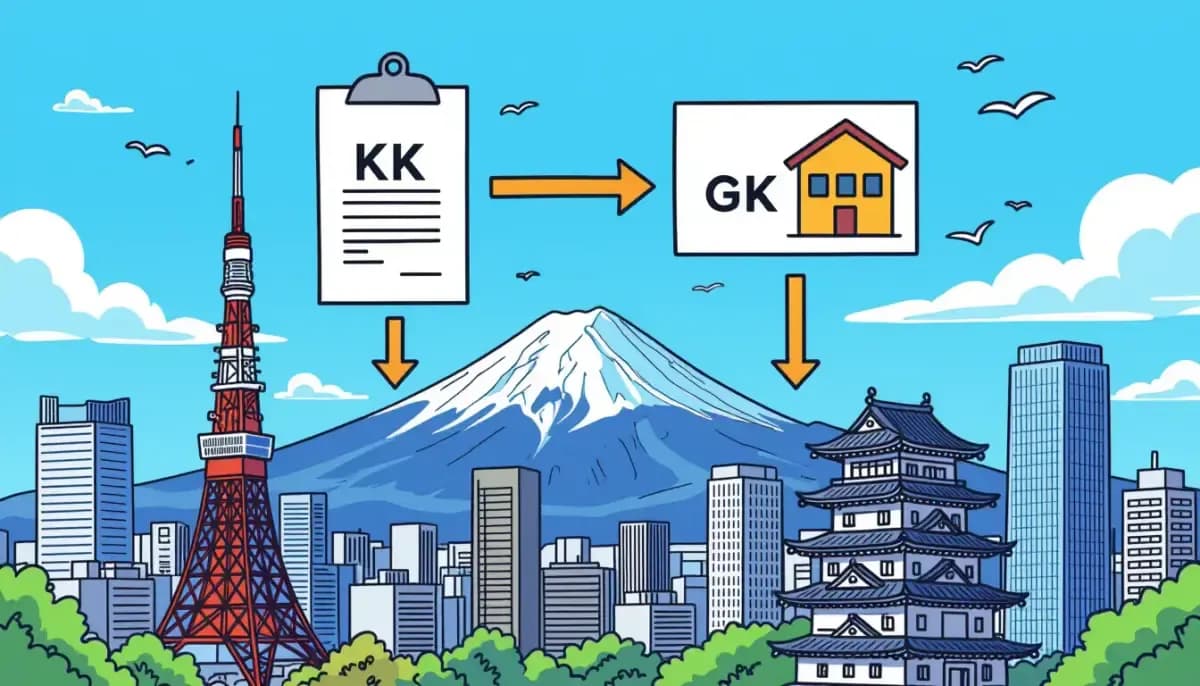
Setting Up a Company to Buy Property in Japan
Learn how to set up a KK or GK company in Japan to buy property as a foreign investor. Covers tax benefits, registration steps, GK-TK structures, and key practical tips for 2025.
Read more →
Japan Property Due Diligence Checklist for Investors
Complete due diligence checklist for foreigners buying property in Japan. Covers title verification, seismic compliance, Article 35 disclosure, zoning, taxes, and disaster risk assessment with expert tips for 2025.
Read more →
Japan Property Market Cycles: When to Buy and Sell
Master Japan property market cycles with this complete guide for foreign investors. Learn the best seasons to buy, when to sell for maximum returns, and how regional markets diverge in 2025-2026.
Read more →
How to Invest in Japan Property from Overseas
Complete guide to investing in Japan property from overseas. Legal requirements, tax obligations, financing options, property management, and step-by-step process for non-resident foreign investors.
Read more →
Japan Property Capital Appreciation Potential by Area
Discover which areas of Japan offer the best property capital appreciation potential in 2025. Compare Tokyo, Osaka, Fukuoka, Niseko and more — with data, yields, and tips for foreign investors.
Read more →