
Japan Property Capital Appreciation Potential by Area

Discover which areas of Japan offer the best property capital appreciation potential in 2025. Compare Tokyo, Osaka, Fukuoka, Niseko and more — with data, yields, and tips for foreign investors.
Japan Property Capital Appreciation Potential by Area: A Complete Guide for Foreign Investors
Japan's real estate market has undergone a remarkable transformation in recent years. After three decades of stagnation following the 1990s asset bubble, property prices are rising again—and rising fast. National land prices climbed 2.7% in 2025, the fastest growth in 34 years, while certain urban areas are recording double-digit annual gains. For foreign investors and expats considering a property purchase, understanding where capital appreciation is most likely is essential to making a sound investment decision.
This guide breaks down Japan's property capital appreciation potential by area, covering the top cities and regions, the underlying drivers of growth, and what foreign buyers should know before entering the market.
Why Japan Property Is Appreciating Now
For most of the post-bubble era, Japanese property was considered a depreciating asset—buildings aged quickly in value while land barely moved. That narrative has changed dramatically since 2022. Several structural forces are now driving appreciation:
Weak yen: The yen's sustained weakness against major currencies has made Japanese property exceptionally cheap for foreign buyers, fueling a surge in overseas investment. Foreign buyers now account for 27% of property purchases in Japan, up from 21% five years ago, and foreign investment in Japanese real estate reached over $10 billion in the first half of 2024 alone—a 45% increase year-on-year.
Ultra-low interest rates: Japan's interest rates remain near zero, keeping borrowing costs low and supporting asset prices. Rates are expected to stay in the 0–1% range through 2026.
Urban supply constraints: In major cities, limited land availability and zoning restrictions mean supply cannot easily keep pace with demand, putting upward pressure on prices.
Tourism and redevelopment: Record tourist arrivals and major urban redevelopment projects (Takanawa Gateway in Tokyo, Osaka's Umeda district, Kyoto's revitalization zones) are increasing the desirability—and price—of properties in key neighborhoods.
Semiconductor and industrial investment: New chip fabrication facilities from TSMC (Kumamoto) and Rapidus (Hokkaido) are transforming regional land prices in ways not seen since Japan's postwar industrial boom.
For a broader overview of Japan's market, see our guide to Japan Real Estate Market Overview and Trends and Can Foreigners Buy Property in Japan?.
Tokyo: The Benchmark for Appreciation
Tokyo remains Japan's most liquid, most transparent, and—for capital appreciation—most consistent real estate market. The Tokyo home price index rose 10.7% year-on-year in early 2025, the highest in the country. Newly built condominiums in the metropolitan area are projected to appreciate 5–6% annually in 2025, with luxury properties above ¥60 million forecast at 6–7% annual growth.
Within Tokyo, appreciation is far from uniform. The highest-growth neighborhoods in recent years have included:
- Shibuya ward (near the new Sakura Stage complex): +32.7% appreciation, driven by major commercial redevelopment
- Nakano Ward: +16.3%, thanks to station redevelopment projects drawing younger residents
- Asakusa (Taito Ward): +14.8%, fueled by surging inbound tourism and short-term rental demand
- Minato and Chiyoda wards: Consistently among the highest absolute prices; 20–40% of new apartments in these wards are sold to foreign buyers
Average new condominium prices in Tokyo have reached ¥93.96 million (~USD 640,000), reflecting both genuine demand and a thinning supply of buildable land.
Best for: Long-term capital preservation, strong rental yield (3–4% in prime locations, 97.2% occupancy rates), and liquidity. Entry costs are high but so is exit certainty.
For a deeper dive, see our dedicated Buying Property in Tokyo as a Foreigner guide.
Osaka: Expo Momentum and Commercial Surge
Osaka is Japan's second-largest city and arguably its most dynamic real estate story heading into the late 2020s. The World Expo 2025 and ongoing Integrated Resort (IR) development on Yumeshima Island have brought massive infrastructure investment and global attention to the Kansai region.
Residential land in Osaka gained 2.3% year-on-year in 2025, while commercial land surged 7.6%, among the highest commercial growth rates in Japan. Rental yields approach 4.5% in key Osaka districts—notably higher than comparable Tokyo neighborhoods.
Average new condominium prices in the Osaka metropolitan area reached ¥58.13 million (~USD 396,000), significantly below Tokyo but with strong appreciation momentum. Per-square-meter prices in Osaka grew nearly 16% year-on-year in mid-2025.
Key appreciation zones include Umeda/Osaka Station, Namba, and Tennoji—all benefiting from major redevelopment, improved transit links, and rising tourism.
Best for: Investors seeking a balance of affordability and upside, or those targeting short-term rental income from Japan's record tourist numbers.
See also: Buying Property in Osaka as a Foreigner.
Fukuoka: The Fastest-Growing Major City
Fukuoka is arguably Japan's hottest regional real estate market. The city's residential land values jumped 9.0% year-on-year—the highest growth rate among Japan's major cities for the second consecutive year. This marks 13 straight years of rising home prices in Fukuoka.
The drivers are clear: Fukuoka is Japan's youngest large city by average age, a startup hub, a gateway to Asia (with direct flights to Shanghai, Seoul, Hong Kong, and Singapore), and increasingly on the radar of both domestic and foreign investors. Supply remains relatively constrained as the city's geography (bounded by sea and mountains) limits expansion.
Rental yields in Fukuoka reach approximately 5%, with total ROI (including appreciation) estimated at around 6.3%—among the highest of any major Japanese city.
Best for: Investors seeking higher yields combined with genuine capital growth, at prices well below Tokyo and Osaka.
See our full Buying Property in Fukuoka guide for detailed area breakdowns.
Sapporo and Hokkaido: Niseko's Global Pull
Sapporo, Hokkaido's capital, has been a consistent performer in land price surveys, with rental yields matching Fukuoka at approximately 4.98–5%. However, the real story in Hokkaido is the Niseko area.
Niseko—encompassing the Hirafu, Hanazono, and Higashiyama ski villages—has become one of Asia's most recognized premium resort real estate markets. Land values in parts of Niseko have appreciated by extraordinary percentages over the past decade, driven by international ski tourism (particularly Australian, Singaporean, and Hong Kong buyers) and a globally competitive hospitality infrastructure.
Beyond the ski slopes, the announcement of a Rapidus semiconductor fabrication facility in the Chitose/Sapporo area has triggered industrial land price surges of 20–50%+ in surrounding areas—an unusual tailwind for a traditionally rural region.
Best for: Resort property investors seeking premium capital appreciation and short-term rental income; industrial-area exposure for speculative land buyers.
See our Buying Property in Hokkaido guide for more details.
Kyoto: Tourism Premium and UNESCO Prestige
Kyoto is a special case in Japanese real estate. As a UNESCO World Heritage city with strictly controlled development rules, the supply of well-located properties is genuinely limited. This has produced a tourism-driven appreciation dynamic unlike anywhere else in Japan.
Short-term rental yields in Kyoto can reach an extraordinary 18%—among Asia's highest—for properties operating as minpaku (licensed short-term rentals). Commercial land in Kyoto grew 3.9% year-on-year in 2025, outpacing most regional cities.
The catch: Kyoto's strict building codes and neighborhood regulations mean supply is perpetually constrained, which is excellent for existing owners but makes finding the right property challenging. Not all areas permit short-term rentals, so due diligence on local rules is essential.
Best for: Premium property investors targeting short-term rental income and long-term scarcity value.
See also: Buying Property in Kyoto as a Foreigner.
Nagano and Emerging Mountain Markets
Outside the major cities, Nagano prefecture has emerged as a surprising outperformer. The Hakuba valley (home to several 1998 Winter Olympics venues) has seen land values jump over 30%, driven by a new wave of international ski and outdoor tourism that has turned Hakuba into a rival for Niseko.
Nagano's appeal is amplified by its accessibility—less than 90 minutes from Tokyo by Shinkansen—making it viable as a genuine second home or weekend investment property rather than a purely remote asset.
Other emerging mountain and resort markets include:
- Karuizawa (Nagano): High-end second-home market with strong appreciation
- Nozawa Onsen: Boutique ski village attracting European buyers
- Naoshima (Kagawa): Art island with limited supply and cultural tourism upside
Best for: Second-home buyers and resort investors seeking affordability combined with appreciation driven by accessibility and tourism.
Areas to Approach With Caution
While appreciation stories dominate the headlines, Japan's property market is sharply bifurcated. Outside the major cities and resort areas, many prefectures continue to struggle with population decline and falling prices.
Approximately 9 million homes (13% of Japan's residential stock) are currently vacant—a figure that is growing, not shrinking. In shrinking regional cities and rural towns, property prices are often stagnant or declining, rental demand is thin, and exit liquidity is minimal.
Key risk areas include:
- Shrinking industrial towns in Tohoku, rural Hokuriku, and inland Shikoku
- Older apartment blocks (built pre-1981) that do not meet modern earthquake standards
- Remote rural properties (akiya) that may seem cheap but carry maintenance costs and near-zero resale value
For investors targeting capital growth rather than lifestyle, the rule of thumb is clear: stick to major metro areas, university cities, or established resort zones.
See our guide on Rural and Countryside Properties in Japan for Foreigners for more context on the risks and opportunities of non-urban investment.
Capital Appreciation Comparison by Area
| Area | Land Price Growth (2025 YoY) | Rental Yield | Entry Price (Avg. Condo) | Best For |
|---|---|---|---|---|
| Tokyo (Central Wards) | +10.7% (residential avg) | 3–4% | ¥93.96M (~$640K) | Long-term appreciation, liquidity |
| Osaka | +2.3% residential / +7.6% commercial | ~4.5% | ¥58.13M (~$396K) | Balance of growth & affordability |
| Fukuoka | +9.0% | ~5% | ¥30–45M range | High yield + growth |
| Sapporo | ~4–5% | ~4.98% | ¥25–40M range | Steady yield, Rapidus upside |
| Kyoto | ~3–4% | Up to 18% (STR) | ¥35–60M range | Short-term rental income |
| Hokkaido (Niseko) | +10–30%+ (resort zones) | High (seasonal) | ¥50M–¥200M+ | Premium resort appreciation |
| Nagano (Hakuba) | +30%+ (resort zones) | Seasonal | ¥20–80M range | Resort second home |
| Rural/Declining Areas | Flat or negative | Variable/low | ¥1–10M | Lifestyle only, not investment |
Practical Advice for Foreign Buyers Targeting Appreciation
1. Buy in cities with population growth. Only about a dozen Japanese cities are experiencing genuine population growth—Tokyo, Osaka, Fukuoka, Sapporo, and a few others. In any shrinking city, long-term appreciation is structurally challenged.
2. Prioritize areas with infrastructure investment. New subway lines, Shinkansen extensions, and redevelopment projects are among the most reliable predictors of near-term appreciation. The areas around the Takanawa Gateway complex in Tokyo, Umeda in Osaka, and Fukuoka's Hakata district are current examples.
3. Check the year of construction. Properties built before the 1981 earthquake code reform (kyuu-taishin) are harder to sell and appreciate less. Buildings constructed after 2000 (shin-taishin) tend to hold value best.
4. Understand currency effects. For foreign buyers, yen weakness currently amplifies returns—but a yen recovery could erode gains measured in USD, EUR, or AUD. Hedging strategies or a long-term hold horizon help manage this risk.
5. Get professional advice. Japan's property market has significant local nuance. Working with a licensed agent familiar with foreign buyers is essential. Resources for expat property buyers include Living in Nihon, For Work in Japan, and Gaijin Buy House, which offer guides and services specifically tailored to foreigners navigating the Japanese property market.
For more on the buying process itself, see our Complete Guide to Buying Property in Japan as a Foreigner and our breakdown of Hidden Costs and Fees When Buying Property in Japan.
Conclusion
Japan's property market in 2025 presents genuine capital appreciation opportunities—but they are geographically concentrated. Tokyo leads in absolute terms, Fukuoka leads in percentage terms among major cities, and niche resort markets like Niseko and Hakuba offer the highest individual peaks. Osaka combines affordability with strong momentum, while Kyoto offers scarcity-driven value and exceptional short-term rental yields.
The critical lesson for foreign investors is simple: location within Japan matters enormously. The same investment thesis that works in central Tokyo would be disastrous applied to a declining rural town. Do your research, focus on population-positive cities and resort zones with genuine international demand, and leverage the current yen weakness while it lasts.
For further reading on Japan property investment for foreigners, PropertyAccess and Housing Japan offer regularly updated market analysis and data.

Originally from Vietnam, living in Japan for 16+ years. Graduated from Nagoya University, with 11 years of professional experience at Japanese and international companies. Sharing information about buying property in Japan for foreigners.
View Profile →Related Articles
Japan Property Crowdfunding Platforms Guide for Foreign Investors
Complete guide to Japan real estate crowdfunding for foreigners: top platforms (CREAL, OwnersBook, Rimawari-kun), returns, regulations, and how to invest from Japan or abroad.
Read more →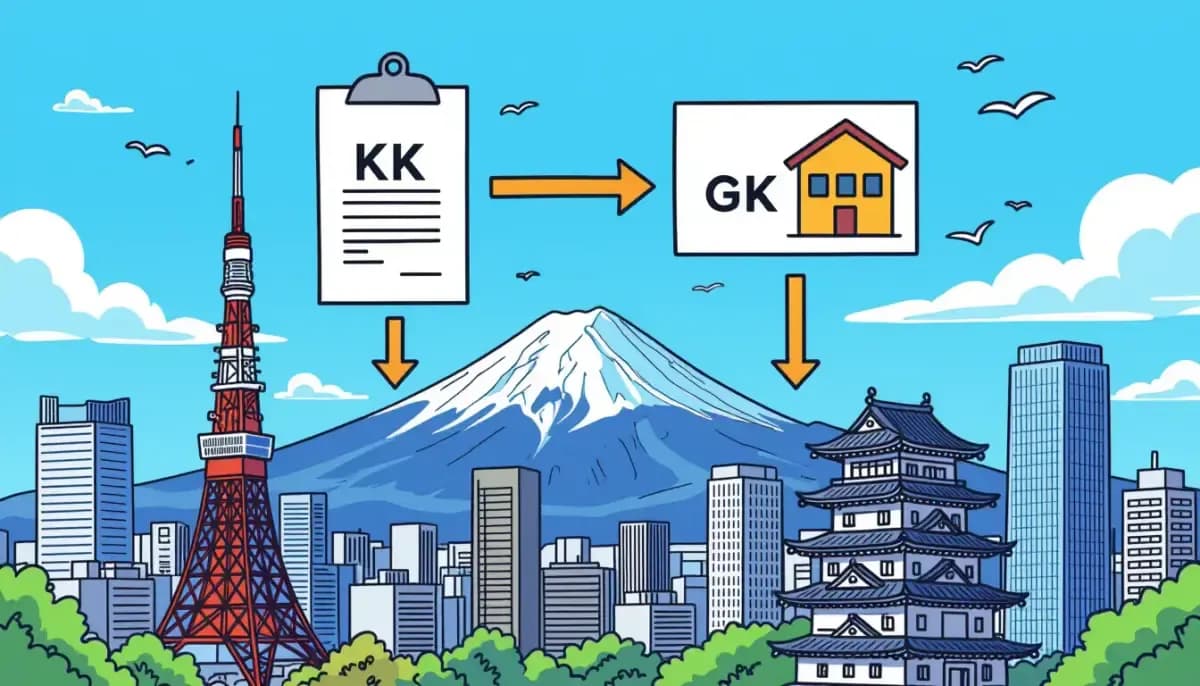
Setting Up a Company to Buy Property in Japan
Learn how to set up a KK or GK company in Japan to buy property as a foreign investor. Covers tax benefits, registration steps, GK-TK structures, and key practical tips for 2025.
Read more →
Japan Property Due Diligence Checklist for Investors
Complete due diligence checklist for foreigners buying property in Japan. Covers title verification, seismic compliance, Article 35 disclosure, zoning, taxes, and disaster risk assessment with expert tips for 2025.
Read more →
Japan Property Investment Exit Strategy Guide
Complete guide to exiting your Japan property investment: capital gains tax rates, sell vs rent comparison, timing strategy, and step-by-step selling process for foreign investors.
Read more →
Japan Property Market Cycles: When to Buy and Sell
Master Japan property market cycles with this complete guide for foreign investors. Learn the best seasons to buy, when to sell for maximum returns, and how regional markets diverge in 2025-2026.
Read more →
How to Invest in Japan Property from Overseas
Complete guide to investing in Japan property from overseas. Legal requirements, tax obligations, financing options, property management, and step-by-step process for non-resident foreign investors.
Read more →