
Japan Property Investment for Beginners: Complete Starter Guide

Start your Japan real estate investment journey with this complete beginner's guide. Learn legal rights, property types, rental yields, taxes, and how foreigners can buy property in Japan.
Japan Property Investment for Beginners: Complete Starter Guide
If you've been wondering whether buying property in Japan as a foreigner is possible — and whether it's a smart move — you're not alone. Japan's real estate market has become one of Asia's most attractive destinations for international investors, with over 27% of property purchases in 2025 made by international buyers, up from 21% just five years ago. The combination of a historically weak yen, stable legal framework, and solid rental yields has made Japan a standout opportunity.
This complete starter guide will walk you through everything you need to know about Japan property investment as a beginner, from legal rights and property types to financing, taxes, and building your professional team.
Can Foreigners Really Buy Property in Japan?
Yes — and with fewer restrictions than almost any other country in Asia. Japan imposes no legal restrictions on foreigners purchasing property, including land. You do not need Japanese citizenship, a permanent residency visa, or even a current visa to purchase real estate in Japan.
This means that whether you're a non-resident investor based overseas or an expat living in Japan on a work visa, you have essentially the same property ownership rights as Japanese citizens. You can purchase:
- Apartments (mansions/condos)
- Detached houses (ikkotate)
- Land
- Commercial properties
- Akiya (abandoned/vacant homes)
For a deeper dive into the legal framework, check out Can Foreigners Buy Property in Japan? Legal Rights Explained.
Why Japan Property Investment Attracts Foreign Buyers
Japan offers a combination of factors that few other real estate markets can match:
| Factor | Detail |
|---|---|
| Rental Yields | Nationwide average 4.34% (Q3 2025); Osaka ~4.5%, Sapporo ~5% |
| Occupancy Rates | Tokyo 23 wards: 96.6% occupancy in 2025 |
| Legal Clarity | No restrictions on foreign ownership |
| Market Stability | Transparent transactions, low corruption |
| Entry Price | Low compared to Sydney, London, or NYC |
| Currency Advantage | Weak yen reduces cost for USD/EUR investors |
| Capital Growth | Tokyo Metro residential prices up 8.14% YoY in Jan 2025 |
Foreign investment in Japan real estate surpassed $10 billion in 2025, with a 45% increase in just the first half of the year. The weak yen has made this feel like a once-in-a-generation opportunity for overseas investors.
That said, Japan is not a "get rich quick" market. Success requires patience, proper research, and a good local team.
Types of Properties for Investment in Japan
Understanding your options is the first step. Here's what beginners should know about each property category:
Urban Residential Properties
The most accessible entry point for foreign investors. Tokyo, Osaka, and Fukuoka offer strong rental demand from young professionals, students, and corporate tenants. Typical rental yields range from 3–5%, with vacancy rates remaining low in central areas. Learn more in our Types of Properties Available in Japan guide.
Akiya (Vacant and Abandoned Homes)
Japan has over 8 million akiya properties — vacant homes often in rural areas that owners have abandoned due to aging demographics. Some can be purchased for just a few thousand dollars (or even for free from municipalities). These can be renovated for personal use, long-term rental, or converted into guesthouses or short-term tourist accommodation. However, renovation costs and rural location challenges must be factored in. Read more about rural and countryside properties for foreigners.
Short-Term Rental Properties (Minpaku)
Japan's tourism boom has made short-term rentals a popular investment strategy, especially in Kyoto, Osaka, and Hokkaido ski resorts. However, these are heavily regulated under Japan's Minpaku Law — you'll need permits and must comply with night-cap rules (up to 180 nights per year in most jurisdictions).
REITs (Real Estate Investment Trusts)
If you want exposure to Japan's real estate market without buying physical property, Japanese REITs (J-REITs) offer diversified exposure to residential, commercial, and industrial assets. They're accessible through most international brokers and generate regular dividends.
Commercial Properties
Office buildings, retail spaces, and warehouses offer stable multi-year leases but require higher capital and more due diligence. These are typically better suited to investors who already have experience with residential property.
For a comprehensive overview of available property types and how to choose between them, the team at Living in Nihon's Property Purchase and Mortgage Guide provides excellent context for foreigners navigating this decision.
Step-by-Step: How to Start Investing in Japan Property
Here's a simplified roadmap for beginners:
Step 1: Define Your Goals and Budget
Are you seeking rental income, capital appreciation, a holiday home, or a path to residency? Your goal determines your property type, location, and financing approach. Set a realistic budget including purchase price, transaction costs (5–8% of purchase price), and ongoing expenses.
Step 2: Research Locations
Different cities serve different investment strategies:
- Tokyo: Lowest yields (3–4%) but most stable and liquid
- Osaka: Higher yields (~4.5%), strong tourism, easier language barrier
- Fukuoka: 13 consecutive years of price growth, emerging tech hub, ~5% yields
- Sapporo/Hokkaido: Strong ski resort market, foreign demand for Niseko area
Browse our regional guides: Tokyo, Osaka, Fukuoka, Hokkaido.
Step 3: Assemble Your Professional Team
This is arguably the most critical step. You need:
- Bilingual real estate agent specializing in investment properties for foreigners
- Judicial scrivener (shihō shoshi) — Japan's equivalent of a notary/property lawyer
- Property manager — essential for overseas investors
- Tax accountant familiar with both Japan tax law and your home country's tax treaties
Step 4: Apply the 1% Rule to Screen Properties
A quick filter: a property's monthly rent should be at least 1% of its total acquisition cost. For example, a ¥20,000,000 property should generate roughly ¥200,000/month. This helps you quickly eliminate underperforming deals before doing deeper analysis.
Step 5: Secure Financing
Getting a mortgage in Japan as a foreigner is possible but more challenging than for Japanese citizens. See our full guide on Mortgages and Home Loans for Foreigners in Japan. Generally:
- Permanent residents have the easiest access to Japanese mortgages
- Non-residents may need larger down payments (30–50%) or overseas financing
- Some Japanese regional banks and specialized lenders do offer loans to non-residents
Step 6: Complete Legal and Due Diligence Process
The formal purchase process includes submitting a Letter of Intent (買付証明書), receiving the "Important Matters Explanation" (重要事項説明書) from a licensed agent, and completing the sale through a judicial scrivener. See the full Step-by-Step Home Buying Process.
Understanding Japan Property Taxes and Costs
Taxes are levied at four main stages of property ownership:
| Stage | Tax | Approximate Rate |
|---|---|---|
| Acquisition | Real Estate Acquisition Tax | 3–4% of assessed value |
| Acquisition | Registration Tax | 0.4–2% of assessed value |
| Holding (Annual) | Fixed Asset Tax | 1.4% of assessed value |
| Holding (Annual) | City Planning Tax | 0.3% of assessed value |
| Rental Income | Income Tax | 5–45% (progressive) |
| Resale (Capital Gains) | Short-term (under 5 years) | ~30% |
| Resale (Capital Gains) | Long-term (over 5 years) | ~15% |
The 5-year holding rule makes Japan a buy and hold market — selling within the first 5 years incurs a significantly higher capital gains tax. Plan accordingly.
For a complete breakdown, see our guide on Property Taxes and Annual Costs and Hidden Costs and Fees When Buying Property in Japan.
Common Mistakes Beginners Make
Learning from others' mistakes can save you significant money:
- Skipping property management: Self-managing a Japanese property from abroad is extremely difficult due to language barriers and tenant laws. Always budget for professional property management (5–15% of rental income).
- Ignoring building age: Japan's building codes changed dramatically after the 1981 earthquake reforms. Properties built before 1981 may not meet modern seismic standards and can be harder to finance or resell.
- Not accounting for all costs: Transaction costs typically run 5–8% of purchase price, including agent fees (3% + ¥60,000 + tax), registration taxes, and judicial scrivener fees.
- Underestimating the language barrier: Even with a bilingual agent, key documents may be in Japanese. Always get professional translation of contracts.
- Buying in oversupplied areas: Not all of Japan is growing. Rural depopulation means some regional areas face falling demand and rents. Stick to cities with growing populations, especially Fukuoka and the greater Tokyo area.
For housing infrastructure setup advice, For Work in Japan's Housing Guide covers practical tips for settling in as a foreigner.
Financing Strategies for Foreign Investors
If you can't obtain a Japanese mortgage, there are still viable paths:
- Cash purchase: Many foreign investors buy outright, especially for lower-priced properties (¥5M–¥30M range)
- Home equity: Some investors use equity from their home country properties
- Private lending: Some developers and investment-focused agencies offer seller financing
- Investor visa: A ¥5 million minimum investment can qualify for a Business Manager visa, enabling Japan residency and easier access to Japanese banking
For detailed guidance on the investment visa pathway, see our Visa and Residency Considerations guide.
How to Manage Your Investment Property from Abroad
Japan has a well-developed property management industry. A good property manager handles:
- Tenant screening
- Rent collection (typically 1st–5th of each month)
- Maintenance requests and repairs
- Annual inspections
- Communication with tenants in Japanese
- Ensuring compliance with local regulations
Management fees typically range from 5% to 15% of monthly rent. For high-value properties in central Tokyo, premium management services can run up to 10–15%.
Gaijin Buy House's comprehensive Japan Real Estate Investment Guide for Foreigners offers excellent practical advice on the management side of property investment.
Is Japan Property Investment Right for You?
Japan property investment suits you if:
- You want stable, long-term rental income with relatively low volatility
- You're comfortable with a buy-and-hold strategy (5+ years)
- You have access to capital for down payments (20–50% for investment properties)
- You're willing to build a local professional team
- You understand and accept currency risk if investing from overseas
It may not be the right fit if you're looking for quick flips, high short-term returns, or passive hands-off investment without any management setup.
For a broader look at the market, check out our Japan Real Estate Market Overview and Trends article.
Additional research and tips for foreigners investing in Japan can be found at Old Houses Japan's investment guide and Bamboo Routes' 17 tips for foreigners buying property.
Final Thoughts
Japan's property market offers genuine opportunity for foreign investors willing to do their homework. The legal framework is foreigner-friendly, rental yields are competitive, and the market is transparent. The keys to success are choosing the right location, assembling a trustworthy local team, understanding the tax implications, and taking a long-term perspective.
Start small, learn the market, and scale from there. Many successful foreign property investors in Japan began with a single apartment in Osaka or Tokyo and expanded their portfolio as they gained confidence and local knowledge.
Ready to take the next step? Begin with our Complete Guide to Buying Property in Japan as a Foreigner for the full end-to-end process.

Originally from Vietnam, living in Japan for 16+ years. Graduated from Nagoya University, with 11 years of professional experience at Japanese and international companies. Sharing information about buying property in Japan for foreigners.
View Profile →Related Articles
Japan Property Crowdfunding Platforms Guide for Foreign Investors
Complete guide to Japan real estate crowdfunding for foreigners: top platforms (CREAL, OwnersBook, Rimawari-kun), returns, regulations, and how to invest from Japan or abroad.
Read more →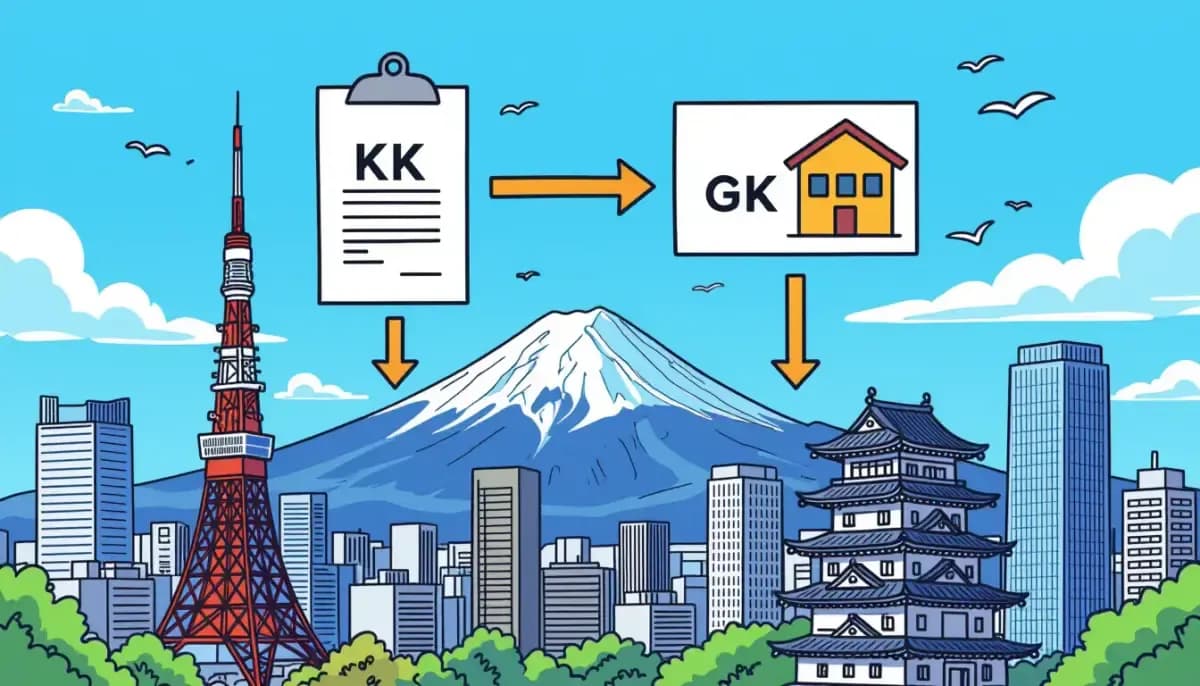
Setting Up a Company to Buy Property in Japan
Learn how to set up a KK or GK company in Japan to buy property as a foreign investor. Covers tax benefits, registration steps, GK-TK structures, and key practical tips for 2025.
Read more →
Japan Property Due Diligence Checklist for Investors
Complete due diligence checklist for foreigners buying property in Japan. Covers title verification, seismic compliance, Article 35 disclosure, zoning, taxes, and disaster risk assessment with expert tips for 2025.
Read more →
Japan Property Investment Exit Strategy Guide
Complete guide to exiting your Japan property investment: capital gains tax rates, sell vs rent comparison, timing strategy, and step-by-step selling process for foreign investors.
Read more →
Japan Property Market Cycles: When to Buy and Sell
Master Japan property market cycles with this complete guide for foreign investors. Learn the best seasons to buy, when to sell for maximum returns, and how regional markets diverge in 2025-2026.
Read more →
How to Invest in Japan Property from Overseas
Complete guide to investing in Japan property from overseas. Legal requirements, tax obligations, financing options, property management, and step-by-step process for non-resident foreign investors.
Read more →