
Japan Property Due Diligence Checklist for Investors

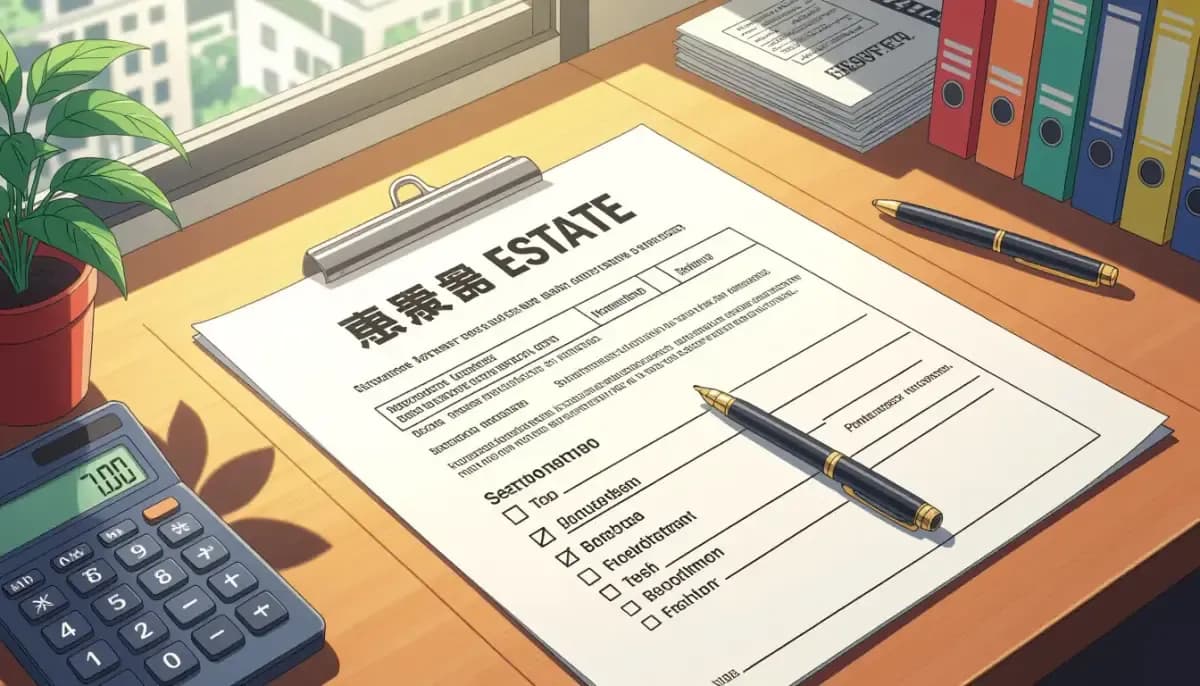
Complete due diligence checklist for foreigners buying property in Japan. Covers title verification, seismic compliance, Article 35 disclosure, zoning, taxes, and disaster risk assessment with expert tips for 2025.
Japan Property Due Diligence Checklist for Investors: A Complete Guide for Foreigners
Buying property in Japan as a foreign investor is more accessible than most people realize — there are no restrictions on foreign ownership, no special permits required, and no minimum investment thresholds. Yet the process is uniquely Japanese: heavy reliance on licensed brokers, mandatory disclosure documents, strict seismic compliance requirements, and a web of taxes that differ significantly from Western markets.
Skipping due diligence in Japan can be costly. From undisclosed structural defects to surprise inheritance disputes on akiya (vacant homes), from missed seismic compliance issues to leasehold surprises — the risks are manageable if you know what to look for. This guide gives you a practical, step-by-step due diligence checklist tailored specifically for foreign investors buying property in Japan in 2025.
For a broader overview of the purchase process, see our Complete Guide to Buying Property in Japan as a Foreigner and Legal Procedures and Documentation for Japan Property Purchase.
Why Due Diligence Matters More in Japan Than You Think
Japan's property market operates differently from most Western markets in ways that directly affect how you approach due diligence:
No standard escrow system. Earnest money (手付金, tetsukekin) in Japan is typically paid directly to the seller — not held in escrow. If you walk away after paying it, you lose it. If the seller cancels, they pay double. This means your pre-contract checks must be thorough.
Brokers carry quasi-legal functions. Unlike many Western countries where lawyers handle closings, in Japan the licensed real estate broker (宅地建物取引士, takken) is legally responsible for drafting the Important Matters Disclosure and ensuring the transaction meets legal standards. There is no standard requirement for a buyer's attorney.
Older building stock is common. Japan has a large inventory of aging properties — some built before the landmark 1981 seismic code revision. These carry higher structural risk and can be harder to insure, finance, and resell.
April 2024 regulatory change. A new regulation now requires that foreign buyers' names be registered in both kanji/kana and Roman alphabet in the property registry, along with domestic contact information. This affects how your purchase is recorded.
Understanding these differences sets the stage for a smarter, more targeted due diligence process.
Section 1: Title and Ownership Verification
The first and most fundamental check is confirming who actually owns the property — and that they have the legal right to sell it.
Registry Certificate (登記事項証明書)
This is the primary ownership document in Japan, issued by the Legal Affairs Bureau (法務局, homukyoku). It records:
- Current registered owner(s)
- Full transfer history of the property
- Any mortgages, liens, or encumbrances
- Easements and servitude rights
- Land area and building specifications
What to check:
- The seller's name matches the registry
- No outstanding mortgages that won't be cleared at closing
- No registered disputes or court proceedings
- No unusual encumbrances (e.g., long-term leases, right-of-use agreements)
If you see multiple registered heirs — especially on older or vacant properties — investigate carefully. Akiya (空き家) properties sometimes have deceased original owners with multiple surviving heirs, some of whom may be overseas or uncontactable. Resolving this can require a judicial scrivener and months of legal process.
New 2024 rule: Since April 2024, foreign buyers must register their name in both the local phonetic script and Roman alphabet, plus provide a domestic contact address in Japan. Your judicial scrivener will handle this at closing, but confirm this in advance.
For more detail on the legal documentation process, see our guide to Legal Procedures and Documentation for Japan Property Purchase.
Section 2: The Article 35 Important Matters Disclosure
The Jūyō Jikō Setsumei (重要事項説明書) — commonly called the "Article 35 document" — is your single most important consumer protection document in a Japanese property transaction.
By law, a licensed real estate transaction specialist (takken) must read this document aloud to you before you sign any contract. It covers:
| Category | What It Discloses |
|---|---|
| Legal status | Zoning, building coverage ratios, floor-area ratios |
| Rights & encumbrances | Easements, liens, leasehold terms |
| Infrastructure | Water, sewage, gas connection status |
| Building condition | Known defects, renovation history |
| Condo rules | Management fees, reserve funds, bylaws |
| Environmental issues | Soil contamination history, flood risk |
| Neighboring land use | Planned developments, restrictions |
Red flags to watch for:
- Any notation of known defects (瑕疵, kashi) in the building
- Soil contamination history, especially on former industrial sites
- Planned road expansions or public works that would affect the property
- Missing or incomplete sections (a warning sign the broker is cutting corners)
You have the right to ask questions during this disclosure. If using a Japanese-speaking broker without English capability, hire a bilingual interpreter — do not sign the Important Matters document without fully understanding it.
Section 3: Seismic Compliance and Structural Safety
Japan sits on the Pacific Ring of Fire, experiencing thousands of minor earthquakes annually and periodic major events. Seismic compliance is not optional — it affects safety, insurability, financing, and resale value.
The Two Critical Seismic Standards
1981 New Seismic Standards (新耐震基準, *shin taishin kijun*): This is the single most important threshold in Japanese real estate due diligence. Buildings permitted under the pre-1981 standards used weaker requirements and carry measurably higher collapse risk in major earthquakes. The 1995 Kobe earthquake provided tragic data confirming this difference: the vast majority of collapsed buildings were pre-1981 construction.
2000 Updated Standards: A further update in 2000 added requirements for foundation design and connection details, particularly relevant for wooden detached houses. Post-2000 wooden homes offer the strongest seismic protection.
What to Check
- Construction permit date (建築確認申請, kenchiku kakunin): Look for post-June 1981 permit date
- Seismic retrofit certificate (耐震改修証明書): Some pre-1981 buildings have been retrofitted to modern standards — verify with documentation, not just verbal claims
- Building type matters: Reinforced concrete condominiums perform differently than wooden single-family homes; each has specific inspection criteria
Practical advice: For any property built before 2000, strongly consider hiring an independent building inspector. Costs range from ¥50,000 to ¥200,000 depending on property size and inspection depth — a minor expense relative to what a structural issue could cost you.
For more on the types of properties and their characteristics, see our Types of Properties Available in Japan: A Complete Guide.
Section 4: Zoning, Land Rights, and Use Restrictions
Zoning Verification
Japan has 13 land-use zones (用途地域, yōto chiiki) ranging from exclusively residential to industrial. Your intended use must comply with zoning restrictions:
| Zone Type | Typical Restrictions |
|---|---|
| Category 1 Low-Rise Residential | Small buildings only; no apartments above 2-3 stories |
| Category 1 Mid-High Rise Residential | Condos permitted; limited commercial |
| Commercial | Broad use; buildings up to 80% site coverage |
| Quasi-Industrial | Light manufacturing; residential permitted |
| Industrial | Heavy use; residential often restricted |
Building Coverage Ratio (建蔽率, *kenpeiritsu*) limits what percentage of the land can be covered by the building footprint. Floor Area Ratio (容積率, *yōseki ritsu*) limits total floor area as a multiple of land area. Both affect renovation potential and future resale.
Check these ratios against the actual building — a property that exceeds its legally permitted ratios (often from illegal additions) may face compliance issues, financing difficulties, or demolition orders.
Freehold vs. Leasehold
Most Japanese residential properties are freehold (所有権, shoyūken) — you own both the building and the land. But some properties, particularly in central Tokyo and older neighborhoods, sit on leasehold land (借地権, shakuchiken).
For leasehold properties, verify:
- Remaining lease term — standard is 30-50 years, often renewable
- Ground rent amount and escalation clauses
- Consent requirements for selling or subletting
- Renewal conditions and what happens at term expiry
Leasehold properties typically sell at a significant discount (20-40%) to comparable freehold properties, reflecting the long-term land cost and reduced financing options. They can make sense for cash buyers focused on income yield, but require careful analysis.
Section 5: Building Condition and Physical Inspection
Independent Building Inspection
A licensed building inspector (インスペクション, insupekushon) is not legally required in Japan but is strongly recommended for:
- Any property over 20 years old
- Wooden single-family homes
- Properties with visible defects or deferred maintenance
- Akiya or long-vacant properties
What inspectors check:
| Inspection Area | Key Items |
|---|---|
| Structure | Foundation cracks, wall cracks, beam condition |
| Seismic compliance | Structural adequacy per current standards |
| Water damage | Roof leaks, dampness, drainage issues |
| Termites (シロアリ) | Active infestation, past damage, treatment history |
| Electrical & plumbing | Panel age, pipe materials, condition |
| Equipment | Air conditioning, water heater age and condition |
Cost: ¥50,000–¥200,000 depending on property size and scope. Turnaround is typically 1-2 weeks.
If your inspection uncovers issues, you can negotiate repairs, price reductions, or guarantees before signing. In Japan, sellers of older properties often sell "as-is" (現状渡し, genjō watashi) — this is standard, but your due diligence window before signing is your leverage point.
Section 6: Condominium-Specific Due Diligence
Buying a condominium (マンション, manshon) in Japan requires additional layers of due diligence beyond what applies to detached houses.
Management Association Health
The owners' association (管理組合, kanri kumiai) is responsible for maintaining common areas, managing reserves, and enforcing building rules. A poorly managed association is a long-term liability.
Request and review:
- Meeting minutes (理事会議事録) from the past 2-3 years
- Long-term repair plan (長期修繕計画) — typically required by law
- Reserve fund balance (修繕積立金) — check if it's adequate for the planned repairs
- Current monthly fees (管理費 and 修繕積立金)
- Outstanding repairs or planned major works
- Arrears — if a significant percentage of owners are behind on fees, this signals financial stress
Building Age and Renovation History
Older condominiums (pre-1981 as above, and pre-2000) may have undergone seismic retrofits — verify with documentation. Also check:
- Pipe and water system replacement history (typically every 30-40 years)
- Elevator modernization status
- Common area renovation history
Restrictions on Use
Condo rules (管理規約, kanri kiyaku) often restrict:
- Short-term rental (Airbnb-style use)
- Pet ownership
- Structural modifications to the unit
- Subletting to non-family members
If your investment plan depends on short-term rental income, verify the building's rules explicitly — many central Tokyo and Osaka condominiums have formal prohibitions, and violating them can result in fines or forced sale.
For our guide to buying condominiums specifically in Tokyo, see Buying Property in Tokyo as a Foreigner: Complete Guide.
Section 7: Financial and Tax Due Diligence
Understanding the full cost of acquisition and ownership is essential for accurate investment analysis.
Acquisition Costs Summary
| Cost Item | Typical Amount |
|---|---|
| Real estate agent commission | Up to 3% of price + ¥60,000 + 10% consumption tax |
| Registration and license tax | ~1.5% of assessed value |
| Real estate acquisition tax | 1.5% (land), 2% (buildings from registered dealers) |
| Consumption tax on building | 10% (developer sales only; not private sales or land) |
| Judicial scrivener fees | ¥100,000–¥150,000 |
| Building inspection | ¥50,000–¥200,000 |
| Mortgage arrangement fee | 0.5–2% of loan amount (if financing) |
| Total estimated costs | 8–12% of purchase price |
Annual Ownership Costs
- Fixed asset tax (固定資産税): 1.4% of assessed value annually
- City planning tax (都市計画税): Up to 0.3% in designated urban areas
- Condo management + maintenance fees: Varies widely; budget ¥20,000–¥60,000/month for central urban condos
- Property management fee (for rentals): Typically 5–10% of gross rent
Tax Implications for Non-Residents
If you buy as a non-resident investor:
- Rental income: Subject to 20.42% withholding tax at source; reduced by tax treaty if applicable
- Capital gains: 30.63% for properties held under 5 years; 15.315% for 5+ years
- Tax representative required: Non-residents who own Japanese rental property must appoint a nōzei kanrinin (納税管理人) in Japan — a Japanese resident who represents you with the tax authorities. This is not optional.
For a comprehensive breakdown, see our guide to Property Taxes and Annual Costs of Owning Property in Japan and Hidden Costs and Fees When Buying Property in Japan.
Section 8: Natural Disaster Risk Assessment
Japan's geography makes natural disaster risk assessment a non-negotiable part of due diligence.
Hazard Maps (ハザードマップ)
Every municipality in Japan publishes hazard maps covering:
- Flood risk (洪水) — river flooding scenarios
- Landslide risk (土砂災害) — slope failure and debris flows
- Tsunami risk — for coastal properties
- Liquefaction risk (液状化) — for reclaimed land and alluvial plains
Access these free via the government's Hazard Map Portal (国土交通省 ハザードマップポータル) or request from the local municipal office.
What to Look For
- Properties in designated flood risk zones may require higher insurance premiums or specific building elevations
- Coastal properties below 5m elevation in tsunami-prone prefectures (Tohoku, Shizuoka, Wakayama) carry meaningful risk
- Reclaimed land in Tokyo Bay, Osaka Bay, and other coastal areas has liquefaction risk — check the municipality's liquefaction hazard assessment
- Steep hillside properties, particularly in Kyoto, Kobe, and parts of Tokyo's western wards, may be in designated landslide risk areas
Insurance note: Standard Japanese property insurance (火災保険, kasai hoken) covers fire and typhoon damage. Earthquake insurance (地震保険) is a separate, separately priced rider and covers earthquake, tsunami, and volcano-triggered damage. Given Japan's seismic risk profile, earthquake insurance is strongly recommended — budget approximately 0.5–2% of insured value annually.
Complete Due Diligence Checklist Summary
Use this checklist as your reference framework when evaluating any Japanese property:
Title & Ownership
- [ ] Registry certificate verified — owner matches seller
- [ ] No outstanding liens or mortgages at closing
- [ ] No heir disputes or unresolved estate issues
- [ ] Foreign buyer registration requirements confirmed
Article 35 Disclosure
- [ ] Full Important Matters document received and reviewed
- [ ] Bilingual review completed (interpreter or bilingual broker)
- [ ] No undisclosed defects or material issues
- [ ] All infrastructure connections verified
Seismic & Structural
- [ ] Construction permit date confirmed — post-1981 preferred, post-2000 ideal
- [ ] Independent building inspection ordered for properties 20+ years old
- [ ] Seismic retrofit documentation obtained if pre-1981
- [ ] Termite and water damage inspection completed
Zoning & Land Rights
- [ ] Zoning confirmed as compatible with intended use
- [ ] Building coverage and floor area ratios verified
- [ ] Freehold vs. leasehold status confirmed
- [ ] No encroachments or boundary disputes
Condo-Specific (if applicable)
- [ ] Management association financials reviewed
- [ ] Long-term repair plan and reserve fund assessed
- [ ] Building rules reviewed for rental/use restrictions
- [ ] Meeting minutes reviewed for outstanding issues
Financial & Tax
- [ ] Full acquisition cost estimate prepared (8-12% on top of price)
- [ ] Annual holding costs budgeted
- [ ] Tax implications for non-resident ownership confirmed
- [ ] Tax representative appointment planned (non-residents)
Natural Disaster Risk
- [ ] Hazard map reviewed for flood, landslide, tsunami risk
- [ ] Liquefaction risk assessed for reclaimed/alluvial land
- [ ] Earthquake insurance coverage planned
Building Your Professional Team
No foreign investor should attempt a Japanese property purchase without qualified local support. The minimum team:
Bilingual Real Estate Broker: Your primary guide through the process. Ensure they hold the takken (宅地建物取引士) license and have experience with foreign clients. They handle both the brokerage function and the quasi-legal disclosure role.
Judicial Scrivener (司法書士, *shihō shoshi*): Handles title registration, mortgage registration, and closing documentation. Essential for every transaction.
Tax Advisor (税理士, *zeirishi*): Critical for non-resident investors. Advises on structuring, rental income filing, capital gains planning, and inheritance exposure. Also helps arrange your tax representative.
Independent Inspector (if needed): For older properties or properties with visible condition issues.
For more guidance on the full purchase process and team assembly, see our Step-by-Step Home Buying Process in Japan for Foreigners.
External Resources
For additional guidance on property due diligence in Japan, the following external resources provide valuable information:
- Property Due Diligence for Foreign Investors — PropertyAccess.com covers the six core due diligence pillars in detail
- Foreigner Mortgage Application Documents in Japan — GaijinBuyHouse.com breaks down what lenders require from foreign applicants, including which banks accept non-PR buyers
- Buying a House in Japan as an Expat — Housing Japan's 8-step process includes important warnings about the earnest money system
- Living in Nihon — Japan Expat Resources — Broader expat resource covering life in Japan for foreign residents
- For Work in Japan — Employment and Living Resources — Resources for foreigners working and living in Japan
Final Thoughts: Due Diligence Pays Off
Japan's property market offers genuine opportunities for foreign investors — strong rental yields in urban cores, 20-30% effective discounts thanks to recent yen weakness, and a transparent legal framework that genuinely protects buyers. The risks are real but manageable with systematic due diligence.
The checklist above covers every major area you need to evaluate. Work through it methodically with a qualified bilingual team, take the Important Matters disclosure seriously, budget for an independent inspection on older properties, and understand the tax implications before you commit.
For more on evaluating specific investment strategies and market conditions, see our Japan Real Estate Market Overview and Trends and our guide to Mortgages and Home Loans for Foreigners in Japan.

Originally from Vietnam, living in Japan for 16+ years. Graduated from Nagoya University, with 11 years of professional experience at Japanese and international companies. Sharing information about buying property in Japan for foreigners.
View Profile →Related Articles
Japan Property Crowdfunding Platforms Guide for Foreign Investors
Complete guide to Japan real estate crowdfunding for foreigners: top platforms (CREAL, OwnersBook, Rimawari-kun), returns, regulations, and how to invest from Japan or abroad.
Read more →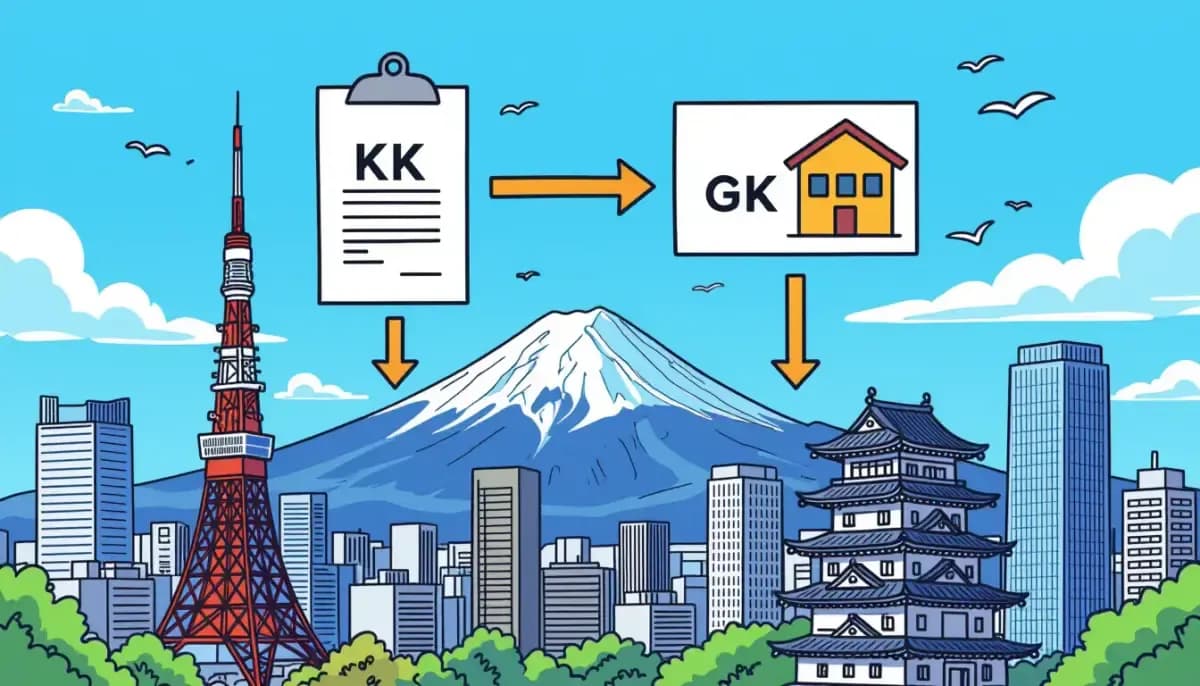
Setting Up a Company to Buy Property in Japan
Learn how to set up a KK or GK company in Japan to buy property as a foreign investor. Covers tax benefits, registration steps, GK-TK structures, and key practical tips for 2025.
Read more →
Japan Property Investment Exit Strategy Guide
Complete guide to exiting your Japan property investment: capital gains tax rates, sell vs rent comparison, timing strategy, and step-by-step selling process for foreign investors.
Read more →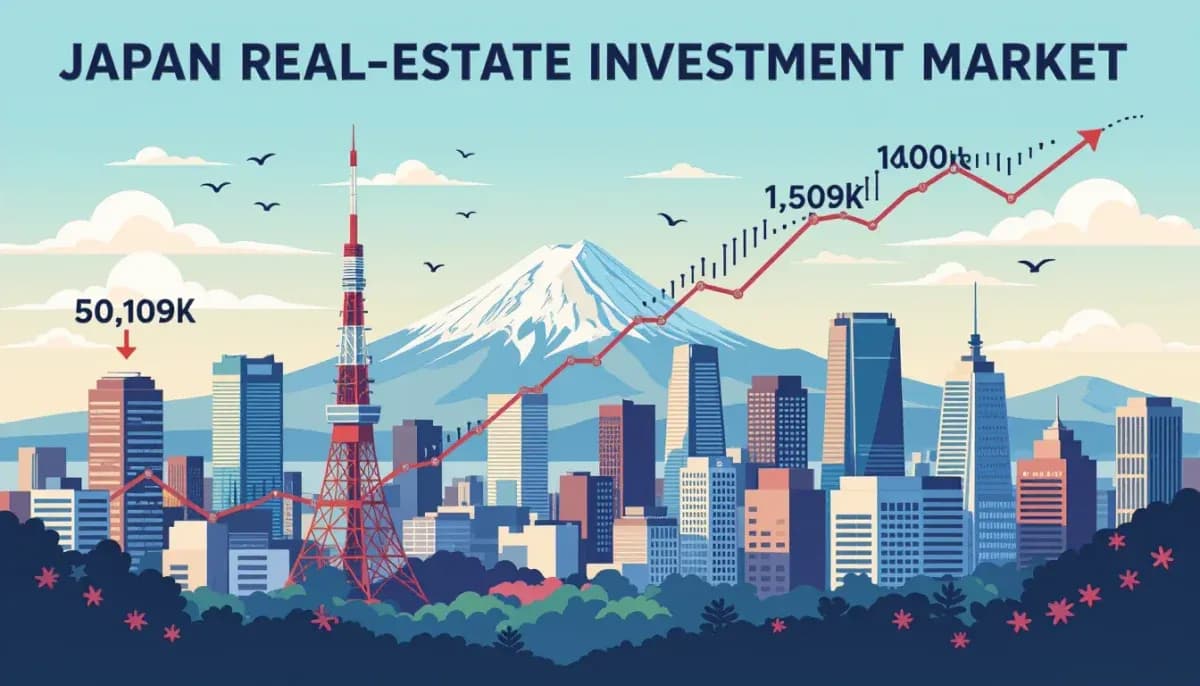
Japan Property Market Cycles: When to Buy and Sell
Master Japan property market cycles with this complete guide for foreign investors. Learn the best seasons to buy, when to sell for maximum returns, and how regional markets diverge in 2025-2026.
Read more →
How to Invest in Japan Property from Overseas
Complete guide to investing in Japan property from overseas. Legal requirements, tax obligations, financing options, property management, and step-by-step process for non-resident foreign investors.
Read more →
Japan Property Capital Appreciation Potential by Area
Discover which areas of Japan offer the best property capital appreciation potential in 2025. Compare Tokyo, Osaka, Fukuoka, Niseko and more — with data, yields, and tips for foreign investors.
Read more →