
Renovating a Traditional Japanese House for Modern Living

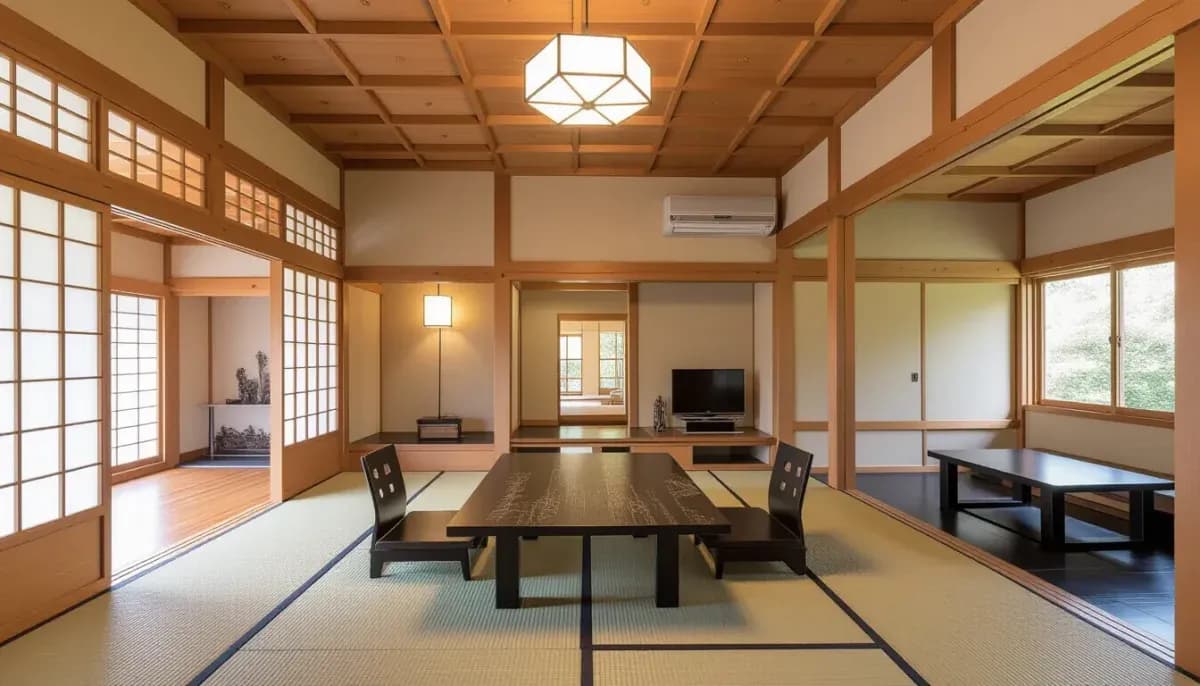
Complete guide to renovating traditional Japanese houses (kominka, machiya, akiya) for modern living. Costs, subsidies, contractors, permits, and design tips for foreign owners in Japan.
Renovating a Traditional Japanese House for Modern Living
Stepping into a traditional Japanese house for the first time, you might see sagging ceilings, cold drafts slipping through old shoji screens, and dark corridors that feel frozen in another century. But look past the surface, and you'll find extraordinary exposed timber beams, the warmth of aged hinoki cypress, and a floor plan that breathes with the rhythm of the seasons. For foreign buyers across Japan, renovating a traditional house — whether a kominka farmhouse, machiya townhouse, or rural akiya — represents one of the most rewarding property journeys available today.
Japan has approximately 8.2 million vacant houses, or about 13.5% of its total residential stock, with an estimated 210,000 vacant kominka scattered from Hokkaido to Kyushu. Governments at both national and municipal levels are actively funding their revival. For the right buyer, a carefully renovated traditional home combines Japanese architectural heritage with 21st-century comfort — and occasionally turns a remarkable profit.
This guide walks through everything a foreign owner needs to know: which traditional house types are most common, what the renovation process looks like, how much it costs, what subsidies exist, and how to balance authenticity with modern convenience.
Understanding the Three Main Traditional House Types
Before planning a renovation, it helps to understand which type of traditional structure you're dealing with. Each has different construction characteristics, regional prevalence, and renovation challenges.
Traditional Japanese Houses (Kominka and Machiya) for Foreigners covers these property types in depth, but here is a quick overview relevant to renovation planning:
| House Type | Description | Typical Location | Avg. Purchase Price | Renovation Complexity |
|---|---|---|---|---|
| Kominka (古民家) | Traditional farmhouse, often 100+ years old, large floor plan | Rural areas, mountain villages | ¥1–5M | High — specialized carpenters needed |
| Machiya (町家) | Traditional townhouse, narrow frontage, deep interior | Kyoto, Kanazawa, historic cities | ¥5–20M | Medium-High — preservation rules may apply |
| Rural Akiya | General vacant house, may be older or newer construction | Countryside, declining towns | ¥0–3M | Variable — depends on age and condition |
Kominka are typically post-and-beam structures using mortise-and-tenon joinery, with large open spaces designed for extended farm families. Their scale means more room to work with but also more surface area to repair.
Machiya are narrow-fronted urban townhouses with sophisticated architectural details including latticed facades, interior gardens (tsuboniwa), and distinctive tiled roofs. Many sit within designated preservation districts, adding regulatory complexity to renovation.
Rural akiya vary enormously. Some are solidly built mid-20th-century structures requiring only cosmetic updates; others are older wooden homes needing structural overhaul. What Is an Akiya? Japan's Vacant House Phenomenon Explained provides more context on this category.
The Renovation Process Step by Step
Renovating a traditional Japanese house follows a distinct sequence. Rushing any stage — especially the structural assessment — is the most common mistake foreign buyers make.
Step 1: Pre-Purchase Structural Inspection
Before signing any contract, commission a kenchiku-shi (licensed architect) or a structural engineer to conduct a full inspection. Traditional houses often hide problems invisible to the untrained eye: termite damage in floor joists, fungal rot in wall posts, and outdated wiring running through potentially flammable materials.
Kominka Structural Assessment and Safety Guide Before Buying explains exactly what to look for. Key items include:
- Foundation condition (traditional houses often rest on stone footings, not poured concrete)
- Roof framing integrity
- Post and beam connections for earthquake resistance
- Presence of asbestos in older insulation or roof materials
- Water infiltration history
Step 2: Define Your Renovation Scope
Once you know the structural reality, decide what you want the finished house to be. Options range from:
- Light cosmetic renovation — replace tatami, refinish woodwork, update lighting and fixtures
- Partial modernization — update kitchen, bathroom, and heating/cooling while preserving main architectural features
- Full skeleton renovation — strip back to structural frame, replace all plumbing, electrical, and insulation, then rebuild interior
- Full adaptive reuse — convert into guesthouse, café, or short-term rental accommodation
Kominka Renovation and Restoration Cost Guide breaks down these scope levels in detail, as does the Japan Home Renovation Cost Guide: What to Budget For.
Step 3: Assemble Your Contractor Team
Traditional Japanese houses require specialist contractors. For kominka, seek out a miyadaiku — a master carpenter trained in heritage construction techniques who understands traditional joinery and period-appropriate materials. For machiya in cities like Kyoto, contractors familiar with preservation district requirements are essential.
How to Find and Choose a Renovation Contractor in Japan covers how to vet contractors, what questions to ask, and what red flags to watch for.
Step 4: Permits and Building Code Compliance
Depending on renovation scope, you may need building permits. Japan amended its Building Standards Act in April 2025, introducing stricter requirements around seismic reinforcement, energy efficiency, and sustainable materials for major renovations.
For properties in Important Traditional Architecture Preservation Areas (重要伝統的建造物群保存地区), any changes to external appearance require additional approval from local preservation committees.
Renovation Permit and Building Code Requirements in Japan explains which projects trigger permit requirements and how to navigate the application process.
Step 5: Execute and Monitor the Work
Renovations of traditional houses commonly run over initial estimates by 20–30%. Hidden structural discoveries — unexpected rot, undisclosed asbestos, or subsidence — are the main culprits. Budget for contingencies from the start, and stay in regular communication with your contractor throughout the project.
Japan Renovation Timeline: How Long Do Projects Take? gives realistic timeframes for projects of different scopes.
Renovation Costs: What to Budget
Cost is the question every prospective buyer asks first. The honest answer is: it varies enormously, but understanding the ranges helps you plan responsibly.
| Renovation Type | Estimated Cost (JPY) | Notes |
|---|---|---|
| Basic cosmetic updates | ¥500K–¥2M | Tatami replacement, painting, fixtures |
| Partial modernization | ¥3.5M–¥8M | New kitchen, bathroom, heating |
| Full renovation (mid-range) | ¥6M–¥12M | Most systems replaced, structure retained |
| Full skeleton renovation | ¥13M–¥25M | Down to frame; all systems new |
| Seismic reinforcement only | ¥250K–¥2M | Often eligible for subsidy |
| Insulation improvements | ¥200K–¥1.2M | Often eligible for subsidy |
| Layout modifications | ¥200K–¥3.5M | Opening walls, merging rooms |
A typical mid-scale kominka renovation — bringing the property up to comfortable modern standards while preserving key architectural features — runs approximately ¥8M–¥15M in total. Some complete projects including purchase, renovation, and professional fees come in around ¥10M–¥20M depending on region and house size.
For detailed cost breakdowns, Renovation Costs for Used Properties in Japan and Akiya Renovation Cost Estimates and Budgeting Guide provide category-by-category analysis.
One encouraging data point: a renovated kominka purchased for ¥5–6M with ¥5M in renovation work has been resold for ¥15–18M in areas near popular destinations like Mt. Fuji — a gross yield of 50–80% on the renovation investment. Rental conversion can also generate strong returns; a well-located Kyoto machiya can generate up to 8 million yen annually in rental income.
See also Can You Turn an Akiya into a Rental Property in Japan? for details on income potential.
Subsidies and Government Support
Japan's government actively subsidizes renovation of traditional and vacant houses. Programs are administered at national, prefectural, and municipal levels, which means available support varies by location — but the opportunities are real and substantial.
National-Level Programs
The Ministry of Land, Infrastructure, Transport and Tourism (MLIT) runs multiple renovation subsidy schemes including:
- Energy efficiency renovations — subsidies covering 30–50% of insulation, window, and solar installation costs
- Seismic retrofitting — up to 50% of reinforcement costs, with maximum grants of ¥1M–¥3M depending on property size
- General housing improvement — up to ¥1M per house for basic safety upgrades
Municipal Programs
Local governments often add their own funding on top of national programs. Some notable examples:
- Kanazawa City offers up to ¥15,000,000 for machiya renovations within preservation districts
- Many rural municipalities offer free or deeply discounted akiya through akiya banks, sometimes paired with renovation grants covering up to 80% of eligible costs
- Some communities offer additional incentives including moving allowances and childcare support to attract families willing to renovate
Japan Akiya Subsidy and Grant Programs for Buyers provides a comprehensive breakdown of programs by type and region.
To find programs specific to your target property location, contact the local municipal office (shi/machi/mura yakusho) directly, or ask your real estate agent to connect you with the local akiya bank coordinator.
For more background on how akiya banks work, How to Use Japan Akiya Banks: Complete Guide for Foreigners is an essential read.
Balancing Tradition and Modern Comfort
The most satisfying renovations find a way to honor what makes a traditional Japanese house special while making it genuinely livable in contemporary terms. Here's how experienced renovators typically approach the key tension points:
Heating and Insulation
Old Japanese houses were designed for hot, humid summers — not cold winters. Drafty floors, single-pane windows, and minimal wall insulation make them uncomfortable from November through March in most of Japan.
Modern solutions that preserve the traditional aesthetic include:
- Under-floor heating (床暖房) — invisible, comfortable, and compatible with both tatami and hardwood floors
- Secondary glazing — interior storm windows that add insulation without altering external appearance
- Wall insulation injection — insulation material injected into existing wall cavities with minimal surface disruption
- High-efficiency heat pump systems — modern units that maintain comfortable temperatures with low running costs
Heating and Insulation Challenges in Traditional Japanese Houses covers these solutions in detail.
Kitchen and Bathroom
Traditional Japanese kitchens (daidokoro) and bathrooms are typically the areas most in need of modernization. Replacing them with contemporary fittings is usually straightforward and does not conflict with preservation requirements unless you're in a registered historic district.
Western-style kitchen upgrades and bathroom modernization are covered in Kitchen Renovation in Japan: Western-Style Upgrade Guide and Bathroom Renovation in Japan: Modernization Guide.
Interior Design Philosophy
The most successful renovations lean into the natural materials and spatial logic of the original house rather than fighting them. Exposed timber beams become design features. Engawa verandas are repurposed as reading areas or home offices. Earthen walls are sealed and preserved. Traditional fusuma sliding doors are retained or restored.
Traditional Japanese House Interior Design and Decoration Ideas offers creative inspiration for this approach.
For a lifestyle comparison between living in a traditional versus modern home, Traditional vs Modern House in Japan: Lifestyle Comparison is worth reading before you commit.
Financing Your Renovation
Financing traditional house renovations is one of the most challenging aspects for foreign buyers. Japanese banks typically use loan-to-value ratios of around 70% — and older traditional houses are often appraised at very low values, meaning the gap between appraised value and actual renovation cost must be covered from personal funds.
Practical options include:
- Renovation loans (リフォームローン) — specialized products from major banks and Japan Housing Finance Agency (JHF) specifically for renovation projects
- Combination loans — purchase loan plus renovation loan packaged together
- Municipal low-interest loans — many local governments offer subsidized lending for registered renovations
- Crowdfunding — increasingly used for community-oriented renovation projects; a funaya boat house project in Ine town raised ¥8.4M through crowdfunding
Renovation Financing and Loan Options in Japan covers these options in detail.
For general mortgage context, Japan Mortgage Requirements for Foreigners: Complete Guide explains what lenders look for when evaluating foreign applicants.
Useful External Resources
For practical guidance on living in Japan as a foreign property owner, Living in Nihon provides comprehensive guides on the daily realities of expat life in Japan, including housing logistics that complement renovation projects.
For Work in Japan is a valuable resource for foreigners building long-term lives in Japan, covering visa, employment, and residency topics relevant to anyone considering a permanent renovation project.
For a focused look at the renovation process from a foreign buyer's perspective, Gaijin Buy House — Used Property and Renovation Guide walks through the specific steps and considerations for foreigners renovating purchased properties.
Additional research references: Old Houses Japan — Akiya Renovation Costs 2025, Old Houses Japan — Grants and Subsidies Guide, and Mailmate — House Renovation in Japan Guide.
Is Renovating a Traditional Japanese House Right for You?
Renovating a traditional Japanese house is not a weekend project or a passive investment. It demands patience, budget flexibility, a tolerance for surprises, and genuine appreciation for Japanese architectural heritage. The renovation period — often 6–18 months for substantial projects — requires active engagement, reliable local contractors, and clear communication about your design vision.
But for those willing to commit, the rewards are exceptional. You'll end up with a home or investment property that simply cannot be replicated: a living piece of Japanese history, adapted for contemporary comfort, sitting in a landscape or neighborhood that breathes history.
Buying an Akiya in Japan: Risks and Benefits for Foreigners offers a balanced assessment of whether this path makes sense for your specific circumstances, as does How to Assess Renovation Potential of Used Properties in Japan.
For those targeting a specific Kyoto context, Renovating a Traditional House in Kyoto: Guide for Foreign Owners and Kyoto Machiya (Traditional Townhouse) Buying Guide for Foreigners provide location-specific guidance.
Japan's traditional houses have waited a long time for new owners willing to bring them back to life. With the right preparation, the right team, and the right budget, that next owner could be you.

Originally from Vietnam, living in Japan for 16+ years. Graduated from Nagoya University, with 11 years of professional experience at Japanese and international companies. Sharing information about buying property in Japan for foreigners.
View Profile →Related Articles
Renovation Financing and Loan Options in Japan
Complete guide to renovation loan options in Japan for foreign property owners. Covers reform loans, combined purchase loans, Flat 35, government subsidies, and eligibility requirements for expats.
Read more →
Smart Home Technology Renovation in Japan
Complete guide to smart home technology renovation in Japan for foreign property owners. Covers devices, costs, PSE certification, electrical rules, and top brands like Panasonic, Google, and Amazon Alexa.
Read more →
Barrier-Free and Accessibility Renovation in Japan
Complete guide to barrier-free accessibility renovation in Japan for foreign homeowners. Learn about kaigo hoken subsidies up to ¥200,000, common modifications, 2025 building code changes, and how to qualify as a foreigner.
Read more →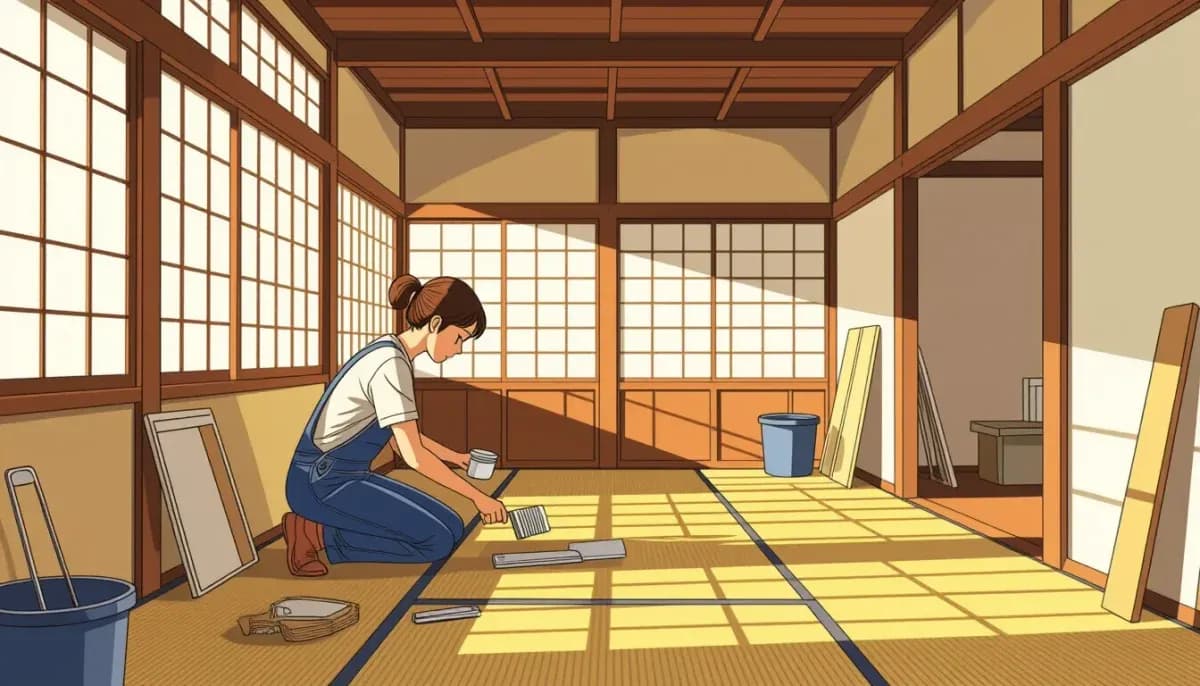
DIY Home Improvement in Japan: Guide for Foreign Homeowners
Complete guide to DIY home improvement in Japan for foreign homeowners. Learn what projects you can do yourself, home center tips, renovation costs, government subsidies, and step-by-step project guides.
Read more →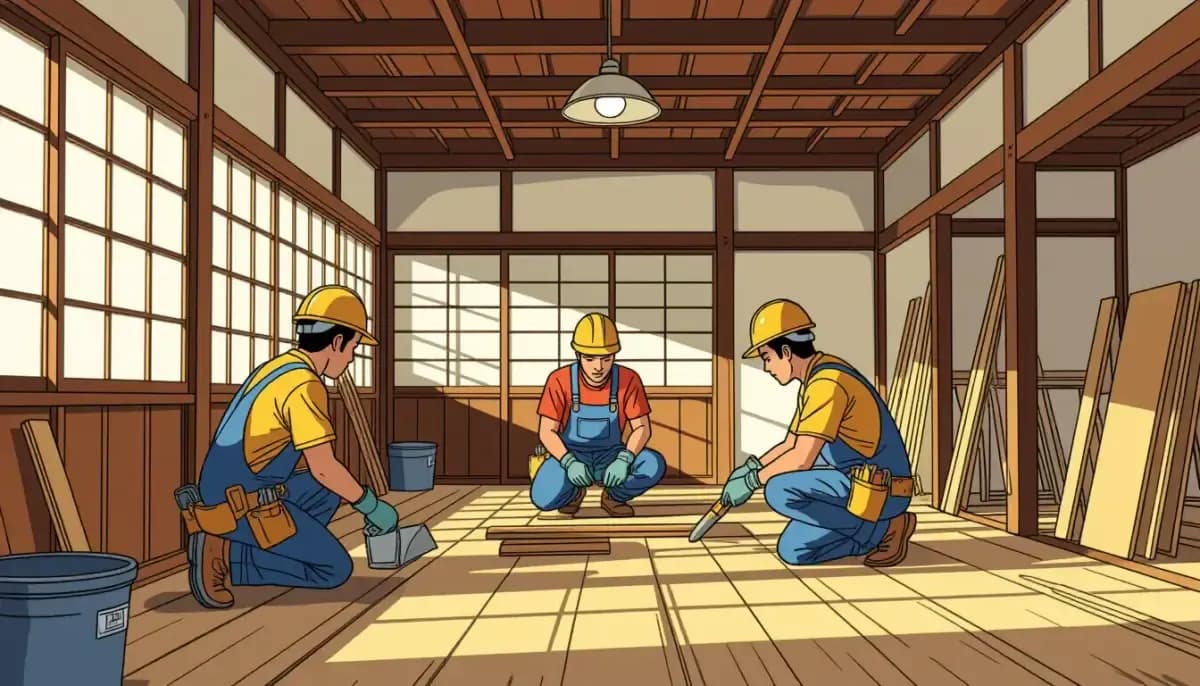
Japan Renovation Timeline: How Long Do Projects Take?
Complete guide to Japan renovation timelines for foreign homeowners. Learn how long each phase takes—from planning and permits to construction and move-in—including 2025 building code changes.
Read more →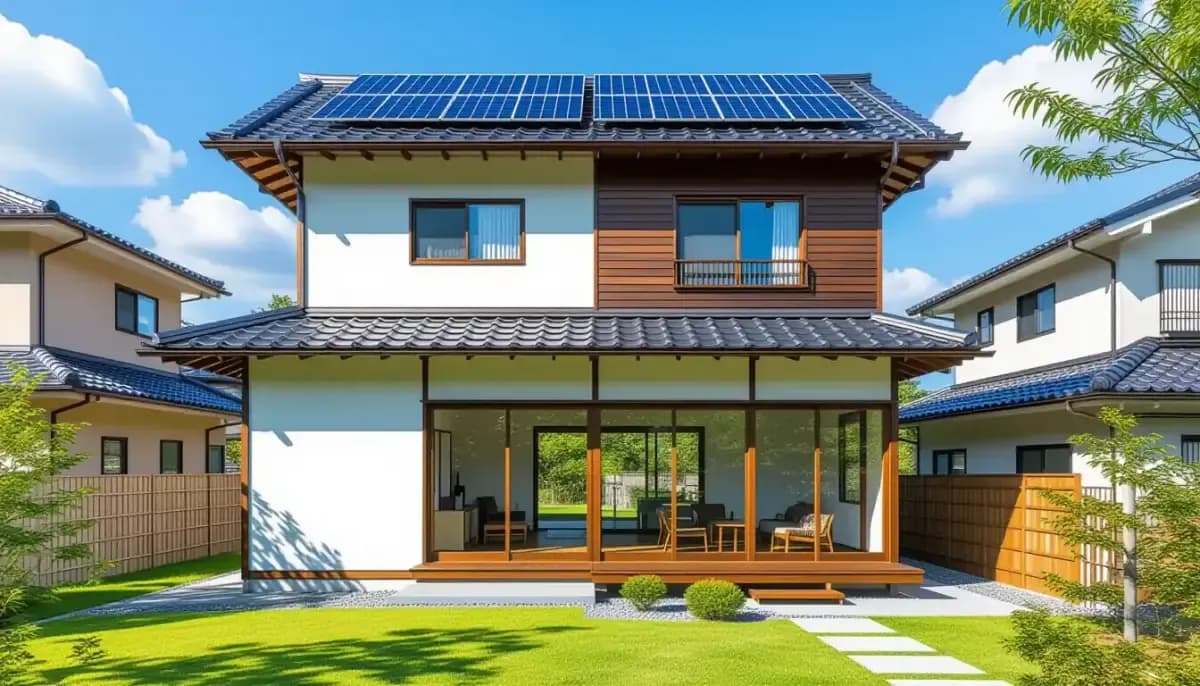
Energy Efficiency Renovation Upgrades for Japan Homes
Complete guide to energy efficiency renovation upgrades for Japan homes. Covers insulation, solar panels, ZEH standards, government subsidies up to ¥2 million, and practical tips for foreign homeowners.
Read more →