
Japan Home Renovation Cost Guide: What to Budget For

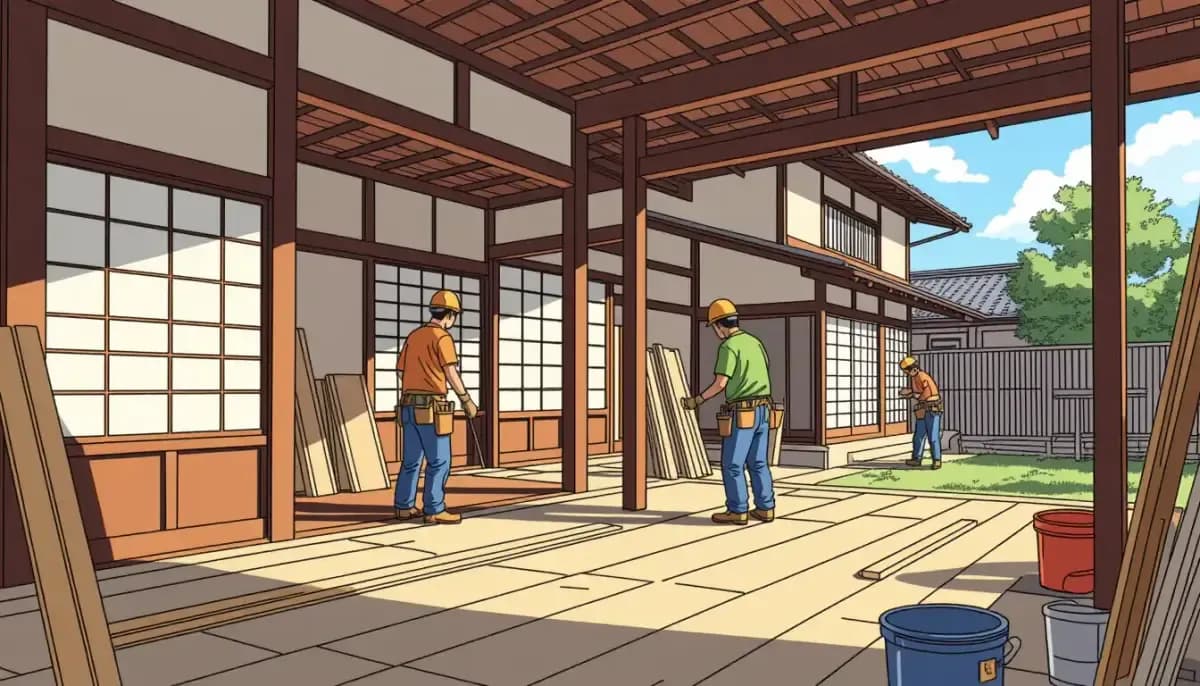
Complete guide to home renovation costs in Japan for foreign owners. Average costs by category, key budget factors, and government subsidies for 2025.
Japan Home Renovation Cost Guide: What to Budget For
Renovating a home in Japan can be one of the most rewarding investments a foreign property owner makes — but costs can vary wildly depending on scope, location, property age, and the contractor you choose. Whether you've bought an akiya (vacant house) in the countryside, a pre-owned condo in Tokyo, or a traditional machiya townhouse in Kyoto, understanding what to budget for renovation is essential before you start tearing down walls.
This guide breaks down real renovation costs in Japan, what factors drive prices up (or down), how government subsidies can help, and how to avoid the most common budgeting pitfalls.
!Japan home renovation costs overview
How Much Does Home Renovation Cost in Japan?
Japan's home renovation market is enormous — it reached ¥7.3 trillion in 2022 and continues to grow as more older homes need updating. Costs vary significantly based on the scope of work:
| Renovation Scope | Typical Cost Range | Timeline |
|---|---|---|
| Cosmetic (paint, flooring, fixtures) | ¥500,000 – ¥2,000,000 | 1–4 weeks |
| Partial renovation (1–2 rooms) | ¥1,500,000 – ¥5,000,000 | 2–8 weeks |
| Full renovation (2–3LDK) | ¥6,000,000 – ¥10,000,000 | 2–4 months |
| Skeleton/full gut renovation | ¥10,000,000 – ¥25,000,000 | 4–6 months |
| Akiya full renovation | ¥8,000,000 – ¥20,000,000+ | 4–12 months |
For a 30-tsubo (approximately 100 sqm) house, a full renovation typically costs around ¥15,000,000 — roughly ¥500,000 per tsubo, or about half the cost of new construction. Keep in mind that cost overruns of 20–30% are common due to hidden structural issues discovered mid-project, so always build a buffer into your budget.
For foreign owners, the Home Renovation and Remodeling in Japan for Foreign Owners pillar guide is an excellent starting point for understanding the full picture.
Renovation Cost Breakdown by Category
Understanding how costs break down by category helps you prioritize and negotiate with contractors. Here are the main renovation areas and their typical price ranges:
Kitchen Renovation
Kitchen system replacements are one of the most popular renovation projects in Japan. A new system kitchen unit (including cabinets, countertop, and sink) costs ¥500,000–¥1,000,000 for a mid-range option. High-end European-style kitchens can run ¥2,000,000 or more. For guidance on upgrading to a Western-style kitchen, see our kitchen renovation guide.
Bathroom Renovation
Unit bathrooms (the standard pre-fabricated bathroom system common in Japan) cost ¥500,000–¥1,500,000 to replace. This includes the tub, shower, walls, and flooring as a single integrated unit. A full bathroom modernization is detailed in our bathroom renovation guide.
Structural and Safety Work
- Seismic reinforcement: ¥1,000,000–¥3,000,000 (learn more in our earthquake retrofit guide)
- Roof renovation: ¥600,000–¥3,000,000
- Exterior walls: ¥500,000–¥2,300,000
- Foundation work: ¥1,000,000–¥5,000,000 (if needed)
Flooring and Interior
- Flooring replacement (per room): ¥100,000–¥400,000
- Ceiling renovation: ¥50,000–¥300,000 per room
- Wall paper replacement: ¥30,000–¥150,000 per room
- Window replacement (double-glazed): ¥100,000–¥400,000 per window
Plumbing and Electrical
- Toilet replacement: ¥150,000–¥600,000
- Water heater replacement: ¥200,000–¥600,000
- Electrical panel upgrade: ¥150,000–¥500,000
- Full plumbing overhaul: ¥1,000,000–¥4,000,000
Energy Efficiency Upgrades
For more on improving your home's energy performance, see our energy efficiency renovation guide.
- Insulation improvements: ¥200,000–¥1,200,000
- Double/triple glazing: ¥800,000–¥3,000,000
- Solar panel installation: ¥800,000–¥2,500,000
- Heat pump system: ¥500,000–¥1,500,000
!Renovation cost breakdown by room type in Japan
Key Factors That Affect Your Renovation Budget
1. Location: Tokyo vs. Regional Japan
Location is one of the biggest cost drivers. Renovation costs in the Tokyo metropolitan area are typically 20–40% higher than in regional cities or rural areas. Labor is more expensive, contractors are busier (longer lead times), and materials transport costs more. If you're renovating a property in Kansai (Osaka, Kyoto, Hyogo), you'll generally find costs 10–25% lower than in Kanto. Remote rural areas offer the lowest labor rates but may have logistical challenges — contractors may charge travel fees, and material delivery can be slow.
2. Building Age and Condition
Older homes built before the 1981 earthquake resistance standards (known as "shin-taishin") require seismic upgrades that can significantly increase costs. Properties built after June 1981 meet the new earthquake resistance standard for magnitude 6–7 earthquakes. For homes built before 1981, seismic retrofitting is strongly recommended and often required for financing — this alone can add ¥1M–¥3M to your budget.
Neglected properties also carry hidden risks. Homes with leaking roofs, mold, rotted structural members, or termite damage can have repair bills that dwarf initial estimates. A professional home inspection (¥50,000–¥100,000) before purchase is one of the best investments you can make. For more details, see how to find a renovation contractor in Japan.
3. Scope of Work and Layout Changes
Moving walls, changing floor plans, or relocating water fixtures (kitchen, bathroom, toilet) dramatically increases costs. Japanese homes are built with specific structural and plumbing configurations, and deviations require significant labor. If you want a renovation that retains the existing layout, costs will be much lower than a full reconfiguration.
4. Property Type: House vs. Condominium
Condominiums (manshon) have strict limits on what can be renovated — only the "exclusive use" areas inside your unit. Shared walls, common structural elements, and building pipes cannot be modified. This limits scope but also limits cost. Full condo renovations for a 70㎡ apartment run ¥10.5M–¥14M over 3–4 months. For standalone houses, you have more flexibility but also more responsibility — and more potential surprises.
5. Contractor Model: Agency vs. Direct Hiring
How you hire your contractor matters enormously. Using a large renovation agency or design-build firm is convenient but expensive — they add significant markup over raw labor and materials costs. Hiring a local carpenter (daiku) or small contractor directly can save 20–40%, but requires more involvement and cultural navigation. For foreigners, using a bilingual renovation coordinator or project manager can bridge this gap. See our guide on permits and building codes for renovation to understand what work requires licensed professionals.
Government Subsidies and Financial Support
One of the most overlooked aspects of renovation budgeting in Japan is the substantial financial support available — especially for vacant homes (akiya), earthquake retrofitting, and energy efficiency upgrades.
National Subsidy Programs
- Energy efficiency renovation subsidies: Up to ¥2,000,000 for qualifying insulation, window, and heating upgrades
- Seismic retrofitting subsidies: Typically cover 50–75% of costs, up to ¥1,000,000–¥1,500,000
- Barrier-free renovation subsidies: Up to ¥200,000 for accessibility improvements (see our barrier-free renovation guide)
Local Government Programs
Municipal programs vary enormously — some areas offer grants covering 10–80% of eligible renovation expenses for vacant homes. If you're renovating an akiya, your local city hall (shiyakusho) is the first place to check. Some rural municipalities offer up to ¥1,000,000 in grants simply for moving in and revitalizing a vacant property.
Tax Benefits
- Housing loan deductions (jutakuローン koujyo) apply to renovation loans
- Property tax reductions available for seismic and barrier-free improvements
- Energy efficiency upgrades may qualify for income tax credits
For more details on living in Japan as a foreign resident, Living in Nihon has comprehensive guides on housing and administrative procedures. You can also find detailed renovation cost breakdowns at MailMate's Japan renovation guide and real akiya renovation stories at Old Houses Japan.
Planning Your Renovation Budget: Practical Tips
Build in a 20–30% Contingency Buffer
Renovation cost overruns in Japan are the norm, not the exception. Hidden structural issues, asbestos discovery in pre-2006 buildings, unexpected plumbing failures — all of these are common. Budget for 130–150% of your initial estimate.
Get Multiple Quotes
Always get at least 3 quotes from contractors. Price variation of 30–50% for the same scope of work is not unusual. For Work in Japan's housing infrastructure guide covers how to navigate contractor selection as a foreigner.
Prioritize Structural and Safety Work
Don't prioritize cosmetics over structure. Seismic reinforcement, roof repair, plumbing integrity, and electrical safety should always come first — both for your safety and for the property's long-term value.
Consider a Phased Approach
If budget is tight, prioritize the most critical repairs first and plan cosmetic upgrades over time. Many foreign owners live in their property while completing phased renovations over 2–5 years.
Use Japan's Used Materials Market
Second-hand building materials (salvaged wood, used unit baths, reclaimed fixtures) are widely available in Japan. The Gaijin Buy House renovation guide is an excellent resource for foreigners navigating the renovation process, including sourcing materials economically.
Renovation Timeline: What to Expect
Understanding the timeline is as important as understanding costs. For a detailed breakdown, see our Japan renovation timeline guide. Here's a general overview:
| Phase | Duration | Activities |
|---|---|---|
| Planning & Design | 1–3 months | Contractor selection, design decisions, permit applications |
| Permits | 2–8 weeks | Building permit approval (required for structural changes) |
| Construction | 2–6 months | Actual renovation work |
| Inspection & Completion | 2–4 weeks | Final inspections, punch list, handover |
| Total Project | 6 months – 1 year | From purchase to move-in |
Common Budgeting Mistakes to Avoid
- Underestimating hidden repairs: Always get a structural inspection before finalizing your renovation budget
- Ignoring permit costs: Building permits and inspections cost ¥200,000–¥800,000 for major renovations
- Forgetting temporary housing: If you can't live in the property during renovation, budget for temporary accommodation (typically 2–6 months)
- Skipping the professional inspection: A ¥50,000–¥100,000 inspection can prevent hundreds of thousands of yen in surprises
- Not researching subsidies: Thousands of foreigners miss out on substantial grants simply by not asking
For more on navigating Japan's property market as a foreigner, explore our complete guide to buying property in Japan and the hidden costs of buying property in Japan.
Renovating a home in Japan requires careful planning, realistic budgeting, and patience — but the results can be extraordinary. Whether you're restoring a century-old kominka or modernizing a 1980s apartment, understanding what you're getting into financially is the first step to a successful project.
For further reading on renovation-specific topics, see our guides on renovating a traditional Japanese house and DIY home improvement for foreigners.

Originally from Vietnam, living in Japan for 16+ years. Graduated from Nagoya University, with 11 years of professional experience at Japanese and international companies. Sharing information about buying property in Japan for foreigners.
View Profile →Related Articles
Renovation Financing and Loan Options in Japan
Complete guide to renovation loan options in Japan for foreign property owners. Covers reform loans, combined purchase loans, Flat 35, government subsidies, and eligibility requirements for expats.
Read more →
Smart Home Technology Renovation in Japan
Complete guide to smart home technology renovation in Japan for foreign property owners. Covers devices, costs, PSE certification, electrical rules, and top brands like Panasonic, Google, and Amazon Alexa.
Read more →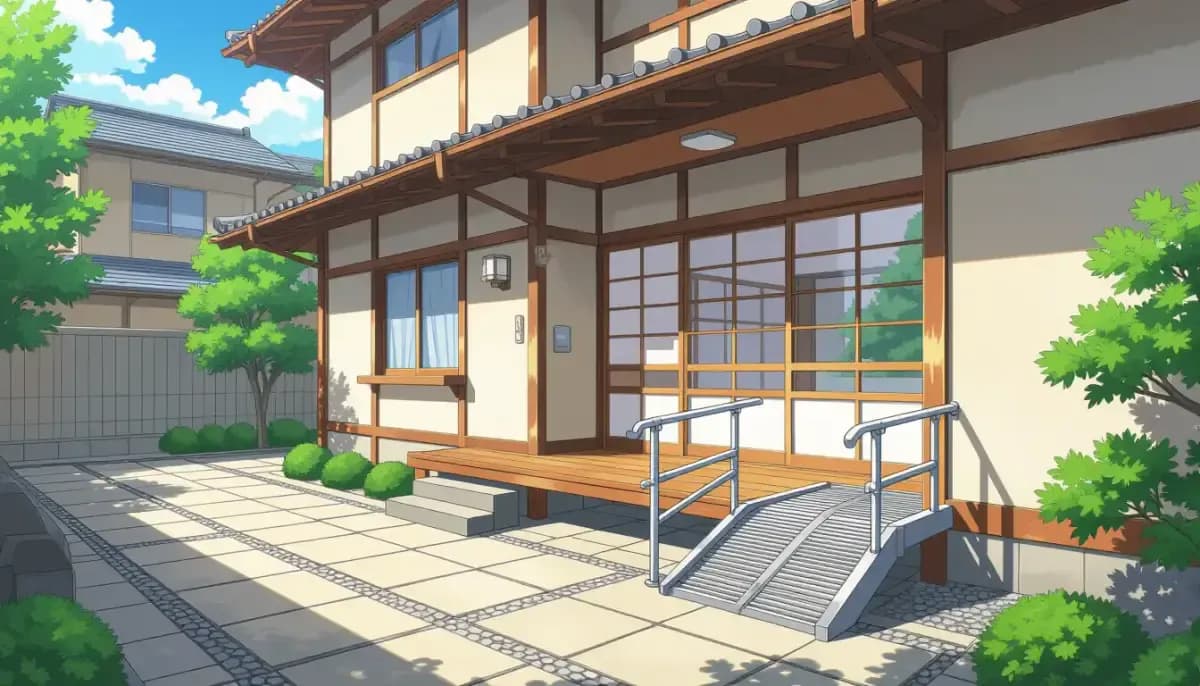
Barrier-Free and Accessibility Renovation in Japan
Complete guide to barrier-free accessibility renovation in Japan for foreign homeowners. Learn about kaigo hoken subsidies up to ¥200,000, common modifications, 2025 building code changes, and how to qualify as a foreigner.
Read more →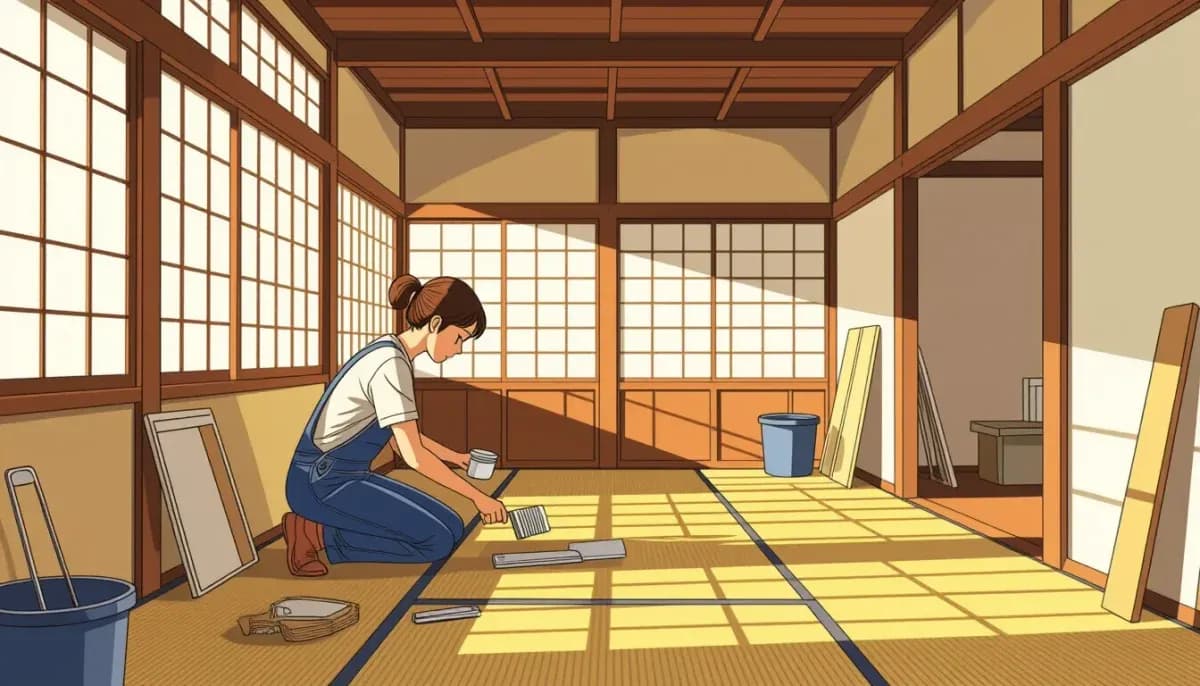
DIY Home Improvement in Japan: Guide for Foreign Homeowners
Complete guide to DIY home improvement in Japan for foreign homeowners. Learn what projects you can do yourself, home center tips, renovation costs, government subsidies, and step-by-step project guides.
Read more →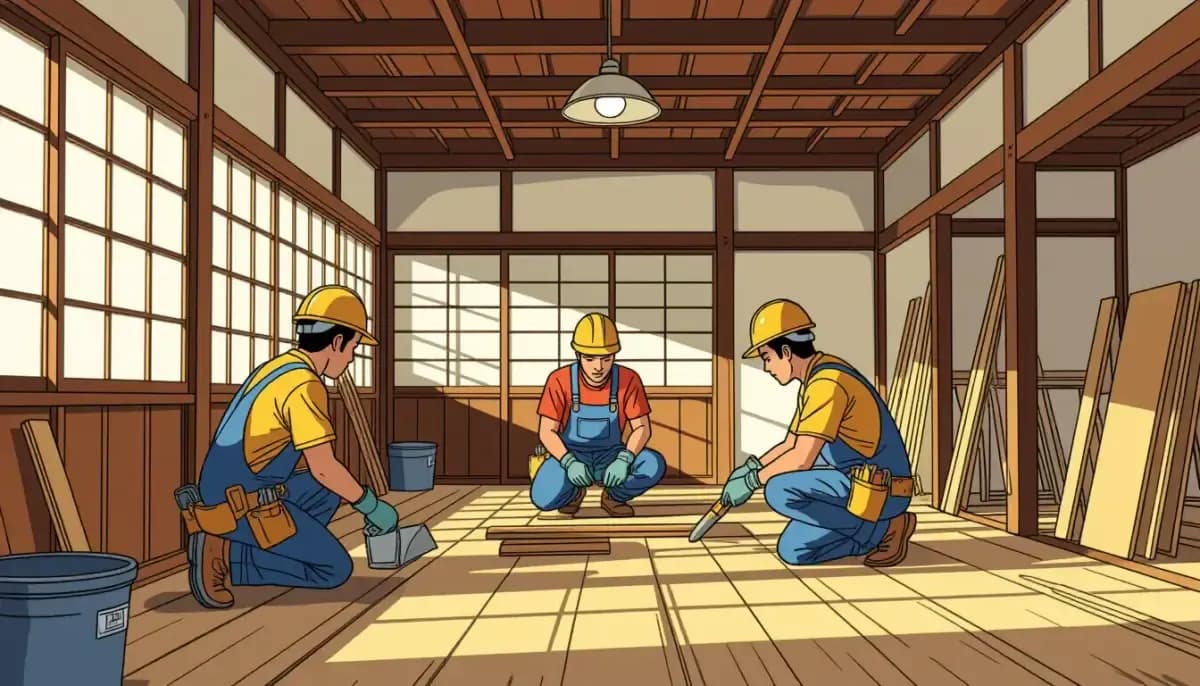
Japan Renovation Timeline: How Long Do Projects Take?
Complete guide to Japan renovation timelines for foreign homeowners. Learn how long each phase takes—from planning and permits to construction and move-in—including 2025 building code changes.
Read more →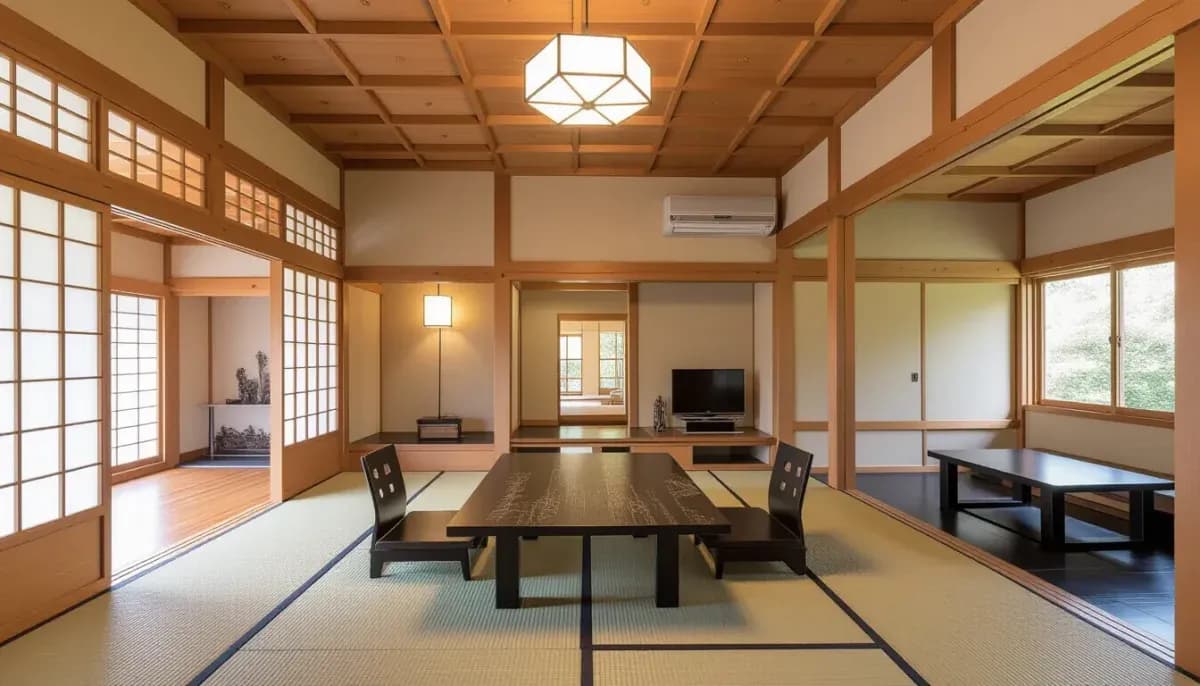
Renovating a Traditional Japanese House for Modern Living
Complete guide to renovating traditional Japanese houses (kominka, machiya, akiya) for modern living. Costs, subsidies, contractors, permits, and design tips for foreign owners in Japan.
Read more →