
Japan Renovation Timeline: How Long Do Projects Take?

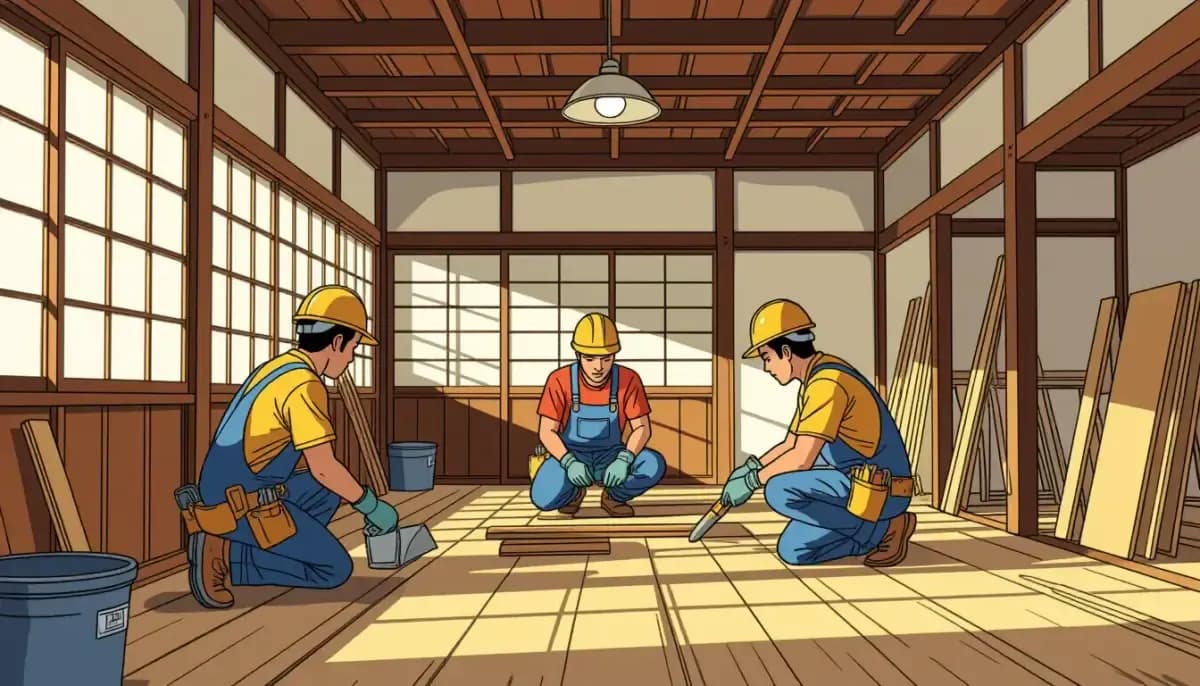
Complete guide to Japan renovation timelines for foreign homeowners. Learn how long each phase takes—from planning and permits to construction and move-in—including 2025 building code changes.
Japan Renovation Timeline: How Long Do Projects Take?
Planning a renovation in Japan can feel overwhelming—especially as a foreign homeowner navigating unfamiliar contractors, permit systems, and construction customs. One of the most common questions is simply: how long will this take? The honest answer depends on many factors, from the scope of work to your location and the current regulatory environment. This guide breaks down every phase of a typical Japan renovation project so you can plan realistically and avoid costly surprises.
Overview: What's the Total Timeline?
A complete renovation in Japan—from the moment you decide to renovate through design, permits, construction, and move-in—typically takes 6 months to 1 year for a substantial project. Smaller cosmetic updates can wrap up in a few weeks, while full structural overhauls of older homes may stretch beyond 12 months.
Here is a high-level summary of the major project phases:
| Phase | Typical Duration | Notes |
|---|---|---|
| Property inspection & assessment | 1–2 weeks | Professional structural survey recommended |
| Design & planning | 1–3 months | Architect/contractor consultations, drawings |
| Permit application (if required) | 1–2 months | As of April 2025, review period up to 35 days |
| Material procurement | 2–4 weeks | Custom orders can take longer |
| Construction (cosmetic) | 1–4 weeks | Paint, flooring, fixtures |
| Construction (moderate) | 1–3 months | Kitchen, bathroom, partial structural |
| Construction (full/skeleton) | 2–6 months | Complete gut renovation |
| Final inspection & completion | 1–2 weeks | Quality checks, occupancy approval |
For foreigners buying an older property—especially an akiya (abandoned house)—the full end-to-end process often falls in the 9–12 month range when you include the property purchase process itself.
Phase 1: Assessment and Planning (1–3 Months)
Before any walls come down, you need a clear picture of what you are dealing with. This phase involves:
Building Inspection (1–2 Weeks)
Hire a certified building inspector (建物状況調査士 or 一級建築士) to assess the structural condition, check for seismic compliance, identify asbestos or lead paint in older homes, and evaluate plumbing and electrical systems. For homes built before 1981—the year Japan's major earthquake code revision took effect—this step is especially critical.
Contractor and Architect Selection (2–6 Weeks)
Finding the right contractor is one of the most time-consuming steps for foreign homeowners. You will need to get multiple quotes, review portfolios, and ideally find someone with experience working with non-Japanese clients. Our guide on how to find and choose a renovation contractor in Japan walks through this process in detail.
Design Development (2–8 Weeks)
Once you have an architect or design-build contractor on board, they will produce detailed drawings, specifications, and a construction schedule. This phase includes selecting materials, fixtures, and finishes. Expect multiple rounds of revisions. Custom or imported materials—popular among foreign homeowners seeking Western-style kitchens or bathrooms—can significantly extend this phase due to procurement lead times.
Phase 2: Permits and Approvals (1–2 Months)
Japan's building permit system (建築確認申請) applies to renovations that significantly alter a structure's principal components. Understanding when a permit is needed—and how long it takes—is essential for your schedule.
When Is a Permit Required?
A building permit is required when renovations affect more than 50% of the primary structural components (walls, columns, floors, beams, roof, or stairs) of a two-story or larger wooden structure, or any concrete/steel building. Cosmetic work, minor interior updates, and most kitchen or bathroom renovations do not require a permit.
However, Japan's building codes changed significantly in April 2025 with the revision of the Building Standards Law. The most notable change for renovators:
- The Category 4 Special Exception was abolished, meaning smaller wooden homes that previously bypassed building reviews now require inspections
- The statutory permit review period increased from 7 days to 35 days, though actual processing can take longer during busy periods
For full details on what triggers a permit and how to navigate the application process, see our article on renovation permit and building code requirements in Japan.
Permit Processing Timeline
After submission, expect 1–2 months for permit approval in most cases:
- Review period: up to 35 days (statutory under 2025 law)
- Response to document queries: 2–4 weeks
- Revisions and resubmission (if required): add 2–4 more weeks
Submitting a complete, accurate application the first time is critical. Engaging a registered architect (一級建築士) who handles permit filings regularly can dramatically reduce delays.
Phase 3: Construction Duration by Project Type
Construction timelines vary enormously based on what you are actually doing. Here are realistic ranges based on common project types in Japan:
Cosmetic Renovation (2–6 Weeks)
- Repainting walls and ceilings
- Replacing flooring (tatami to hardwood, for example)
- Updating light fixtures, doors, or window coverings
- Minor bathroom fixture replacements
This type of work rarely requires permits and can often be completed while you are still living in the property.
Partial Renovation (1–3 Months)
- Full kitchen remodel — see our kitchen renovation in Japan guide
- Complete bathroom overhaul — see our bathroom renovation guide
- Water system replacement (plumbing and drainage)
- Electrical rewiring for modern appliances
- Adding insulation and energy-efficiency upgrades
These projects typically require you to vacate at least part of the home.
Full/Skeleton Renovation (3–6 Months)
A full skeleton renovation (スケルトンリフォーム) strips the structure down to its bones—removing all interior walls, floors, ceilings, and often replumbing and rewiring from scratch. This is common for akiya purchases.
Real project examples from Japan (via MailMate's Japan renovation guide):
- 30-year-old house skeleton renovation (Fukuoka): 60 days of construction, ¥6,900,000
- 45-year-old wooden house skeleton renovation (Kanagawa): 100 days of construction, ¥10,000,000
- 52-year-old abandoned house renovation (Shizuoka): 120 days of construction, ¥14,200,000
For more on budgeting full renovations, our Japan home renovation cost guide provides detailed breakdowns.
Seismic Reinforcement (1–3 Months, Often Concurrent)
If your home predates the 1981 earthquake code (or the 2000 code for wooden structures), seismic retrofitting may be required or strongly advisable. This work can often be done alongside other renovations. Our guide on earthquake retrofit and reinforcement for older Japan homes explains your options.
Phase 4: Finishing and Inspections (2–4 Weeks)
Once construction wraps up, the final phase covers:
- Punch list walkthrough: You and your contractor review all work against the agreed specifications
- Final cleaning and debris removal: Contractors are responsible for site cleanup
- Completion inspection (完了検査): Required if a building permit was obtained; a government inspector confirms the work matches the approved plans
- Move-in preparation: Utilities reconnection, appliance installation, furniture delivery
The completion inspection is typically scheduled and completed within 1–2 weeks of construction finishing. Delays here are uncommon but can occur if undisclosed changes were made during construction.
Regional Differences: Tokyo vs. Rural Japan
Where your property is located has a significant impact on timelines:
| Factor | Tokyo/Major Cities | Rural Areas |
|---|---|---|
| Contractor availability | High competition, faster quotes | Fewer contractors, longer wait |
| Material delivery | 1–2 weeks standard | 2–4 weeks for specialty items |
| Permit processing | Standard 35-day window | Similar, sometimes faster |
| Labor costs | 20–40% higher than national average | Lower, but fewer specialists |
| English-speaking contractors | More options available | Rare, translation often needed |
In rural prefectures—especially those with active akiya programs—contractor shortages can extend timelines significantly. It is not unusual to wait 2–3 months just to get a contractor to visit your property for an initial quote.
Working with Japanese Contractors as a Foreigner
Language and cultural barriers add complexity to every phase of a renovation project. Here are practical tips for managing your timeline:
- Use a bilingual project manager or intermediary: Some renovation firms in Tokyo and Osaka now offer English-language services. For rural projects, consider hiring a bilingual agent or consultant.
- Get everything in writing: Japan's renovation culture is relationship-based, but contracts protect both parties. Insist on detailed written specifications (工事仕様書) before signing.
- Expect the "nemawashi" process: Japanese contractors and architects often spend extra time building consensus and confirming details before proceeding. This feels slow to Western clients but reduces mistakes.
- Build buffer time into your schedule: Add 20–30% buffer to any contractor's estimated timeline. Material delays, weather, and unexpected structural issues are common in older Japanese homes.
- Understand the payment schedule: Japanese contractors typically require payments at project milestones—upon contract signing, at construction start, and upon completion. Unusual payment demands mid-project are a red flag.
For comprehensive guidance on living in Japan while managing your property, Living in Nihon provides helpful resources on navigating daily life as a foreign resident. If you are balancing renovation planning with work commitments, For Work in Japan has a useful guide on housing and living infrastructure for foreign workers.
The Impact of Japan's 2025 Building Code Revisions
The April 2025 amendments to Japan's Building Standards Law are the most significant regulatory change for renovators in decades. Key implications for your timeline:
- More projects now require permits: The elimination of the Category 4 Special Exception means wooden homes under 200 sqm that previously bypassed reviews must now obtain building confirmation for large-scale work
- Longer permit review window: The statutory review period doubled from 7 to 35 days; plan for real-world timelines of 6–10 weeks
- More documentation required: Architects must now submit additional compliance documentation, increasing design phase costs and timelines by an estimated 15–25%
- Increased demand for licensed architects: Projects that previously could be handled by contractors alone now require architect involvement, which may create scheduling bottlenecks
If your renovation involves seismic upgrades, energy efficiency improvements, or structural changes to a wooden home, budget an extra 1–2 months compared to pre-2025 timelines. More details on the 2025 code changes are available at Heritage Homes Japan.
Renovation Financing and How It Affects Your Schedule
One often-overlooked timeline factor is financing. Japan offers renovation loans (リフォームローン) through major banks, regional banks, and the Japan Housing Finance Agency. Loan approval typically takes 2–4 weeks and must be secured before construction begins.
Financing your renovation through the same bank that holds your mortgage can streamline the process, but may offer less competitive rates. Our guide on renovation financing and loan options in Japan covers the full range of options available to foreign homeowners.
Additionally, government subsidy programs for energy efficiency and seismic reinforcement can provide significant cost offsets—but they require upfront application and approval, adding 4–8 weeks to pre-construction preparation. The subsidies are worth pursuing despite the additional timeline, as they can cover 20–50% of qualifying renovation costs.
For a broader look at your renovation project and what to expect throughout, Gaijin Buy House provides a comprehensive guide to used property and renovation in Japan for foreign buyers.
Sample Project Timelines
Here are two realistic end-to-end timelines for common foreign homeowner scenarios:
Scenario A: Cosmetic Refresh of a 1990s Condo (2–3 Months Total)
- Week 1–2: Inspection and contractor quotes
- Week 3–6: Design finalization and material selection
- Week 7–12: Construction (flooring, painting, bathroom fixtures, kitchen update)
- Week 13: Final walkthrough and move-in
No permit required. Total: approximately 3 months.
Scenario B: Full Skeleton Renovation of a 1970s Akiya (12–18 Months Total)
- Month 1–3: Property purchase process
- Month 3–4: Inspection, assessment, architect selection
- Month 4–6: Design development and permit application
- Month 7–8: Permit approval and material procurement
- Month 9–13: Construction (full skeleton renovation, seismic reinforcement, new electrical/plumbing)
- Month 14: Finishing, inspection, punch list
- Month 15–16: Final inspection, subsidy application processing, move-in
Total: approximately 12–16 months from purchase to occupancy.
Key Takeaways
- Simple cosmetic work: 2–6 weeks
- Partial renovations (kitchen/bath): 1–3 months
- Full skeleton renovation: 3–6 months of construction alone
- End-to-end project (purchase to move-in): 6–18 months
- Factor in extra time for the 2025 building code changes—permit timelines have increased
- Rural properties often face contractor availability delays not present in Tokyo or Osaka
- Language and cultural factors add complexity; budget 20–30% buffer time
Understanding the renovation timeline upfront allows you to plan your housing arrangements, financing, and expectations accordingly. Japan's renovation process is thorough and methodical—and with the right team and realistic scheduling, the results are exceptional.
For related topics, explore our guides on DIY home improvement in Japan, smart home technology renovations, and energy efficiency upgrades.

Originally from Vietnam, living in Japan for 16+ years. Graduated from Nagoya University, with 11 years of professional experience at Japanese and international companies. Sharing information about buying property in Japan for foreigners.
View Profile →Related Articles
Renovation Financing and Loan Options in Japan
Complete guide to renovation loan options in Japan for foreign property owners. Covers reform loans, combined purchase loans, Flat 35, government subsidies, and eligibility requirements for expats.
Read more →
Smart Home Technology Renovation in Japan
Complete guide to smart home technology renovation in Japan for foreign property owners. Covers devices, costs, PSE certification, electrical rules, and top brands like Panasonic, Google, and Amazon Alexa.
Read more →
Barrier-Free and Accessibility Renovation in Japan
Complete guide to barrier-free accessibility renovation in Japan for foreign homeowners. Learn about kaigo hoken subsidies up to ¥200,000, common modifications, 2025 building code changes, and how to qualify as a foreigner.
Read more →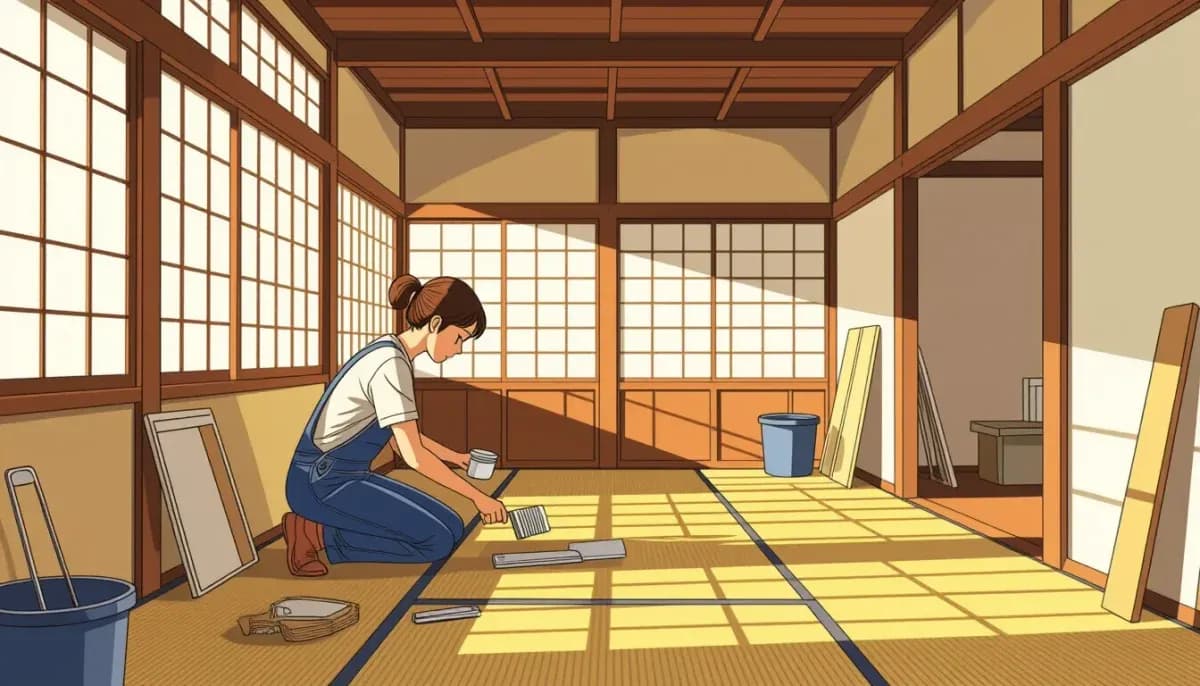
DIY Home Improvement in Japan: Guide for Foreign Homeowners
Complete guide to DIY home improvement in Japan for foreign homeowners. Learn what projects you can do yourself, home center tips, renovation costs, government subsidies, and step-by-step project guides.
Read more →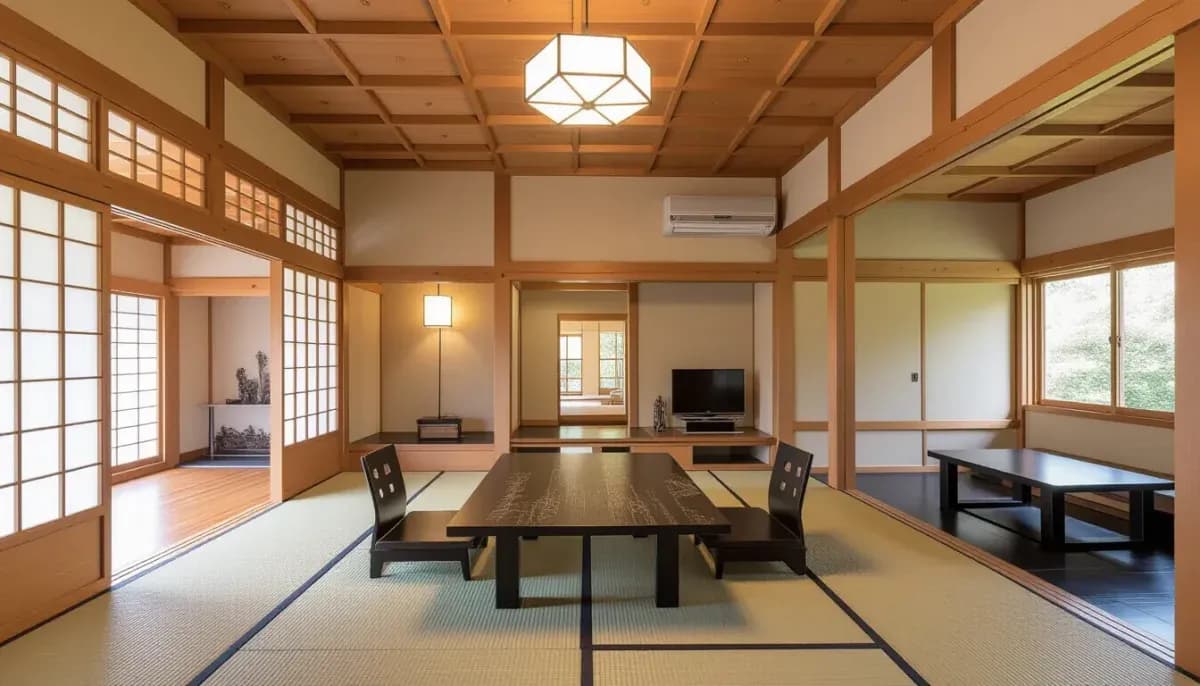
Renovating a Traditional Japanese House for Modern Living
Complete guide to renovating traditional Japanese houses (kominka, machiya, akiya) for modern living. Costs, subsidies, contractors, permits, and design tips for foreign owners in Japan.
Read more →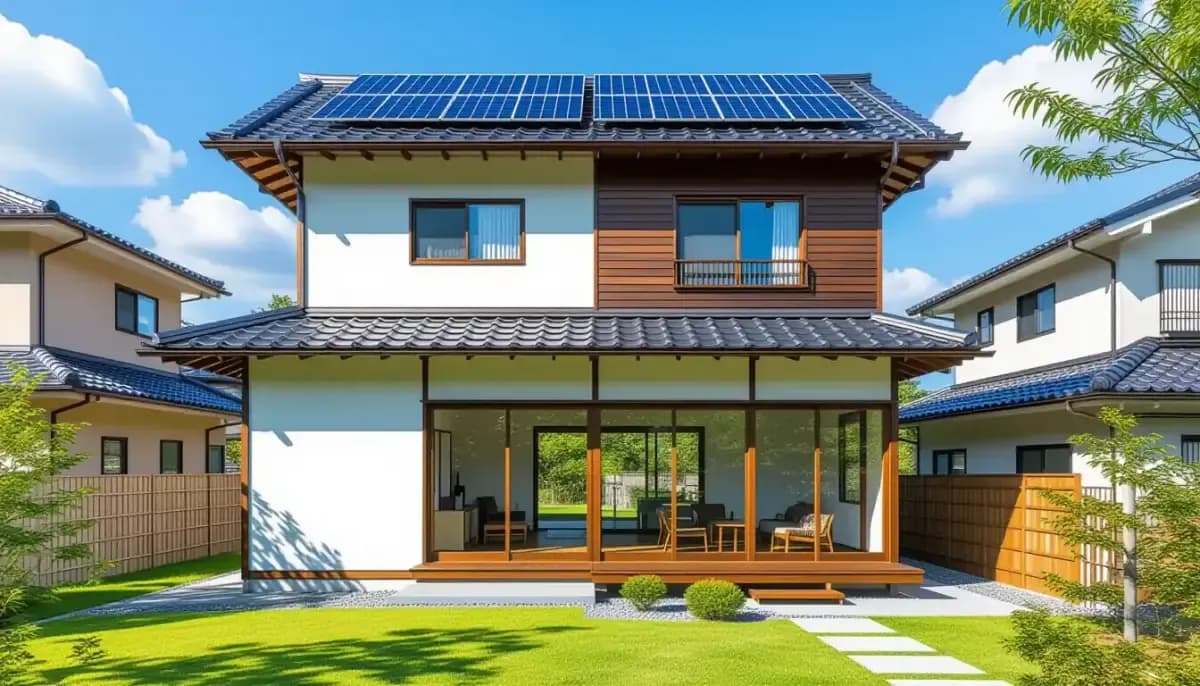
Energy Efficiency Renovation Upgrades for Japan Homes
Complete guide to energy efficiency renovation upgrades for Japan homes. Covers insulation, solar panels, ZEH standards, government subsidies up to ¥2 million, and practical tips for foreign homeowners.
Read more →