
Akiya Renovation Cost Estimates and Budgeting Guide

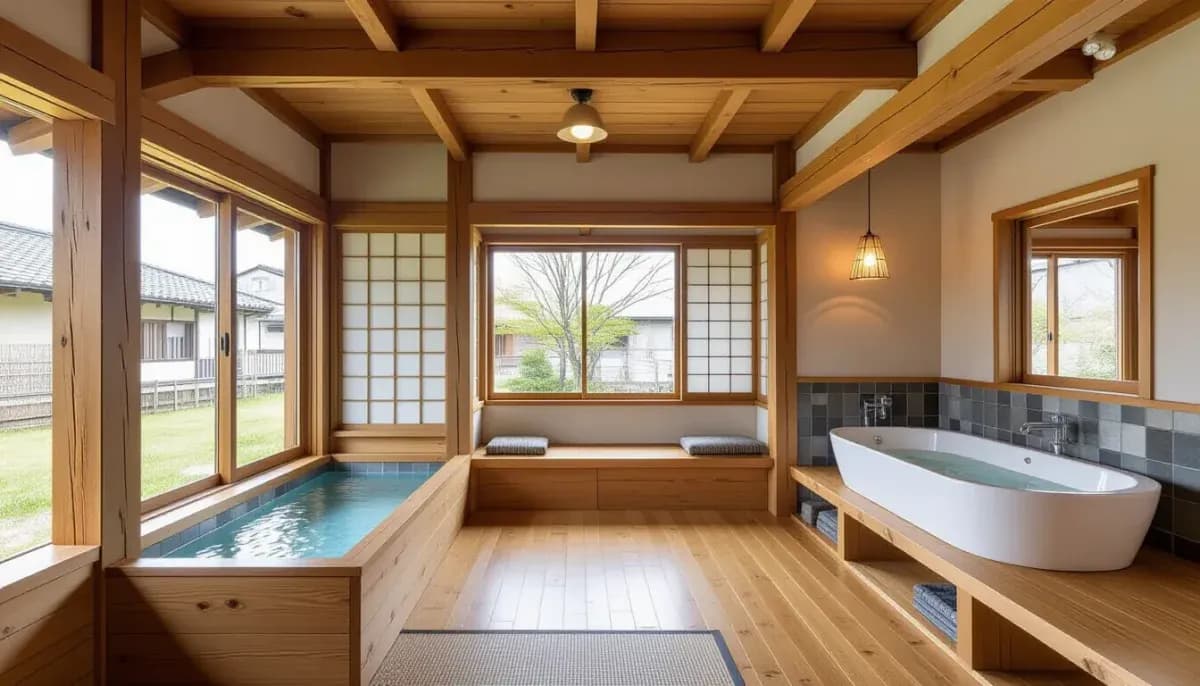
Complete guide to akiya renovation costs in Japan for foreigners. Room-by-room cost breakdowns, three budget tiers from ¥2M to ¥20M+, subsidy programs, and practical tips to control costs.
Akiya Renovation Cost Estimates and Budgeting Guide for Foreigners in Japan
Buying an akiya — Japan's millions of vacant and abandoned houses — can be one of the most exciting and affordable ways to own property in this country. But the purchase price is rarely the biggest number on your spreadsheet. Renovation is where your real budget gets tested. Whether you're dreaming of a cozy countryside retreat or a full kominka revival project, understanding what renovation actually costs in Japan is essential before you sign anything.
This guide walks you through realistic cost estimates for akiya renovation, category by category, so you can build a reliable budget and avoid the surprises that catch so many buyers off guard.
How Much Does It Cost to Renovate an Akiya? Three Budget Tiers
Renovation costs vary enormously depending on property condition, size, location, and your goals. Broadly speaking, buyers fall into one of three tiers:
| Renovation Tier | Scope | Estimated Cost (JPY) | Estimated Cost (USD) |
|---|---|---|---|
| Minimal Fix-Up | DIY cosmetic work, basic repairs | ¥2,000,000 – ¥5,000,000 | ~$13,000 – $33,000 |
| Mid-Range Renovation | Structural + systems overhaul | ¥6,000,000 – ¥12,000,000 | ~$40,000 – $80,000 |
| Full Gut / Kominka Revival | Complete rebuild, traditional preservation | ¥13,000,000 – ¥20,000,000+ | ~$87,000 – $130,000+ |
Minimal fix-up means the property is structurally sound but needs cosmetic attention: fresh flooring, painting, basic plumbing repairs, and cleaning. This is achievable if you're willing to do a lot of DIY work and if the home has been well-maintained despite being vacant for only a few years.
Mid-range renovation is the most common scenario. These properties have been empty for a decade or more and need roof repairs, seismic retrofitting, full bathroom and kitchen replacement, new insulation, and updated electrical and plumbing systems. This tier requires professional contractors for most work.
Full gut renovation or kominka revival applies to traditional farmhouses (minka) or properties with severe structural damage. These are labor-intensive projects often requiring an architect, structural engineer, and specialized craftspeople. For more on this specific property type, see our guide on Kominka (Traditional Farmhouse) Akiya: Buying and Renovating.
Room-by-Room and System-by-System Cost Breakdown
Understanding individual renovation items helps you prioritize spending and negotiate with contractors. Here are typical cost ranges for common renovation tasks in Japan:
| Item | Cost Range (JPY) | Notes |
|---|---|---|
| Flooring (per tatami mat area) | ¥10,000 – ¥70,000 | Tatami replacement vs. hardwood install |
| Toilet replacement | ¥200,000 – ¥500,000 | Basic to washlet-equipped |
| Unit bathroom (ユニットバス) | ¥500,000 – ¥1,500,000 | Prefab units save significant cost |
| Kitchen replacement | ¥500,000 – ¥1,000,000 | System kitchen vs. custom |
| Roof repair | ¥500,000 – ¥3,500,000 | Partial patch to full re-roofing |
| Seismic retrofitting | ¥250,000 – ¥1,500,000 | Required for pre-1981 homes |
| Termite extermination | ¥1,800 – ¥3,500 /sqm | Often combined with wood treatment |
| Insulation upgrade | ¥500,000 – ¥2,000,000 | Walls, floors, ceiling combined |
| Electrical rewiring | ¥300,000 – ¥1,000,000 | Partial to full system |
| Plumbing overhaul | ¥300,000 – ¥1,500,000 | Pipe replacement, water heater |
| Exterior wall repair | ¥300,000 – ¥2,000,000 | Varies widely by material and area |
| Permits and inspections | ¥200,000 – ¥800,000 | Only when footprint or structure changes |
These ranges are approximate national averages. Labor costs in rural areas tend to be lower than in urban centers, but material logistics can add expense in remote locations.
The Inspection Step: Do This Before You Budget
Before you can build a meaningful renovation budget, you need a property inspection. Japan does not require sellers to provide building inspection reports, so buyers must arrange their own. Professional inspections typically cost ¥50,000–¥150,000 and are worth every yen.
A proper akiya inspection should cover:
- Structural integrity — foundation cracking, beam rot, post displacement
- Termite and wood-borer damage — common in older wooden-frame homes
- Roof condition — leaks, missing tiles, sagging ridge lines
- Seismic compliance — homes built before June 1981 (旧耐震基準) often require retrofitting
- Electrical and plumbing systems — age, condition, code compliance
- Insulation and moisture — Japan's humid climate accelerates mold and rot in unoccupied homes
Our detailed Akiya Property Inspection Checklist: What to Look For covers every item you should be verifying before signing a purchase contract.
Government Subsidies Can Offset Major Renovation Costs
One of the most overlooked opportunities in akiya renovation is Japan's extensive subsidy system. National, prefectural, and municipal governments offer grants that can cover 10% to 80% of eligible renovation expenses, depending on location and project type.
Common subsidy categories include:
- Seismic retrofit subsidies — available in nearly every municipality for pre-1981 homes
- Energy efficiency grants — insulation, windows, and eco-friendly heating systems
- Family relocation support — many rural towns pay families to move in and renovate
- Historic preservation funding — for kominka-style traditional buildings
- Childcare household grants — families with children receive enhanced support in depopulating areas
The catch: subsidies require applications before work begins, have strict documentation requirements, and vary significantly by location. Some municipalities offer millions of yen in support; others offer very little. Always check with your local municipal office (市役所 or 町役場) before finalizing your renovation plan.
For a complete breakdown of available programs, see our guide on Japan Akiya Subsidy and Grant Programs for Buyers.
For broader context on the property purchase process that leads up to renovation, the team at Living in Nihon's property buying guide provides useful background on mortgages and financing as a foreigner.
Hidden Costs and Budget Overrun Risks
Even experienced renovators consistently underestimate akiya budgets. Budget overruns of 20–30% above initial estimates are common for the following reasons:
Hidden structural issues are the most common budget killer. Walls open up to reveal termite damage that wasn't visible during inspection. Floors come up to show rotted joists. These discoveries mid-project require unplanned spending.
Asbestos and legacy materials present in older properties may require licensed removal, which is expensive and time-consuming.
Utility connection upgrades can be surprisingly costly. If the property has been disconnected from the water or gas grid, reconnection fees and pipe-run costs add up quickly.
Waste disposal for large gut renovations generates enormous volumes of debris. In Japan, disposal fees are significant and sometimes contractors charge separately for haul-away.
Permit surprises occur when planned work turns out to require a building permit you hadn't anticipated. Any change to structural beams, footprint expansion, or conversion to commercial use triggers permit requirements costing ¥200,000–¥800,000 including architect fees.
Material price volatility — global supply chain pressures have made some construction materials more expensive and harder to source than in previous years.
The standard advice: add a 25% contingency buffer to whatever your contractor quotes you. If you don't use it, congratulations. If you do, you'll be glad it was there.
For more on the financial risks of akiya ownership, our guide on Buying an Akiya in Japan: Risks and Benefits for Foreigners covers the full picture.
Practical Tips to Keep Renovation Costs Down
Renovating in Japan doesn't have to drain your bank account. Here are approaches that experienced akiya buyers use to stretch their budget:
Choose prefab units for wet areas. Japanese prefabricated unit bathrooms (ユニットバス) and system kitchens are designed for efficient installation and cost significantly less than custom tile work. A unit bath can be installed in a single day by a two-person crew.
Source materials from local home improvement chains. Stores like Komeri (コメリ), Cainz (カインズ), and Kohnan (コーナン) stock construction materials at competitive prices. Buying locally also avoids shipping costs and delays.
Preserve the exterior when possible. If the exterior walls and roof are structurally sound, repainting or re-cladding is far cheaper than full replacement. Focus expensive work on what you can't see — insulation, plumbing, and electrical — and use cosmetic fixes on visible surfaces.
Prioritize habitability over aesthetics. On a tight budget, sequence your work to make the home livable first: roof integrity, water-tightness, functional bathroom and kitchen, working heating. Aesthetic upgrades can follow over time.
DIY what you legally can. In Japan, electrical work, gas connections, and structural modifications require licensed contractors. But painting, flooring, landscaping, and minor carpentry can all be done by handy homeowners, saving significant labor costs.
Get multiple quotes. Renovation quotes in rural Japan can vary by 30–50% between contractors. Getting three quotes is standard practice and often reveals wide pricing disparities.
For a broader view of finding the right akiya, see our guide on the Best Prefectures to Find Cheap Akiya in Japan.
For foreigners navigating life and work in Japan, For Work in Japan offers helpful guidance on housing and living infrastructure for expats settling in the country.
Financing Your Renovation
One of the trickiest aspects of akiya projects is financing. Conventional Japanese bank mortgages (住宅ローン) typically don't cover renovation costs separately from the purchase price unless you're using a renovation loan (リフォームローン).
!Financing Your Renovation - illustration for Akiya Renovation Cost Estimates and Budgeting Guide
Renovation loans (リフォームローン) are offered by most major banks and credit unions. These are separate from housing mortgages and typically carry higher interest rates (1.5–4%) with shorter terms (10–15 years). The maximum loan amount varies but typically caps at ¥10–15 million for unsecured loans.
Combined purchase + renovation mortgages (購入リフォーム一体型ローン) are increasingly available and allow buyers to combine the akiya purchase price and estimated renovation cost into a single mortgage. These require renovation plans and cost estimates upfront.
Government-backed loans through the Japan Housing Finance Agency (住宅金融支援機構) offer favorable rates for renovations meeting energy efficiency or seismic upgrade standards.
For foreigners specifically, financing options depend heavily on your residency status and income history in Japan. Our guide on Mortgages and Home Loans for Foreigners in Japan explains the specific requirements foreign buyers face.
The renovation cost estimator at Old Houses Japan provides a useful real-world breakdown for 2025 projects.
For more information on used property renovation for foreign buyers, the Gaijin Buy House renovation guide covers the process in detail.
Additional cost data and regional comparisons are available at Realestate Japan's akiya renovation guide.
Building Your Renovation Budget: A Step-by-Step Approach
Here's a practical framework for building your akiya renovation budget before committing to a purchase:
- Get a professional inspection (¥50,000–¥150,000) to identify all structural and system issues
- Define your renovation scope — which tier are you targeting (minimal, mid-range, full gut)?
- Get contractor quotes for the major items: roof, bathroom, kitchen, electrical, plumbing, seismic work
- Research available subsidies in your target municipality before finalizing scope
- Build in a 25% contingency buffer on top of all contractor quotes
- Confirm financing options — loan pre-qualification before making an offer
- Factor in holding costs — property taxes, utilities, and your own accommodation while work proceeds
Japan's akiya market offers extraordinary opportunities for foreigners who go in with clear eyes and realistic budgets. The homes are genuinely affordable. The renovation process is manageable. But the budget surprises are real, and preparation is what separates successful akiya projects from financial nightmares.
For a complete overview of the akiya buying process from start to finish, see our guide to Akiya Vacant and Abandoned Houses in Japan for Foreign Buyers.

Originally from Vietnam, living in Japan for 16+ years. Graduated from Nagoya University, with 11 years of professional experience at Japanese and international companies. Sharing information about buying property in Japan for foreigners.
View Profile →Related Articles

Akiya Near Tokyo: Accessible Vacant Houses for Commuters
Find affordable akiya (vacant houses) within commuting distance of Tokyo. Covers best rail corridors in Saitama, Chiba, Kanagawa, Ibaraki, government subsidies, and tips for foreign buyers.
Read more →
Can You Turn an Akiya into a Rental Property in Japan?
Foreigners can convert akiya (vacant Japanese homes) into rental properties. Learn the legal requirements, rental models, renovation costs, and tax rules for akiya rental investment in Japan.
Read more →
Kominka (Traditional Farmhouse) Akiya: Buying and Renovating
Complete guide to buying and renovating a kominka (traditional Japanese farmhouse) as a foreigner. Covers costs, subsidies, finding properties, renovation tips, and the buying process.
Read more →
Akiya Success Stories: Foreigners Who Bought Vacant Houses in Japan
Real success stories of foreigners who successfully bought akiya (vacant houses) in Japan. Learn what they paid, how they did it, and how to replicate their success with practical tips and lessons learned.
Read more →
Foreign Buyer Akiya Purchase Process Step by Step
Complete step-by-step guide to buying an akiya (vacant house) in Japan as a foreign buyer. Covers property search, due diligence, contracts, payment, title registration, and mandatory reporting requirements.
Read more →
Akiya Legal Issues and Title Problems to Watch Out For
Discover the critical akiya legal issues and title problems foreign buyers face in Japan: unregistered ownership, multiple heirs, zoning problems, and new 2024-2025 laws. Essential due diligence guide.
Read more →