
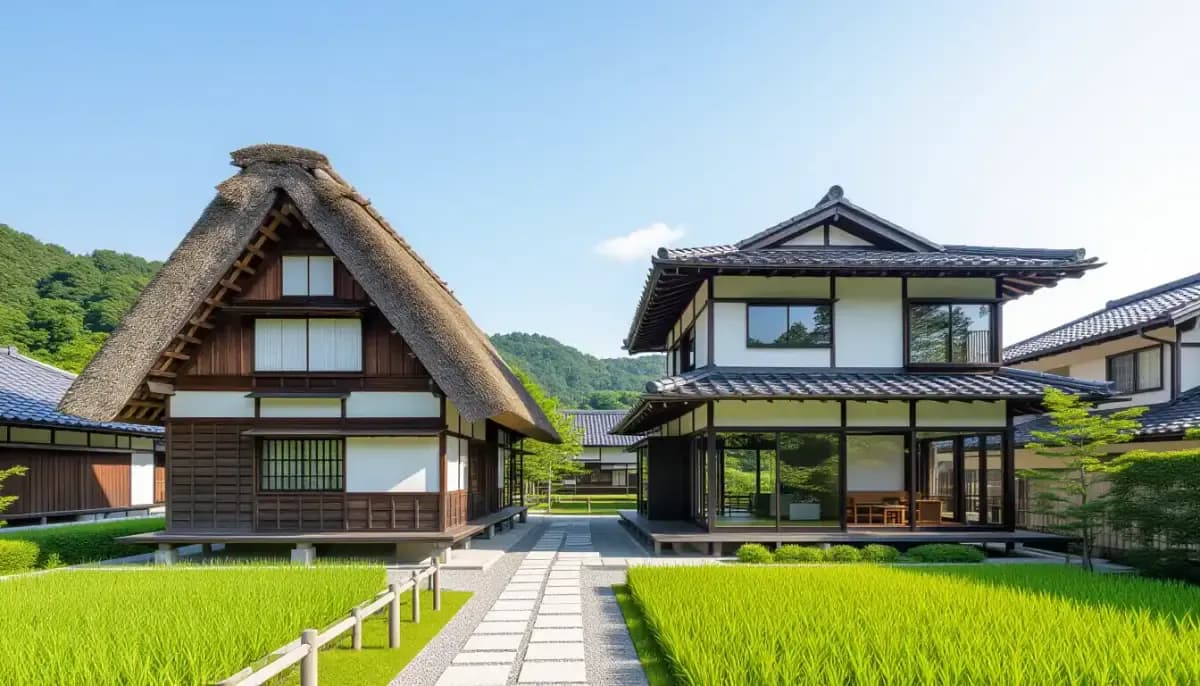
Traditional vs Modern House in Japan: Lifestyle Comparison
Compare traditional Japanese houses (kominka, machiya) vs modern homes for foreign buyers. Costs, comfort, cultural experience, and practical buying advice for expats in Japan.
Read more →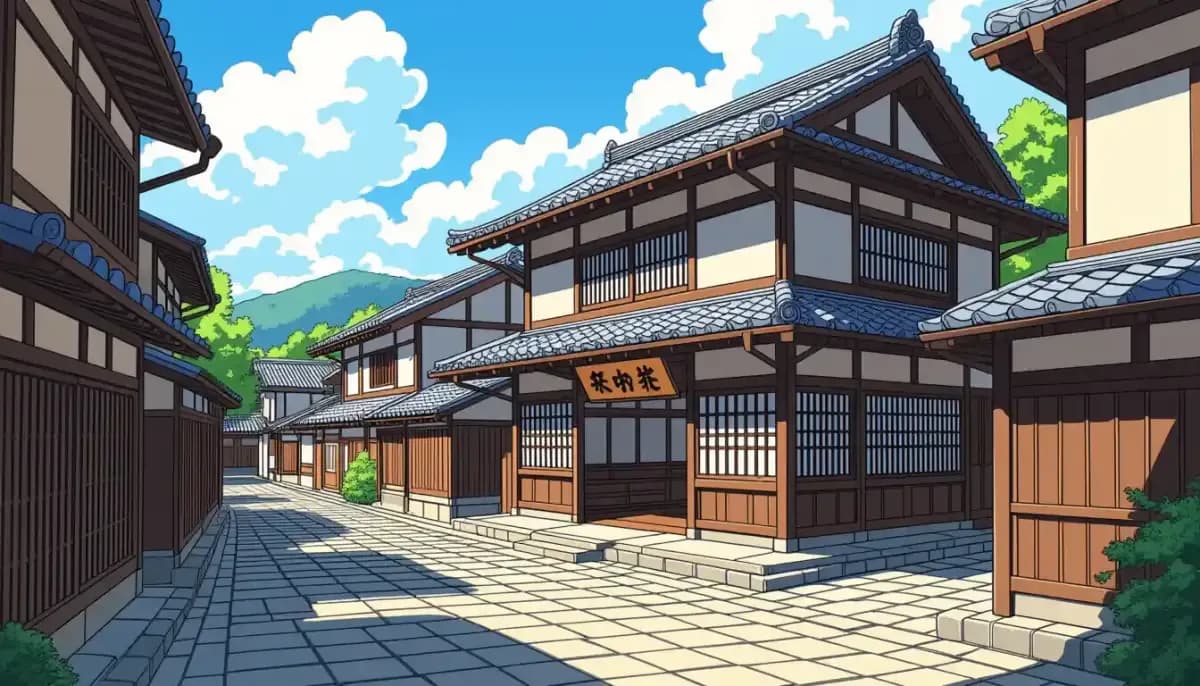
Complete guide to buying kominka and machiya traditional Japanese houses as a foreigner: costs, renovation budgets, government subsidies, legal requirements, and how to find the right property.
Japan's traditional wooden architecture is some of the most beautiful in the world, and foreigners are increasingly drawn to the idea of owning a piece of this living history. Kominka (古民家) — rural farmhouses often over a century old — and machiya (町家) — the elegant wooden townhouses of Kyoto and other historic cities — offer a completely different real estate experience from modern condominiums. This guide explains what these property types are, what it costs to buy and renovate them, the challenges you will face, and how to navigate the process as a foreigner.
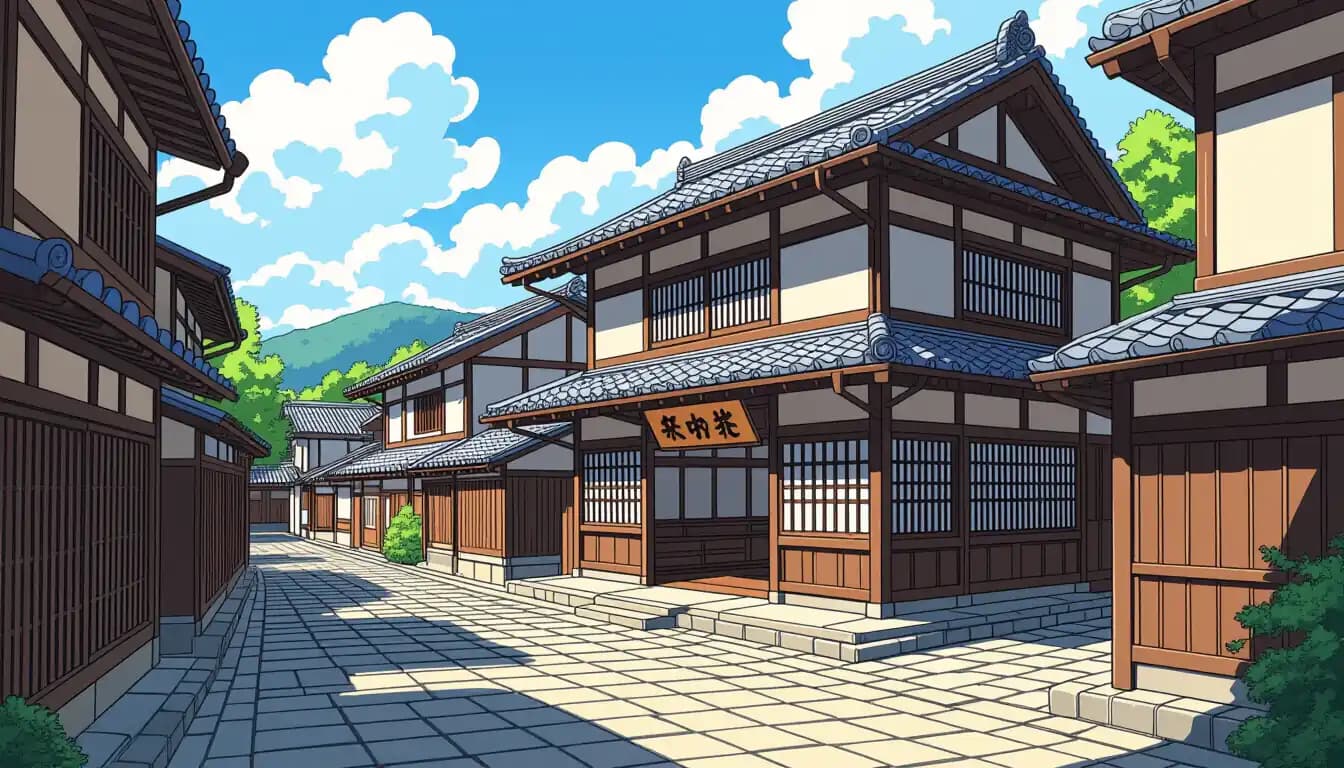
Kominka (古民家, literally "old folk house") are traditional rural dwellings, typically built before the Showa era. Most are farmhouses with large earthen-floor entrances (doma), exposed wooden beams, clay walls, and either thatched or tiled roofs. They were built by skilled carpenters (daiku) using materials like hinoki cypress, cedar, and bamboo. Their floor areas often exceed 200 square meters, and they tend to sit on generous plots of land in mountain villages, rice-farming communities, or small coastal towns.
Machiya (町家) are the traditional wooden townhouses found in Kyoto, Kanazawa, and other historic castle towns. Built during the Edo to early Showa periods, the classic machiya has a narrow street-facing facade but extends deep into the lot — a "unagi no nedoko" (eel's bed) layout — with a shop or workroom at the front and family living quarters toward the rear, often separated by small interior gardens called tsubo-niwa. Tragically, only about 2% of Tokyo's prewar machiya survive today, making intact examples increasingly rare and valuable.
Both property types fall under the broader category of akiya (空き家, vacant houses). As of 2023, Japan has approximately 9 million akiya — around 13.8% of all housing stock — double the figure from 1993. Many are kominka or older machiya in areas affected by rural depopulation, making them accessible targets for foreign buyers looking for affordable, character-rich properties.
For a broader overview of property types available to foreigners, see our guide to types of properties in Japan.
Yes. Japan imposes no nationality-based restrictions on real estate purchases. Foreigners have exactly the same property rights as Japanese nationals and can buy land outright — including full freehold ownership. You do not need permanent residency, a spouse visa, or any special permit. You can even purchase from overseas without ever visiting Japan, though this is inadvisable for traditional properties given the inspection requirements.
There is one important administrative step: within 20 days of signing a purchase contract, non-resident foreign buyers must file a notification with the Minister of Finance under Japan's Foreign Exchange and Foreign Trade Act. Failure to comply carries penalties. Your real estate agent or judicial scrivener (shiho shoshi) will typically handle this on your behalf.
For a complete overview of legal rights and the purchase process, visit our dedicated article on can foreigners buy property in Japan.
The Living in Nihon buying property guide is also a useful English-language resource covering documentation requirements for both resident and non-resident foreign buyers.
Purchase prices for kominka vary enormously by location and condition. Rural properties in depopulated areas can sell for as little as ¥500,000 to ¥3 million — sometimes even listed for ¥1 — but these often come with significant structural problems. Well-preserved kominka in desirable areas like the Japanese Alps or the Satoyama landscapes of Hyogo can fetch ¥10–25 million. Unrenovated machiya in Kyoto typically sell for ¥20–40 million, with fully renovated examples in prime neighborhoods reaching ¥50–150 million.
The real cost of traditional house ownership is renovation, not acquisition. Budget carefully:
| Renovation Item | Estimated Cost (JPY) |
|---|---|
| Basic structural repairs (roof, walls, floor) | ¥3,000,000 – ¥8,000,000 |
| Full renovation of standard kominka (200 sqm) | ¥10,000,000 – ¥25,000,000 |
| Seismic retrofitting (old pre-1981 structures) | ¥1,500,000 – ¥5,000,000 |
| New kitchen + bathroom installation | ¥2,000,000 – ¥5,000,000 |
| Septic system (rural, no city sewage) | ¥1,500,000 – ¥2,500,000 |
| Full machiya renovation (Kyoto, per sqm) | ¥275,000 – ¥350,000 per sqm |
| Professional home inspection | ¥50,000 – ¥100,000 |
A full renovation often uncovers hidden problems — termite damage, rot in structural beams, foundation subsidence — that can push costs well above initial estimates. A project budgeted at ¥10 million can easily become ¥18–25 million once walls are opened. Always commission a professional pre-purchase inspection before finalizing a sale.
On top of purchase price and renovation, budget approximately 10% of the purchase price in closing costs: broker commission (3% + tax), property acquisition tax (3–4% of assessed value), registration fees (~2% of assessed value), plus annual property tax (1.4%) and urban planning tax (0.3%).
For a full breakdown, see our article on hidden costs and fees when buying property in Japan.
One of the most compelling arguments for buying a traditional house is the availability of government subsidies. Japan's central and local governments actively encourage the renovation of kominka and machiya as part of rural revitalization and cultural heritage preservation programs.
Subsidy availability changes frequently and differs by municipality, so always check with your local city or town hall (shiyakusho) before purchase. Foreign buyers are generally eligible for the same programs as Japanese nationals, provided they are registered residents.
For rural properties, see also our guide to rural and countryside properties in Japan for foreigners.
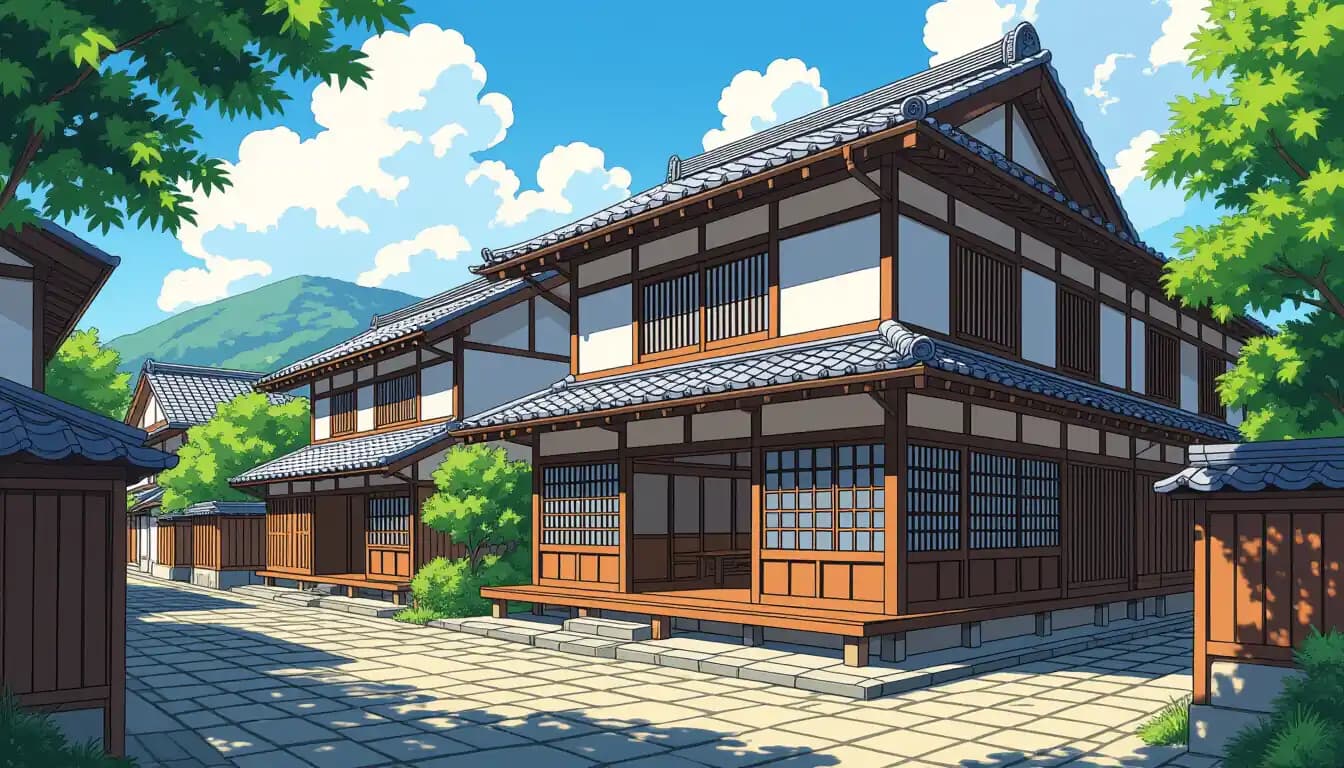
Buying a traditional house in Japan is significantly more complex than buying a modern condominium. Foreign buyers face several specific challenges:
Language and negotiation: Most kominka and machiya are sold through small local real estate agencies whose staff speak little or no English. Documents — purchase agreements, renovation contracts, subsidy applications — are entirely in Japanese. You will need a bilingual agent, a translator, or strong Japanese reading ability.
Structural risk and seismic standards: The majority of kominka were built before Japan's updated seismic standards (shinseisinki) came into force in June 1981. Older construction does not meet current earthquake resistance requirements, which affects insurance eligibility, bank financing, and subsidy access. Seismic retrofitting is often a mandatory first step.
Thermal performance: Traditional Japanese houses were built for summer ventilation, not winter insulation. Clay walls and single-pane shoji screens provide almost no insulation. Heating costs in a large, unrenovated kominka can be extreme, and proper insulation is a significant renovation priority.
Finding reliable contractors: Restoring traditional properties requires specialized carpenters (miyadaiku or daiku) who understand historic materials and joinery methods. Such craftspeople are in high demand and short supply. Building relationships through local networks and community organizations is often necessary. The Gaijin Buy House renovation guide offers practical insights on working with Japanese contractors as a foreigner.
Financing: Mortgages on traditional or akiya properties are difficult to obtain, especially for non-permanent residents. Most banks will not lend on properties classed as "non-conforming" to current building standards. For most foreign buyers, a kominka purchase is a cash transaction. See our mortgages for foreigners in Japan guide for lender options.
Community integration: Kominka are typically in rural communities with strong social norms. New owners — especially foreign ones — are expected to participate in neighborhood maintenance (chokai activities), waste management rotas, and seasonal community events. Neighbor introductions (aisatsu) before and after purchase are essential. Skipping this step can create lasting friction.
Step 1: Research target regions. Kominka are concentrated in rural prefectures: Nagano, Gifu, Nara, Hyogo, Shimane, Tottori, and Yamaguchi. Machiya are primarily found in Kyoto, Kanazawa, Takayama, and Kurashiki. Visit your target region first, spend at least a week, and connect with local residents before committing.
Step 2: Use akiya banks and specialist agencies. Municipal akiya banks (空き家バンク) list vacant properties at low prices and connect buyers with sellers. Specialist agencies like KORYOYA and Japan Kominka focus exclusively on traditional properties and have bilingual staff experienced in working with foreign buyers. See their FAQ and listings at koryoya.com for reference.
Step 3: Commission a professional inspection. Before making any offer, hire a qualified home inspector (homu inspekuta) to assess structural condition, pest damage, seismic compliance, roof integrity, and utilities. Budget ¥50,000–100,000 for this step. It can save you millions.
Step 4: Work with a bilingual judicial scrivener. A shiho shoshi handles property registration, title transfer, and the foreign exchange filing. Choose one with experience handling foreign client purchases.
Step 5: Plan renovation before closing. Get preliminary renovation quotes before signing, not after. Renovation budgets frequently exceed initial estimates, and knowing total costs before closing allows you to negotiate on price or withdraw if costs are prohibitive.
For more on the E-Housing guide to traditional housing rental and purchase options, visit e-housing.jp.
You should also read the For Work in Japan resource for guidance on navigating Japanese bureaucracy and establishing yourself as a foreign resident before making major property commitments.
Traditional Japanese houses are not passive investments. They reward buyers who are committed to cultural stewardship, willing to invest significant time and money in renovation, and prepared to engage with local communities on their terms. For those buyers, the rewards — unique architecture, generous space, deep connection to Japanese history, and a lifestyle impossible to replicate in modern housing — are extraordinary.
If your goal is a low-maintenance investment property or a quick rental yield, a modern condominium will serve you better. But if you are drawn to the texture of hand-hewn beams, the smell of hinoki wood, and the quality of silence only found in old houses, a kominka or machiya may be one of the most meaningful purchases of your life.
For the complete picture of buying property in Japan, start with our comprehensive guide to buying property in Japan as a foreigner.
Prices and subsidy figures current as of 2025. Always verify current municipal programs directly with local government offices.
Compare traditional Japanese houses (kominka, machiya) vs modern homes for foreign buyers. Costs, comfort, cultural experience, and practical buying advice for expats in Japan.
Read more →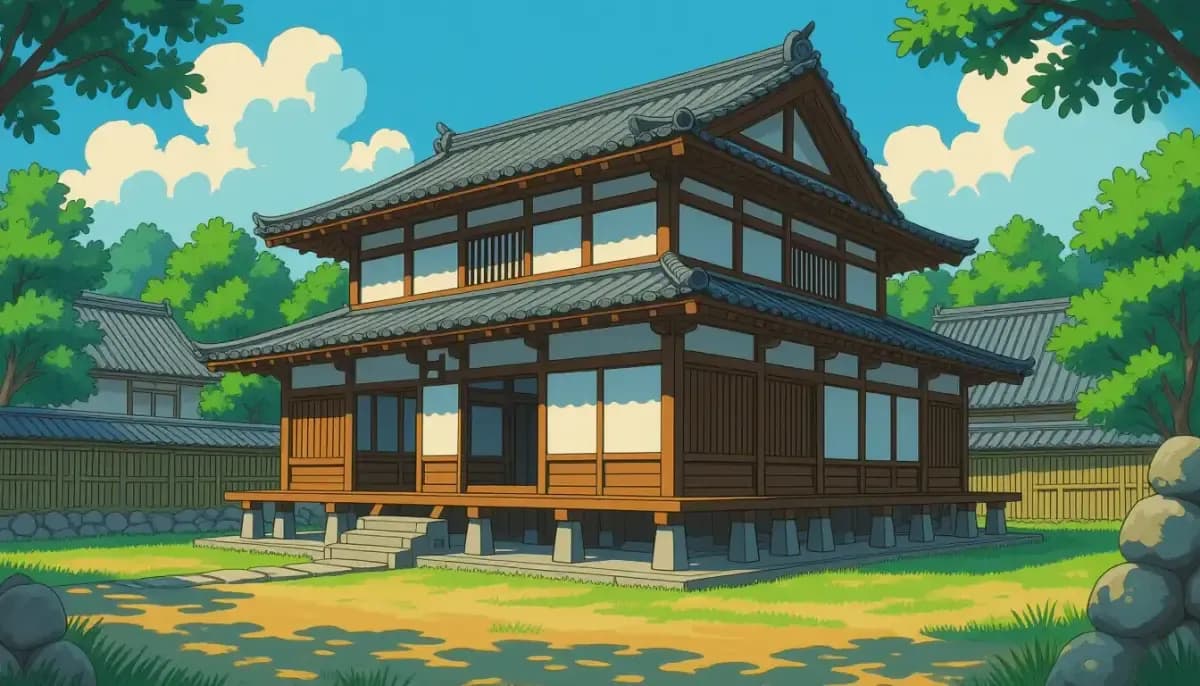
Complete guide to kominka structural assessment before buying in Japan. Covers 12-point inspection checklist, seismic safety standards, termite risks, inspection costs, and critical red flags to help foreign buyers make informed decisions.
Read more →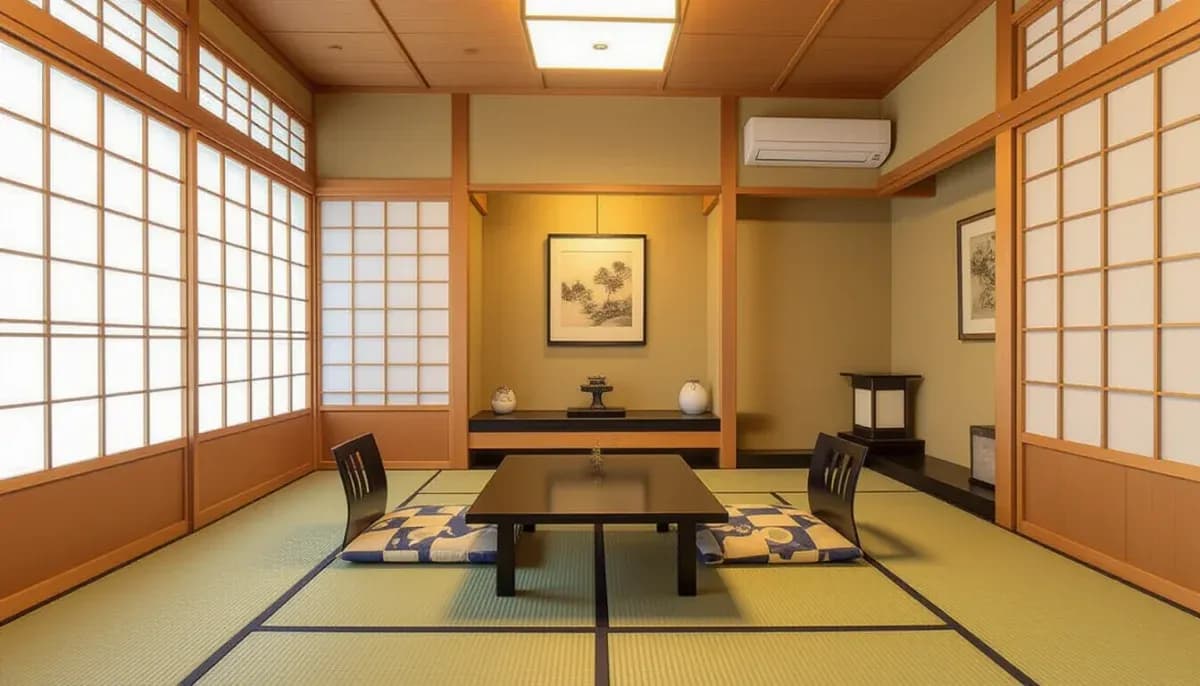
Discover traditional Japanese house interior design ideas: tatami rooms, shoji screens, tokonoma alcoves, and low furniture. A practical guide for foreigners decorating a Japanese home.
Read more →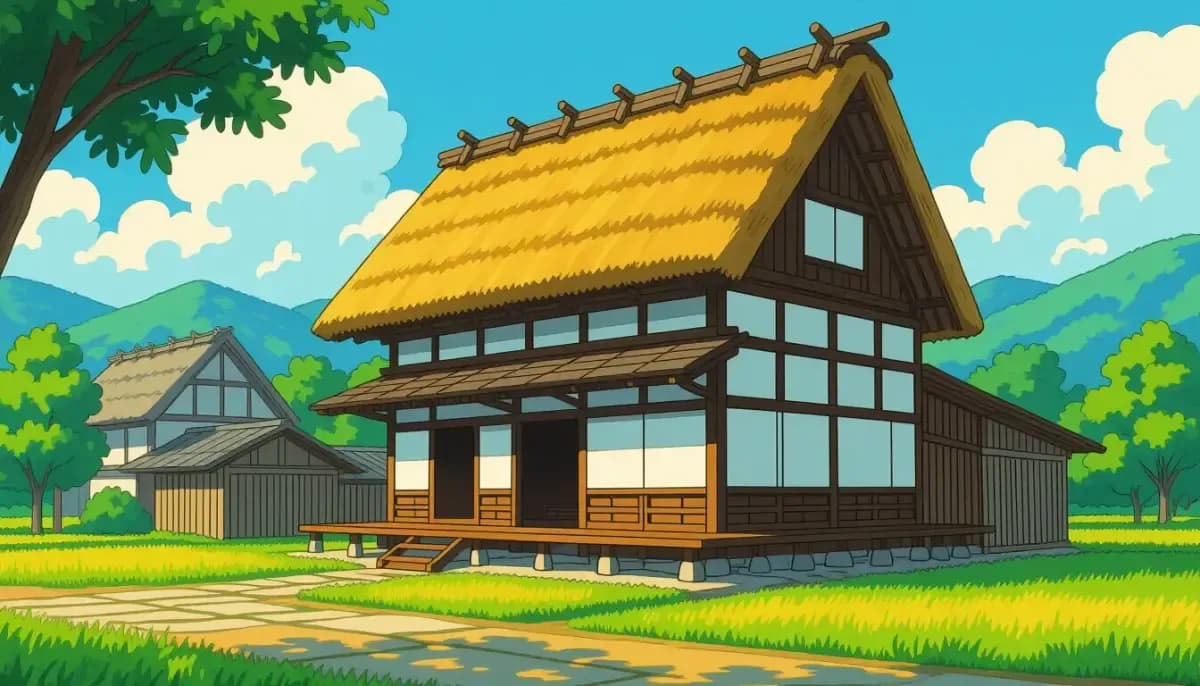
Discover the best platforms and resources to find kominka for sale in Japan. From KORYOYA to akiya banks, this guide covers every tool foreigners need to buy a traditional Japanese farmhouse.
Read more →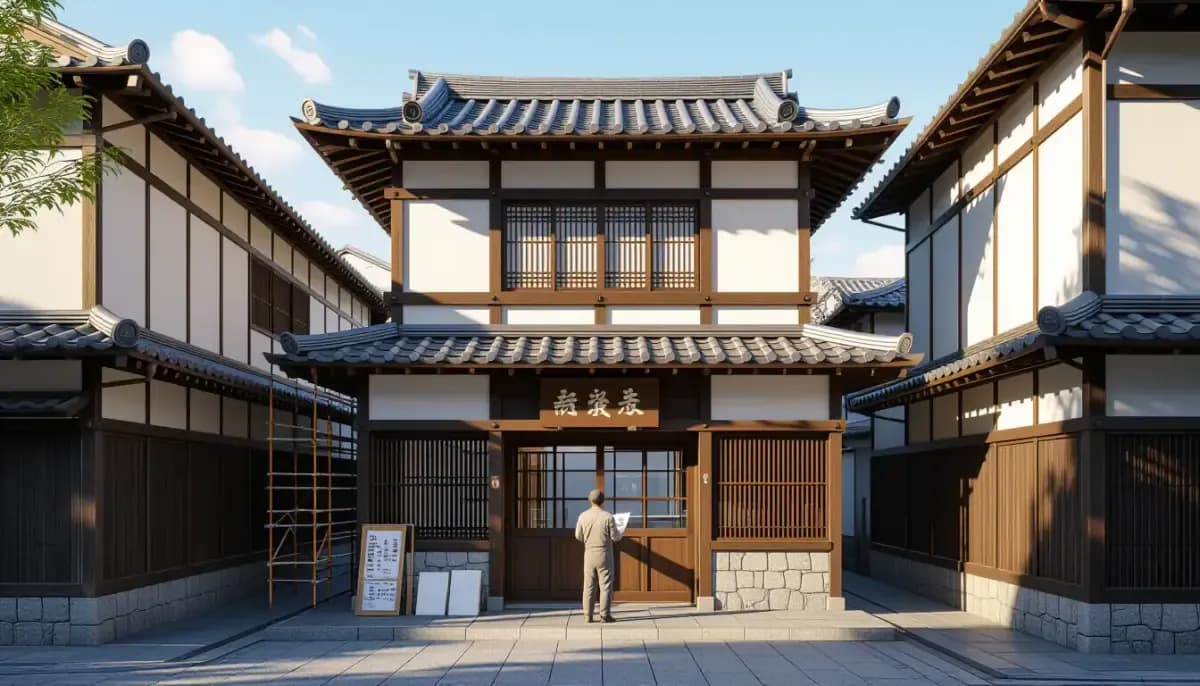
A complete guide to Japan's cultural preservation rules for kominka and machiya owners: designation tiers, renovation approval requirements, Kyoto's Machiya Ordinance, the 2023 Vacant Home Law, and practical steps for foreign property owners.
Read more →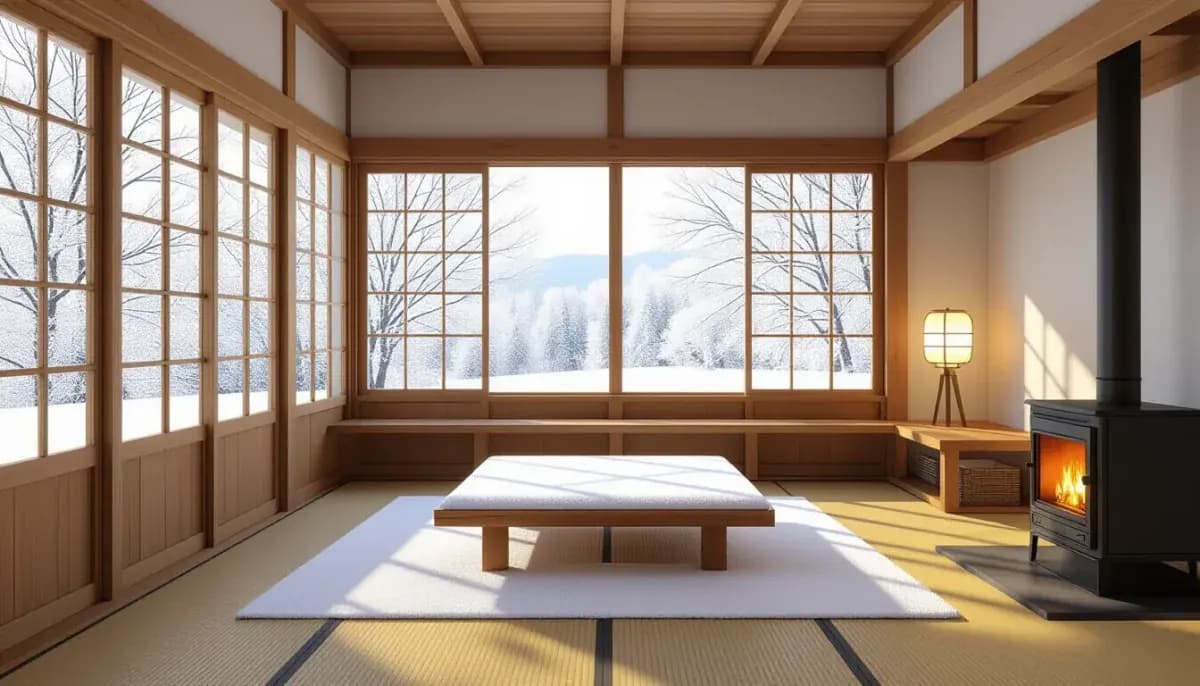
Traditional Japanese houses are notoriously cold in winter due to poor insulation and design for summer ventilation. Learn why, and how to fix it as a foreign buyer or renter with practical renovation tips and budget guides.
Read more →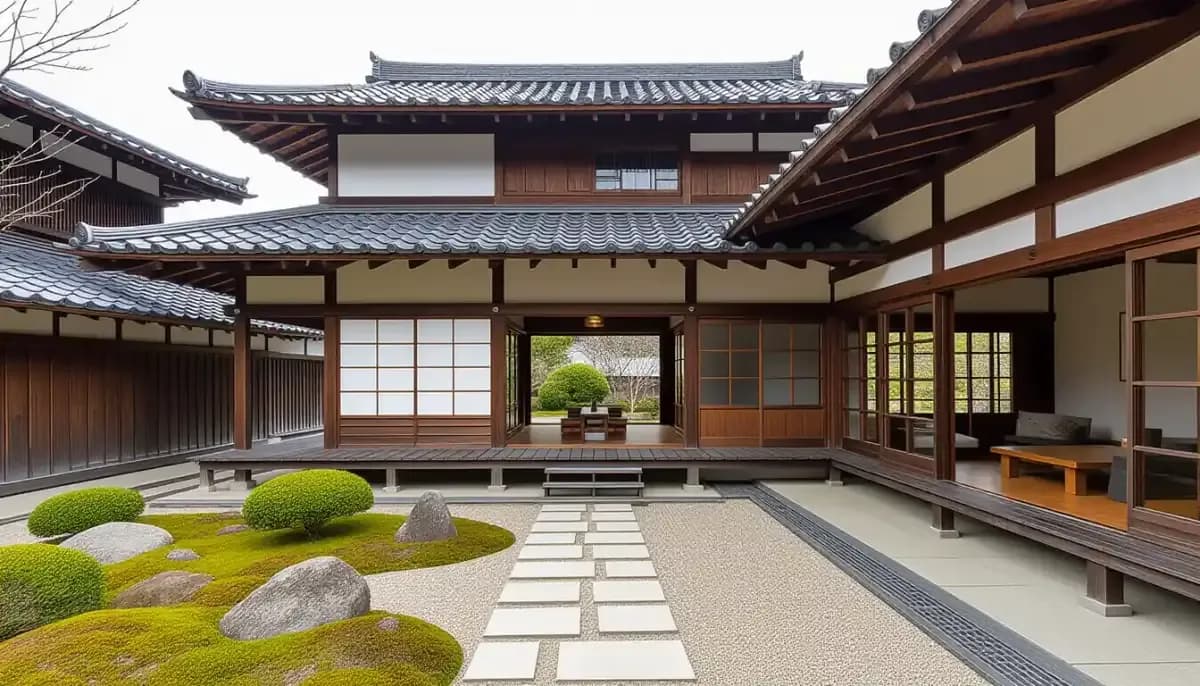
Complete guide to converting a traditional Japanese kominka into a profitable guesthouse business. Covers licensing, renovation costs, minpaku law, government subsidies, and business models for foreigners.
Read more →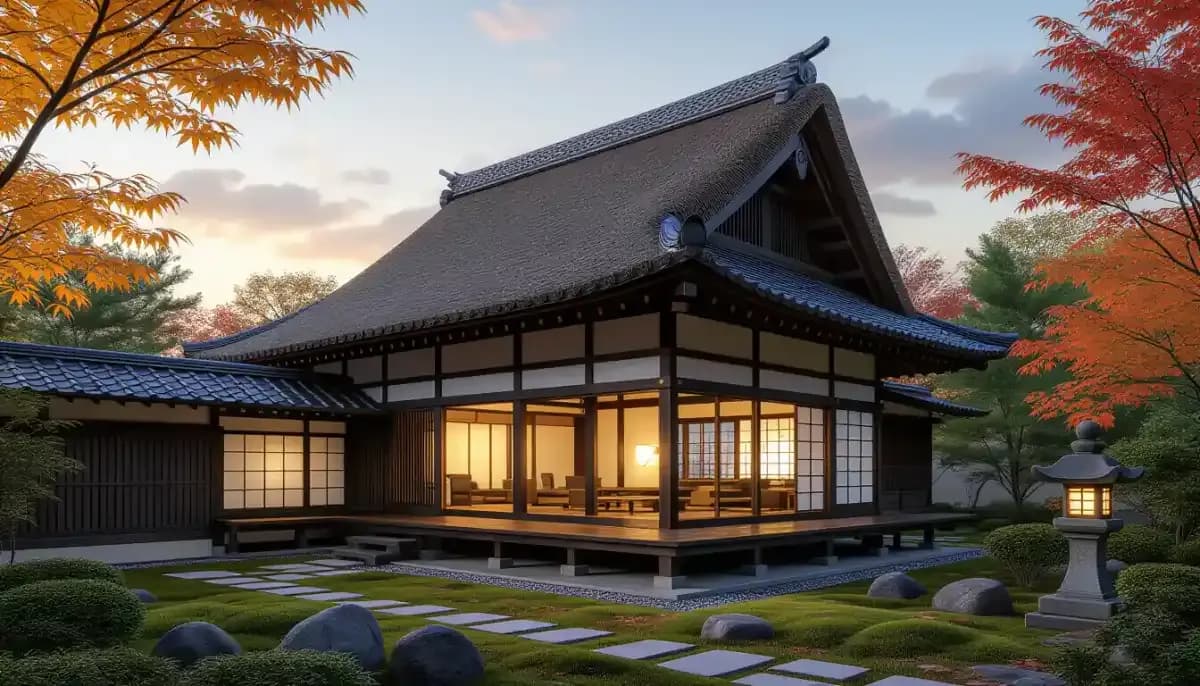
Understand traditional Japanese house architecture for foreign buyers: kominka, machiya, tatami, shoji, post-and-beam structure, costs, and what to expect when buying.
Read more →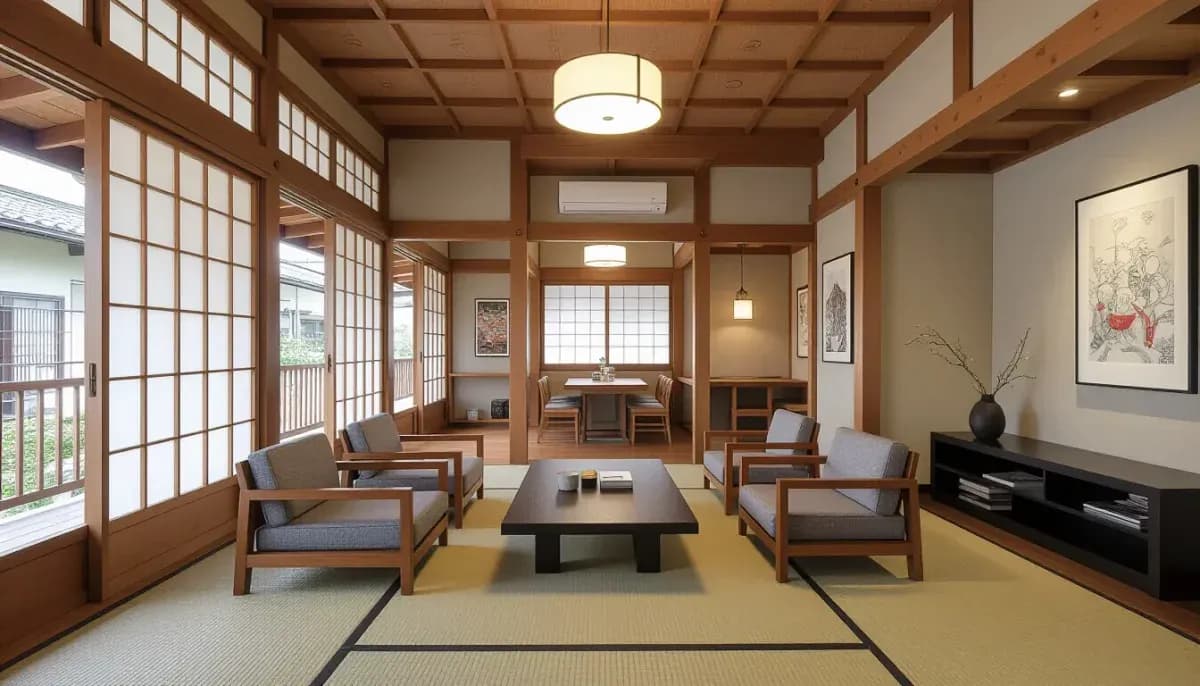
Complete guide to machiya renovation for modern living in Kyoto and beyond. Learn costs, regulations, seismic safety, finding contractors, and how foreigners can buy and renovate traditional Japanese townhouses.
Read more →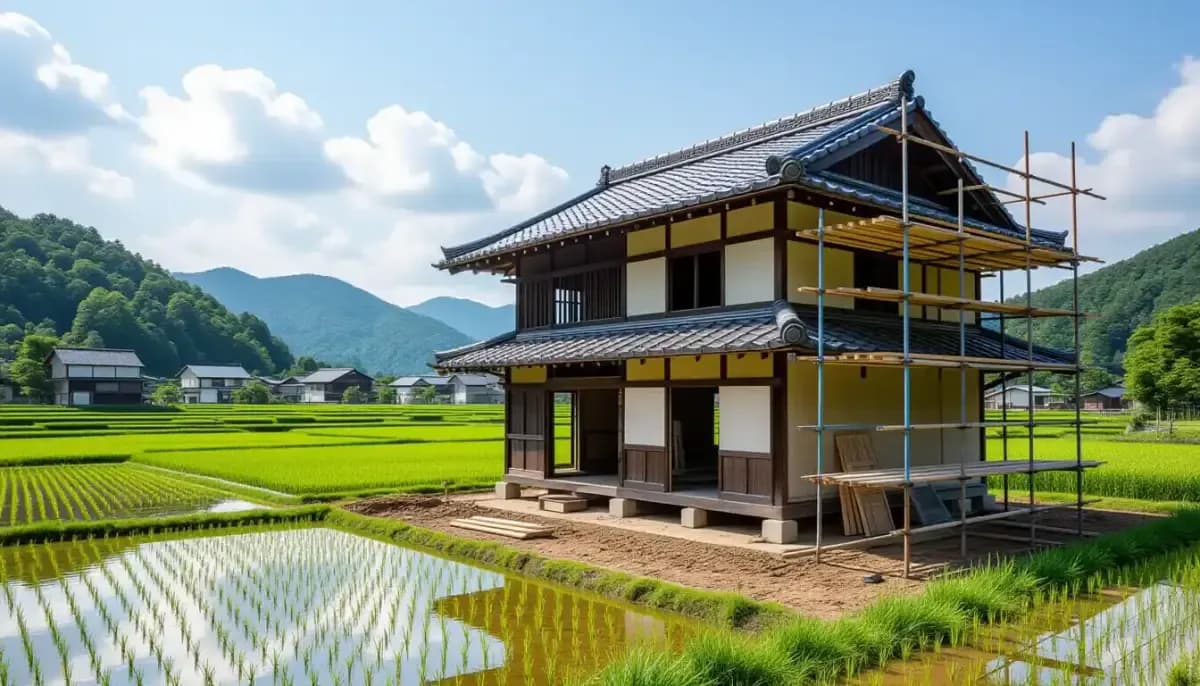
Complete guide to kominka renovation and restoration costs in Japan. Covers structural work, roofing, insulation, financing challenges, government subsidies, and contractor tips for foreign buyers of traditional Japanese farmhouses.
Read more →
Complete guide to buying a kominka in Japan as a foreigner. Learn about legal rights, costs, renovation budgets, financing options, hidden risks, and government subsidies for traditional Japanese farmhouses.
Read more →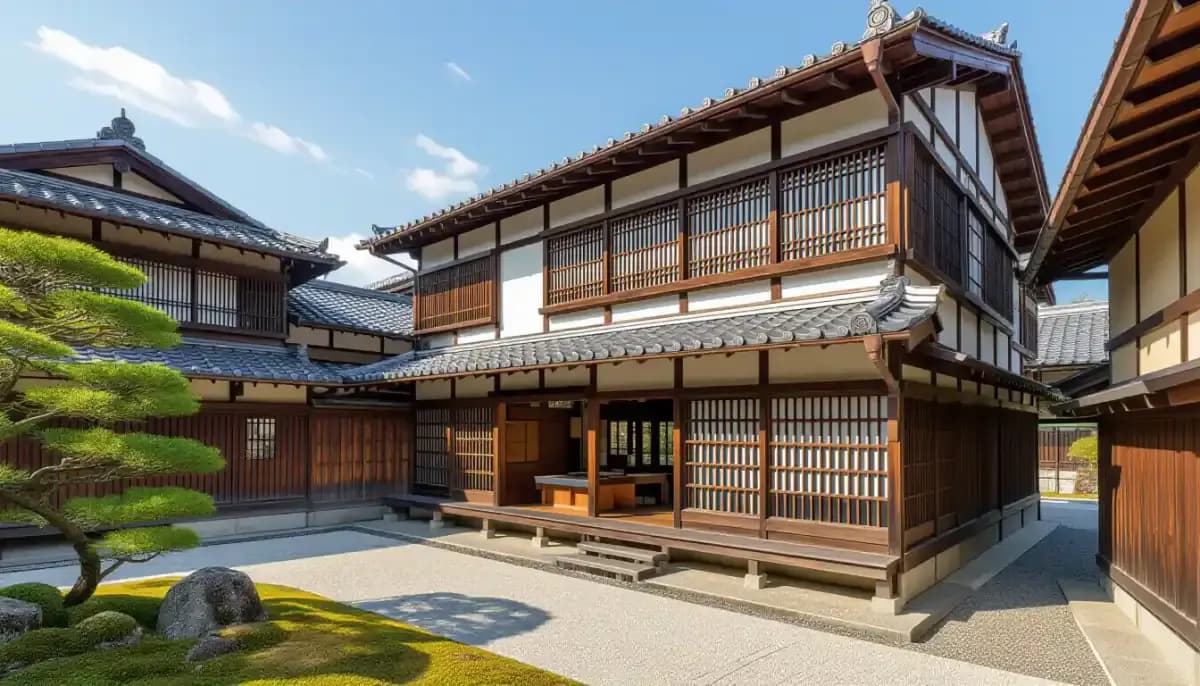
Discover Japan's iconic machiya townhouses: their 1,000-year history, unique architecture, and how foreigners can rent or buy these traditional wooden homes in Kyoto and beyond.
Read more →
Discover what a kominka is, its architectural features, costs, and how foreigners can buy and renovate these traditional Japanese farmhouses. Complete guide for expats.
Read more →