
Kominka Renovation and Restoration Cost Guide

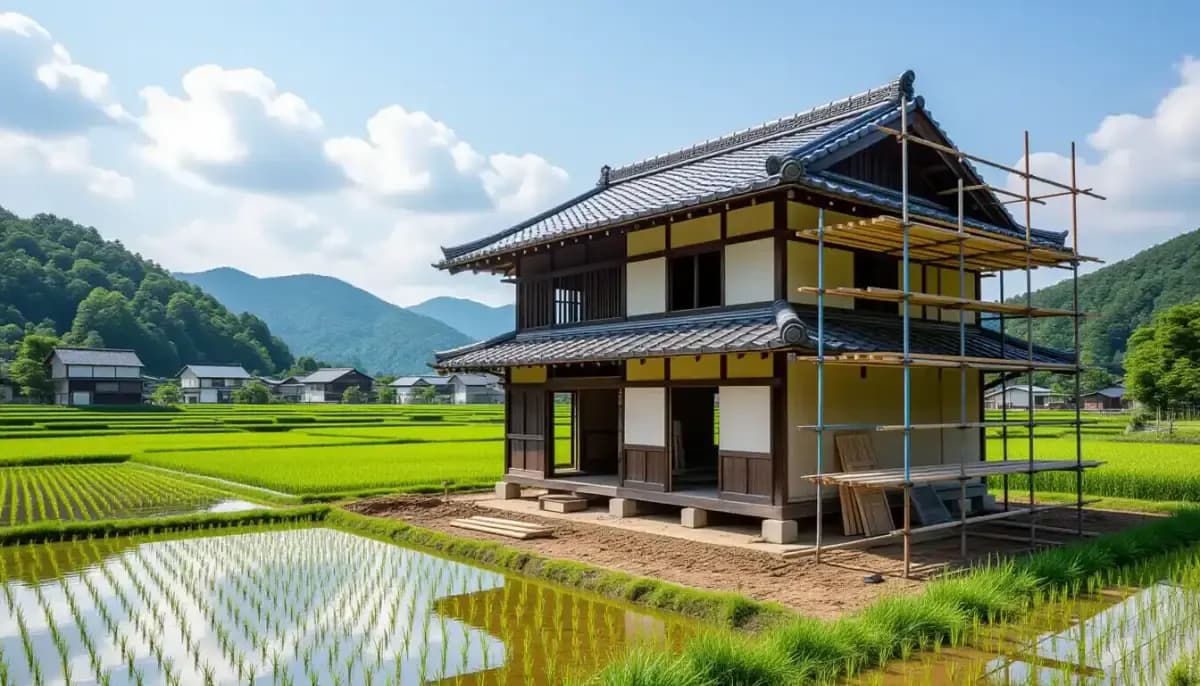
Complete guide to kominka renovation and restoration costs in Japan. Covers structural work, roofing, insulation, financing challenges, government subsidies, and contractor tips for foreign buyers of traditional Japanese farmhouses.
Kominka Renovation and Restoration Cost Guide for Foreigners in Japan
Buying a kominka — a traditional Japanese farmhouse — is one of the most romantic and rewarding paths to owning property in Japan. These centuries-old structures, with their soaring thatched roofs, blackened wooden beams, and earthen walls, represent a vanishing piece of Japanese architectural heritage. Yet for foreign buyers, understanding the true cost of renovating and restoring a kominka is absolutely essential before signing anything. This guide breaks down every major cost category, explains what to budget for, and helps you avoid the expensive surprises that catch so many buyers off guard.
What Is a Kominka and Why Are Renovation Costs So High?
A kominka (古民家, literally "old private house") typically refers to a traditional Japanese residence built before the Showa era (pre-1926 in strict usage, though commonly applied to pre-1960 rural farmhouses). These buildings were constructed using timber-frame techniques with earthen walls, clay tile or thatched roofs, and minimal insulation — perfectly suited to pre-industrial rural life, but far from modern living standards.
Renovation costs for kominka are high for several interconnected reasons. First, most kominka are large: a typical farmhouse is 150–200 square meters or more, with additional outbuildings. Second, decades or centuries of deferred maintenance mean structural problems are almost guaranteed — rotted timbers, damaged foundations, collapsed plaster walls, and outdated or non-existent plumbing and electrical systems. Third, restoring a kominka to livable condition while preserving its aesthetic character requires skilled traditional craftsmen (miyadaiku carpenters) whose services are increasingly rare and expensive.
Japan's akiya (empty home) crisis provides context: as of 2019, the country had 8.49 million vacant houses — 13.6% of all housing stock — with projections reaching 21.5 million by 2033. Many of these are kominka sitting empty in rural areas, priced cheaply or even listed on akiya banks for free. The low purchase price is genuinely attractive, but the renovation bill is where reality sets in.
For an overview of the broader rural property market in Japan, see our guide to rural and countryside properties in Japan for foreigners.
Kominka Renovation Cost Breakdown by Category
Understanding the major cost categories helps you build a realistic budget. Below are the primary expense areas you should plan for.
Structural and Foundation Work
The first and most critical inspection is structural. Traditional kominka were built directly on stone foundations (ishigumi) or with minimal footings — not suited to modern earthquake standards. The 1981 New Earthquake Resistance Standards (Shin Taishin) transformed Japanese building codes, and virtually all kominka predate these requirements.
Structural work typically includes: foundation reinforcement or replacement, repair of rotted sill plates and load-bearing posts, installation of earthquake bracing (jikugumi reinforcement), and termite damage remediation. Termites (shiroari) are a major problem in wooden structures throughout Japan, especially in humid regions.
Budget estimate: ¥2–6 million for moderate structural work; ¥8–15 million for severely compromised buildings.
Roof Repair or Replacement
The roof is often the single most expensive line item. Traditional thatched roofs (kayabuki) are extremely costly to restore — a full re-thatching on a large farmhouse can cost ¥10–20 million alone, and finding skilled thatchers is increasingly difficult. More commonly, buyers replace thatched roofs with modern clay tile (kawara) or metal roofing, which costs ¥3–8 million depending on size and material.
Even tile roofs need attention: broken tiles, failed ridge caps, and deteriorated underlayment allow water infiltration that causes cascading damage. Roof work should always be prioritized early in the renovation sequence.
Budget estimate: ¥3–8 million for tile re-roofing; ¥10–20 million for traditional thatch restoration.
Insulation and Thermal Upgrades
Traditional kominka have almost no insulation. Single-pane shoji screens and large, drafty windows make Japanese winters brutal in older homes. Modern habitation requires proper wall, floor, and ceiling insulation, as well as upgraded windows (double-glazed or secondary glazing).
This is often the renovation item most underestimated by foreign buyers coming from climates with different building norms. Poor insulation doesn't just mean discomfort — it means enormous heating bills and potential condensation and mold problems.
Budget estimate: ¥1.5–4 million for comprehensive insulation and window upgrades.
Plumbing and Electrical Systems
Nearly all kominka require complete replacement of plumbing and electrical systems. Rural properties may rely on agricultural irrigation water (農業用水) rather than municipal water, requiring conversion. Septic systems (jokasou) need inspection and often replacement. Electrical systems in older buildings frequently cannot handle modern appliance loads.
If you plan to install underfloor heating (yuka-danbo), a modern bathroom with shower and bathtub, or a Western-style kitchen, budget accordingly for the associated plumbing and electrical work.
Budget estimate: ¥2–5 million for plumbing and electrical combined.
Interior Renovation
Interior work includes wall plastering (shikkui, the traditional lime plaster used in kominka interiors is both beautiful and expensive to restore), flooring replacement or repair, tatami replacement, ceiling work, and kitchen and bathroom installation. Modern kitchens and bathrooms represent a significant cost as kominka typically had very basic facilities.
Buyers who want to preserve traditional interior finishes — polished earthen floors (doma), original wooden ceiling boards, shoji and fusuma screens — should budget for specialist craftsmen rather than general contractors.
Budget estimate: ¥3–8 million for interior renovation depending on scope and finish level.
Total Kominka Renovation Cost: Realistic Budget Ranges
The table below summarizes realistic total renovation budgets based on scope of work for a typical 150–200 sqm kominka in moderate condition. These figures do not include the purchase price of the property.
| Renovation Scope | Description | Estimated Cost |
|---|---|---|
| Minimal Livability | Basic safety repairs, essential systems, simple kitchen/bath | ¥2–5 million |
| Mid-Range Renovation | Structural reinforcement, full systems, modern kitchen/bath, basic insulation | ¥6–12 million |
| Full Renovation (Modern Comfort) | All systems, full insulation, quality finishes, earthquake retrofit | ¥13–20 million |
| Heritage Restoration | Traditional materials and craftsmen, thatched roof, preservation-grade | ¥20–40+ million |
| Large/Severely Deteriorated | Any scope on very large or badly damaged properties | ¥30 million+ |
Important caveat: Budget overruns of 20–30% are common in kominka renovations. Once walls are opened and floors are lifted, hidden problems are routinely discovered. Always maintain a contingency reserve of at least 20% of your total budget.
Government Subsidies for Kominka Renovation
One of the most underutilized resources for kominka buyers — including foreign buyers — is the range of government subsidies available for renovation work. Japanese municipalities and prefectures offer grants covering 10–80% of eligible expenses in several categories:
- Earthquake resistance improvement (耐震改修補助): Most municipalities subsidize seismic retrofitting work. Typical subsidies cover 23–50% of costs up to ¥1–3 million.
- Akiya revitalization (空き家活用補助): Many rural municipalities desperately want to bring vacant homes back into use and offer generous grants to buyers who renovate akiya for residential use.
- Historic preservation (歴史的建造物保存補助): Cities with active preservation policies, such as Kanazawa, can offer grants of up to ¥15 million for restoration work on designated historic properties.
- Energy efficiency upgrades (省エネ改修): National and prefectural programs support insulation and efficient heating/cooling system installation.
Foreign buyers are generally eligible for these subsidies, though the application process requires Japanese language proficiency (or a bilingual agent/representative). Subsidies are applied for after purchase and require documentation of work by registered contractors. Check with your target municipality's urban planning or housing department for currently available programs.
For a full breakdown of taxes and ongoing ownership costs, see our guide to property taxes and annual costs of owning property in Japan.
Financing Challenges for Foreign Buyers
Renovation financing is one of the most significant practical hurdles for foreign buyers of kominka. Japanese banks typically require either permanent residency (永住権) or Japanese citizenship to qualify for a housing loan (jutaku loan). Without this, most foreign buyers must fund both the purchase price and renovation costs entirely from personal savings or overseas financing.
This is not a minor obstacle. Even if a kominka is purchased for ¥500,000, a proper renovation may require ¥10–20 million in cash. Some regional banks and credit unions (shinkin banks) have become more flexible in recent years, particularly in rural areas eager to attract new residents, but this remains the exception rather than the rule.
Foreign buyers with permanent residency have access to the same housing loan products as Japanese citizens, including Japan Housing Finance Agency (JHF) renovation loans with favorable fixed rates. Some programs specifically support akiya renovation.
For detailed information on financing options, see our guide to mortgages and home loans for foreigners in Japan.
Finding Contractors for Kominka Renovation
Hiring the right contractor is critical — and more complex for kominka than for modern buildings. Key points to understand:
General contractors vs. specialist craftsmen: Standard general contractors (kensetsu kaisha) can handle most modern systems work, but traditional kominka elements — earthen walls, wooden structural joinery, traditional plaster — require specialist craftsmen. For a heritage restoration, you want a miyadaiku (shrine/temple carpenter) or a contractor with documented kominka experience.
Getting quotes: Always obtain at least 3 quotes (mitsumori) from different contractors. Prices vary enormously. Provide each contractor with the same scope of work for fair comparison.
Language barrier: Contractor communication in rural Japan is almost exclusively in Japanese. Unless you are fluent, you will need a bilingual renovation manager, interpreter, or a specialist firm that works with foreign clients.
Rural limitations: In remote rural areas, contractor availability is limited, and travel costs add up. Some excellent contractors in Kyoto or Kanazawa will travel to rural projects but charge accordingly.
Resources like Old Houses Japan offer practical community-sourced advice from foreigners who have navigated this process. For general expat living guidance in Japan, Living in Nihon covers a wide range of topics relevant to foreigners settling in Japan. Job seekers and long-term residents can also find useful practical resources at For Work in Japan.
Key Steps Before Committing to a Kominka Purchase
Before signing a purchase agreement on a kominka, take these essential steps to avoid costly surprises:
- Commission a building inspection (kekkan tantou inspection): Standard Japanese real estate transactions do not automatically include inspections. Hire an independent inspector (kenzai kentei-shi or a home inspector registered with JSHI) to assess structural condition, termite damage, roof integrity, and systems.
- Get a preliminary renovation estimate: Before purchase, ask 1–2 contractors to walk through the property and provide rough estimates. This is often possible before signing.
- Verify water and sewage access: Confirm whether the property has municipal water supply or relies on a well, and whether it has a functioning septic system or connection to sewage.
- Check subsidy eligibility: Contact the local municipal office to ask what renovation subsidies are currently available and whether the property is eligible.
- Understand legal status: Some very old kominka are not registered as buildings (mitouki) or have unregistered additions. Clarify legal status before purchase.
For a complete walkthrough of the purchase process, see our step-by-step home buying process guide for foreigners in Japan.
Is Kominka Renovation Worth It for Foreigners?
For the right buyer with the right budget and realistic expectations, renovating a kominka can be enormously rewarding — both personally and financially. Successfully renovated kominka in desirable rural or heritage locations command strong rental rates as vacation rentals and guesthouses (minpaku), and the properties themselves often appreciate significantly after thoughtful restoration.
The key is entering the process with eyes open: a ¥1 million purchase price does not mean a ¥1 million project. Total costs including renovation routinely reach ¥15–25 million for a comfortable, well-finished result. For buyers with the patience, budget, and cultural curiosity to see it through, the outcome — a beautiful piece of living Japanese history — is unlike anything money can buy in a new-build development.
For a broader look at property types available in Japan, including comparisons between kominka, akiya, and modern homes, see our complete guide to types of properties available in Japan.
For more guidance on buying property in Japan as a foreigner, explore our complete guide to buying property in Japan as a foreigner. For foreign buyers interested in the rural property market specifically, our resources at Gaijin Buy House offer community-sourced experience from foreigners navigating the Japanese property market. For a deeper look at Japan's akiya market, inakalifestyle.com provides an excellent introduction to akiya, kominka, and old houses in Japan.

Originally from Vietnam, living in Japan for 16+ years. Graduated from Nagoya University, with 11 years of professional experience at Japanese and international companies. Sharing information about buying property in Japan for foreigners.
View Profile →Related Articles
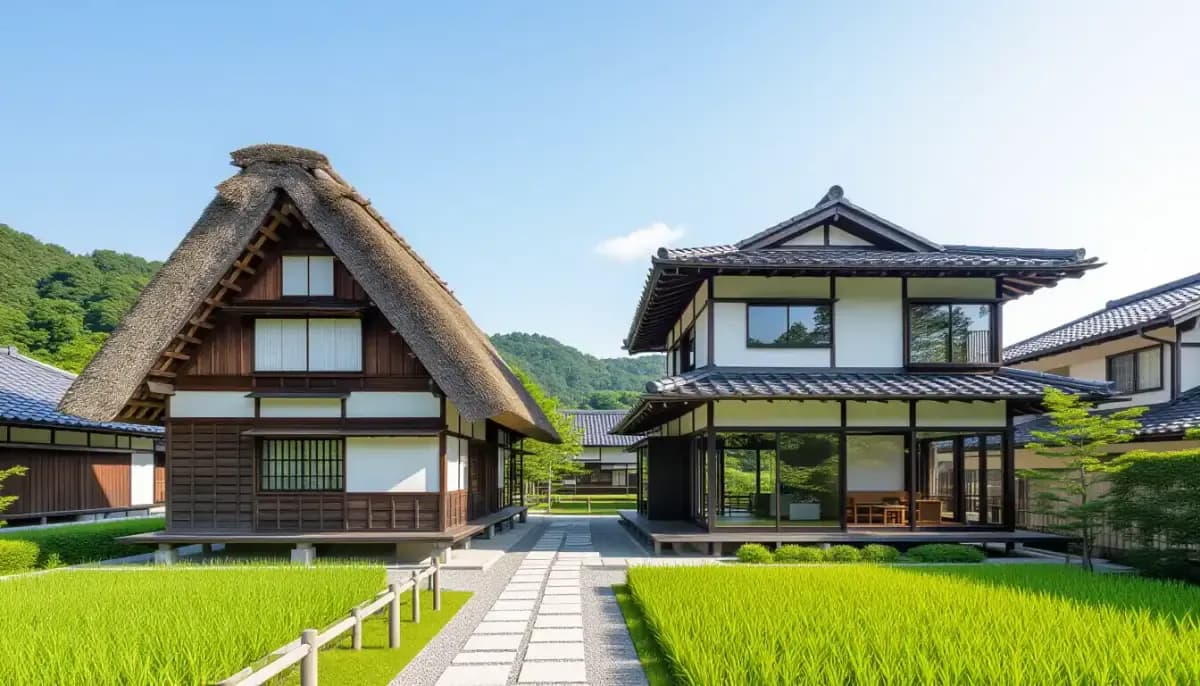
Traditional vs Modern House in Japan: Lifestyle Comparison
Compare traditional Japanese houses (kominka, machiya) vs modern homes for foreign buyers. Costs, comfort, cultural experience, and practical buying advice for expats in Japan.
Read more →
Kominka Structural Assessment and Safety Guide Before Buying
Complete guide to kominka structural assessment before buying in Japan. Covers 12-point inspection checklist, seismic safety standards, termite risks, inspection costs, and critical red flags to help foreign buyers make informed decisions.
Read more →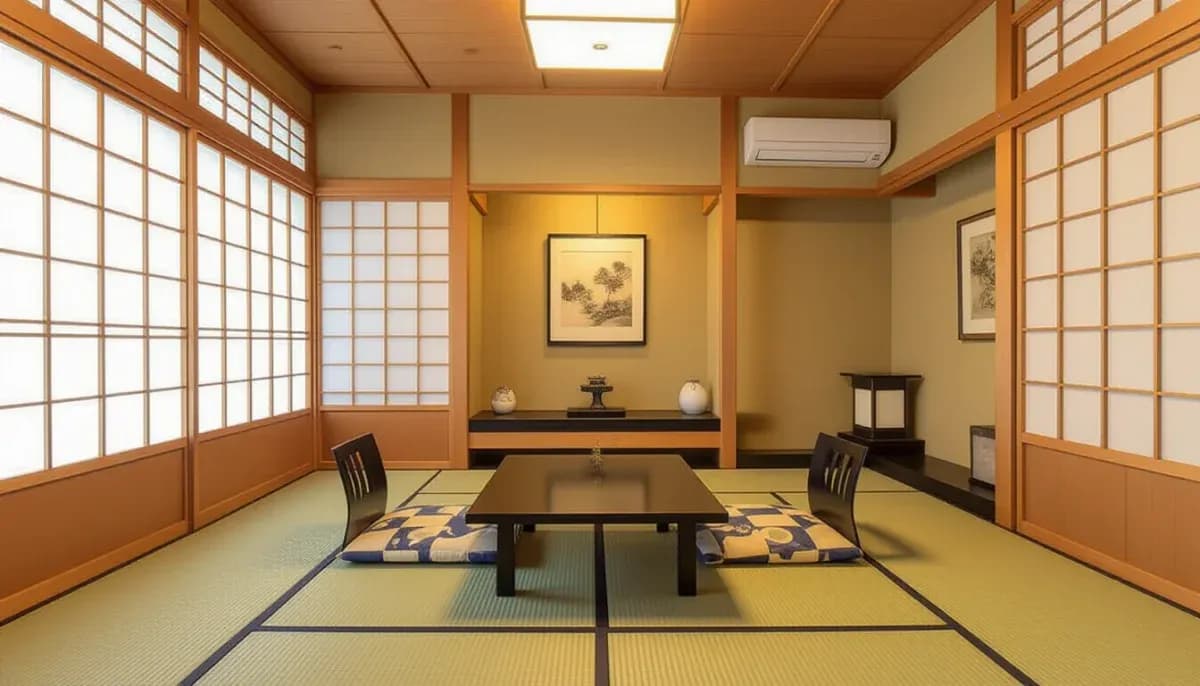
Traditional Japanese House Interior Design and Decoration Ideas
Discover traditional Japanese house interior design ideas: tatami rooms, shoji screens, tokonoma alcoves, and low furniture. A practical guide for foreigners decorating a Japanese home.
Read more →
Where to Find Kominka for Sale in Japan: Resources and Platforms
Discover the best platforms and resources to find kominka for sale in Japan. From KORYOYA to akiya banks, this guide covers every tool foreigners need to buy a traditional Japanese farmhouse.
Read more →
Cultural Preservation Rules for Kominka and Machiya Owners
A complete guide to Japan's cultural preservation rules for kominka and machiya owners: designation tiers, renovation approval requirements, Kyoto's Machiya Ordinance, the 2023 Vacant Home Law, and practical steps for foreign property owners.
Read more →
Heating and Insulation Challenges in Traditional Japanese Houses
Traditional Japanese houses are notoriously cold in winter due to poor insulation and design for summer ventilation. Learn why, and how to fix it as a foreign buyer or renter with practical renovation tips and budget guides.
Read more →