
Kyoto Machiya (Traditional Townhouse) Buying Guide for Foreigners

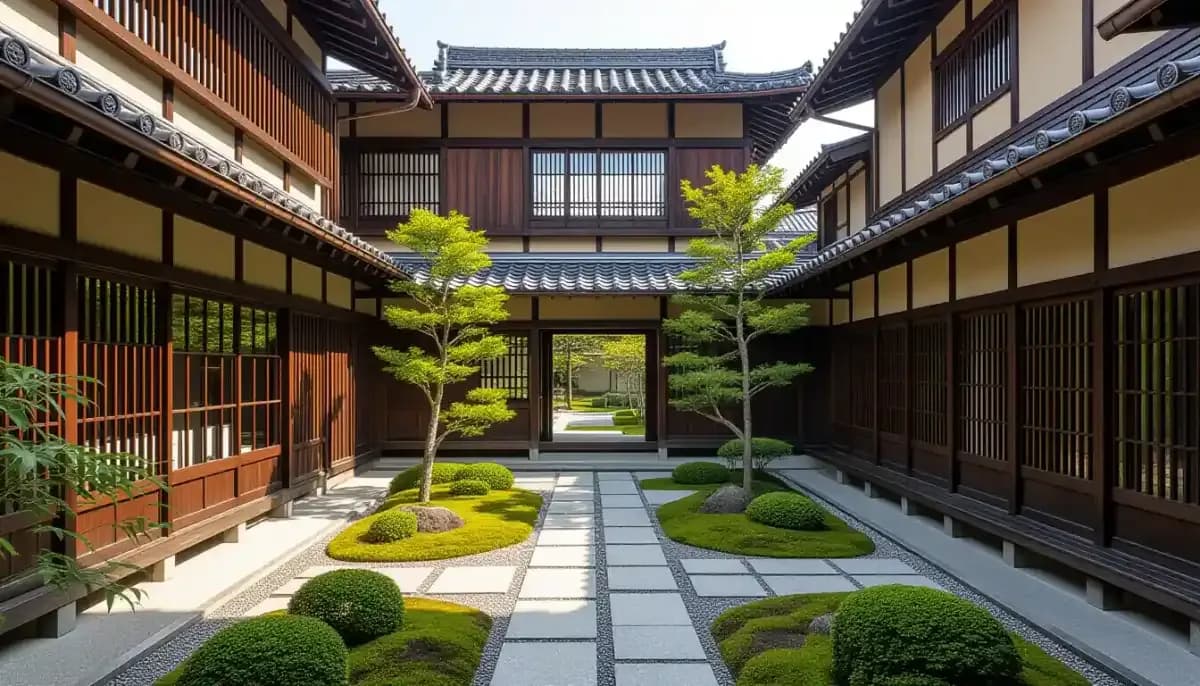
Complete guide to buying a Kyoto machiya (traditional townhouse) as a foreigner. Covers prices (¥8M–¥200M+), renovation costs, legal requirements, taxes, and short-term rental potential.
Kyoto Machiya (Traditional Townhouse) Buying Guide for Foreigners
Imagine waking up in a 100-year-old wooden townhouse in one of Kyoto's historic lanes, light filtering through shoji screens onto tatami floors, and the sound of a stone garden fountain drifting in from the courtyard. For many foreigners living in or dreaming about Japan, buying a Kyoto machiya is the ultimate expression of that vision. But how realistic is it — and what does the process actually look like for non-Japanese buyers?
This guide covers everything you need to know: what machiya are, who can buy them, how much they cost, what renovation really entails, and how to navigate Kyoto's unique property regulations as a foreigner.
For a broader overview of the buying process in Japan, see our Complete Guide to Buying Property in Japan as a Foreigner and Can Foreigners Buy Property in Japan?.
What Is a Kyoto Machiya?
The word machiya (町家) literally means "town house." In Kyoto's context, it refers specifically to the narrow, deep wooden townhouses that once lined every commercial and residential street in the city. Under Kyoto's Machiya Ordinance, a machiya is legally defined as a wooden structure built before 1950 using traditional construction techniques — stone foundations, timber columns connected with wooden joints rather than nails, clay-and-bamboo walls, and latticed wooden facades.
Their distinctive long, narrow floorplan — deep plots running back from a narrow street-facing frontage — earned them the nickname "eel's bed" (unagi no nedoko). Inside, they typically follow a sequence of spaces: a front storefront or entrance (mise-no-ma), living areas, a central courtyard garden (tsuboniwa), and utility spaces toward the rear.
Today, fewer than 40,000 machiya remain in Kyoto, and that number declines by roughly 2% each year as older structures are demolished and replaced. The city's Machiya Ordinance, introduced in 2017, aims to slow this loss by classifying surviving machiya as cultural assets and imposing conditions on demolition.
Can Foreigners Buy a Machiya in Kyoto?
Yes — with no legal restrictions. Japan places no nationality or residency requirements on property ownership. You do not need Japanese citizenship, permanent residency, or even a valid Japanese visa to purchase a machiya. Foreigners are only required to file a written notification with the Bank of Japan within 20 days of purchasing real property.
There are, however, practical considerations:
- Financing: If you do not reside in Japan, you will not be eligible for housing loans from Japanese banks. Most non-resident foreign buyers purchase machiya with cash. Even Japan-resident foreigners often find mortgage approval challenging for older wooden properties. See our guide on Mortgages and Home Loans for Foreigners in Japan for full details.
- Tax administrator: Non-resident foreign buyers must appoint a resident tax administrator (納税管理人) in Japan to handle tax filings on their behalf.
- Un-rebuildable lots: Many machiya sit on plots accessed via alleys narrower than 4 metres — the minimum required for firefighting access. These are designated "un-rebuildable" (saikenfu) lots. If the machiya is partially damaged, it can be renovated, but if it is fully demolished you cannot build a new structure in its place. This is a critical due-diligence point.
For step-by-step guidance on the purchase process, read our Step-by-Step Home Buying Process in Japan for Foreigners.
Kyoto Machiya Price Ranges (2025)
Machiya prices vary enormously depending on location, condition, size, and whether the property has already been renovated.
| Category | Typical Price Range | Notes |
|---|---|---|
| Un-renovated, suburban Kyoto | ¥8M – ¥20M | Requires full renovation; may be on saikenfu lot |
| Un-renovated, central Kyoto | ¥20M – ¥50M | Higher land value; still requires major work |
| Partially renovated | ¥25M – ¥60M | Structural work done; interior may need finishing |
| Fully renovated, mid-tier location | ¥30M – ¥80M | Move-in or rental-ready; good value for investors |
| Fully renovated, premium location (Gion, Higashiyama) | ¥80M – ¥200M+ | Highest demand from international buyers |
Most foreign buyers working with a ¥20M–¥40M budget will find opportunities in renovated properties in secondary neighbourhoods, or un-renovated machiya that they intend to restore. Properties with active short-term rental (minpaku) licences command a premium because the licence is tied to the property.
One reputable source of listings is Hachise Co. Ltd., a Kyoto specialist that works with international buyers and provides English-language documentation. For broader market context, Heritage Homes Japan offers a useful overview of the Kyoto investment landscape.
Renovation Costs: What to Expect
Buying an un-renovated machiya is only the beginning — the real cost for many buyers is in the restoration. Kyoto machiya typically require significant structural, electrical, plumbing, and insulation work before they are comfortable to live in year-round.
| Renovation Scope | Estimated Cost per sqm | Notes |
|---|---|---|
| Basic habitability (plumbing, electrics, insulation) | ¥100,000 – ¥150,000 | Minimal aesthetic work |
| Standard full renovation | ¥180,000 | Average for residential use |
| Guesthouse / short-term rental grade | ¥220,000+ | Fire safety, accessibility, high-end finishes |
| Full structural restoration with materials preservation | ¥250,000 – ¥400,000+ | Using traditional materials (tsuchikaabe, engawa, etc.) |
A typical 100–130 sqm machiya with a full renovation therefore costs ¥18M–¥26M in renovation alone, on top of the purchase price. Budget accordingly, and always get at least two contractor quotes from firms experienced in traditional wooden structures.
Key renovation considerations unique to machiya:
- Seismic reinforcement: Pre-1950 structures were not built to modern earthquake standards. Adding seismic bracing (耐震補強) is strongly recommended and sometimes required for change-of-use permits.
- Insulation: Traditional machiya were designed for Kyoto's humid summers but are cold in winter. Adding proper wall, floor, and roof insulation dramatically improves comfort.
- Fire safety: If converting to a rental or guesthouse, Japanese fire codes require sprinkler systems, emergency lighting, and smoke detectors at specified intervals.
- Preservation requirements: In some districts (particularly scenic zone areas and registered cultural property zones), exterior alterations require approval from Kyoto City's urban landscape authority (景観審議会).
For a detailed cost breakdown of the overall purchase process, see our article on Hidden Costs and Fees When Buying Property in Japan.
Purchase Costs and Taxes
Beyond the property price, buying a machiya involves a range of one-time and ongoing costs.
| Cost Item | Amount / Rate | Timing |
|---|---|---|
| Earnest money deposit | ~10% of purchase price | At contract signing |
| Agent commission | ~3% of purchase price + ¥60,000 + tax | At signing and closing |
| Stamp duty | ~¥10,000 (for contracts under ¥50M) | At contract signing |
| Registration and licence tax | ~0.3%–2% of assessed value | At closing |
| Real Estate Acquisition Tax (land) | 1.5% of assessed value | 3–6 months post-closing |
| Real Estate Acquisition Tax (building) | 3% of assessed value | 3–6 months post-closing |
| Judicial scrivener fee | ¥100,000–¥200,000 | At closing |
| Annual Fixed Asset Tax | 1.4% of assessed value | Ongoing (annual) |
| Annual City Planning Tax | 0.3% of assessed value | Ongoing (annual) |
Non-resident buyers should also budget for the appointment of a tax administrator and, if using foreign currency, for foreign exchange and international wire transfer costs. Read our full guide to Property Taxes and Annual Costs of Owning Property in Japan for more detail.
Machiya as an Investment: Short-Term Rental Potential
One of the primary financial drivers for foreign buyers is the machiya's appeal as a luxury short-term rental property. Kyoto's tourism market is consistently among the strongest in Japan, and overseas visitors in particular seek out authentic traditional accommodation.
Key investment indicators:
- Kyoto's short-term rental (Airbnb/VRBO) market shows median occupancy rates of approximately 80% — well above most international vacation rental markets.
- Renovated machiya listed as high-end vacation rentals in central Kyoto can achieve nightly rates of ¥30,000–¥150,000 depending on size and location.
- Many properties remain booked throughout the year as international tourists increasingly prefer authentic accommodation over standardised hotels.
However, operating a short-term rental in Japan requires a minpaku licence under the Minpaku Act (2018). In Kyoto, these licences are subject to additional city-level restrictions:
- Short-term rentals in residential zones are limited to a maximum of 180 nights per year.
- Some historic districts have even stricter limits or outright prohibitions on new minpaku licences.
- Properties with existing licences are therefore more valuable — confirm the licence status before purchase and whether it transfers with ownership.
For comprehensive background, Living in Nihon's Japan Property Buying and Mortgage Guide is an excellent resource for foreigners navigating Japan's property market.
The Buying Process: Step by Step
Buying a machiya follows the same basic process as any Japanese real estate transaction. Here is a condensed overview for foreign buyers:
- Define your budget and purpose — residential use, long-term rental, or short-term rental (minpaku). This determines which properties you can target and what renovation you will need.
- Engage a bilingual real estate agent — specialist agencies (Hachise, Arrows International Realty, Real Estate Kyoto) work regularly with international buyers and provide English contracts.
- Property search and inspections — view shortlisted machiya and commission a structural inspection (建物調査). For un-renovated machiya, hire a firm with traditional timber construction expertise.
- Confirm zoning and rebuild status — verify whether the plot is saikenfu (un-rebuildable), which zoning district it falls in, and whether any preservation orders apply.
- Sign the purchase agreement (売買契約) — pay the earnest money deposit (~10% of price). The seller's agent provides an Explanation of Important Matters (重要事項説明書) document, now available in English in Kyoto.
- Complete closing — pay the balance and receive the title deed (登記済権利証). A judicial scrivener (司法書士) handles registration.
- Appoint a tax administrator (non-residents only) and file Bank of Japan notification within 20 days.
For the full legal and documentation checklist, see Legal Procedures and Documentation for Japan Property Purchase.
Practical Tips for Foreign Buyers
- Stay first, buy second. Several Kyoto machiya specialist agencies offer short-term rental units managed specifically so that prospective buyers can experience machiya living before committing. This is strongly recommended.
- Budget realistically for renovation. First-time buyers consistently underestimate renovation costs. A thorough structural survey before purchase is essential.
- Check the neighbourhood association (自治会). Machiya neighbourhoods have active jichikai (neighbourhood associations) with community rules on waste disposal, event participation, and property maintenance. As a foreign owner, especially a non-resident one, establishing a relationship with the jichikai is important.
- Understand Kyoto's vacant home tax. Kyoto became the first city in Japan to introduce a tax on vacant homes (空き家税). Non-resident owners who leave a purchased machiya empty are liable.
- Use trusted specialists. For Work in Japan's house buying guide and Gaijin Buy House's complete foreigner guide both offer useful frameworks for understanding the Japanese purchase process as a foreigner.
Kyoto Machiya vs. Other Traditional Property Types
| Property Type | Location | Price Range | Rebuild Allowed | Renovation Complexity |
|---|---|---|---|---|
| Kyoto Machiya | Central/suburban Kyoto | ¥8M–¥200M+ | Often restricted | High (specialist contractors needed) |
| Kominka (rural farmhouse) | Countryside | ¥3M–¥30M | Usually allowed | Very high (large scale) |
| Akiya (general vacant house) | Nationwide | ¥0–¥20M | Usually allowed | Variable |
| Standard older house | Urban Japan | ¥10M–¥50M | Usually allowed | Moderate |
For more on rural and traditional properties across Japan, see our guide to Rural and Countryside Properties in Japan for Foreign Buyers and the Types of Properties Available in Japan: A Complete Guide.
Conclusion: Is Buying a Kyoto Machiya Right for You?
A Kyoto machiya offers something rare in the modern property market: a genuine connection to living history, in one of the world's most visited and culturally rich cities. For the right buyer — patient, budget-prepared, culturally engaged — it can be both a deeply rewarding home and a sound investment.
The key is entering the process with realistic expectations. Machiya ownership demands more due diligence, more renovation budget, and more ongoing attention than a standard Japanese property. But for those willing to invest the time and resources, the rewards — aesthetic, cultural, and financial — are unmatched.
Start your broader Japan property research with our Japan Real Estate Market Overview, and if you are considering Kyoto more broadly, our Buying Property in Kyoto as a Foreigner guide covers the full range of property types and neighbourhoods in the city.

Originally from Vietnam, living in Japan for 16+ years. Graduated from Nagoya University, with 11 years of professional experience at Japanese and international companies. Sharing information about buying property in Japan for foreigners.
View Profile →Related Articles
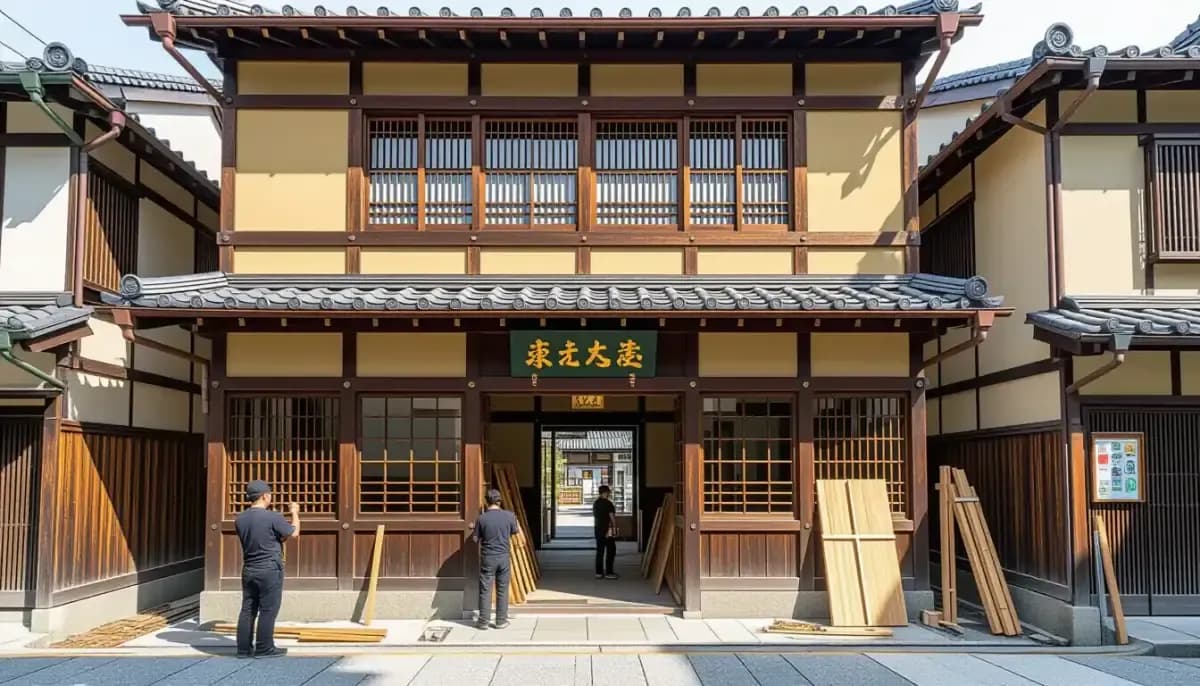
Renovating a Traditional House in Kyoto: Guide for Foreign Owners
Complete guide for foreigners renovating a traditional kyo-machiya townhouse in Kyoto. Covers costs (¥2M–¥20M+), preservation regulations, subsidies, financing, and how to find specialist contractors.
Read more →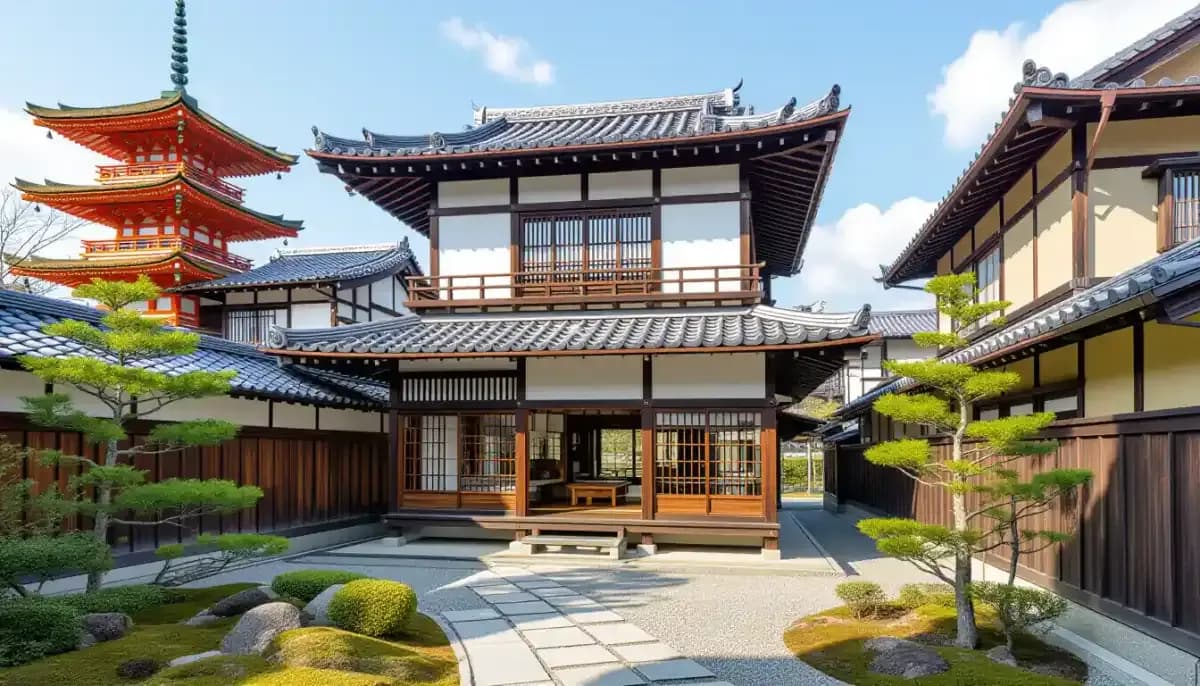
Northern Kyoto: Affordable Property Options for Foreigners
Discover affordable property options in northern Kyoto for foreigners. Kita Ward machiya from ¥20.8M, Sakyo Ward university rentals, akiya properties, and buying tips for expats.
Read more →
Higashiyama Area Property Guide for Foreign Buyers
Complete guide to buying property in Higashiyama, Kyoto as a foreigner. Covers price ranges (¥12.8M–¥250M+), machiya townhouses, preservation regulations, investment yields, and step-by-step buying process.
Read more →
Arashiyama Area Property Guide for Foreign Buyers
Complete guide to buying property in Arashiyama as a foreigner. Covers property prices (¥5M–¥500M+), short-term rental rules, machiya ownership, mortgage access, and the full purchase process in Kyoto's iconic bamboo grove district.
Read more →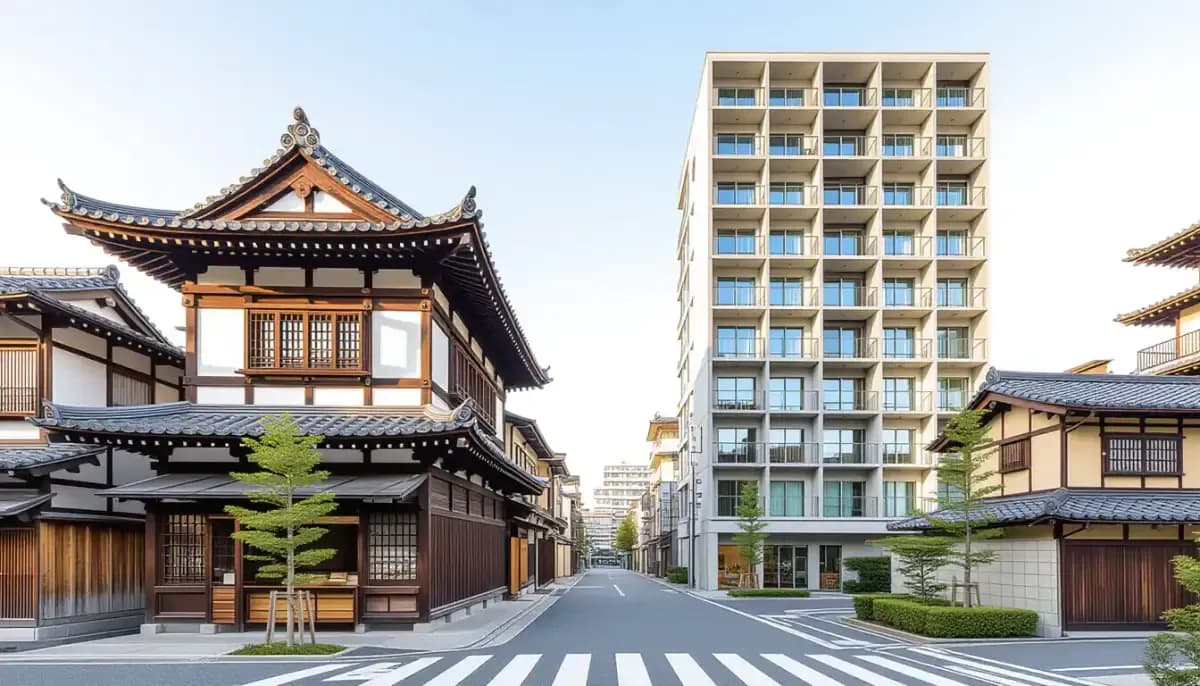
Kyoto vs Osaka Property Investment Comparison
Compare Kyoto and Osaka property investment for foreign buyers. Rental yields (4.26% vs 3-4%), prices, regulations, capital growth, and which city suits your investment goals.
Read more →
Kyoto Student Rental Investment Near Universities
Complete guide to investing in Kyoto student rental properties near universities for foreigners. Covers best areas, rental yields of 4-6%, legal requirements, financing, and management tips.
Read more →