
Kominka Structural Assessment and Safety Guide Before Buying

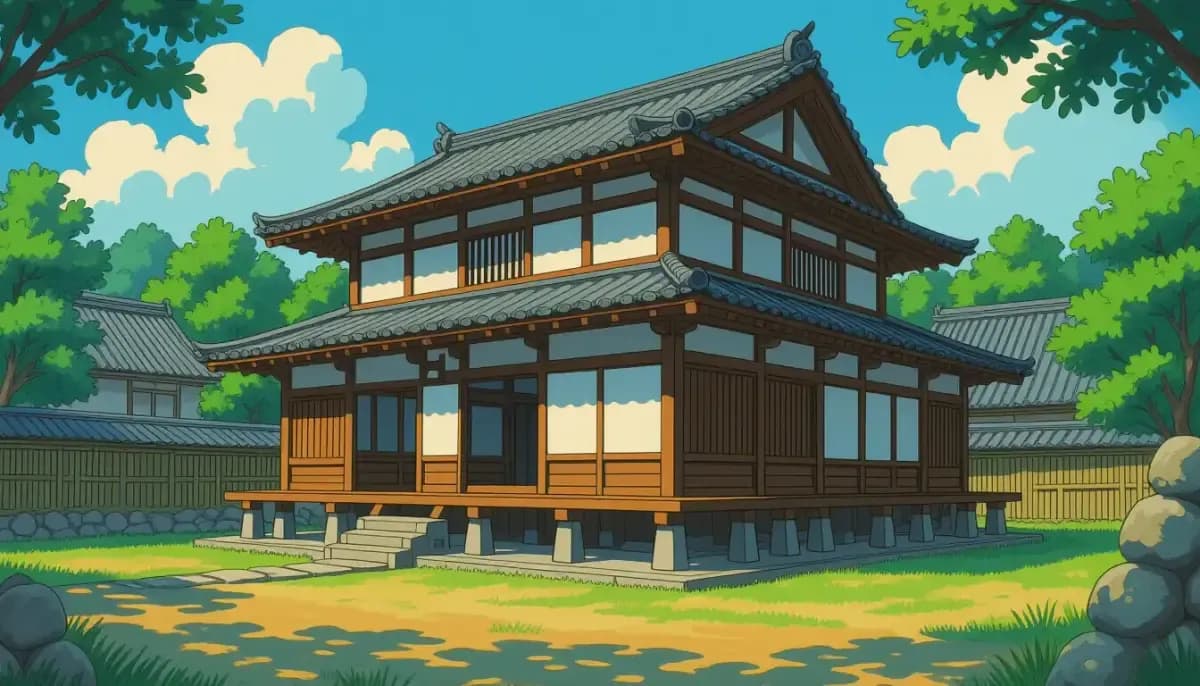
Complete guide to kominka structural assessment before buying in Japan. Covers 12-point inspection checklist, seismic safety standards, termite risks, inspection costs, and critical red flags to help foreign buyers make informed decisions.
Kominka Structural Assessment and Safety Guide Before Buying
Purchasing a traditional Japanese kominka is one of the most rewarding — and potentially risky — real estate decisions a foreigner can make in Japan. These century-old farmhouses and rural residences are full of character: exposed wooden beams, earthen floors, thatched or clay-tiled roofs, and generous floor plans that modern homes rarely match. But beneath all that charm can lie serious structural issues that, if missed before purchase, could cost you millions of yen or even put your safety at risk.
This guide walks you through everything you need to know about assessing a kominka's structural condition and safety before signing on the dotted line. Whether you're looking at a listed property or an akiya (vacant house) through a local municipality program, a thorough structural assessment is non-negotiable.
For a broader overview of kominka ownership as a foreigner, see our pillar guide: Traditional Japanese Houses (Kominka and Machiya) for Foreign Buyers.
Why Structural Assessment Is Critical for Kominka
Unlike a modern condominium or newly-built detached house, a kominka comes with decades — sometimes over a century — of deferred maintenance, seismic exposure, moisture cycles, and pest activity. Many are located in rural areas where contractors familiar with traditional construction methods are hard to find and expensive to hire.
Here are the key reasons why skipping a professional inspection is a serious mistake:
- Pre-1981 construction: Japan updated its seismic code in June 1981 (shinseitaishin kijun). Any kominka built before this date follows the old standard (kyutaishin kijun), which only required buildings to withstand a Shindo 5 earthquake without major damage — far below today's standards.
- 1981–2000 gap: A second seismic revision in 2000 addressed weak joints and soft-story collapses. Even homes built between 1981 and 2000 may have gaps.
- Termite damage is invisible: Termites (shiriari) operate inside structural timbers, and by the time visible signs appear, the damage may already be catastrophic.
- No disclosure guarantees: Japan's real estate disclosure rules are less comprehensive than many Western countries. Sellers are often unaware of issues themselves, or may not be required to disclose them.
- Renovation masking: Cosmetic upgrades — new flooring, fresh paint, modern kitchen — often hide structural rot, moisture damage, or compromised foundations.
Getting a thorough inspection before purchase is your best protection. It also gives you leverage in price negotiations, or — most importantly — the information you need to walk away.
The 12-Point Kominka Inspection Checklist
A qualified inspector familiar with traditional Japanese construction should assess all of the following areas. Use this checklist when touring properties yourself, and as a guide for discussing scope with professional inspectors.
| Area | What to Look For | Risk Level |
|---|---|---|
| Roof | Displaced tiles, crumbling ridge mortar, rusted metal | High |
| Foundation | Stone/independent footings, cracks, settlement signs | Critical |
| Crawlspace | Standing water, mold, poor ventilation | High |
| Structural timbers | Termite mud tubes, hollow-sounding wood, sagging floors | Critical |
| Mold & moisture | Discoloration, damp tatami, failed bathroom ventilation | Medium |
| Water systems | Galvanized pipes (need replacement), sewage type | Medium |
| Electrical | Amperage capacity, grounding, old wiring condition | Medium |
| Asbestos | Pre-2006 wall and ceiling materials | High |
| Plumbing | Water heater age, sewage system type | Medium |
| Doors & windows | Sticking or misaligned (sign of structural movement) | High |
| Exterior | Wall lean, foundation cracks, retaining wall condition | High |
| Attic / underfloor | Daylight holes, water stains, animal nesting | Medium |
Pro tip: Before calling a professional, bring a flashlight, a camera, and a marble. Roll the marble across the floor — if it rolls consistently in one direction, the floor is slanted, which may indicate foundation settling or structural movement.
For more on understanding Japan's property inspection process, see: Step-by-Step Home Buying Process in Japan for Foreigners.
Understanding Seismic Safety: Japan's Earthquake Standards
Seismic safety is arguably the most important structural consideration for any property in Japan, and it deserves special attention for kominka buyers.
The Three Seismic Eras
Pre-1981 (Kyutaishin / Old Standard) Designed to survive a moderate earthquake (Shindo 5) without major collapse. These homes were not built to withstand the kind of earthquakes Japan regularly experiences. Structural failure risk is significantly higher.
1981–2000 (Shintaishin / New Standard) Major improvement, but weak joints and connection hardware were still common. The 1995 Kobe earthquake revealed vulnerabilities in this era's construction.
Post-2000 (Revised New Standard) Current standard. Requires specific connection hardware, corner bracing, and foundation anchoring. Most pre-existing kominka do not meet this standard without retrofitting.
What Seismic Retrofitting Involves
Seismic retrofitting (taishin hokyou kouji) typically includes:
- Adding bracing panels to walls (kabeseki)
- Reinforcing the foundation with concrete
- Installing metal connection hardware at key timber joints
- Adding anchor bolts connecting the frame to the foundation
Retrofitting costs: ¥1,000,000–¥3,000,000 depending on the property size and extent of work needed. However, most Japanese municipalities subsidize 50–80% of seismic retrofitting costs for owner-occupied residences. Ask the local municipal office (yakuba or shiyakusho) about available subsidies before you budget.
You can learn more about managing renovation costs at: Home Renovation and Remodeling in Japan for Foreign Owners.
Professional Inspection Costs: What to Budget
A realistic pre-purchase inspection for a kominka involves multiple specialists. Here is a breakdown of typical costs:
| Inspection Type | Cost Range (JPY) | Notes |
|---|---|---|
| Basic building survey | ¥50,000–¥80,000 | Covers exterior and accessible interior |
| Underfloor / attic add-on | ¥30,000–¥35,000 | Essential for kominka |
| Termite inspection | ¥15,000–¥30,000 | Separate specialist recommended |
| Seismic assessment | ¥100,000–¥300,000 | Required for subsidy applications |
| Asbestos survey | ¥30,000–¥80,000 | Mandatory before any major renovation |
| Total (realistic range) | ¥135,000–¥555,000 | Budget toward the higher end for older properties |
This may seem like a significant expense before purchase, but compare it to discovering ¥5,000,000 in termite damage or seismic retrofitting needs after signing the contract. For a deep dive into hidden purchase costs, see: Hidden Costs and Fees When Buying Property in Japan.
Important: Always get written inspection reports with photographs. Under Japan's revised Civil Code (2020), verbal assessments have no legal standing if you later discover non-conformity issues. A written report is your documentation for renegotiating the price or voiding the contract.
Critical Red Flags: When to Walk Away
Some conditions make a kominka purchase inadvisable regardless of price. These are the situations where you should walk away or at minimum engage a structural engineer for a detailed assessment before proceeding.
Absolute Red Flags
Extensive termite damage to structural timbers If main posts (hashira), beams (hari), or floor joists (neriko) show significant hollow sections, sawdust trails, or mud tubes, the damage may require complete frame replacement — a cost that can exceed the property value.
Foundation failure Visible tilting of the exterior walls, major cracking at the foundation, or uneven settling indicates the structure may not be salvageable without complete foundation reconstruction.
Non-rebuilding land (saikenchiku fuka) This is a legal designation where the property cannot be rebuilt if it is demolished or destroyed, because it lacks the required road frontage (2 meters onto a 4-meter public road) under Japan's Building Standards Law. If a kominka on non-rebuilding land burns down or collapses in an earthquake, you own a piece of land you cannot build on. Fire and earthquake insurance is typically unavailable for such properties.
Hazard zone designations Check the municipal hazard map (hazard mappu) before purchase. Properties in landslide hazard zones (dosha saigai keikai kuiki), flood zones (kozui shinsui soutei kuiki), or tsunami inundation zones carry risks that go beyond structural condition.
Unresolved legal complications Unpaid property taxes, unclear inheritance situations, or boundary disputes can derail or complicate ownership. See: Legal Procedures and Documentation for Japan Property Purchase.
Termites and Moisture: The Hidden Enemies
Among all structural threats to kominka, termites (白蟻, shiriari) and moisture are the most common and the most destructive. Understanding both is essential.
Termite Detection
Japanese termites typically enter from the ground up. Signs to look for during a property tour:
- Mud tubes: Pencil-width clay tubes running vertically along foundation walls or posts
- Hollow sound: Tap exposed timbers — hollow sounds indicate internal damage
- Sagging floors: Often the first visible sign of joist damage
- Frass: Small pellet-like droppings near wood surfaces
Termite treatment (防蟻処理, bougi shori) typically costs ¥150,000–¥400,000 for a full house treatment, with retreatment every 5 years. For active infestations with structural damage, costs rise significantly.
Moisture and Mold
Traditional kominka rely on natural ventilation through gaps in the floor and walls. When these ventilation paths are blocked — by overgrown vegetation, accumulated debris under the crawlspace, or modern airtight additions — moisture accumulates.
Signs of moisture problems:
- Musty odor in any room
- Discolored or swollen tatami mats
- Black spotting on wooden surfaces
- Standing water or heavy condensation under the crawlspace
Concrete or plastic sheeting under the crawlspace (床下防湿) can significantly reduce moisture infiltration and is a standard remediation step.
Fire Safety and Insurance Considerations
Traditional kominka are built entirely or primarily from wood, making fire risk a major concern. This affects both safety planning and insurance costs.
Fire Safety Challenges
- No firebreaks: Older kominka lack the fire-rated walls or compartmentalization of modern homes
- Open floor plans: Large, open spaces allow fire to spread rapidly
- Rural location: Fire station response times in rural Japan can exceed 15 minutes
Smoke detectors (煙感知器) are legally required in all Japanese residences. A kominka purchase should include installing interconnected smoke detectors in all major rooms.
Insurance Difficulties
Fire and earthquake insurance for kominka can be difficult or expensive to obtain, especially for:
- Properties on non-rebuilding land
- Homes built before 1981 without seismic retrofitting
- Structures with known structural deficiencies
Specialized kominka insurers do exist, but coverage terms vary widely. Always confirm insurability with an insurer before finalizing a purchase. For a full overview, see: Insurance for Property Owners in Japan: Complete Guide.
Working with Inspectors and Specialists
Finding the right professionals is as important as the inspections themselves. Not all building inspectors in Japan have experience with traditional kominka construction.
Types of Professionals
- Home inspector (住宅診断士 or インスペクター): Certified generalist inspector; good for initial assessment
- Structural engineer (構造設計士): Required for detailed seismic analysis
- Termite specialist (防蟻業者): Often affiliated with pest control companies; some offer free initial assessments
- Traditional carpenter (宮大工 or 大工): A master carpenter experienced with traditional techniques can spot structural issues invisible to modern contractors
- Architect registered in Japan (一級建築士): Required for formal seismic assessment applications and subsidy paperwork
Finding Inspectors
- JSHI (Japan Home Inspectors Association / 日本ホームインスペクターズ協会): Maintains a directory of certified inspectors nationwide
- Local NPOs: Many rural areas have NPOs focused on kominka preservation that can recommend trusted inspectors
- Real estate agents specializing in kominka: Agents who specialize in traditional properties often have established inspector networks
For guidance on working with real estate professionals in Japan, see: Working with Japanese Real Estate Agents as a Foreigner.
For additional resources on traditional Japanese house buying, Living in Nihon's property buying guide for foreigners provides useful context on the overall purchase process. The Akiya Japan inspection checklist offers a comprehensive breakdown of inspection priorities. The Wagaya Japan guide to buying traditional Japanese houses covers seven key warnings for kominka buyers. Gaijin Buy House is another resource covering property purchases in Japan for foreigners. For employment and relocation context, For Work in Japan covers broader aspects of living in Japan as a foreign resident.
Summary: Pre-Purchase Structural Assessment Checklist
Before making an offer on any kominka, confirm you have:
- [ ] Commissioned a professional building inspection (written report with photos)
- [ ] Checked the construction date — pre-1981 means old seismic standard
- [ ] Obtained or requested a seismic assessment (especially for pre-1981 properties)
- [ ] Had a termite specialist inspect the crawlspace and structural timbers
- [ ] Confirmed the property is NOT on non-rebuilding land
- [ ] Checked the municipal hazard map for flood, landslide, and tsunami risk
- [ ] Confirmed the property's insurability with at least one insurer
- [ ] Verified there are no outstanding property taxes or legal complications
- [ ] Asked about available municipal subsidies for seismic retrofitting
- [ ] Obtained written quotes from licensed contractors for identified repair work
A structurally sound kominka is an extraordinary home and a sound investment. A structurally compromised one — purchased without proper assessment — can become a financial and physical hazard. Take the time to assess thoroughly, and don't let emotional attachment to a beautiful property override the fundamentals.
For more on protecting yourself throughout the Japan property purchase process, see: Common Mistakes and Scams to Avoid When Buying Property in Japan and Natural Disaster Preparedness for Homeowners in Japan.

Originally from Vietnam, living in Japan for 16+ years. Graduated from Nagoya University, with 11 years of professional experience at Japanese and international companies. Sharing information about buying property in Japan for foreigners.
View Profile →Related Articles
Traditional vs Modern House in Japan: Lifestyle Comparison
Compare traditional Japanese houses (kominka, machiya) vs modern homes for foreign buyers. Costs, comfort, cultural experience, and practical buying advice for expats in Japan.
Read more →
Traditional Japanese House Interior Design and Decoration Ideas
Discover traditional Japanese house interior design ideas: tatami rooms, shoji screens, tokonoma alcoves, and low furniture. A practical guide for foreigners decorating a Japanese home.
Read more →
Where to Find Kominka for Sale in Japan: Resources and Platforms
Discover the best platforms and resources to find kominka for sale in Japan. From KORYOYA to akiya banks, this guide covers every tool foreigners need to buy a traditional Japanese farmhouse.
Read more →
Cultural Preservation Rules for Kominka and Machiya Owners
A complete guide to Japan's cultural preservation rules for kominka and machiya owners: designation tiers, renovation approval requirements, Kyoto's Machiya Ordinance, the 2023 Vacant Home Law, and practical steps for foreign property owners.
Read more →
Heating and Insulation Challenges in Traditional Japanese Houses
Traditional Japanese houses are notoriously cold in winter due to poor insulation and design for summer ventilation. Learn why, and how to fix it as a foreign buyer or renter with practical renovation tips and budget guides.
Read more →
Converting a Kominka into a Guesthouse Business in Japan
Complete guide to converting a traditional Japanese kominka into a profitable guesthouse business. Covers licensing, renovation costs, minpaku law, government subsidies, and business models for foreigners.
Read more →