
Barrier-Free and Accessibility Renovation in Japan

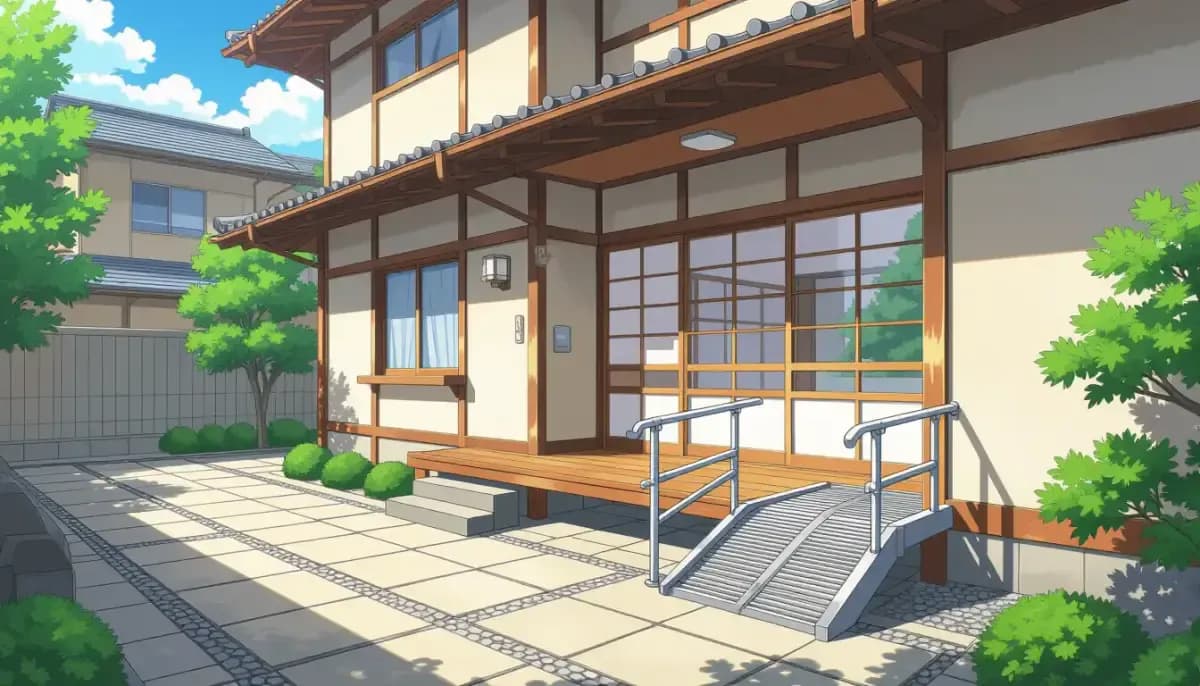
Complete guide to barrier-free accessibility renovation in Japan for foreign homeowners. Learn about kaigo hoken subsidies up to ¥200,000, common modifications, 2025 building code changes, and how to qualify as a foreigner.
Barrier-Free and Accessibility Renovation in Japan: A Complete Guide for Foreign Homeowners
As Japan's population ages rapidly, barrier-free (バリアフリー) home renovations have become one of the most practical and financially supported upgrades you can make to a Japanese property. Whether you're adapting your home for aging family members, addressing a disability, or simply future-proofing your investment, understanding Japan's accessibility renovation landscape — including generous government subsidies — can save you significant money and make your home dramatically more livable.
This guide covers everything foreign homeowners need to know: what barrier-free means in Japan, what modifications are most common, how the subsidy programs work, and how to navigate the process as a non-Japanese speaker.
!Barrier-free entrance ramp and handrails at a renovated Japanese home
What Does "Barrier-Free" Mean in Japan?
The Japanese term バリアフリー (bariafurī) is borrowed directly from English and refers broadly to design and construction that removes physical barriers for elderly people, people with disabilities, and caregivers. You'll encounter this term constantly in real estate listings, renovation contractor proposals, and government subsidy applications.
However, "barrier-free" in Japan doesn't guarantee a specific international standard. A property listed as バリアフリー on Suumo or AtHome may only have one or two accessibility features — like handrails in one bathroom — rather than full wheelchair accessibility throughout the home. Always ask for specifics.
Key Japanese Vocabulary for Accessibility Features
| Japanese Term | Romaji | Meaning |
|---|---|---|
| 手すり | Tesuri | Handrails (in corridors, bathrooms, near toilets) |
| 段差なし | Dansa nashi | No level differences / flat flooring throughout |
| スロープ付き | Surōpu-tsuki | Includes entrance ramp |
| 車椅子対応 | Kuruma-isu taiō | Wheelchair accessible |
| ユニバーサルデザイン | Yunibāsaru dezain | Universal design (broader accessibility philosophy) |
| 介護リフォーム | Kaigo rifōmu | Care-related home renovation |
| バリアフリーリフォーム | Bariafurī rifōmu | Barrier-free home renovation |
| 滑り止め | Suberido me | Anti-slip flooring or strips |
Understanding this vocabulary is essential when searching for properties, communicating with contractors, and applying for subsidies. For a broader introduction to Japanese home terminology, see our guide on home renovation and remodeling in Japan for foreign owners.
Common Barrier-Free Modifications in Japanese Homes
Japanese homes — especially older ones — present specific accessibility challenges. The traditional genkan (玄関), a raised entrance vestibule, creates a significant step between the entrance and the interior floor. Narrow corridors, high-threshold bathroom doors, and deep soaking bathtubs that require stepping over a high rim are all common features that need addressing for accessible living.
Most Frequently Requested Modifications
1. Handrail Installation (手すり設置) The single most common barrier-free modification. Handrails are typically added:
- Along hallways and corridors
- In bathrooms next to the toilet
- In and around the bathtub
- On staircases (if not already present)
- Near the genkan entrance step
The number of handrails installed in Japan increased more than threefold between 1993 and 2016, reflecting the country's growing awareness of and investment in accessibility.
2. Elimination of Floor Level Differences (段差解消) Japanese homes traditionally have small raised thresholds (敷居, shikii) between rooms, and the genkan step can be 15–30 cm or higher. Leveling flooring throughout is a key modification for wheelchair users and those with mobility issues.
3. Ramp Installation at Entrances (スロープ設置) Adding a sloped ramp at the main entrance replaces or supplements stairs. For wheelchair access, the recommended slope is no steeper than 1:12 (approximately 8 degrees). Portable ramps can be used as a temporary solution, but built-in ramps qualify for government subsidies.
4. Door Replacement and Widening (扉の改修) Standard Japanese interior doors are often too narrow for wheelchairs (typically under 70 cm). Ideal wheelchair-accessible doorways are 80–90 cm wide. Swing doors may be replaced with sliding doors (引き戸, hikido) which are easier to operate with limited mobility and don't require clear floor space to swing open.
5. Anti-Slip Bathroom Flooring (滑り止め) Japanese bathroom floors can be extremely slippery when wet. Anti-slip tiles, rubber matting, or textured flooring reduces fall risk significantly — falls in bathrooms are a leading cause of serious injury among elderly residents in Japan.
6. Bathtub and Shower Modifications Traditional Japanese ofuro (お風呂) tubs have a high entry rim. Options include installing a lower-entry tub, adding a bathing chair, installing grab bars at tub entry points, or converting to a shower-only bathroom for those who cannot safely use a tub.
7. Wider Corridor Renovation Corridors in older Japanese homes can be as narrow as 70–75 cm — insufficient for wheelchair passage. Widening to 85–90 cm may require structural work but significantly improves mobility. See our Japan home renovation cost guide for typical pricing on structural modifications.
!Accessible bathroom with handrails and anti-slip flooring in a renovated Japanese home
Government Subsidies: The Kaigo Hoken Renovation Program
Japan's most important accessibility renovation subsidy is the Kaigo Hoken (介護保険) Barrier-Free Renovation Subsidy, managed by the Ministry of Health, Labour and Welfare. This program can cover up to 90% of renovation costs up to a ¥200,000 lifetime maximum per household — meaning the out-of-pocket cost for qualifying modifications can be as low as ¥20,000.
What the Kaigo Hoken Subsidy Covers
The following modifications are explicitly covered:
- Handrail installation (手すりの取り付け)
- Removal of floor level differences (段差の解消)
- Ramp installation at entrances (スロープ設置)
- Anti-slip flooring installation or replacement (滑り防止・移動の円滑化のための床材変更)
- Door replacement (引き戸等への扉の取り替え)
- Toilet replacement or relocation to accessible location (洋式便器等への便器の取り替え)
Eligibility Requirements
To access the kaigo hoken renovation subsidy:
- The resident must be enrolled in Japan's long-term care insurance system (介護保険)
- The resident must have received a care level assessment of 要介護1以上 (Care Level 1 or above) or 要支援1–2 (Support Level 1–2)
- The modification must be for the residence where the insured person is actually living
For foreigners: If you are enrolled in Japan's national health insurance and have received a care level assessment through the kaigo hoken system, you are generally eligible for this subsidy. Enrollment in kaigo hoken is mandatory for residents aged 40 and over. Foreigners holding long-term residency visas (including permanent residents and spouses of Japanese nationals) are enrolled automatically once they register as residents in Japan.
How to Apply — Critical: Apply BEFORE Starting Work
This is the most important rule for the kaigo hoken subsidy: applications must be submitted to your municipal welfare office (市区町村) before renovation begins. Retroactive applications after work is completed are not accepted under any circumstances.
Application process:
- Get a care level assessment through your local kaigo hoken office if you don't have one
- Consult with a care manager (ケアマネージャー) — they can coordinate both the care assessment and subsidy application
- Submit the pre-renovation application to your municipal welfare office
- Wait for approval before signing any contracts with a contractor
- Use a registered construction contractor (登録業者)
- Submit completion documentation after work is done to receive reimbursement
For more on navigating renovation subsidies and grants, Living in Nihon's housing guides and Gaijin Buy House's renovation resources offer additional practical perspectives for foreigners.
Additional Subsidy and Tax Reduction Programs
Beyond the kaigo hoken program, several other financial supports are available:
1. National Tax Deductions for Barrier-Free Renovation
Japan's national tax system provides income tax deductions for qualified barrier-free home renovations (alongside energy efficiency and earthquake retrofitting improvements). The specific amounts and conditions are updated annually — consult a tax accountant (税理士) or visit your local tax office for current rates.
2. Municipal Programs (Tokyo, Yokohama/Kanagawa, and Others)
Many prefectures and municipalities run their own additional programs:
- Tokyo Metropolitan Government has subsidized accessibility renovations as part of broader housing improvement initiatives, sometimes covering up to 80% of renovation costs for qualifying projects
- Yokohama/Kanagawa offers fixed asset tax reductions for homes that complete qualified barrier-free renovations (documentation proving completed work and use of a registered contractor is required)
- Check with your city hall (市役所) or ward office (区役所) for local programs — these vary significantly by location
For more details on Kanagawa-specific programs, Kakeru Koumuten's subsidy guide provides a clear breakdown of available tax reductions.
3. Childcare Eco Home Support and Combined Subsidy Programs
If you're doing accessibility renovations alongside energy efficiency upgrades, the 子育てエコホーム支援事業 (Childcare Eco Home Support Program) lists barrier-free renovation as qualifying work. Combining accessibility and energy efficiency projects can maximize total subsidy amounts.
4. Akiya Renovation Subsidies
Some municipalities offer ¥500,000–¥2,000,000 for renovating akiya (vacant homes), with barrier-free modifications potentially included as qualifying work. If you're renovating a vacant property, check whether barrier-free improvements can be bundled with the akiya renovation grant. See our Japan akiya subsidy and grant programs guide for more.
Subsidy Comparison Table
| Program | Max Subsidy | Coverage Rate | Who Qualifies |
|---|---|---|---|
| Kaigo Hoken Renovation | ¥200,000 lifetime | 90% of costs | Kaigo hoken insured at care level 1+ |
| Municipal Programs (varies) | ¥500,000–¥2,000,000+ | Varies | Property owners; check local requirements |
| National Tax Deduction | Varies annually | Tax credit on qualifying amount | All homeowners |
| Akiya Renovation Grant | ¥500,000–¥2,000,000 | Varies | Akiya property buyers (some foreigner restrictions) |
| Childcare Eco Home | Varies | Varies | Combined with energy efficiency work |
2025 Building Code Changes: What's New for Accessibility Renovations
The 2025 updates to Japan's building code brought meaningful changes that benefit homeowners planning accessibility modifications:
Good news for small accessibility projects: Handrail installation and slope (ramp) installations no longer require a building confirmation (確認申請) procedure. This eliminates a significant bureaucratic step for minor accessibility work, making it faster and less expensive to add grab bars, handrails, and entrance ramps.
Increased scrutiny for older homes: Small wooden homes that were previously exempt under the "Category 4 Special Exception" now face increased building review requirements for larger renovations. If your accessibility project is part of a broader renovation of an older wooden home, be aware that additional permits may be required.
For a detailed overview of how 2025 code changes affect renovation planning, see Heritage Homes Japan's 2025 building code guide and our own renovation permit and building code requirements guide.
Finding and Working with Renovation Contractors
Why You Must Use a Registered Contractor
For all subsidy and tax reduction programs, you must use a registered construction contractor (登録業者). Using an unregistered contractor — even if the work is identical — disqualifies you from receiving any government financial support.
When requesting quotes, specifically ask:
- 補助金対応の登録業者ですか? (Are you a registered contractor eligible for subsidy programs?)
- 介護保険のバリアフリーリフォームに対応していますか? (Do you handle kaigo hoken barrier-free renovation applications?)
Many contractors that specialize in kaigo hoken renovations will help you with the application paperwork as part of the service, which is especially valuable for non-Japanese speakers.
Cost Estimates for Common Modifications
Individual barrier-free modifications are significantly cheaper than full home renovations. While comprehensive 30 sqm apartment overhauls (including accessibility modifications) can run ¥9.5–11 million, targeted accessibility work is far more affordable:
| Modification | Estimated Cost Range | Notes |
|---|---|---|
| Handrail installation (per location) | ¥15,000–¥50,000 | Varies by material and mounting location |
| Entrance ramp installation | ¥100,000–¥500,000 | Depends on height difference and material |
| Anti-slip bathroom flooring | ¥100,000–¥300,000 | Per bathroom |
| Door replacement (swing to sliding) | ¥80,000–¥250,000 | Per door |
| Floor level elimination (per threshold) | ¥30,000–¥150,000 | Depends on height difference |
| Corridor widening | ¥500,000–¥2,000,000+ | Structural work required |
| Full bathroom accessibility renovation | ¥500,000–¥2,000,000 | Comprehensive including tub, toilet, flooring |
For comprehensive cost planning, our renovation costs for used properties in Japan guide provides broader context on renovation budgeting.
Practical Steps for Foreign Homeowners
Planning a barrier-free renovation as a foreigner in Japan involves navigating language barriers and administrative processes. Here's a practical roadmap:
Step 1: Assess the need and scope Walk through the property and document all areas that pose accessibility challenges. Consider both current needs and future-proofing for aging residents.
Step 2: Get a care level assessment (if applicable) If the renovation is for someone who may qualify for kaigo hoken support, contact your local welfare office to initiate a care level assessment before planning the renovation budget.
Step 3: Consult with a care manager (ケアマネージャー) If kaigo hoken is involved, a care manager is invaluable — they know the local subsidy programs, can coordinate the assessment and application, and often speak some English or can work through interpreters. Your local ward office can provide referrals.
Step 4: Research municipal programs Visit your city hall or ward office (区役所) to ask about local barrier-free renovation subsidies beyond the national kaigo hoken program. Bring a Japanese-speaking friend or translator if needed.
Step 5: Get multiple quotes from registered contractors Request at least 2–3 quotes and confirm each contractor is registered for subsidy-eligible work. Ask for itemized quotes that align with subsidy-eligible categories.
Step 6: Submit pre-renovation application Submit your kaigo hoken (and any municipal) applications and wait for approval before signing a contract or allowing any work to begin.
Step 7: Execute renovation and document everything Keep all receipts, before/after photos, and completion certificates. You'll need these for subsidy reimbursement and tax deduction filings.
For help overcoming language barriers during this process, see our guide on overcoming language barriers with Japan real estate agents. For insights on working with contractors more broadly, For Work in Japan's guides on navigating Japanese workplaces and services may also be helpful context.
Japan's Aging Population: Why Barrier-Free Matters Now
Japan's demographic situation makes barrier-free housing increasingly important for property values and livability. The "2025 Problem" (2025年問題) refers to the milestone where all post-war baby boomers (born 1947–1949) reached age 75 or older in 2025, pushing over 18% of Japan's total population into the "late-stage elderly" category.
This demographic shift has several implications for property owners:
- Demand for barrier-free properties in urban centers (Tokyo, Osaka, Nagoya) is rising
- Rural akiya properties that lack accessibility features face greater depreciation risk
- Academic research across 135 municipalities found that depopulated rural municipalities score dramatically lower on age-friendly housing (0.19 vs. 0.85 for populated areas), meaning rural properties need more work but may benefit more from renovation investment
For foreign owners of rural properties or akiya, barrier-free modifications can simultaneously improve livability, attract a wider pool of potential tenants or buyers, and access government subsidies that reduce the financial burden. See our akiya renovation cost estimates and budgeting guide for more on how to approach rural property renovation budgeting.
Key Takeaways
Barrier-free renovation in Japan is one of the best-supported renovation categories in the country, with national and municipal subsidies, tax deductions, and streamlined permitting. For foreign homeowners:
- The kaigo hoken subsidy can cover up to 90% of costs (up to ¥200,000) for qualifying modifications — but apply BEFORE starting work
- 2025 building code changes have eliminated confirmation requirements for handrail and ramp installation, making small accessibility projects faster and cheaper
- Always use a registered contractor to preserve eligibility for all subsidy programs
- Check with your local municipal office for additional programs beyond national subsidies
- The vocabulary (バリアフリー, 手すり, 段差なし, スロープ) is essential for effective communication with contractors and real estate agents
For more on Japan's renovation landscape, explore our guides on bathroom renovation in Japan, renovation financing and loan options, and the broader home renovation and remodeling guide for foreign owners.
Additional resources:

Originally from Vietnam, living in Japan for 16+ years. Graduated from Nagoya University, with 11 years of professional experience at Japanese and international companies. Sharing information about buying property in Japan for foreigners.
View Profile →Related Articles
Renovation Financing and Loan Options in Japan
Complete guide to renovation loan options in Japan for foreign property owners. Covers reform loans, combined purchase loans, Flat 35, government subsidies, and eligibility requirements for expats.
Read more →
Smart Home Technology Renovation in Japan
Complete guide to smart home technology renovation in Japan for foreign property owners. Covers devices, costs, PSE certification, electrical rules, and top brands like Panasonic, Google, and Amazon Alexa.
Read more →
DIY Home Improvement in Japan: Guide for Foreign Homeowners
Complete guide to DIY home improvement in Japan for foreign homeowners. Learn what projects you can do yourself, home center tips, renovation costs, government subsidies, and step-by-step project guides.
Read more →
Japan Renovation Timeline: How Long Do Projects Take?
Complete guide to Japan renovation timelines for foreign homeowners. Learn how long each phase takes—from planning and permits to construction and move-in—including 2025 building code changes.
Read more →
Renovating a Traditional Japanese House for Modern Living
Complete guide to renovating traditional Japanese houses (kominka, machiya, akiya) for modern living. Costs, subsidies, contractors, permits, and design tips for foreign owners in Japan.
Read more →
Energy Efficiency Renovation Upgrades for Japan Homes
Complete guide to energy efficiency renovation upgrades for Japan homes. Covers insulation, solar panels, ZEH standards, government subsidies up to ¥2 million, and practical tips for foreign homeowners.
Read more →