
Traditional Japanese House Interior Design and Decoration Ideas

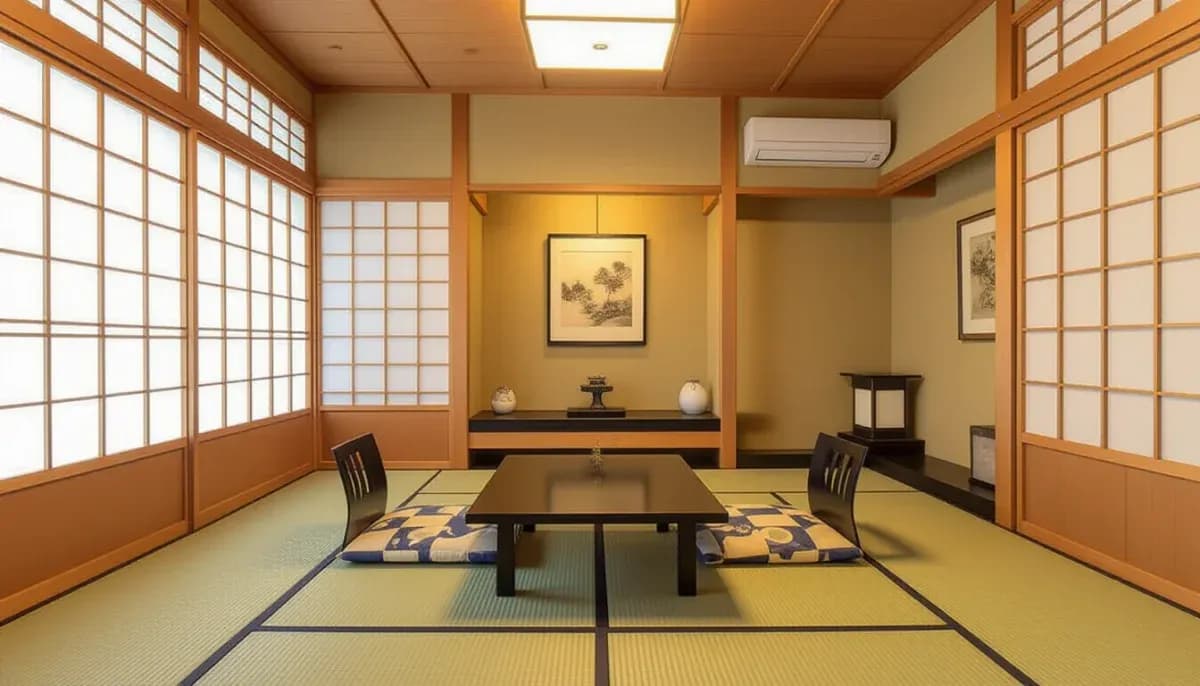
Discover traditional Japanese house interior design ideas: tatami rooms, shoji screens, tokonoma alcoves, and low furniture. A practical guide for foreigners decorating a Japanese home.
Traditional Japanese House Interior Design and Decoration Ideas
Whether you have just purchased a traditional Japanese home (machiya, kominka, or a standard tatami-room house) or you are redesigning your current space to embrace Japanese aesthetics, understanding the principles and elements of traditional Japanese interior design will help you create a truly serene and functional living environment. This guide covers everything from tatami floors and shoji screens to the philosophy of ma (negative space) — giving you practical decoration ideas you can apply right away.
The Core Philosophy Behind Traditional Japanese Interiors
Traditional Japanese interior design is not a collection of furniture choices — it is a way of thinking about space, nature, and daily life. Several philosophical concepts underpin every design decision:
- Wabi-sabi — finding beauty in imperfection and impermanence. Aged wood, unpolished stone, and handcrafted ceramics are prized over mass-produced items.
- Ma (間) — the concept of negative space. Empty space is not "unused" space; it is a deliberate, essential part of the composition. What you leave out is as important as what you include.
- Kanso — simplicity and the elimination of clutter. Every object in the room should have a purpose or meaningful aesthetic value.
- Shizen — naturalness. Materials should come from nature (wood, bamboo, washi paper, rice straw), and the home should feel connected to the outdoor environment through light, air, and views.
These principles were refined over centuries, heavily influenced by Chinese design ideas between the 8th and 12th centuries, but Japan developed its own lighter, more austere aesthetic — culminating in the refined sensibility of the tea masters who became the arbiters of Japanese domestic aesthetics from the late 16th century onward.
For foreigners buying or renting a traditional home in Japan, understanding these values helps you make design decisions that respect the spirit of the space rather than work against it. For more on the practical side of acquiring such a property, see our guide on types of properties available in Japan and the rural and countryside properties guide.
Essential Elements of a Traditional Japanese Room
Tatami (畳) — The Foundation of Japanese Interiors
Tatami mats are the defining feature of a traditional Japanese room. Made from compressed rice straw (toko) covered with woven rush grass (igusa), they give the room its characteristic texture, scent, and warmth underfoot. In modern homes, many tatami use a styrofoam base instead of 100% straw, making them lighter and cheaper to replace.
Key facts about tatami:
- Rooms are measured and described by tatami count (e.g., "a 6-tatami room"), making tatami a standardized unit of measurement in Japanese real estate.
- Tatami naturally regulates humidity by absorbing and releasing moisture, making them functional as well as beautiful.
- Re-covering tatami (replacing the surface rush mat) costs approximately ¥5,000–¥10,000 per mat; full replacement costs around ¥20,000 per mat.
- You must always remove shoes — and even slippers — before stepping on tatami to prevent damage.
Decoration ideas for tatami rooms:
- Place a low chabudai dining table (typically 12–16 inches high) in the center surrounded by zabuton floor cushions for an authentic living or dining setup.
- Add a floor lamp with a warm-toned washi paper shade to complement the natural tones of the mats.
- Keep the room uncluttered — a single piece of pottery or a small ikebana flower arrangement is all the decoration a tatami room needs.
Shoji (障子) — Screens That Soften Light
Shoji are sliding panels made of a delicate wooden lattice (kumiko) covered with translucent washi paper. Unlike solid walls, shoji allow light to pass through while providing privacy, casting a soft, diffused glow that is one of the most distinctive visual features of Japanese interiors.
Shoji slide along wooden tracks (shikii at the bottom, kamoi at the top) and can be pushed aside to open a room to a garden, engawa corridor, or adjacent room. They are typically made from Japanese cedar or hinoki cypress.
Practical considerations:
- Washi paper on shoji is delicate and may need periodic replacement in high-traffic areas or homes with pets and children. Replacement paper is inexpensive and replacement is a DIY-friendly task.
- Shoji are not insulating. In cold Japanese winters, pairing shoji with glazed outer walls or heavier curtains helps with energy efficiency.
Decoration ideas:
- Silhouette art — place a sculptural object (a bonsai, a branch, a ceramic) near a shoji panel and let its shadow become a living decoration.
- Do not block shoji panels with furniture. The flow of light and the ability to open the panels are part of the design.
Fusuma (襖) — The Versatile Interior Wall
Fusuma are opaque sliding doors made from wooden lattice frames covered with thick paper or fabric. They function as interior partitions between rooms, and unlike fixed walls, they can be removed entirely to create a large open space — for example, joining two tatami rooms for a gathering or party.
Fusuma are often decorated with traditional nature paintings (landscapes, birds, blossoms) and can serve as significant aesthetic focal points. Contemporary versions range from plain white to artistic panels hand-painted by local craftspeople.
Design ideas:
- Commission a local Japanese artist to paint a seasonal motif on fusuma panels — plum blossoms for winter/spring, bamboo for summer.
- Use plain paper fusuma in modern-traditional interiors for a clean, minimal look that bridges traditional architecture and contemporary living.
Tokonoma (床の間) — The Contemplative Alcove
The tokonoma is a slightly raised recessed alcove found in traditional Japanese reception rooms. It is the spiritual and aesthetic heart of the room — the place where a hanging scroll (kakemono) is displayed along with a carefully chosen ceramic or floral arrangement.
The tokonoma is never meant for storage or everyday objects. Its sole purpose is appreciation and contemplation. Displays rotate seasonally: plum blossom scrolls in early spring, summer landscapes in July, moon-viewing imagery in autumn.
How to use a tokonoma:
- Choose a hanging scroll with seasonal imagery or calligraphy. These can be found at antique markets (nomi no ichi) throughout Japan at very affordable prices.
- Place an odd-numbered arrangement of objects (one ceramic, one branch) following the Japanese preference for asymmetry.
- Keep the alcove well-lit (a small LED strip above the tokonoma works beautifully) to highlight the display.
Genkan (玄関) — The Threshold Between Worlds
The genkan is the entryway of a Japanese home, featuring a sunken floor level (tataki) where outdoor shoes are removed before stepping up into the living space. It creates a physical and psychological boundary between the outside world and the inner sanctuary of the home.
A well-designed genkan includes a wooden step (agarikamachi), a shoe cabinet (getabako), and often a small decorative element — a seasonal flower, a piece of calligraphy, or a small sculpture — to welcome guests.
Decoration ideas:
- Place a small ceramic vase with a single seasonal flower on the step or a narrow shelf.
- Use indirect lighting in the genkan to create a warm, welcoming atmosphere.
- Install a traditional getabako (shoe cabinet) with clean lines to keep footwear organized and out of sight.
Traditional Japanese Furniture: Low, Functional, and Versatile
One of the most immediately noticeable features of traditional Japanese interiors is floor-level living. Rather than using Western-style chairs and tables, traditional Japanese furniture is designed for use on tatami-mat floors:
| Furniture | Description | Height/Size |
|---|---|---|
| Chabudai (ちゃぶ台) | Low foldable dining/living table | 30–40 cm high |
| Zabuton (座布団) | Square floor cushion for seating | 55–60 cm square |
| Zaisu (座椅子) | Low chair with back, no legs | Floor level |
| Tansu (箪笥) | Traditional chest of drawers | Varies |
| Byobu (屏風) | Folding decorative screen | 150–180 cm high |
| Andon (行灯) | Traditional paper lantern lamp | 50–90 cm high |
Chabudai tables deserve special mention — typically 12–16 inches (30–40 cm) high, many traditional models have foldable legs for easy storage when the floor space is needed for sleeping (futon) or other activities. This multi-functionality is central to traditional Japanese living.
Color Palette and Materials
Traditional Japanese interiors use a restrained palette inspired by nature:
- Neutrals: Off-white, ivory, warm gray, and cream for walls and shoji paper
- Earth tones: Warm brown (wood), ochre (clay walls), deep charcoal (engawa hardwood)
- Accents: Deep indigo, muted green, terracotta, or burgundy — often introduced through textiles (cushion covers, table runners)
- Black: Used sparingly for lacquerware, iron hardware, and tokonoma pillars
Natural materials dominate: Japanese cedar (sugi), hinoki cypress, bamboo, washi paper, rush grass, clay plaster (shikkui), and natural stone. These materials age gracefully, developing patina over time — embodying the wabi-sabi philosophy.
Blending Traditional and Modern: Practical Tips for Expats
Living in a traditional Japanese house as a foreigner does not mean abandoning modern comforts. The key is thoughtful integration:
- Pair tatami with low modern furniture — Scandinavian-style low-profile pieces work beautifully in tatami rooms without fighting the aesthetic.
- Use indirect lighting — Traditional Japanese spaces are designed for soft, diffused light. Replace harsh overhead bulbs with warm-toned indirect fixtures or paper-shaded floor lamps.
- Bring nature indoors — A bonsai, a branch of cherry blossom or maple, or a simple ikebana arrangement connects the interior to Japan's seasonal rhythms.
- Embrace empty space — Resist the urge to fill every corner. In a Japanese interior, the space around objects is part of the design.
- Add texture through textiles — Traditional noren fabric dividers, linen cushion covers in earthy tones, and handwoven throws add warmth without clutter.
For guidance on buying or renovating a traditional property in Japan, see buying property in Kyoto as a foreigner (where traditional machiya townhouses are common) and the hidden costs and fees when buying property in Japan to budget for renovation work.
Practical Maintenance: Caring for Traditional Interior Elements
Owning a traditionally designed Japanese home comes with specific maintenance responsibilities:
- Tatami: Vacuum regularly in the direction of the weave. Air out annually (remove and lean against a wall in sunlight). Replace surface matting every 5–10 years.
- Shoji: Wipe the wooden lattice with a dry cloth. Replace torn washi panels — patch kits are available at any hardware store (kainingu sentaa).
- Fusuma: Slide gently using the recessed door pull (hikite). Keep tracks clean and occasionally apply talcum powder or a track lubricant for smooth operation.
- Wood surfaces: Apply natural wood oil (tung oil or urushi-based products) annually to preserve and deepen the finish.
- Ventilation: Traditional homes rely on natural ventilation. Keep engawa doors and shoji panels open when possible to allow air circulation and prevent mold (especially in humid Japanese summers).
Further Resources
Understanding Japanese interior design is a rewarding journey that connects you to centuries of architectural and cultural history. Here are some helpful resources:
- Living in Nihon — Housing and Living Guide for Foreigners in Japan — Practical advice on renting and buying homes in Japan
- For Work in Japan — Housing & Living Infrastructure Guide — Comprehensive guide to housing logistics for expats
- Gaijin Buy House — Buying Property in Japan as a Foreigner — Detailed resources for foreign buyers navigating Japan's real estate market
- Akiya & Inaka — 5 Interior Design Elements of a Traditional Japanese House — In-depth guide to traditional elements
- Japan Guide — Traditional Tatami Rooms — Tatami history and etiquette
Whether you are decorating a single tatami room or furnishing an entire traditional farmhouse (kominka), the principles of Japanese interior design — simplicity, natural materials, seasonal awareness, and respect for space — will guide you toward a home that is both beautiful and deeply livable.

Originally from Vietnam, living in Japan for 16+ years. Graduated from Nagoya University, with 11 years of professional experience at Japanese and international companies. Sharing information about buying property in Japan for foreigners.
View Profile →Related Articles
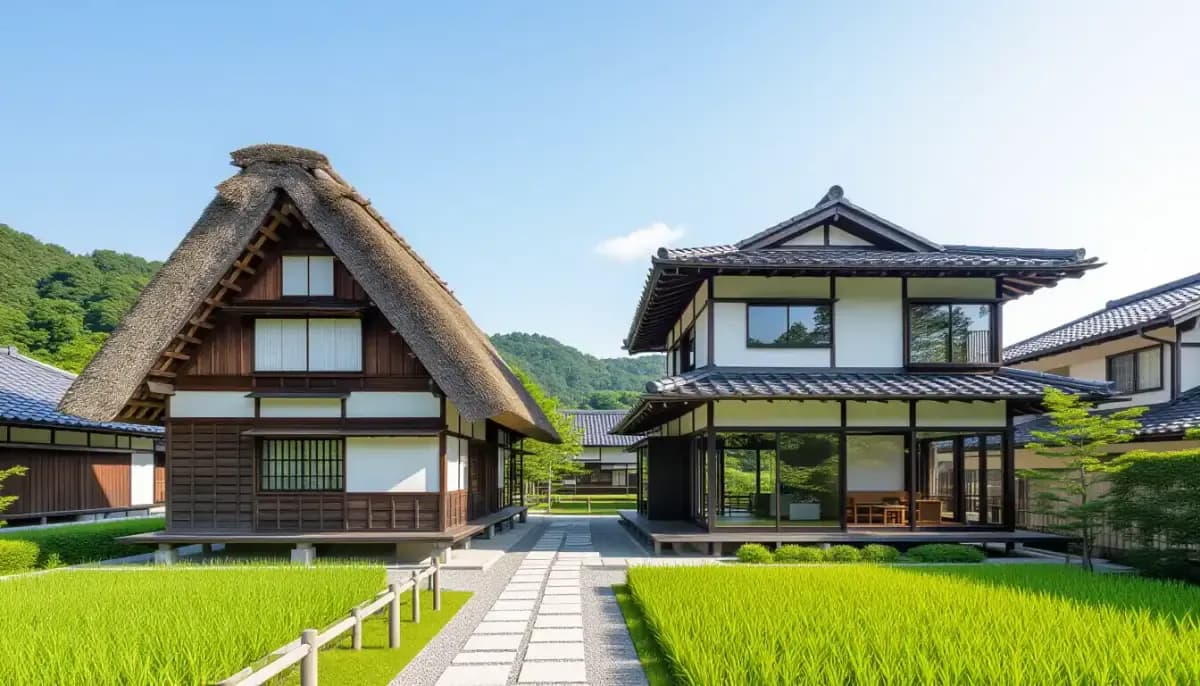
Traditional vs Modern House in Japan: Lifestyle Comparison
Compare traditional Japanese houses (kominka, machiya) vs modern homes for foreign buyers. Costs, comfort, cultural experience, and practical buying advice for expats in Japan.
Read more →
Kominka Structural Assessment and Safety Guide Before Buying
Complete guide to kominka structural assessment before buying in Japan. Covers 12-point inspection checklist, seismic safety standards, termite risks, inspection costs, and critical red flags to help foreign buyers make informed decisions.
Read more →
Where to Find Kominka for Sale in Japan: Resources and Platforms
Discover the best platforms and resources to find kominka for sale in Japan. From KORYOYA to akiya banks, this guide covers every tool foreigners need to buy a traditional Japanese farmhouse.
Read more →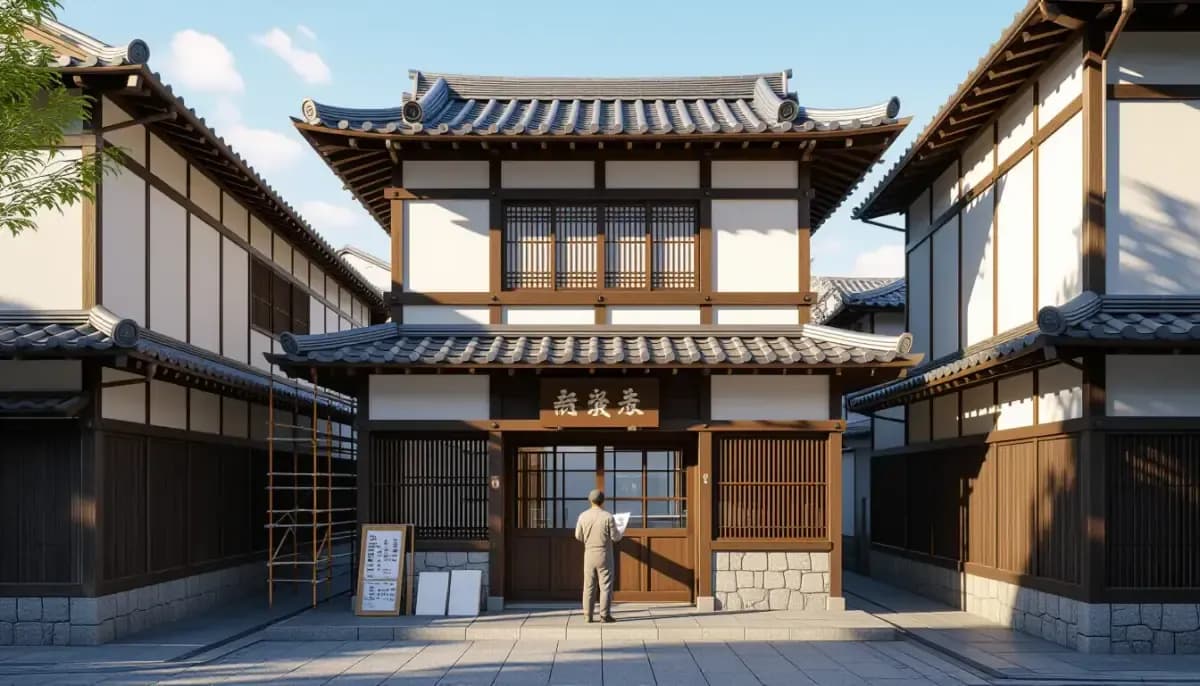
Cultural Preservation Rules for Kominka and Machiya Owners
A complete guide to Japan's cultural preservation rules for kominka and machiya owners: designation tiers, renovation approval requirements, Kyoto's Machiya Ordinance, the 2023 Vacant Home Law, and practical steps for foreign property owners.
Read more →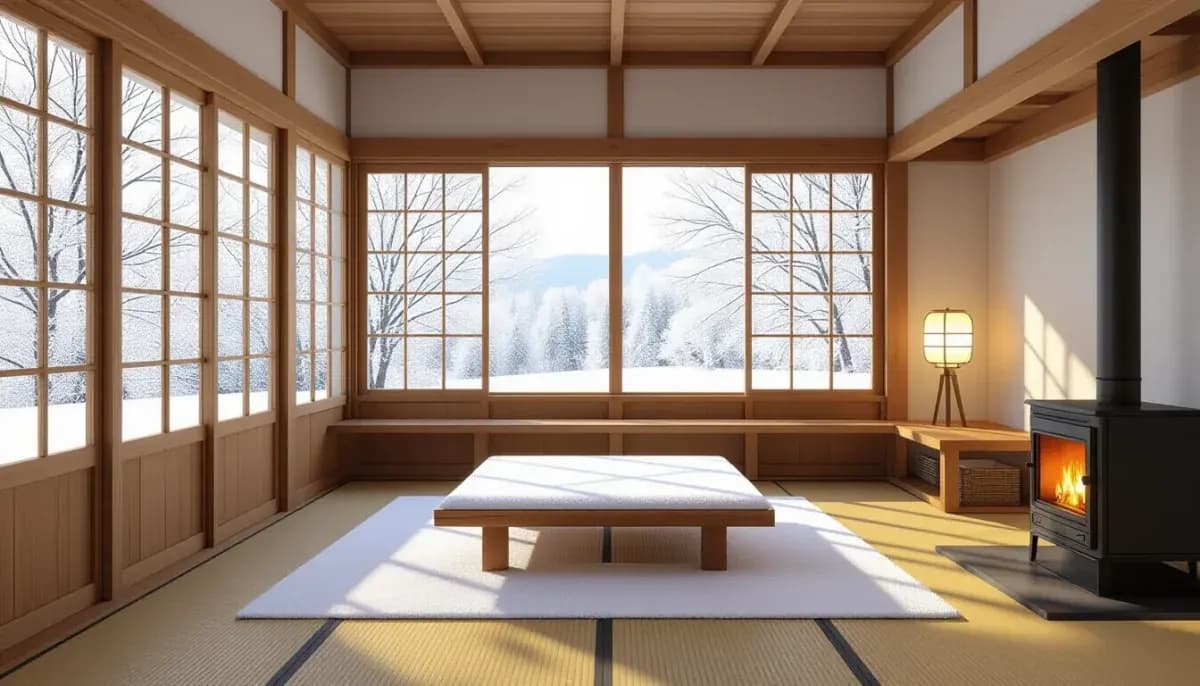
Heating and Insulation Challenges in Traditional Japanese Houses
Traditional Japanese houses are notoriously cold in winter due to poor insulation and design for summer ventilation. Learn why, and how to fix it as a foreign buyer or renter with practical renovation tips and budget guides.
Read more →
Converting a Kominka into a Guesthouse Business in Japan
Complete guide to converting a traditional Japanese kominka into a profitable guesthouse business. Covers licensing, renovation costs, minpaku law, government subsidies, and business models for foreigners.
Read more →