
What Is an Akiya? Japan's Vacant House Phenomenon Explained

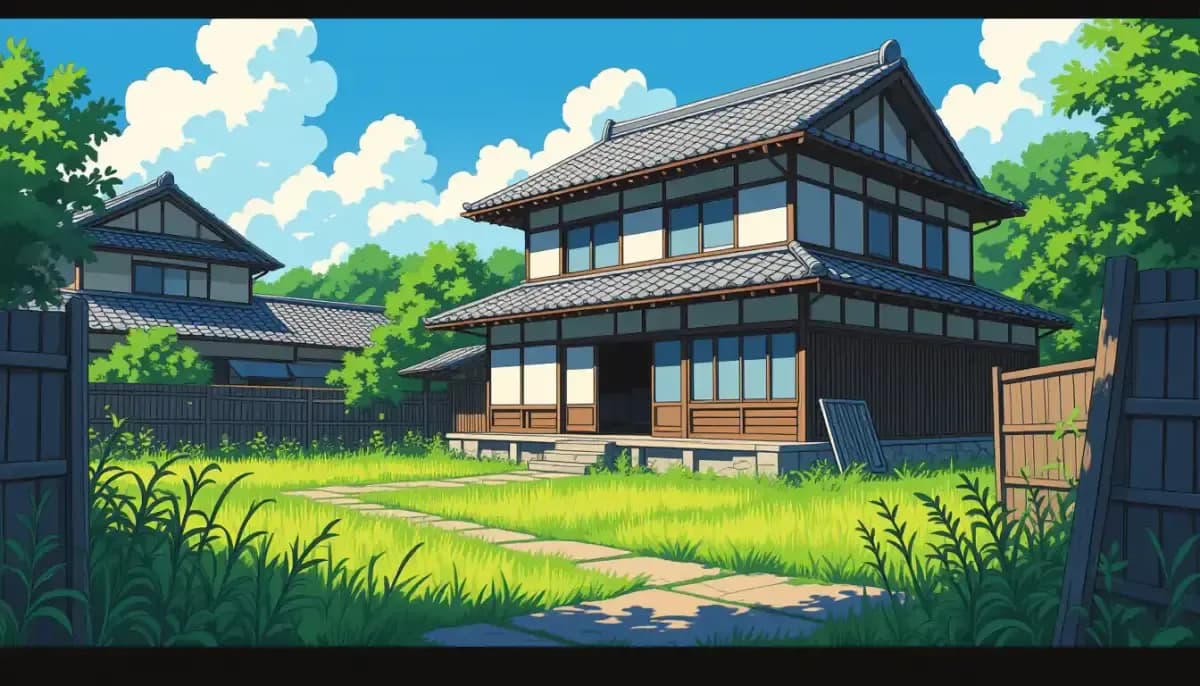
Discover what akiya (vacant houses) are in Japan, why 9 million homes sit empty, and how foreigners can legally purchase these properties. Complete guide to Japan's vacant house phenomenon.
What Is an Akiya? Japan's Vacant House Phenomenon Explained
Japan is home to one of the most unusual real estate situations in the developed world: millions of vacant, often abandoned houses scattered across the countryside and suburban areas, many available for next to nothing. These properties are called akiya (空き家), and understanding them is essential for any foreigner considering buying property in Japan. Whether you're dreaming of a rustic farmhouse in the mountains or looking for an affordable entry point into the Japanese property market, the akiya phenomenon is something you need to know about.
In this guide, we'll explain what akiya are, why there are so many of them, what types exist, and what opportunities and challenges they present for foreign buyers.
What Does Akiya Mean?
The word akiya (空き家) is a compound of two Japanese characters: aki (空き), meaning "empty" or "vacant," and ya (家), meaning "house." Literally translated, it means "empty house." In official Japanese government terminology, an akiya is defined as a building — along with any attached structures — that is not ordinarily inhabited or used for other purposes, including the land it occupies.
The term is used broadly to cover a wide range of situations, from homes that have been left vacant for a short time after a tenant moved out, to properties that have been completely abandoned for decades, overtaken by vegetation, with roofs caving in and windows broken. Not all akiya are in bad shape — some are perfectly liveable and simply need a new owner.
There is an important distinction to make: not every akiya is a crumbling ruin. The condition of akiya varies enormously:
- Type A (For Sale/Rent): Vacant properties actively listed through akiya banks or real estate agencies, often in reasonable condition.
- Type B (Long-term Vacant): Properties that have been empty for extended periods but are structurally sound.
- Type C (Requires Major Renovation): Properties needing significant structural repairs before habitation.
- Type D (Abandoned/Dangerous): Severely deteriorated buildings that may be condemned by municipalities.
The Scale of Japan's Akiya Problem
The numbers are staggering. As of 2023, Japan had approximately 9 million akiya — representing roughly 13.8% of all residential properties in the country. That's nearly 1 in 7 homes sitting empty. To put this in perspective, this is double the number of vacant homes from just 30 years ago in 1993.
And the situation is projected to get significantly worse. Demographic models suggest that Japan could have more than 23 million vacant homes by 2038 if current trends continue. In some rural prefectures, the vacancy rates are already alarming:
| Prefecture | Vacancy Rate |
|---|---|
| Yamanashi | 17.2% |
| Ehime | 16.9% |
| Kochi | 16.8% |
| Tokushima | 16.6% |
| Kagawa | 16.6% |
| Wakayama | 15.8% |
| Nagano | 15.2% |
| National Average | 13.8% |
Even in urban areas, the problem is growing. Suburban neighborhoods built during Japan's economic boom, particularly those at the outer edge of commuter belts, are now seeing rising vacancy rates as younger generations prefer to live closer to city centers.
Why Are There So Many Vacant Houses in Japan?
Understanding why akiya exist in such large numbers requires looking at several interconnected factors that are deeply rooted in Japanese demographics, culture, and economics.
Demographic Decline and Aging Population
Japan's population has been shrinking since 2008. In 2022, the country recorded a record low of 799,728 births while deaths reached 1.58 million — a natural population decrease of over 800,000 people in a single year. Japan's population, currently around 125 million, is projected to fall to approximately 87 million by 2070.
As the population ages and shrinks, demand for housing naturally decreases, particularly in rural areas where young people have been leaving for cities for decades. When elderly residents in rural communities pass away or move to care facilities, their homes are often left with no one to occupy them.
Urbanization and the Rural Exodus
Japan has experienced dramatic urbanization over the past century. Today, over 90% of the population lives in urban areas. The migration from countryside to city has been particularly intense since the postwar economic miracle, gutting rural communities of their working-age populations. Villages that once thrived with hundreds of families now have only a handful of elderly residents.
This urban concentration creates a paradox: housing shortages in major cities like Tokyo and Osaka, while vast numbers of homes sit empty in the countryside.
Cultural Attitudes Toward Inherited Property
Perhaps the most underappreciated cause of the akiya phenomenon is cultural. In Japan, there is a strong tradition of ancestral attachment to property. Homes are seen as embodiments of family legacy and continuity. When a family member passes away and leaves behind a home, heirs often feel reluctant or even obligated not to sell or demolish it — even if they have no intention of living there.
Approximately 59% of akiya are inherited properties that remain in family ownership despite being vacant. The heirs may live hundreds of kilometers away, in the city, with no desire to move to a rural area. But selling or demolishing the family home can feel like severing a cultural connection.
Tax Incentives That Discourage Demolition
Japan's property tax system historically created a perverse incentive to keep buildings standing even when they should be torn down. Vacant land is taxed at approximately six times the rate of land with a residential building on it. This means that even an uninhabitable, crumbling structure provides a tax benefit to the owner — demolishing it would dramatically increase their annual tax bill.
The 2015 Special Measures Act on Vacant Houses attempted to address this by allowing municipalities to designate the most dangerous akiya as "specified vacant houses," which strips them of the residential tax discount. However, implementation has been slow.
The New Construction Preference
Japan has traditionally favored new construction over renovation. Japanese homes have short cultural lifespans — the average house is demolished after just 26-27 years (compared to 55+ years in the US and UK). This preference for "new" over "old" means that even when people do want to purchase property, they often prefer newly built homes, leaving older stock to languish.
Akiya Banks: The Official Solution
To address the growing number of vacant properties, the Japanese government has established akiya banks (空き家バンク) — municipal databases where property owners can list vacant homes for sale or rent, and potential buyers can search for available properties. Most prefectures and many municipalities have their own akiya banks.
The idea is simple: connect willing sellers (often reluctant heirs) with potential buyers (often urban residents seeking rural retreats or foreigners looking for affordable property). In practice, the system has had mixed results:
- Most akiya bank listings are in Japanese only, creating a language barrier for foreign buyers
- Many listings lack detailed information about property condition
- The negotiation process can be complex and culturally nuanced
- Some municipalities have created English-language portals to attract foreign buyers
Several private companies and aggregation services have emerged to bridge this gap, compiling akiya bank listings from across Japan into searchable English-language databases. Resources like Akiya Hub's guide for foreign buyers and Tokyo Cheapo's akiya guide can help you navigate the landscape.
For comprehensive guidance on living and working in Japan more broadly, Living in Nihon and For Work in Japan offer valuable perspectives on the expat experience that will contextualize your property journey.
What Do Akiya Cost?
One of the most attractive features of akiya is their price — or lack thereof. Prices vary enormously based on location, condition, and whether the seller is motivated:
| Property Type | Price Range (JPY) | Price Range (USD approx.) |
|---|---|---|
| Free akiya (with conditions) | ¥0 | $0 |
| Rural fixer-upper | ¥100,000–¥1,000,000 | $700–$7,000 |
| Standard rural akiya | ¥1,000,000–¥5,000,000 | $7,000–$35,000 |
| Renovated/move-in ready | ¥5,000,000–¥20,000,000 | $35,000–$135,000 |
| Near tourist areas/cities | ¥20,000,000+ | $135,000+ |
However, the purchase price is only part of the equation. Renovation costs can be substantial and often exceed the purchase price:
- Tatami replacement: ¥150,000–¥300,000 per room
- Roof repair or replacement: ¥1,000,000–¥3,000,000
- Electrical rewiring: ¥500,000–¥1,500,000
- Plumbing modernization: ¥500,000–¥1,000,000
- Full modernization: ¥5,000,000–¥15,000,000 or more
Additionally, you'll need to budget for taxes and legal fees. Five separate taxes apply to property purchases in Japan (registration tax, property acquisition tax, fixed asset tax, city planning tax, and stamp duty), plus real estate agent commissions of up to 3% plus ¥60,000.
Can Foreigners Buy Akiya?
Yes — and this is one of the genuinely foreigner-friendly aspects of Japan's property market. Foreigners can legally purchase and own akiya in Japan with no special restrictions. Unlike many countries that limit property ownership by non-citizens, Japan allows full freehold ownership regardless of nationality or residency status.
You do not need to be a Japanese resident to buy property. You do not need special permission from the government. You simply go through the standard purchase process, though you will need a Japanese bank account and may need to work with a bilingual real estate agent.
However, there are important caveats:
- Property ownership does not grant visa or residency rights. Owning an akiya in Japan will not help you obtain a long-term visa, permanent residency, or citizenship. Unlike some countries that offer "golden visa" programs, Japan has no such pathway.
- Financing is difficult without residency. Most Japanese banks require Japanese residency and a stable income in Japan to approve a mortgage. Foreign buyers typically need to pay cash or arrange financing in their home country.
- Living full-time requires a visa. If you want to live in your akiya, you'll need an appropriate visa — whether a work visa, highly skilled professional visa, business manager visa, or another category. A tourist visa does not allow long-term residence.
For detailed information on navigating these requirements, see our guide on visa and residency considerations for property buyers in Japan and our comprehensive guide for foreigners buying property in Japan.
Government Incentives and Support Programs
Recognizing the severity of the akiya problem, both the national government and local municipalities have introduced a range of incentives to attract new residents and property buyers:
- Renovation grants: Many municipalities offer subsidies covering 50-100% of renovation costs (up to a capped amount, often ¥1,000,000–¥3,000,000)
- Cash incentives: Some rural municipalities offer cash payments of ¥1,000,000–¥2,000,000 to families who relocate and renovate an akiya
- Free properties: A small number of municipalities offer akiya for free, with conditions such as residency requirements and renovation commitments
- Property tax reductions: Some areas offer temporary property tax holidays for buyers who take on and renovate akiya
- Moving cost subsidies: Help with relocation expenses for those moving from urban areas
These incentives vary significantly by municipality. The Japanese government's Regional Revitalization Office coordinates many of these programs, and local governments maintain their own portals with specific offerings.
Opportunities Created by Akiya
Despite the challenges, the akiya phenomenon has created genuine opportunities for creative buyers:
Rural lifestyle retreats: For those who want to experience traditional Japanese rural life, akiya offer a way to own a piece of authentic Japan at an accessible price point. Many foreign buyers have successfully purchased and renovated akiya as weekend retreats or second homes.
Remote work bases: The growth of remote work has made it practical for people to live in rural areas while working globally. An akiya in the Japanese countryside provides a remarkable quality of life at a fraction of urban costs.
Guesthouse and minpaku businesses: Renovated akiya have become popular guesthouses and boutique accommodations. With appropriate licensing under Japan's minpaku law, owners can generate income by hosting travelers seeking authentic rural experiences.
Community revitalization: Some buyers have become integral parts of their local communities, taking on roles in local governance, helping maintain traditional festivals, and contributing to the economic revitalization of depopulating villages.
For more context on rural property opportunities, see our article on rural and countryside properties in Japan for foreigners and explore property types available in Japan to understand how akiya fit into the broader market.
For an expat-focused perspective on navigating Japan's housing market, Gaijin Buy House offers resources tailored specifically to foreign property buyers in Japan.
Key Takeaways
The akiya phenomenon represents both a serious social challenge for Japan and a unique opportunity for foreign buyers willing to navigate its complexities. Here's what to remember:
- Japan has approximately 9 million vacant houses, projected to grow to 23 million by 2038
- The causes are deeply rooted in demographics, culture, and tax policy
- Prices can be extremely low, but renovation costs must be carefully budgeted
- Foreigners can legally buy akiya with no nationality restrictions
- Property ownership does not grant visa or residency rights
- Akiya banks are the main official channel for finding properties
- Government incentives can significantly reduce total costs
- Success requires cultural sensitivity, language support, and local community relationships
Understanding akiya is just the beginning. The process of actually purchasing one involves navigating Japan's property laws, working with real estate agents, understanding renovation regulations, and building relationships with local communities. Our step-by-step home buying process guide walks you through each stage in detail.
Japan's vacant house phenomenon may be a demographic challenge for the country, but for the right buyer, an akiya can be the gateway to an extraordinary life in one of the world's most fascinating cultures.

Originally from Vietnam, living in Japan for 16+ years. Graduated from Nagoya University, with 11 years of professional experience at Japanese and international companies. Sharing information about buying property in Japan for foreigners.
View Profile →Related Articles
Akiya Near Tokyo: Accessible Vacant Houses for Commuters
Find affordable akiya (vacant houses) within commuting distance of Tokyo. Covers best rail corridors in Saitama, Chiba, Kanagawa, Ibaraki, government subsidies, and tips for foreign buyers.
Read more →
Can You Turn an Akiya into a Rental Property in Japan?
Foreigners can convert akiya (vacant Japanese homes) into rental properties. Learn the legal requirements, rental models, renovation costs, and tax rules for akiya rental investment in Japan.
Read more →
Kominka (Traditional Farmhouse) Akiya: Buying and Renovating
Complete guide to buying and renovating a kominka (traditional Japanese farmhouse) as a foreigner. Covers costs, subsidies, finding properties, renovation tips, and the buying process.
Read more →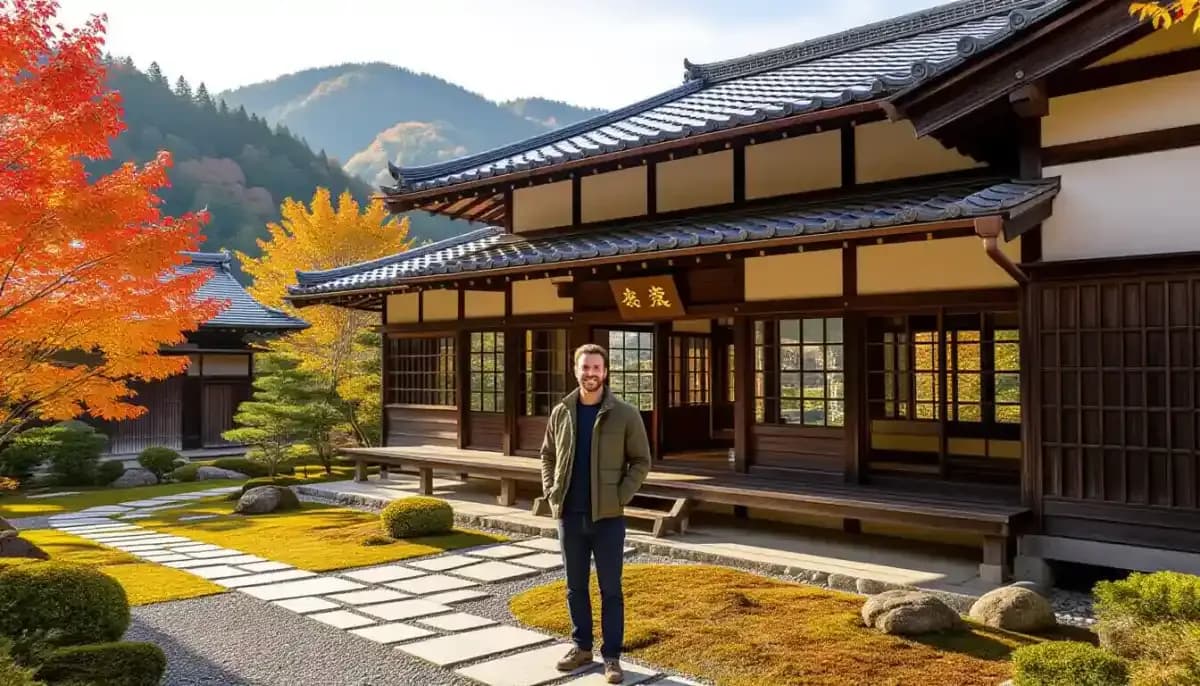
Akiya Success Stories: Foreigners Who Bought Vacant Houses in Japan
Real success stories of foreigners who successfully bought akiya (vacant houses) in Japan. Learn what they paid, how they did it, and how to replicate their success with practical tips and lessons learned.
Read more →
Foreign Buyer Akiya Purchase Process Step by Step
Complete step-by-step guide to buying an akiya (vacant house) in Japan as a foreign buyer. Covers property search, due diligence, contracts, payment, title registration, and mandatory reporting requirements.
Read more →
Akiya Legal Issues and Title Problems to Watch Out For
Discover the critical akiya legal issues and title problems foreign buyers face in Japan: unregistered ownership, multiple heirs, zoning problems, and new 2024-2025 laws. Essential due diligence guide.
Read more →