
Bathroom Renovation in Japan: Modernization Guide

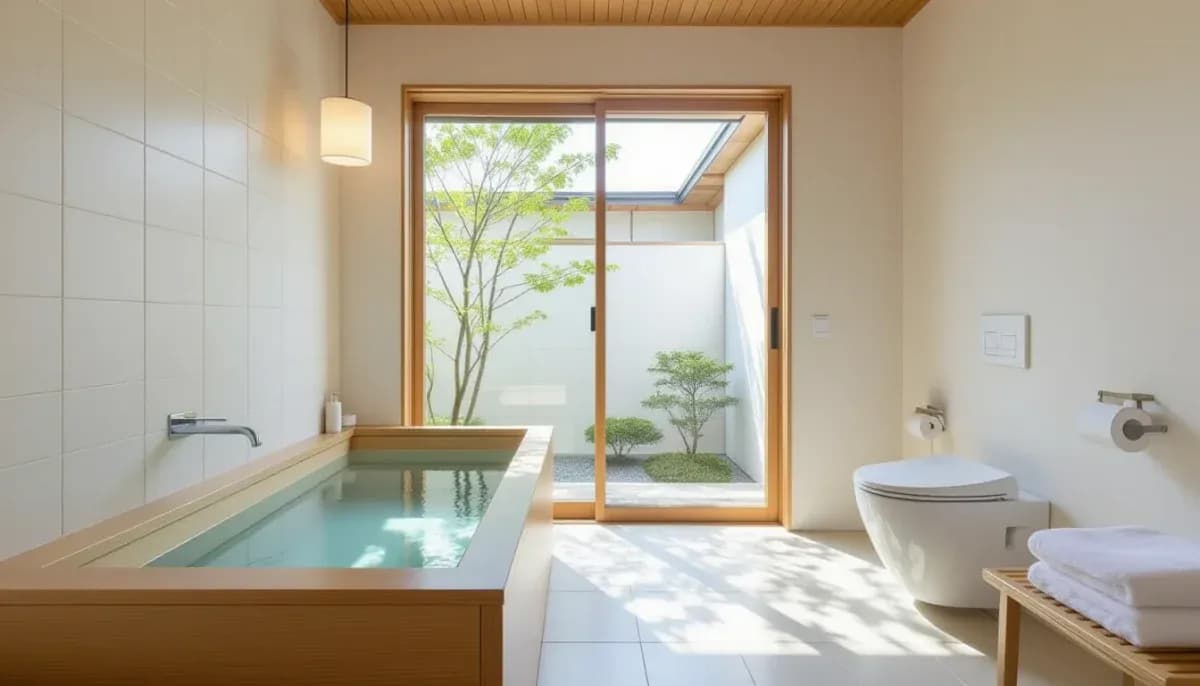
Everything foreigners need to know about bathroom renovation in Japan — unit baths, Ofuro tubs, costs, regulations, condo rules, and finding English-speaking contractors.
Bathroom Renovation in Japan: Modernization Guide for Foreign Homeowners
Renovating a bathroom in Japan is one of the most rewarding upgrades you can make to your property — whether you're refreshing a dated unit bath, installing a luxury Ofuro soaking tub, or converting a traditional tiled bathroom into a sleek modern space. For foreigners who own or plan to purchase property in Japan, understanding the local renovation system, costs, regulations, and cultural nuances is essential before you pick up a catalog or call a contractor.
This comprehensive guide walks you through every aspect of bathroom renovation in Japan, from understanding the unique Japanese unit bath system to navigating permits, costs, financing, and finding the right contractor as a non-Japanese speaker.
Understanding Japan's Unique Bathroom System
Japanese bathrooms are fundamentally different from those in Western countries. The most notable difference is that Japan traditionally separates what Westerners consider a single "bathroom" into distinct rooms:
- The Ofuro room (浴室): Contains the soaking tub and shower area — a dedicated wet zone
- The toilet room (トイレ): A separate room for the toilet only
- The washbasin/vanity area (洗面所): Often adjacent to the bath room, used for washing hands and face
This separation reflects Japanese bathing culture, where the bath is for relaxation and soaking (after washing clean), not for utilitarian use. When planning your renovation, it's important to understand which space you're modifying and what approvals or structural changes may be involved.
The Unit Bath System (ユニットバス)
The majority of modern Japanese homes — especially condominiums built after 1980 — use a unit bath (ユニットバス) system. This is a factory-manufactured, prefabricated modular unit that arrives as an assembled package including:
- Bathtub (typically 1.6m length)
- Waterproof wall panels
- Anti-slip flooring
- Integrated ceiling
- Built-in lighting and ventilation fan
- Pre-plumbed shower fixtures and faucets
Unit baths are designed to be installed as a complete system, making renovation more standardized compared to custom tiled bathrooms. Replacing an entire unit bath typically costs ¥500,000–¥1,500,000 and takes 4–7 days to complete.
For more context on Japanese property types and their features, see our guide on Types of Properties Available in Japan.
Bathroom Renovation Cost Breakdown in Japan
Understanding renovation costs in Japan requires familiarity with the scope of work and the type of bathroom you have. Below is a comprehensive cost breakdown for the most common renovation types:
| Renovation Type | Estimated Cost | Duration |
|---|---|---|
| Unit bath full replacement | ¥500,000–¥1,500,000 | 4–7 days |
| Tiled bathroom to unit bath conversion | ¥700,000–¥1,600,000 | 1–2 weeks |
| Full custom bathroom renovation (3m²) | ¥1,000,000–¥2,500,000 | 2–4 weeks |
| Hinoki wood Ofuro tub installation | ¥2,000,000–¥3,500,000 | 2–3+ weeks |
| Washlet toilet installation | ¥50,000–¥100,000 | 1–3 days |
| Western-style toilet replacement | ¥150,000–¥600,000 | 1–2 days |
| Vanity/sink replacement | ¥100,000–¥400,000 | 1–2 days |
| Flooring replacement (bathroom only) | ¥80,000–¥200,000 | 1 day |
| Skeleton renovation (full gut) | ¥1,500,000–¥4,000,000+ | 3–6 weeks |
These estimates apply to a standard Tokyo/major city area. Costs in rural areas may be 10–20% lower, but finding qualified contractors can take longer.
For a deeper look at overall renovation costs and housing expenses, read Property Taxes and Annual Costs of Owning Property in Japan.
Key Renovation Options: From Modern to Traditional
1. Unit Bath Replacement
The most common bathroom renovation in Japan. If your unit bath is older than 15–20 years, replacing the entire unit is often more cost-effective than patching individual components. Modern unit baths offer:
- Thermos-bath technology (魔法瓶浴槽): Insulated tubs that keep water warm for 4+ hours
- Warm floor heating built into the floor panel
- Mist sauna or steam shower functions
- Low-barrier entry (important for elderly residents or accessibility)
- Nano-bubble technology for skin-softening bath water
Major brands in Japan include TOTO, LIXIL (INAX), Panasonic, and Takara Standard. Each offers multiple series from economy to luxury.
2. Washlet and Smart Toilet Upgrades
Japan is famous for its high-tech toilets. 93% of Japanese homes have washlet (electronic bidet) toilets, compared to just 9–29% in other developed countries. If your property still has a basic toilet, a washlet upgrade is one of the highest-value renovations you can make.
Entry-level washlets from TOTO or LIXIL cost ¥50,000–¥100,000 installed, while premium models with air deodorization, automatic lid, heated seat, and customizable wash functions can reach ¥300,000–¥500,000.
For more information about fitting out your property for resale or rental value, see Hidden Costs and Fees When Buying Property in Japan.
3. Traditional Ofuro and Hinoki Wood Tubs
If you're renovating a traditional Japanese home (古民家, kominka) or want a spa-like premium bathroom, installing a hinoki cypress (檜) soaking tub is the ultimate upgrade. The Ofuro soaking tub — typically 60–80 cm deep and designed for full shoulder immersion — is the cultural centerpiece of Japanese bathroom design.
Hinoki wood installations require:
- Waterproofing the surrounding structure
- Custom joinery and craftsmanship
- Ongoing maintenance to prevent cracking and mold
- Proper ventilation and drainage design
Costs range from ¥2,000,000–¥3,500,000 and require 2–3 weeks or more. This renovation is best suited to detached houses, not condominiums.
4. Barrier-Free Renovations for Aging in Place
Japan's aging population has made barrier-free bathroom upgrades extremely common. These include:
- Grab bars and handrails
- Walk-in shower (no step entry)
- Wider doorways for wheelchair access
- Non-slip flooring
- Low-step bathtub entry
The government offers subsidies covering up to 90% (maximum ¥180,000) of barrier-free renovation costs through the Long-Term Care Insurance system. If you or a family member qualifies for nursing care support, this subsidy can dramatically reduce costs.
Regulations and Approvals: What Foreigners Must Know
Condominium Rules (管理規約)
If you own a condominium (マンション), you must consult your building's management association (管理組合, kanri kumiai) before any structural or plumbing modifications. Japanese condominium regulations typically prohibit:
- Relocating plumbing pipes or drainage
- Removing walls (especially load-bearing)
- Changing the position of the bathtub or toilet
- Any work that affects shared building infrastructure
Violations can result in fines, forced restoration, and legal disputes with the management association. Always get written approval before starting work.
Detached House (一戸建て) Renovations
For detached houses, bathroom renovations generally do not require building permits unless you are making structural changes (removing walls, adding extensions). However, if your renovation involves:
- Changing the floor plan layout
- Adding a bathroom in a space not previously used as a wet area
- Significant electrical or gas infrastructure changes
…you may need to consult a licensed architect or submit plans to the local ward office.
For guidance on the legal procedures involved in Japanese property ownership, read Legal Procedures and Documentation for Japan Property Purchase.
Finding a Contractor as a Foreigner
One of the biggest challenges for foreign property owners is finding a contractor who can communicate in English and understands cross-cultural expectations. Here's how to navigate this:
Language Barriers and Contracts
Work contracts in Japan are written in Japanese. Misunderstandings about scope, materials, and finishing details are common if you rely solely on translation apps. Consider:
- Hiring a bilingual renovation coordinator who can bridge communication between you and the contractor
- Working with contractors who have English-speaking staff or documented experience with foreign clients
- Using renovation management companies that offer English support
Finding Reputable Contractors
- HUNE Architects — Offers services in English, Cantonese, and Mandarin for Tokyo-area renovations
- YOSHIMOTO ASSOCIATES INC. — English and Spanish support for renovation and construction
- Large home centers (ホームセンター) like Cainz or Komeri have in-house renovation services with standardized pricing, though English support is limited
- Major manufacturers (TOTO, LIXIL, Panasonic) offer nationwide showrooms and can refer certified installers for their products
Always get at least 3 quotes before committing. Japanese renovation quotes (見積もり, mitsumori) are typically free and itemized in detail.
For general advice on navigating life as a foreigner in Japan, Living in Nihon is an excellent resource for expat experiences and practical tips. For those balancing work and property ownership, For Work in Japan provides guidance on professional life. For foreigner-specific real estate and renovation advice, Gaijin Buy House covers the buying and renovation journey comprehensively.
Renovation Financing Options in Japan
Bathroom renovations are a significant investment. Here are the main financing routes available:
1. Cash Payment
The simplest option. Most Japanese contractors prefer cash or bank transfer payment. Keep receipts for all work — renovation costs may be deductible against capital gains when you sell the property.
2. Home Renovation Loan (リフォームローン)
Japanese banks and credit unions offer unsecured renovation loans:
- Interest rates: 2.0–4.0% per annum
- Repayment periods: up to 10–15 years
- Loan amounts: typically up to ¥5–15 million
- No collateral required for smaller amounts
For foreign nationals, loan approval depends heavily on residency status, employment history in Japan, and language ability (to complete paperwork).
3. Combined Purchase and Renovation Loan
If you are purchasing and renovating simultaneously, a combined purchase-with-renovation loan offers the lowest interest rate (mortgage-level rates, up to 35 years). This requires working with a bank that specializes in this product — not all lenders offer it.
For detailed guidance on financing options, see Mortgages and Home Loans for Foreigners in Japan.
Additional information on renovation loans and financing can be found at PLAZA HOMES renovation loan guide and the MailMate renovation cost guide for Japan.
For technical cost breakdowns specific to bathroom work, Tsuji Kenzai's bathroom renovation cost guide provides detailed Japanese market data. The E-Housing guide to Japanese bathrooms and comprehensive renovation guide are also invaluable references.
Timeline: What to Expect
A typical bathroom renovation timeline in Japan:
- Research and planning (2–4 weeks): Visiting showrooms, collecting quotes, choosing materials
- Management association approval (if condo, 2–4 weeks): Submit plans, wait for committee review
- Contractor scheduling (2–4 weeks): Quality contractors are often booked weeks in advance
- Pre-work preparation (1–2 days): Covering floors, disconnecting water supply, removing fixtures
- Renovation work (4 days–4 weeks depending on scope)
- Inspection and sign-off (1 day): Walk-through with contractor, confirming all work meets spec
- Post-renovation cleaning (1 day)
Overall, budget 2–3 months from decision to completion for a straightforward unit bath replacement, and 4–6 months for a comprehensive custom renovation.
Common Mistakes to Avoid
- Not checking management association rules first — can result in forced reversal of work
- Choosing the cheapest quote without verifying credentials — unlicensed contractors exist; always check for Kensetsu Gyosha license
- Ignoring ventilation — Japanese bathrooms require proper ventilation (24-hour ventilation systems are now mandatory in new builds); poor ventilation leads to mold
- Underestimating lead times for imported materials — foreign tiles, fixtures, or fittings can take 6–12 weeks to arrive
- Not distinguishing between リフォーム and リノベーション — contractors use these terms differently; clarify scope in writing
Conclusion
Bathroom renovation in Japan is a well-organized market with high standards, excellent products, and a mature contractor ecosystem. For foreigners, the main challenges are navigating language barriers, understanding condo regulations, and finding renovation partners with cross-cultural experience. With the right preparation, a renovated Japanese bathroom — whether a sleek modern unit bath or a traditional Ofuro sanctuary — can dramatically increase both your quality of life and your property's value.
Whether you're just beginning your property journey or already own a home in Japan, our Complete Guide to Buying Property in Japan as a Foreigner provides the broader context you need for confident property ownership and renovation decisions.

Originally from Vietnam, living in Japan for 16+ years. Graduated from Nagoya University, with 11 years of professional experience at Japanese and international companies. Sharing information about buying property in Japan for foreigners.
View Profile →Related Articles
Renovation Financing and Loan Options in Japan
Complete guide to renovation loan options in Japan for foreign property owners. Covers reform loans, combined purchase loans, Flat 35, government subsidies, and eligibility requirements for expats.
Read more →
Smart Home Technology Renovation in Japan
Complete guide to smart home technology renovation in Japan for foreign property owners. Covers devices, costs, PSE certification, electrical rules, and top brands like Panasonic, Google, and Amazon Alexa.
Read more →
Barrier-Free and Accessibility Renovation in Japan
Complete guide to barrier-free accessibility renovation in Japan for foreign homeowners. Learn about kaigo hoken subsidies up to ¥200,000, common modifications, 2025 building code changes, and how to qualify as a foreigner.
Read more →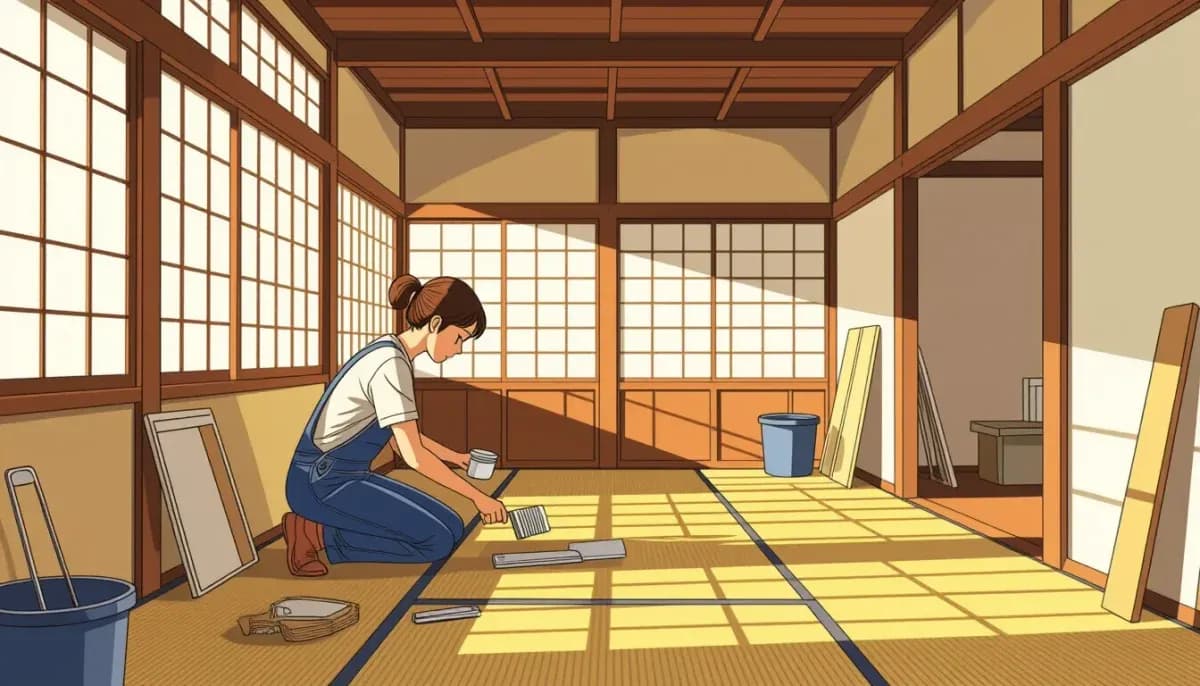
DIY Home Improvement in Japan: Guide for Foreign Homeowners
Complete guide to DIY home improvement in Japan for foreign homeowners. Learn what projects you can do yourself, home center tips, renovation costs, government subsidies, and step-by-step project guides.
Read more →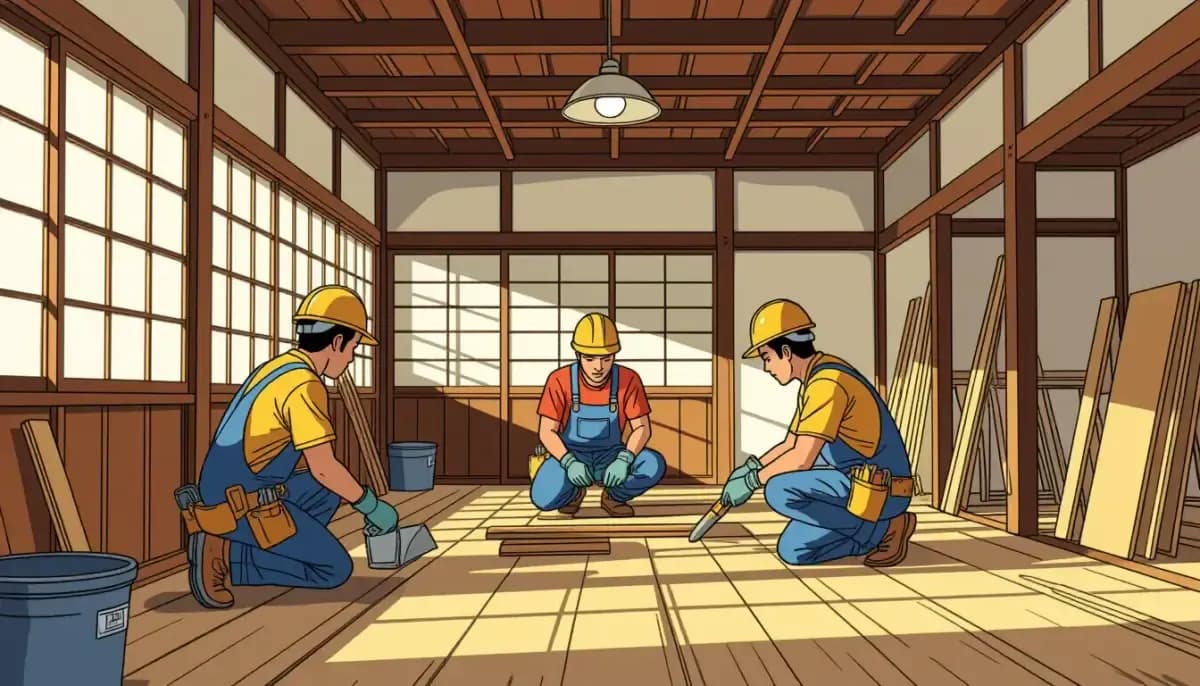
Japan Renovation Timeline: How Long Do Projects Take?
Complete guide to Japan renovation timelines for foreign homeowners. Learn how long each phase takes—from planning and permits to construction and move-in—including 2025 building code changes.
Read more →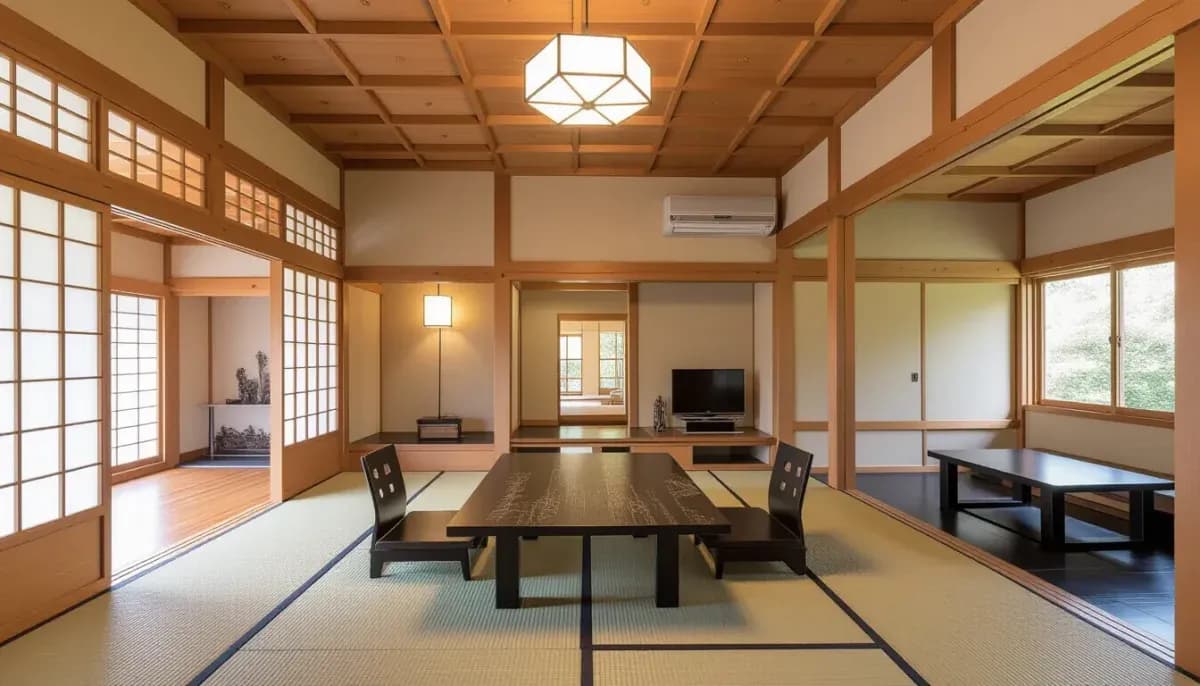
Renovating a Traditional Japanese House for Modern Living
Complete guide to renovating traditional Japanese houses (kominka, machiya, akiya) for modern living. Costs, subsidies, contractors, permits, and design tips for foreign owners in Japan.
Read more →